Ébano
.png)
A Michelin Plate-recognised contemporary restaurant set within an aristocratic Bellaterra property, Ébano brings seasonal Catalan cooking to a residential setting that most visitors to the Barcelona metropolitan area would never stumble across. The kitchen pairs traditional roots with modern technique, with rice dishes and fresh fish specials anchoring a menu that shifts with market availability. At a mid-range price point, it occupies a clear niche in the broader Barcelona dining ecosystem.
Pearl is the En Primeur Club membership app — saves, bookings, and concierge access live there. Same editors, same standards.
- Address
- Avinguda Film, 2, 08193 Bellaterra, Barcelona, Spain
- Phone
- +34 935 80 33 40
- Website
- ebanorestaurant.com
 Saves & bookings on Pearl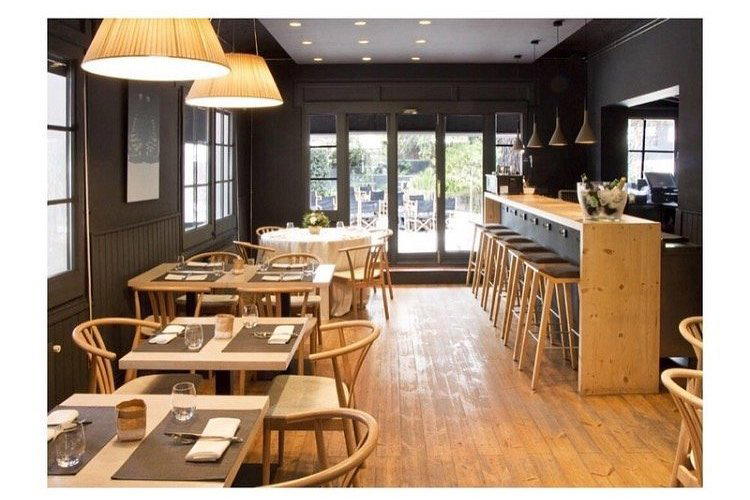
A Residential Address That Sets the Tone Before You Sit Down
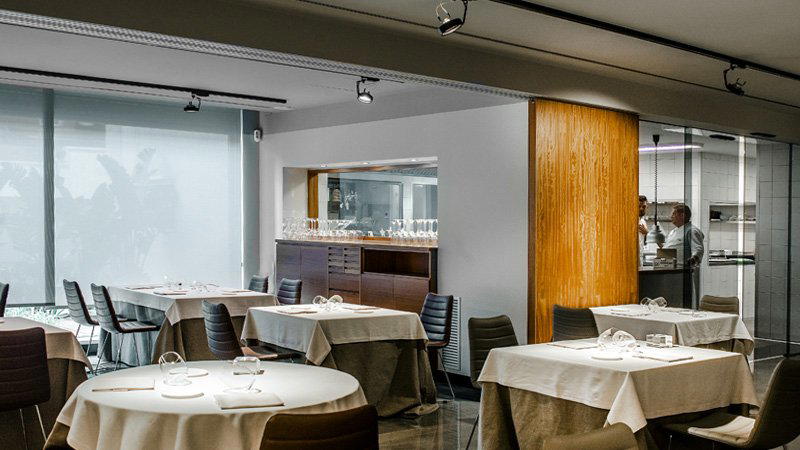
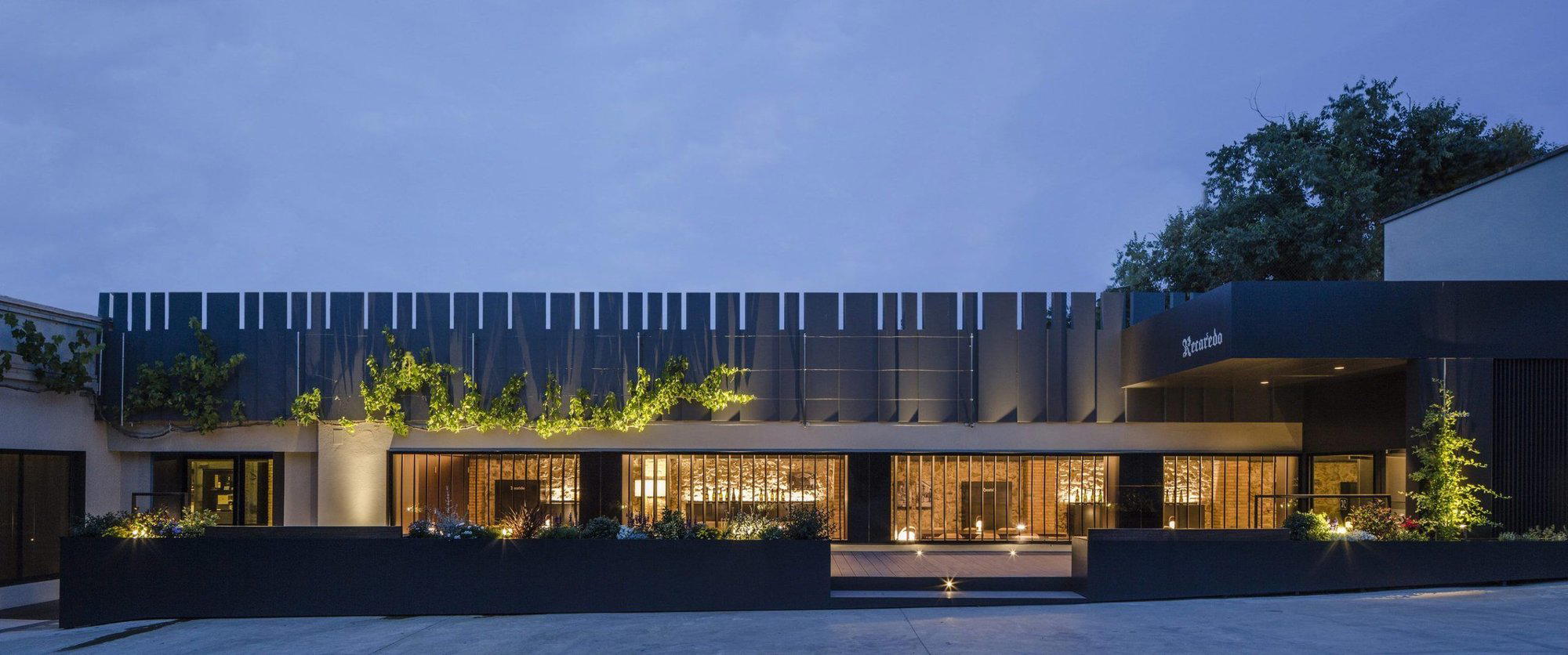
The approach to Ébano already tells you something about what the kitchen values. The restaurant occupies an aristocratic property on Avinguda Film in Bellaterra, a quiet residential municipality that sits within the Barcelona metropolitan area but operates at an entirely different pace. Chalets line the surrounding streets, and a tree-shaded terrace softens the transition between suburb and dining room. The architecture has the unhurried formality of old Catalan bourgeois domesticity. By the time you step inside into the bright, contemporary-style dining rooms, the contract is clear: this is not a restaurant designed around urban theatre or trending formats. It is designed around food.
That setting matters editorially because it filters the crowd. Ébano draws guests who have made a deliberate choice to come here rather than diners passing through or filling a tourist itinerary. In a region where the restaurant conversation is frequently dominated by Barcelona's inner districts or the long-drive destination restaurants of coastal Catalonia, a Michelin-recognised address in a residential satellite town occupies an interesting position. For context on the broader regional ambition, properties like El Celler de Can Roca in Girona or Cocina Hermanos Torres in Barcelona sit at the top of that conversation. Ébano operates in a different register entirely: accessible price point, neighbourhood scale, recognisable Michelin quality signal.
Where the Ingredients Come From and Why That Shapes the Menu
The kitchen's stated philosophy centres on seasonal ingredients and what the menu describes as an obsession with defined flavours. That framing is worth unpacking. In contemporary Spanish cooking, particularly in Catalonia, ingredient provenance has moved from background detail to central editorial position. The market-driven model that once characterised home cooking and old-school Catalan restaurants has been absorbed into modern technique, with the result that the leading mid-range kitchens in the region tend to organise their menus around what is available rather than what is stable year-round.
At Ébano, this plays out through a structure that balances a fixed à la carte with daily specials focused on fresh fish, and a tasting menu from which individual dishes can be ordered separately. The daily specials format is a reliable signal of genuine market purchasing: a kitchen that changes its fish offering by the day is working with suppliers whose inventory reflects the catch, not a distributor's standing order. The à la carte anchors around rice dishes, a format with deep roots in Catalan and broader Valencian cooking tradition. The documented example is the arroz del corral, made with organic chicken, butifarra del perol sausage, and butifarra blood sausage. The use of organic chicken and the inclusion of two distinct forms of butifarra, one cooked and one blood-based, points to sourcing that treats the market as a collaborator rather than a supplier. Butifarra is one of Catalonia's most regionally specific charcuterie traditions, and its presence here in dual form is a statement about staying close to local producers.
For readers interested in tracing how ingredient-sourcing philosophy scales across Spanish fine dining, the contrast with restaurants like Quique Dacosta in Dénia or Ricard Camarena in València is instructive. Both operate with rice as a core reference point and both source with precision, but at a significantly different price tier and with formal tasting-menu architecture. Ébano works the same ingredient logic at a fraction of the cost and with considerably more flexibility in how you eat.
Traditional Roots, Modern Execution
Contemporary Catalan cooking at the mid-range sits in a complicated position. Too much modernist technique and you lose the seasonal coherence that makes the cuisine compelling; too little and the food collapses into a routine bistro register. The kitchens that handle this well tend to use technique in service of the ingredient rather than as the point of the dish. Ébano's Michelin recognition suggests the kitchen manages that balance consistently. Michelin recognition does represent the guide's formal acknowledgement of good cooking, and consecutive-year recognition indicates stability rather than a single fortunate inspection.
The tasting menu, which allows individual dish selection, is a format that has become more common across Spain's mid-tier contemporary restaurants. It offers the kitchen's preferred sequence without imposing it, which suits a room that appears designed for both leisurely meals and more focused lunches. The strong traditional roots the restaurant cites in its own framing show up most clearly in the rice dishes and the charcuterie sourcing; the modern cooking element tends to emerge in technique and plating rather than in fusion or imported reference points.
Bellaterra in the Broader Dining Map
Bellaterra is part of the broader Barcelona metropolitan fabric but has almost no profile in international food media. That is partly a function of geography (it sits northwest of the city, not on the coastal routes that dominate travel journalism) and partly a function of scale. It does not have the density of restaurants that would generate a destination-dining conversation. For visitors, it is most likely to appear on the itinerary as a specific reservation.
For those building a wider picture of where to eat and stay in the area, If you are mapping a broader Spanish itinerary, the country's contemporary dining scene ranges considerably in register and ambition, from the progressive creativity of Azurmendi in Larrabetzu and Aponiente in El Puerto de Santa María to the Basque canon represented by Arzak in San Sebastián and Martin Berasategui in Lasarte-Oria. DiverXO in Madrid and Mugaritz in Errenteria occupy their own categories. Ébano is not in that conversation by scale or price, but it shares the same underlying commitment to sourcing as the organising principle of what ends up on the plate. For contemporary dining with a different international frame of reference, César in New York City and Jungsik in Seoul offer useful comparisons in how contemporary cuisine operates across cultural contexts. And Atrio in Cáceres is worth noting for those interested in how Spain's smaller cities have built serious restaurant reputations.
Planning Your Visit
Ébano sits at the €€ price point, which places it comfortably within reach for a multi-course lunch or dinner without the commitment of a high-end tasting menu budget. The address at Avinguda Film, 2, 08193 Bellaterra means it is most practically reached by car from Barcelona, or via the FGC commuter rail network that connects Bellaterra to the city. The terrace operates as a meaningful part of the experience in warmer months; the tree cover means it stays usable in summer heat. Booking ahead is advisable given the scale of the property and the specificity of the audience it draws. The Google review score of 4.6 across 1,176 ratings indicates sustained satisfaction across a wide sample.
Fast Comparison
Comparable venues nearby, for context on price, style, and recognition.
| Venue | Cuisine | Price | Awards | Notes |
|---|---|---|---|---|
| Ébano | Modern Mediterranean with Asian Fusion | $$$ | Michelin Plate | Bellaterra |
| Umami | Modern Catalan Gastrobar | $$ | , | Bellaterra |
| Olivos | Creative Mediterranean Fusion | $$$ | Michelin Plate | Sants |
| Els Jardins del Tancat | Traditional Mediterranean Rice and Grilled Fish | $$$ | Michelin Plate | Sol de Riu |
| L'Eixida | Mediterranean Fusion with Asian & South American Influences | $$$ | Michelin Plate | Peratallada |
| VIA | Modern Catalan Mediterranean | $$$$ | Michelin Plate | Vic |
Continue exploring
More in Bellaterra
Restaurants in Bellaterra
Browse all →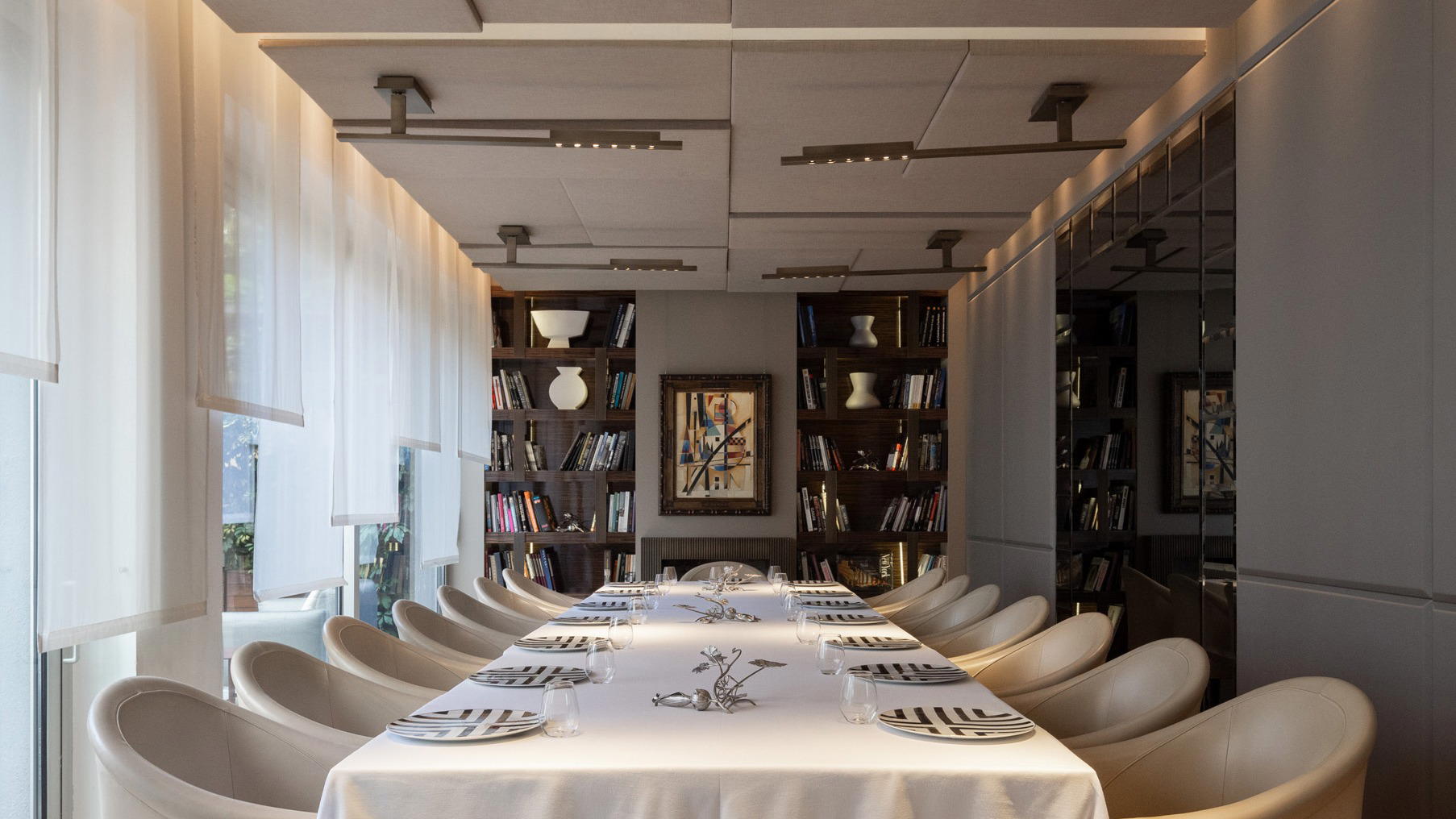
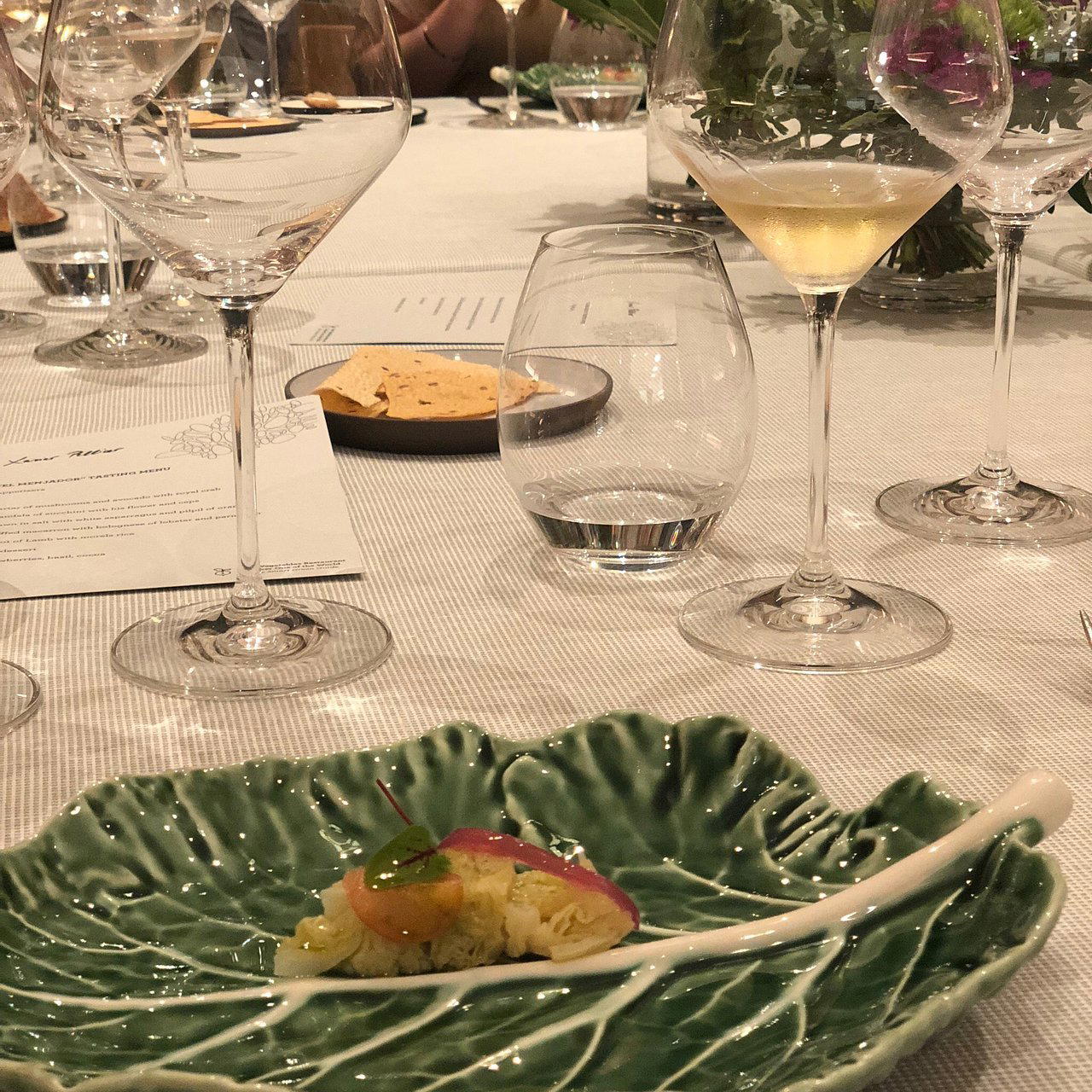
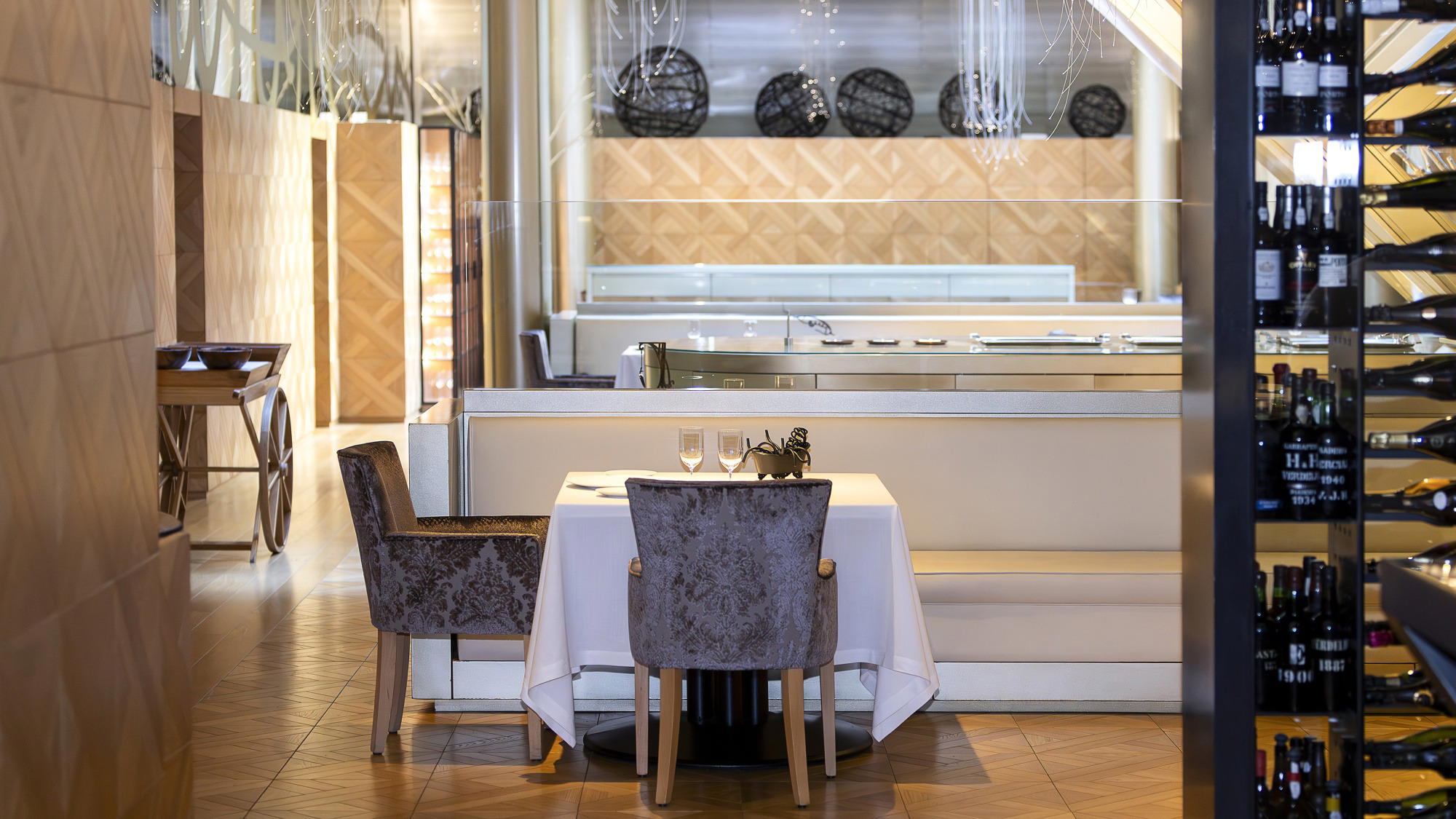
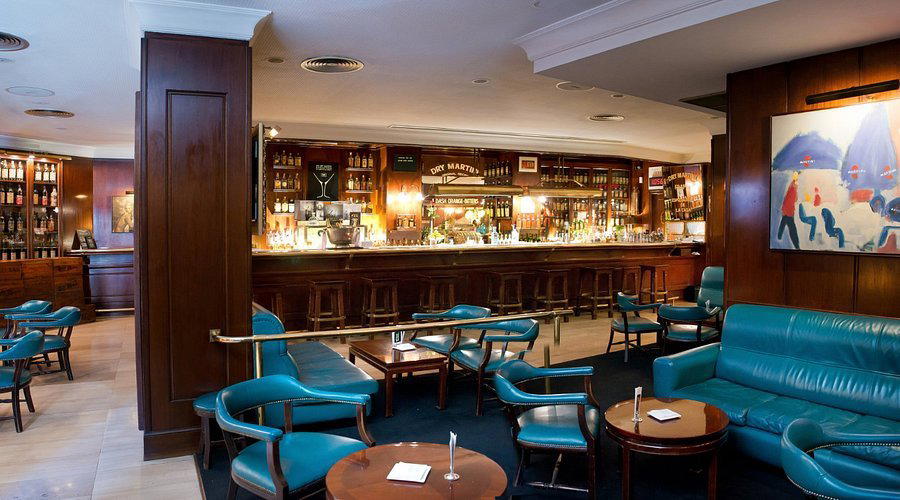
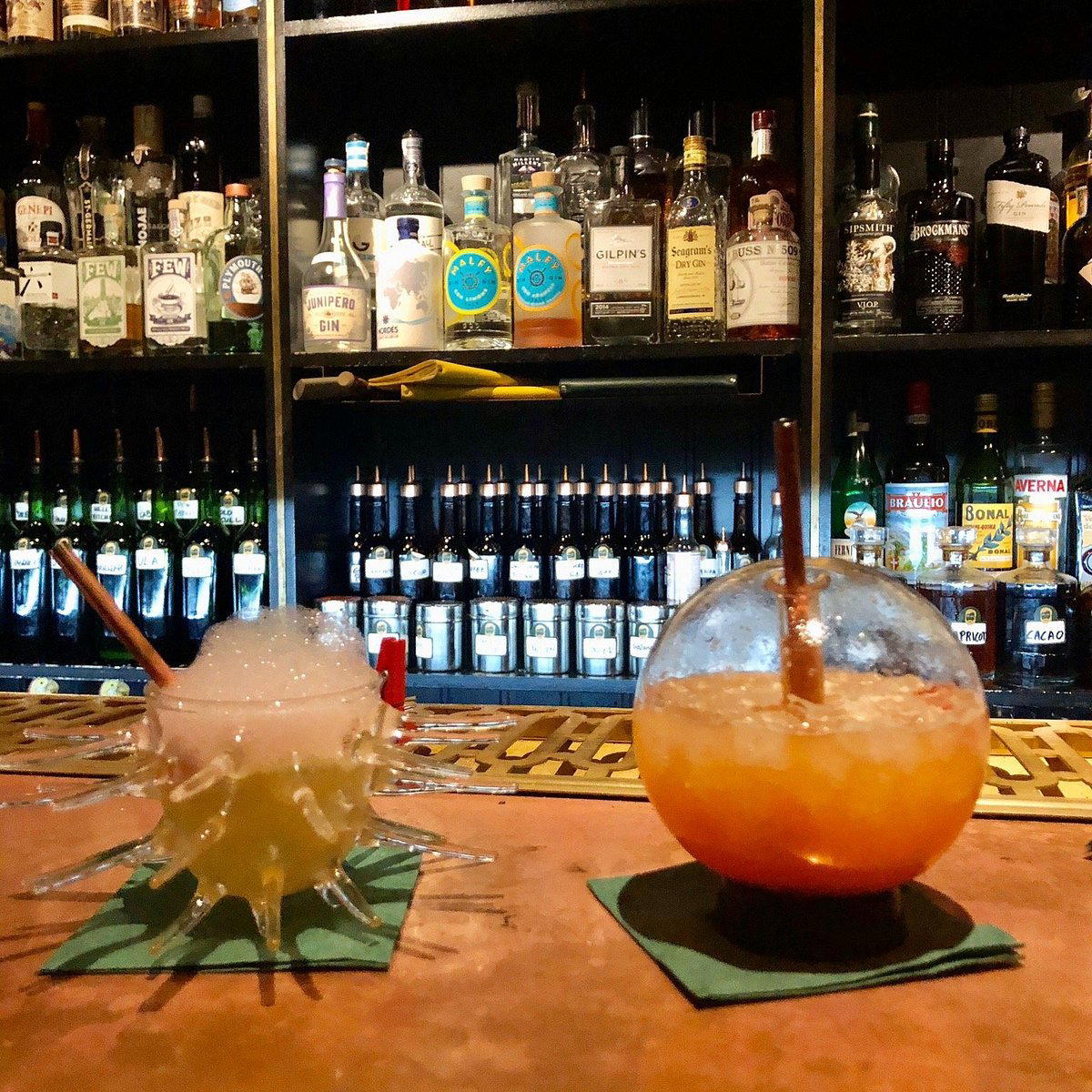
Bars in Bellaterra
Browse all →
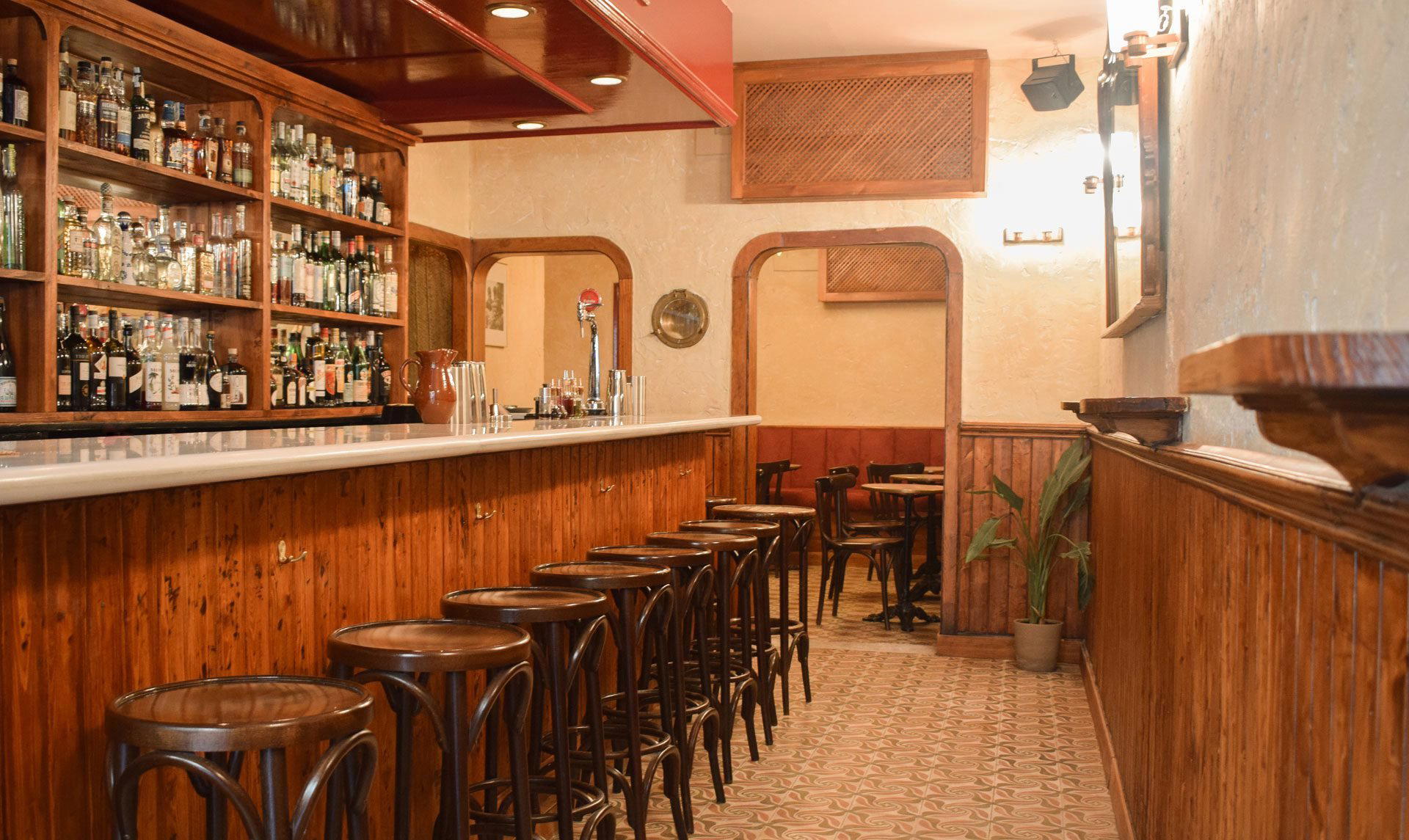
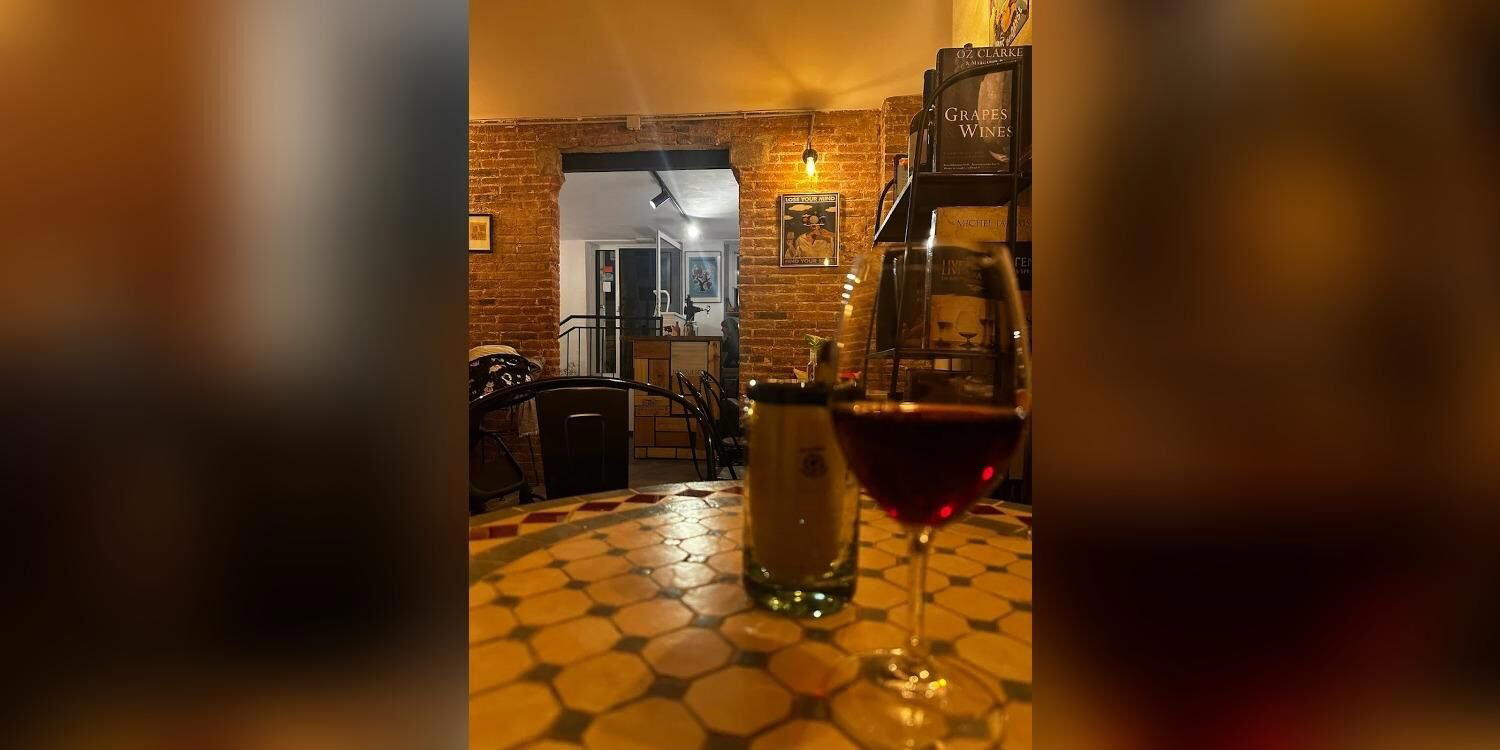
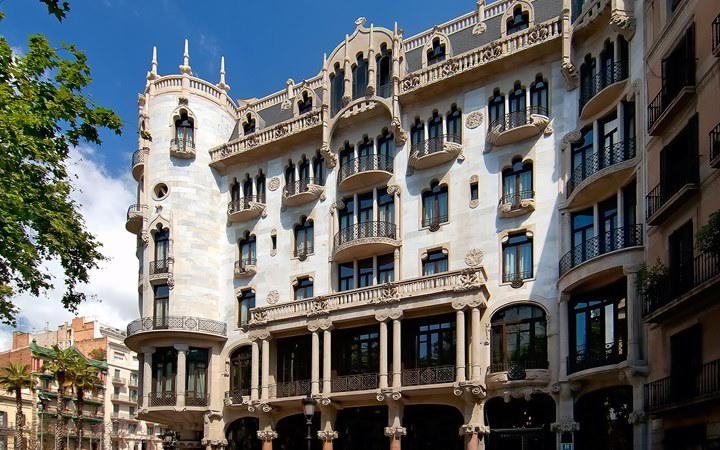
Hotels in Bellaterra
Browse all →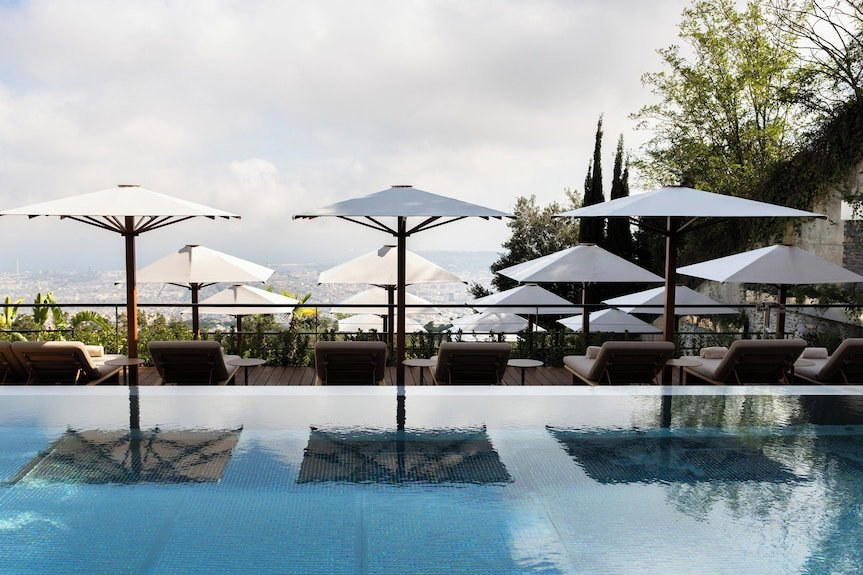



At a Glance
- Elegant
- Modern
- Intimate
- Sophisticated
- Date Night
- Special Occasion
- Business Dinner
- Terrace
- Private Dining
- Garden
- Extensive Wine List
- Local Sourcing
- Garden
Bright contemporary-style dining rooms with refined inviting atmosphere, minimalist decor, and pleasant garden terrace.