Bangrak Market
Bangrak Market brings the street-food energy of Bangkok's riverside district to Seattle's Belltown neighborhood at 2319 2nd Ave. The kitchen works in a Thai idiom with the directness of a market stall rather than the formality of a sit-down Thai restaurant. For Seattle diners tracking the city's evolving Southeast Asian dining conversation, it occupies a distinctive position between casual and considered.
Pearl is the En Primeur Club membership app — saves, bookings, and concierge access live there. Same editors, same standards.
- Address
- 2319 2nd Ave, Seattle, WA 98121
- Phone
- (206) 735-7352
- Website
- bangrakmarket.com
- Directions
- Get directions
 Saves & bookings on Pearl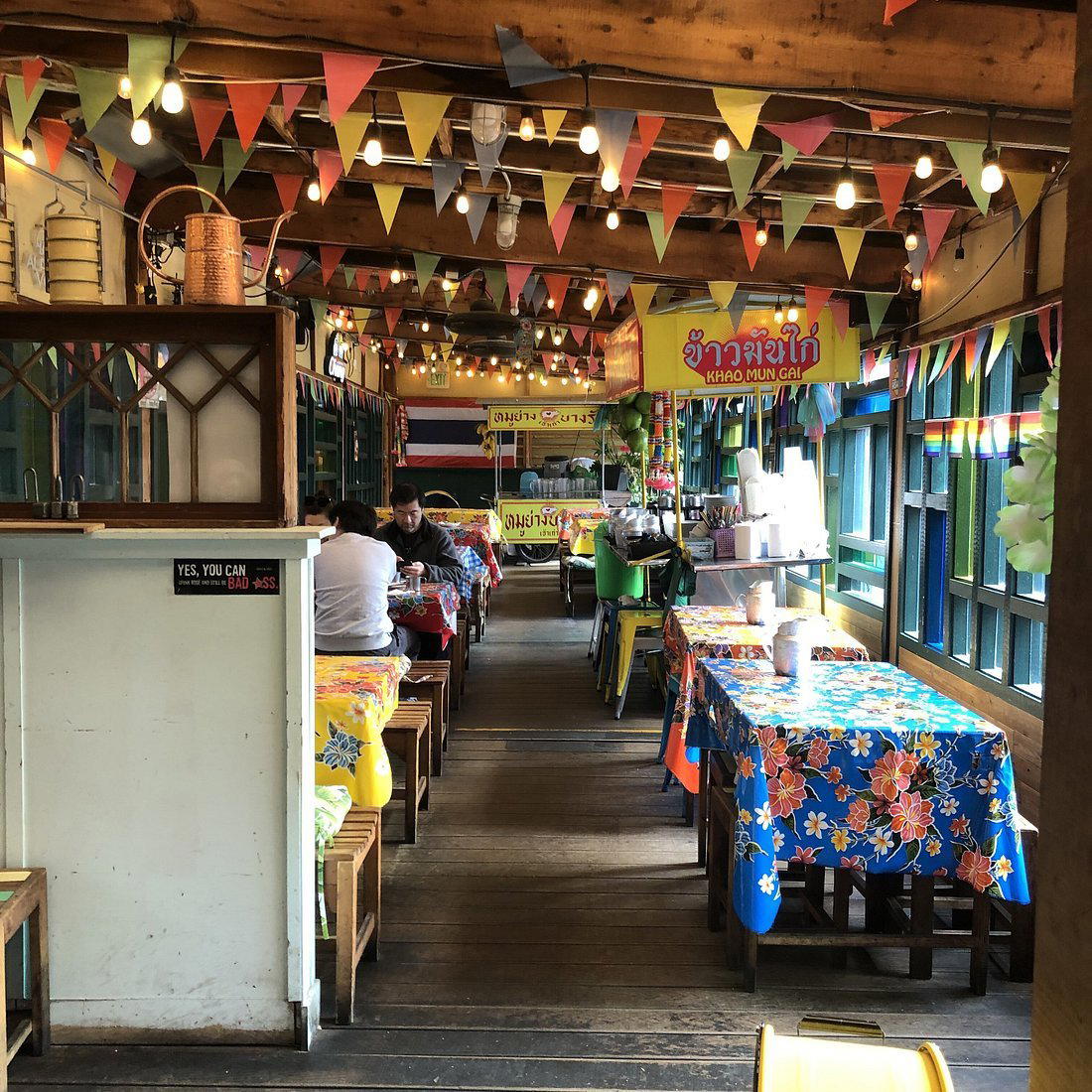
Where Bangkok's Market Culture Lands in Belltown
Belltown has always been Seattle's most restless dining corridor, cycling through ambitions and genres with more velocity than Capitol Hill or Fremont. What makes Thai food interesting in this context is how differently it translates across price points and registers. Bangrak Market is a casual Thai street food restaurant at 2319 2nd Ave in Seattle's Belltown neighborhood, with a price point around $25 per person. At one end, the city has fast-casual pad thai operations that flatten the cuisine into approachability. At the other, a smaller group of kitchens has started treating Thai cooking with the same seriousness that Seattle long reserved for Japanese and New American formats. Bangrak Market, at 2319 2nd Ave, positions itself in that second group, taking its name from one of Bangkok's oldest riverside neighborhoods and the open-air markets that have defined it for generations.
The Bangrak district in Bangkok is not a tourist construct. It is a working commercial and residential zone where wet markets, street stalls, and shophouse restaurants have operated continuously since the nineteenth century, serving longtail-boat workers and office commuters with equal indifference to occasion. That cultural reference point matters when reading what the Seattle restaurant is doing. A market name carries an implicit editorial position: food that is direct, ingredient-forward, and built around the logic of feeding people well rather than impressing them with ceremony.
Thai Cooking as a Regional Discipline, Not a Category
The broader American conversation about Thai food has been slow to catch up with how varied and technically demanding the cuisine actually is. Thai cooking spans at least four distinct regional traditions, with the central plains style, the northern khantoke format, the Isan-inflected northeastern dishes, and the seafood-heavy southern approach each representing different ingredient logic and heat profiles. The name Bangrak anchors the reference specifically in central Thai cooking, the style most associated with the capital's riverfront neighborhoods.
Central Thai cooking, when executed at the level the name implies, involves a degree of balance management that is rarely visible in the finished dish. The interplay between fish sauce, palm sugar, lime, and fresh aromatics in a properly built curry paste or stir-fry requires the same repetitive calibration that a French brigade applies to a reduction. Seattle diners who have followed the city's Japanese dining scene through venues like Joule, which treats Asian culinary frameworks with rigorous technical attention, or the longstanding commitment to craft at Canlis, will recognize the underlying discipline even in an unfamiliar idiom.
The Belltown Address in Context
The 2nd Avenue corridor in Belltown has historically attracted restaurants that want foot traffic without the full tourist density of Pike Place. The address at 2319 2nd Ave places Bangrak Market in a stretch that draws a mix of after-work diners, hotel guests from nearby Belltown properties, and residents from the surrounding apartments. It is not a destination neighborhood in the way that Capitol Hill or South Lake Union have become, which tends to mean a more local-skewing crowd and fewer out-of-towners arriving with a printed itinerary.
That neighborhood dynamic shapes expectations. A Thai restaurant in this pocket needs to work as a regular option for the surrounding blocks, not just as a once-a-trip experience. The market framing the name implies a certain accessibility of frequency, the kind of place you return to midweek rather than saving for anniversaries. That is a different competitive brief than the tasting-menu formats at destinations like Le Bernardin in New York City, The French Laundry in Napa, or Smyth in Chicago, and it is a brief that suits the cultural reference the name invokes.
Seattle's Southeast Asian Dining Conversation
Seattle has a more substantive Southeast Asian dining culture than its national reputation as a Pacific Northwest seafood and New American city tends to suggest. The city's Vietnamese, Filipino, and Thai communities have maintained serious cooking traditions for decades, and in recent years a younger generation of chefs working in those idioms has pushed into more prominent locations and formats. The restaurant enters that conversation at a moment when the city's food media is paying closer attention to these kitchens than it did even five years ago.
The Thai-specific thread in Seattle runs through a handful of well-regarded neighborhood spots that have built loyal followings without much critical infrastructure around them, alongside newer arrivals that are consciously positioning themselves in the broader American fine-casual Thai movement. For diners tracking where that movement sits relative to comparable evolutions in other cuisines, the analogy is roughly where Japanese food was in American cities in the late 1990s: technically serious, increasingly chef-driven, but not yet institutionally recognized in the way Korean cooking has been at venues like Atomix in New York City.
For context on how farm-to-table and ingredient-driven philosophies have shaped American dining more broadly, the work at Blue Hill at Stone Barns in Tarrytown and Single Thread Farm in Healdsburg represents one pole of that conversation. The market-driven approach that Bangrak's name implies belongs to a different tradition entirely, one rooted in abundance and immediacy rather than scarcity and curation, but the underlying commitment to sourcing logic is recognizable across both.
- Kao Mun Gai
- Pad Thai
- Tom Yum
- Crispy Rice Salad
- Crab Rangoon
- Kua Gia
Where It Fits
Comparable venues nearby, for context on price, style, and recognition.
| Venue | Cuisine | Price | Notes |
|---|---|---|---|
| Bangrak MarketThis venue — the venue you are viewing | Thai Street Food | $ | Not listed |
| Little Uncle | Thai Noodle Specialist | $$ | Minor |
| Thai Tom | Authentic Thai Street Food | $ | The Ave |
| Orrapin Thai Cuisine | Authentic Thai Cuisine | $$ | East Queen Anne |
| Pestle Rock | Isan Thai Cuisine | $$ | Adams |
| Ayutthaya Thai Restaurant | Traditional Thai | $$ | Pike/Pine |
Continue exploring
More in Seattle
More from Chef Ott Jaicharoensook and Sangduen Auesiriwong
Browse all →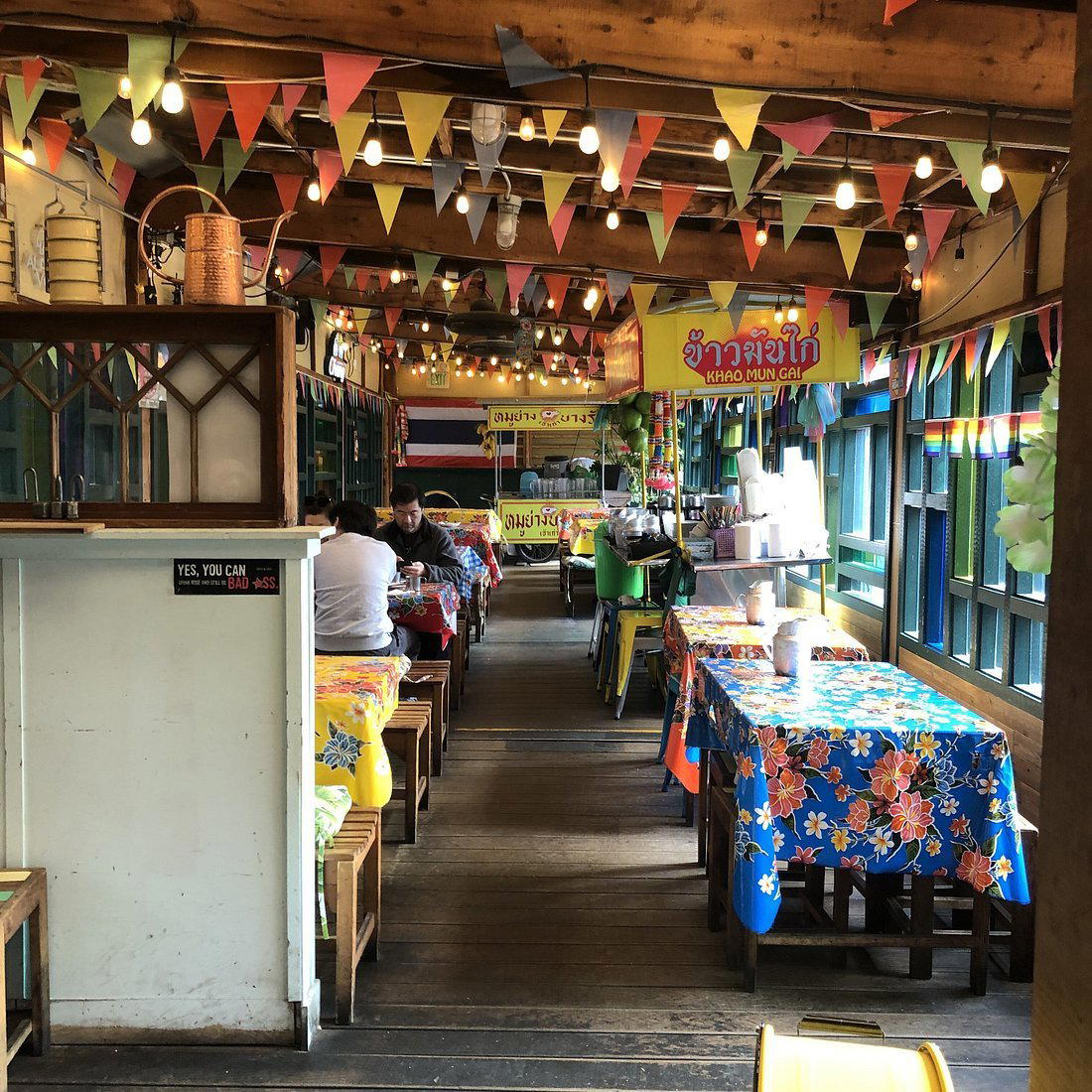
Restaurants in Seattle
Browse all →
Bars in Seattle
Browse all →
Hotels in Seattle
Browse all →
At a Glance
- Lively
- Energetic
- Whimsical
- Trendy
- Casual Hangout
- Group Dining
- After Work
- Late Night
- Open Kitchen
- Standalone
Current opening hours
- Monday
- 11 AM–3 PM, 4 PM–12 AM
- Tuesday
- 11 AM–3 PM, 4 PM–12 AM
- Wednesday
- 11 AM–3 PM, 4 PM–12 AM
- Thursday
- 11 AM–3 PM, 4 PM–12 AM
- Friday
- 11 AM–3 PM, 4 PM–2 AM
- Saturday
- 12 PM–2 AM
- Sunday
- 12–11 PM
Hours can change for holidays and private events. Last verified .
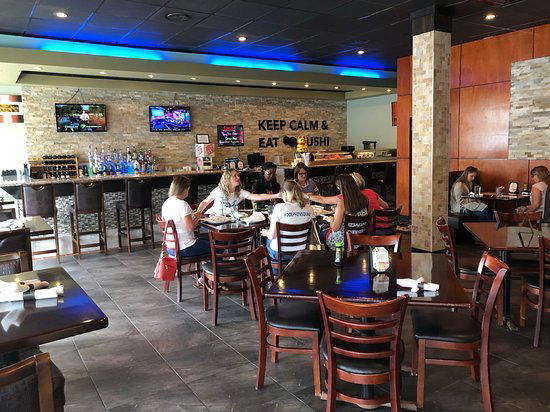
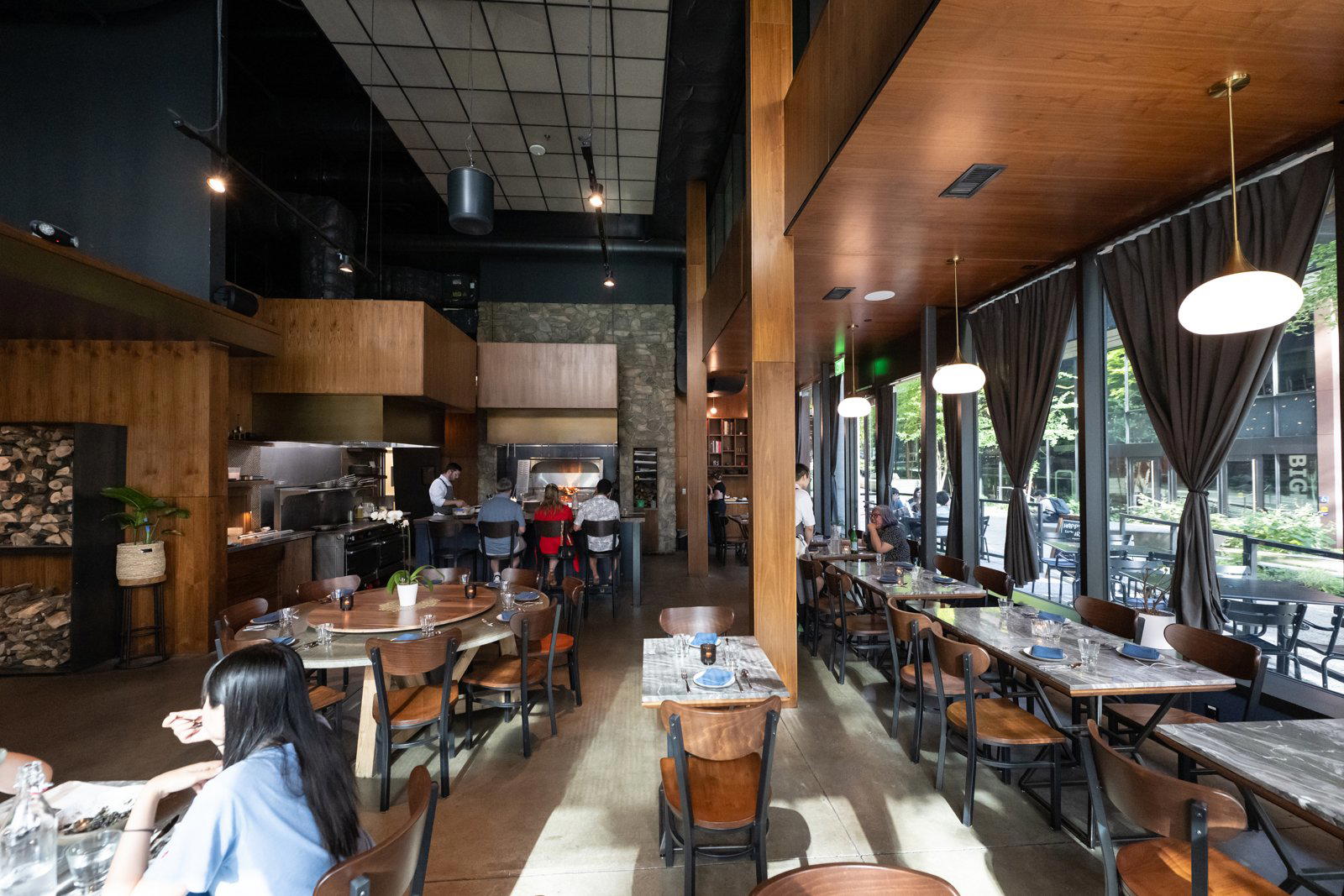
Bright, colorful interior with tantalizing smells and loud music; ceilings feature colorful umbrellas and baskets typical of Asian markets; designed to transport diners to Thailand's street markets.