Bammy's
Our verdict
Bammy's occupies a waterfront address at 301 Water Street SE in Washington D.C.'s Navy Yard, placing it inside a dining corridor that has matured considerably over the past decade. The restaurant sits within a broader D.C. seafood and coastal American scene that draws comparisons across price tiers, making it a reference point for anyone mapping the capital's mid-to-upper dining options along the Anacostia waterfront.

Pearl is the En Primeur Club membership app, where members save venues, book tables and use the concierge.
The menu
What to order
- Jerk Chicken
- Curried Goat
- Bammy
- Escovitch Fish
- Madras Duck Curry
Water Street and What It Signals
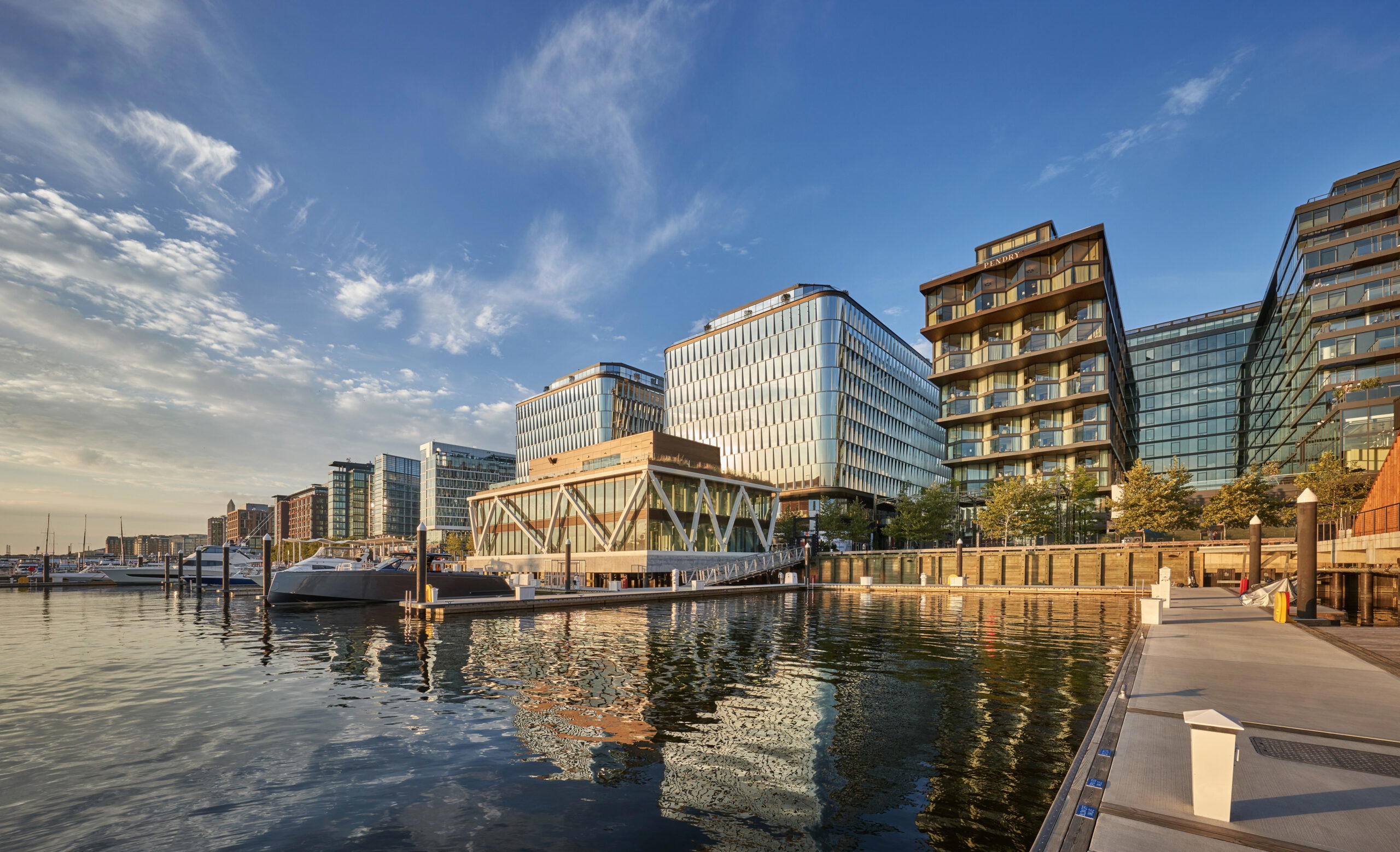
Washington D.C.'s Navy Yard has undergone a well-documented transformation from post-industrial vacancy to one of the capital's more consequential dining addresses. The stretch along Water Street SE now carries restaurants that serve both the stadium crowd on game days and a quieter, more deliberate dinner audience the rest of the week, two publics with different expectations, and the better operators here have learned to serve both without collapsing into either. Bammy's, at 301 Water Street SE Suite 115, sits inside that corridor and inherits its particular set of pressures and opportunities.
The waterfront setting is not incidental. In American coastal cities, the physical relationship between a restaurant and open water tends to shape what a kitchen reaches for: briny, immediate, tide-dependent product. The leading addresses in this format, from Le Bernardin in New York City to Providence in Los Angeles, have made the argument that serious seafood cooking rewards the same rigor applied to any other fine dining format. Bammy's operates in a different register than those rooms, but the waterfront logic still applies: location makes a promise, and the kitchen is expected to keep it.
The Anacostia Corridor in Context
D.C.'s dining geography has shifted meaningfully over the past fifteen years. Shaw, 14th Street, and H Street absorbed the first wave of serious independent restaurant energy. Navy Yard arrived later, propelled partly by Nationals Park foot traffic and partly by development patterns that made large-format waterfront spaces suddenly available at scale. That sequencing matters because Navy Yard restaurants entered a market already shaped by confident operators elsewhere in the city.
The comparison set in Washington's mid-to-upper tier is not small. Oyster Oyster has staked a claim in the sustainable New American space at the $$$ price point. Albi and Causa both operate at $$$$ and demonstrate that D.C. diners will commit to formats requiring genuine engagement. Jônt and minibar occupy a higher-intensity tier still. Bammy's addresses a different audience within this spread: the waterfront diner who wants something more considered than a casual bar but less structured than a tasting-menu commitment.
On the Wine Program at a Waterfront Address
Seafood-forward restaurants present a particular editorial problem for wine programs. The instinct toward white Burgundy and Champagne is understandable, both work, but it produces lists that feel templated rather than considered. The more interesting waterfront wine programs in American cities have moved toward regional specificity and lesser-known producers in categories that actually extend the food: textured whites from the Loire, skin-contact wines that carry enough phenolic grip to stand beside bold preparations, American coastal Chardonnay with real minerality rather than the heavily oaked expressions that dominated a generation ago.
The best-in-class references here are instructive. Single Thread Farm in Healdsburg has built a wine program that treats regional American producers with the same seriousness typically reserved for European appellations. Blue Hill at Stone Barns in Tarrytown approaches beverage pairing as an extension of its sourcing philosophy rather than a separate department. At a waterfront address in D.C. the question is whether the list reflects genuine curation or simply mirrors what the category expects.
What the waterfront format does establish is a clear structural opportunity: a list here should speak to the same coastal sourcing logic that shapes the kitchen, finding wines that amplify the brine and brightness of seafood-led cooking rather than competing with it. Whether Bammy's has developed that kind of programmatic coherence is a question that rewards a visit and a direct conversation with whoever runs the floor.
Positioning Within D.C.'s Coastal American Scene
American coastal cooking as a category has matured considerably since it was principally defined by raw bars and direct fish preparations. The more ambitious practitioners now treat the category as a genuine culinary framework, one that engages with sourcing provenance, regional fishing tradition, and the historical food cultures of coastal communities. Bammy's name itself references the bammy, a Jamaican flatbread with deep roots in Arawak cooking, a signal, at minimum, that the restaurant is drawing from a broader cultural reference set than standard mid-Atlantic seafood.
That reference point places Bammy's in an interesting position relative to D.C.'s more internationally inflected dining scene. The capital's restaurant community has become progressively more confident in drawing from diaspora foodways, a trend visible across the city and one that distinguishes D.C. from coastal cities where similar traditions exist but receive less formal restaurant attention. For readers building a D.C. itinerary across multiple nights, our full Washington, D.C. restaurants guide maps that broader picture.
For context on how waterfront-adjacent, coastal-focused American restaurants perform nationally, a few reference points are useful. Emeril's in New Orleans built a durable identity around regional Gulf seafood with a clear sense of place. Addison in San Diego operates at a higher price tier but demonstrates what happens when a coastal American address is built around genuine technical ambition. Smyth in Chicago and Lazy Bear in San Francisco represent the tasting-menu end of the contemporary American spectrum, establishing the ceiling against which mid-tier operators are implicitly measured. Closer to home, The Inn at Little Washington has set a regional benchmark for formal American dining that remains the D.C. area's most internationally cited reference. And for readers interested in seeing how different cuisines approach ingredient-driven cooking across comparable formats, Atomix in New York City and Atelier Moessmer Norbert Niederkofler in Brunico offer useful international comparators.
Planning a Visit
Bammy's is located at 301 Water Street SE Suite 115, Washington, DC 20003, in the Navy Yard neighborhood, within walking distance of Nationals Park and the Navy Yard-Ballpark Metro station on the Green Line. The waterfront location means the experience changes meaningfully by season: summer evenings on the water carry a different energy than quieter winter service, and booking strategy should account for that. Game-day proximity to the stadium creates compressed demand on event nights, so non-game weekday evenings tend to produce a more deliberate dining experience for guests who want the room at a slower pace.
Frequently asked questions
Is Bammy's okay with children?
What should I expect atmosphere-wise at Bammy's?
at Bammy's?
Does Bammy's wine list reflect the same coastal sourcing focus as the kitchen?
Recognition Snapshot
| Venue | Cuisine | Price | Awards | Notes |
|---|---|---|---|---|
| Bammy'sThis venue (the venue you are viewing) | Modern Caribbean with Jamaican & Trinidadian Influences | $30–50 | Not listed | Not listed |
| Oyster Oyster | Modern Vegetable-Focused Tasting Menu | Not listed | 1 Michelin Star · James Beard Award Outstanding Chef #1 | New American, Vegetarian, Vegetarian (Sustainable) |
| Albi | Modern Levantine Fine Dining | $300–500 | 1 Michelin Star · World's 50 Best #6 | United States, Middle Eastern |
| Causa | Modern Peruvian Fine Dining | $150–200 | 1 Michelin Star · James Beard Award Best Chef: Mid-Atlantic | Peruvian |
| Rooster & Owl | Modern Global Fusion Fine Dining | $50–100 | 1 Michelin Star · Washingtonian 100 Very Best Restaurants #65 | Contemporary |
| Rose’s Luxury | Modern American Fine Dining | $200–300 | 1 Michelin Star · James Beard Award Best Chefs | New American, Contemporary |
Continue exploring
More in Washington DC
Restaurants in Washington DC
All restaurants in Washington DC →
Bars in Washington DC
All bars in Washington DC →


Details
- Lively
- Modern
- Scenic
- Casual Hangout
- Group Dining
- Celebration
- Date Night
- Waterfront
- Standalone
- Open Kitchen
- Craft Cocktails
- Beer Program
- Local Sourcing
- Waterfront
- A La Carte
- Family Style
- Rum Cocktails
- Caribbean Inspired Cocktails
- Vegetarian Friendly
- Gluten Free Options
- Vegan Options
- Allergy Accommodating
Current opening hours
- Monday
- Closed
- Tuesday
- Closed
- Wednesday
- 12–9 PM
- Thursday
- 12–9 PM
- Friday
- 12–10 PM
- Saturday
- 12–10 PM
- Sunday
- 12–9 PM
Hours can change for holidays and private events. Hours as of .
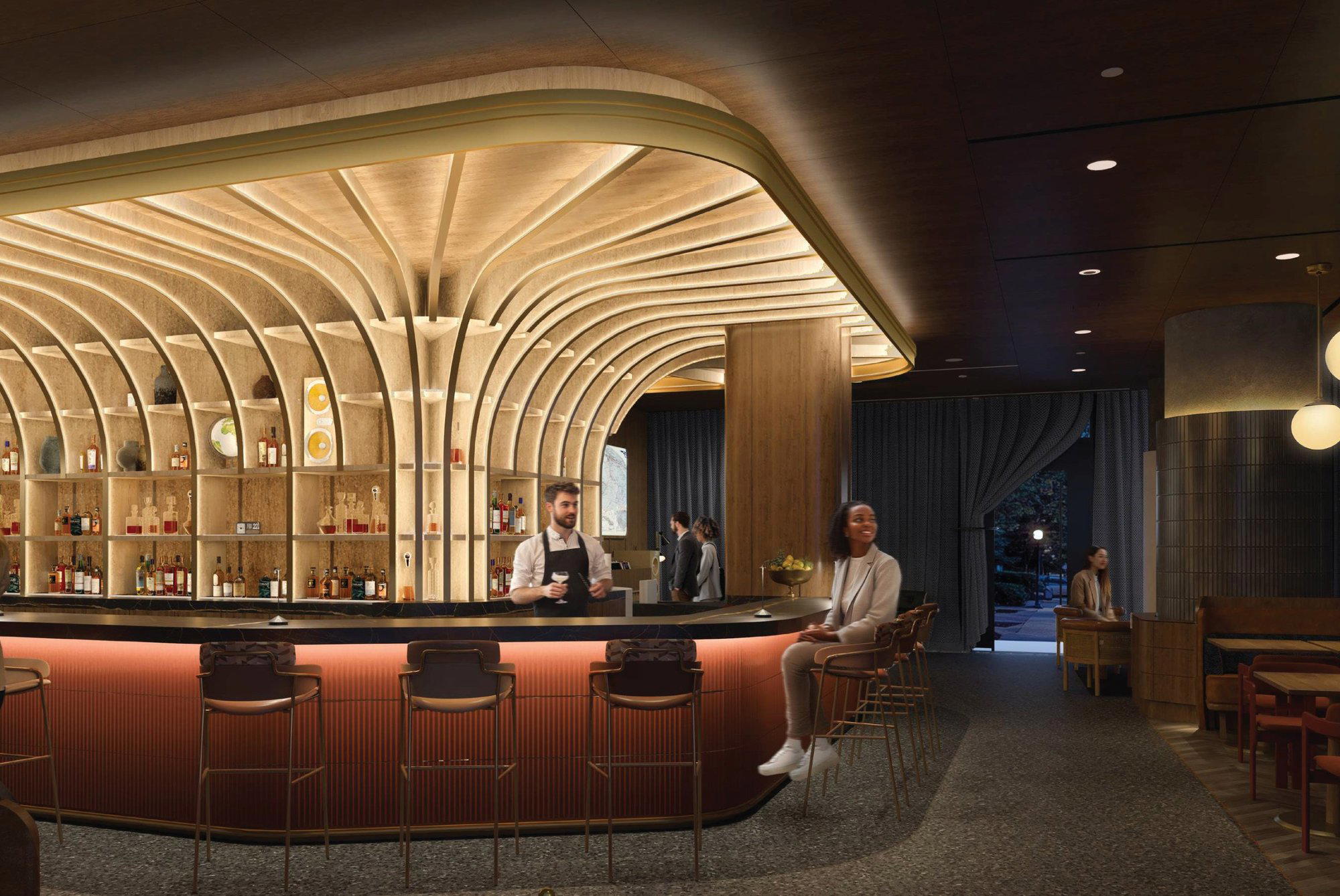
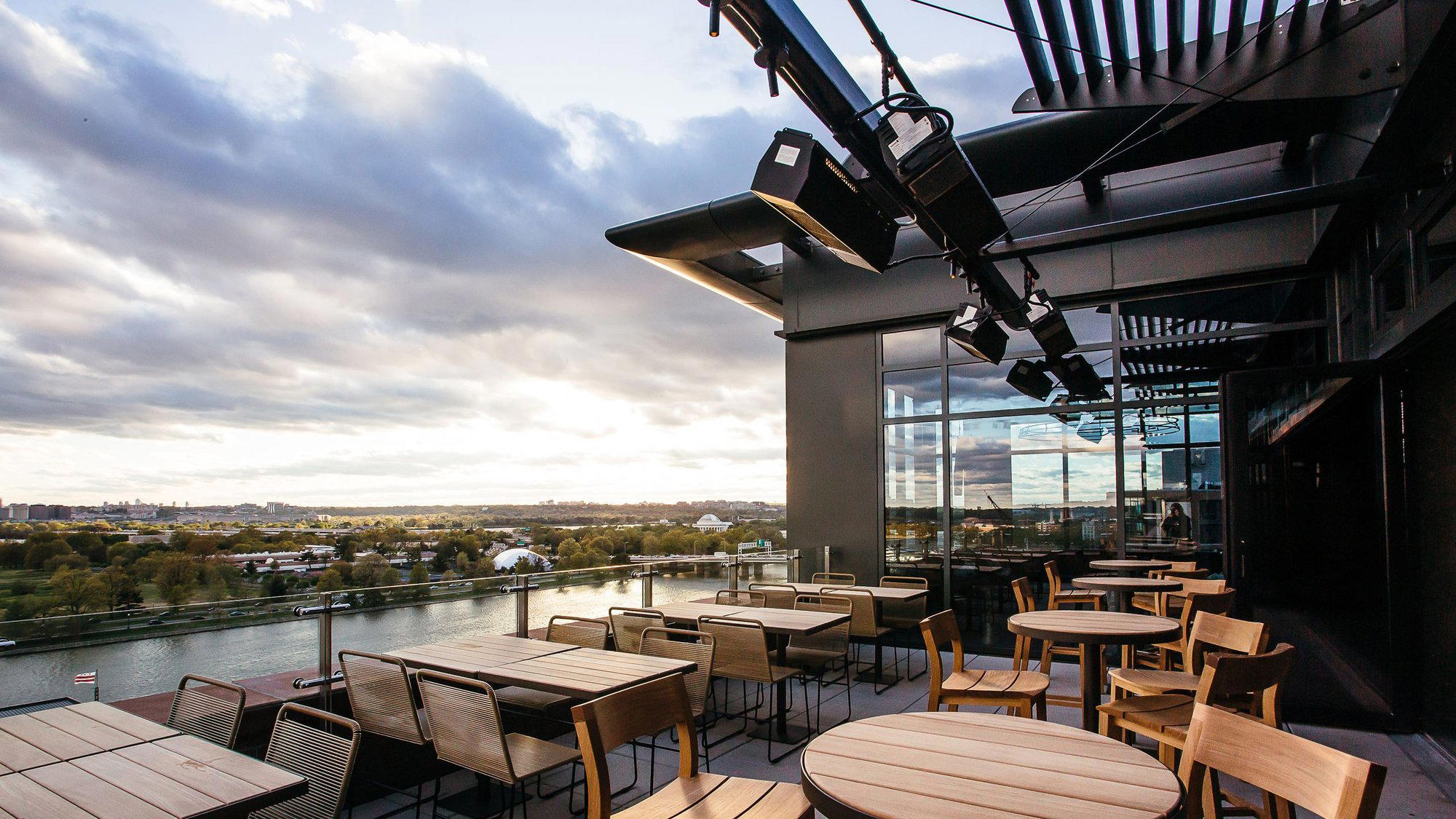
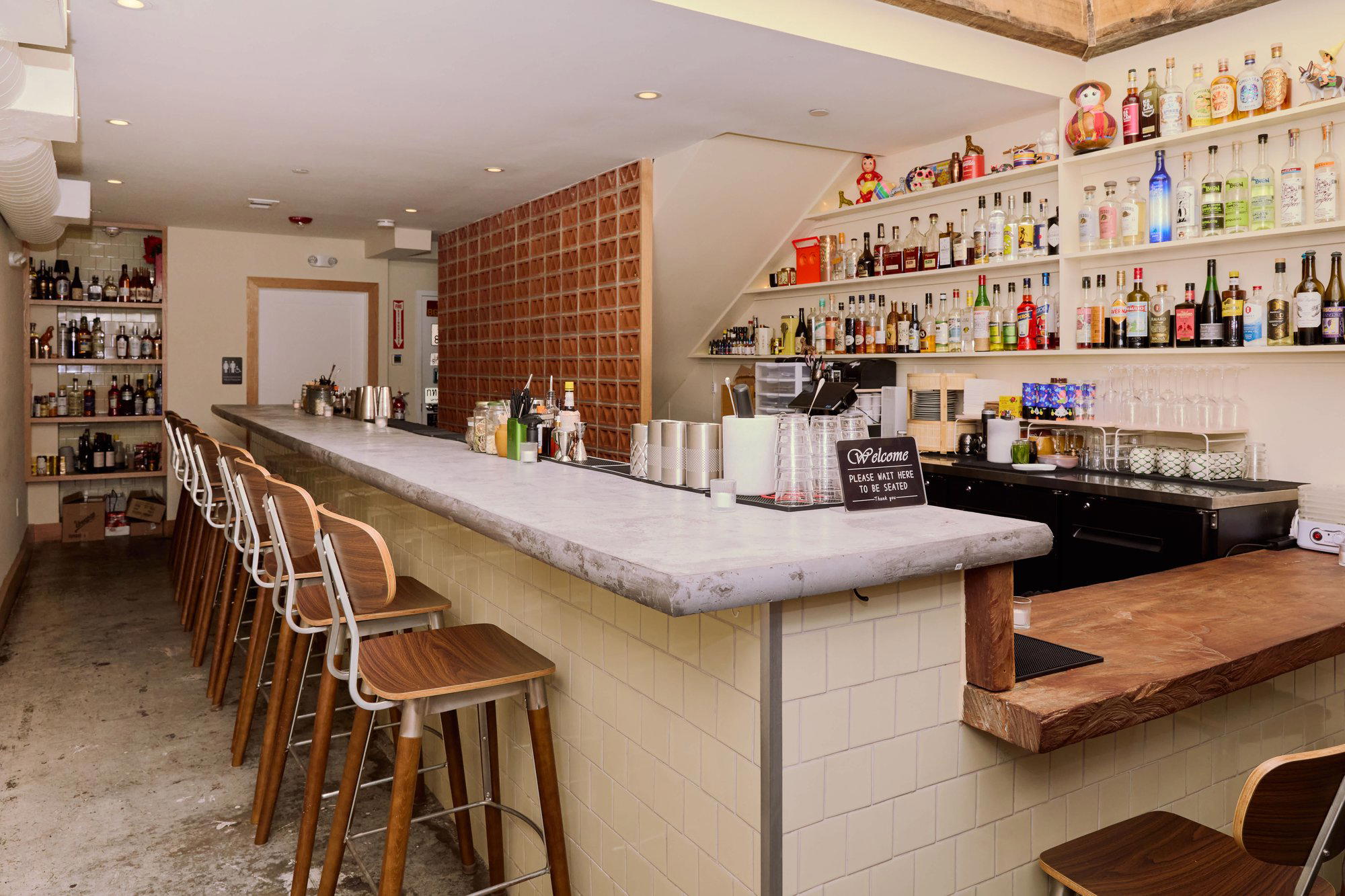
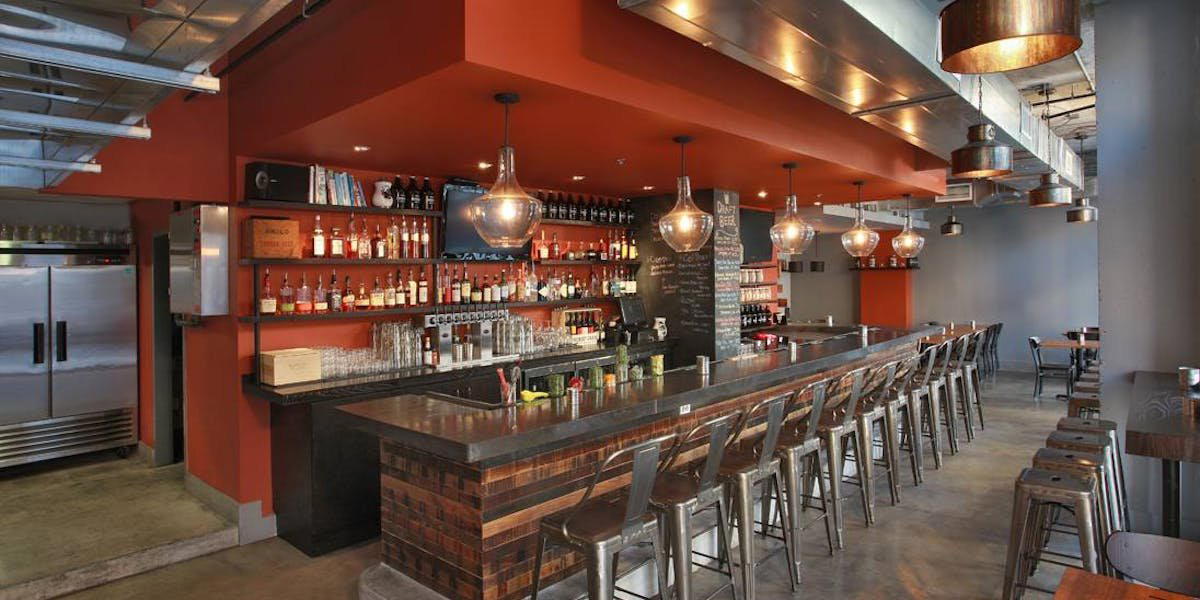
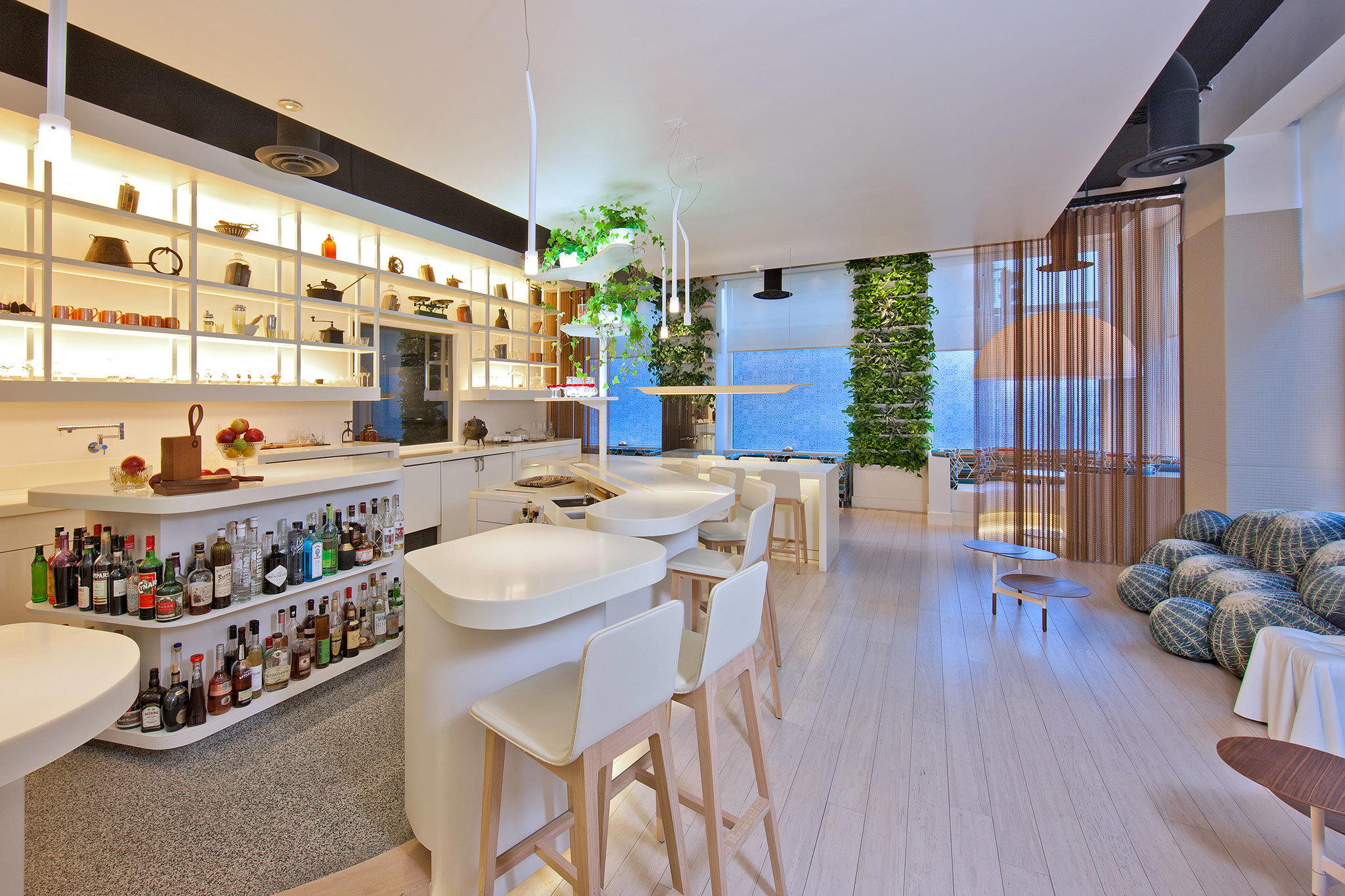
Lively cruise ship-themed atmosphere with bold Caribbean colors and energy, designed to evoke a journey through the islands with notable waterfront views.