Bamboo Sushi
Bamboo Sushi at 404 SW 12th Ave sits inside Portland's growing conversation about sustainable seafood and the city's broader shift toward ingredient-led, environmentally conscious dining. It occupies a middle tier between casual conveyor-belt sushi and the austere omakase format, offering a format that suits the city's preference for approachable quality over ceremony. For Portland's fish-forward dining scene, it serves as a useful reference point.
Pearl is the En Primeur Club membership app — saves, bookings, and concierge access live there. Same editors, same standards.
- Address
- 404 SW 12th Ave, Portland, OR 97205
- Phone
- +1 503 444 7455
- Website
- bamboosushi.com
- Directions
- Get directions
 Saves & bookings on Pearl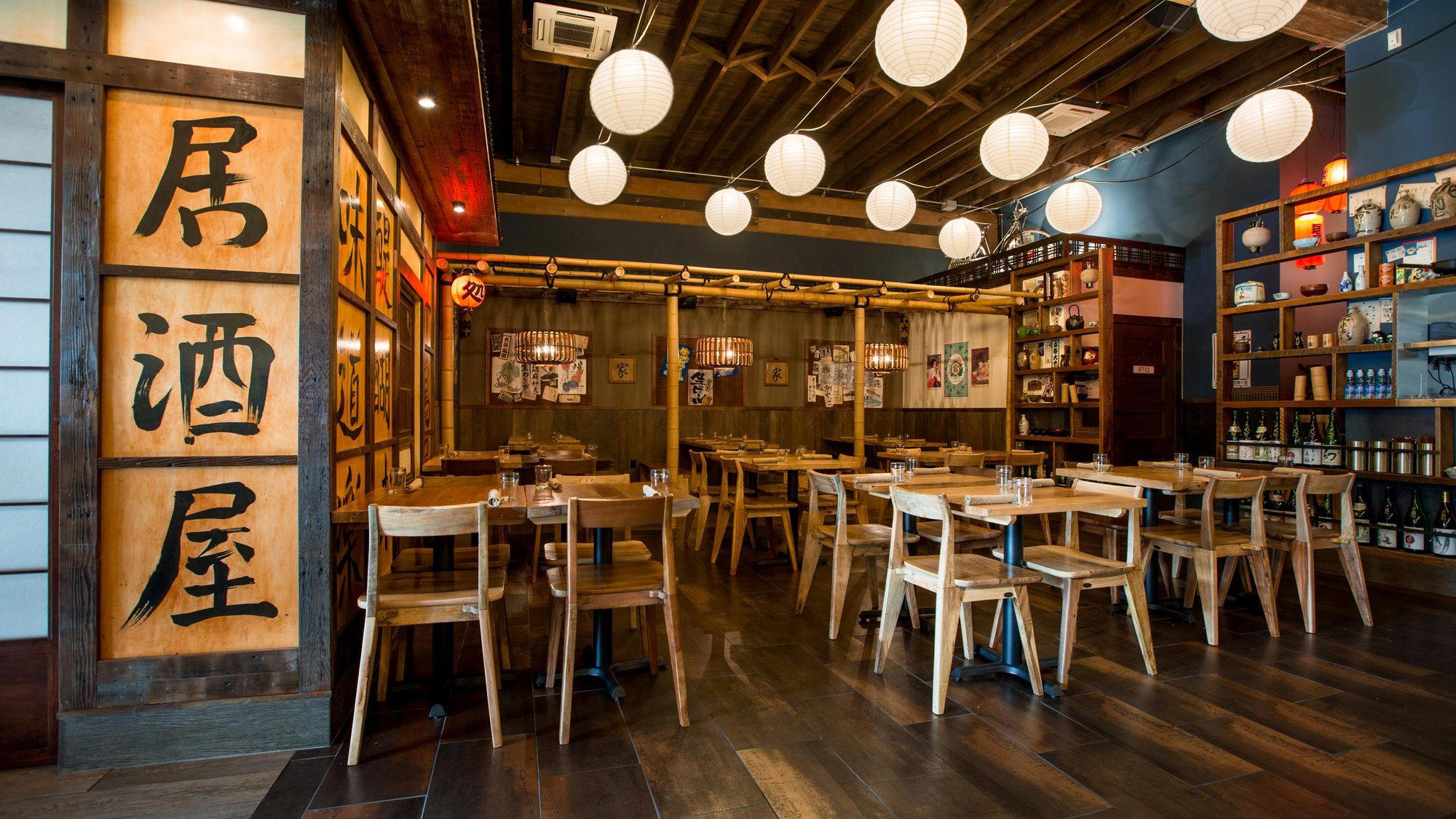
Where Portland's Sustainability Ethos Meets the Sushi Counter
Portland has a particular relationship with the sourcing conversation that other American cities talk about but rarely operationalize at the sushi counter. The city's dining culture, shaped over years by producers, co-ops, and chefs who treat supply chain as a central part of the conversation, has pushed even mid-format restaurants to make procurement legible. Bamboo Sushi, at 404 SW 12th Ave in the Pearl District-adjacent stretch of Southwest Portland, sits inside that tradition.
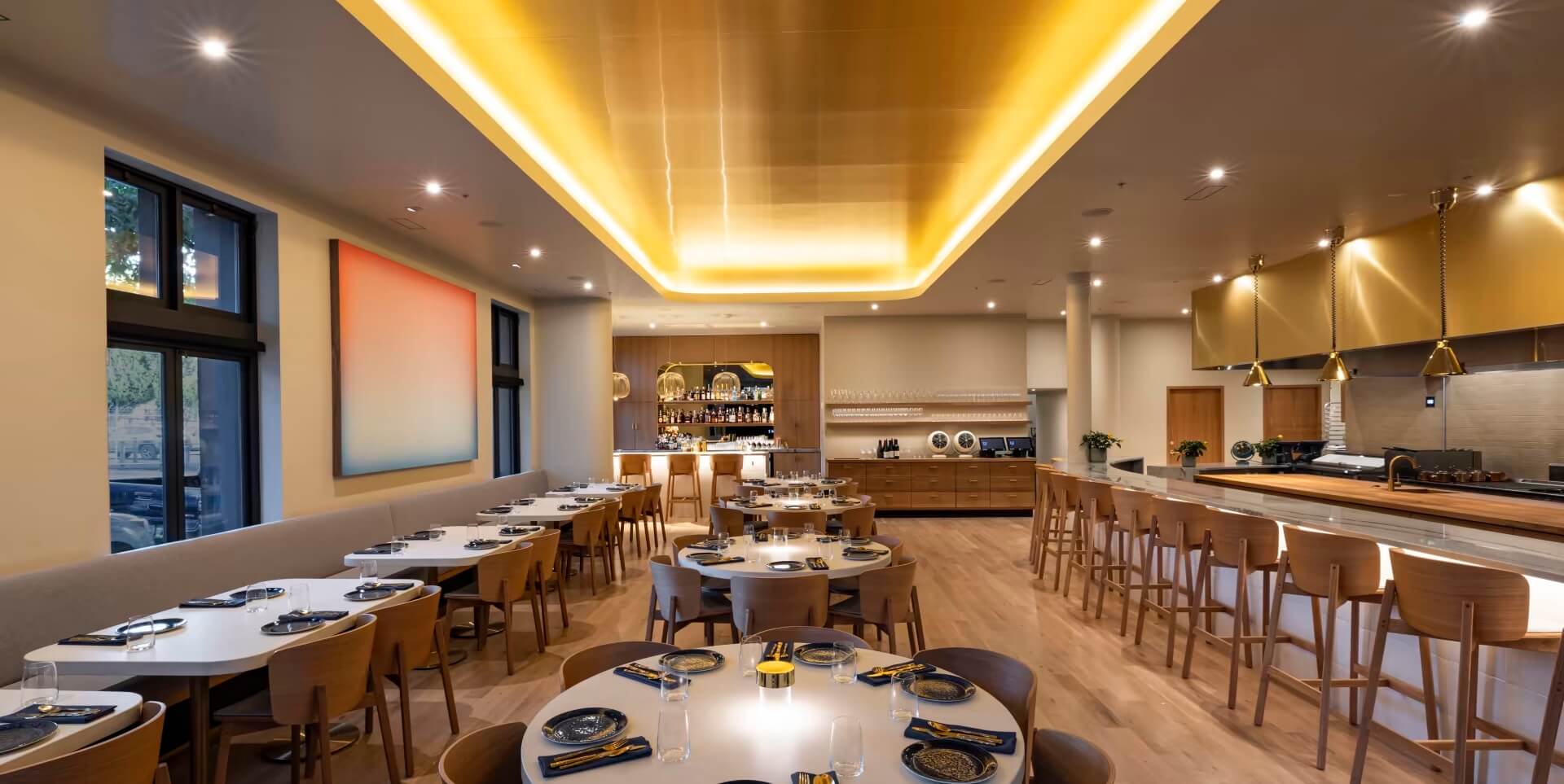
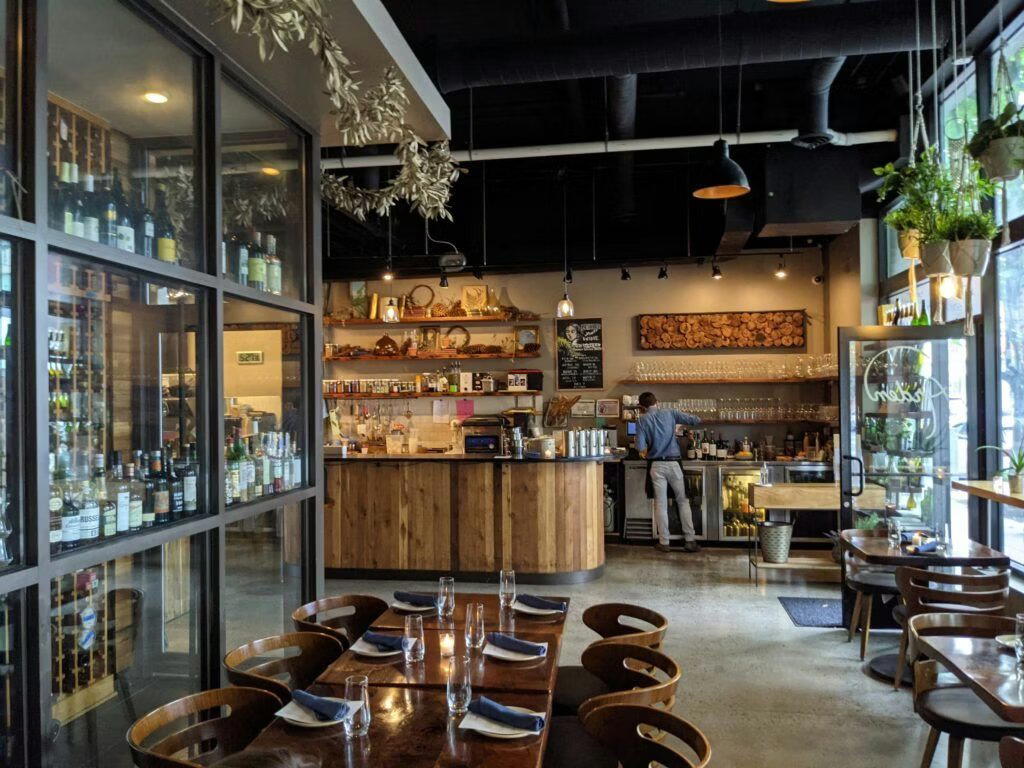
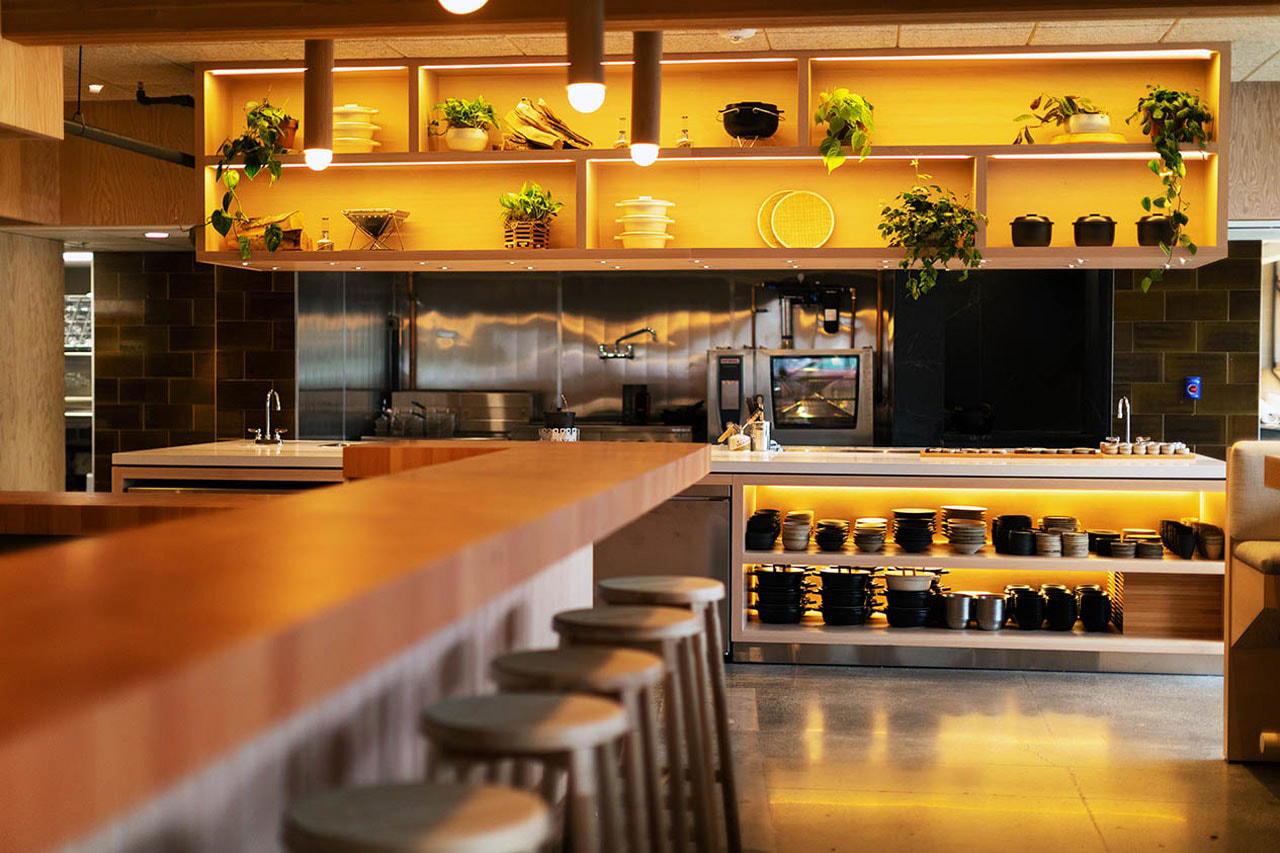
The physical setting reflects the Northwest's general preference for material honesty over decorative excess. Light wood, low-interference acoustics, and a spatial arrangement that keeps the counter in view without forcing theater, these are the environmental cues that Portland's better casual-to-mid restaurants have refined over the past decade. The result is a room that reads as composed rather than designed, which is functionally the right register for a restaurant where the fish is meant to be the focus, not the backdrop.
Sustainable Sushi in an American City That Takes It Seriously
The broader American sushi market has fractured into identifiable tiers: high-volume casual chains on one end, rarefied omakase counters pulling allocations from Toyosu on the other, and a contested middle ground where quality and conscience sometimes align, sometimes trade off. Bamboo Sushi has historically positioned itself in that middle tier with a sustainability credential as a differentiator, operating with a focus on certified sustainable seafood at a time when most sushi restaurants treated sourcing as a back-of-house matter.
For context, Portland's fish-forward dining has sharpened considerably. Restaurants like Berlu, which approaches Vietnamese cooking through a produce-first lens, and Langbaan, the Thai counter operating on a reservation-only format with serious pantry depth, reflect a city increasingly willing to hold ingredient sourcing to account across all cuisine categories. Bamboo Sushi belongs to that cohort, restaurants where the what-and-where of ingredients is treated as part of the offer, not a marketing footnote.
Nationally, the sustainable seafood conversation has reached a more sophisticated register. Restaurants like Le Bernardin in New York City and Providence in Los Angeles have built sourcing integrity into their fine-dining frameworks for years, with the credential functioning as quality signal rather than ethical posture. Bamboo Sushi operates at a different price point and format register, but the underlying logic, that knowing where the fish comes from is inseparable from how it tastes, runs through both ends of the market.
The Sensory Register of a Room Built Around Fish
There is a specific atmospheric quality to a sushi restaurant that takes its sourcing seriously: a cleaner, colder edge to the air near the counter, the faint mineral note that signals fresh-chilled fish handled correctly, the absence of the sour-sweet overlay that characterizes less careful operations. These are not decorative details, they are legible signals that the cold chain has been maintained and that the kitchen understands the difference between fish that is technically fresh and fish that has been properly handled from water to plate.
Portland's climate assists here. The Northwest's cooler ambient temperatures and proximity to Pacific fisheries give the city's seafood restaurants a geographic advantage that counterparts in warmer, landlocked markets don't share. The Pacific provides Dungeness crab, Pacific halibut, wild salmon runs, and albacore in seasonal windows that a restaurant committed to honest sourcing will reflect on the menu rather than paper over with farmed alternatives. Seasonality, in this context, is not an aesthetic choice but a sourcing discipline.
For diners calibrated to the kind of ingredient transparency that places like Blue Hill at Stone Barns in Tarrytown or Single Thread Farm in Healdsburg have normalized at the upper end of the market, the restaurant operates as a more accessible entry point for the same sensibility applied to Japanese-format seafood dining.
Portland's Sushi Scene in Peer Context
Portland does not operate an omakase tier with the depth of Los Angeles or New York, where counters like Atomix in New York City demonstrate what chef-driven tasting formats can achieve with serious investment. The city's strength is in the mid-format restaurant that overdelivers on ingredient quality relative to its price positioning, a dynamic visible across categories, from Ken's Artisan Pizza to Nostrana in Italian-format dining, and at Kann, where Haitian cooking is executed with a precision that belies the format's apparent casualness.
The restaurant fits that pattern. It is not competing with the austere, allocation-driven counters of The French Laundry in Napa or the tasting-menu ambition of Smyth in Chicago. Its comparable set is the category of American sushi restaurants that identified a gap between fast-casual and fine-dining and filled it with a format that is legible, ingredient-honest, and repeatable without ceremony. Within Portland specifically, that positioning gives it a clear role in the dining week: accessible enough for a Tuesday, considered enough to hold up to scrutiny.
The Southwest 12th Ave address is served by public transit and sits within a short distance of the Pearl District hotel corridor, making it a practical option for visitors staying in that part of the city who want a meal that reflects Portland's character rather than defaults to the national chain format that occupies the same blocks.
For comparable sustainable-sourcing frameworks applied to different cuisine formats in the region, Lazy Bear in San Francisco and Addison in San Diego represent the upper bracket of the West Coast's ingredient-first dining conversation, while Emeril's in New Orleans and The Inn at Little Washington show how the sourcing ethos plays out in different regional traditions. At the international end, Atelier Moessmer Norbert Niederkofler in Brunico demonstrates what happens when provenance becomes the full organizing principle of a restaurant's identity.
Planning Your Visit
The restaurant's Southwest Portland location at 404 SW 12th Ave is the reference address for this entry. For current hours, booking availability, and menu specifics, the restaurant's own channels are the reliable source, given the seasonal nature of sustainable seafood, menu composition shifts with Pacific fishery availability, and what is accurate in summer may not reflect the winter offer. Diners with dietary requirements or allergy concerns should contact the restaurant directly before visiting, as the sourcing framework that governs fish selection also affects how substitutions and modifications are handled in the kitchen.
- Green Machine Roll
- Chirashi Bowl
- Miso Glazed Black Cod
- Wagyu Burger
- Albacore Carpaccio
- Hawaiian Kanpachi Crudo
Peers in This Market
Comparable venues nearby, for context on price, style, and recognition.
| Venue | Cuisine | Price | Notes |
|---|---|---|---|
| Bamboo SushiThis venue — the venue you are viewing | Sustainable Modern Japanese Sushi | $$$ | Not listed |
| Boke Bowl | Asian Fusion Ramen | $$ | Central Eastside Industrial District |
| Lansdowne Social | Pacific Northwest Farm-to-Table | $$$ | Northwest Portland |
| MoMoYama | Modern Japanese Sushi | $$$ | Pearl |
| Pamana | Filipino-American | $$$ | Old Town Chinatown |
| Murata Restaurant | Traditional Japanese Sushi | $$$ | Downtown |
Continue exploring
More in Portland
Restaurants in Portland
Browse all →
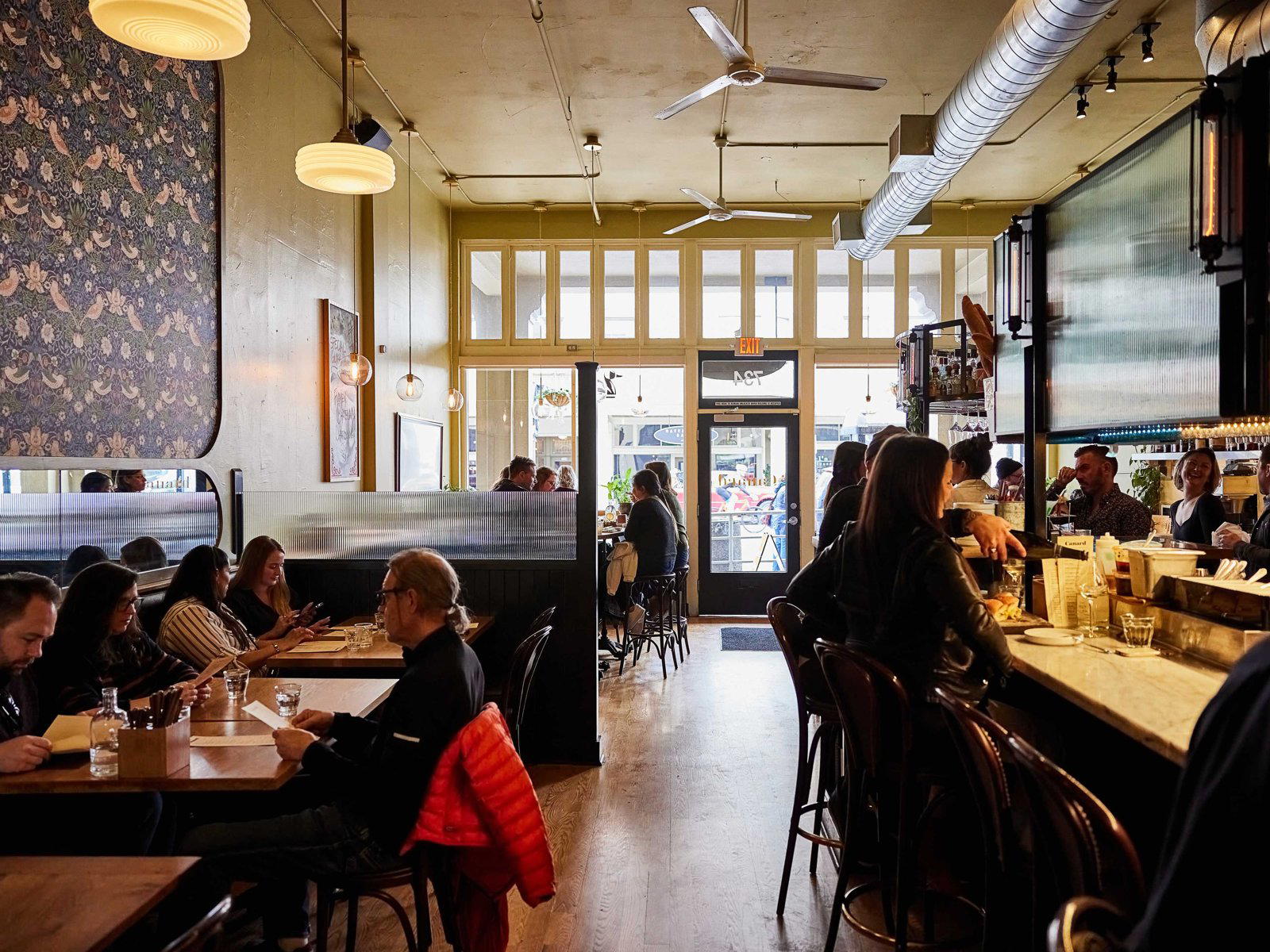
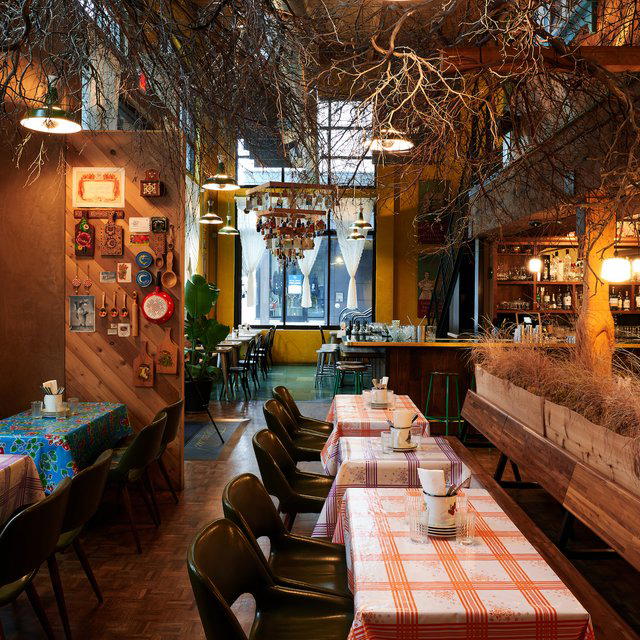
Bars in Portland
Browse all →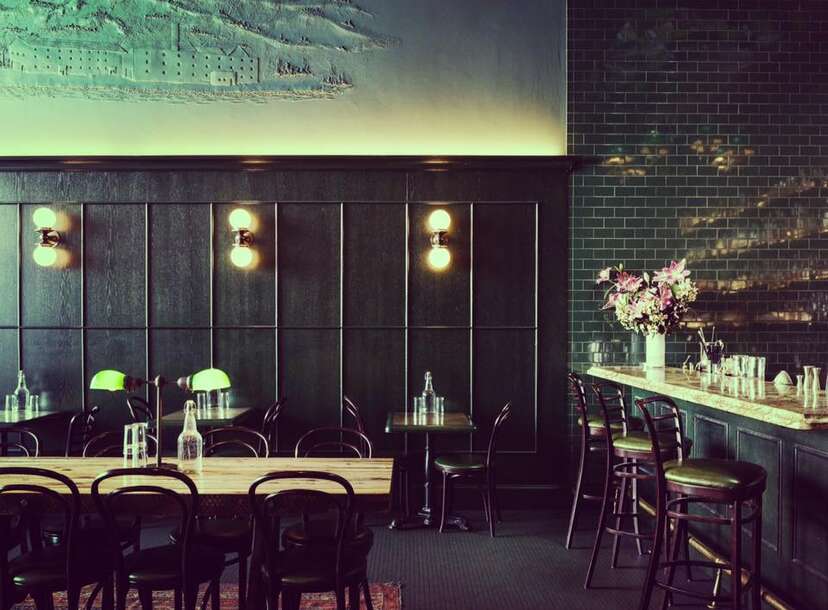
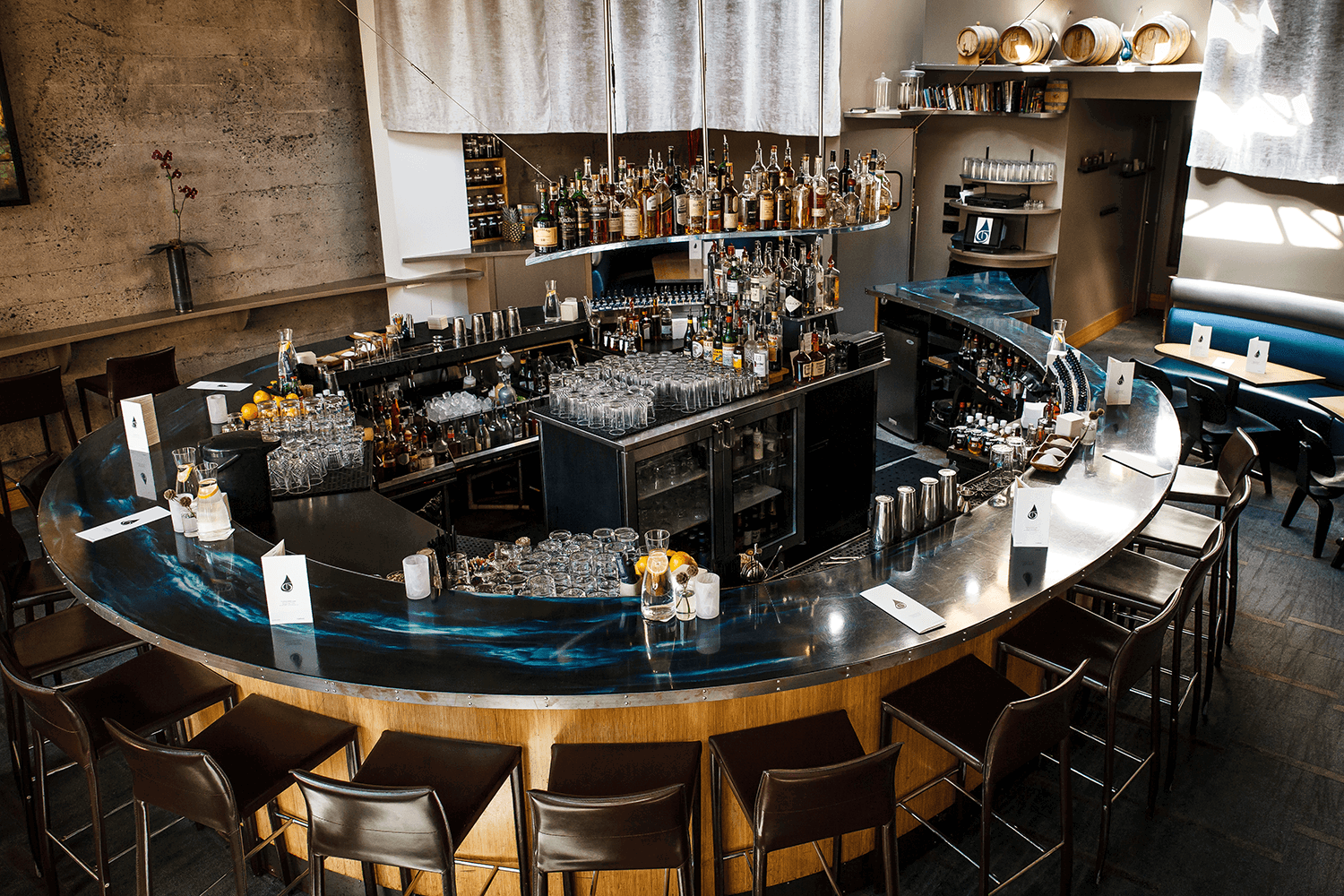
Hotels in Portland
Browse all →
At a Glance
- Modern
- Elegant
- Sophisticated
- Date Night
- Business Dinner
- Group Dining
- Celebration
- Special Occasion
- Chefs Counter
- Open Kitchen
- Private Dining
- Sake Program
- Craft Cocktails
- Sustainable Seafood
- Farm To Table
Current opening hours
- Monday
- 12–9 PM
- Tuesday
- 12–9 PM
- Wednesday
- 12–9 PM
- Thursday
- 12–9 PM
- Friday
- 12–9 PM
- Saturday
- 12–9 PM
- Sunday
- 12–9 PM
Hours can change for holidays and private events. Last verified .
Modern dining room with dark wood tones and refined simplicity; main dining area features sophisticated design with sushi bar seating available for interactive chef experiences.