Pamana
Pamana occupies a corner of Portland's Old Town at 15 NW 4th Ave, bringing Filipino cooking into a city increasingly drawn to Southeast Asian culinary traditions. The menu architecture signals careful editorial intent, dishes structured to trace Philippine regional identity rather than replicate a Greatest Hits approach. For Portland diners already familiar with the precision of Langbaan or the cultural depth of Kann, Pamana represents the same seriousness applied to a different tradition.
Pearl is the En Primeur Club membership app — saves, bookings, and concierge access live there. Same editors, same standards.
- Address
- 15 NW 4th Ave, Portland, OR 97209
- Phone
- +15037700500
- Website
- opentable.com
- Directions
- Get directions
 Saves & bookings on Pearl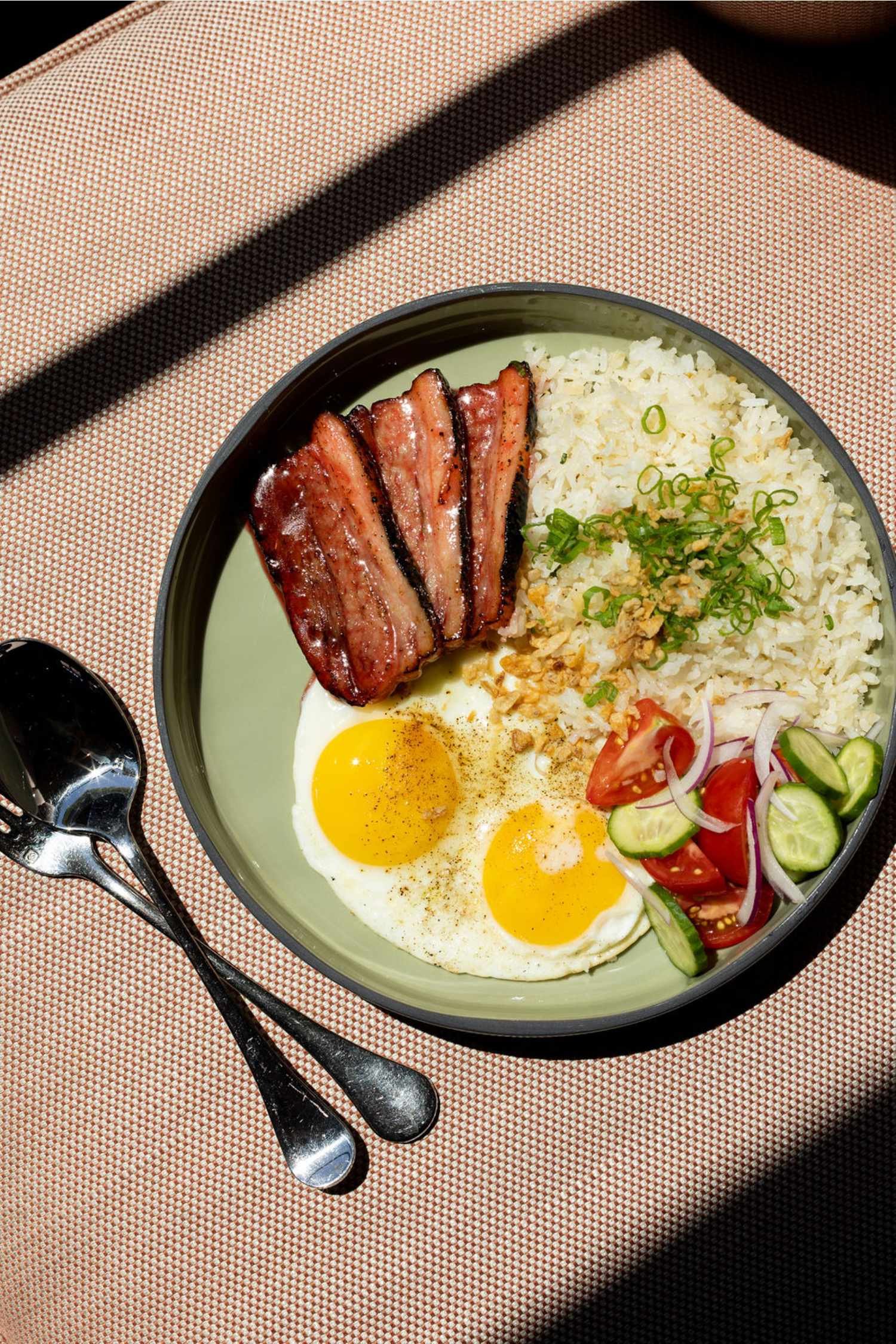
Where Old Town Meets the Philippine Table
Pamana is a Filipino-American restaurant in Portland's Old Town, at 15 NW 4th Ave. The block at 15 NW 4th Ave sits within that transitional zone, and it is the kind of address that rewards venues willing to let the food carry the argument. Pamana is that kind of venue.
Filipino cooking has historically sat at the edges of American fine-dining recognition, despite a cuisine with extraordinary range: vinegar-braised proteins, slow-cooked coconut stews, fermented condiments, and rice preparations that shift dramatically between Luzon, the Visayas, and Mindanao. Portland, which has developed genuine depth in Southeast and East Asian dining over the past decade, is a plausible city for that recognition to arrive in a more formal register. Pamana works within that opening.
Reading the Menu Like a Map
One telling thing about a restaurant's ambitions is how it structures what it asks you to eat. A menu built around shared plates and sequential courses implies one kind of relationship with the diner; a menu organized by region, ingredient family, or cooking method implies another entirely. At Pamana, the menu architecture does editorial work: it functions less as a list of dishes than as an argument about what Philippine cooking contains and how it should be read.
Filipino cuisine's vinegar culture alone offers enormous range, from Ilocos region's sharp, almost ascetic sukang iloko to the milder coconut vinegars of the Visayas. A kitchen that takes this seriously will not collapse those distinctions into a single house adobo. The braising liquids, souring agents, and fat sources shift across the menu in ways that reward attention. This is how a menu teaches: not by explaining itself in paragraph-length descriptions, but by placing dishes in relationships that make the differences legible.
The structure also signals what the kitchen is not doing. Pamana is not organized around Westernized approximations of Filipino flavors for an unfamiliar audience, the approach that once dominated Filipino-American restaurants in cities without deep Filipino communities. Portland's dining public, shaped by years of serious Thai cooking from venues like Langbaan and Haitian precision from Kann, has the reference points to engage with specificity. Pamana's menu appears to assume that.
Portland's Appetite for Culinary Precision
It is worth placing Pamana in the broader context of what Portland expects from its serious restaurants. The city has built a reputation for ingredient-focused cooking, a sensibility visible across Italian traditions at Nostrana, Vietnamese depth at Berlu, and wood-fired discipline at Ken's Artisan Pizza. These are not venues that trade on novelty; they trade on conviction and repetition. The standard Portland sets for cuisine-specific restaurants is relatively high.
Filipino cooking enters this context with considerable material to work with. The cuisine's signature techniques, the layered sourness of sinigang, the caramelized fat of lechon, the fermented complexity of bagoong, are not approximations of other Asian culinary traditions. They have their own logic, their own regional grammar, and their own history of migration and adaptation. A restaurant that presents this with structural clarity, rather than flattening it for accessibility, earns a different kind of attention from the city's food community.
At the national level, Filipino cooking has attracted serious critical notice in recent years, as the culinary conversation has expanded beyond the European and Japanese traditions that long dominated fine-dining recognition in the United States. That shift is visible across American cities, in New York with venues pressing Korean fine dining to new registers, as seen at Atomix, and in the farm-to-table precision frameworks of Blue Hill at Stone Barns and Single Thread Farm in Healdsburg. Pamana operates in a different price tier and format from those venues, but the cultural moment it belongs to is the same: cooking that insists on specificity of place and tradition.
The Case for Eating Filipino Food Seriously
There is a version of the Filipino restaurant experience that reduces the cuisine to a handful of crowd-pleasing dishes, pancit, lumpia, a single adobo, and packages them for maximum accessibility. That model works commercially, but it does not advance understanding of what the cuisine actually contains. The more interesting version asks the diner to sit with unfamiliar souring agents, to eat fermented shrimp paste as a condiment rather than a curiosity, and to understand that pork-fat richness and vinegar sharpness are not opposites but partners in the same culinary logic.
Pamana's position in Old Town, away from the densest concentration of Portland's established fine-dining corridor, is itself a kind of statement. The venue is not trying to compete on the same ground as every other ambitious table in the city. It is making a different argument, in a specific culinary language, to a dining public that has shown it can listen.
For readers building a serious picture of what Portland's restaurant scene contains, Pamana sits alongside the city's other conviction-led venues as evidence of a particular kind of appetite.
Planning Your Visit
Pamana is located at 15 NW 4th Ave in Portland's Old Town, walkable from the Pearl District and accessible by multiple TriMet lines. Given the venue's profile within Portland's Filipino dining scene, a small and competitive category, reservations are advisable, particularly on weekend evenings. Pamana is open daily from 9 AM to 2 PM, and reservations are recommended.
What It’s Closest To
Comparable venues nearby, for context on price, style, and recognition.
| Venue | Cuisine | Price | Notes |
|---|---|---|---|
| PamanaThis venue — the venue you are viewing | Filipino-American | $$$ | Not listed |
| Top Burmese | Authentic Burmese | $$ | Nob Hill |
| Swiss Hibiscus | Authentic Swiss Cuisine | $$$ | King |
| MoMoYama | Modern Japanese Sushi | $$$ | Pearl |
| Vya | Spanish Tapas & Paella | $$$ | Central Eastside Industrial District |
| Kachka Fabrika | Eastern European Zakuski & Seafood Cocktail Bar | $$ | Kerns |
Continue exploring
More in Portland
Restaurants in Portland
Browse all →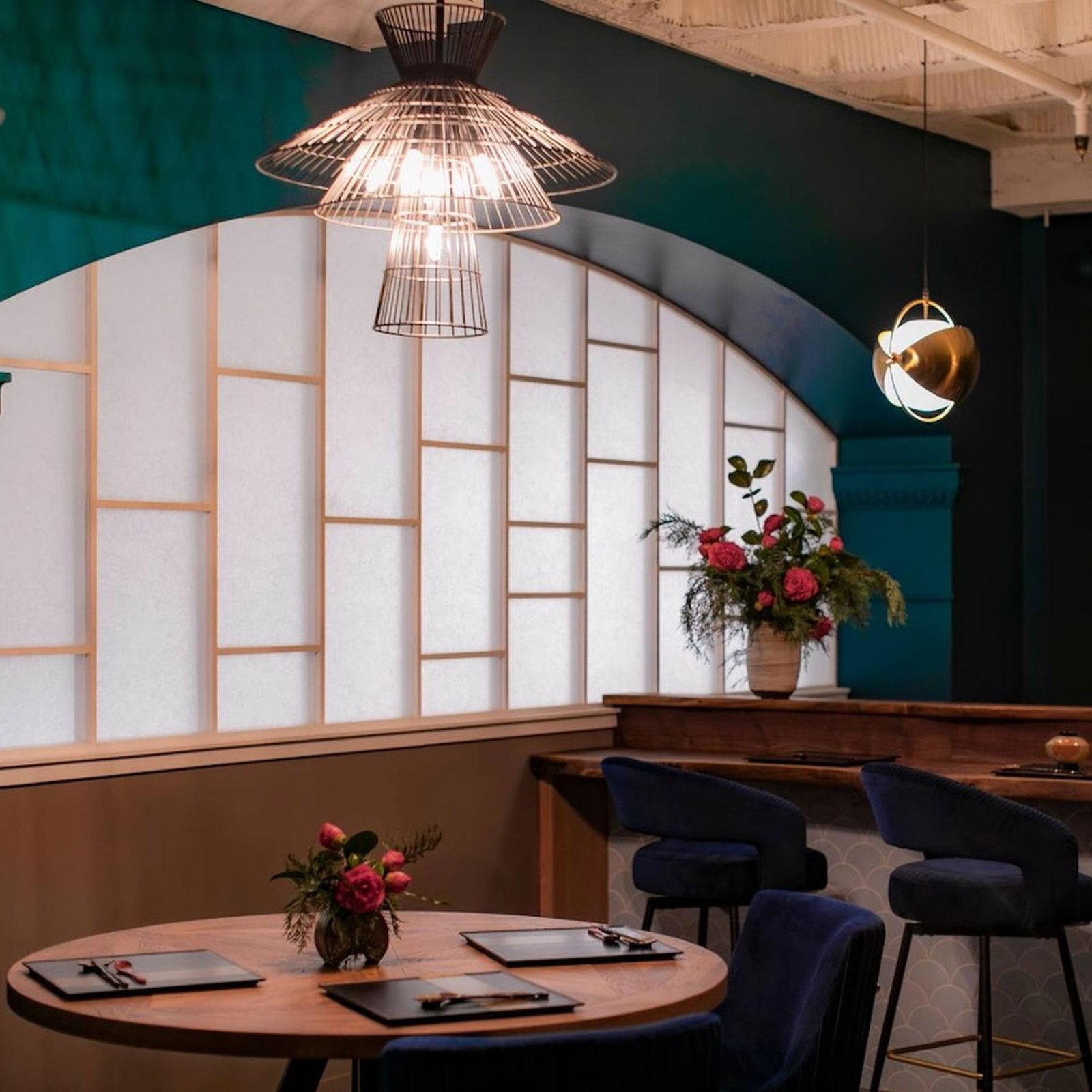
Bars in Portland
Browse all →
Hotels in Portland
Browse all →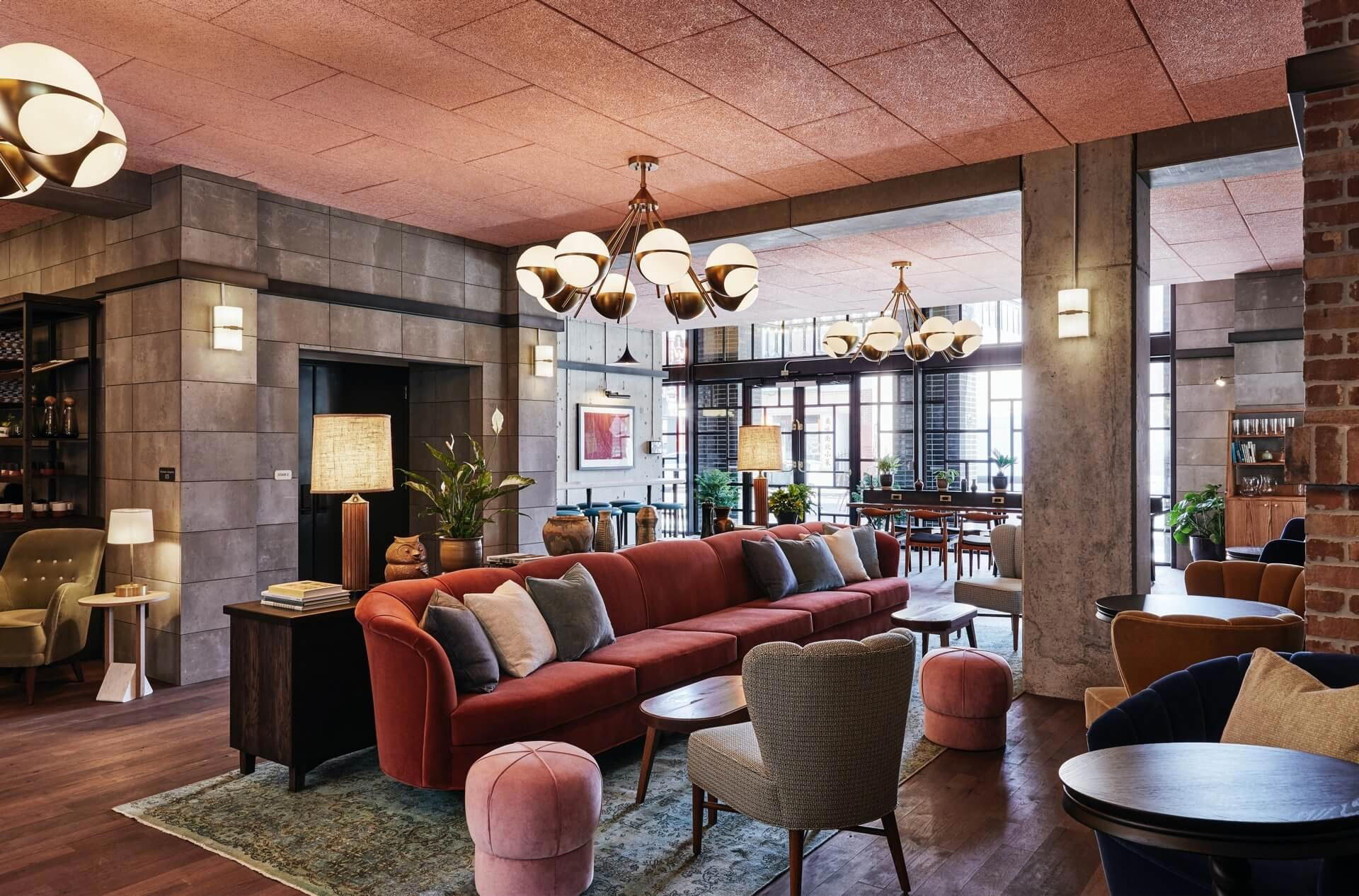

At a Glance
- Cozy
- Trendy
- Brunch
- Casual Hangout
- Hotel Restaurant
Current opening hours
- Monday
- 9 AM–2 PM
- Tuesday
- 9 AM–2 PM
- Wednesday
- 9 AM–2 PM
- Thursday
- 9 AM–2 PM
- Friday
- 9 AM–2 PM
- Saturday
- 9 AM–2 PM
- Sunday
- 9 AM–2 PM
Hours can change for holidays and private events. Last verified .
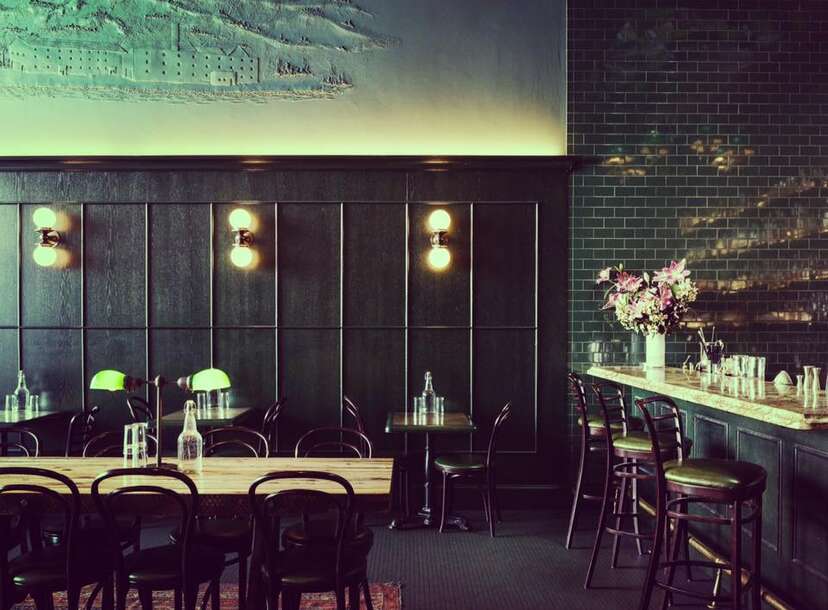
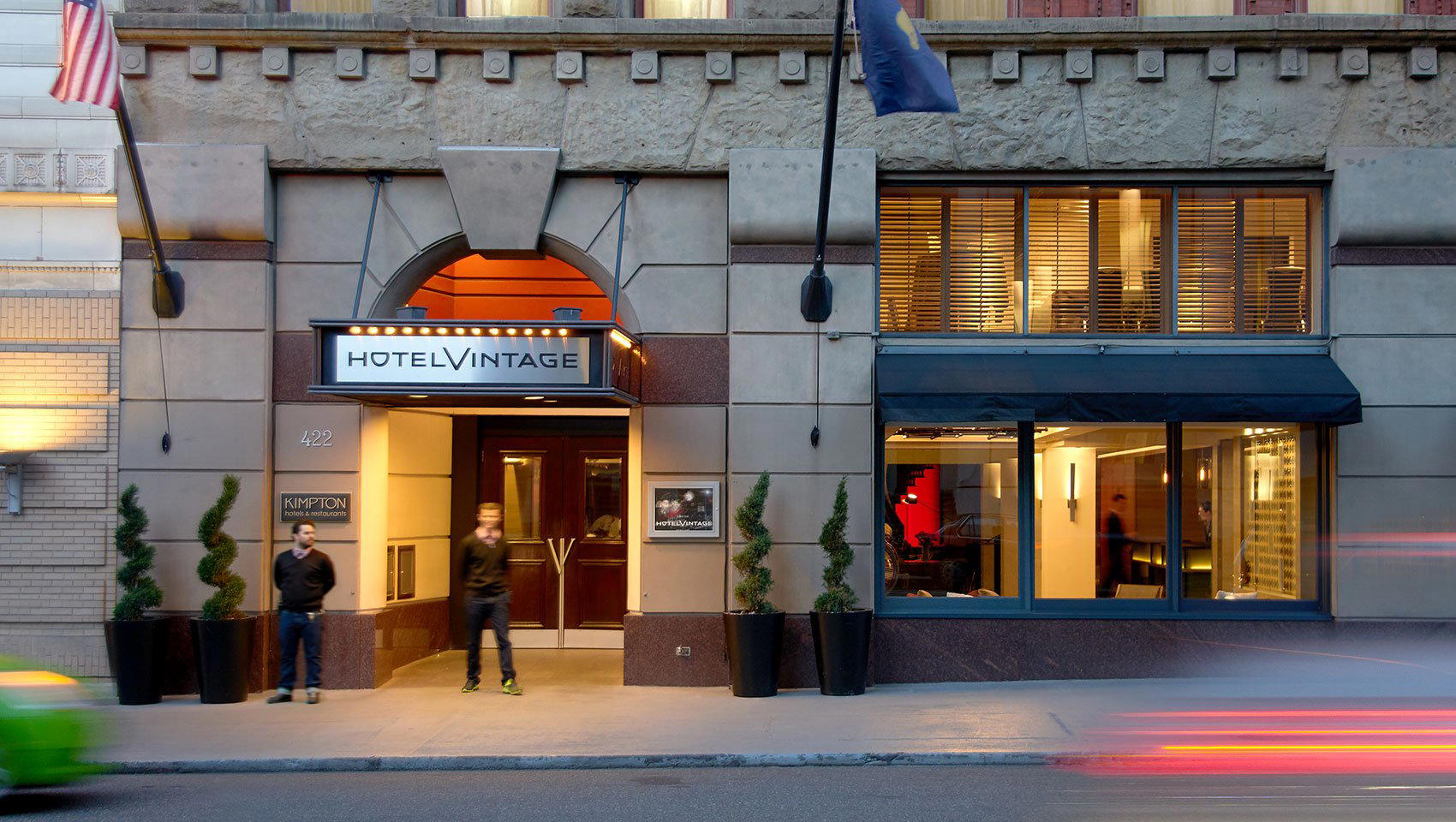
Warm and lively atmosphere celebrating Filipino heritage in the heart of the Hoxton Hotel lobby.