Lansdowne Social
Lansdowne Social operates as a communal supper club in Portland, Oregon, bringing tasting-menu discipline to a shared-table format rooted in Pacific Northwest ingredients. The format rewards guests who appreciate technique-driven cooking alongside the informal social rhythm of a communal setting. Booking ahead is advised, as capacity at supper club formats like this tends to be limited by design.

Pearl is the En Primeur Club membership app — saves, bookings, and concierge access live there. Same editors, same standards.
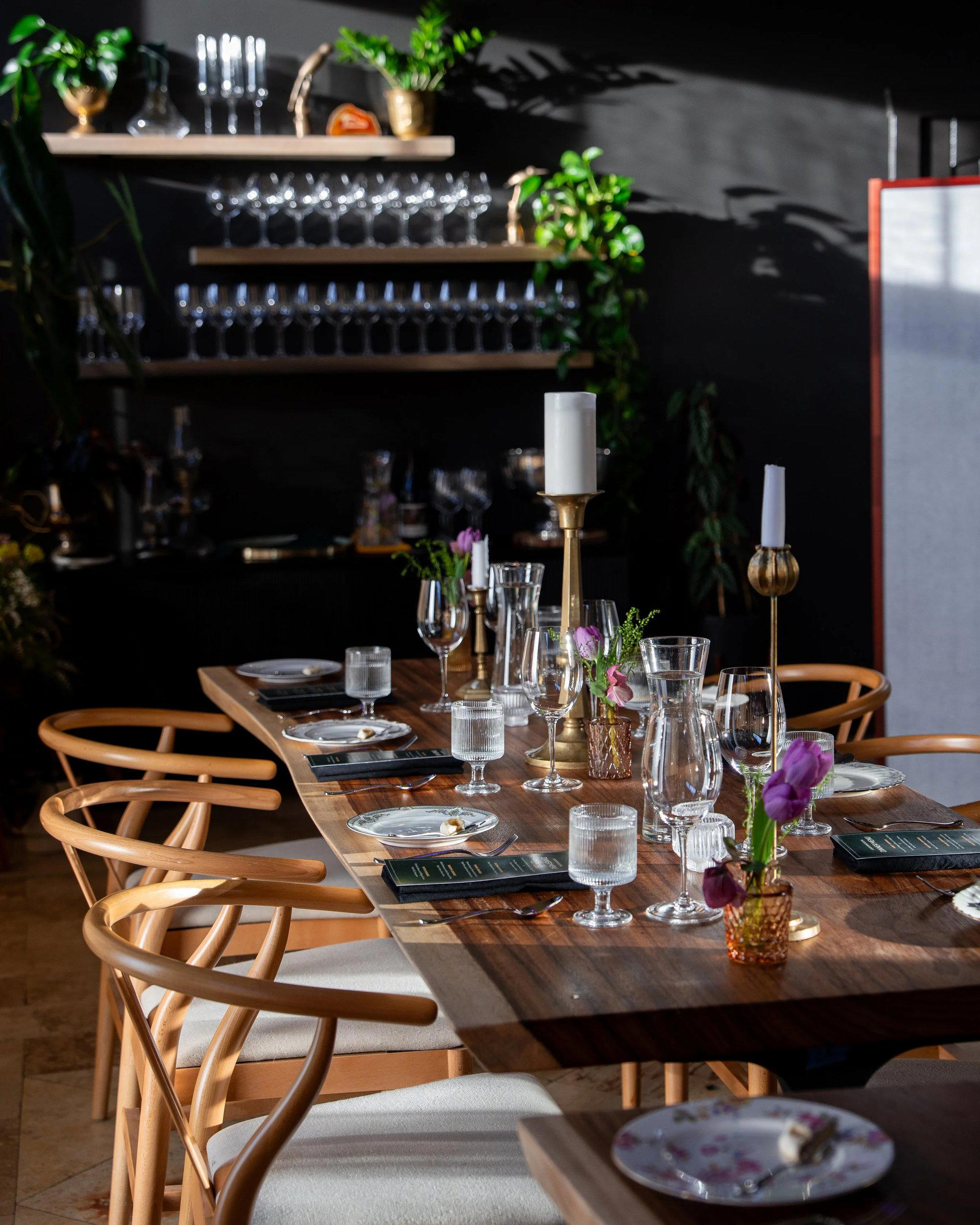
Where the Supper Club Format Meets the Pacific Northwest Table
Portland has a particular relationship with the communal meal. Long before tasting menus arrived in the Pacific Northwest, the region's food culture was built around sharing: shared farms, shared producers, the collective logic of a place where the growing season is short and the community around it is tight. Lansdowne Social draws from that tradition and layers a more structured format on top of it, operating as a communal supper club with tasting menus that follow the seasonal arc of Pacific Northwest ingredients.
The supper club model occupies a specific position in the American dining taxonomy. It sits between the private dinner party and the restaurant proper: more intentional than a pop-up, less formal than a tasting counter, and almost always built around a fixed number of guests per seating. The format disciplines both kitchen and guest. You arrive at a set time, eat what the kitchen has decided to cook, and sit alongside strangers who quickly stop being strangers. For the right kind of diner, that is precisely the appeal.
Local Ingredients, Imported Discipline
Lansdowne Social brings Pacific Northwest sourcing into a structured, technique-forward supper club format. This is a pattern that has defined particularly discussed American restaurants of the past decade. At Lazy Bear in San Francisco, a supper club origin story evolved into a fixed-format tasting room that brought Californian produce into contact with classical technique. At Single Thread Farm in Healdsburg, the kaiseki-influenced structure imposed Japanese seasonal rigour onto Northern California ingredients. The through-line in both cases is the same: imported methodology applied to hyperlocal product.
Portland's own dining scene has several examples of this tension being worked through productively. Langbaan, the reservation-only Thai tasting room operating behind a curtain inside PaaDee, is especially precise local precedent: a fixed-seat format, a cuisine with deep structural rigour, and ingredients sourced with specificity. Berlu applies Vietnamese culinary logic to Pacific Northwest produce in a similarly concentrated format. Lansdowne Social belongs to this cohort, though its communal supper club framing gives it a slightly looser social register than either of those two.
What the tasting menu format demands of Pacific Northwest ingredients is worth considering. Oregon and Washington supply an unusually coherent larder: Dungeness crab from the coast, Walla Walla onions from the eastern valleys, chanterelles and morels from the Cascade foothills, hazelnuts from the Willamette Valley, salmon from Columbia River tributaries. The challenge for any kitchen working in this format is not sourcing quality ingredients but rather imposing a coherent progression on them, course by course, without losing the elemental directness that makes the region's produce compelling in the first place. Particularly technically ambitious restaurants in the country, from Alinea in Chicago to The French Laundry in Napa, have spent decades working out how to let technique serve product rather than obscure it. In Portland, that question is asked at a more intimate scale, which is a more honest way to answer it.
How the Communal Format Shapes the Experience
The supper club format changes the social physics of a meal in ways that a conventional restaurant setting does not. Long tables, shared dishes, and fixed seatings mean that the evening has a shape: it begins, it builds, and it ends. Guests do not arrive staggered across two hours of service; they arrive together and move through the meal in sequence. This creates a different kind of attention. You are not managing a table of your own choosing; you are part of a larger arrangement, which is closer to a dinner party than a restaurant visit.
For cities with a strong communal dining culture, this format tends to attract a specific guest profile: people who are interested in the food but equally interested in the context around it. Portland, with its emphasis on food as a social and political act as much as a pleasurable one, is a natural fit. The city's farm-to-table movement, which predates the national adoption of that phrase by a decade or more, was always as much about relationships between producers and eaters as it was about what ended up on the plate. A supper club format that foregrounds those relationships in a communal setting is, in that sense, a deeply local proposition.
Comparable formats in other cities offer a useful benchmark. Emeril's in New Orleans pioneered a version of Louisiana-product-meets-classical-technique that opened up the conversation nationally. At the other end of the formality spectrum, Le Bernardin in New York City demonstrates what happens when technique is allowed to lead almost entirely, with product in service of method. The supper club format at Lansdowne Social sits somewhere between those poles: structure without stiffness, technique without spectacle.
Portland's Broader Dining Context
Understanding where the restaurant fits requires a working map of Portland's tasting-menu and special-format dining. The city's restaurant culture has diversified considerably over the past decade. Pizza institutions like Ken's Artisan Pizza and Nostrana anchor a casual, wood-fired end of the spectrum that Portland does as well as any American city. At the other end, James Beard Award-winning kitchens like Kann, which applies Haitian culinary tradition to Pacific Northwest and Caribbean ingredients through a wood-fire lens, have raised the ceiling of what Portland's dining rooms are capable of producing. The restaurant, with its communal tasting format, occupies a middle register: more structured than a neighbourhood restaurant, less austere than a formal counter.
Seasonality matters more at the restaurant than at a conventional restaurant. The supper club and tasting menu format is, by design, a hostage to what is available and good right now. In the Pacific Northwest, that means the menu reads differently in October, when chanterelles and Dungeness crab overlap, than it does in June, when early-summer produce and fresh river fish define the plate. The strongest seasons for this kind of format in Portland are generally late spring and early autumn, when the larder is at its most generous and the evenings still suit a long, seated meal.
For international reference points, the supper club model has produced particularly discussed restaurants in recent decades. Alain Ducasse's Louis XV in Monte Carlo applies a version of this fixed, curated approach at its most formal European register. 8½ Otto e Mezzo Bombana in Hong Kong shows how Italian technique travels into an entirely different ingredient context. The restaurant is working at a more intimate American scale, but the underlying question, how do you impose coherent culinary structure on seasonal, place-specific product, is the same one every kitchen in that tradition is answering.
Nearby-ish Comparables
Comparable venues nearby, for context on price, style, and recognition.
| Venue | Cuisine | Price | Notes |
|---|---|---|---|
| Lansdowne SocialThis venue — the venue you are viewing | Pacific Northwest Farm-to-Table | $$$ | Not listed |
| Jacqueline | Modern Pacific Northwest Seafood | $$$ | Old Port |
| Erizo | Sustainable Pacific Northwest Seafood Tasting Menu | $$$ | Central Eastside Industrial District |
| MoMoYama | Modern Japanese Sushi | $$$ | Pearl |
| Terra Mae | Portuguese-Japanese Fusion | $$$ | Alberta Arts District |
| Seasons & Regions | Fresh Local Seafood Grill | $$ | Hillsdale |
At a Glance
- Cozy
- Elegant
- Sophisticated
- Intimate
- Date Night
- Special Occasion
- Celebration
- Open Kitchen
- Standalone
- Craft Cocktails
- Corkage Allowed
- Extensive Wine List
- Farm To Table
- Local Sourcing
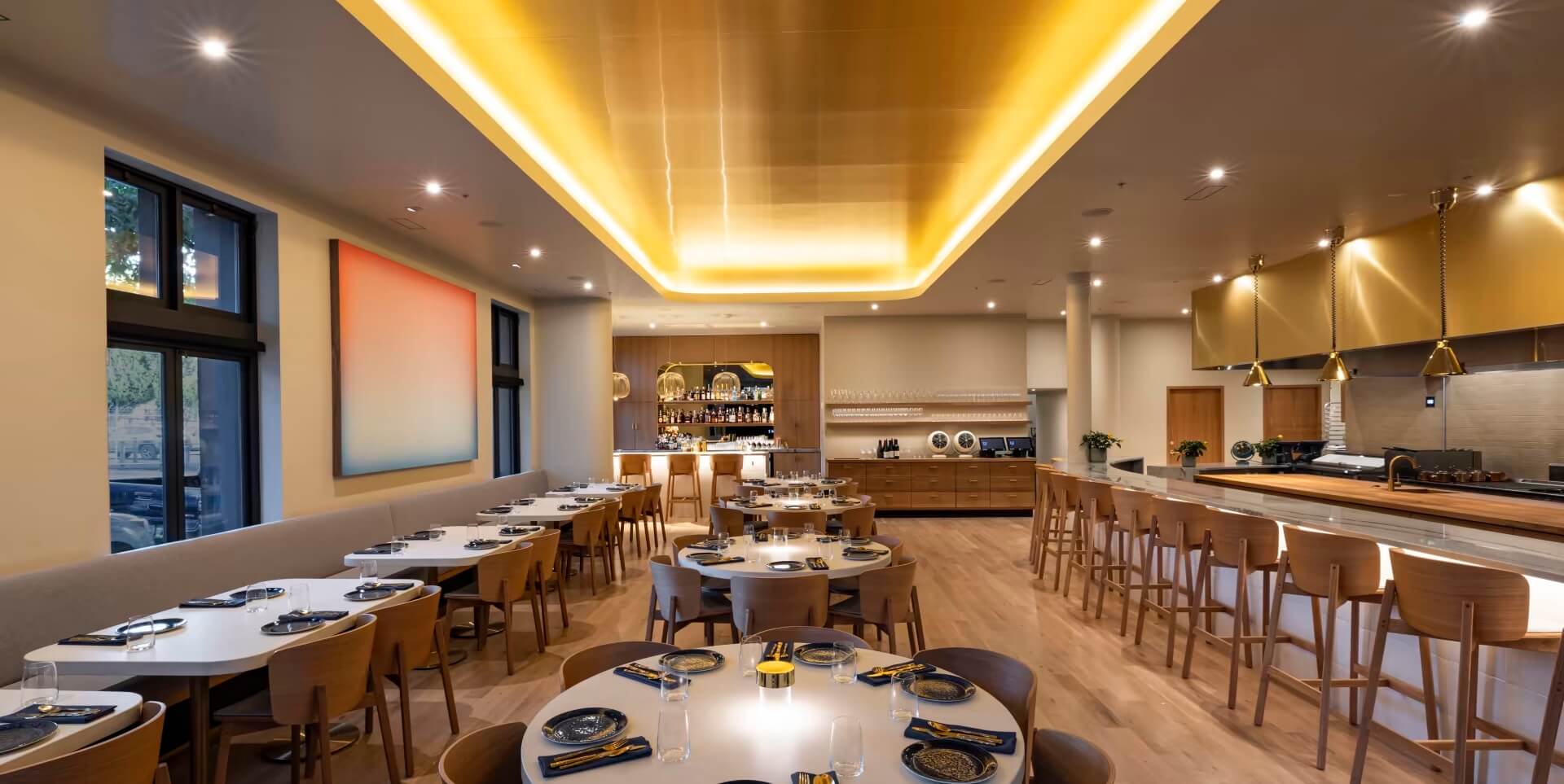
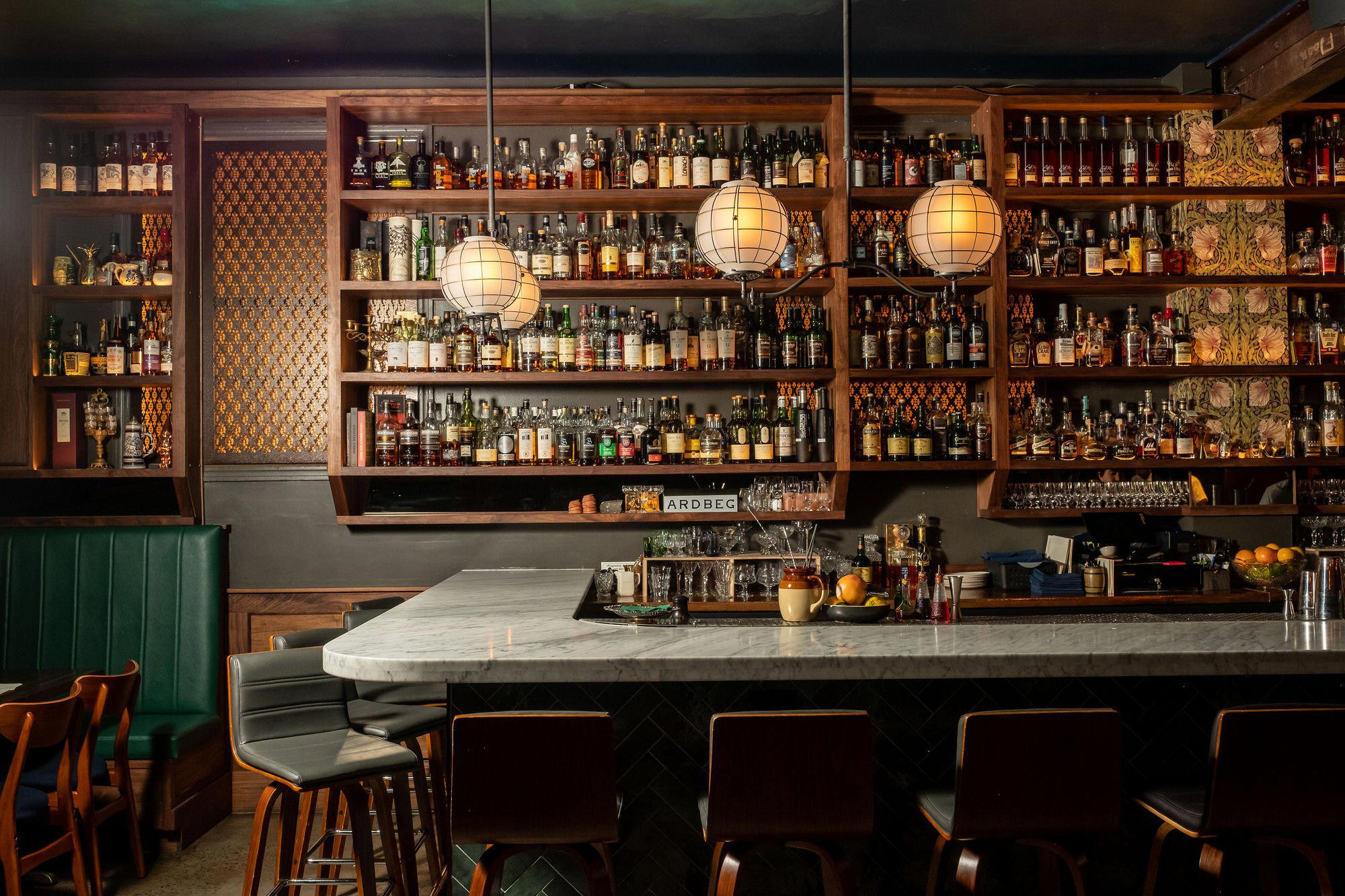
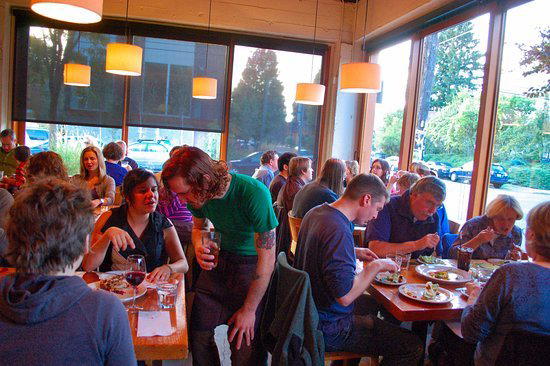
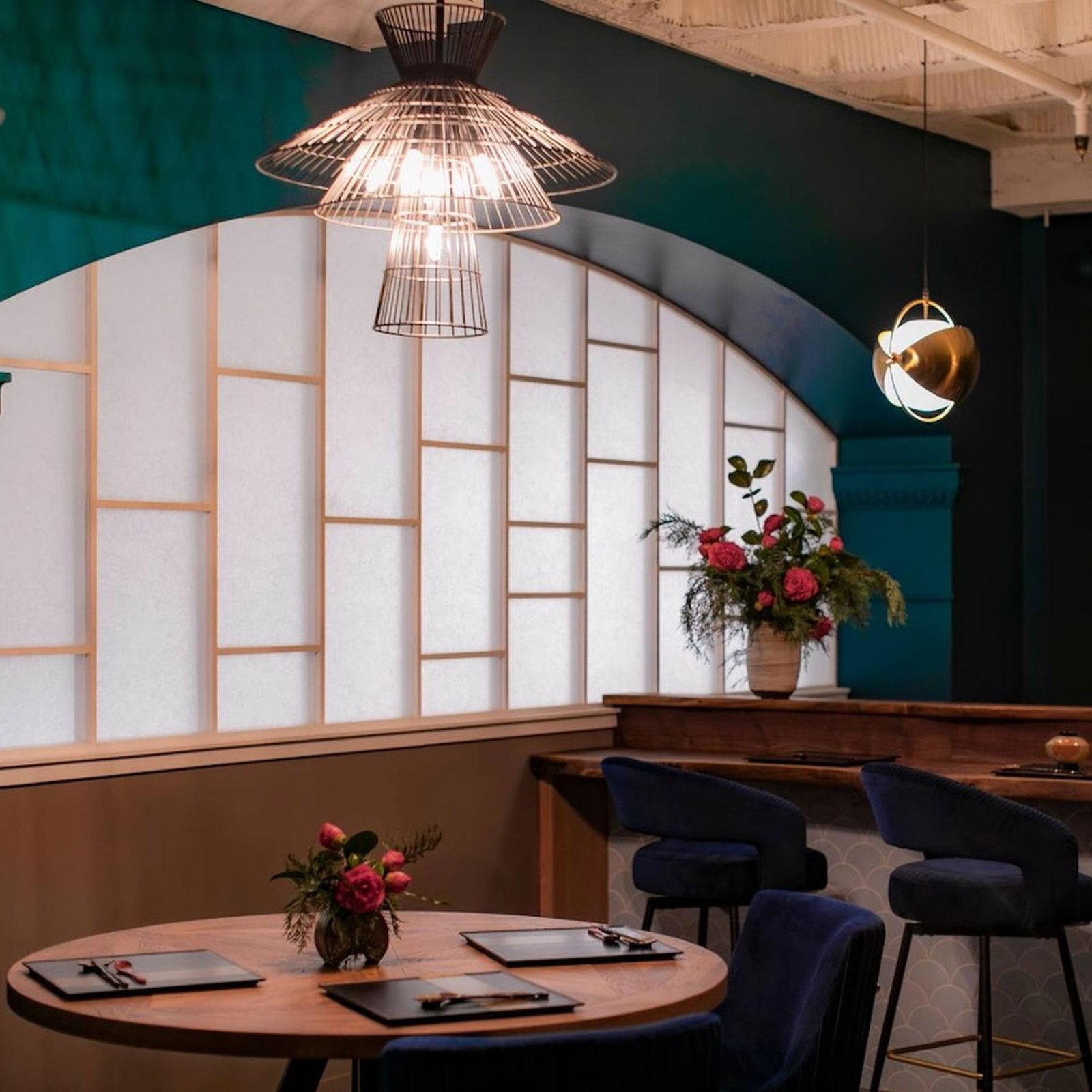
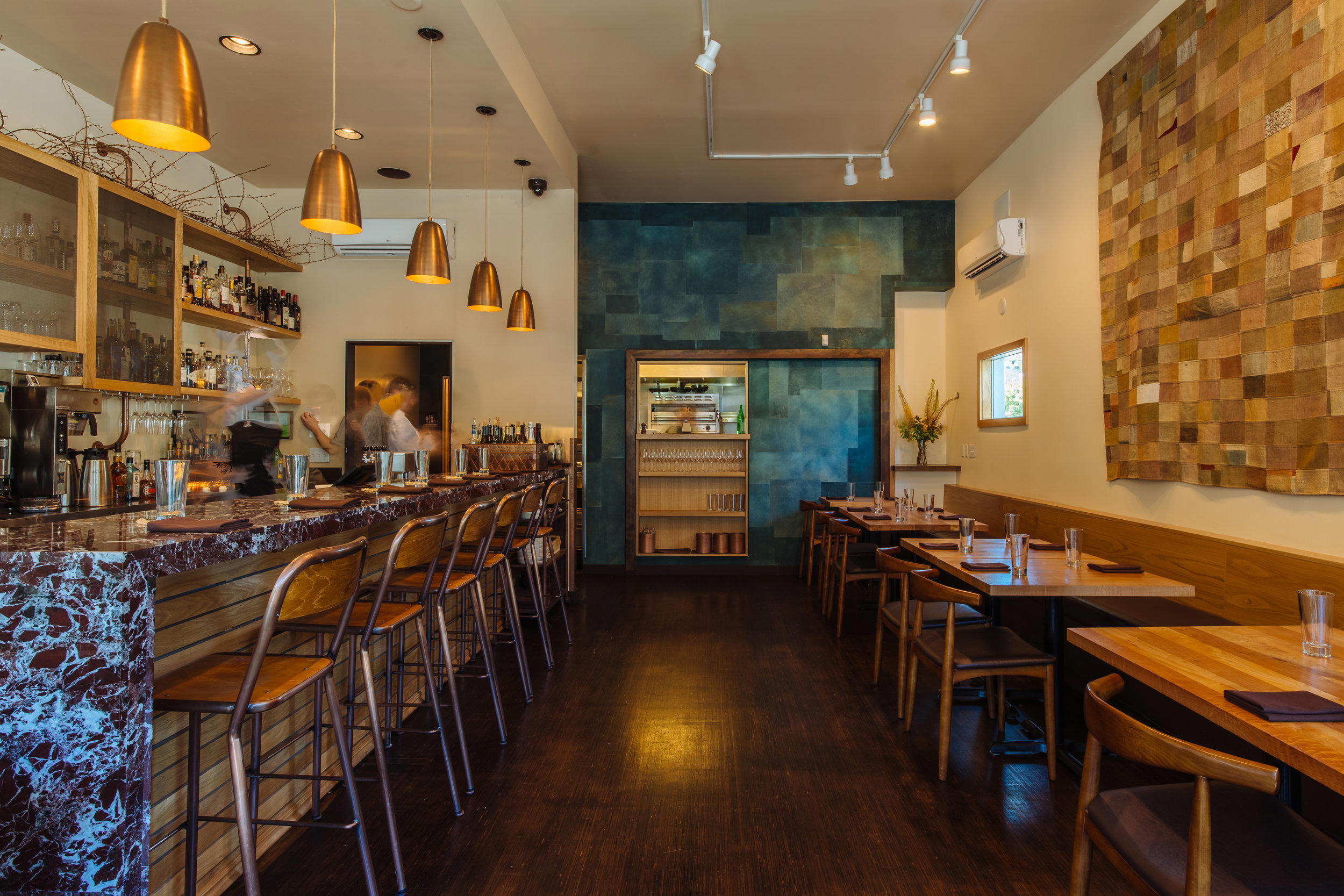
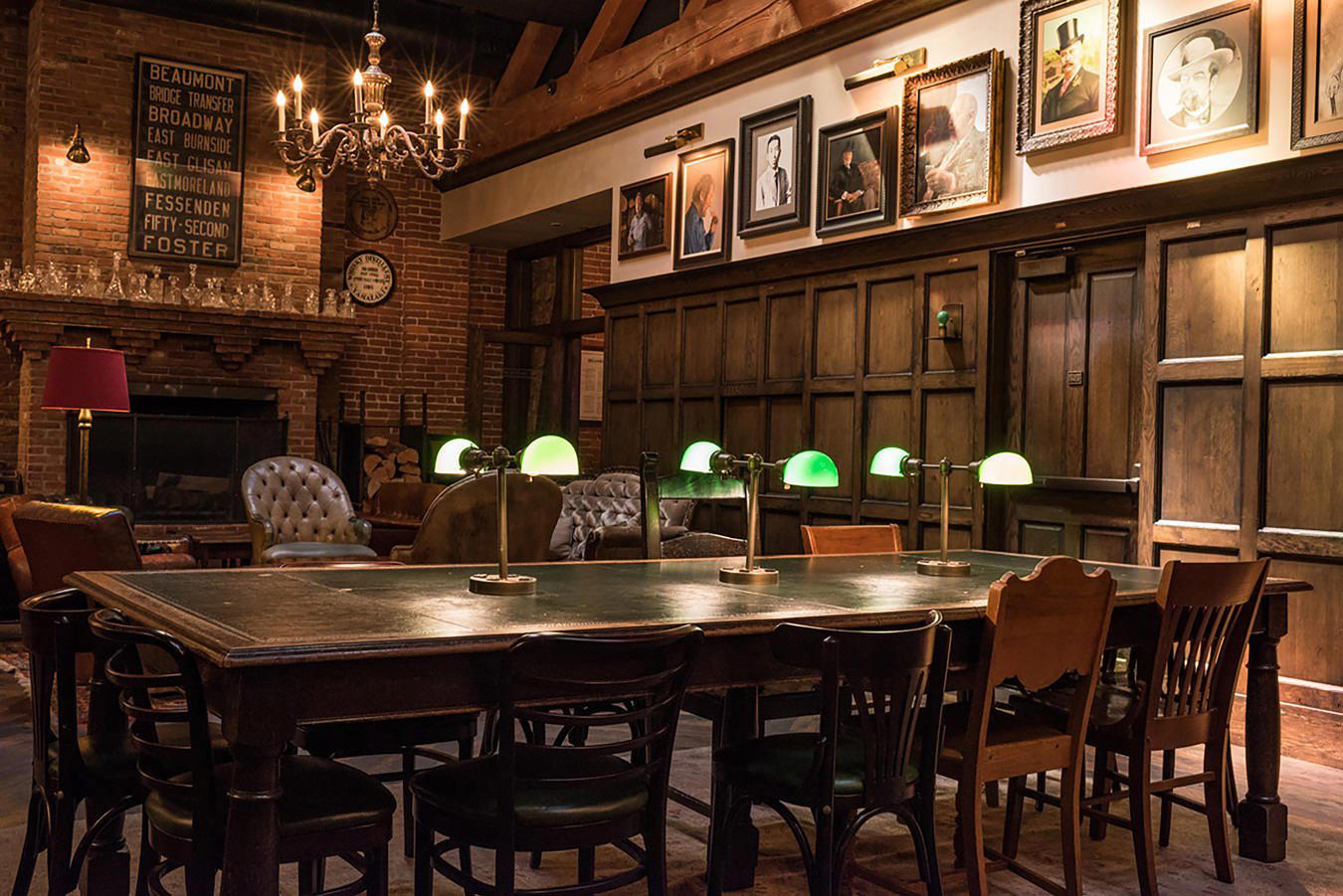
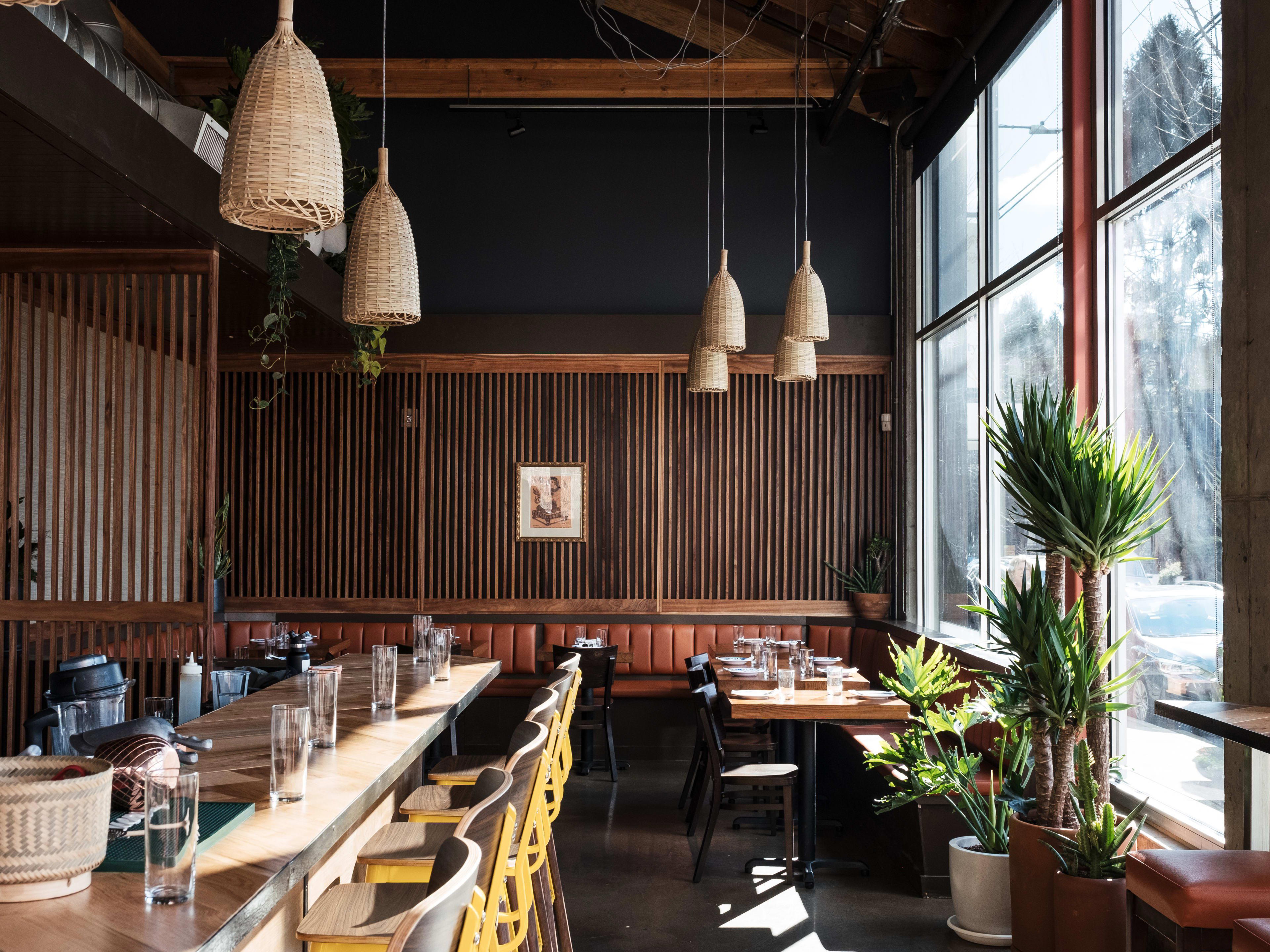
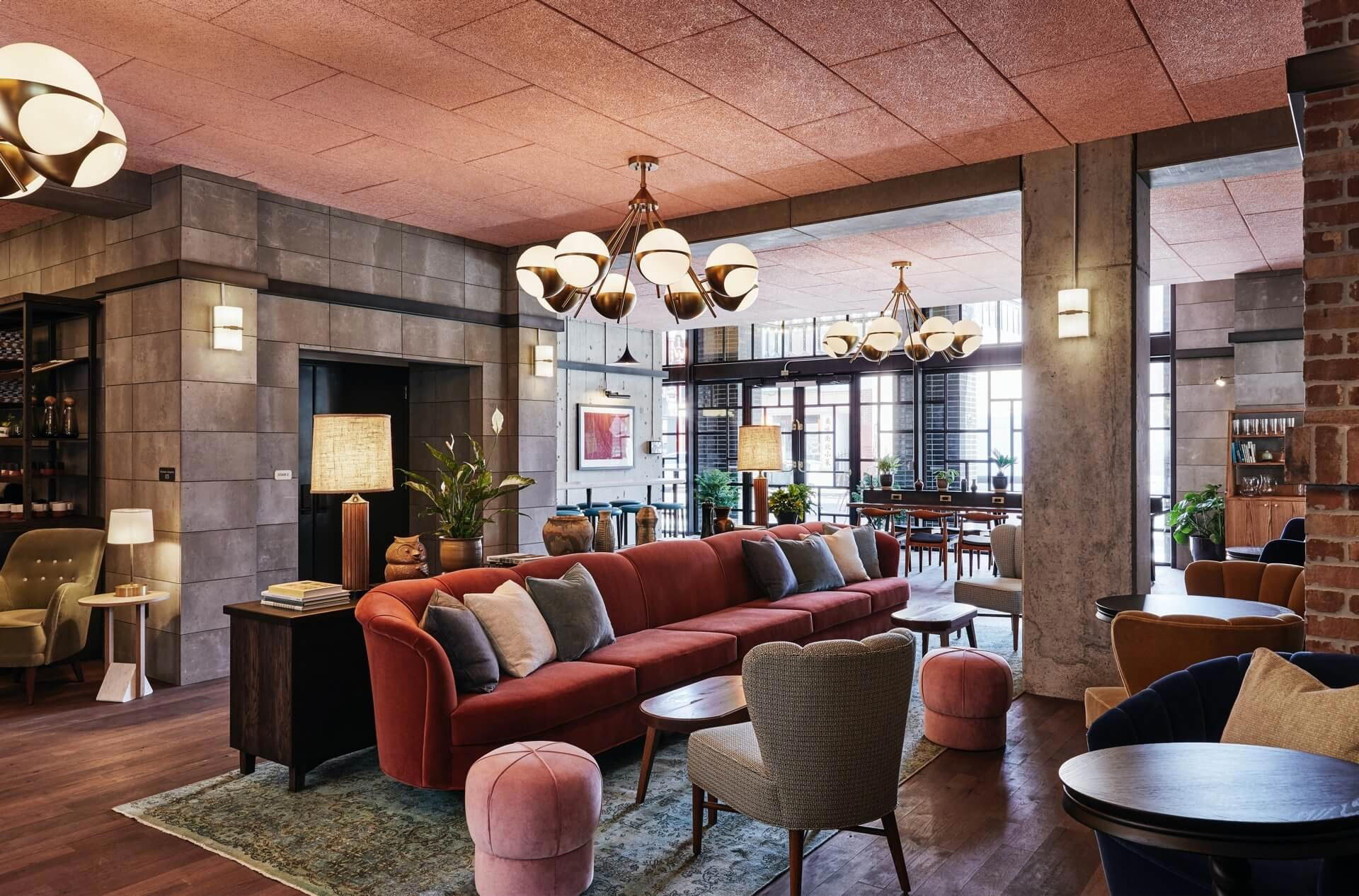
Warm, welcoming, and laidback atmosphere with cozy dinner party vibes; charming and refined ambiance suitable for polished dining.