Chehalem Winery

Falstaff Winery - Listed
Chehalem Winery operates out of Newberg in Oregon's Willamette Valley. The winery sits within one of the country's most closely watched Pinot Noir appellations, where post-harvest decisions around barrel selection, aging, and blending define reputations as much as vineyard work. Chehalem's address on NE Bell Road places it at the heart of Yamhill County's premium wine corridor.

Pearl is the En Primeur Club membership app, where members save venues, book tables and use the concierge.
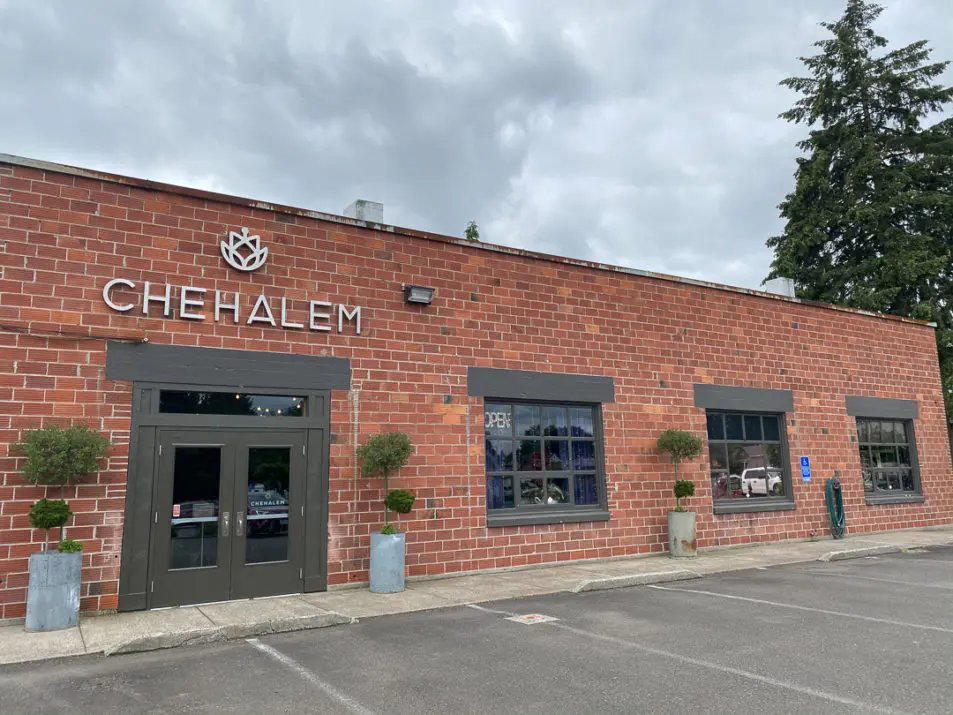
Where the Willamette Valley's Post-Harvest Work Gets Serious
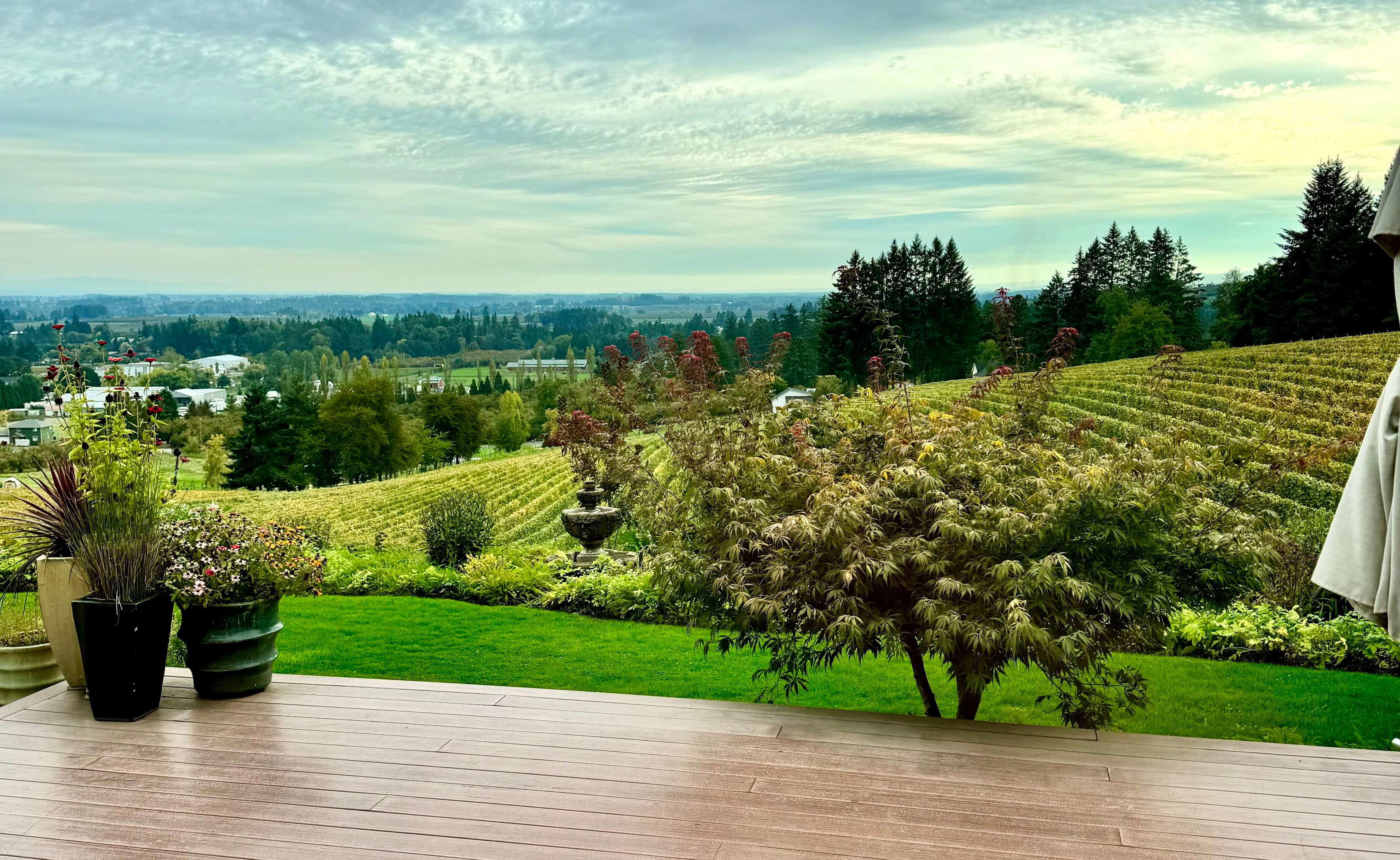
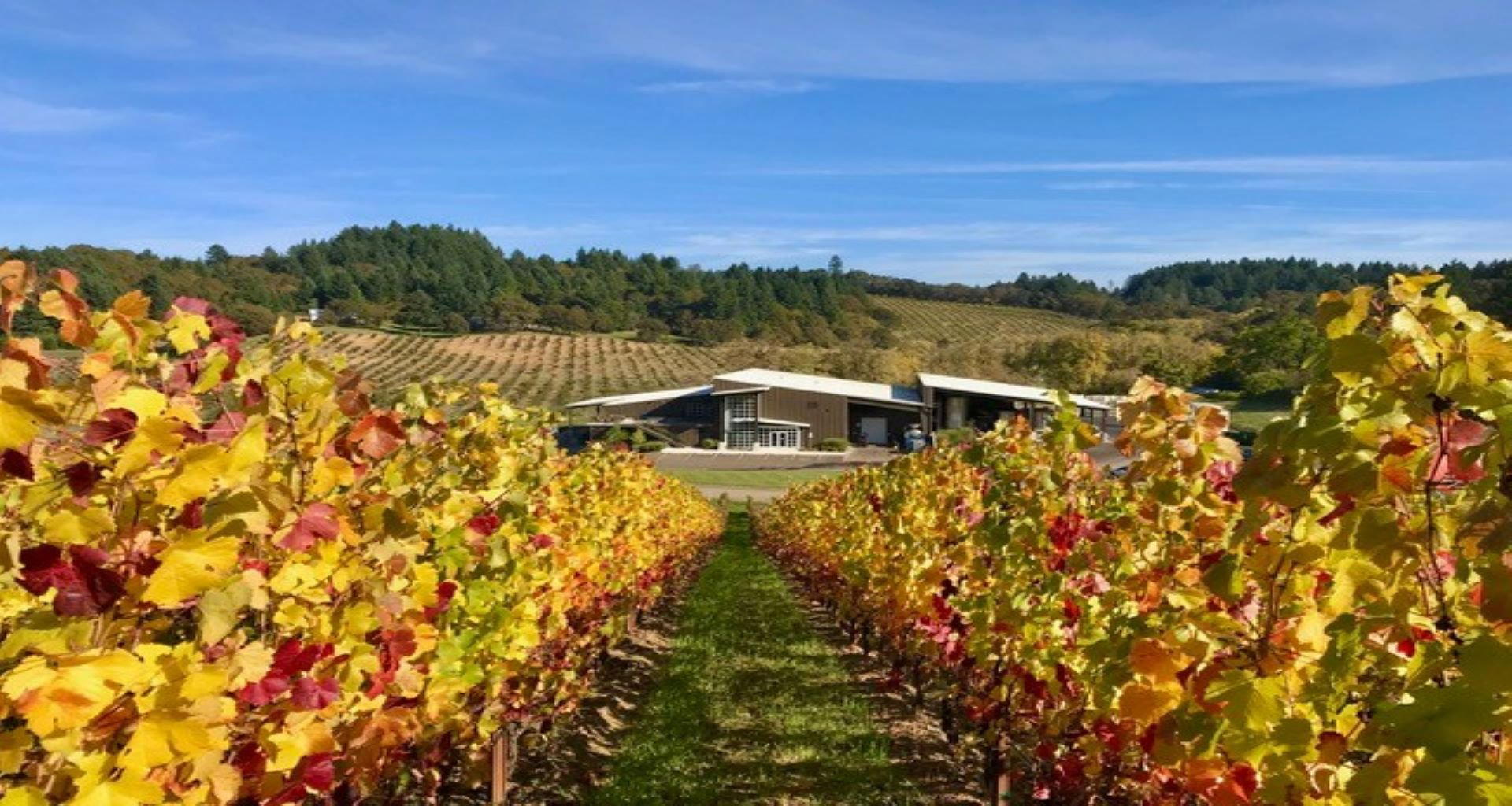
The drive out to NE Bell Road in Sherwood passes through the kind of agricultural quietude that makes Oregon wine country feel categorically different from Napa's polished highway corridor. Vineyard rows sit close to the road. Barns and processing facilities appear without fanfare. The visual register is working land, not showroom. That physical honesty maps closely to what the Willamette Valley's more focused producers actually do inside their cellars, where the real editorial argument about Oregon Pinot Noir gets made not at harvest but in the months that follow it. Chehalem Winery.
The Willamette Valley's Cellar Argument
Oregon's wine identity was built on a specific wager: that the Willamette Valley could produce Burgundy-comparable Pinot Noir and Chardonnay in a climate cooler and less predictable than California's. That wager was placed in the 1960s and 1970s, and the appellations around Newberg, the Chehalem Mountains AVA, the Ribbon Ridge AVA, the broader Willamette designation, now carry weight precisely because a generation of winemakers made unglamorous decisions in the cellar to back it up.
Those decisions involve barrel selection first. The Willamette's leading producers have moved away from any single prescription toward site-specific oak programs, asking whether a given block's fruit has the structure to absorb new French oak or whether it needs the quieter influence of older barrels to express its primary aromatic character. The region's volcanic Jory soils and its marine-sediment Willakenzie soils respond differently to the same barrel treatment. Winemakers who understand that distinction make more precise aging decisions than those working from a house formula.
Blending in this context isn't corrective. It's compositional. Oregon's leading producers treat their AVA-designated wines as deliberate arguments about what a specific hillside or soil type contributes to the final glass, which means blending decisions carry more interpretive weight than in appellations where blend components are interchangeable.
Newberg's Competitive Set
Newberg functions as something close to a capital city for the northern Willamette Valley's premium wine corridor. The concentration of serious producers within a short radius means that visiting the area involves real curatorial choices. Adelsheim Vineyard has operated here since 1971 and sits at the establishment tier of Oregon wine history. Patricia Green Cellars has built a reputation specifically around single-vineyard Pinot Noir with minimal intervention and a clear point of view about terroir expression. Beaux Frères, with its Ribbon Ridge estate, occupies a higher allocation-driven bracket, while A to Z Wineworks and Alexana Winery represent different entry points and styles within the same geography.
That positioning matters for visitors planning a day or a weekend in the valley: it signals a producer where serious cellar work is happening without requiring the advance planning and wait-list relationships that the valley's allocation houses demand.
Aging as Editorial Statement
The post-harvest calendar in Oregon's premium cellars runs roughly as follows. Harvest typically finishes in October, sometimes extending into November in cooler years. Fermentation and initial sorting decisions occupy the first weeks. Then comes the quieter, longer work: racking schedules, topping, the decision about when a wine is ready to leave oak and begin bottle aging before release. For Willamette Pinot Noir at the prestige tier, that process from harvest to release can run anywhere from twelve months to three years depending on the house style and the vintage's character.
The vintage itself shapes every one of those decisions. Oregon's climate produces more vintage variation than California's, which means a winemaker's aging program can't be static. A cool, later-ripening year might call for shorter oak time to preserve aromatic precision. A warmer year with more concentrated fruit might absorb longer barrel aging without losing freshness. The producers making the most coherent arguments about their wines are those who adjust that calendar to the vintage rather than defaulting to a fixed house program.
This editorial angle on cellar work connects directly to why the Willamette Valley's prestige tier looks the way it does. The region's reputation wasn't built on growing conditions alone; it was built on a collective willingness to make conservative, quality-first decisions about when to release wine and how to present it.
Planning a Visit to the Northern Willamette Valley
The Newberg-Sherwood corridor sits roughly an hour southwest of Portland, making it genuinely viable as a day trip from the city rather than requiring an overnight commitment. That said, the valley rewards slower engagement: morning fog burns off to clear afternoons from late spring through October, and the harvest period from September into November brings both the most atmospheric cellar access and the highest demand for tasting appointments across the appellation.
Chehalem Winery's address at 31500 NE Bell Road in Sherwood puts it at the geographic edge of the Newberg wine cluster.
For visitors building a fuller day in the region, see our full Newberg restaurants guide for dining context around the valley's wine corridor.
Oregon in the Broader American Premium Wine Conversation
The Willamette Valley's relationship to the wider American premium wine scene involves a deliberate resistance to the Cabernet-dominated prestige hierarchy that defines Napa. Producers like Accendo Cellars in St. Helena and Alpha Omega Winery in Rutherford operate in a Napa context where Cabernet Sauvignon's grip on the top tier is near-absolute. Oregon made a different bet, and the Willamette's prestige argument rests on Pinot Noir and Chardonnay as primary vehicles for serious wine.
That's a narrower lane, but it produces a more coherent regional identity. Visitors comparing Oregon with other American wine regions, whether they're coming from time spent at Adelaida Vineyards in Paso Robles, Alban Vineyards in Arroyo Grande, Alexander Valley Vineyards in Geyserville, or Andrew Murray Vineyards in Los Olivos, will find the Willamette's character distinctly cooler, leaner, and more transparently soil-driven. Artesa Vineyards and Winery in Napa offers a useful contrast point for visitors interested in how different California regions approach Pinot Noir relative to Oregon's benchmark. Even beyond American wine, international points of reference, from Aberlour in Aberlour to Achaia Clauss in Patras, illustrate how climate and tradition shape post-harvest decisions in ways that resonate far beyond the Willamette.
Same-City Peers
Comparable venues nearby, for context on price, style, and recognition.
| Venue | Cuisine | Price | Awards | Notes |
|---|---|---|---|---|
| Chehalem WineryThis venue (the venue you are viewing) | Pinot Noir, Riesling | $20–30 | Falstaff Winery - Listed | Not listed |
| Penner-Ash Wine Cellars | Pinot Noir, Chardonnay | Not listed | Not listed | Yamhill-Carlton |
| A to Z Wineworks | Pinot Noir, Pinot Gris | Not listed | Not listed | Newberg |
| Adelsheim Vineyard | Pinot Noir, Chardonnay | $30–50 | Not listed | Chehalem Mountains |
| Maison Nicolas-Jay | Pinot Noir | Not listed | Falstaff Winery - Listed | Dundee Hills |
| Brick House Wine Co. | Pinot Noir, Chardonnay | Not listed | Not listed | Ribbon Ridge |
Recognition history
Dated appearances from independent guides and award organizations, with the underlying list record or original source where available.
Falstaff Winery - Listed
Falstaff
Continue exploring
More in Newberg
Wineries in Newberg
All wineries in Newberg →
Bars in Newberg
Browse all →

Details
- Rustic
- Elegant
- Cozy
- Wine Education
- Solo Exploration
- Estate Grounds
- Terrace
- Sustainable
- Pinot Noir
- Riesling
- Pinot Gris
- Chardonnay
- Still Red
- Still White
- Still Rosé
- Seated Tasting
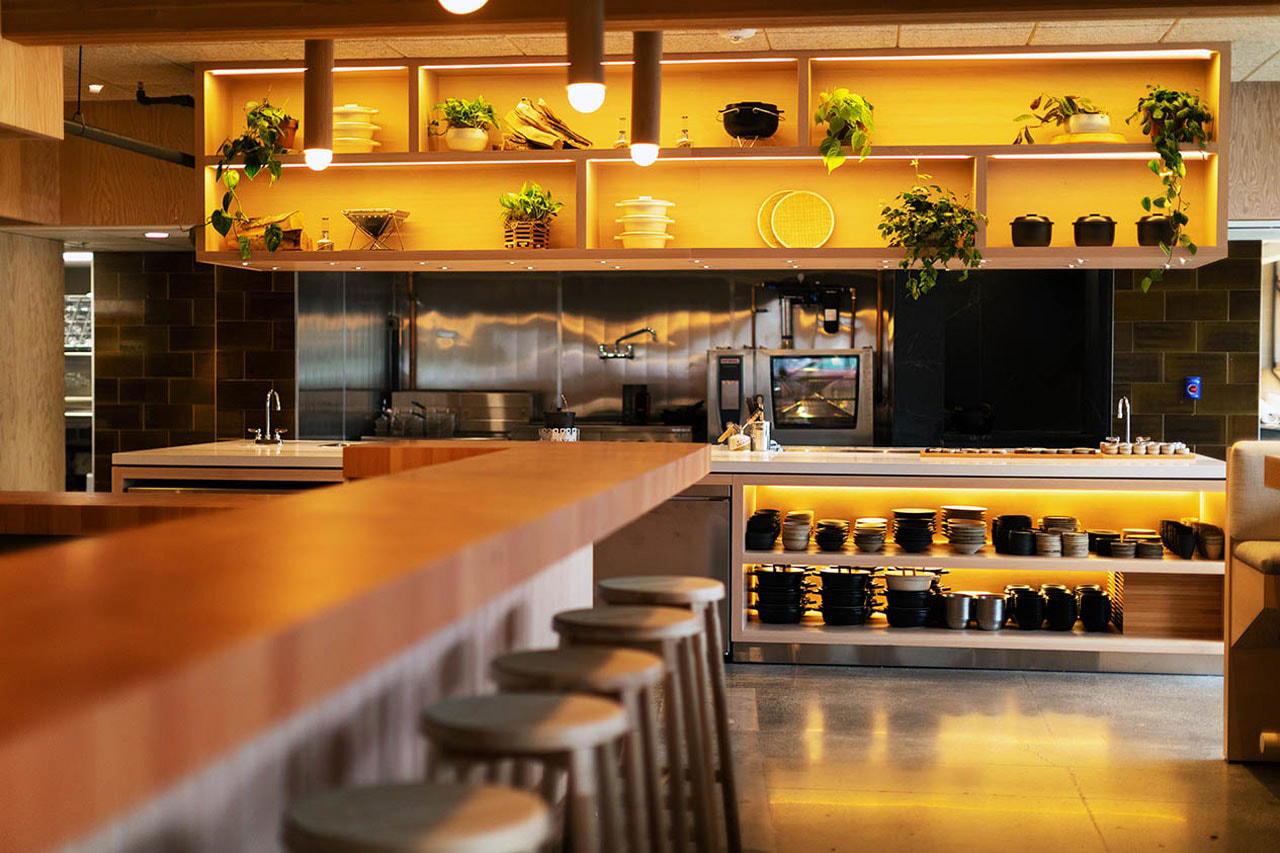
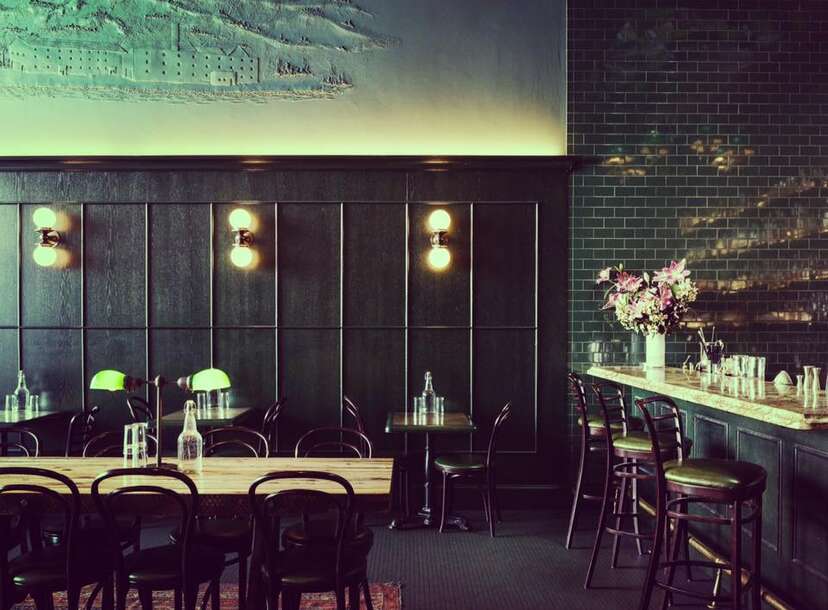
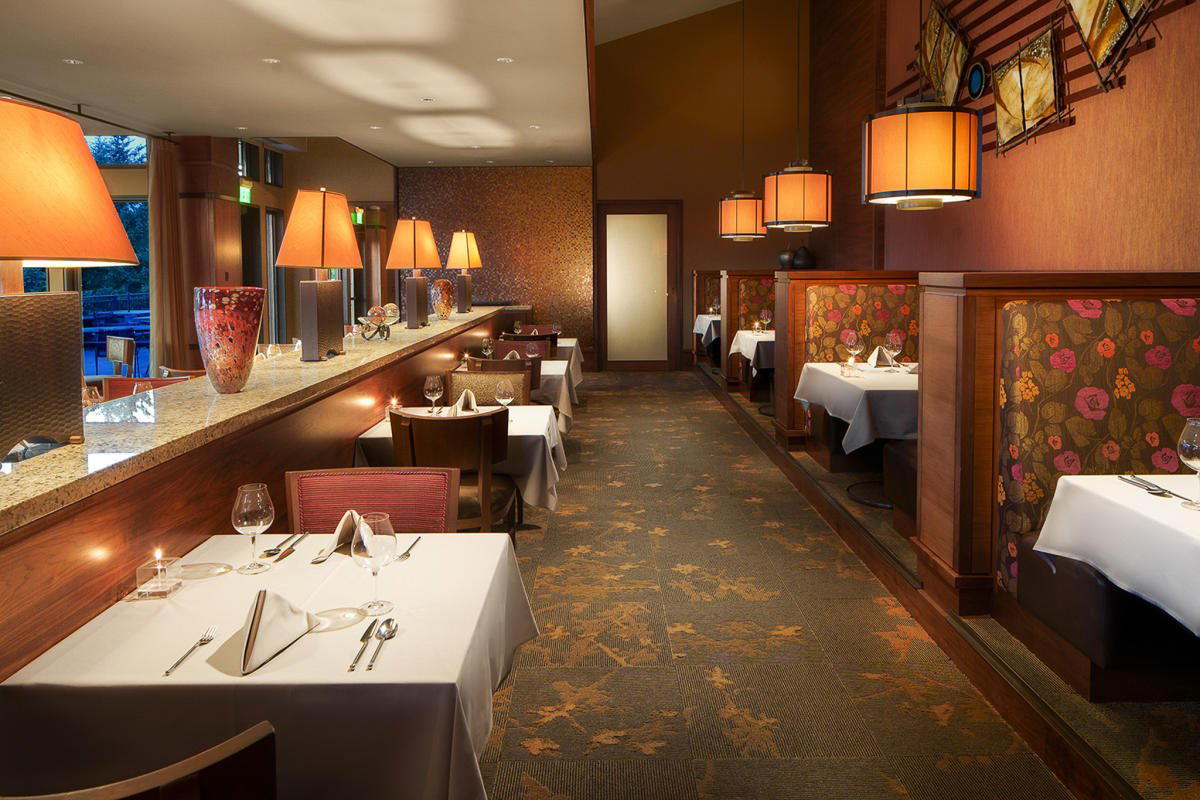
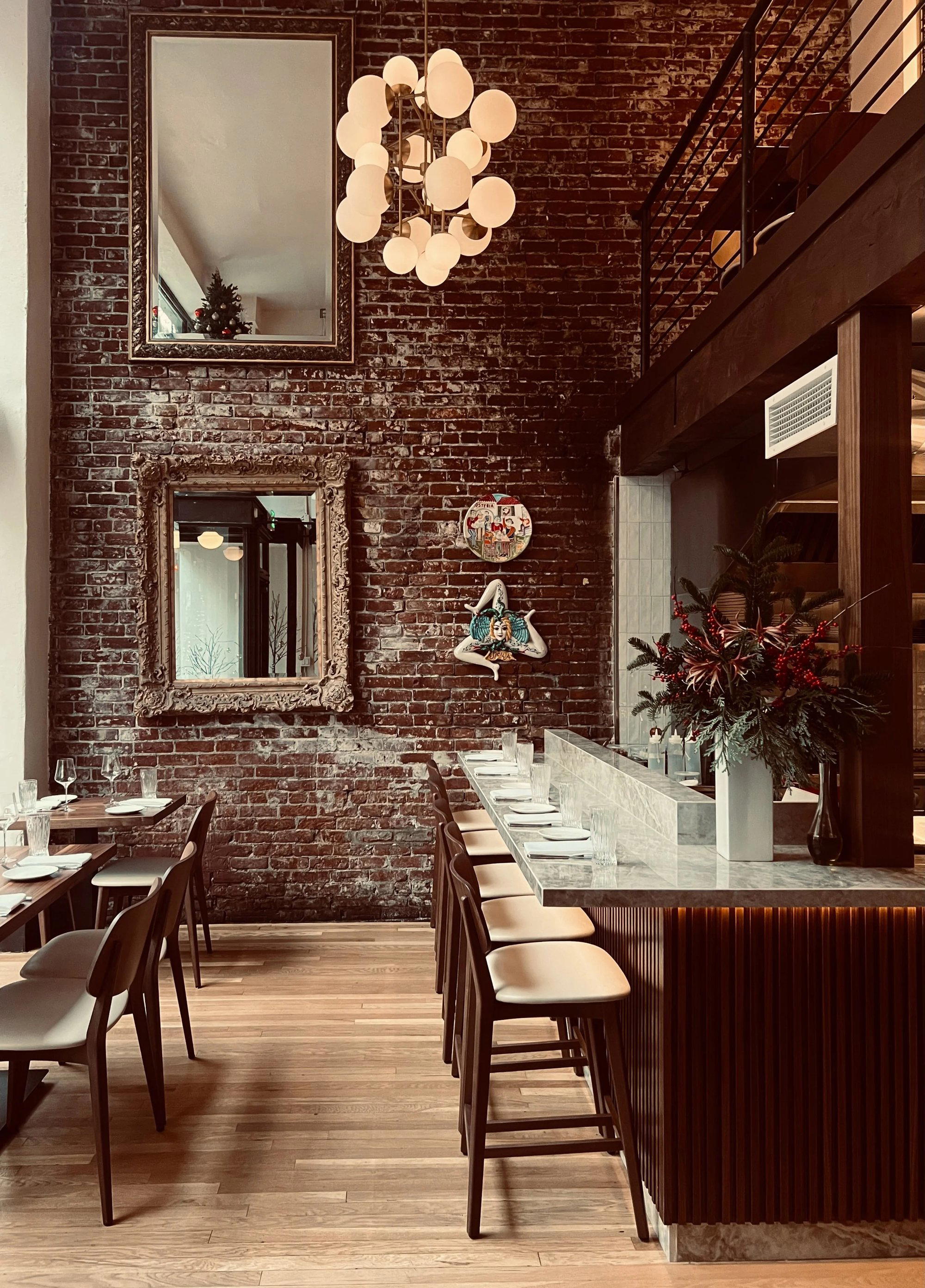
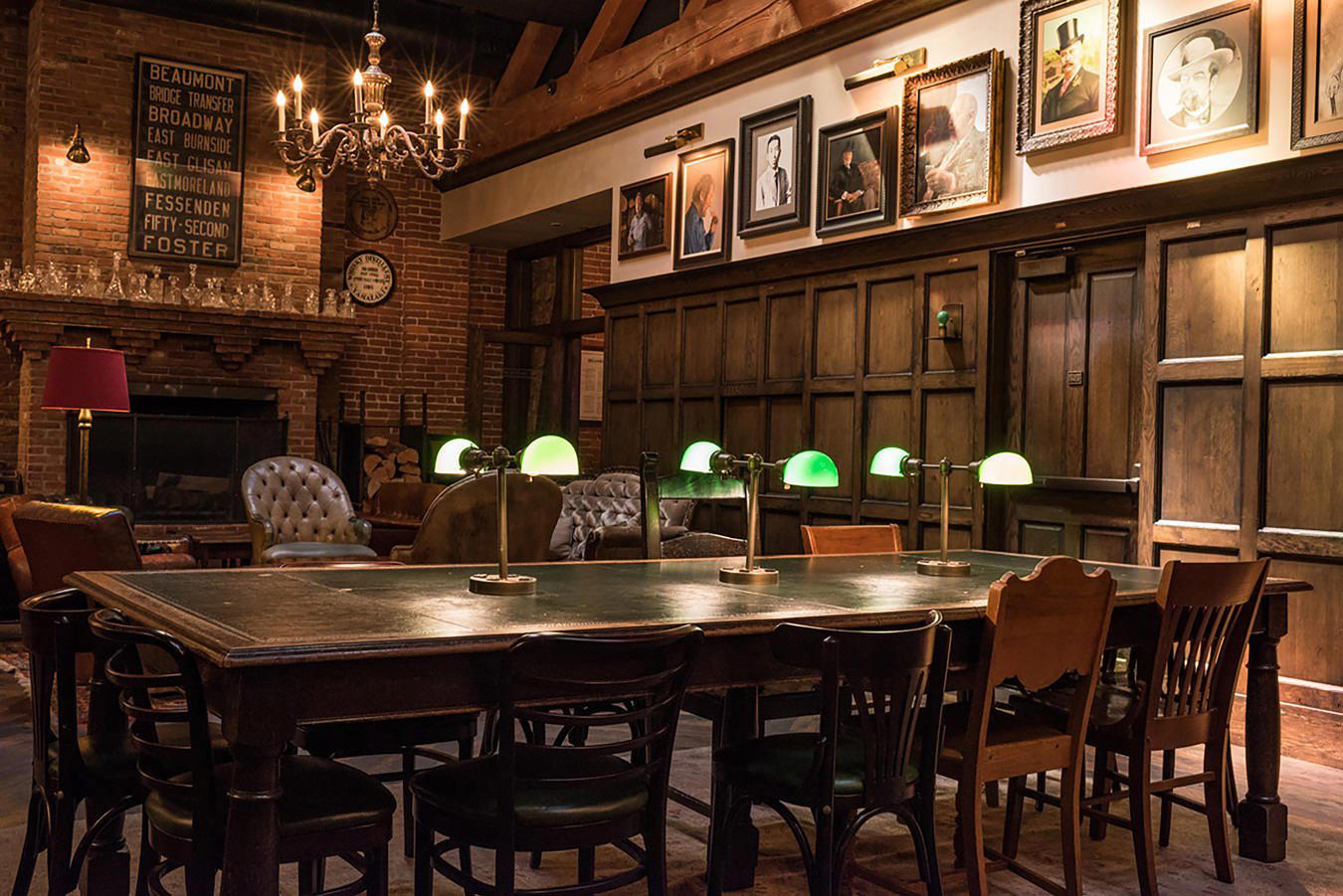
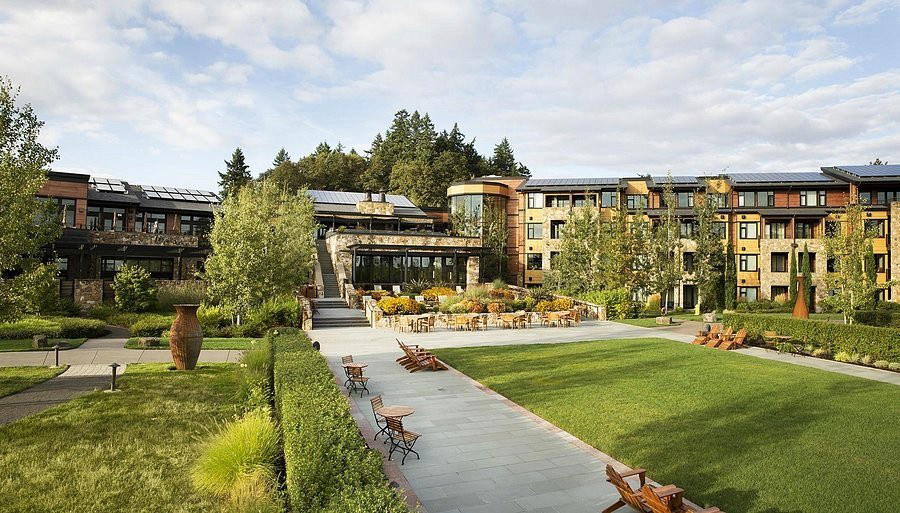
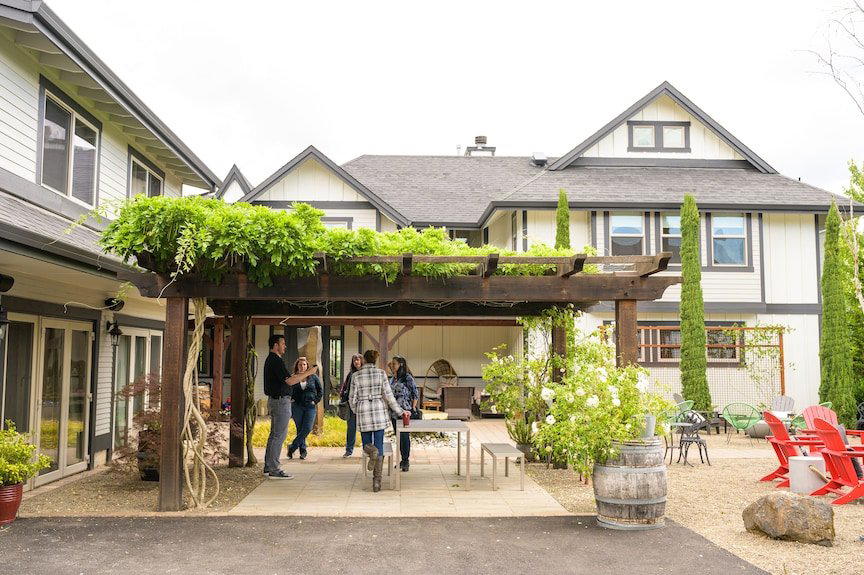
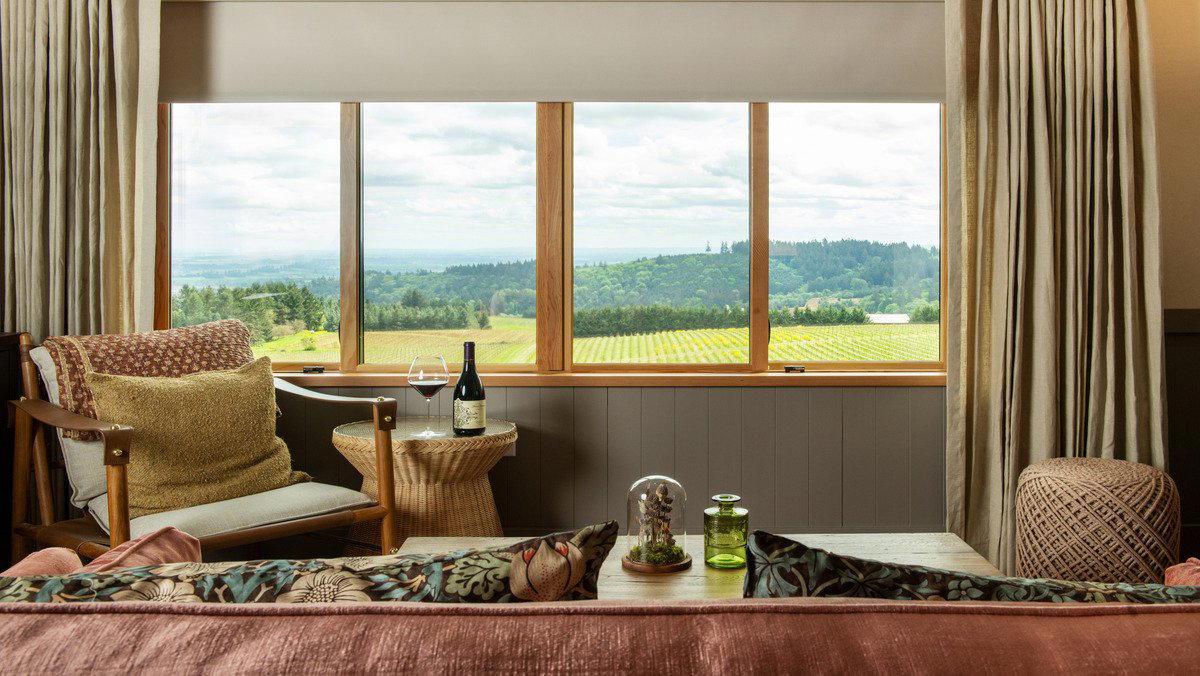
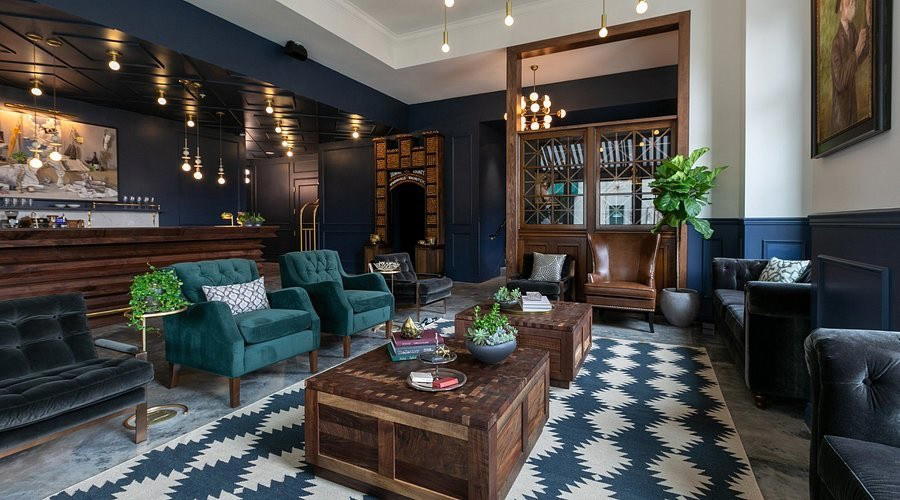
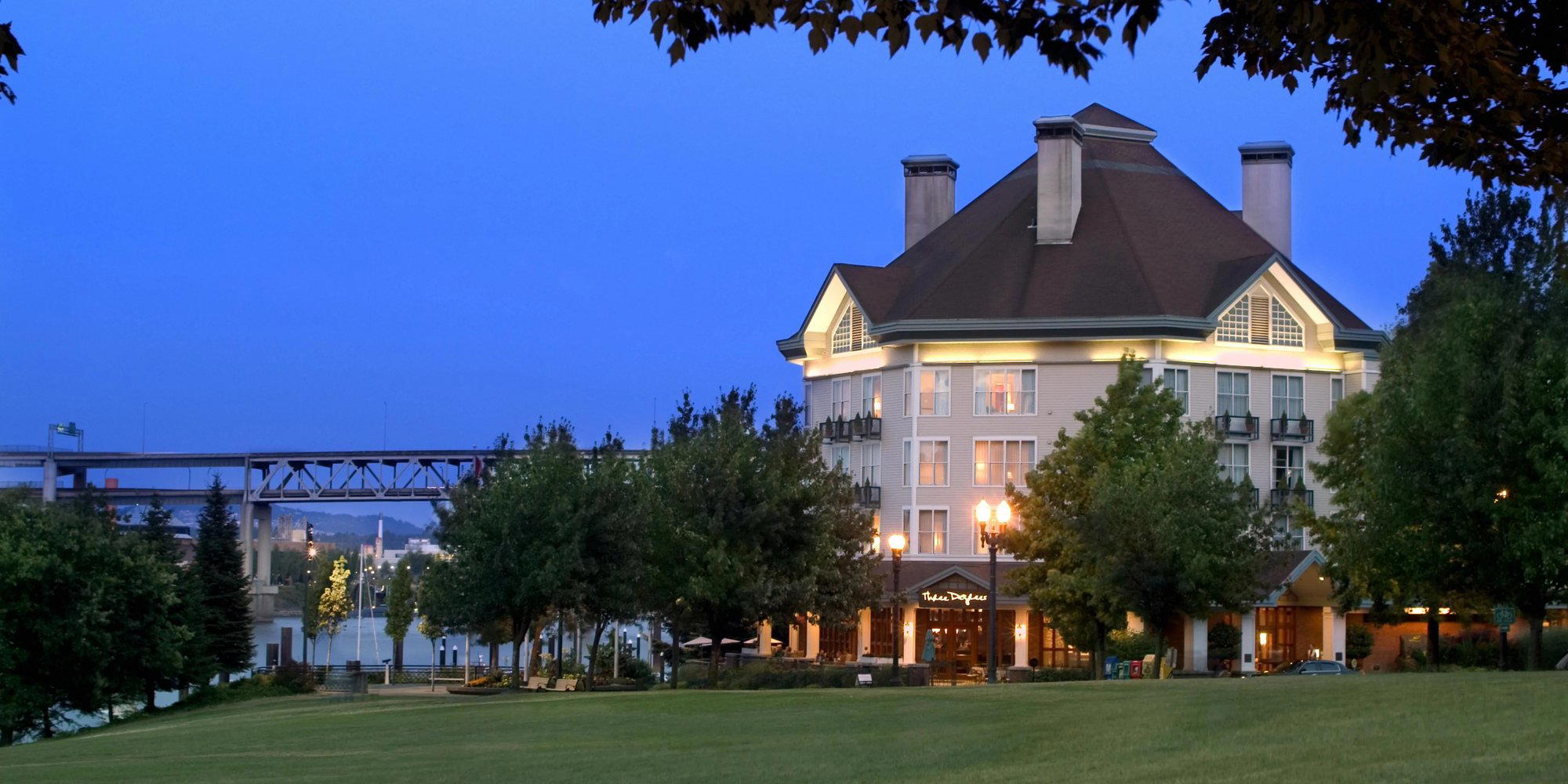
Bright, welcoming tasting room in a historic building with exposed wooden beams, simple decor, and a relaxing outdoor patio area.