Murata Restaurant
Murata Restaurant at 200 SW Market St occupies a considered position within Portland's Japanese dining scene, where the city's access to Pacific Northwest seafood and produce shapes what serious Japanese cooking can achieve. The address places it in the South Park Blocks corridor, steps from the central business district, making it a reference point for visitors and locals tracking the city's more formal end of Japanese cuisine.
Pearl is the En Primeur Club membership app — saves, bookings, and concierge access live there. Same editors, same standards.
- Address
- 200 SW Market St, Portland, OR 97201
- Phone
- +15032270080
- Website
- muratarestaurant.com
- Directions
- Get directions
 Saves & bookings on Pearl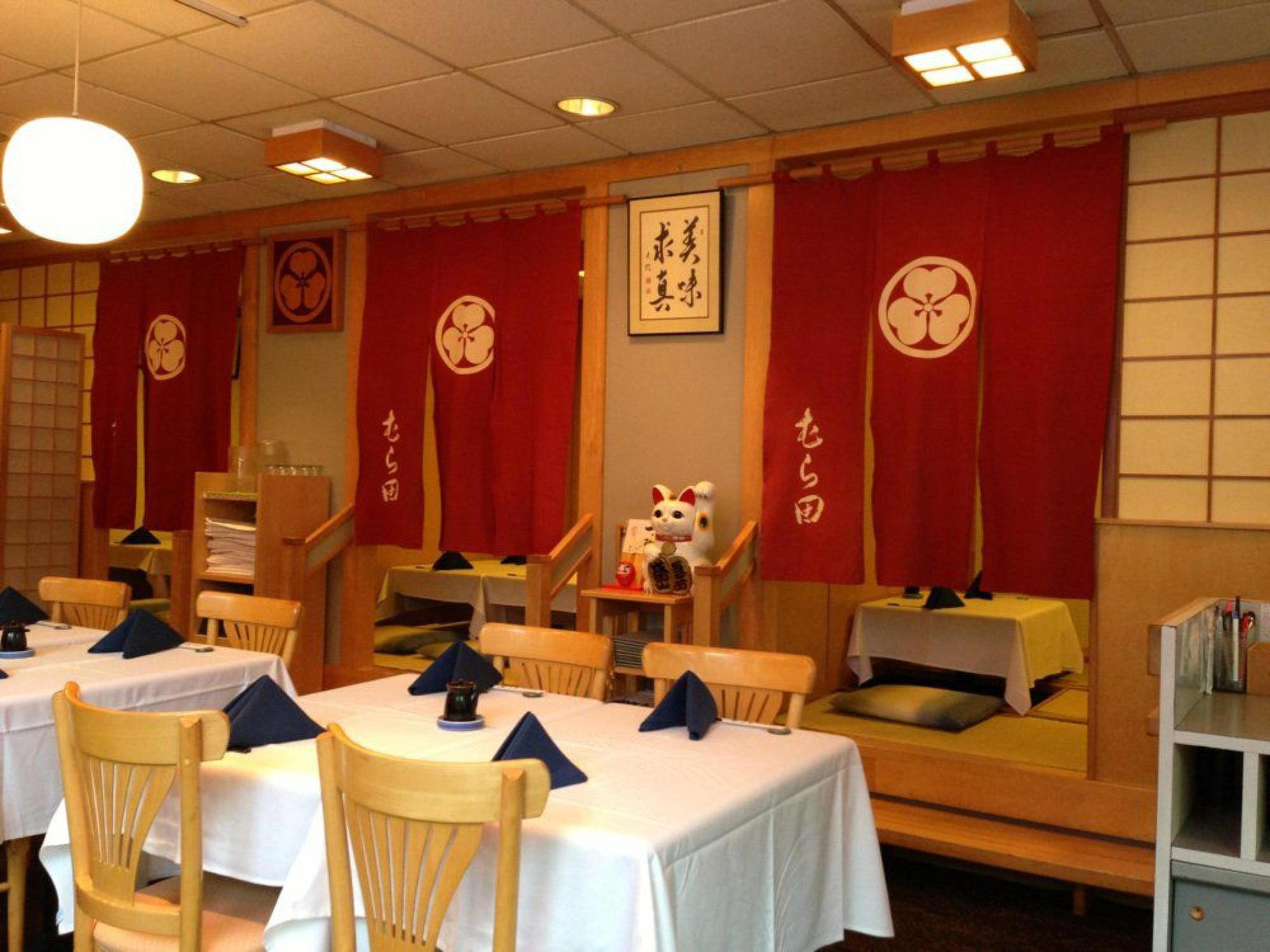
Japanese Precision in a Pacific Northwest Larder
Portland's position on the culinary map has always been shaped less by its restaurant density than by what sits behind its kitchens: the Willamette Valley to the south, the Columbia River to the north, and the Pacific coast a two-hour drive west. For Japanese cooking specifically, that geography matters more than almost anywhere else in the continental United States. The fish markets and farm networks that define ingredient-driven Japanese cuisine find a natural counterpart here, and the restaurants that understand this tend to operate at a register removed from trend-chasing. Murata Restaurant, at 200 SW Market St in the South Park Blocks corridor, represents that tradition within the city's dining scene.
The address itself signals something about the restaurant's positioning. The South Park Blocks sit between Portland's cultural institutions and its financial district, a neighborhood that moves at a different pace than the northeast dining clusters around Alberta Arts or the Division Street corridor. This part of the city rewards the kind of restaurant that does not depend on foot traffic or social media proximity to stay relevant, and traditional Japanese dining, with its emphasis on sourced product over spectacle, tends to function precisely in that register.
What the Pacific Northwest Brings to Japanese Technique
The ingredient sourcing argument for Pacific Northwest Japanese cuisine is not sentimental. It is structural. The Pacific coast off Oregon and Washington produces Dungeness crab, Pacific halibut, albacore, and salmon at a quality level that aligns with the expectations built into Japanese kaiseki and sashimi traditions. Oregon's wild mushroom seasons, particularly the chanterelle and matsutake harvests in autumn, supply something closer to the Japanese forest pantry than any other American region. Farms in the Tualatin Valley and Hood River corridor produce vegetables and stone fruits that meet the standard demanded by Japanese cooking's respect for individual ingredient expression.
This matters because the gap between Japanese cuisine in Portland and Japanese cuisine in, say, a landlocked American city is not primarily about chef skill. It is about proximity to the right raw materials. Restaurants working in this tradition here can source fish that arrived at a dock within hours rather than days, and that compression in the supply chain changes what is possible on the plate. It is the same logic that makes Single Thread Farm in Healdsburg a reference point for California's farm-proximity cooking, or that gives Blue Hill at Stone Barns in Tarrytown its conceptual authority. Geography and supply chain are arguments in themselves.
Portland's Japanese Dining Tier and Where Murata Sits
Portland's Japanese dining scene has historically operated without the critical spotlight trained on comparable restaurants in San Francisco, Los Angeles, or New York. That lower profile has, paradoxically, allowed a handful of establishments to develop deep, long-standing relationships with local suppliers and loyal clientele without the disruption of constant press cycles. Murata occupies a position in this quieter but substantive tier, known to the kind of diner who cross-references it against destinations like Providence in Los Angeles or Atomix in New York City when thinking about where Japanese culinary tradition meets sourcing rigor in an American context.
Within Portland itself, the restaurant's comparable set is distinct from the city's celebrated pizza culture, represented by Ken's Artisan Pizza and Nostrana, or from the more recent wave of Southeast Asian and Caribbean-influenced restaurants that includes Berlu, Langbaan, and Kann. Those restaurants reflect Portland's contemporary energy and its immigrant communities' influence on the dining scene. Murata operates in a different tradition, one that values continuity and sourcing depth over novelty, and attracts a clientele that prizes exactly that.
The comparison that maps most cleanly is not to Portland's trendier addresses but to American restaurants where Japanese culinary discipline meets localized sourcing as a considered program. Le Bernardin in New York City offers a useful parallel in terms of the respect afforded to fish as a primary ingredient; the difference is that Portland's geography shortens the supply chain in ways that New York cannot replicate. Closer in spirit are farm-anchored formats like The French Laundry in Napa, where the product's provenance is the argument the menu is built around.
Planning a Visit
Murata Restaurant is located at 200 SW Market St, Portland, OR 97201, in the South Park Blocks area. The location is accessible by public transit via the MAX light rail system, with the Library/SW 9th Ave station a short walk away, and street parking is available in the surrounding blocks during evening dining hours.
Murata Restaurant is recommended for reservations, and its regular hours are Monday through Friday from 11:30 AM to 1:30 PM and 5 to 8:30 PM, Saturday from 5 to 8:30 PM, and closed Sunday. For context, the city's other destination-tier restaurants in comparable formats, including the intimate Southeast Asian counter at Langbaan, often require advance planning of several weeks, and that pattern holds across Portland's more serious dining addresses generally.
Reputation First
Comparable venues nearby, for context on price, style, and recognition.
| Venue | Cuisine | Price | Notes |
|---|---|---|---|
| Murata RestaurantThis venue — the venue you are viewing | Traditional Japanese Sushi | $$$ | Not listed |
| Bamboo Sushi | Sustainable Modern Japanese Sushi | $$$ | Downtown |
| MoMoYama | Modern Japanese Sushi | $$$ | Pearl |
| Paiche | Modern Peruvian Ceviche | $$$ | Terwilliger |
| Serratto | Italian & French Mediterranean | $$$ | Nob Hill |
| Tartuca | Scratch Italian Farm-to-Table | $$$ | Mississippi Ave |
Continue exploring
More in Portland
Restaurants in Portland
Browse all →
Bars in Portland
Browse all →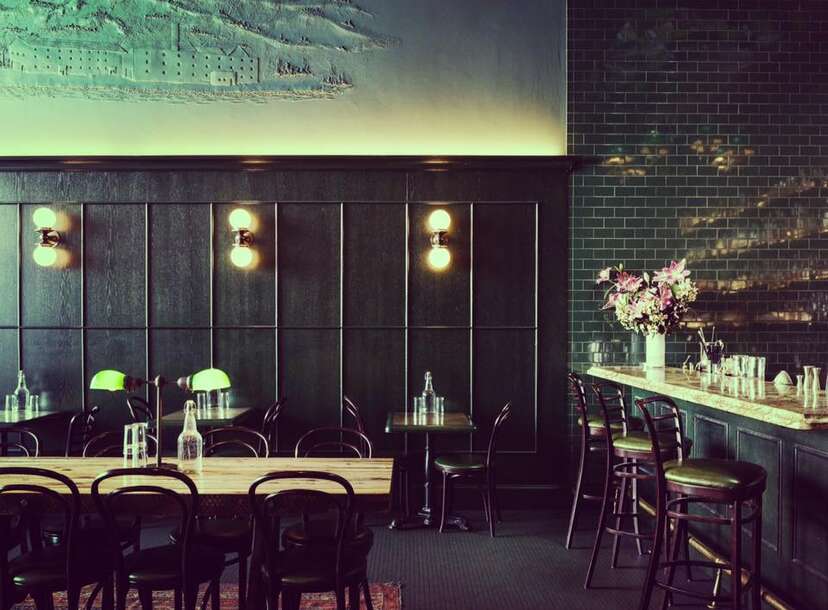
Hotels in Portland
Browse all →

At a Glance
- Classic
- Intimate
- Date Night
- Special Occasion
- Sake Program
Current opening hours
- Monday
- 11:30 AM–1:30 PM, 5–8:30 PM
- Tuesday
- 11:30 AM–1:30 PM, 5–8:30 PM
- Wednesday
- 11:30 AM–1:30 PM, 5–8:30 PM
- Thursday
- 11:30 AM–1:30 PM, 5–8:30 PM
- Friday
- 11:30 AM–1:30 PM, 5–8:30 PM
- Saturday
- 5–8:30 PM
- Sunday
- Closed
Hours can change for holidays and private events. Last verified .
Traditional Japanese atmosphere with tatami seating, uncommon grace, and hospitality evoking Japan's culture.