MoMoYama
Our verdict
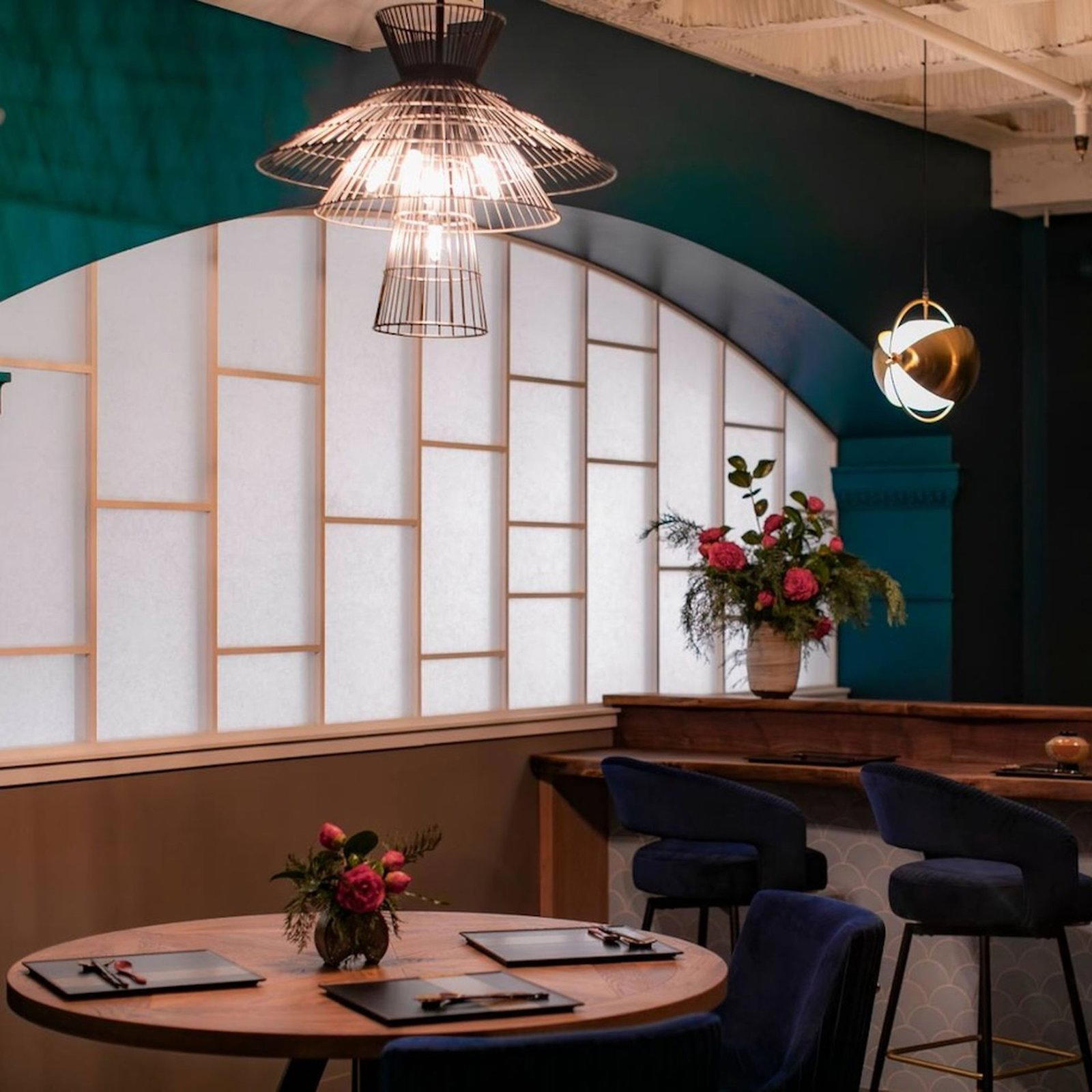
MoMoYama pairs modern Japanese sushi with a sake program and craft cocktails, plus an open kitchen and leisurely pacing for lunch or dinner.

Pearl is the En Primeur Club membership app, where members save venues, book tables and use the concierge.

The menu
What to order
- Jamison Roll
- The Lobster Roll
- Tuna Tower
Pearl District, Northwest Portland, and the Question of What a Restaurant Owes Its Surroundings
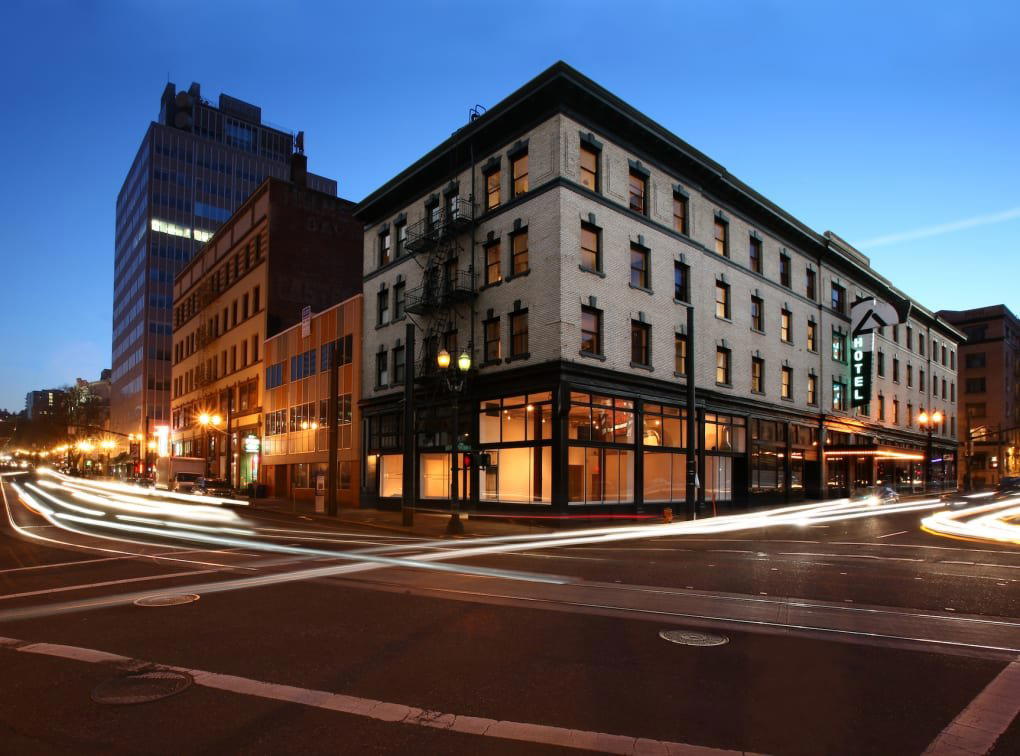
Northwest Johnson Street in Portland's Pearl District has a specific character in the early evening: the light drops slowly, the foot traffic shifts from errand-runners to diners, and the blocks between NW 10th and NW 23rd become, briefly, a corridor where the city's better instincts about food and place feel visible. MoMoYama sits on this stretch at 1022 NW Johnson St, and whatever you encounter inside, the approach to the building already tells you something about Portland's relationship to the built-in tension between neighborhood dining and destination ambition.
Portland has spent the better part of two decades working out what serious dining looks like in a city that distrusts pretension but respects craft. That negotiation produced places like Langbaan, where a Thai tasting format operates with real rigor behind a hidden door, and Berlu, where Vietnamese technique is applied at a pace and depth that would be notable in any city. MoMoYama enters that conversation from NW Portland, a neighborhood that leans residential and food-literate without always generating the critical heat that SE Portland draws.
Sustainability as Operating Logic, Not Marketing Layer
Across American fine and near-fine dining, environmental consciousness has split into two recognizable modes: the decorative mention in a menu header, and the structural commitment that actually shapes sourcing, waste flows, and supplier relationships. The former is widespread. The latter requires decisions that cost money and constrain menus, and it tends to be visible in the details rather than the language.
Portland has historically been a city where the structural version gets taken seriously. The same regional infrastructure that supports Kann's ingredient-forward Haitian cooking and the seasonal discipline at Nostrana also makes it possible for a restaurant to build sourcing relationships that a city with thinner agricultural hinterland couldn't sustain. The Willamette Valley, the Oregon Coast, and the network of small-scale producers that have built relationships with Portland's better kitchens over years create a real alternative to national distribution systems. A restaurant that commits to that network is making a procurement decision, not a positioning statement.
Nationally, the restaurants that have made this commitment most durably tend to operate with a different kind of menu logic. Blue Hill at Stone Barns in Tarrytown has built an entire format around the idea that the farm drives the menu rather than the reverse. Single Thread Farm in Healdsburg runs its own agricultural operation to maintain that control. Both are outlier cases, and neither represents what most restaurants can actually do. But they establish what full integration looks like, and every restaurant operating with sincere sustainability commitments is somewhere on the spectrum between decorative language and that level of structural alignment.
Where MoMoYama sits on that spectrum, the public record doesn't yet specify in granular terms. What the Pearl District address does confirm is proximity to a city that has built real infrastructure for this kind of sourcing, and a neighborhood with the food literacy to notice the difference.
The Portland Context: What the City's Dining Scene Actually Requires
Portland's dining culture makes specific demands. It has a lower tolerance for gap between story and execution than cities where reputation can carry a restaurant through an off period. Ken's Artisan Pizza on NW 21st demonstrates that a single category executed with real precision can hold a place in a city's serious dining conversation for years. The question for any restaurant on the northwest side is whether it's building that kind of durable, specific reputation, or operating in a more generalist register.
The comparison outside Portland is also worth making explicit. The restaurants in EP Club's national portfolio that operate with the clearest sustainability frameworks Lazy Bear in San Francisco, Providence in Los Angeles, Addison in San Diego, each carry Michelin recognition and have made specific, documentable commitments to sourcing and waste reduction that reviewers have traced over multiple seasons. Alinea in Chicago and Le Bernardin in New York approach sustainability from the angle of ingredient respect and technique discipline. The French Laundry in Napa grows a significant portion of its produce in an on-site garden. These are benchmarks rather than direct comparisons, but they establish what the category looks like when it's operating at documented depth.
Portland's own contribution to that national picture has been consistent: the city produces restaurants that take sourcing seriously without requiring the institutional scale of a Napa or a New York operation to do it. That's a structural advantage worth understanding before you walk into any serious kitchen in this city.
Planning a Visit: What to Know Before You Go
MoMoYama is located at 1022 NW Johnson St in the Pearl District, reachable by Portland Streetcar on the NS line with stops along NW 10th and 11th Avenues, or by foot from downtown Portland in under twenty minutes. The Pearl District operates on street parking with meter hours that typically extend into evening, so allow time. For reservations, booking details, hours, and current menu format, checking directly with the restaurant is the practical route, as those specifics shift with season and kitchen priorities. The NW Johnson corridor has enough dining density that a fallback option is always nearby, but for MoMoYama specifically, planning ahead is the approach that avoids disappointment. For a broader view of where this restaurant sits within Portland's full dining picture, the EP Club Portland guide maps the city's dining scene by neighborhood and category.
For readers who track restaurant formats at the national level, the EP Club portfolio includes comparable profiles on Atomix in New York and The Inn at Little Washington in Virginia, as well as international reference points like 8½ Otto e Mezzo Bombana in Hong Kong and Emeril's in New Orleans, for a sense of how different cities approach the relationship between craft, sourcing, and dining format.
Frequently asked questions
Is MoMoYama suitable for children?
MoMoYama is located in Portland's Pearl District, a neighborhood whose dining culture tends toward adult-focused, considered meals rather than casual family outings. Nothing in the available information confirms a dedicated children's menu or specific family accommodations. If dining with children is a priority, contacting the restaurant directly before visiting is the practical move.
What's the vibe at MoMoYama?
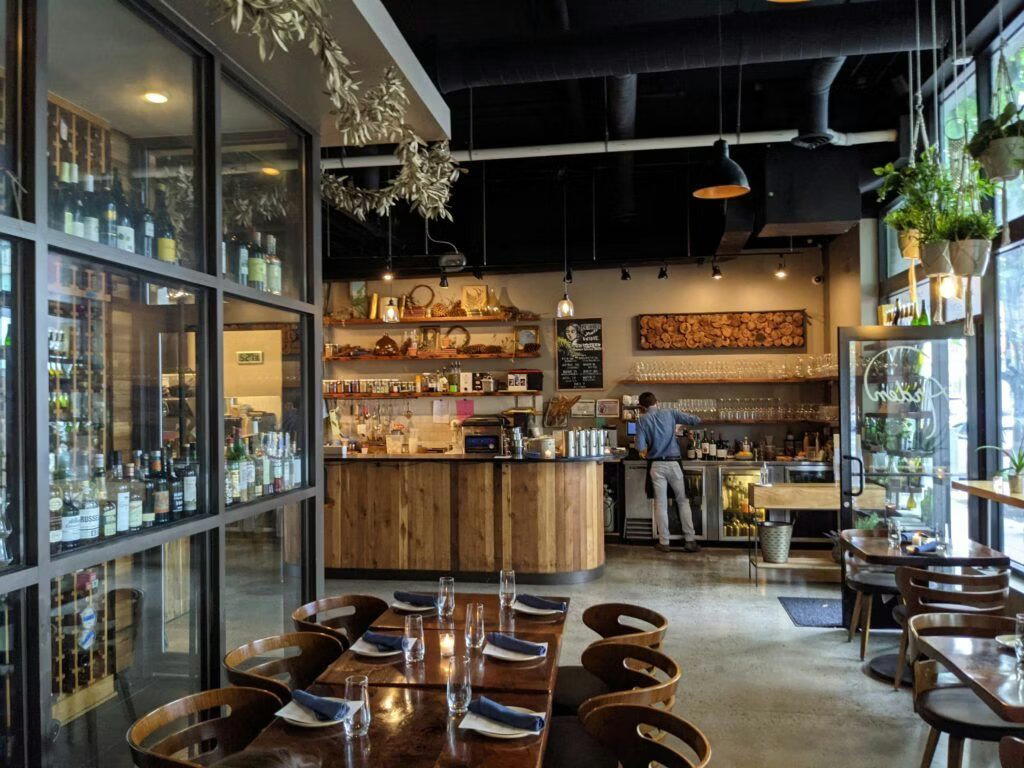
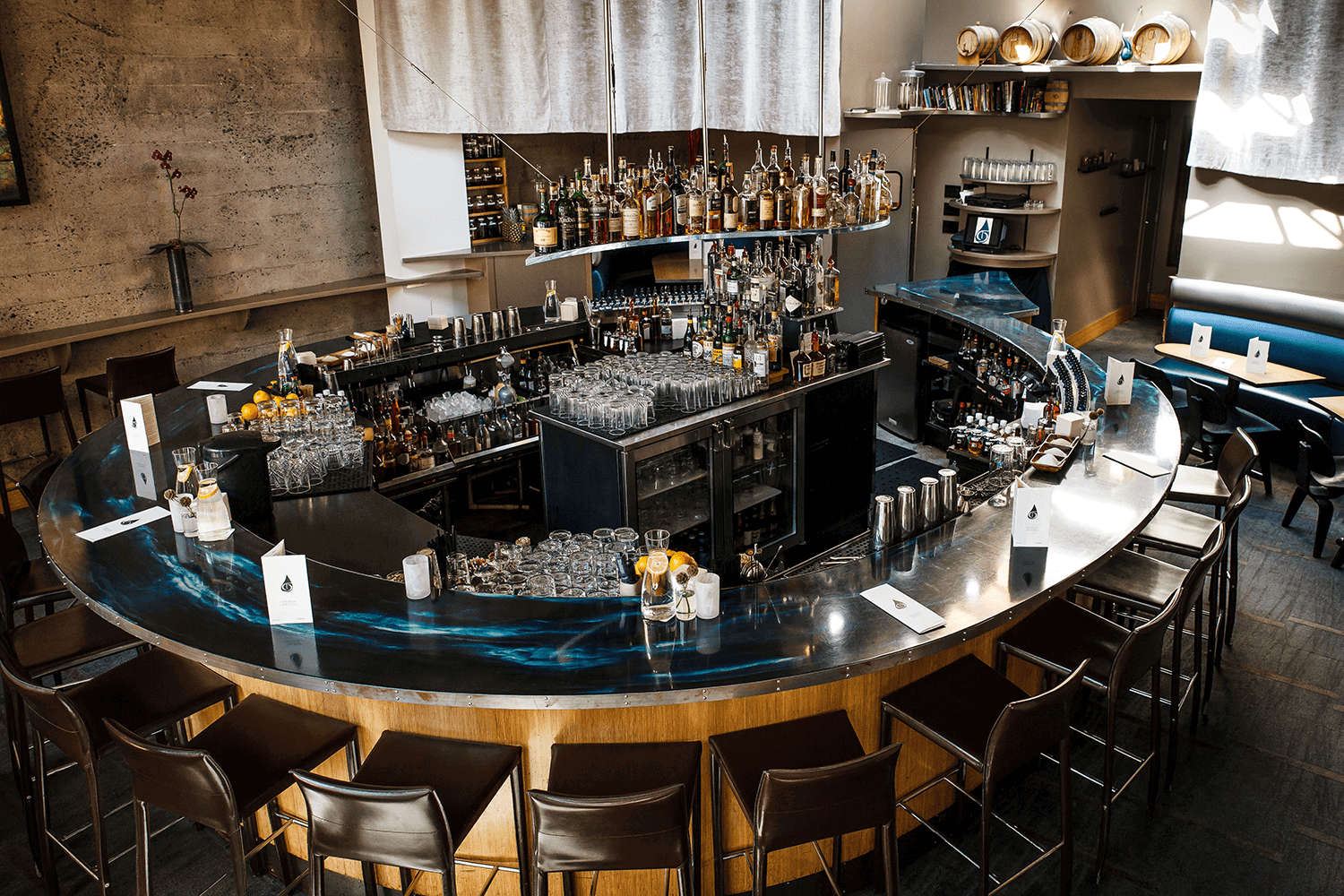
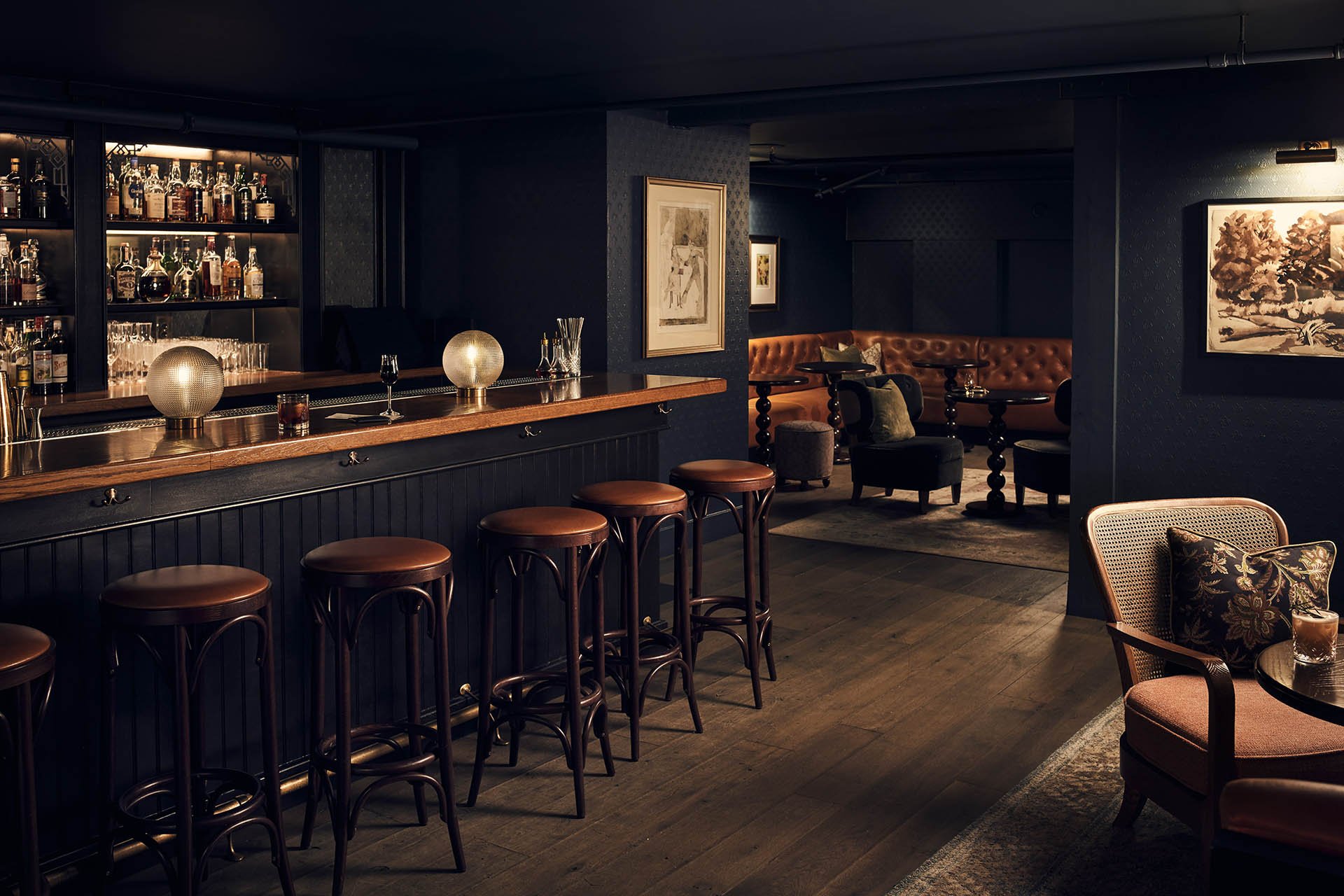
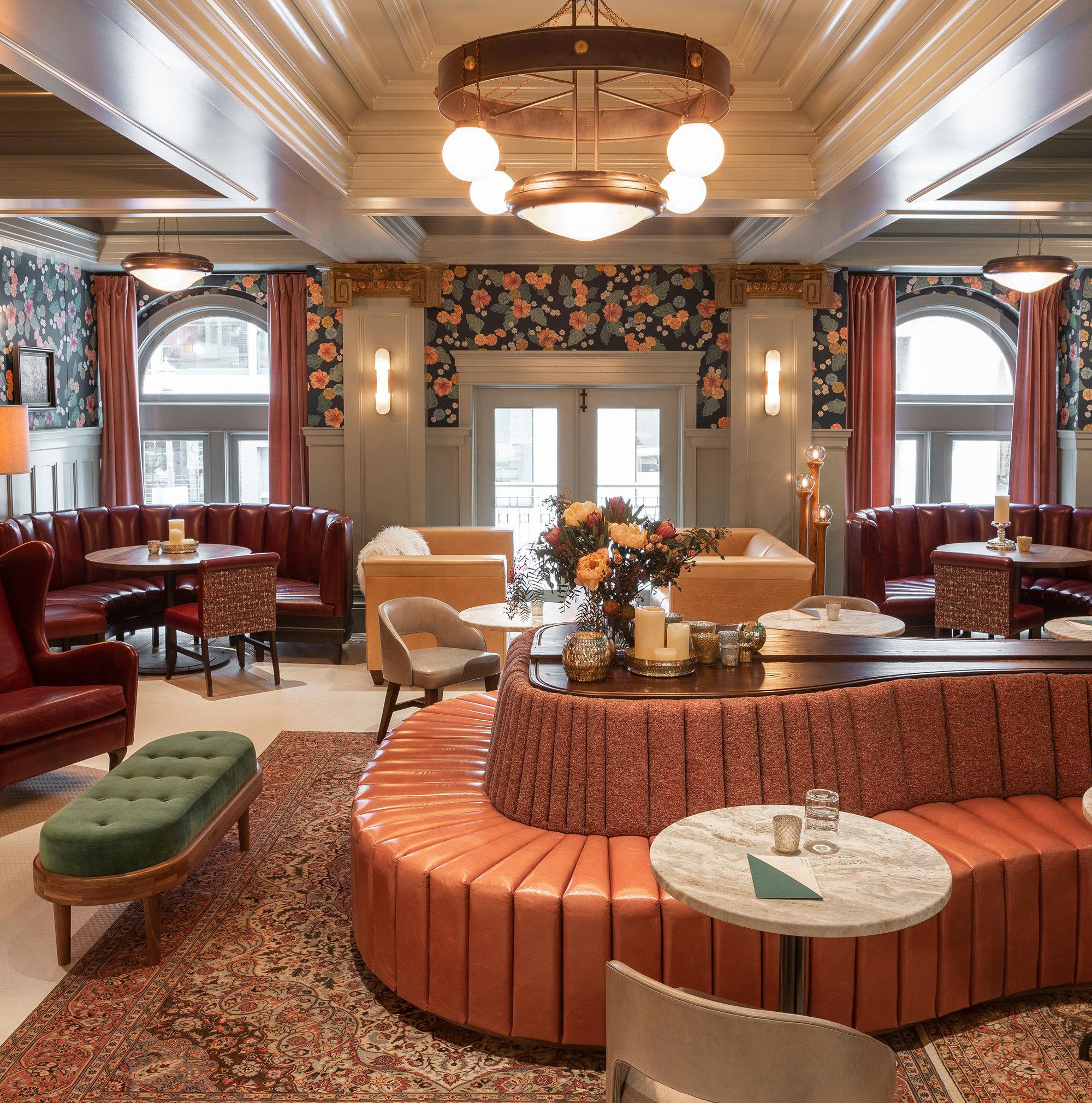
MoMoYama sits on NW Johnson Street in the Pearl District, where the early evening pace is deliberate and the crowd skews toward residents and professionals rather than tourists. The surrounding neighborhood sets a tone that is considered rather than loud. Expect a room that takes its context seriously without leaning on performance to signal it.
How does MoMoYama's location in the Pearl District affect the dining experience?
The Pearl District address at 1022 NW Johnson St places MoMoYama within a walkable stretch of Northwest Portland accessible via the Portland Streetcar NS line. Portland's dining culture holds restaurants to a tighter standard of coherence between stated values and plate-level execution than many larger American cities. For a restaurant that frames sustainability as an operating logic rather than a marketing layer, the Pearl District context is a demanding one, and that pressure appears to be accepted rather than avoided.
What's the best thing to order at MoMoYama?
What the body of coverage does make clear is that the kitchen operates with sustainability as a structural principle, meaning sourcing decisions shape what appears on the menu rather than the reverse. Visiting without a fixed agenda and following what the kitchen is currently working with is the approach that aligns with how the restaurant operates.
Category Peers
Comparable venues nearby, for context on price, style, and recognition.
| Venue | Cuisine | Price | Awards | Notes |
|---|---|---|---|---|
| MoMoYamaThis venue (the venue you are viewing) | Modern Japanese Sushi | $30–50 | Not listed | Not listed |
| Urban Fondue | Modern American Fondue | $30–50 | Not listed | Nob Hill |
| Yama Sushi & Izakaya | Japanese Sushi & Izakaya | $20–30 | Not listed | Division/Clinton |
| Mucca Osteria | Authentic Italian Osteria | $100–150 | Wine Spectator Best of Award of Excellence · World's Best Wine Lists Awards WBWL 2-Star | Downtown Portland |
| Dick's | Grass-Fed Burger Grill with Paleo & Vegan Options | Not listed | Not listed | Woodstock |
| Guay Tiew | Thai Boat Noodles | $10–20 | Not listed | Pearl District |