The Ritz-Carlton, Portland



Portland's first Ritz-Carlton occupies 35 floors of the Broadway Tower at 900 SW Washington Street, earning a Michelin Key in 2024. The 251-room property pairs biophilic design, raw timber, copper detailing, and a mountain-lake infinity pool, with Bellpine, a 20th-floor restaurant focused on Pacific Northwest producers. Rates start around $446 per night, with unobstructed views of the Cascade Range and the Willamette River.
Pearl is the En Primeur Club membership app — saves, bookings, and concierge access live there. Same editors, same standards.
- Address
- 900 SW Washington St, Portland, OR 97205
- Phone
- +1 971-900-4500
- Website
- ritzcarlton.com
- Directions
- Get directions
 Saves & bookings on Pearl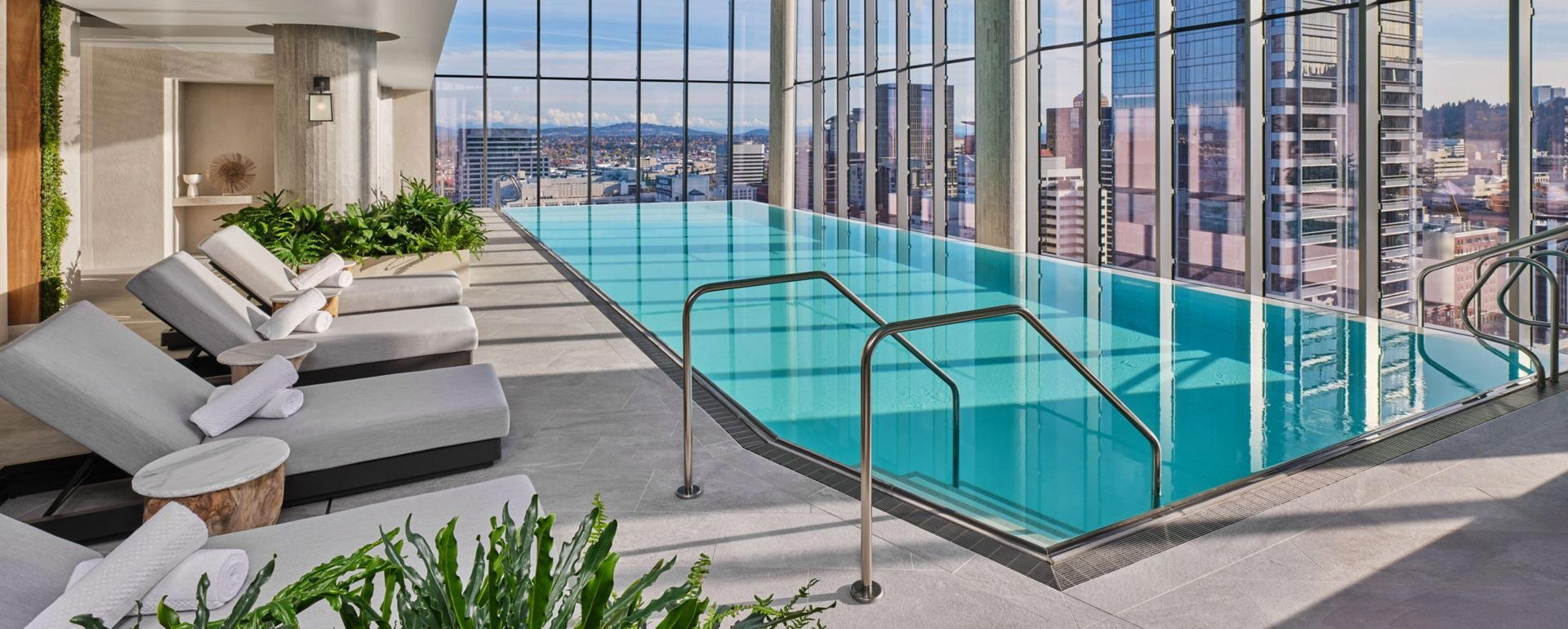
A New Tier in Portland's Hotel Scene
Portland has long attracted visitors through its independent character: the food-cart culture, the neighbourhood breweries, the design-conscious boutique hotels. What the city lacked until recently was a full-scale luxury property built to the specification of international travellers accustomed to serious amenities. The Ritz-Carlton, Portland, operating as the brand's first Pacific Northwest property, changes that calculus. Sitting inside the Broadway Tower at 900 SW Washington Street, the 35-story, 251-room hotel introduces a tier of accommodation that previously required a flight to Seattle or San Francisco. The property received a Michelin Key in 2024.The Fifth Avenue Hotel in New York City and Raffles Boston in Boston.
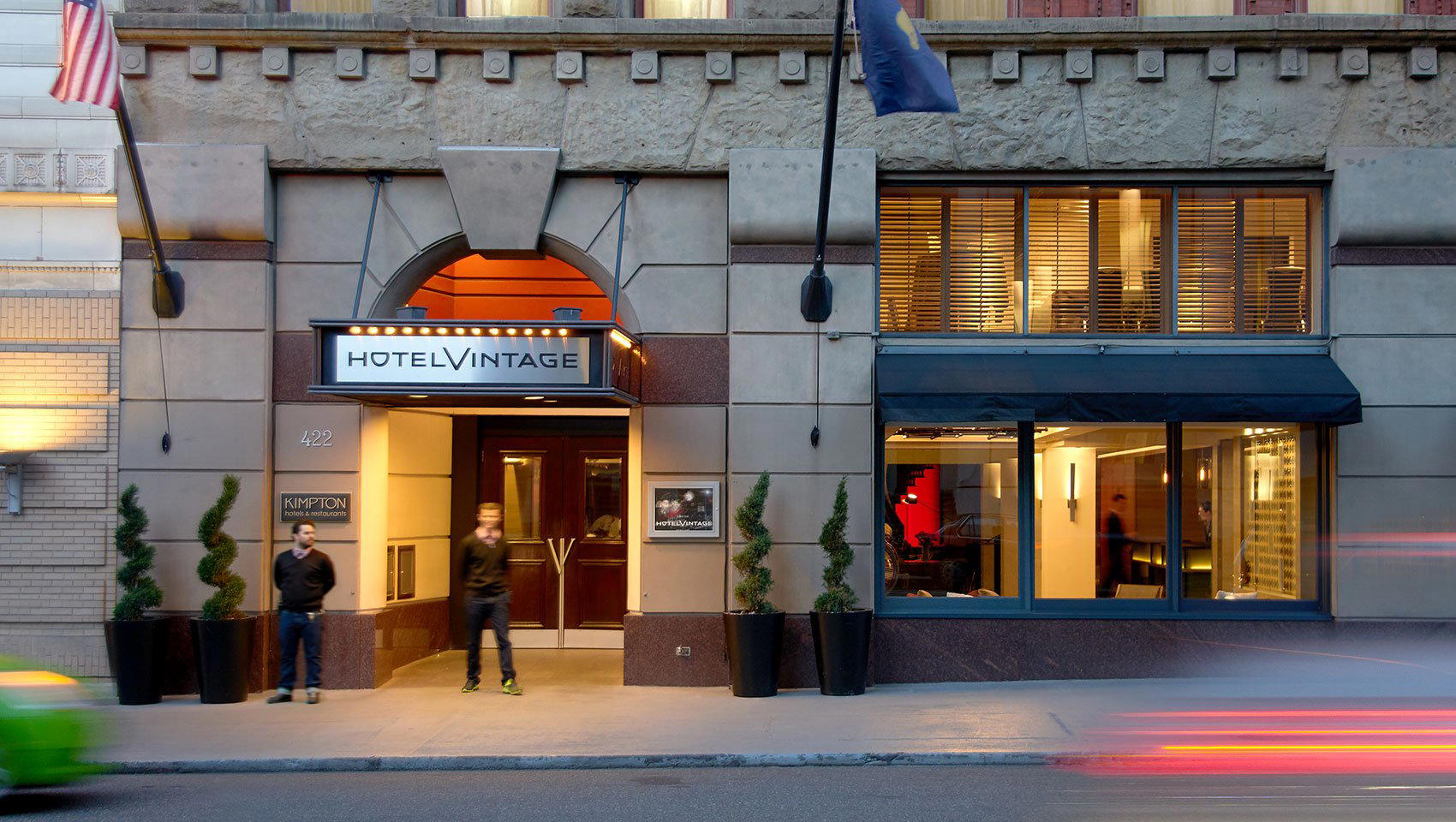
Portland's existing luxury hotel market, which includes properties like Woodlark and Hotel Lucia, has historically favoured smaller footprints and locally rooted identities. The Ritz-Carlton enters that conversation with a different proposition: scale, vertical drama, and unobstructed views across the Cascades and the Willamette River that no mid-rise property can replicate. Rates begin around $446 per night, positioning the hotel at the upper end of the Portland market.The Hoxton, Portland and Hotel Eastlund.
Biophilic Design as a Design Argument
High-rise luxury hotels typically resolve the tension between urban scale and natural materials in one of two ways: they either ignore it, leaning into glass and steel as aesthetic statements, or they overcompensate with token greenery. The Broadway Tower takes a more committed position. The design vocabulary draws directly from the Pacific Northwest: rustic logs bound with copper, raw materials sourced with local craft sensibility, and an infinity pool on the upper floors conceived to evoke the stillness of a mountain lake. The cumulative effect is a building that reads as rooted in its geography rather than imported from a generic international luxury template.
This places the Ritz-Carlton in a broader design conversation happening across American luxury hospitality, where biophilic approaches have moved from novelty to expectation. Properties like Post Ranch Inn in Big Sur and Amangiri in Canyon Point have made landscape-material integration their entire identity. The Ritz-Carlton's version of that argument is urban rather than remote, which is a different and more complicated design problem to solve.
Bellpine: The Daytime and Evening Split
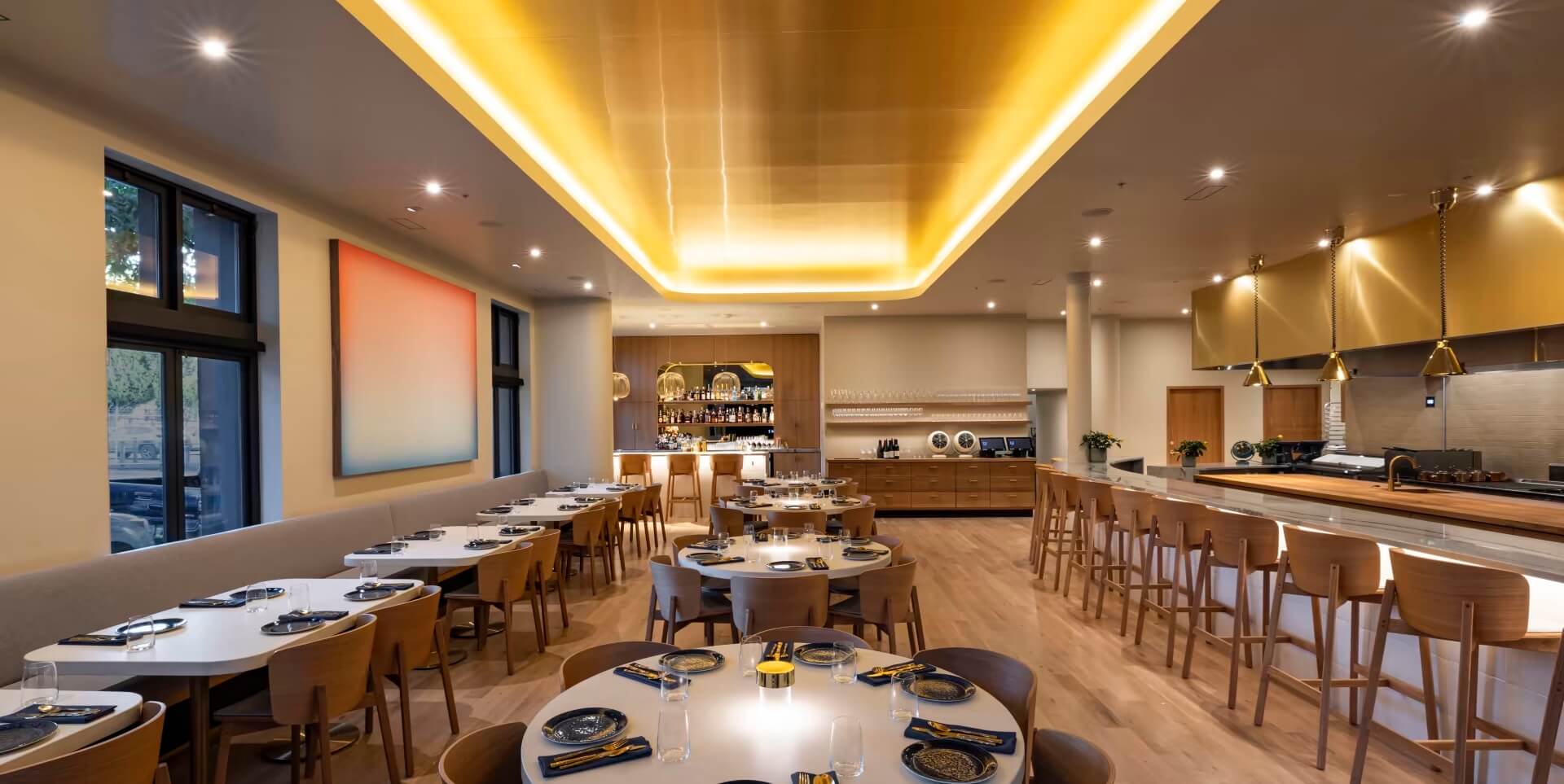
The 20th-floor restaurant Bellpine operates inside one of the more considered positions in Portland's dining scene: a full-service hotel restaurant with serious ambitions toward Pacific Northwest sourcing. The floor-to-ceiling views of the city and the Cascade Range give the room a spatial quality that most standalone Portland restaurants cannot match. That view changes the mood of a meal in concrete terms, midday light over the mountains reads differently than an evening cityscape, and Bellpine's dual-service model uses that shift in ways that reward guests who visit at both ends of the day.
Lunch at a hotel restaurant of this type tends to run lighter in format and faster in pace than dinner, attracting a mix of in-house guests and downtown business diners. The refined floor position makes it a credible working lunch destination in a city where food-focused midday meetings otherwise head toward Pearl District independents. Dinner shifts the register considerably: the room reads more formally in evening light, the pace extends, and the sourcing focus on Pacific Northwest producers becomes the central editorial statement of the menu. Bellpine's format mirrors the day-to-evening transition at properties like Auberge du Soleil in Napa, where daytime informality gives way to a dinner service with distinct ceremonial weight.
For guests planning around the restaurant, lunch is a practical entry point, while dinner takes full advantage of the view.
The 19th Floor: Spa and Fitness
The spa occupies the 19th floor and takes the unfolding petals of a Portland rose as its design reference, an appropriate local symbol in a city that has carried the Rose City designation since the late 19th century. Adjoining it is a 4,000-square-foot fitness facility equipped to professional-athlete specification. In the broader context of urban luxury hotel wellness, Canyon Ranch Tucson in Tucson and Kona Village, A Rosewood Resort in Kailua Kona have built entire property identities around wellness programming. At the Ritz-Carlton, wellness functions as a department within a full-service hotel rather than the primary draw, which suits a different traveller profile, one balancing business, leisure, and dining access in a single property.
Where the Ritz-Carlton Sits in Portland's Accommodation Spectrum
Portland's hotel market runs from design-forward independents to boutique conversions to international chain properties. The Ritz-Carlton occupies the highest price bracket among the city's current options.
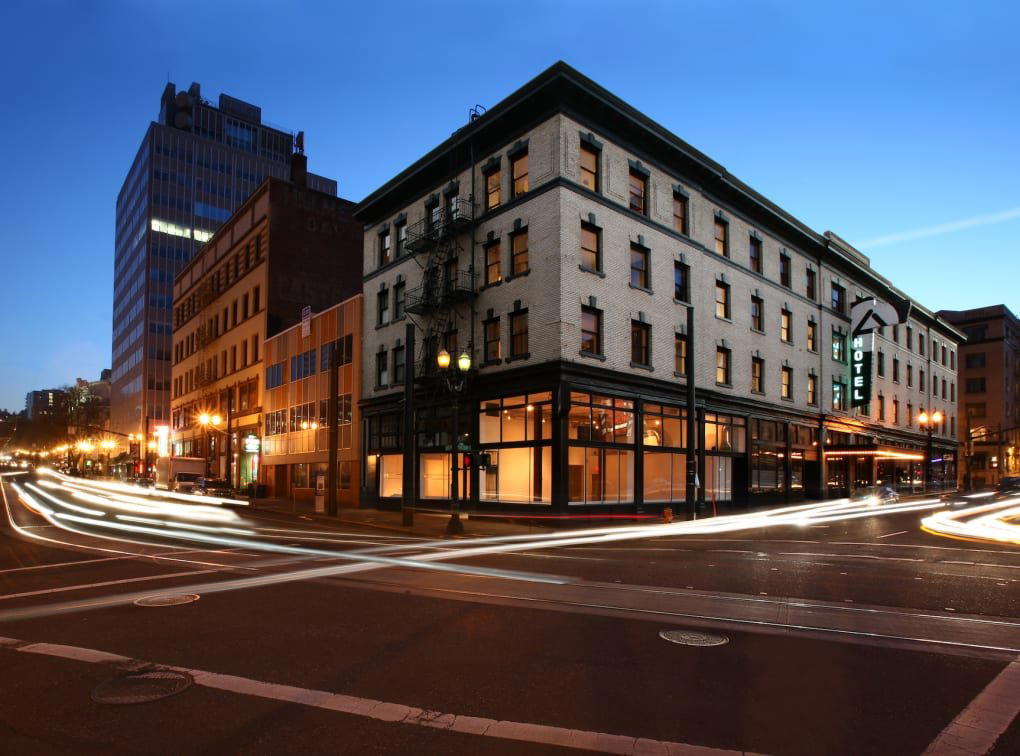
For travellers comparing Portland properties, options like Blind Tiger Portland – Carleton Street, Blind Tiger Portland – Danforth Street, and Caravan, The Tiny House Hotel offer a fundamentally different experience. The trade-off is not quality but character: those properties deliver immersive local identity at the cost of amenity depth, while the Ritz-Carlton delivers amenity depth with a design programme that works to embed local character at scale.
Among major American luxury hotels, the Ritz-Carlton's Pacific Northwest positioning shares some DNA with properties like Sage Lodge in Pray and SingleThread Farm Inn in Healdsburg, both of which root their identities in regional terroir and material specificity. The difference is format: those are small-capacity, immersive properties built around a singular experience, while the Ritz-Carlton operates at urban-hotel scale with the full range of services that implies.
Travellers comparing the Ritz-Carlton's Michelin Key positioning with international luxury benchmarks may also look to Aman New York in New York City, Aman Venice in Venice, and Badrutt's Palace Hotel in St. Moritz, all operating in cities where the luxury hotel tier carries external credential weight beyond the property itself.
Planning Your Stay
The property sits at 900 SW Washington Street in downtown Portland, placing it within walking distance of the Pearl District, the South Park Blocks, and the city's main transit lines. Rates begin around $446 per night, with 251 rooms across a 35-story tower. Marriott International manages the property, so Bonvoy members can apply points and elite benefits, a practical consideration for frequent Marriott guests who otherwise route through coastal properties like Four Seasons at The Surf Club in Surfside or Little Palm Island Resort and Spa in Little Torch Key when loyalty accumulation matters. Booking directly through Marriott's platform is recommended. For the Bellpine restaurant, a separate reservation is advisable for dinner service, particularly during Portland's peak autumn and summer seasons when the city draws significant visitor volume.
Peers in This Market
Comparable venues nearby, for context on price, style, and recognition.
| Venue | Cuisine | Price | Notes |
|---|---|---|---|
| The Ritz-Carlton, PortlandThis venue — the venue you are viewing | Contemporary luxury tower inspired by Pacific Northwest nature | $$$$ | Not listed |
| The Hoxton, Portland | Boutique hotel in renovated historic building with lively social spaces. | $$$ | Old Town Chinatown |
| Woodlark | Historic urban boutique hotel with artful accommodations and bespoke service. | $$$$ | Downtown |
| The Nines, A Luxury Collection Hotel | Historic building with contemporary luxury renovations and LEED Silver certification | $$$$ | Downtown |
| The Heathman Hotel | Historic boutique hotel blending Portland's storied past with contemporary amenities; positioned as a cultural landmark and lifestyle destination in the heart of downtown. | $$$ | Downtown |
| Hotel deLuxe | Contemporary tribute to the golden era of Hollywood filmmaking with art deco and modern art influences; a refined boutique property that brings glamour to Portland's understated aesthetic. | $$$ | Goose Hollow |
Recognition history
Dated appearances from independent guides and award organizations, with the underlying list record or original source where available.
Forbes Recommended
Forbes
Virtuoso Luxury Hotel Partner
Virtuoso
Michelin 1 Key
Michelin
Michelin 1 Key
Michelin
Continue exploring
More in Portland
Hotels in Portland
Browse all →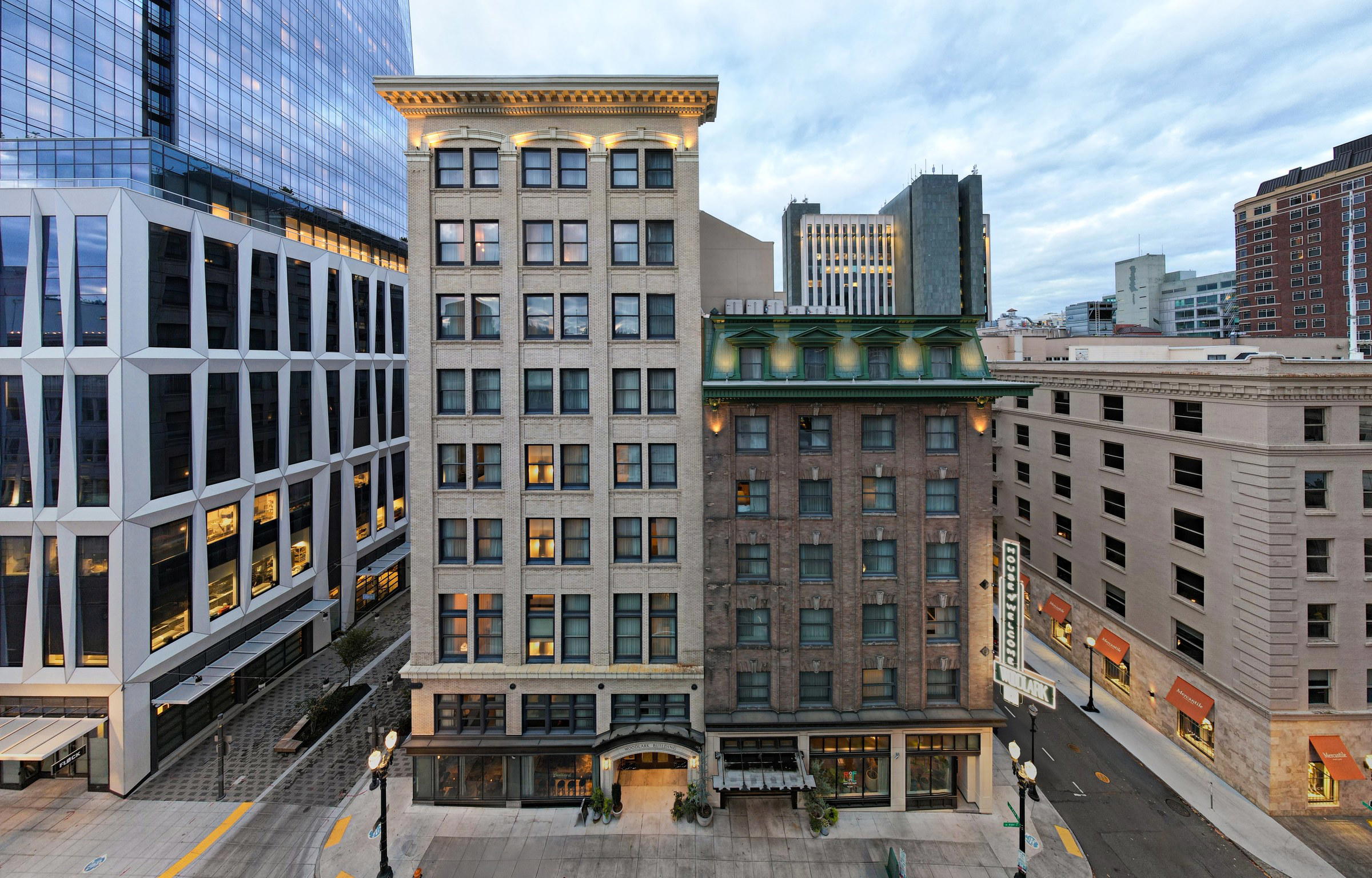
Bars in Portland
Browse all →
Restaurants in Portland
Browse all →
At a Glance
- Elegant
- Sophisticated
- Modern
- Ornate
- Romantic Getaway
- Business Trip
- Anniversary
- Infinity Pool
- Rooftop Pool
- Destination Spa
- Panoramic View
- Pool
- Spa
- Fitness Center
- Room Service
- Concierge
- Business Center
- Valet Parking
- Skyline
- Mountain
- Pool
- Spa
- Fitness Center
- Room Service
- Concierge
- Business Center
- Valet Parking
Serene and elegant with sylvan-chic elements, natural light, and city views.