Sakura
Sakura sits within the Balesin Island Club, one of the Philippines' most exclusive private resort destinations, accessible only to members and their guests. The restaurant brings Japanese dining tradition to a setting defined by near-total seclusion, where the Pacific horizon frames every meal. It occupies a category of resort dining where privacy and place do the heavy editorial work.
Pearl is the En Primeur Club membership app — saves, bookings, and concierge access live there. Same editors, same standards.
- Address
- Balesin Clubhouse, Balesin Island, 4339 Polillo, Quezon
- Directions
- Get directions
 Saves & bookings on Pearl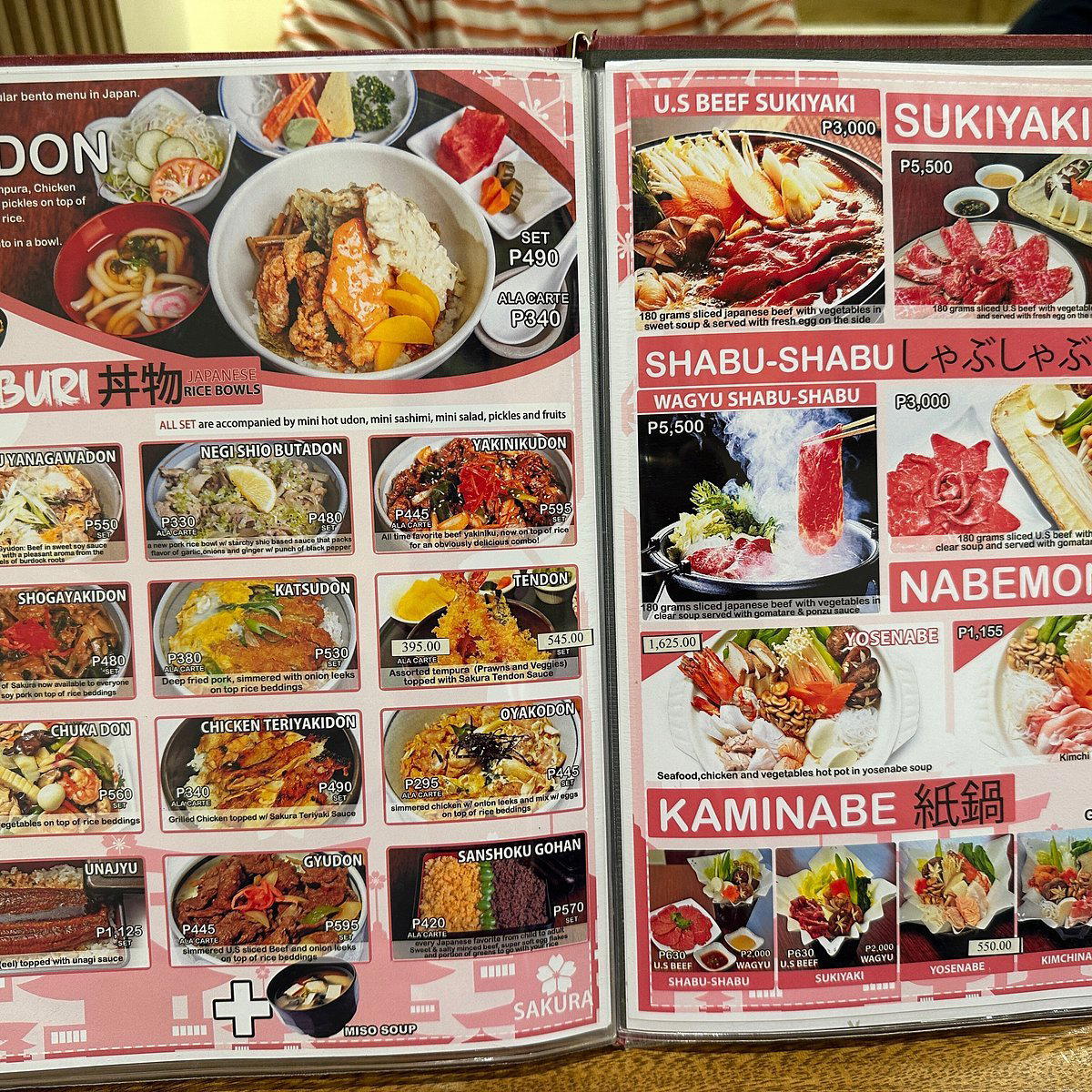
Where Japanese Dining Tradition Meets Philippine Seclusion
Balesin Island is not a destination you stumble across. Located roughly 150 kilometres southeast of Manila in the waters off Quezon Province, it operates as one of the Philippines' most tightly controlled private club resorts, accessible only to members of the Balesin Island Club and their guests. The logistics alone, a charter flight from Manila, filter the experience before you have crossed the threshold. Within that context, Sakura functions as the island's Japanese restaurant, a format that carries particular meaning in Philippine hospitality: Japanese cuisine has held a premium position in Manila's dining hierarchy for decades, and bringing a credible iteration of it to a remote island setting rather than a high-rise city block represents a specific curatorial choice about what kind of dining a luxury retreat should offer.
That framing matters because Japanese cuisine is not a monolithic category. In the Philippines, Japanese dining ranges from neighbourhood ramen shops and conveyor-belt sushi to high-spend omakase counters in Makati and BGC that compete directly with upper-tier venues in regional cities. Sakura's placement at Balesin puts it in neither bracket: it is resort dining, which carries its own conventions around accessibility, volume, and pace. Resort Japanese restaurants throughout Asia tend to prioritise breadth over specialisation, serving a captive audience whose needs vary widely across a single table. Sakura operates as the island's Japanese restaurant.
The Cultural Weight of Japanese Cuisine in the Philippines
Japan and the Philippines share a complicated historical relationship, and Japanese culinary influence in the country has taken a distinctly contemporary form: it arrived largely through trade, business travel, and urban cosmopolitanism rather than through colonial food transfer. By the early 2000s, Japanese restaurants had become markers of mid-to-premium urban dining in Manila, Cebu, and Davao. The category now spans everything from izakaya-style casual formats to the tasting-menu omakase model that venues like those on our full Polillo restaurants guide sit alongside in the broader Philippine dining conversation.
At the premium end of that spectrum, the reference points are institutions in the capital. Gallery By Chele in Manila represents the kind of modern Filipino fine dining that has absorbed Japanese technique, precision, minimalism, seasonality, into a local culinary identity. Hapag in Makati operates a Filipino tasting menu where Japanese-influenced restraint in plating is visible in how ingredients are isolated and presented. Neither is a Japanese restaurant, but both illustrate how Japanese culinary sensibility has become embedded in what counts as serious cooking in the Philippines. Sakura, operating on an island where the nearest alternative is a flight away, draws on that broader cultural currency.
Island Dining and the Logic of the Captive Table
Balesin Island Club runs multiple themed restaurant zones across the property, each referencing a different international destination or cuisine. Sakura operates within that model, which means it sits alongside other dining options on the island rather than competing with external restaurants for walk-in trade. This structure is common across high-end private island resorts in Southeast Asia: Amanpulo in Palawan, Nikoi Island in Indonesia, and Pangkor Laut in Malaysia all use multi-restaurant formats to allow guests to move between cuisines across a stay. The quality ceiling in these formats is often determined by the resort's overall positioning rather than the restaurant's individual ambition.
For comparison, other dining options at Balesin include the Balesin Dining Room and Trattoria Toscana, both of which sit within the same island-club ecosystem and reflect the same logic of providing curated variety to a closed guest population. Across the broader Philippine archipelago, the restaurant models diverge sharply once you return to the mainland: Linamnam in Parañaque focuses on regional Filipino traditions, while Asador Alfonso in Cavite anchors its identity in Iberian cooking. The contrast underlines how different the priorities of resort dining are from destination restaurant culture.
What the Name Signals
Sakura, the Japanese word for cherry blossom, carries a weight of cultural associations that extend well beyond floristry. The cherry blossom season, hanami, is one of Japan's most documented communal rituals, a period of deliberate, transient appreciation that has shaped how Japanese aesthetics process beauty and impermanence. Restaurants using the name in Asia are typically invoking a generalised idea of Japanese refinement rather than making a claim about specific regional cooking traditions. That is neither criticism nor endorsement: in a resort setting, where the dining programme needs to communicate cuisine identity clearly to an international guest list, the name functions as a legible shorthand.
What remains unconfirmed by the available record is whether Sakura leans toward a sushi and sashimi format, a broader izakaya-style menu, or a teppanyaki setup. Each of those formats carries distinct service implications, ingredient-sourcing requirements, and interaction styles. Guests who have specific expectations about Japanese dining should confirm format details directly with the club before arrival.
Planning a Visit
Access to Sakura is inseparable from access to Balesin Island itself. The island operates on a membership basis, and dining at Sakura requires either club membership or an invitation as a guest of a member. Prospective visitors should coordinate through the Balesin Island Club directly, as the resort manages all booking centrally. The address on record is the Balesin Clubhouse, Balesin Island, 4339 Polillo, Quezon. Access operates through established membership channels rather than open reservation systems.
Budget and Context
Comparable venues nearby, for context on price, style, and recognition.
| Venue | Cuisine | Price | Awards | Notes |
|---|---|---|---|---|
| SakuraThis venue — the venue you are viewing | Not listed | $$$$ | Not listed | Not listed |
| Balesin Dining Room | Not listed | $$$$ | Not listed | Polillo Island, Quezon Province, International Multi-Cuisine Fine Dining |
| Trattoria Toscana | Not listed | $$$ | Not listed | Toscana Village, Balesin Island, Tuscan Trattoria |
| Toyo Eatery | Makati, Modern Filipino | $$$$ | Not listed | Not listed |
| Windsurf Hut | Pamalican Island, Wood-Fired Pizza | $$$$ | Not listed | Not listed |
| Ember | Greenbelt, European Contemporary Grill | $$$$ | Michelin Plate | Not listed |
At a Glance
- Elegant
- Sophisticated
- Date Night
- Special Occasion
- Sake Program
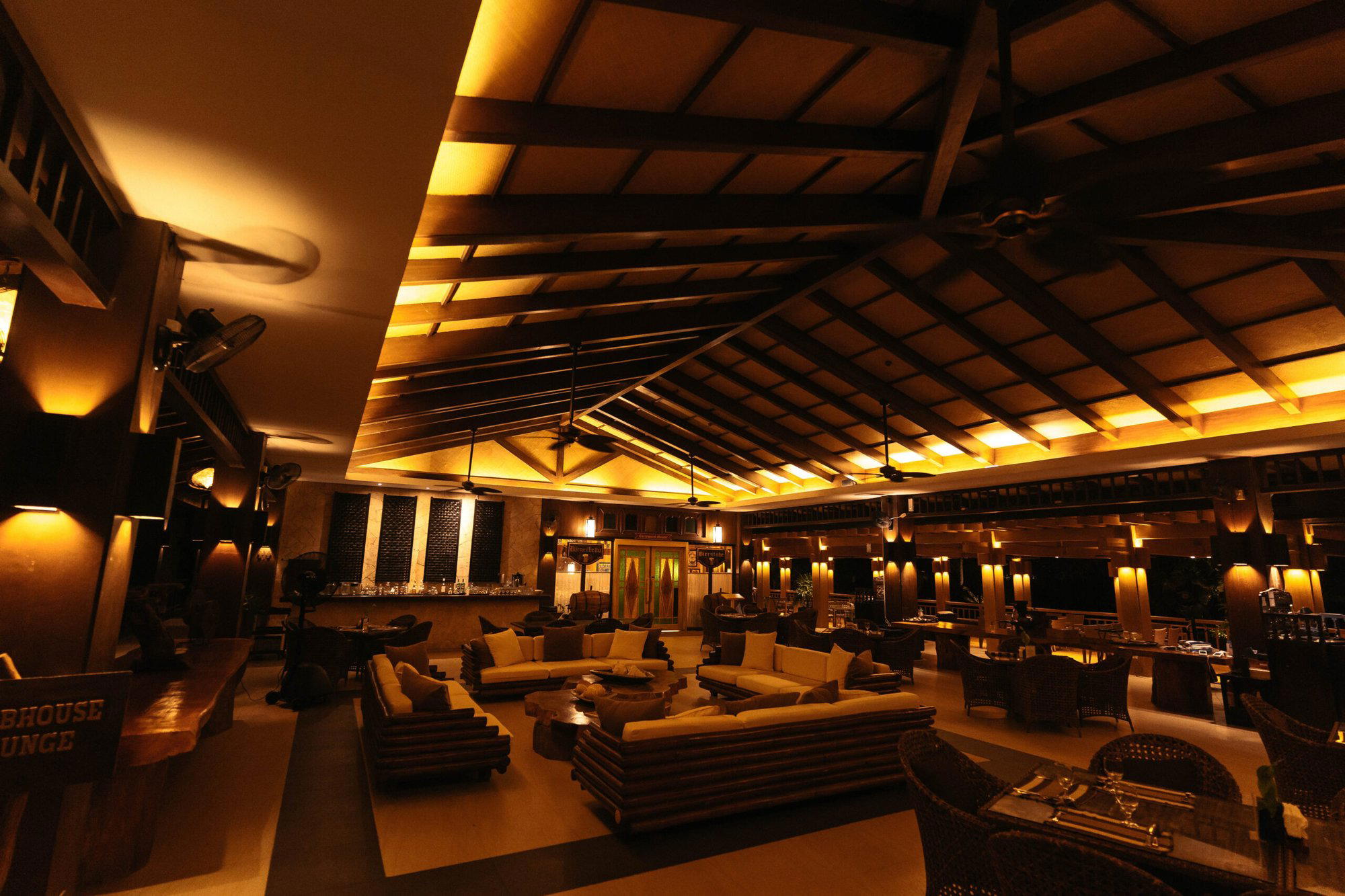
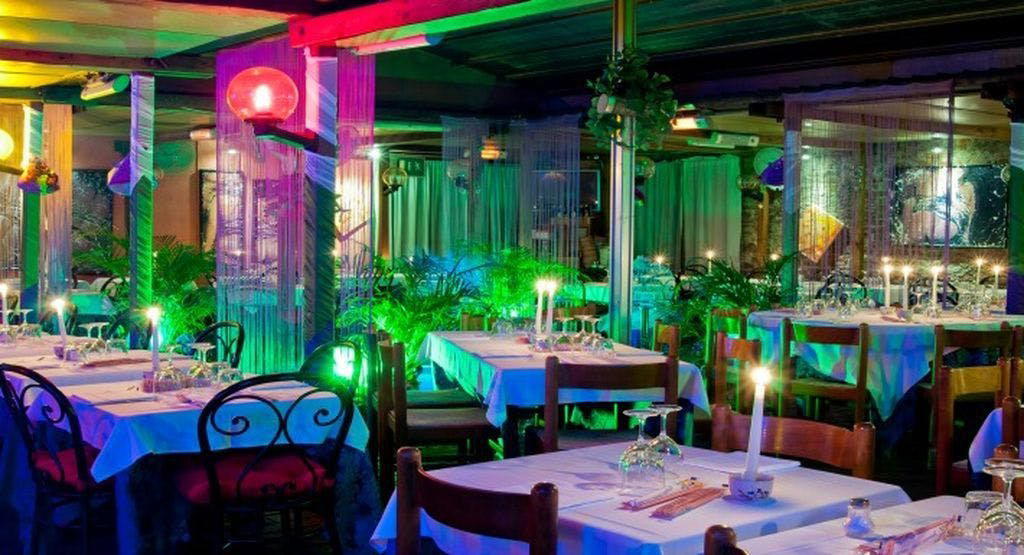
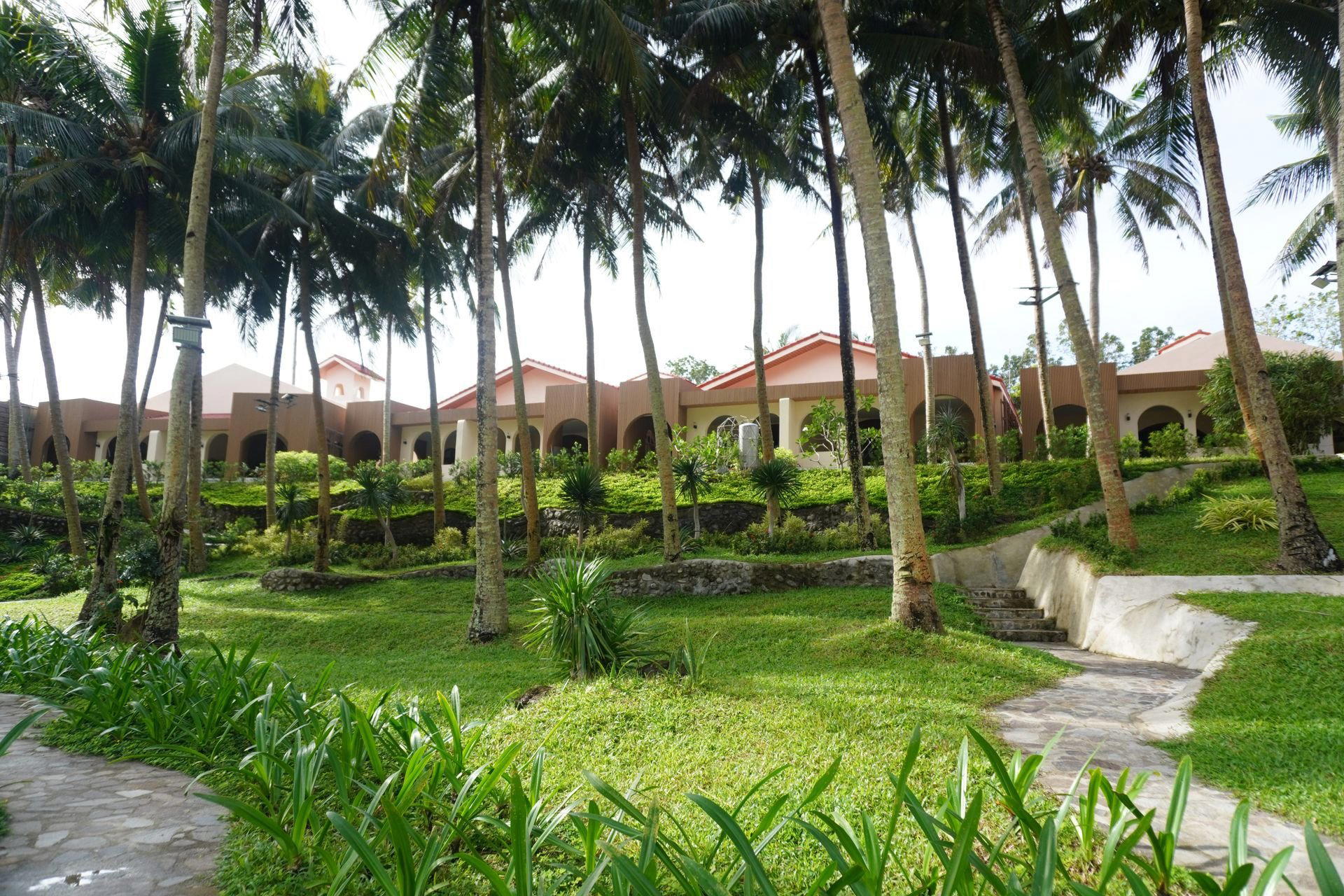
Intimate clubhouse setting with shoji walls creating a traditional Japanese atmosphere.