Pikilia sits on Gladbecker Strasse in Bottrop, a city better known for its industrial heritage than its restaurant scene. The name itself signals plurality and variety, a concept rooted in Greek dining culture where shared plates and ingredient provenance drive the experience. For visitors crossing into the Ruhr area, it represents one of the more considered dining options in a city still building its culinary identity.
Pearl is the En Primeur Club membership app — saves, bookings, and concierge access live there. Same editors, same standards.
- Address
- Gladbecker Str. 29 a, 46236 Bottrop, Germany
- Phone
- +4920414066848
- Website
- pikilia-bottrop.de
- Directions
- Get directions
 Saves & bookings on Pearl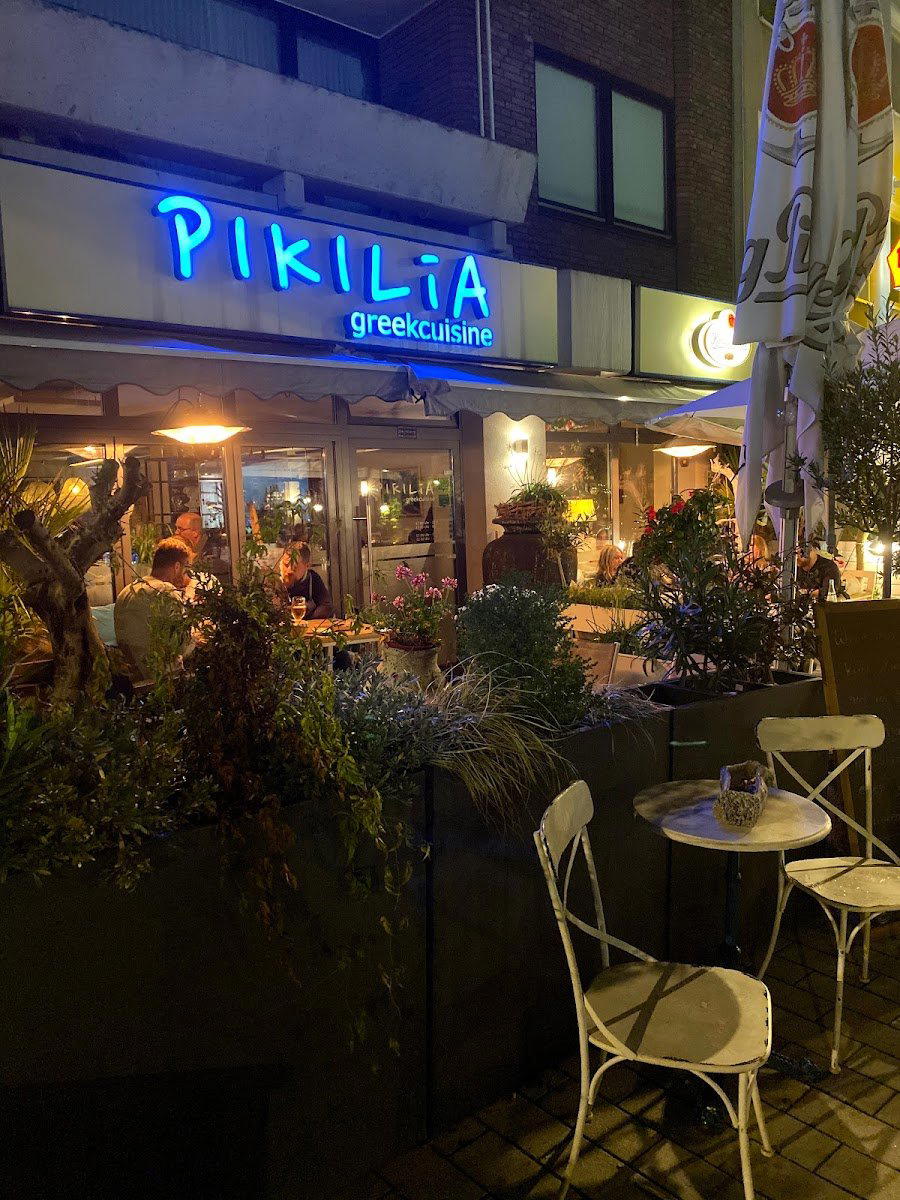
Bottrop at the Table: What the Ruhr's Quieter City Offers Diners
The Ruhr region's dining reputation has long been anchored by Essen and Dortmund, cities with more obvious urban weight and longer lists of reviewed restaurants. Bottrop occupies a different position: a smaller industrial city that has spent the post-coal decades reconstructing its identity, and whose food scene reflects that transition in uneven, sometimes interesting ways. Gladbecker Strasse, where Pikilia sits at number 29a, runs through a part of the city. It is a working street, which means the restaurants that establish themselves there do so on the strength of repeat neighbourhood custom rather than passing trade or destination foot traffic.
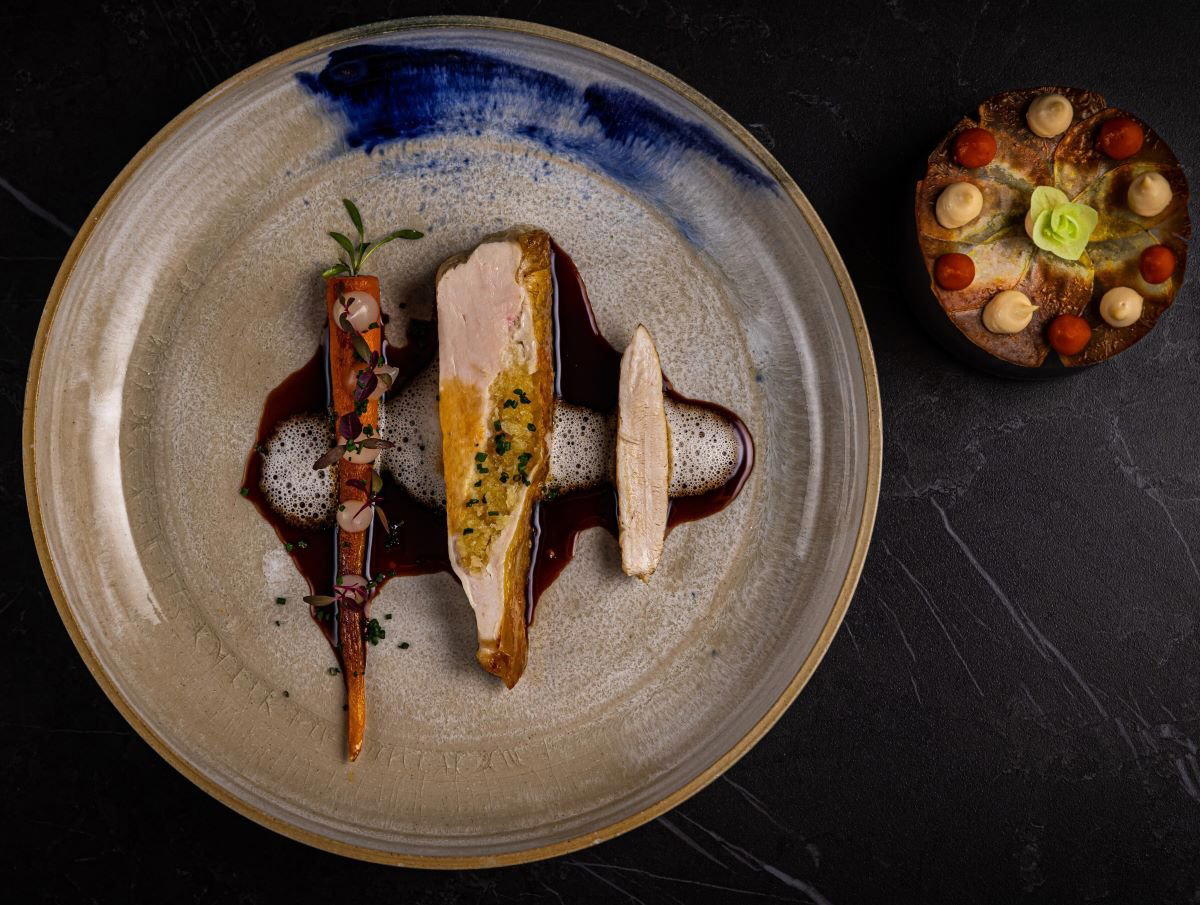
That context matters when reading a name like Pikilia. In Greek dining tradition, pikilia refers to a spread of varied dishes, a selection of small plates built around what is fresh, what is seasonal, and what the kitchen has sourced well. The concept is fundamentally ingredient-led: the spread changes because the ingredients change, not because a chef is chasing novelty. In cities like Athens or Thessaloniki, a good pikilia at a neighbourhood taverna is a direct expression of the market that morning. Transplanting that logic to a Ruhr city requires either genuine sourcing infrastructure or a willingness to adapt the format to what central European supply chains can actually deliver at quality.
The Ingredient Question in a Continental Context
Across Germany's mid-tier cities, the gap between ambition and ingredient access has historically been the defining challenge for restaurants working outside the major fine-dining corridors. The three-Michelin-star tier, represented nationally by restaurants like Aqua in Wolfsburg, Schwarzwaldstube in Baiersbronn, or Vendôme in Bergisch Gladbach, operates with sourcing networks built over decades: direct farmer relationships, specialist fishmongers, and import channels for produce unavailable domestically. That infrastructure does not automatically extend downward through the restaurant tier, and smaller operations in cities like Bottrop must build their own supply lines or work within what regional wholesale markets provide.
The Greek-inflected pikilia format is, in one reading, a smart response to that constraint. A spread-based menu is inherently flexible: it can absorb what is available rather than committing rigidly to dishes that depend on specific, hard-to-source ingredients. A taverna model that prizes seasonal and market-driven selection carries less logistical risk than a classical European tasting menu built around precise ingredient specifications. Whether Pikilia's kitchen executes that flexibility at a level that genuinely reflects market sourcing, or whether the format is more stylistic than substantive, is the meaningful question for any visitor arriving with informed expectations.
Atmosphere and the Street-Level Experience
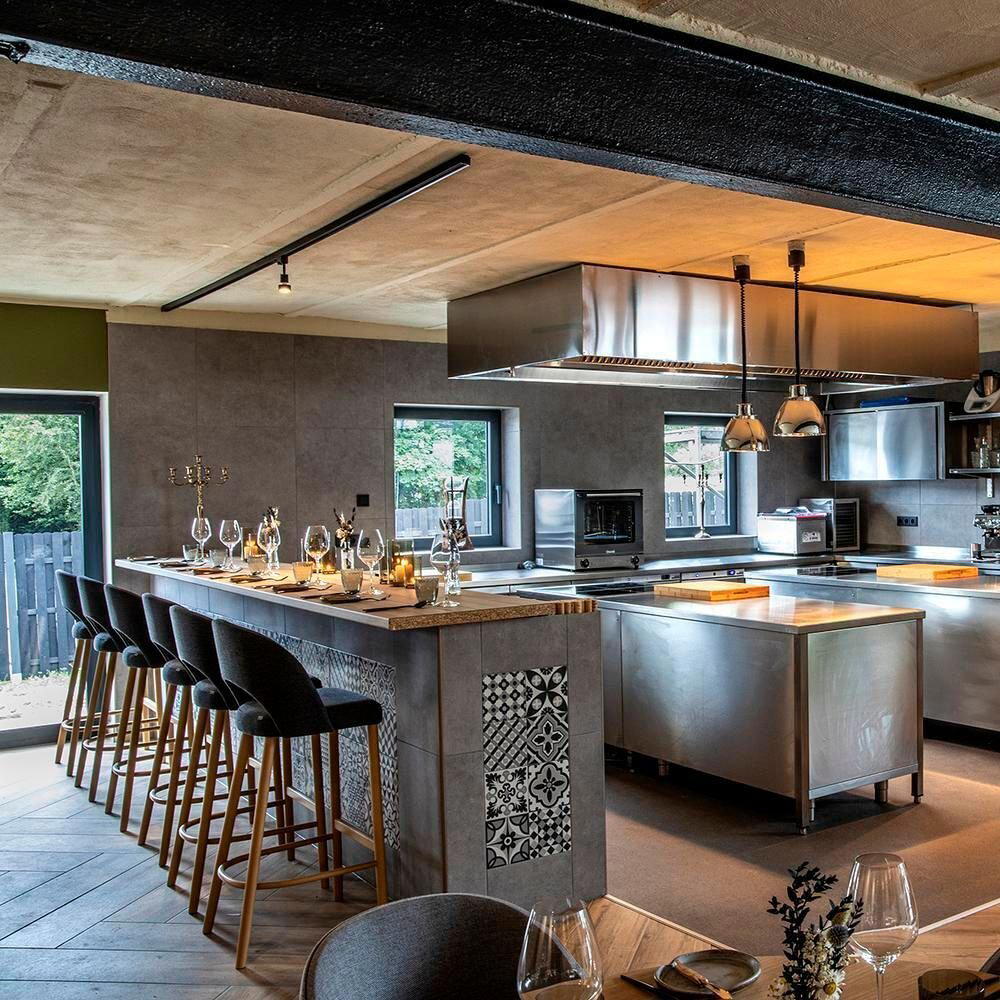
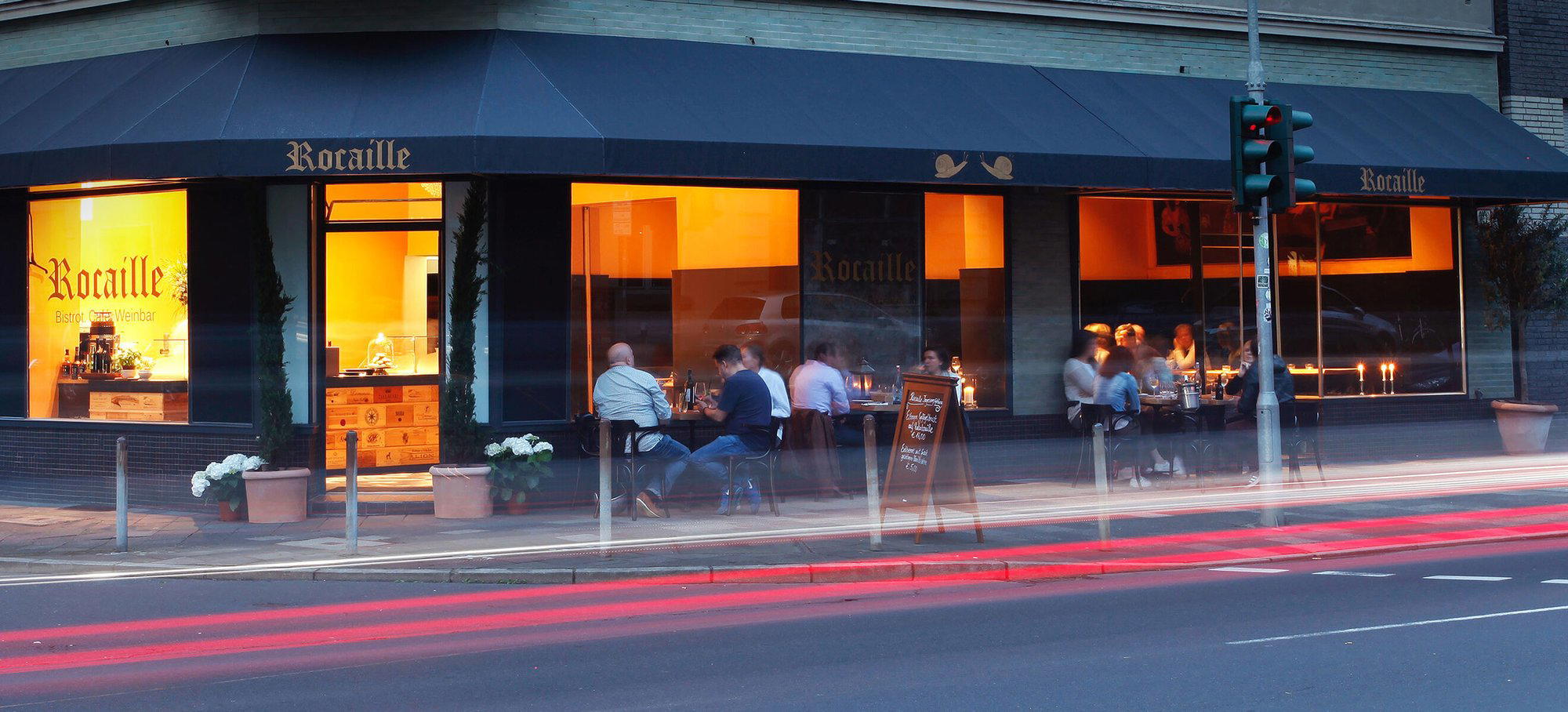
Approaching a restaurant on a street like Gladbecker Strasse tells you something before you reach the door. This is not a neighbourhood built for evening promenading or the kind of slow approach that frames a meal as spectacle. The physical environment is direct and functional, which tends to produce a particular kind of dining room: one where comfort and familiarity matter more than theatrical design, and where regulars set the tone rather than first-time visitors establishing their social territory. That atmosphere, when it works, produces a kind of ease that more self-consciously designed rooms in larger cities sometimes struggle to manufacture.
A Greek spread format suits this register. Shared plates at a table where people are comfortable enough to reach across, try things without ceremony, and order another round of whatever worked: that dynamic fits a neighbourhood room more naturally than it fits a high-formality setting.
Comparable neighbourhood-anchored approaches elsewhere in the German restaurant world include Bahnhof Nord, also in Bottrop, which operates in a similarly unfussy register for the city's residents.
Where Pikilia Fits in the German Dining Conversation
Germany's restaurant conversation in the 2020s has bifurcated sharply. At one end, the creative fine-dining tier has produced internationally noticed work: CODA Dessert Dining in Berlin reimagines the meal's structure entirely, while JAN in Munich and ES:SENZ in Grassau represent the kind of regionally rooted precision that earns sustained critical attention. At the other end, neighbourhood restaurants across the country's smaller cities are doing something the fine-dining tier cannot: feeding communities with continuity, building the kind of regular relationships that make a street-level address sustainable over years rather than seasons.
Pikilia sits in the second of those categories. That is not a diminishment. The Greek taverna tradition from which its name and concept draw is one of the more durable and ingredient-honest formats in European dining, and its influence on contemporary shared-plate culture across the continent has been consistent. Restaurants in that tradition, from the Aegean islands to transplanted formats in northern European cities, tend to be judged by the quality of their sourcing and the generosity of their execution rather than by tasting-menu architecture or wine program depth. Those are the terms on which Pikilia should be assessed.
For reference points outside Germany, the sourcing-led philosophy that underpins ingredient-forward restaurants internationally is visible in operations as different in scale as Le Bernardin in New York City, where fish sourcing is the editorial spine of the entire menu, or Atomix in New York City, where provenance is woven into the dining format as explicit information rather than background assumption.
Planning a Visit
Pikilia is located at Gladbecker Strasse 29a in Bottrop, accessible from the city centre and from the A2 and A31 motorways that connect Bottrop to the wider Ruhr network. Reservations are recommended; the restaurant is open Mon: 5-11 PM; Tue: 5-11 PM; Wed: 5-11 PM; Thu: 5-11 PM; Fri: 5 PM-12 AM; Sat: 5 PM-12 AM; Sun: 12-10:30 PM. Bottrop is a day-trip or evening destination from Essen, Oberhausen, or Duisburg, all within a short drive or regional rail connection.
In Context: Similar Options
Comparable venues nearby, for context on price, style, and recognition.
| Venue | Cuisine | Price | Notes |
|---|---|---|---|
| PikiliaThis venue — the venue you are viewing | Modern Greek Mezedes | $$ | Not listed |
| Bahnhof Nord | Modern German & Mediterranean | $$ | Bottrop |
| Restaurant Mykonos Hohenlimburg | Traditional Greek Grill | $$ | Hohenlimburg |
| Restaurant Artemis | Greek Seafood | $$ | Gladbeck |
| Anh-Thu Restaurant | Authentic Vietnamese | $$ | Schwabing |
| Gärtnerei | Farm-to-Table Vegetarian & Vegan | $$ | Essen |
At a Glance
- Cozy
- Modern
- Elegant
- Date Night
- Group Dining
- Family
- Casual Hangout
- Open Kitchen
- Terrace
- Extensive Wine List
Current opening hours
- Monday
- 5–11 PM
- Tuesday
- 5–11 PM
- Wednesday
- 5–11 PM
- Thursday
- 5–11 PM
- Friday
- 5 PM–12 AM
- Saturday
- 5 PM–12 AM
- Sunday
- 12–10:30 PM
Hours can change for holidays and private events. Last verified .
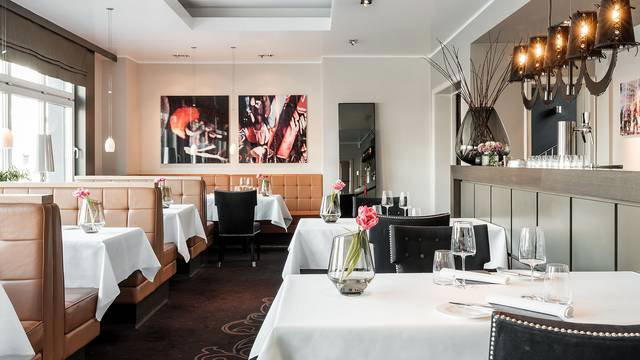
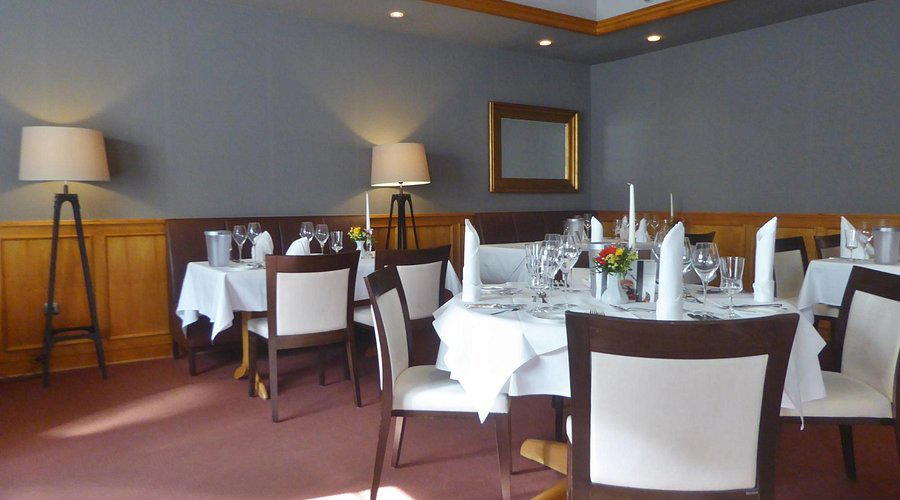
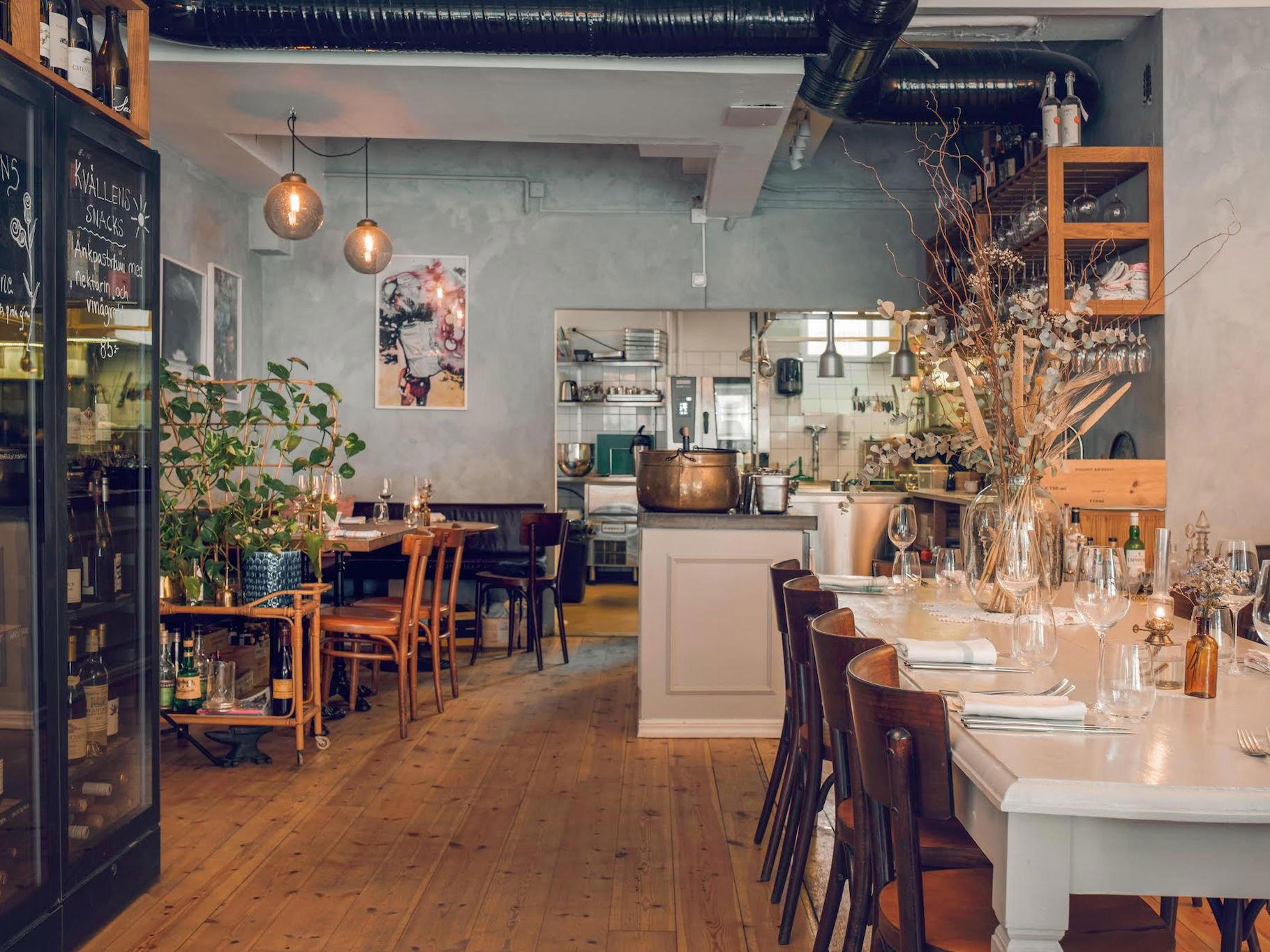
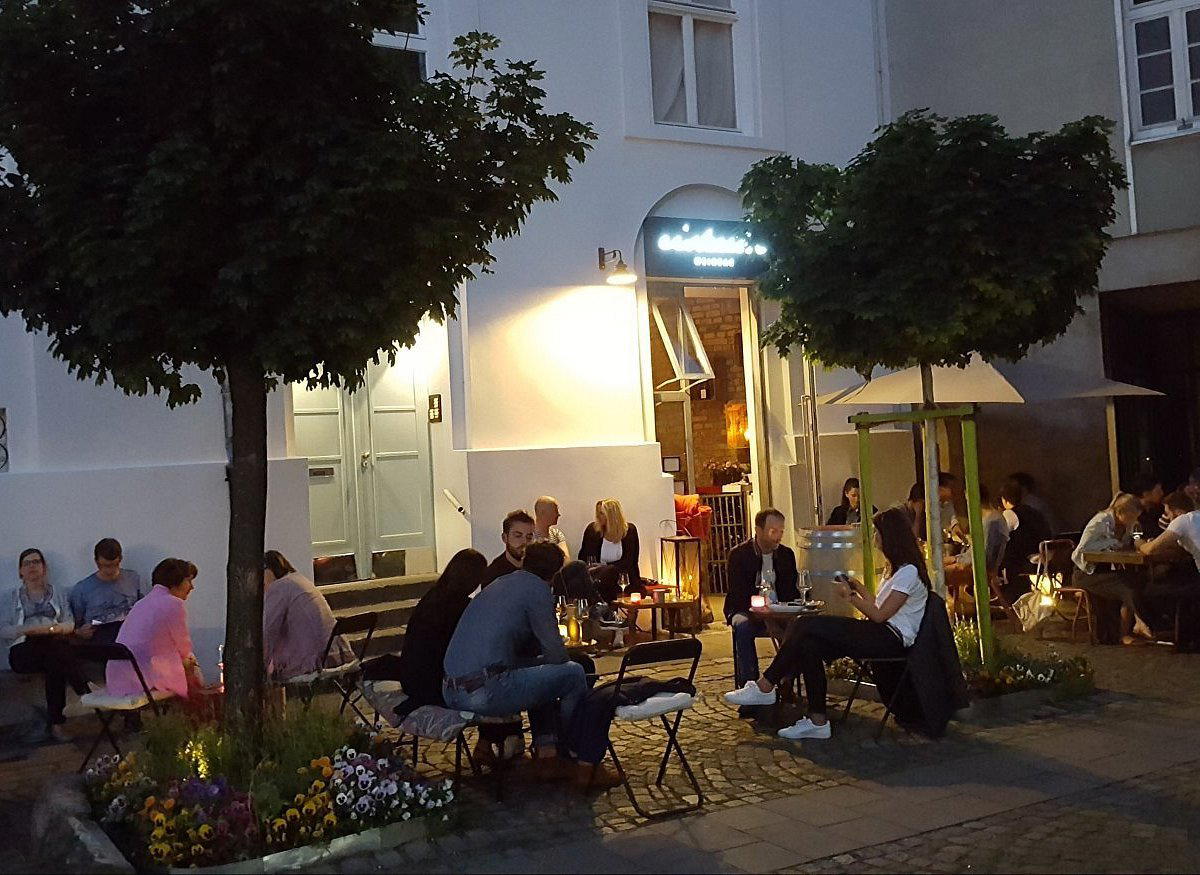
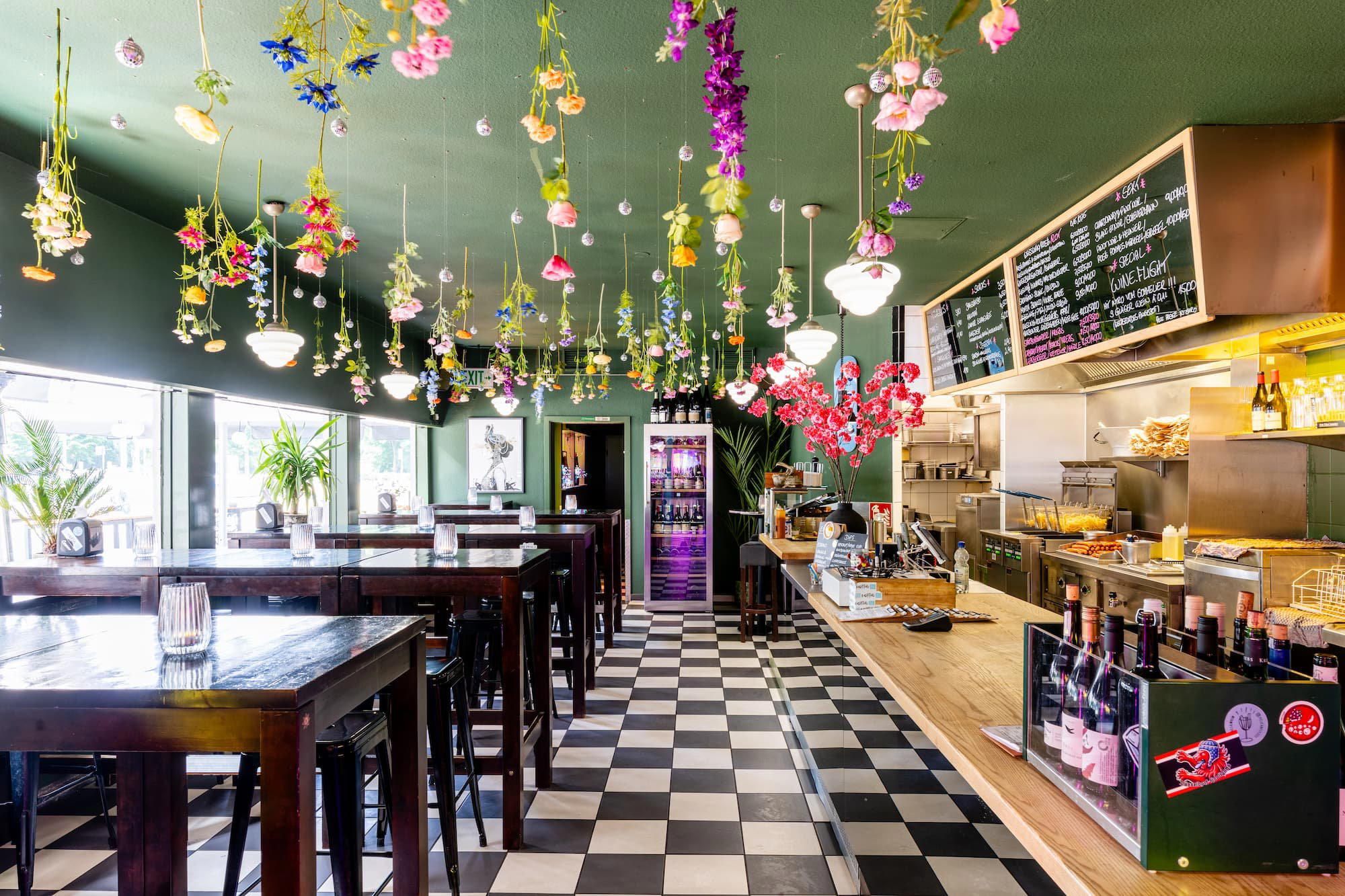
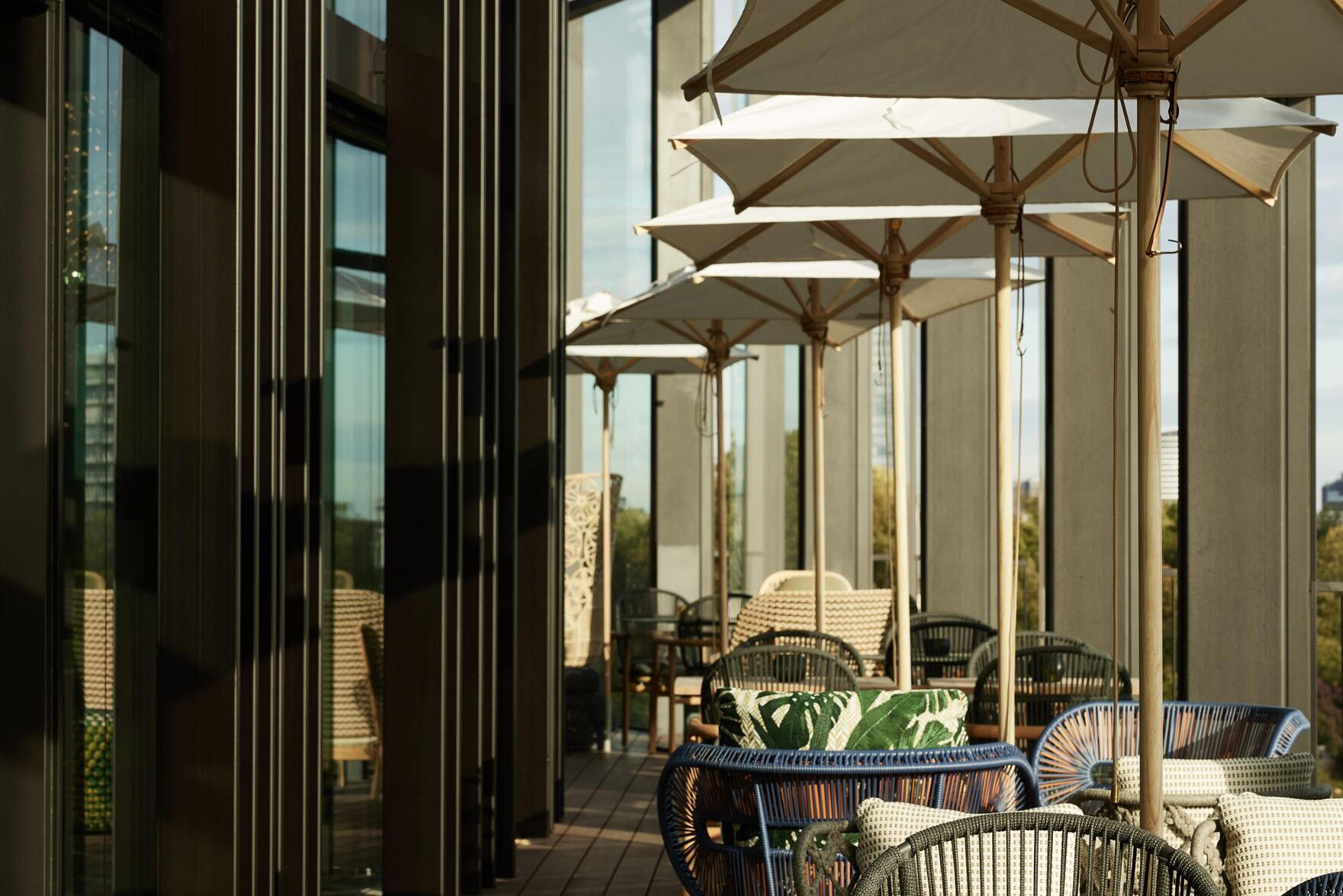
Stylish and cozy Mediterranean atmosphere with a familial, neighborly feel, enhanced by outdoor seating.