Badpaviljoen Domburg
Badpaviljoen Domburg sits on the Zeeland coast where the North Sea meets one of the Netherlands' oldest seaside resorts, placing it firmly within a tradition of beach-pavilion dining that prizes proximity to the water above all else. The setting at Badhuisweg 21 anchors the experience in Domburg's particular character: a small resort town where the dune landscape and salt air inform what ends up on the plate.
Pearl is the En Primeur Club membership app — saves, bookings, and concierge access live there. Same editors, same standards.
- Address
- Badhuisweg 21, 4357 AV Domburg, Netherlands
- Phone
- +31118582405
- Website
- hetbadpaviljoen.nl
- Directions
- Get directions
 Saves & bookings on Pearl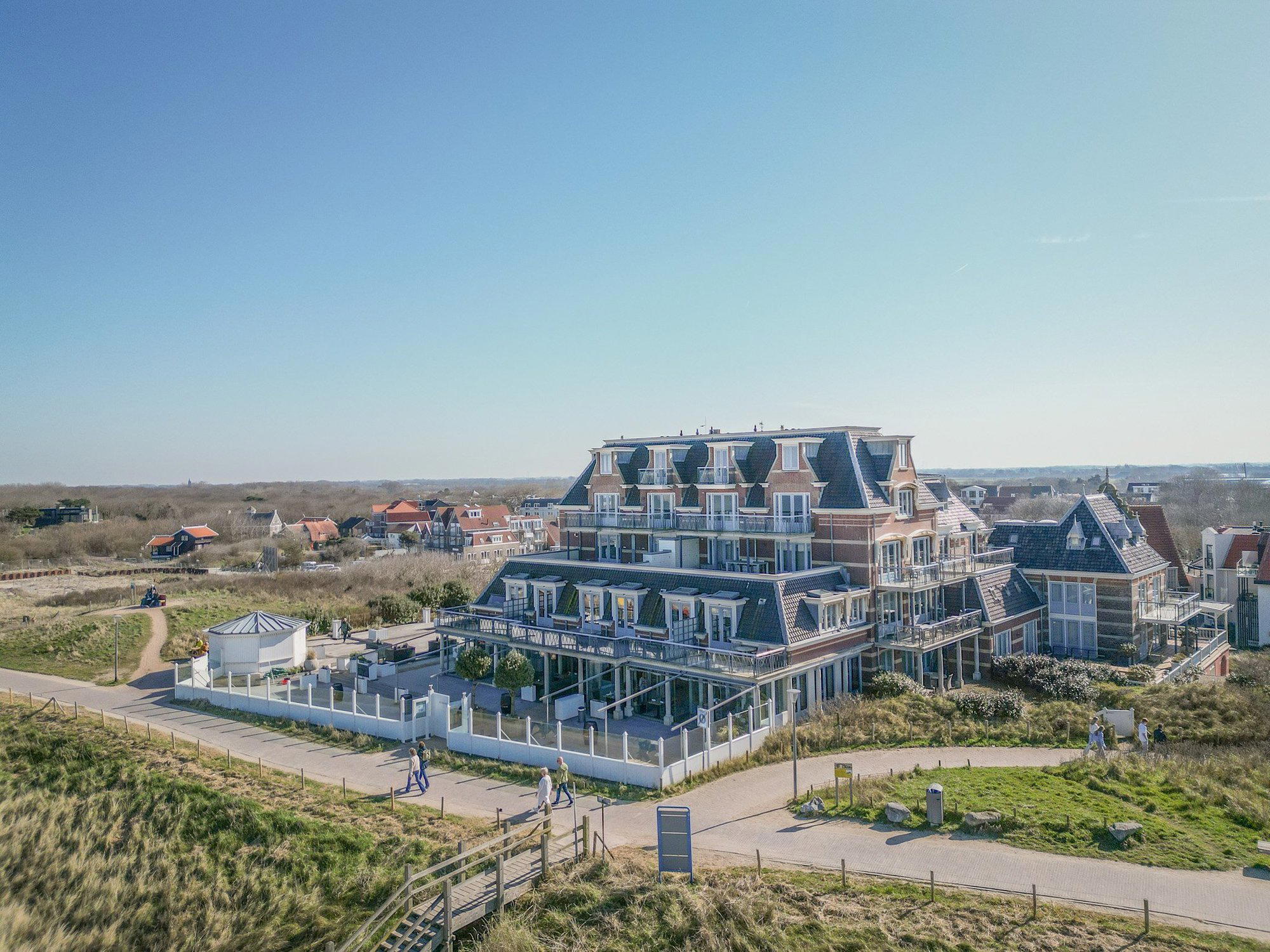
Where the North Sea Defines the Plate
Domburg occupies a stretch of the Zeeland coast that has drawn visitors since the late nineteenth century, when the town established itself as one of the Netherlands' first purpose-built seaside resorts. That history shapes the dining culture here in specific ways. Restaurants operating this close to the water rarely operate in isolation from the sea; the distance between the catch and the kitchen is measured in minutes, not supply-chain links, and that proximity changes what a cook can reasonably put in front of a guest. Beach pavilions in particular have evolved from casual snack stops into proper dining addresses across the Dutch coast, and Badpaviljoen Domburg, positioned at Badhuisweg 21, sits squarely within that tradition.
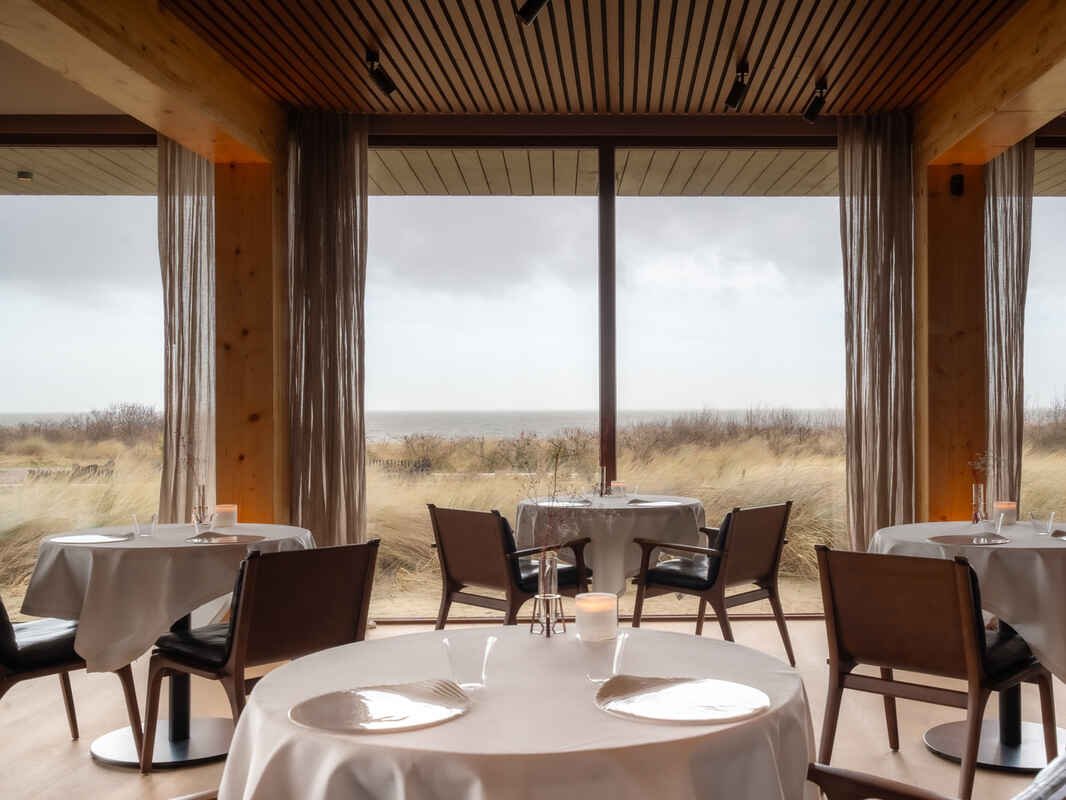
The approach from the dunes is itself part of the proposition. Coastal pavilion dining along the Zeeland shoreline tends to blur the line between interior and exterior in ways that urban restaurants cannot replicate: the light shifts through the afternoon, the wind occasionally asserts itself, and the horizon is rarely out of view. That environmental context is not incidental decoration. It is the argument for why sourcing in this register matters more than almost anywhere else in Dutch dining.
The Case for Coastal Sourcing in Zeeland
Zeeland has a particular claim on Dutch seafood culture that goes beyond geography. The province's estuaries, tidal flats, and cold North Sea waters produce oysters, mussels, razor clams, and flat fish at a quality level that has attracted the attention of Michelin-recognised kitchens far beyond the province itself. Inter Scaldes in Kruiningen has long demonstrated that fine dining built around Zeeland's coastal larder can hold its own against the country's urban restaurant establishment. The argument for cooking from this particular coastline is not sentimental; it is agronomic and ecological. Zeeland mussels carry a designation that distinguishes them from farmed alternatives. Zeeland oysters, grown in the Oosterschelde estuary under specific tidal and salinity conditions, are among the few Dutch products with a clear terroir argument comparable to wine.
What beach pavilion dining does, at its most considered, is put that sourcing proximity to direct use. The shorter the chain between water and plate, the fewer decisions are made by intermediaries. That logic applies across Dutch fine dining: De Nieuwe Winkel in Nijmegen has built an entire €€€€ tasting format around hyper-local and foraged sourcing; De Librije in Zwolle has used regional provenance as a cornerstone of its three-Michelin-star identity for years. The same principle at the coast simply has a different product set to work with: bivalves, flatfish, sea herbs, and salt-influenced vegetables that grow in the dune margins.
Domburg in the Wider Dutch Dining Context
Domburg is a small town by any measure, and its dining scene reflects that scale. The resort character means the audience is disproportionately seasonal, skewing toward visitors from across the Netherlands and Belgium who arrive in spring and summer. That seasonality shapes what restaurants in Domburg can sustain: year-round operations require either a loyal local base or enough destination pull to draw visitors outside peak season. Mezger (€€€ · Modern French) represents the more formal end of what Domburg's dining offer can hold, and the existence of that level of ambition in so small a resort town speaks to the quality of demand the location generates.
Badpaviljoen Domburg addresses a different register within that ecosystem, one where the physical setting does much of the work that décor and service architecture do in urban rooms. For context on what coastal proximity can produce at the highest level of Dutch fine dining, De Bokkedoorns in Overveen offers a useful reference point: a dune-side address that has held Michelin recognition while remaining inseparable from its coastal environment. The pattern recurs across the Netherlands: location and sourcing work together, and the leading coastal addresses make that relationship legible in what arrives at the table.
For readers building a broader picture of Dutch fine dining beyond the coast, the country's interior offers parallel exercises in regional sourcing discipline. De Lindenhof in Giethoorn, Tribeca in Heeze, De Groene Lantaarn in Staphorst, Brut172 in Reijmerstok, De Lindehof in Nuenen, and De Treeswijkhoeve in Waalre all demonstrate how the Netherlands' restaurant culture uses geography as a primary ingredient rather than as backdrop. At the urban scale, Ciel Bleu in Amsterdam, FG - François Geurds in Rotterdam, Aan de Poel in Amstelveen, and 't Nonnetje in Harderwijk represent what the same sourcing philosophy looks like when applied at a metropolitan price point. Internationally, the coastal sourcing argument finds its sharpest expression at addresses like Le Bernardin in New York City, where fish provenance is treated as the central creative constraint, and at community-driven formats like Lazy Bear in San Francisco, where producer relationships define the menu structure. De Bokkedoorns in Overveen and De Lindenhof in Giethoorn remain the Dutch coastal and rural benchmarks within that broader conversation.
Planning a Visit
Domburg is reachable by train to Middelburg followed by a regional bus connection, or by car via the A58 motorway into Zeeland. The town operates on a pronounced seasonal rhythm, with summer months bringing the highest footfall and the widest range of dining options. Visiting outside July and August offers a quieter experience of the coastline, though it is worth confirming in advance that individual venues are operating, as seasonal closures are common in Dutch beach resorts. Badpaviljoen Domburg's address at Badhuisweg 21 places it close to the beach access, which makes it a practical stop either before or after time on the dunes. See our full Domburg restaurants guide for broader context on the town's dining options across price points and styles.
How Badpaviljoen Domburg Review: Hours & Dress Code compares with similar nearby venues.
| Venue | Cuisine | Price |
|---|---|---|
| Mezger | Modern French | €€€ |
| Hof aan Zee | Scandinavian | €€€ |
| Morille | Regional Cuisine | €€€ |
| Scherp | World Cuisine | €€€ |
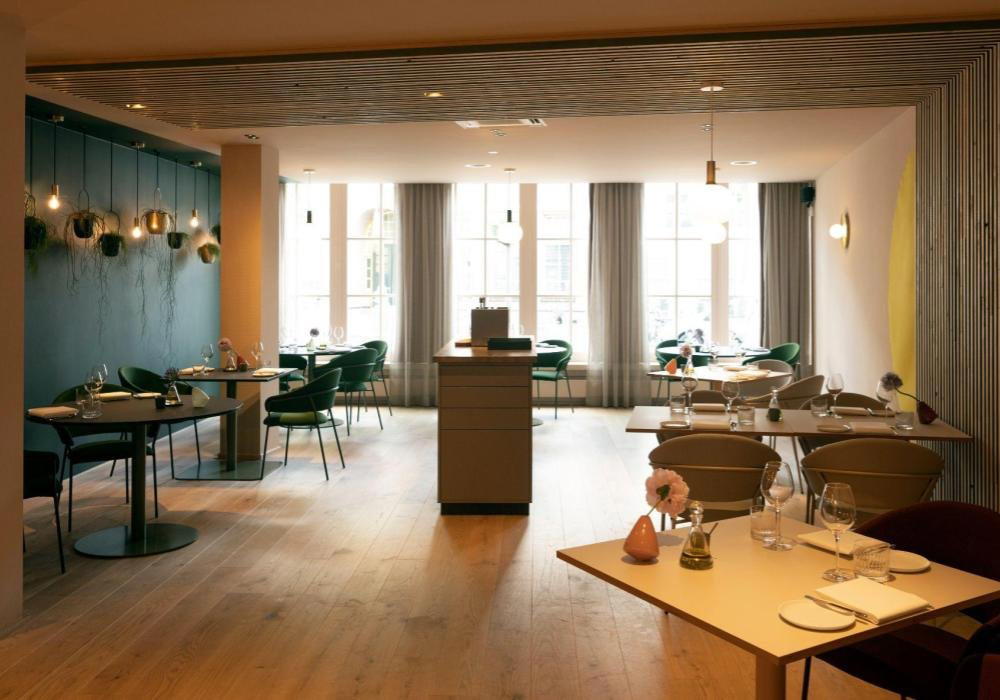
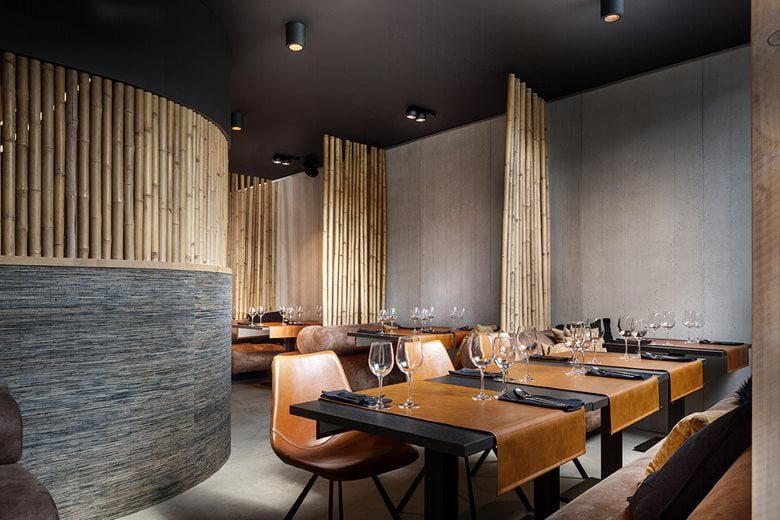
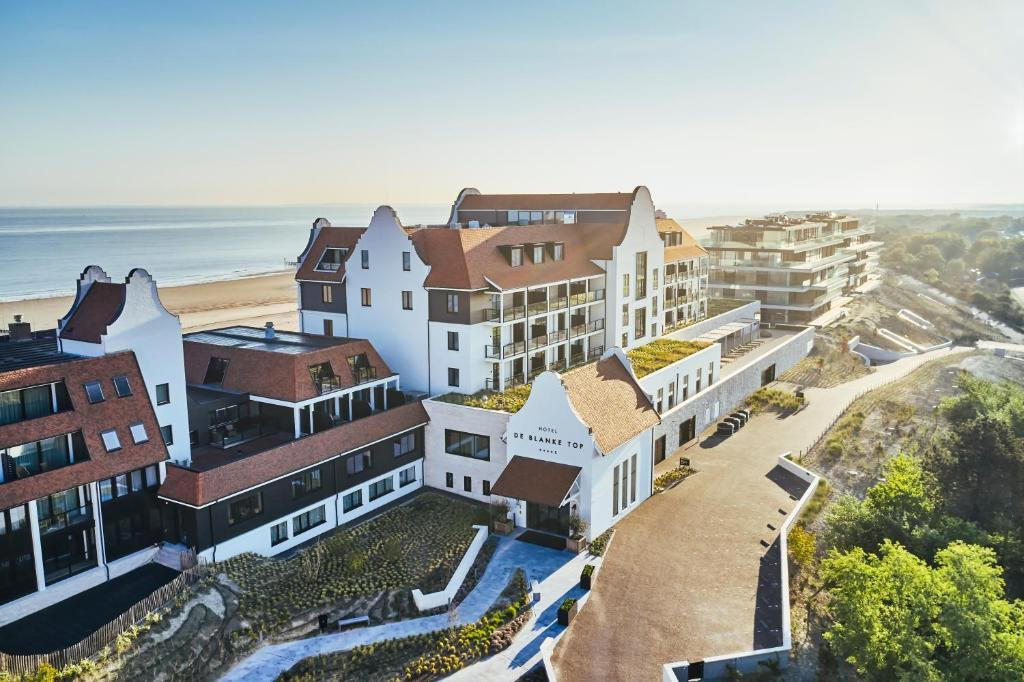
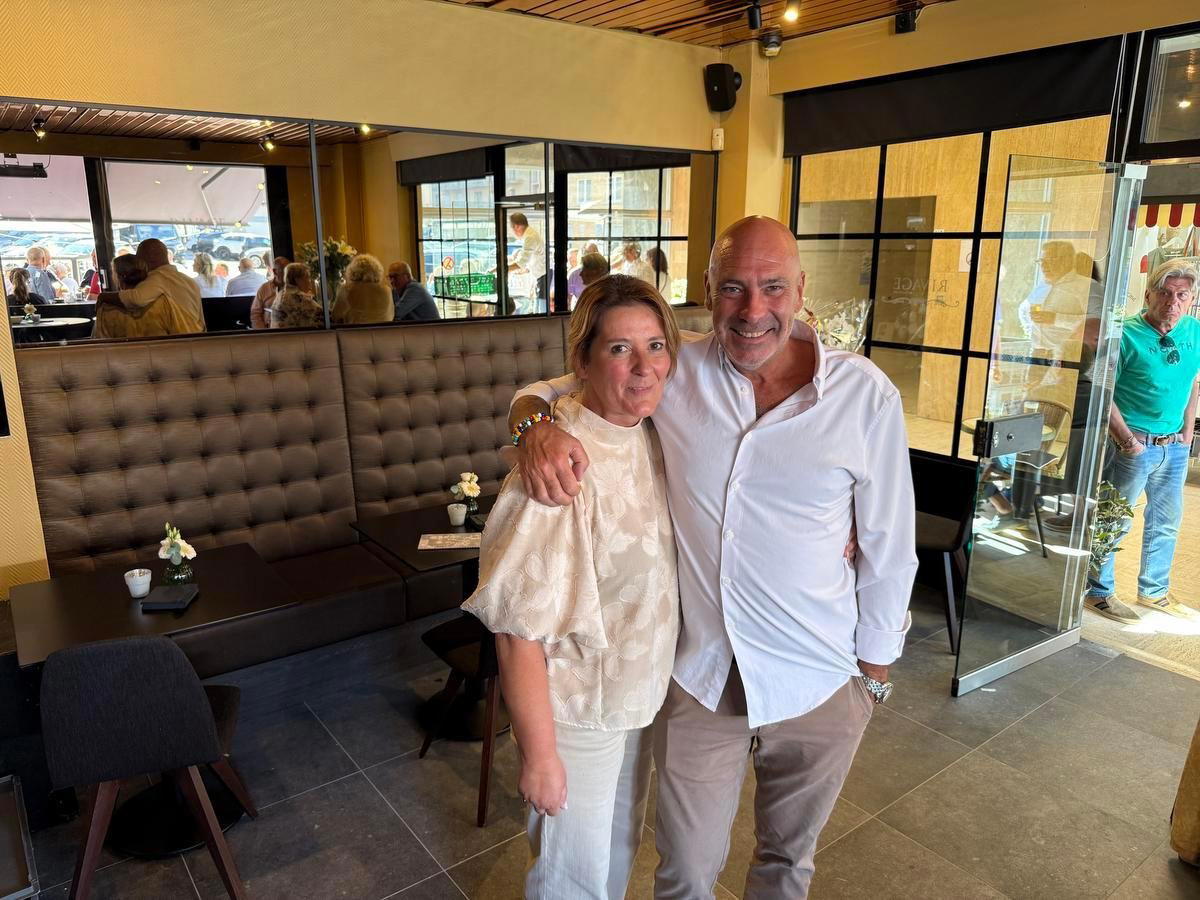
At a Glance
- Scenic
- Well Known
- Elegant
- Date Night
- Special Occasion
- Brunch
- Terrace
- Waterfront
- Historic Building
- Extensive Wine List
- Local Sourcing
- Sustainable Seafood
- Waterfront
Current opening hours
- Monday
- 12–9 PM
- Tuesday
- Closed
- Wednesday
- Closed
- Thursday
- 12–9 PM
- Friday
- 12–9 PM
- Saturday
- 12–9 PM
- Sunday
- 12–9 PM
Hours can change for holidays and private events. Last verified .
Nice ambiance with spectacular views from the terrace and dining room, sfeervolle atmosphere.