Our verdict
Bacco brings Italian cooking into Hanoi’s dining mix, a city better known to visitors for noodle shops, coffee culture, and regional Vietnamese kitchens. With no public awards, chef name, price range, or service format listed, the useful reading is contextual: treat it as an Italian address in Hanoi where simplicity, ingredient restraint, and the rhythm of the room matter more than trophy signals.

Pearl is the En Primeur Club membership app — saves, bookings, and concierge access live there. Same editors, same standards.
- Address
- Hanoi, Vietnam
- Directions
- Get directions
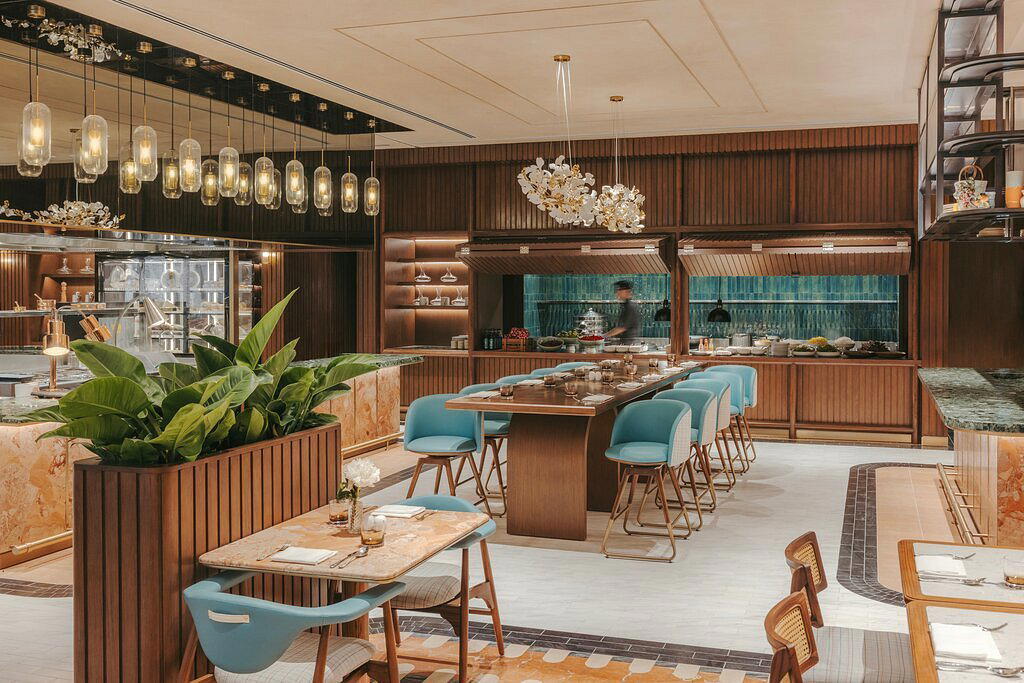
The menu
What to order
- Giant “La BACCO” sharing pizza
- Seabass carpaccio with citrus and fennel
- Fritto misto with salsa verde and preserved lemon
- Dry-aged Fiorentina beef steak
- Tagliatelle with lamb ragù, pecorino & rosemary
- Warm chocolate cake with vanilla cream
Italian restaurants in Hanoi are judged in a different register from the city’s street-side noodle counters and old-quarter dining rooms. The first impression is rarely about spectacle; it is about whether the room lets the food stay direct. In a city where meals often move quickly, loudly, and communally, Bacco belongs to the slower Italian grammar of the table: fewer components, clearer sequencing, and a meal built around appetite rather than performance.
That matters because Italian cooking travels badly when it chases excess. The discipline is not minimalism for its own sake, but selection: pasta that depends on timing, sauces that need balance rather than weight, and a kitchen culture in which restraint is a technical choice. Hanoi’s international dining scene has expanded well beyond hotel restaurants, yet imported cuisines here still face the same test. They either adapt to the city’s tempo without losing their own structure, or they become generic expatriate comfort food.
Italian restraint in a city built around sharper, faster flavours
Hanoi’s native food culture is built on contrast: herbs, fish sauce, acidity, smoke, broth, fermented depth, and the small calibrations that separate one bowl or grill shop from another. Italian food enters that setting with a quieter logic. It asks diners to read texture, heat, fat, and seasoning without the same aromatic lift that defines much of northern Vietnamese cooking. That contrast is the point. A good Italian meal in Hanoi gives the palate a different pace, especially for travellers moving between street food, regional Vietnamese cooking, and hotel dining.
Bacco’s Italian category places it inside that imported-cuisine lane, but the editorial question is broader than nationality. The stronger version of this format avoids long menus that try to represent an entire country. It works when the kitchen understands that Italian food is regional, ingredient-led, and unforgiving when timing slips. With Michelin-starred chef Nicolas Isnard leading the restaurant, the safer reading is to treat Bacco through the tradition it claims: a meal should rise or fall on execution, not decoration.
For travellers mapping Hanoi by meal type, the useful contrast is not a ranked contest but a change in dining mode. Other Hanoi dining rooms speak to local and regional frames, while hotel-linked international restaurants serve another purpose entirely. Bacco is better understood as part of Hanoi’s parallel appetite for non-Vietnamese dining, useful when a trip needs one evening away from broth, rice, and grill smoke.
How to read the room before reading the menu
The available recognition changes how a serious diner should assess the experience. Awards can clarify ambition, but they are not the only way to read a restaurant. In this category, the first signals are practical and physical: the pacing between courses, whether the kitchen keeps dishes focused, and whether the room encourages a full meal rather than a quick stop. Italian dining depends on sequence, from lighter opening plates into pasta or mains, and the experience weakens when everything arrives at once.
Hanoi’s dining geography also rewards planning by neighbourhood rather than cuisine alone. A visitor might use the city’s restaurant guides to balance Vietnamese meals with international ones, then cross-check where the evening continues through Hanoi bars or where to stay through Hanoi hotels. For longer itineraries, the city’s cultural programming and specialist tastings sit separately in Hanoi experiences, while wine-focused planning belongs in broader Vietnam planning.
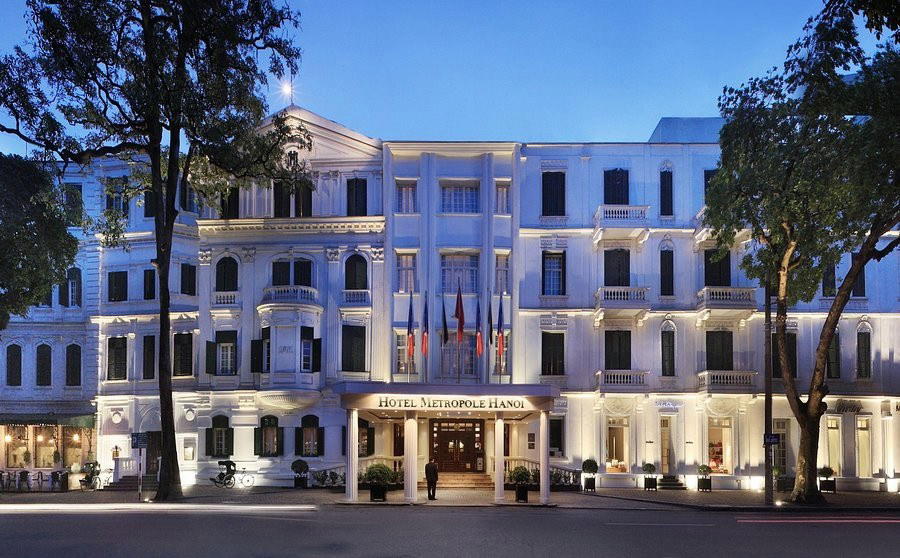
That broader map matters because Bacco is presented less as a spectacle-driven tasting-menu destination than as an upscale hotel Italian restaurant. Its public identity is clear enough: Italian cooking led by Nicolas Isnard, with handmade pastas, wood-fired pizzas, and bold Mediterranean flavours as the core promise. The right expectation is a measured meal where the cuisine’s value comes from simplicity: clean structure, recognizable dishes, and the pleasure of a table that does not need to compete with the city outside.
Where it fits in a Vietnam itinerary
Travellers moving beyond Hanoi quickly see how different Vietnam’s dining circuits can feel by city. Heritage towns, coastal resorts, and larger southern cities each have their own rhythms, and international dining reads differently in each setting. Some markets lean visitor-friendly and casual, others have a broader appetite for French, Italian, and global formats, while resort areas often frame the meal around leisure as much as cuisine.
Inside Hanoi, the sharper editorial use is as a palate reset. Pair unnamed Vietnamese meals across the city with one slower Italian dinner, and Hanoi’s range becomes easier to read. For global context, Italian cooking can stretch from informal neighbourhood formats to major metropolitan dining rooms. Bacco sits on the Hanoi side of that conversation: useful, cuisine-specific, and best approached through the Italian principle that fewer moving parts leave less room to hide.
Frequently asked questions
Would Bacco be comfortable with kids?
Bacco is an Italian restaurant in Hanoi, so it suits families that want a calmer meal rather than a noisy late-night room. For children, the practical question is menu fit and timing, so an early table is the safest approach.
What is the atmosphere like at Bacco?
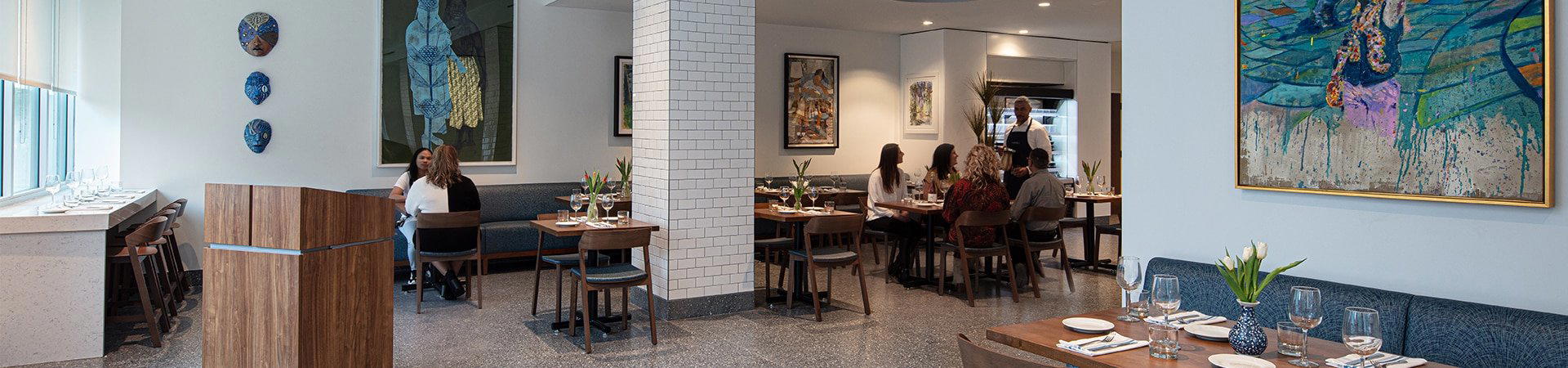
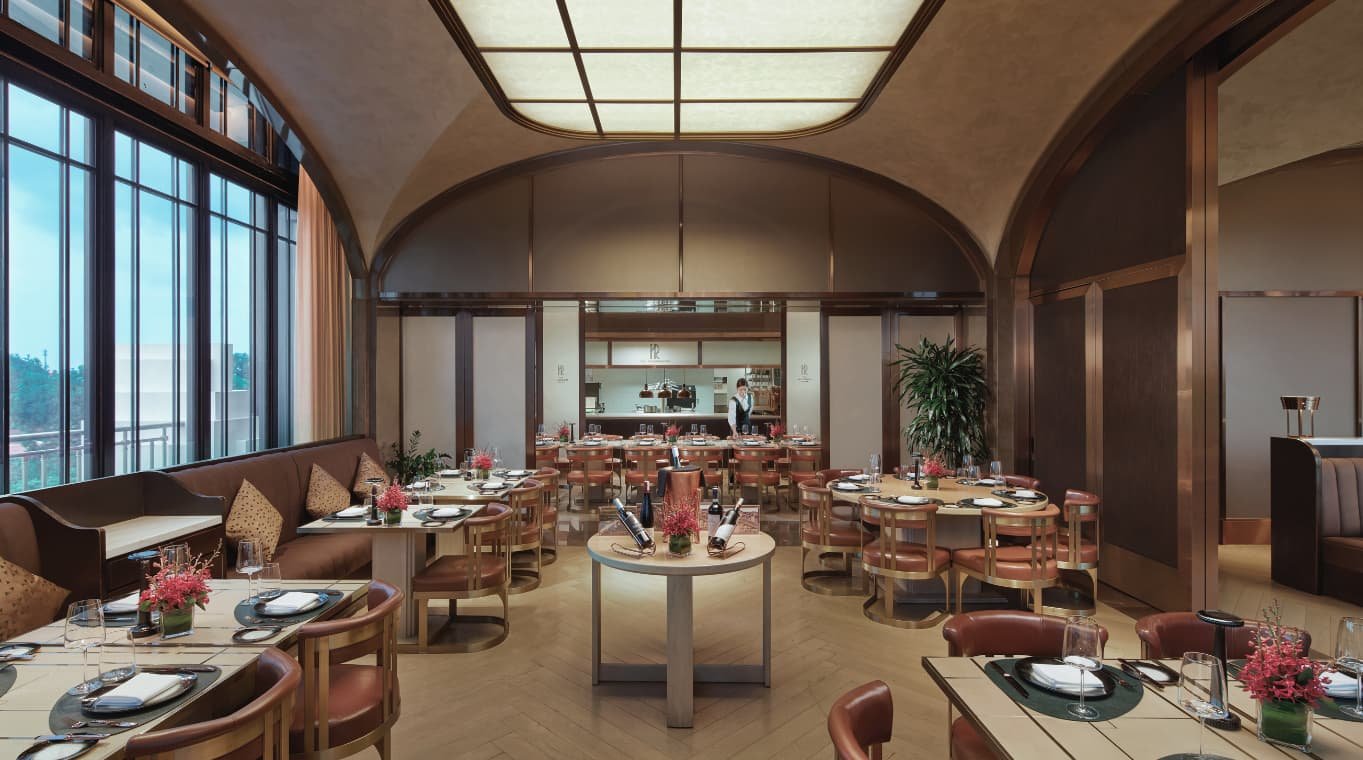
Expect an upscale hotel Italian dining room in Hanoi, with the tone shaped more by the meal than by scene-making. That usually means a slower pace and less fuss than the city’s more casual spots.
Is Bacco focused on a specific cuisine style?
Bacco serves Italian cuisine, with handmade pastas, wood-fired pizzas, and bold Mediterranean flavours.
Should I book Bacco in advance?
Advance booking is sensible for Bacco, especially if you want a specific time for Italian dining in Hanoi. Restaurants in this bracket tend to reward planning, even when they do not advertise a formal reservation policy.
What's the signature at Bacco?
No single signature dish is identified for Bacco, so the clearest read is the Italian menu itself. In Hanoi, that means looking to the handmade pastas, wood-fired pizzas, and Mediterranean-leaning flavours rather than chasing one named plate.
Do they accommodate allergies at Bacco?
An Italian kitchen in Hanoi should be able to discuss common allergens, especially around wheat, dairy, and seafood. The sensible move is to flag allergies before the meal so the kitchen can respond around the dishes you choose.
Comparable Venues Nearby
Comparable venues nearby, for context on price, style, and recognition.
| Venue | Cuisine | Price | Awards | Notes |
|---|---|---|---|---|
| BaccoThis venue — the venue you are viewing | Modern Italian restaurant in a luxury hotel | $30–50 | Not listed | Not listed |
| Pizza 4P's Bao Khanh | Japanese-Italian Fusion Pizza | $20–30 | Not listed | Hoan Kiem |
| The Symphony Restaurant | Vietnamese Fine Dining with Asian-Western Fusion | $30–50 | Not listed | Hoan Kiem |
| Comet Restaurant | Vietnamese-International Fusion | $30–50 | Not listed | Hoan Kiem |
| Hanoi Cuisine 1925 | Traditional Vietnamese | $10–20 | Not listed | Hoan Kiem |
| Lamai Garden | Contemporary Vietnamese Farm-to-Table | $50–100 | Michelin Plate | Tay Ho |

Details
- Modern
- Elegant
- Sophisticated
- Lively
- Romantic
- Date Night
- Business Dinner
- Group Dining
- Family
- Celebration
- After Work
- Open Kitchen
- Wine Cellar
- Hotel Restaurant
- Design Destination
- Extensive Wine List
- Craft Cocktails
- A La Carte
- Family Style
- Buffet
- Wine
- Cocktails
- Vegetarian Friendly
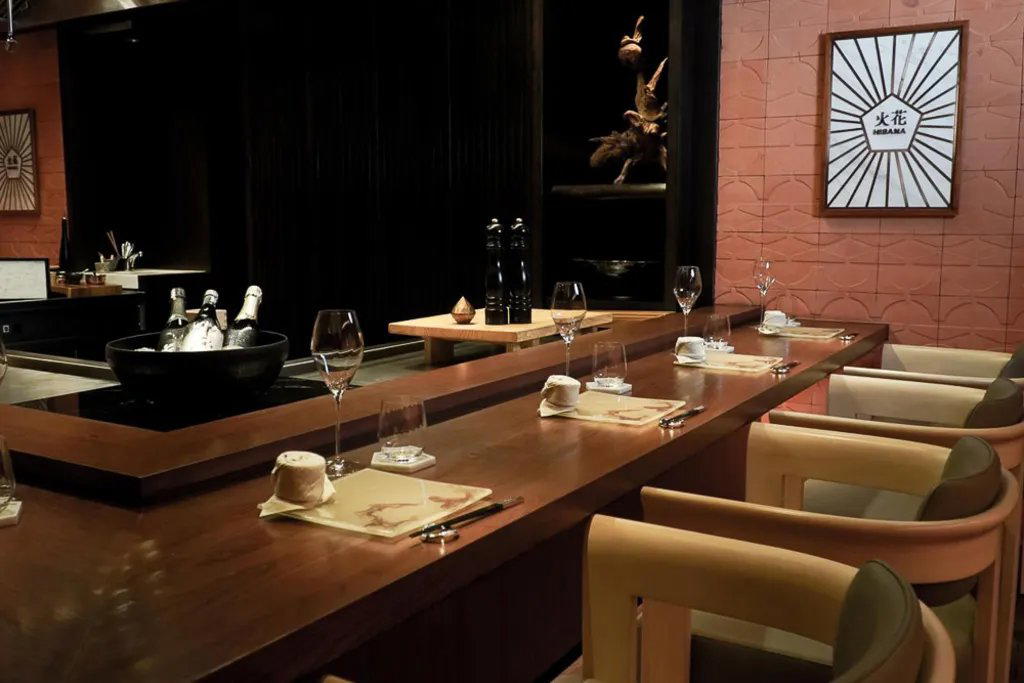
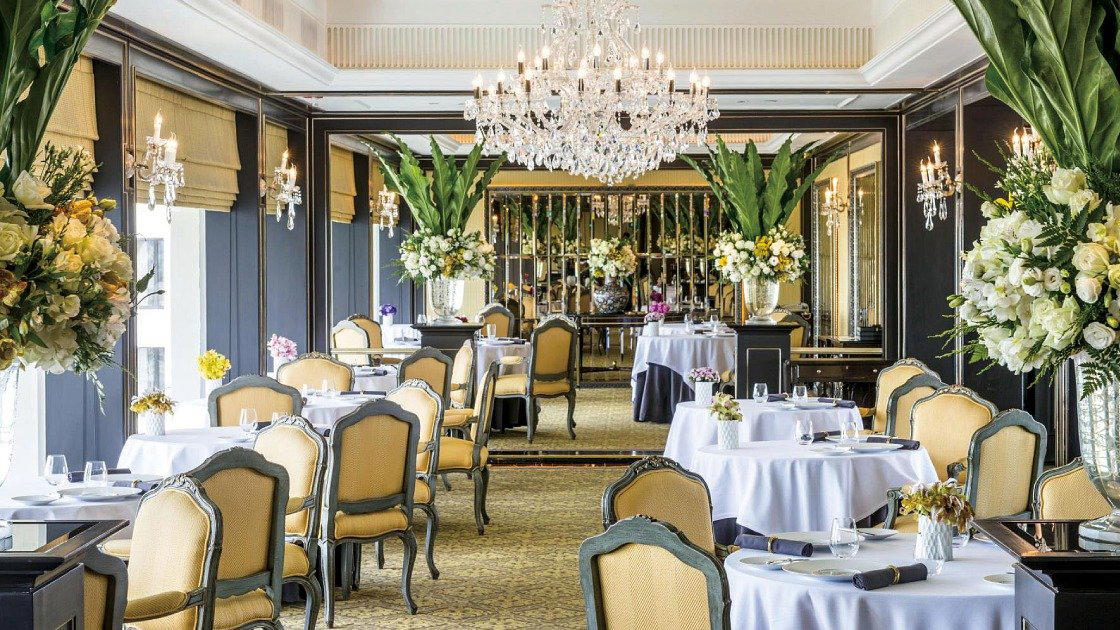
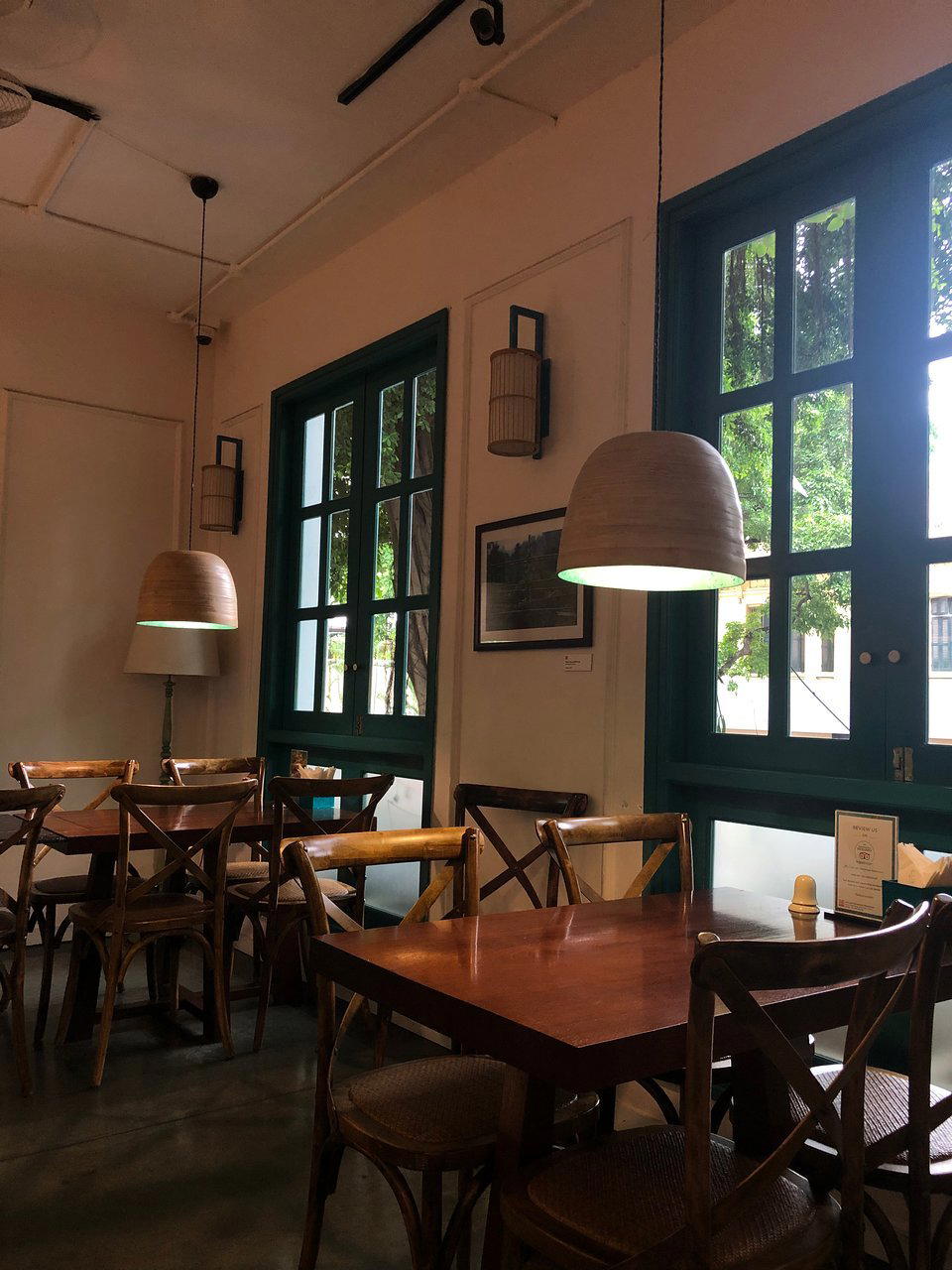
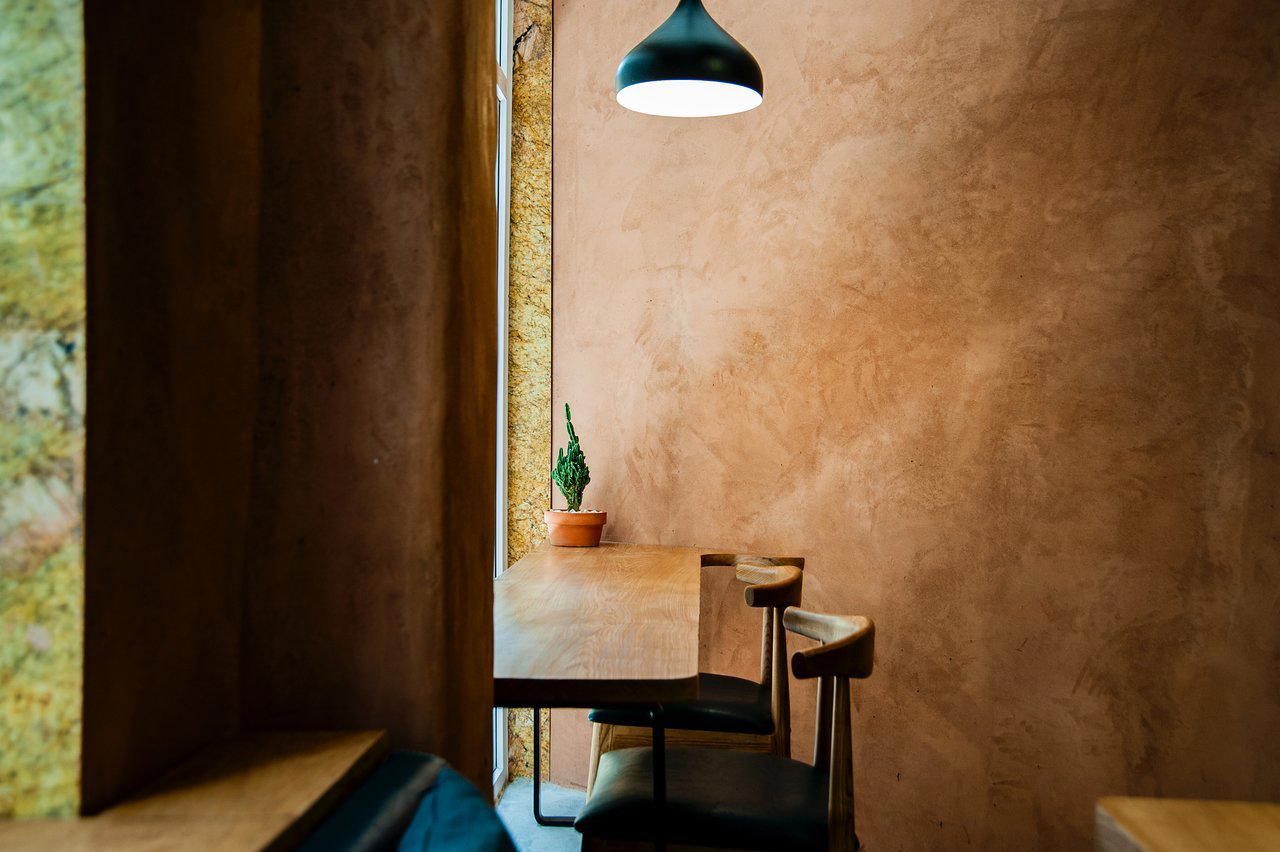
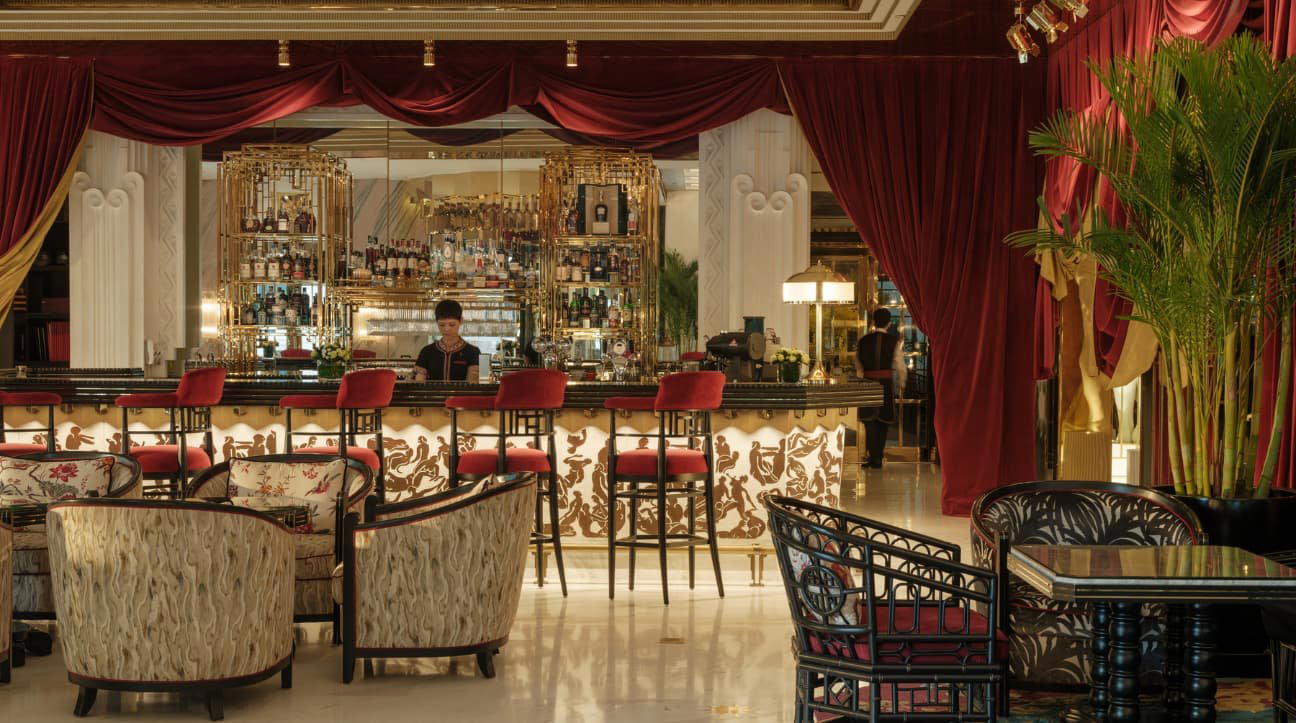
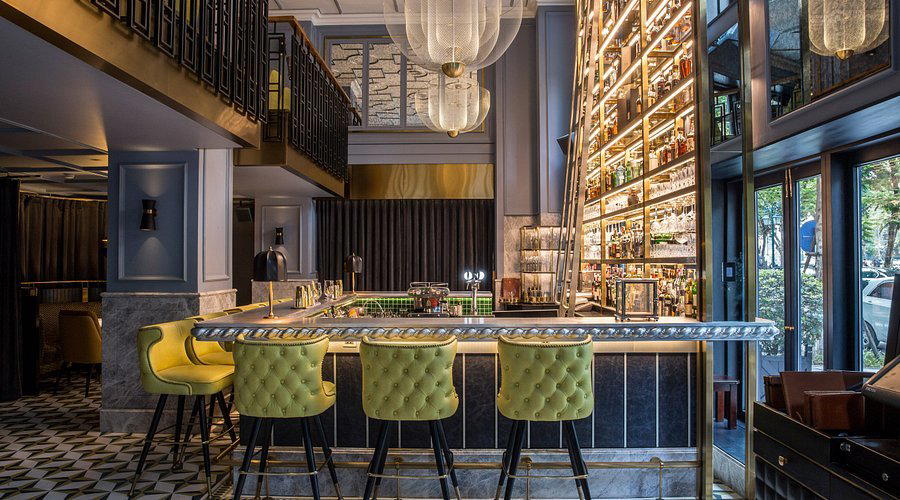
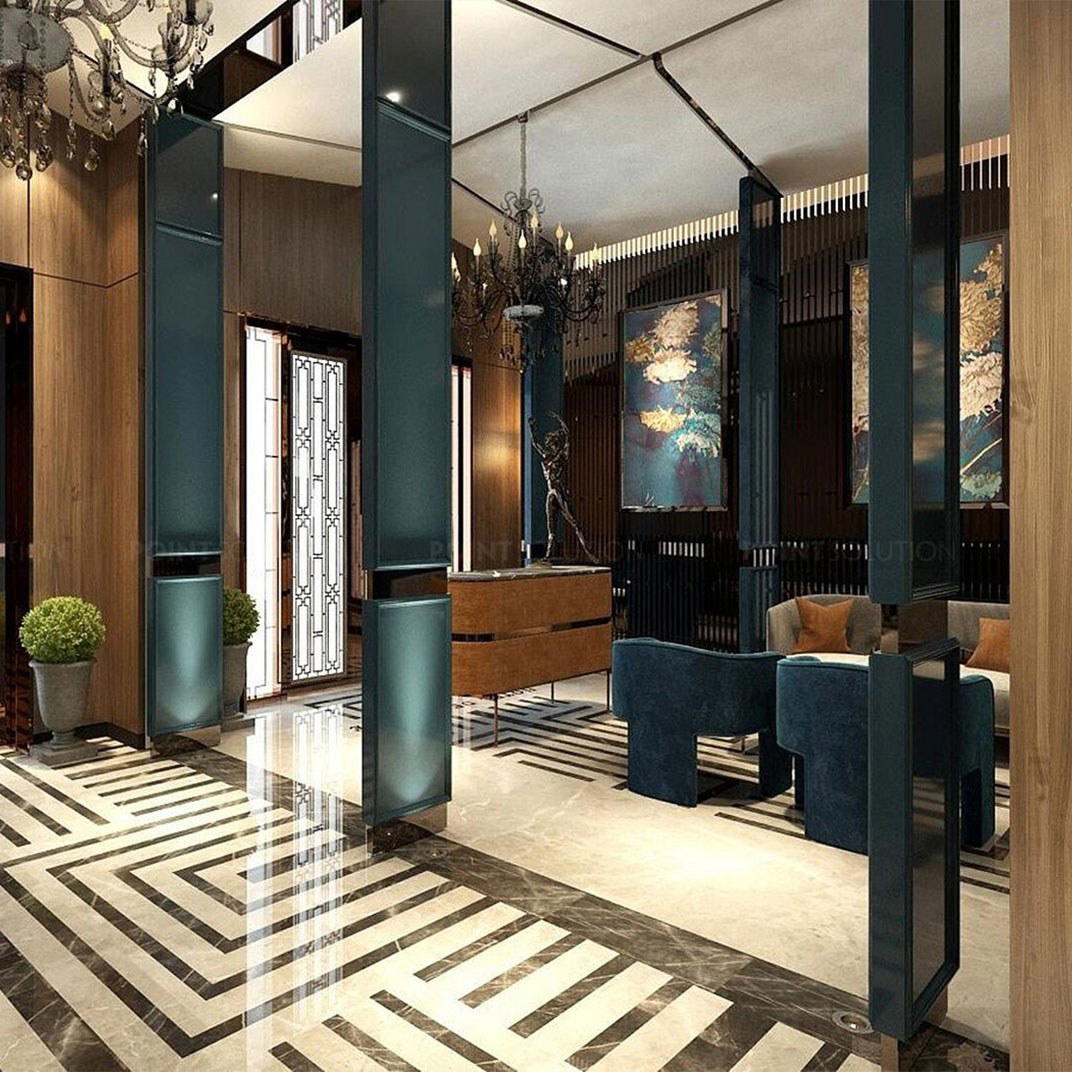
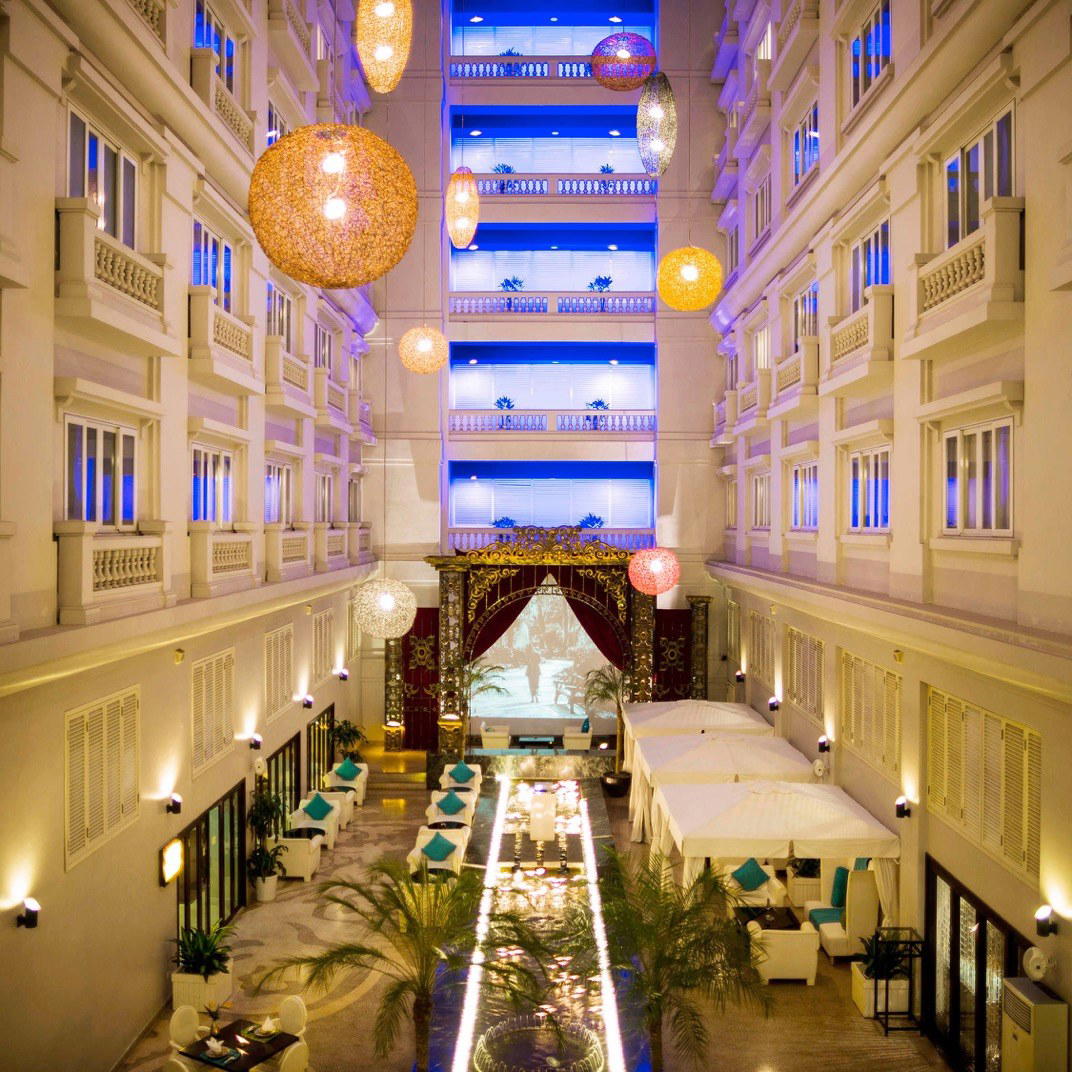
Contemporary and elegant hotel-restaurant atmosphere with an open kitchen providing a bit of theatre, comfortable for families and groups yet refined enough for date nights and business dining.