Baboush
Baboush on McKinney Avenue brings North African cooking into Dallas's increasingly global dining conversation, pairing spice-led tradition with technique that reads as cross-continental rather than strictly regional. The address at 3636 McKinney Ave places it within one of the city's more active restaurant corridors, where diners move fluidly between cuisines and price points. For Dallas, a city still building its case as a serious food destination, Baboush represents a category that remains genuinely underrepresented.
 Discover on Pearl
Pearl is the En Primeur Club membership app — saves, bookings, and concierge access live there. Same editors, same standards.
- Address
- 3636 McKinney Ave #160, Dallas, TX 75204
- Phone
- +12145990707
- Website
- baboushdallas.com
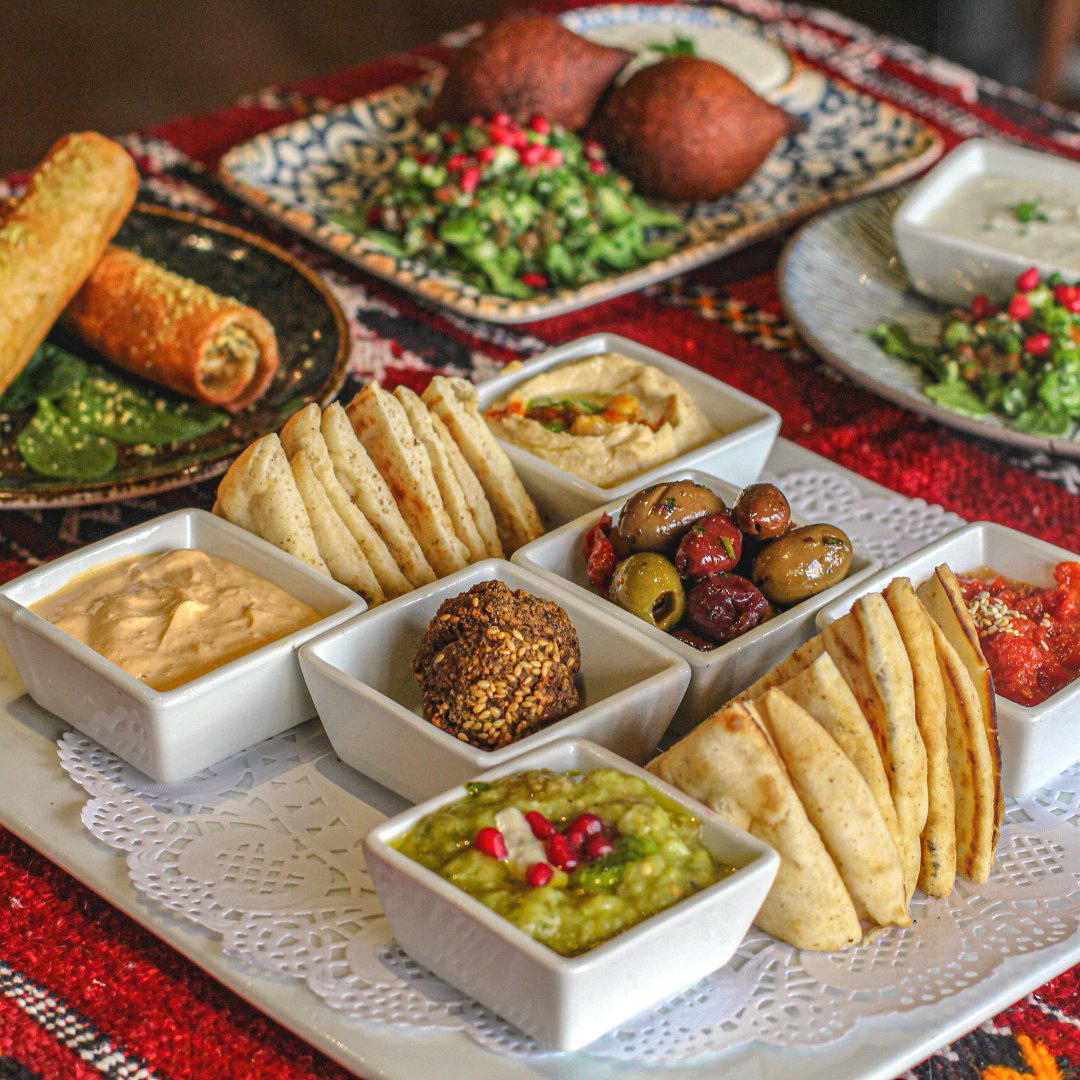
Where McKinney Avenue Meets the Medina
McKinney Avenue is the kind of street that reveals a city's dining ambitions through sheer density. Between the converted storefronts and low-rise retail, you find cuisines that would have been commercially implausible in Dallas a decade ago. North African cooking, with its layered spice architecture and slow-cooked tradition, sits in that expanding category. Baboush, at 3636 McKinney Ave, is a Dallas restaurant serving Moroccan-Lebanese fusion at a price point of about $40 per person.
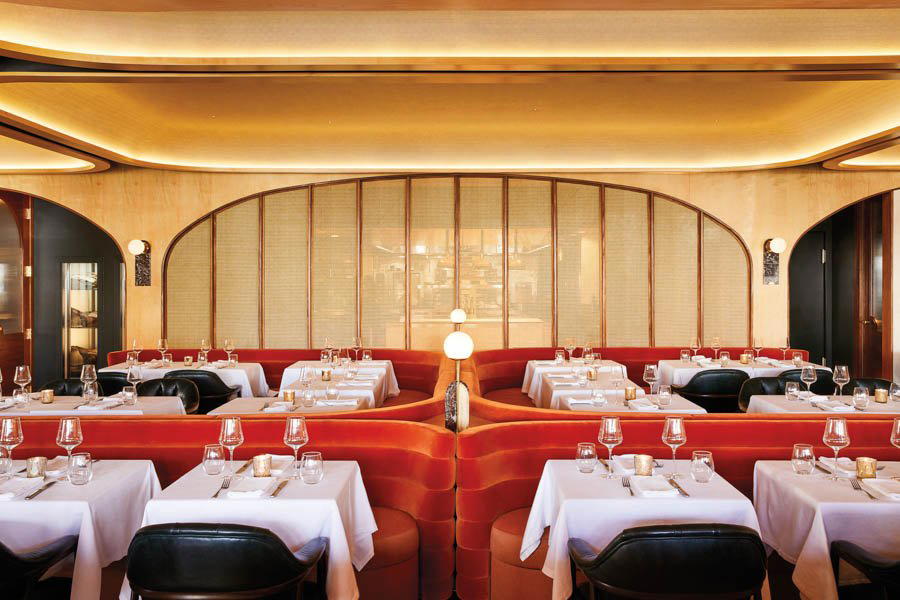
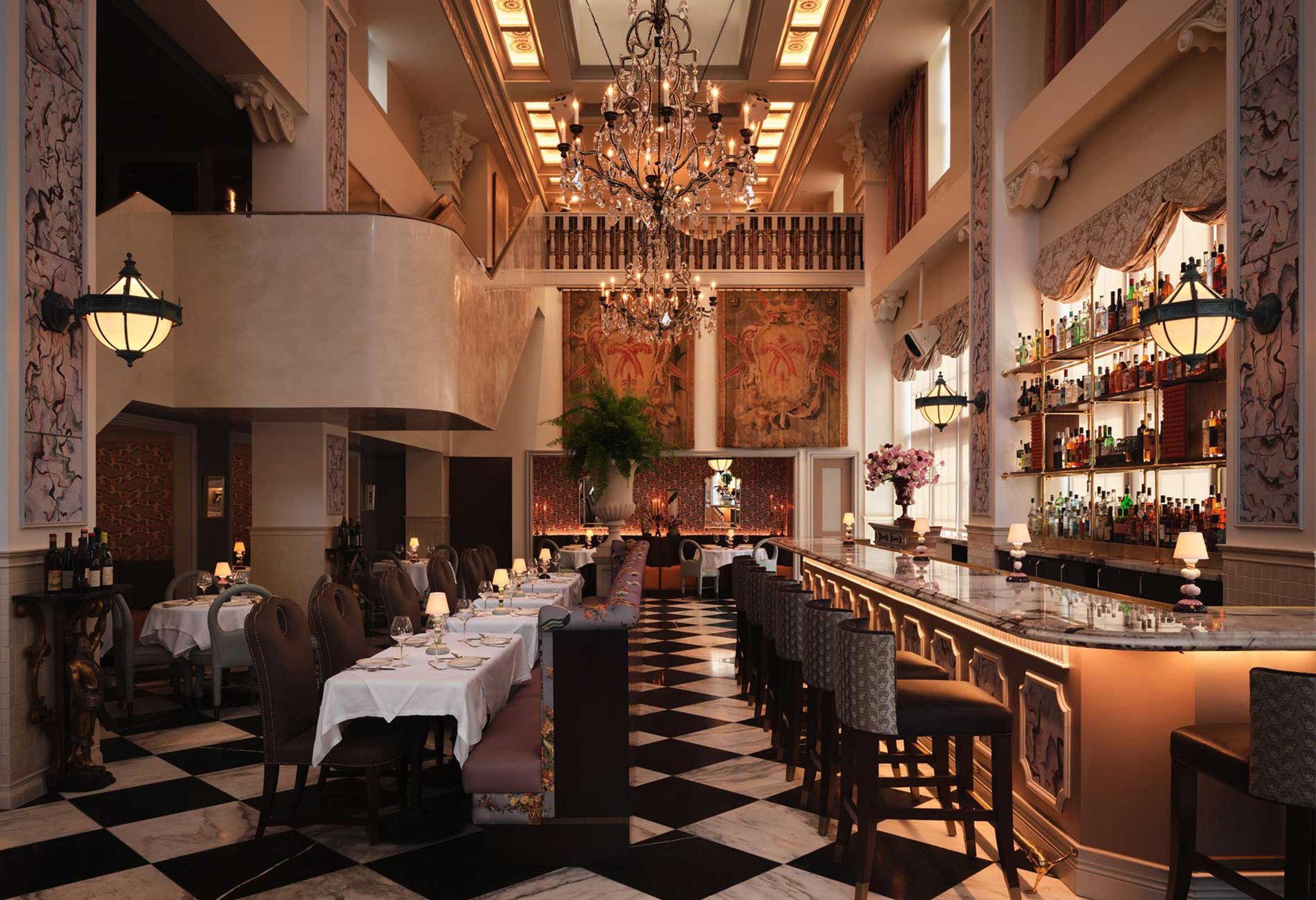
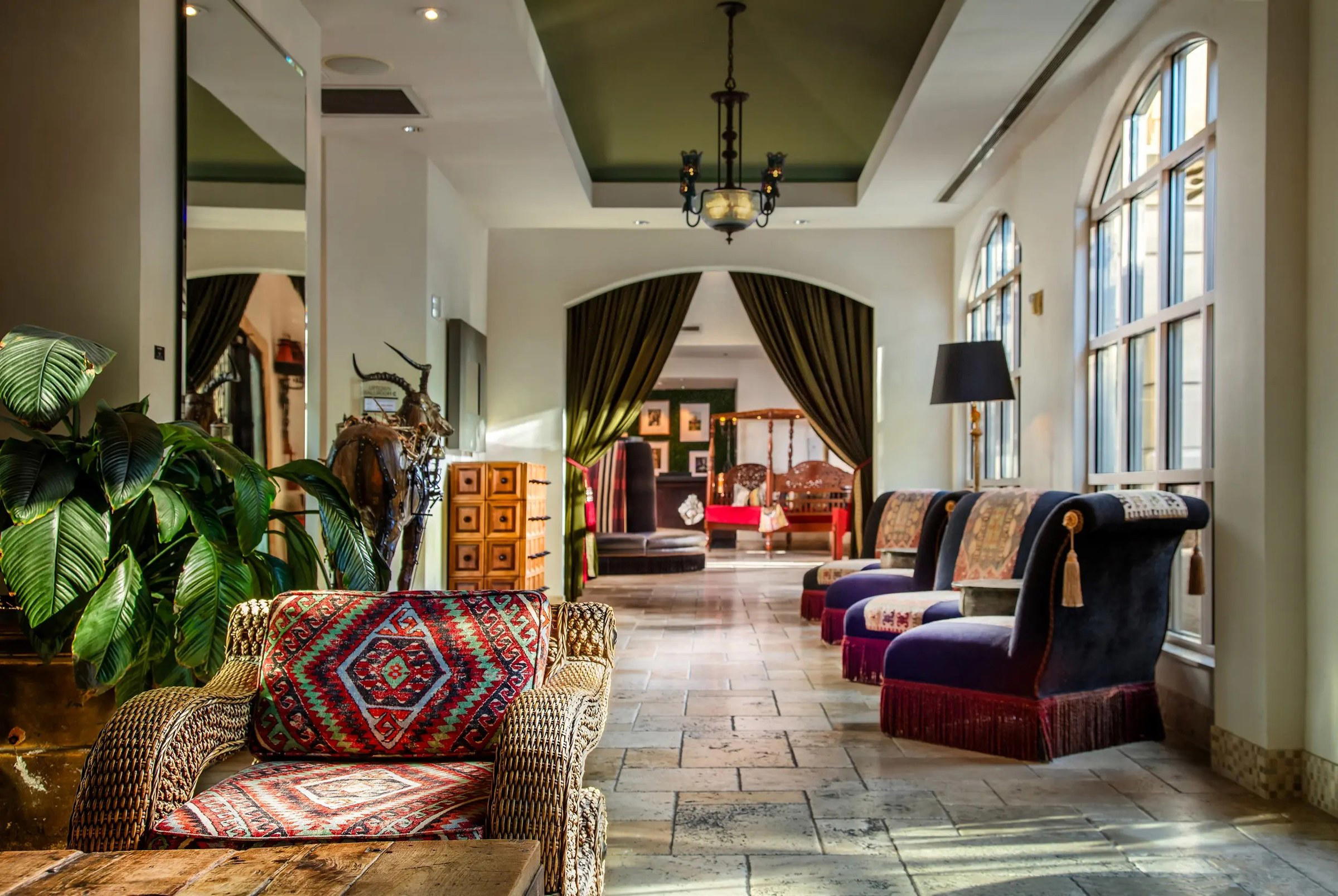
The physical approach sets a register that the interior continues. In North African restaurant design, the reference points tend toward pattern-rich tilework, warm amber lighting, and textiles that absorb sound and soften the room's edges. The result is a dining environment that slows the pace down, which is precisely what the cuisine requires. You do not rush through harissa-braised meat or a properly constructed couscous the way you might dispatch a Caesar salad. The room, when it works, becomes an argument for the food.
The Tradition Behind the Technique
North African cooking, which draws from Moroccan, Tunisian, Algerian, and Libyan traditions depending on the kitchen, belongs to one of the world's most sophisticated spice-blending cultures. Ras el hanout, a blend that can contain anywhere from twelve to thirty individual spices, is not seasoning in the Western sense: it is composition. Preserved lemon, harissa, chermoula, and argan oil each carry a flavor logic that took centuries to develop. When kitchens apply European or American culinary technique to those foundations, precise temperature control, modern plating geometry, controlled reduction, the result is a version of fusion that earns the word in a way that overused term rarely does.
Dallas, as a dining city, has absorbed this cross-continental approach across several categories. You can find Japanese precision applied to Texas beef at Tatsu Dallas, or South American formats reinterpreted for local palates at 12 Cuts Brazilian Steakhouse. The broader pattern, imported method, local or regional ingredients, global reference, defines much of what makes Dallas interesting right now rather than five years ago. Baboush fits that pattern from the North African side of the equation.
The intersection of indigenous North African products and trained technique is where kitchens in this category either succeed or collapse. Preserved lemon used correctly brings a fermented salinity that no fresh citrus replicates. Merguez spiced well carries a heat profile that builds rather than spikes. These are not effects you produce by approximation. They require ingredient sourcing discipline and a kitchen that understands the difference between using a flavor as a note versus using it as a background.
Baboush in Dallas's Wider Dining Frame
Across the American restaurant scene, the venues that have drawn sustained critical attention for this approach, marrying global spice tradition with serious kitchen technique, tend to be found on the coasts. Le Bernardin in New York City and Providence in Los Angeles represent the high end of cross-cultural technical precision, albeit in different protein categories. Atomix in New York City demonstrates what happens when Korean culinary tradition meets European fine-dining structure at a level that earns two Michelin stars. Smyth in Chicago and Lazy Bear in San Francisco each show how deep-rooted culinary identity can carry a menu without sacrificing technical ambition. Further afield, Atelier Moessmer Norbert Niederkofler in Brunico has built an internationally recognized case for hyper-local product discipline. Closer to home, Addison in San Diego and The Inn at Little Washington prove that serious technique outside major coastal metros can still anchor national conversations.
Dallas has its own version of this argument developing. Fearing's at the Ritz-Carlton has long anchored the Southwestern-American tier at the leading price point. Mamani brings a different global reference into the Dallas conversation. 3Eleven Kitchen and Cocktails and 360 Brunch House extend the range of what McKinney Avenue and its surrounding corridors offer in terms of format and occasion. Within this field, North African cooking occupies a genuinely thin niche. The category is not crowded in Dallas, which cuts two ways: less competition for the audience, but also less critical mass to educate that audience about what the cuisine actually requires to be done well. Venues like Baboush carry the weight of both opportunity and expectation.
For comparable depth of spice tradition applied at serious technical levels elsewhere, Blue Hill at Stone Barns in Tarrytown, Single Thread Farm in Healdsburg, and The French Laundry in Napa each illustrate how ingredient provenance and cooking philosophy can align at a level that generates long-term recognition. Emeril's in New Orleans remains a reference point for how a regional culinary tradition can be refined without being diluted. These are the benchmarks against which ambitious kitchens in any category are measured, regardless of geography.
Know Before You Go
Address: 3636 McKinney Ave #160, Dallas, TX 75204
Neighborhood: McKinney Avenue corridor, Uptown Dallas
Cuisine: North African
Booking is recommended, and hours are Monday through Thursday, 11 AM to 10 PM; Friday and Saturday, 11 AM to 11 PM; Sunday, 11 AM to 10 PM.
Timing: McKinney Avenue draws steady traffic on weekend evenings; weeknight visits tend to offer a calmer room.
Price range is about $40 per person.
Cuisine Lens
Comparable venues nearby, for context on price, style, and recognition.
| Venue | Cuisine | Price | Awards | Notes |
|---|---|---|---|---|
| BaboushThis venue — the venue you are viewing | Moroccan-Lebanese Fusion | $$$ | , | |
| Mathes and Co Events | Event Planning & Catering | $$$ | , | Bluffview |
| Woodlands American Grill | American Grill | $$$ | , | Preston Hollow |
| Claremont Neighborhood Grill | Upscale American neighborhood grill | $$$ | , | Preston Hollow |
| The Restaurant at Grange Hall | Modern American Lunch | $$$ | , | Oak Lawn |
| Selda Dallas | Turkish Mediterranean | $$$ | , | North Dallas |
Continue exploring
More in Dallas
Restaurants in Dallas
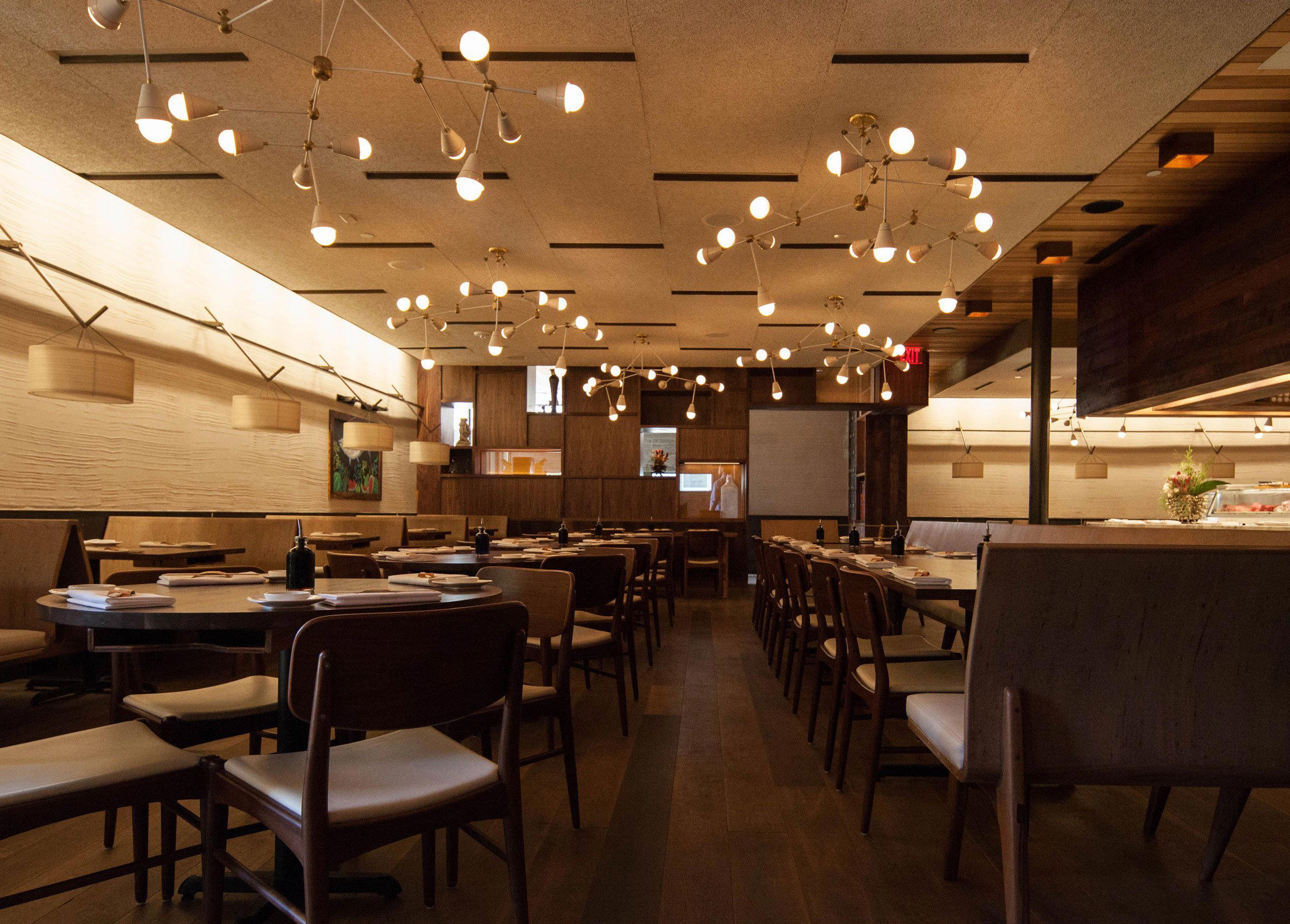
Browse all →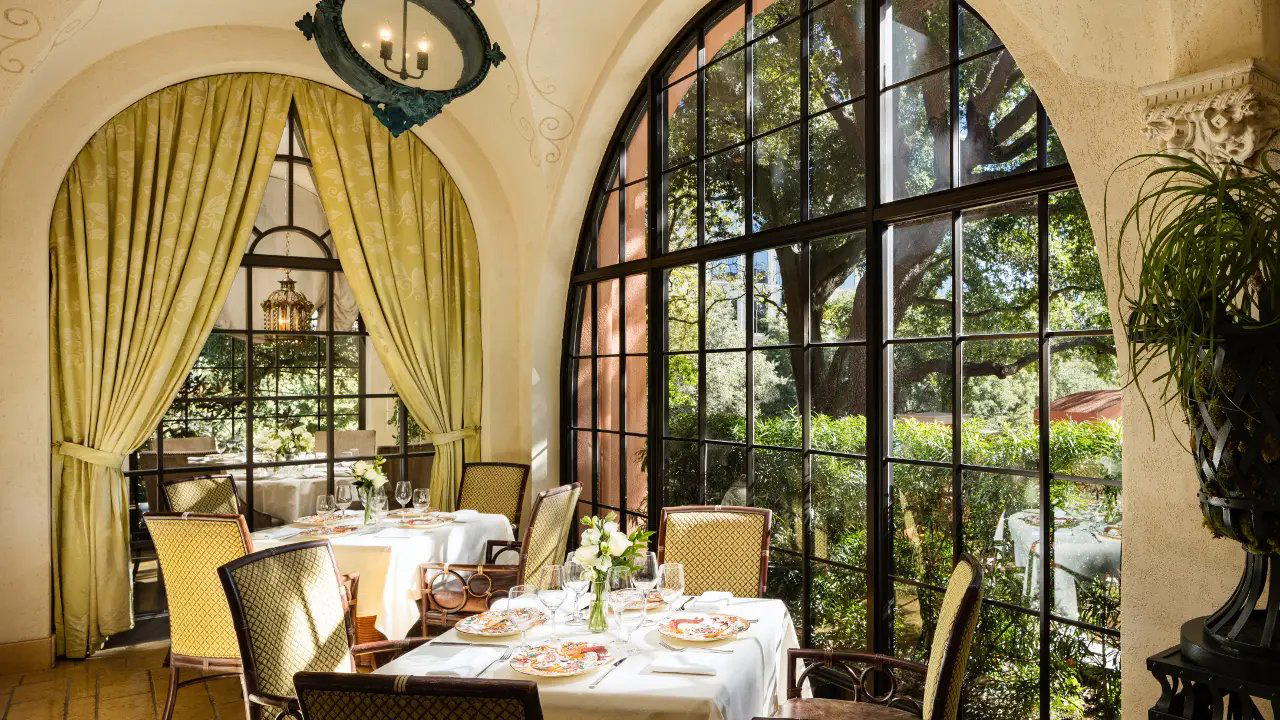
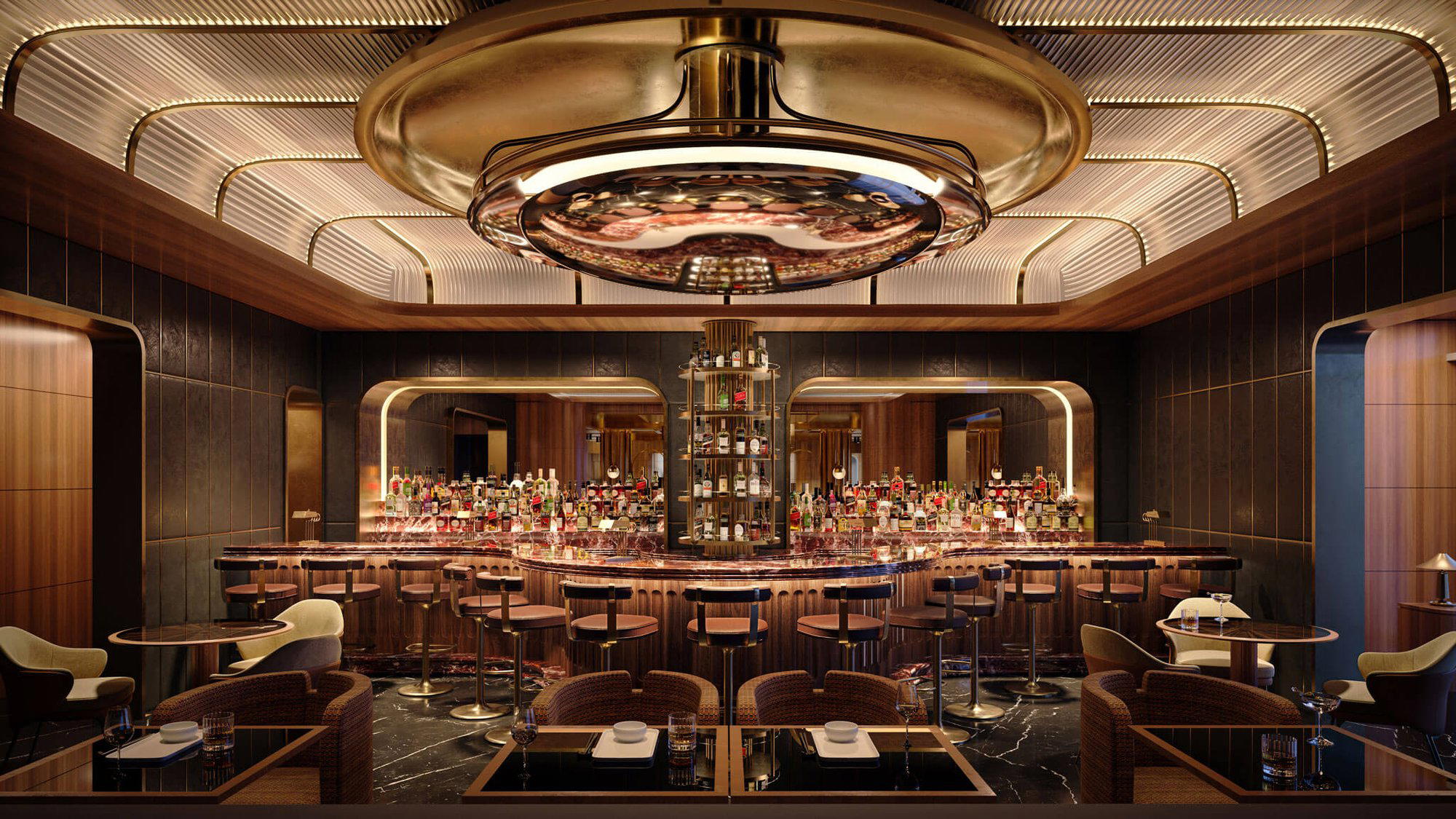
Bars in Dallas
Browse all →
Hotels in Dallas
Browse all →
At a Glance
- Intimate
- Cozy
- Elegant
- Trendy
- Date Night
- Group Dining
- Special Occasion
- Live Music
- Open Kitchen
- Craft Cocktails
Moroccan chic with cushy pillowed banquettes, glowing temple-like atmosphere evoking Marrakesh markets, ideal for intimate evenings.