

Baan Tepa Culinary Space places Bangkok’s Thai tasting-menu conversation close to the city’s street-food grammar: smoke, herbs, curry pastes, wok logic, and regional memory translated into a composed format. Chef Tam Chudaree Debhakam leads the kitchen, and the restaurant’s 2026 recognition includes one diamond in Black Pearl Restaurant Guide and rank 26 on OAD Top Restaurants in Asia.
Pearl is the En Primeur Club membership app — saves, bookings, and concierge access live there. Same editors, same standards.
- Address
- 2369 Ramkhamhaeng Rd, Bangkok, Bangkok, Thailand
- Phone
- +66 98 696 9074
- Website
- baantepabkk.com
 Saves & bookings on Pearl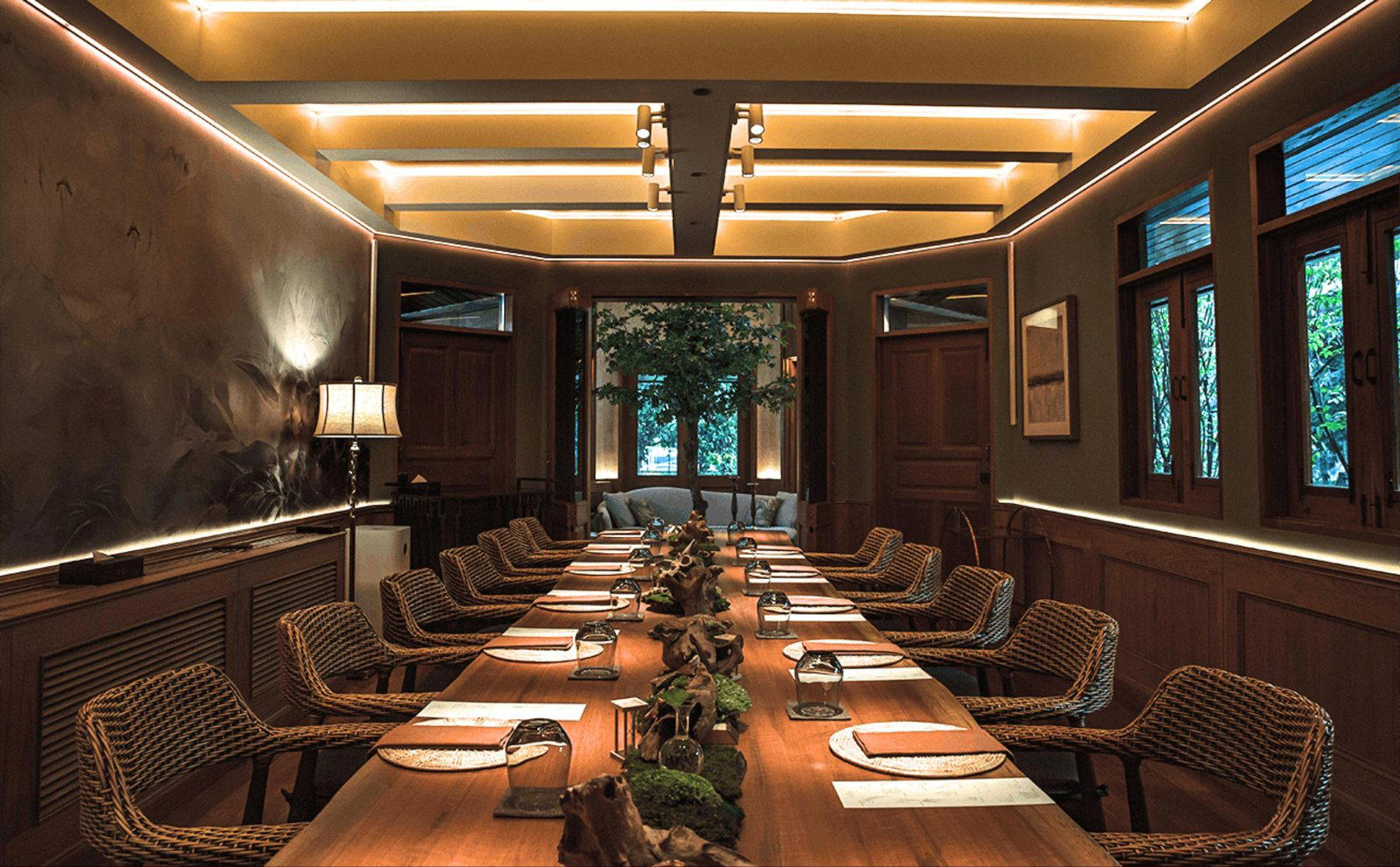
Approaching a serious Thai dining room in Bangkok means entering a city where the benchmark is not only fine dining. The sharper test is the street: charcoal grills, curry shops, noodle carts, wok stations, and cooks who balance chilli, acid, salt, smoke, and sweetness at speed. Baan Tepa Culinary Space sits at the more composed end of that conversation, but its relevance lies in carrying Bangkok’s informal food intelligence into a tasting-menu setting without losing the point of Thai cooking.
The Ramkhamhaeng address places it away from the hotel-dining corridors that shape much of Bangkok’s international restaurant traffic. That matters. Bangkok’s food culture is not centralized around one dining district; it spreads through residential roads, market streets, old commercial quarters, malls, and riverside hotels. A destination Thai restaurant outside the usual visitor circuit asks for attention focused less on convenience than on how the kitchen positions Thai flavor inside a premium format.
Street-food instincts in a composed Thai format
The strongest modern Thai rooms in Bangkok are no longer proving Thai cuisine can be formal. That argument is settled. The more interesting question is which parts of Thai cooking survive translation into a longer, more controlled meal. Hawker traditions are built on compression: a wok breathes fire for seconds, a curry paste carries days of preparation, a noodle bowl is assembled by hand and judged immediately. Fine dining stretches that pace, either revealing structure or sanding away urgency.
Baan Tepa Culinary Space is compelling within this newer Thai movement, where technique is not imported as decoration but used to clarify familiar structures: relish and vegetable, curry and rice, grilled protein and dipping sauce, herbaceous lift against fat, bitterness used with intent rather than apology. The restaurant’s Thai identity is not a tourist costume. It sits in a city whose reference points are close by, from family-run dining rooms to street stalls feeding office workers and late-night regulars for decades.
That context explains why Bangkok diners judge premium Thai restaurants with less patience than visitors sometimes do. The city already has deep access to regional cooking, old recipes, market produce, and casual specialists. A higher-price Thai experience must justify itself through sequencing, sourcing discipline, temperature control, sauce work, and the confidence to let a familiar idea remain legible. When it works, the meal does not feel like Thai food translated for luxury; it feels like the city’s grammar edited for slower reading.
Chef Tam Chudaree Debhakam gives the kitchen a clear public anchor, but the restaurant is better read through Bangkok’s shift from heritage revival to contemporary Thai authorship. The city has moved beyond simple nostalgia. Restaurants now draw from cookbooks, family dishes, regional research, market practice, and modern technique, then compete on how convincingly they connect those pieces. Baan Tepa Culinary Space sits inside that argument.
Recognition places it in Bangkok's serious Thai bracket
The awards signal the scrutiny. In 2026, Baan Tepa Culinary Space is listed as a one-diamond restaurant by Black Restaurant Guide and ranked 26 on OAD Top Restaurants in Asia. These are not decorative badges; they place the restaurant in a competitive regional field where Thai kitchens are judged against ambitious restaurants across Asia, not merely visitor expectations for Bangkok.
For travelers, that recognition helps because Bangkok has a broad dining spread. One trip can include polished Thai tasting menus, old-school curry houses, seafood counters, hotel dining rooms, and late-night noodle specialists. The question is not whether one format replaces another, but how to allocate meals. A restaurant like this belongs to the planned part of an itinerary, while the city’s casual eating should stay just as deliberate. The smarter Bangkok schedule leaves room for both.
EP Club’s Bangkok coverage maps that wider field across categories: start with Our full Bangkok restaurants guide, then use Our full Bangkok hotels guide, Our full Bangkok bars guide, Our full Bangkok wineries guide, and Our full Bangkok experiences guide to build the rest of the trip. Within the Thai restaurant spectrum, related Bangkok pages such as Aksorn, Baan, Baan Ice Restaurant, Baan Nual, and Baan Pee Lek show how varied the city’s Thai dining registers have become.
How to think about the meal in a Bangkok itinerary
This restaurant works better when it is not treated as the only Thai meal of a trip. Bangkok rewards contrast. A polished dinner gains meaning after market snacks, noodles in a commercial district, or a southern Thai lunch with sharper heat and less ceremony. The city teaches the palate quickly: grill smoke, lime in salad, coconut fat in curry, fermented funk in relish, basil and chilli from a hot wok. A composed dinner becomes easier to read because the references are fresh.
That approach also protects the restaurant from the wrong expectation. The value is not spectacle for its own sake, but whether Thai flavor logic remains intact inside a longer format. Diners seeking a broad, street-level survey of Bangkok should not make any single tasting menu carry that burden. Diners who understand that the city’s casual food and formal Thai rooms speak to each other will find a more precise reason to be here.
For context beyond Bangkok, EP Club’s restaurant index includes Thai and regional entries across Thailand and abroad, from 266/1 Siam Square Soi 3 in Pathum Wan and A Pong Mae Sunee in Phuket to รà¹à¸²à¸à¸à¸±à¸¡ à¸à¸²à¸à¸¹ à¸à¸´à¹à¸à¸¢à¹à¸²à¸ à¹à¸à¸à¸¸à¸à¹à¸à¸à¸¢à¸²à¸à¸à¸³ in Mueang Khon Kaen, à¸à¹à¸§à¸¢à¹à¸à¸µà¹à¸¢à¸§à¸«à¸¡à¸µà¹à¸à¸´à¸ สาà¸à¸² à¸à¸à¸à¸¡à¸´à¸à¸£à¸ าภà¸à¸¸à¸à¸£-หà¸à¸à¸à¸à¸²à¸¢ in Mueang Udon Thani, à¸à¹à¸§à¸¢à¹à¸à¸µà¹à¸¢à¸§à¹à¸à¹à¸¡à¸°à¸£à¸°à¸à¹à¸²à¸à¸à¸±à¸ in Mueang Nakhon Pathom, and สุà¸à¹à¸à¹à¸¥à¸à¸à¹ in Ban Fang. Outside Thailand, Ahaan Thai, Thai in Arosa and AIMY, Thai in Munich show how Thai cooking changes when removed from its home market. Bangkok gives the restaurant the harder task: cooking Thai food in a city that already knows exactly what Thai food can do.
Comparable venues nearby, for context on price, style, and recognition.
| Venue | Cuisine | Price | Notes |
|---|---|---|---|
| Baan Tepa Culinary SpaceThis venue — the venue you are viewing | Creative Thai farm-to-table tasting menu | $$$$ | Not listed |
| Baan Rim Pa Patong | Royal Thai Cuisine | $$$$ | Patong |
| Jim Thompson, A Thai Restaurant | Modern Thai Fine Dining | $$$$ | Prathunam |
| Waldorf Astoria Bangkok | Contemporary Thai with Nordic Influences | $$$$ | Siam Square |
| Wan Fah | Authentic Thai Boat Dinner Cruise | $$$ | Chakkaphat |
| Somyos | Thai with Chinese influences | $$ | Ban Song Krathiam |
Recognition history
Dated appearances from independent guides and award organizations, with the underlying list record or original source where available.
Black Pearl 1 Diamond
Black Pearl
Opinionated About Dining Top Restaurants in Asia Ranked #26
Opinionated About Dining
At a Glance
- Elegant
- Intimate
- Sophisticated
- Modern
- Rustic
- Special Occasion
- Celebration
- Date Night
- Business Dinner
- Group Dining
- Private Event
- Garden
- Open Kitchen
- Design Destination
- Historic Building
- Standalone
- Extensive Wine List
- Craft Cocktails
- Sommelier Led
- Zero Proof
- Farm To Table
- Local Sourcing
- Sustainable Seafood
- Zero Waste
- Organic
- Garden
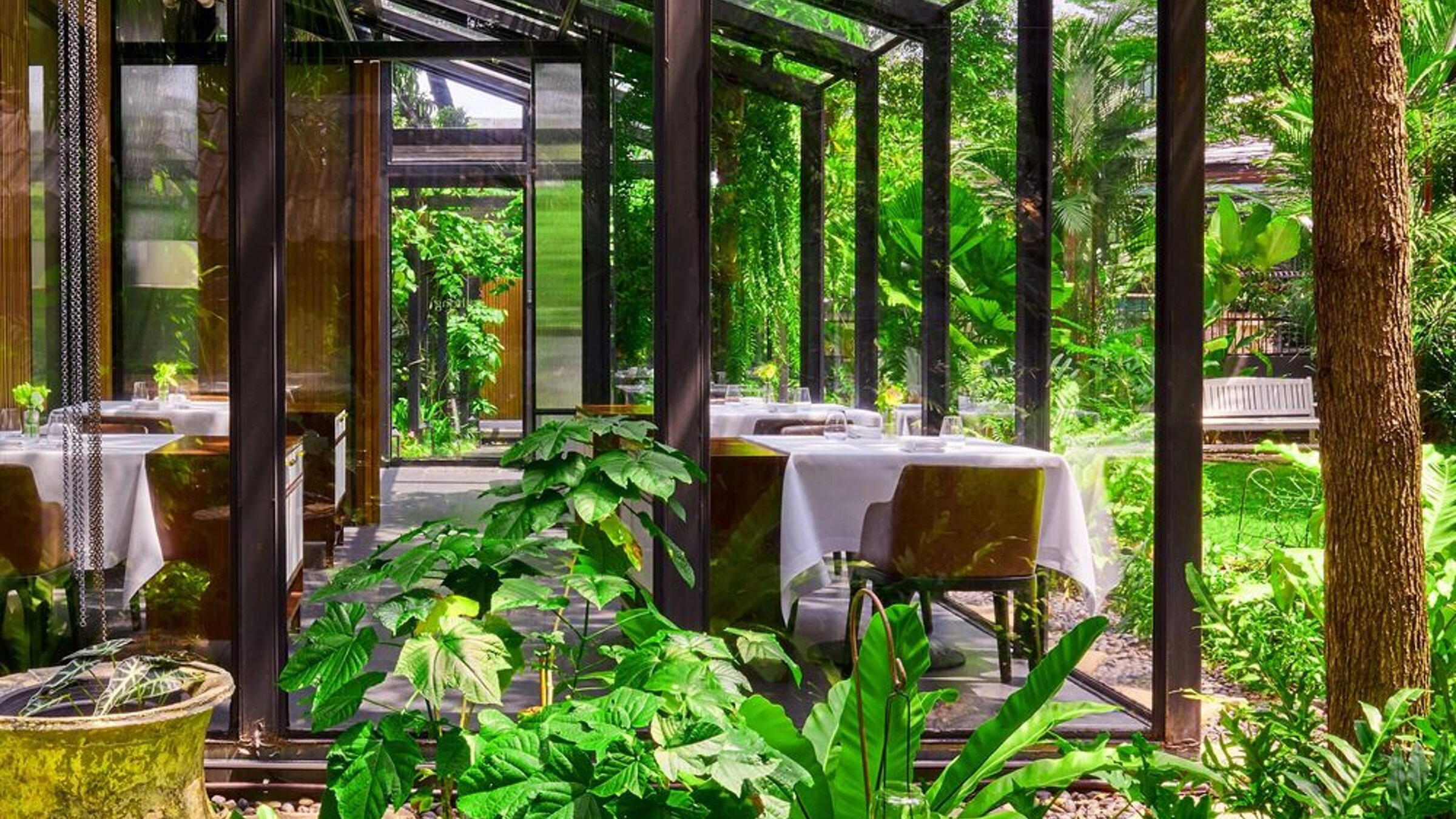
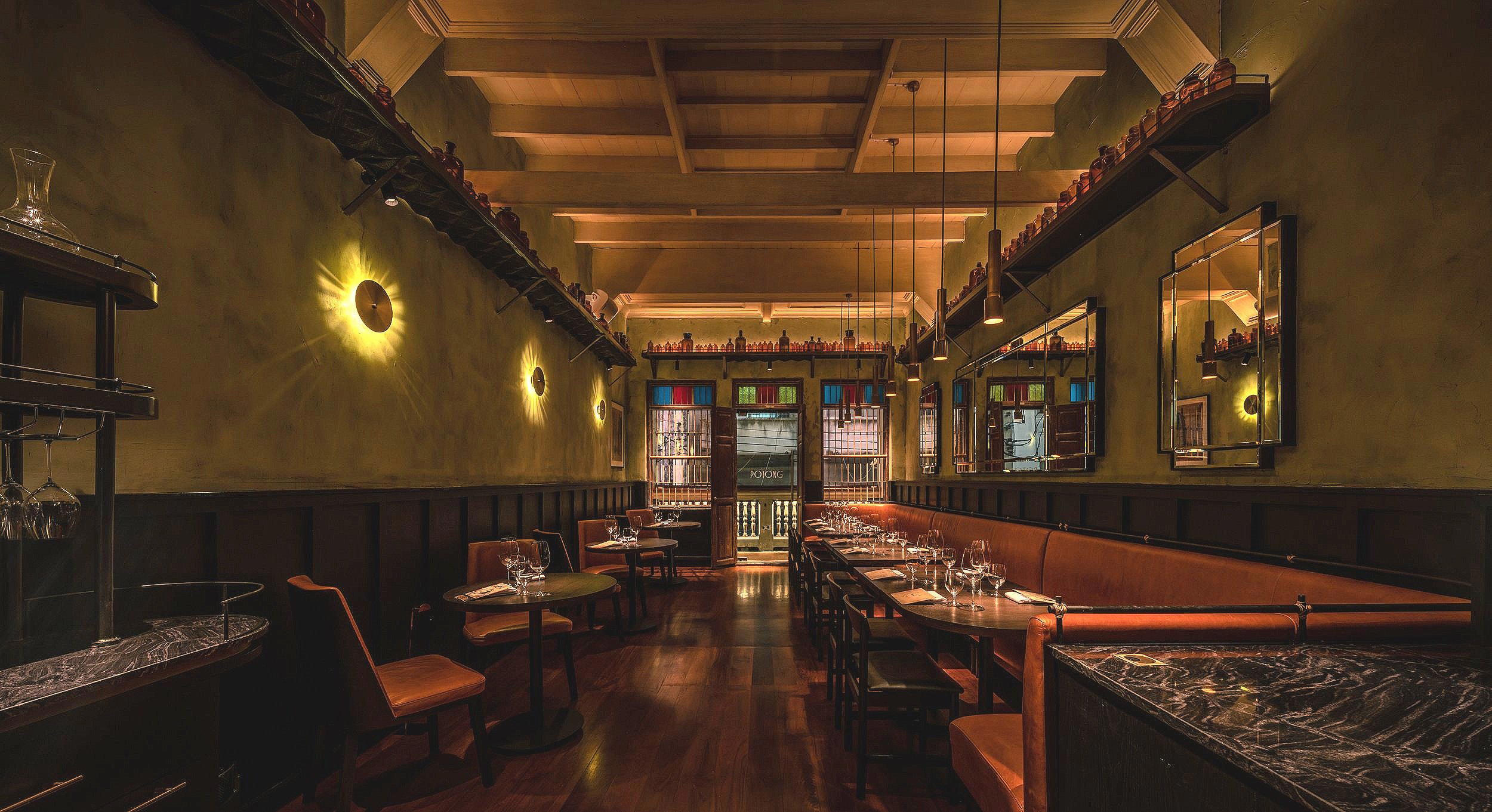
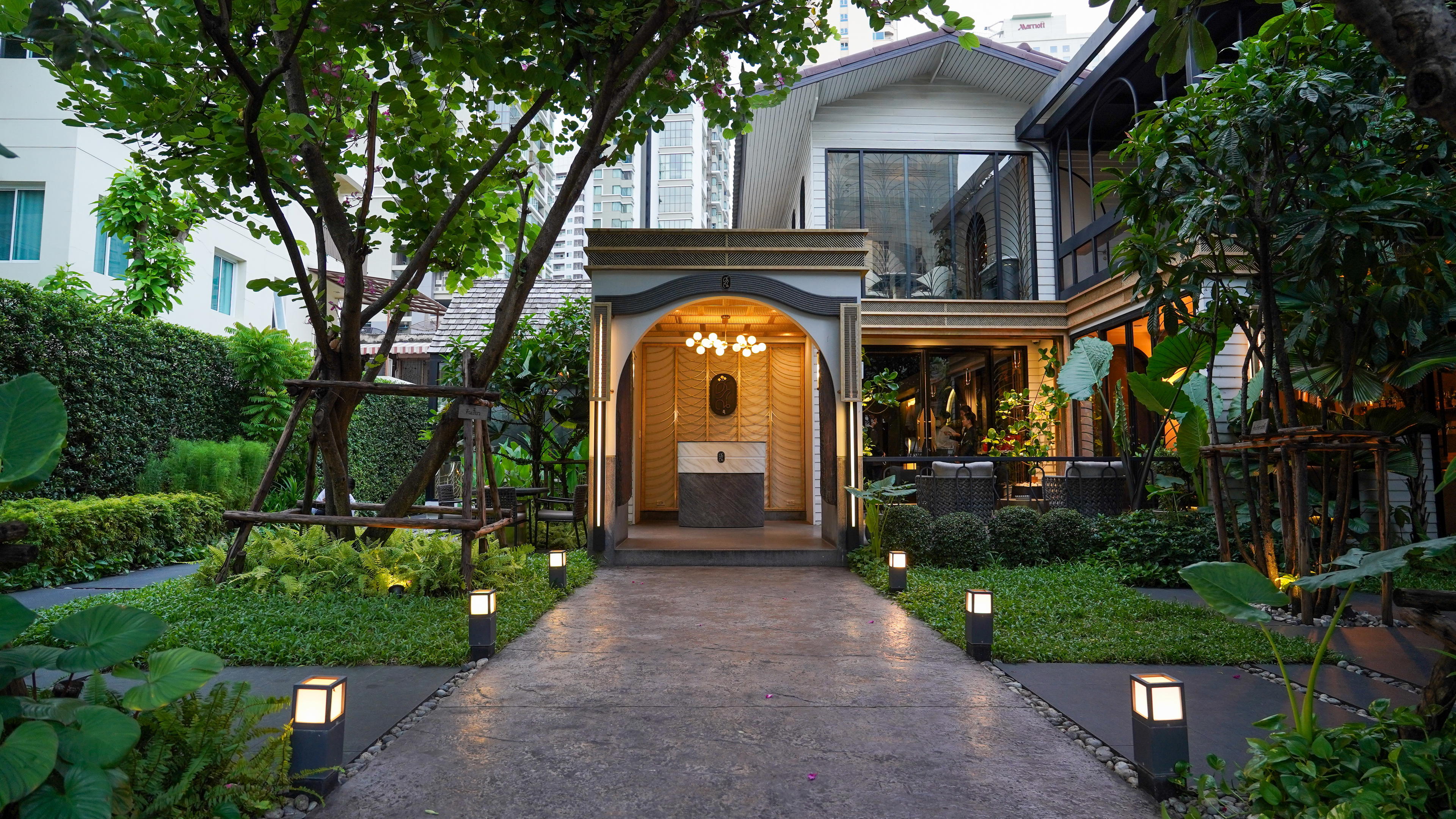
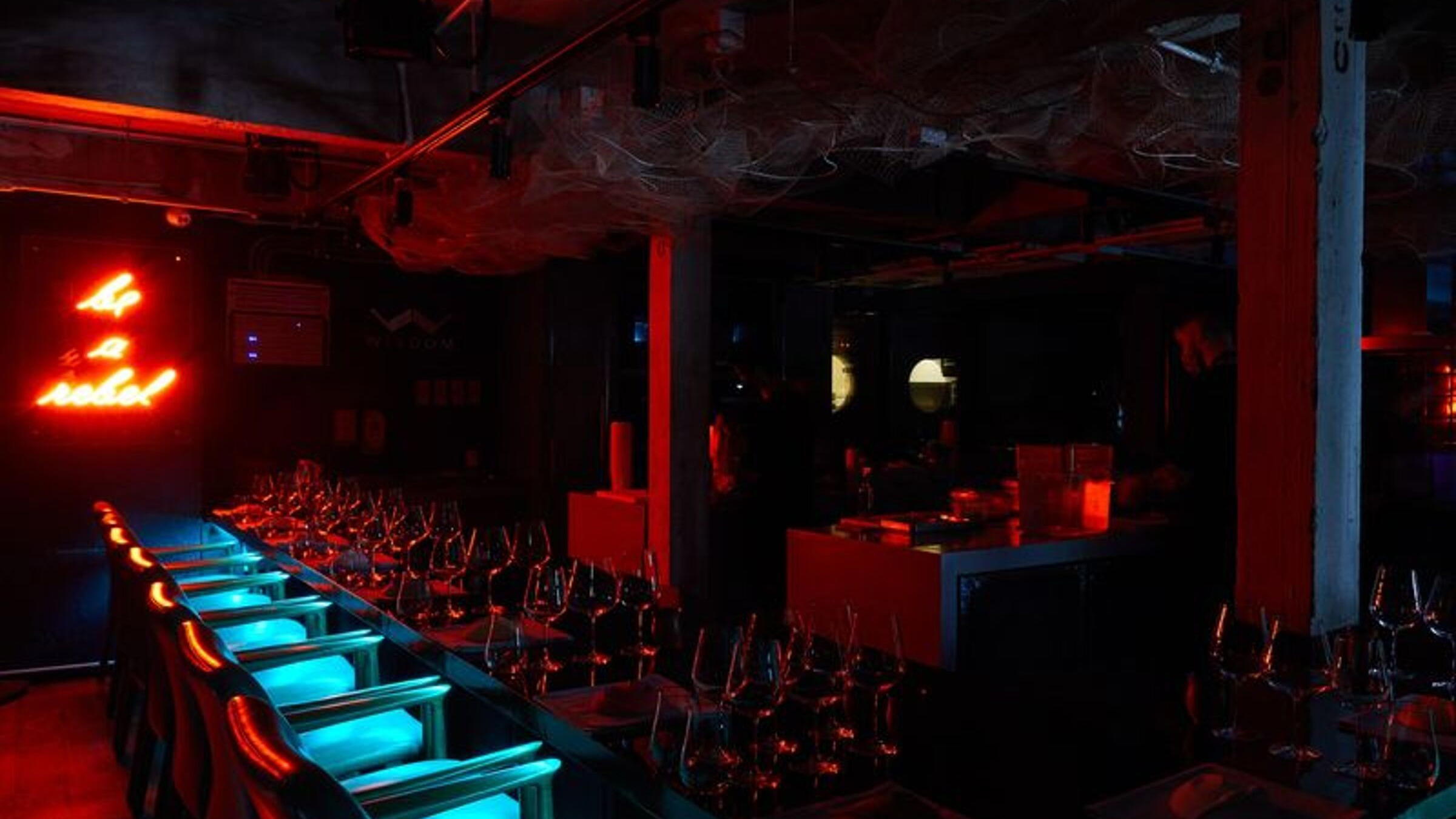
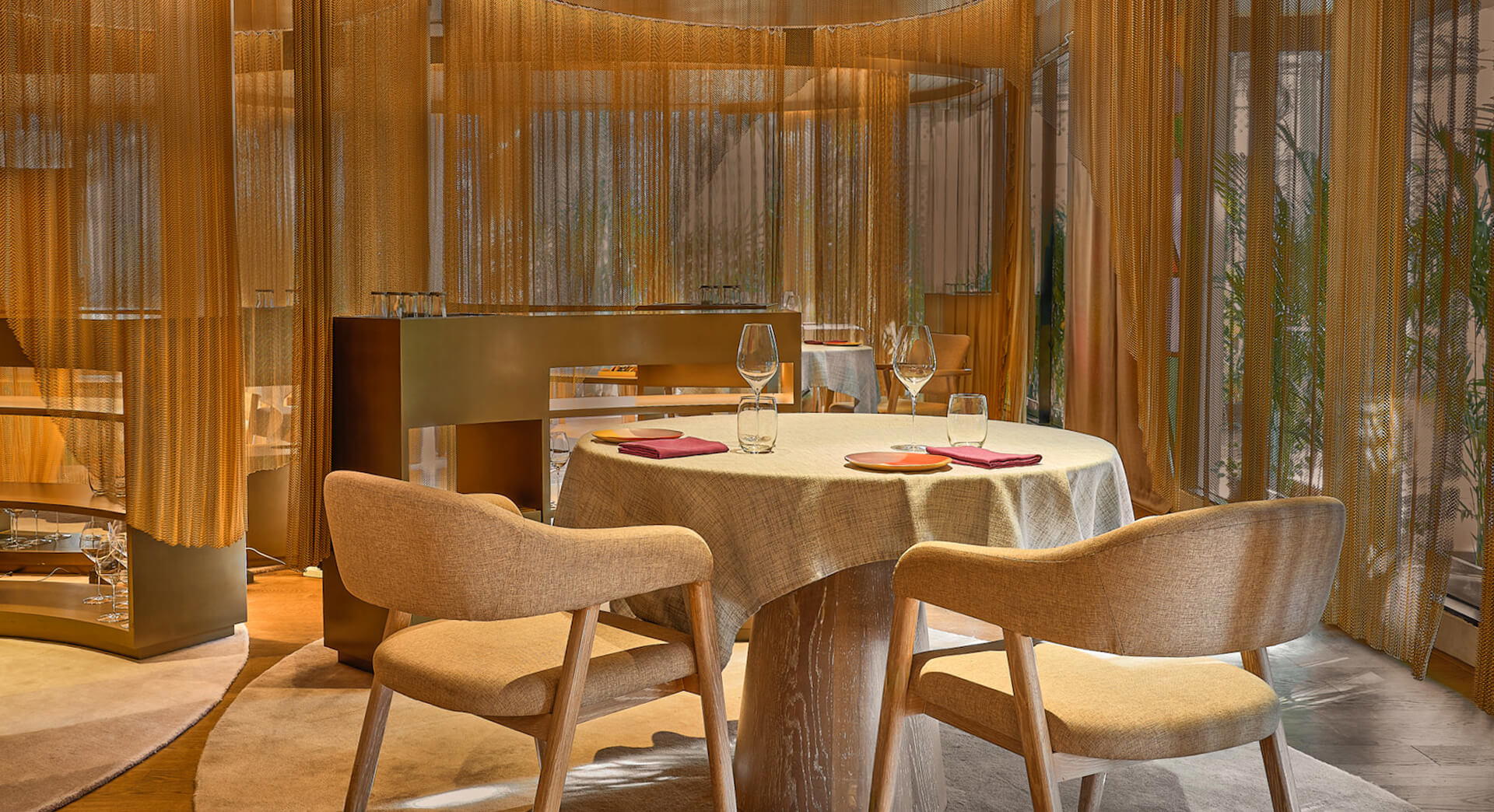
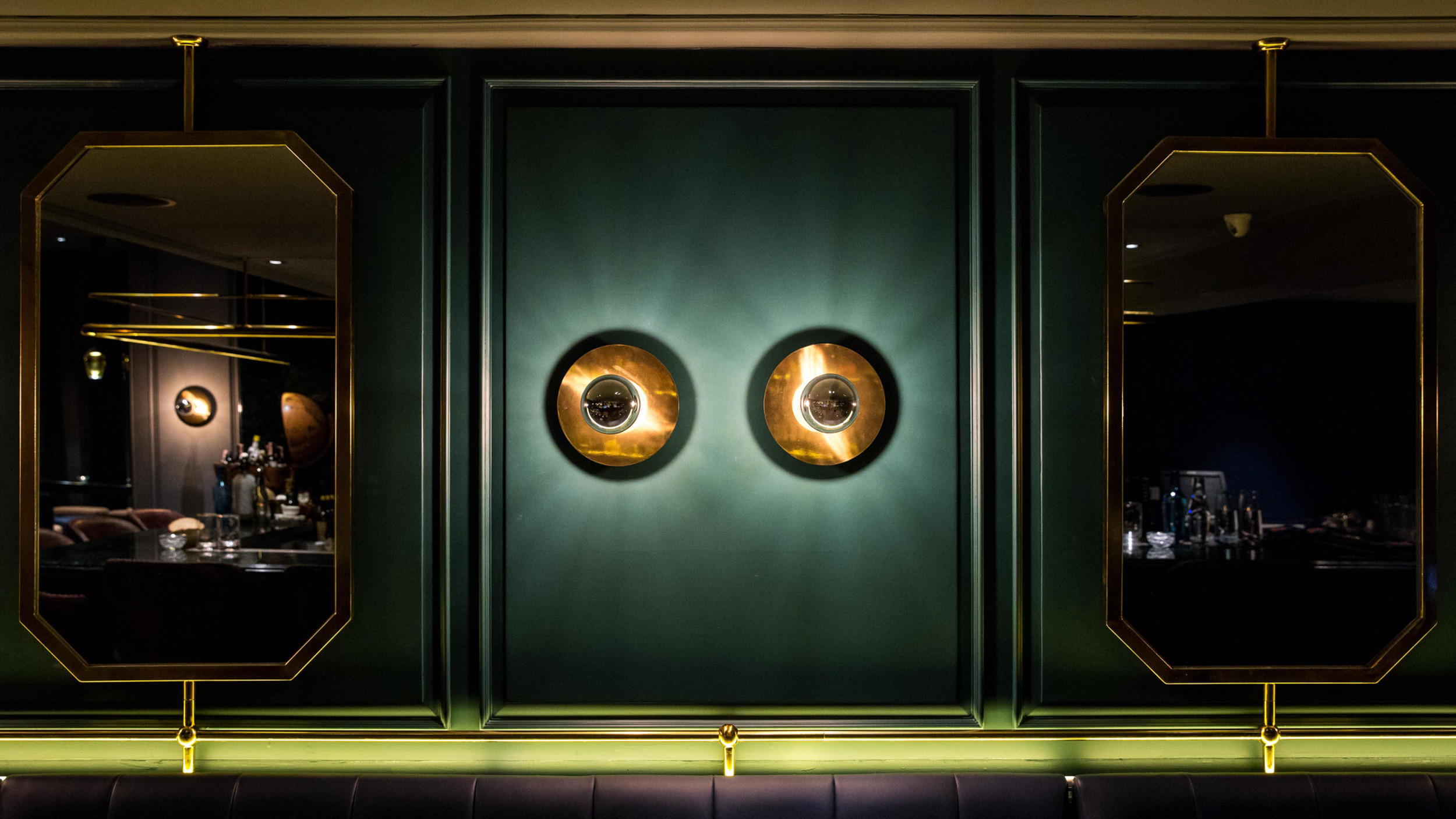
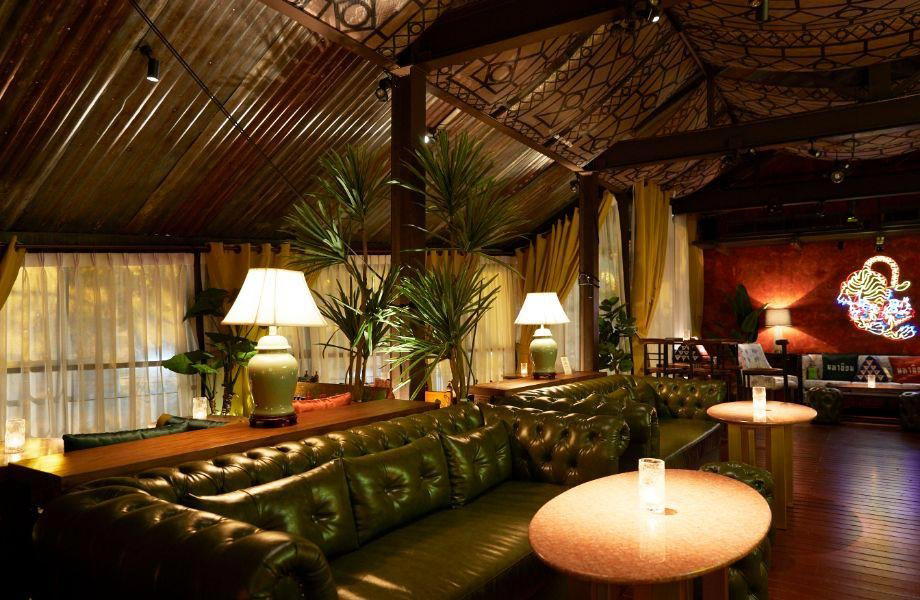
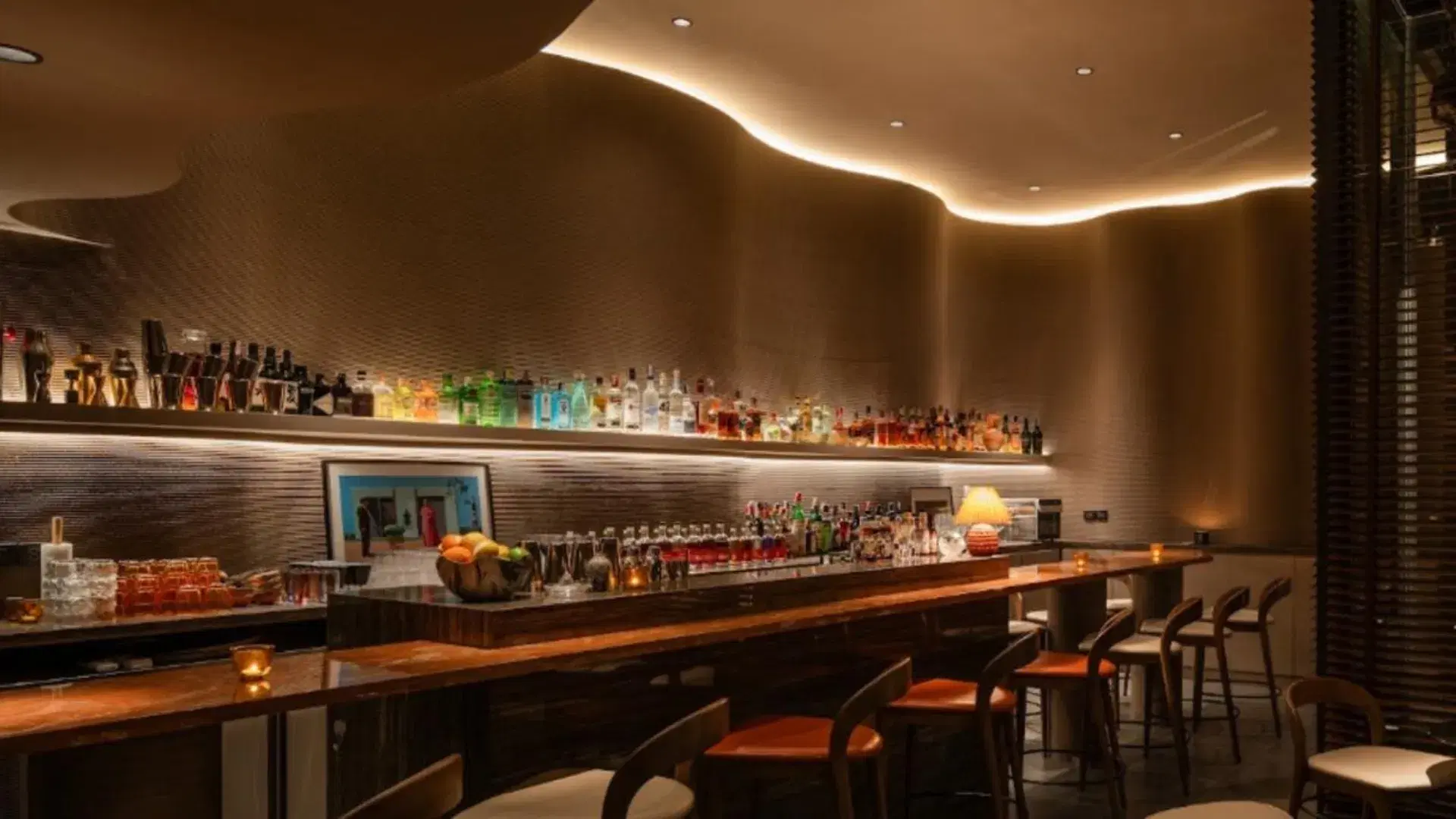
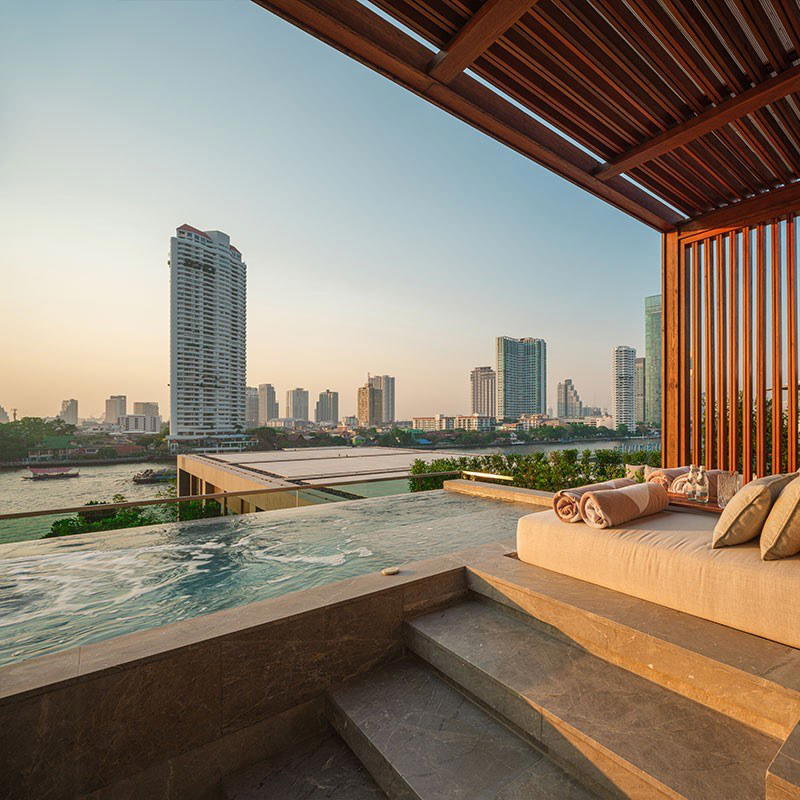
Refined and intimate house-like setting that feels like visiting a private residence, with warm, minimalist-modern interiors opening onto the lush Tepa Garden, emphasizing calm, storytelling-driven dining rather than bustle.