Ba Be on Hoàng Văn Thụ is Da Nang's address for the central Vietnamese rice-cake trinity: banh beo, banh nam, and banh bot loc. These steamed and folded preparations trace directly to Hue court cooking and remain largely absent from menus outside Central Vietnam. For visitors trying to read the city's street-food geography, this spot anchors the local end of the spectrum.
Pearl is the En Primeur Club membership app — saves, bookings, and concierge access live there. Same editors, same standards.
- Address
- 100 Hoàng Văn Thụ, Phước Ninh, Hải Châu, Đà Nẵng 550000, Vietnam
- Phone
- +84 906 450 463
- Website
- foody.vn
- Directions
- Get directions
 Saves & bookings on Pearl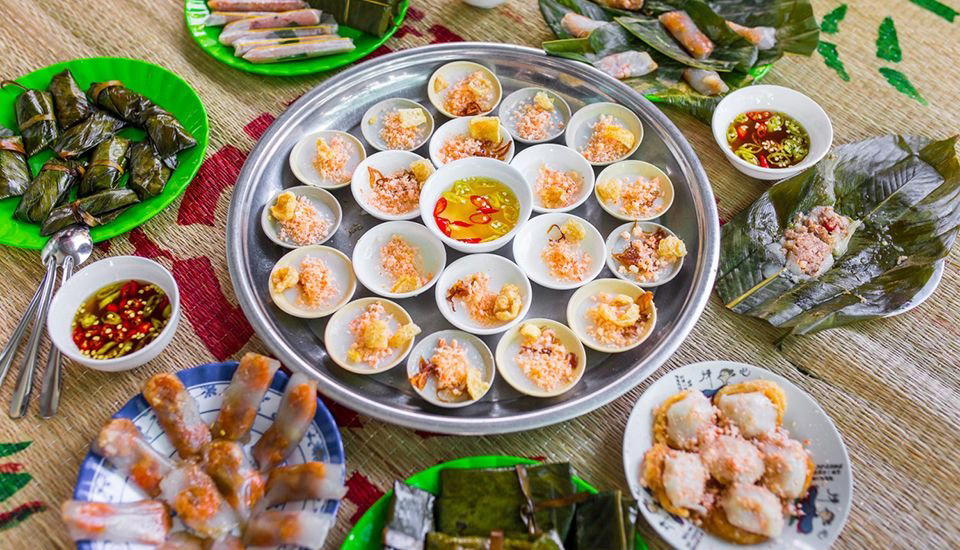
Da Nang's Rice-Cake Tradition, Served Straight
Central Vietnam has one of the most precise street-food traditions in Southeast Asia, and nowhere is that precision more legible than in the cluster of dishes built around rice flour and steam. Banh beo, banh nam, and banh bot loc are not variations on a theme so much as three distinct applications of the same raw material logic: wet-milled rice, shaped differently, filled differently, and served at different textures. The fact that a single address on Hoàng Văn Thụ in Da Nang has named itself after all three simultaneously is less a marketing decision than a declaration of focus. Ba Be does one category of Central Vietnamese cooking and does not dilute the menu with concessions to tourist preferences.
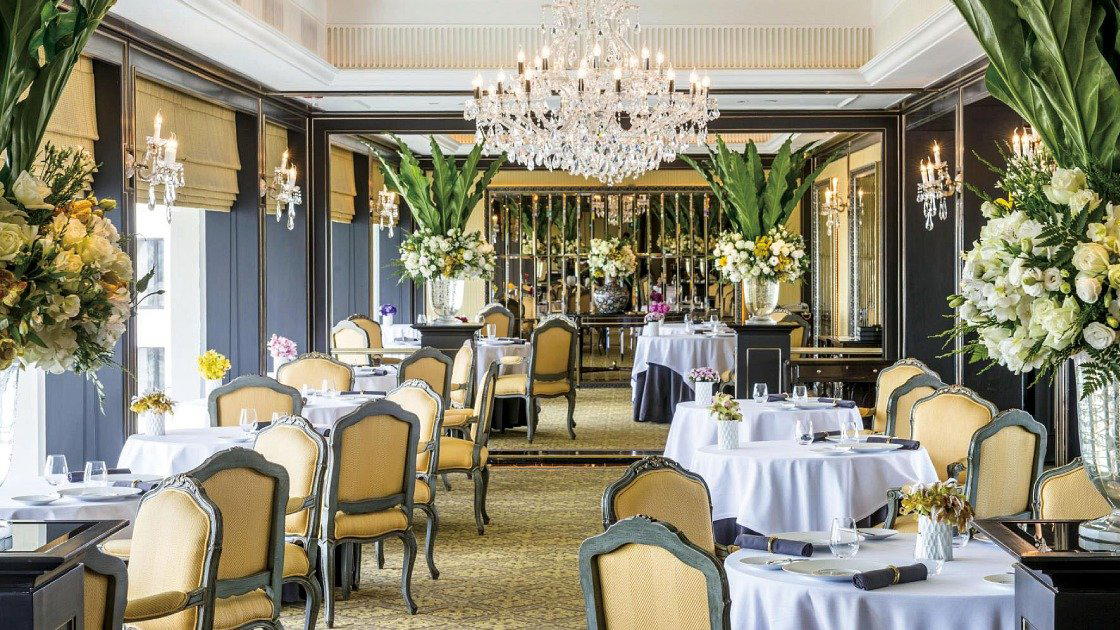
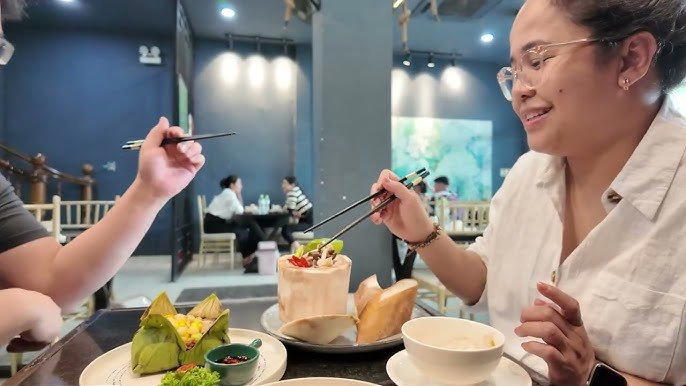
That focus matters in a city where the dining spectrum now runs from La Maison 1888 (French Contemporary) at the formal end to single-dish street stalls at the other. Ba Be sits firmly at the local end of that spectrum, which in Da Nang's Hải Châu district means plastic stools, shared tables, and portions priced for daily consumption rather than occasional dining. Visitors who have already oriented themselves through our full Da Nang restaurants guide will recognise the address as part of a cluster of specialist vendors in the Phước Ninh neighbourhood.
Where These Dishes Come From
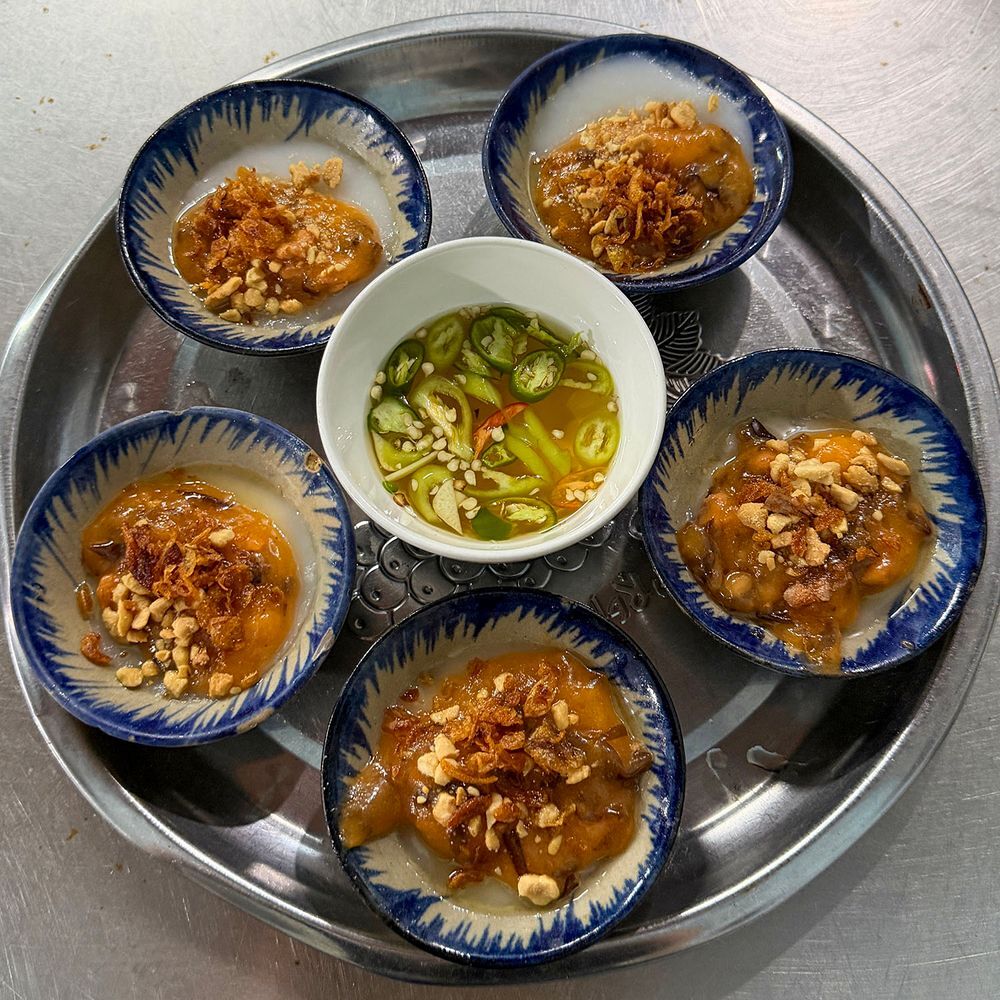
The sourcing logic behind banh beo, banh nam, and banh bot loc begins with geography. Central Vietnam, particularly the corridor running from Hue through Da Nang, has a rice-growing and freshwater shrimp culture that gave rise to this set of preparations centuries ago. Banh beo, the small steamed rice discs topped with dried shrimp and scallion oil, trace their documented lineage to Hue's imperial court cuisine, where small, refined portions were a feature of royal dining culture. Banh nam, the flat banana-leaf-steamed cake, uses the same base flour but gains its character from the banana leaf itself during cooking. Banh bot loc, the translucent tapioca-dough dumpling with shrimp or pork filling, uses a different starch altogether and achieves its chewy, gelatinous texture through a brief boiling or steaming process.
The ingredient chain for all three is short and local: wet-milled rice or tapioca starch, dried or fresh shrimp from the Central Vietnamese coast, pork, and aromatics including scallion oil and fish sauce-based dipping condiments. This is not a cuisine built on imported luxuries. Its complexity is entirely technical, residing in the ratio of starch to water, the timing of the steam, and the balance of the dipping sauce. Restaurants in this category do not distinguish themselves through rare or expensive sourcing. They distinguish themselves through consistency of execution across very narrow tolerances. For a parallel in the specialist small-plate format elsewhere in Vietnam, Saffron in Hue City works within a similarly precise Central Vietnamese register, though at a different price point.
Reading the Menu at Ba Be
Three-dish format that gives the restaurant its name represents the standard approach for this category across Da Nang and Hue. Ordering typically involves choosing quantities of each type rather than selecting from a broader menu. Banh beo arrives in small ceramic cups or on saucers, stacked in sets. Banh nam comes folded inside banana leaves, unwrapped at the table. Banh bot loc is served in small batches with nuoc cham on the side. A full sitting across all three preparations is designed to be consumed in sequence, moving from the lightest texture to the most substantial.
This format is worth understanding before arriving. Ba Be is not a restaurant where you order a single dish and build a meal around it. The rhythm is cumulative, and the portion sizes are calibrated to allow multiple preparations per visit. Street-food specialists of this type in Da Nang, such as Bà Diệu and Bà Diệu (Tran Tong Street), operate on a similar logic of small portions and sequential eating. For a broader noodle-focused comparison in the same price register, Bà Đông (Noodles) works a parallel specialist format a short distance away.
The Neighbourhood and Practical Context
Hoàng Văn Thụ runs through Hải Châu, Da Nang's central commercial district. The street is not a tourist corridor in the way that the riverfront or the Han Market surroundings tend to be. It functions as a working neighbourhood eating street, and Ba Be sits within that fabric. Mornings and lunchtimes are the natural hours for this style of eating across Central Vietnam, as the dishes are light enough to function as breakfast or a mid-morning meal and were historically consumed in that pattern. Visitors arriving at dinner may find availability reduced or the kitchen already wound down, a common characteristic of this category throughout the region.
Getting there from central Da Nang is direct by motorbike taxi or private car. The address at 100 Hoàng Văn Thụ, Phước Ninh is specific enough for mapping apps to locate without difficulty. No booking infrastructure exists for venues in this category; arrival and queuing are the standard entry mechanism. For those mapping a wider street-food day across Da Nang districts, Mi Quang Ba Vi in Thanh Khe and Banh Mi Ba Lan offer other specialist formats that can be combined into a coherent morning or midday circuit.
Central Vietnamese Cooking Across the Region
The banh beo and banh bot loc tradition does not exist in isolation. It belongs to a broader pattern of hyper-specialised, technique-driven street cooking that characterises Central Vietnam and separates it from both the pho-dominated north and the more eclectic south. Travellers who have encountered this register at Cargo Club Cafe & Restaurant in Hoi An, which packages Central Vietnamese dishes for a mixed audience, will find Ba Be operating without those accommodations. For context at the high-technique end of Vietnamese cooking in other cities, Gia in Hanoi and Akuna in Ho Chi Minh City represent how the same culinary tradition gets interpreted at the fine-dining tier. Ba Be is the opposite end of that continuum: no mediation, no reframing, just the preparation itself.
For readers plotting a longer coastal journey, the Central Vietnamese rice-cake tradition extends into the surrounding districts. Bau Troi Do in Son Tra and Nhà hàng Madame Lân in Hai Chau each work different parts of the Central Vietnamese register within the broader Da Nang area. The rice-cake format specifically, however, is leading traced through the street-level specialists of Hải Châu and Phước Ninh rather than through venues that have broadened their scope.
How Ba Be Da Nang compares with similar nearby venues.
| Venue | Cuisine | Price |
|---|---|---|
| Mỳ Quảng Sứa Hồng Vân | Street Food | ₫ |
| Ngọc Chi | Vegetarian | ₫ |
| Bếp Hên | Vietnamese | ₫ |
| Bún Riêu Cua 39 | Noodles | ₫ |
At a Glance
- Classic
- Rustic
- Casual Hangout
- Group Dining
- Family
- Standalone
- Local Sourcing
Current opening hours
- Monday
- 6 AM–6 PM
- Tuesday
- 6 AM–6 PM
- Wednesday
- 6 AM–6 PM
- Thursday
- 6 AM–6 PM
- Friday
- 6 AM–6 PM
- Saturday
- 6 AM–6 PM
- Sunday
- 6 AM–6 PM
Hours can change for holidays and private events. Last verified .
Know Before You Go
- Getting there
- 100 Hoàng Văn Thụ, Phước Ninh, Hải Châu, Đà Nẵng 550000, Vietnam