
A forty-year-old specialist stall on Phan Chau Trinh that serves only two dishes: bánh bèo and bánh đập. Both are made to order, built on steamed rice bases and topped with pork, wood ear mushroom, shallots, and peanuts. Minimal seating, afternoon hours, and prices that reflect Da Nang's street-food economy rather than restaurant margins.
Pearl is the En Primeur Club membership app — saves, bookings, and concierge access live there. Same editors, same standards.
- Address
- 251 Phan Chau Trinh Street, Hai Chau Ward, Da Nang, Da Nang Region, 550000, VNM
- Website
- guide.michelin.com
- Directions
- Get directions
 Saves & bookings on Pearl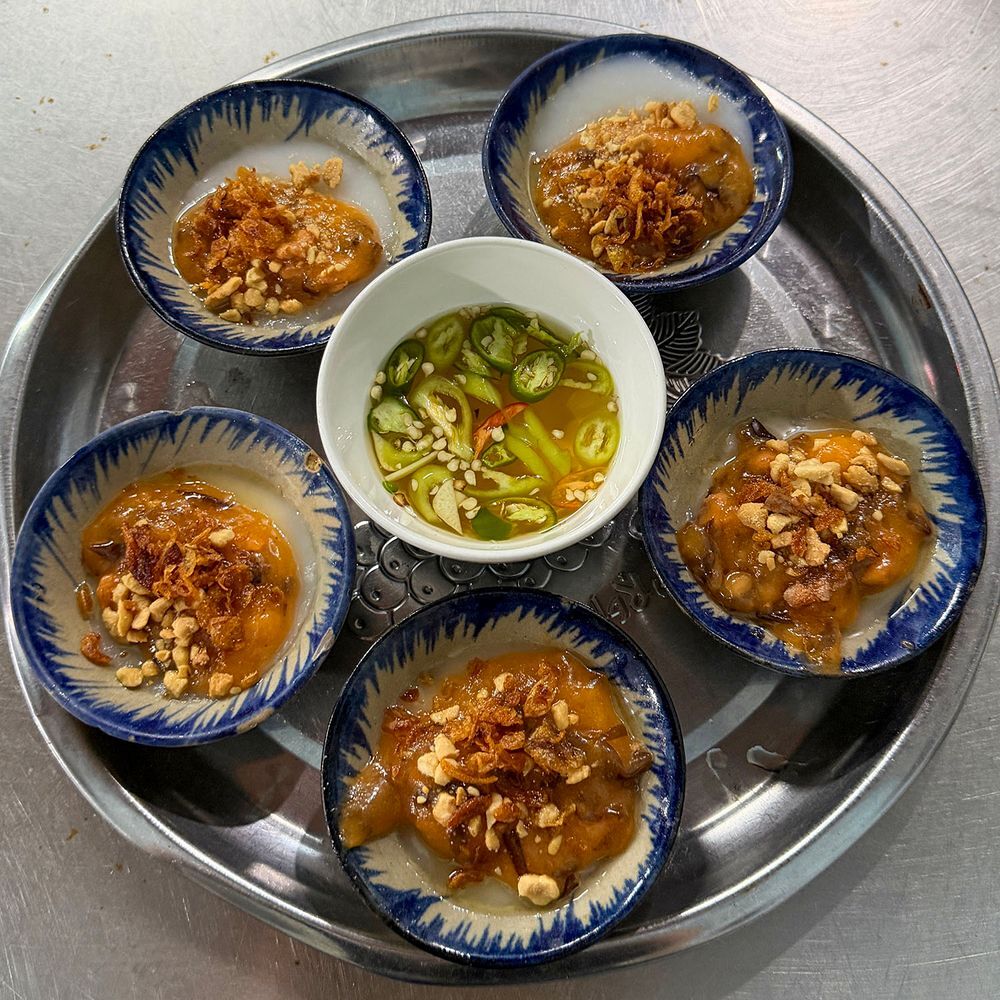
On Phan Chau Trinh in Hai Chau, a narrow shopfront holds four decades of muscle memory for two rice-cake dishes. The menu fits on one line: bánh bèo and bánh đập, both steamed to order, both finished with the same pork-and-wood-ear sauce, both served in sets of five for a price measured in tens of thousands of dong. The shop opens mid-afternoon and runs until early evening, a rhythm that matches the Central Vietnamese tendency to eat these cakes as a snack rather than a meal. No reservations, no website, no phone number posted, just a counter, a few plastic stools, and a steam basket that cycles continuously once the first orders arrive.
Da Nang's street-food geography splits between generalists who offer twenty items on laminated menus and specialists who build reputation on one or two preparations. Bánh Bèo - Bánh đập sits firmly in the latter camp, alongside Banh Mi Ba Lan for sandwiches and Bà Đông for noodles. The format is common in Central Vietnam, where Hue's imperial court tradition of small, intricate rice cakes filtered down into everyday street formats. Bánh bèo, steamed rice discs served in small ceramic saucers, appears in many variations across the region, but the wood ear and minced pork combination here is consistent with Hue style, and the execution has remained stable long enough to earn local regularity rather than tourist novelty.
Two Dishes, One Topping Formula
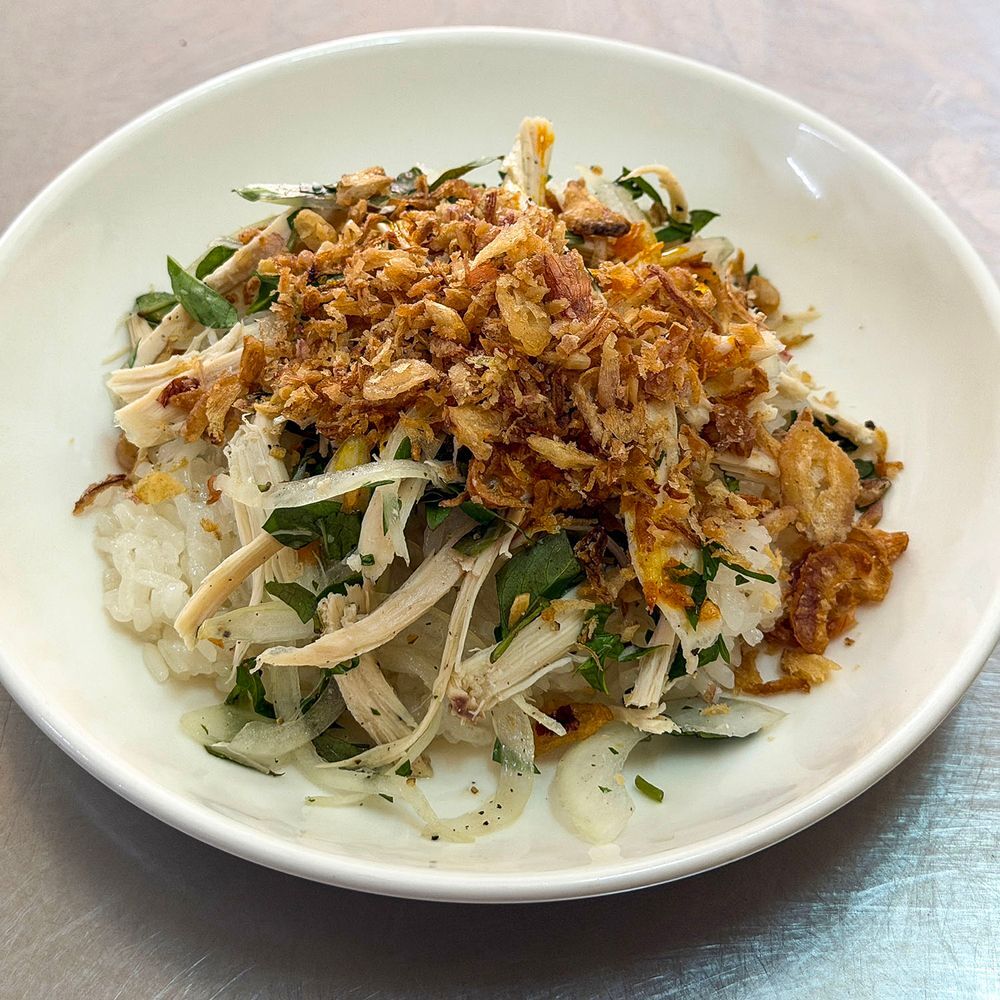
The bánh bèo arrives as a set of five: tender, slightly tangy steamed rice cakes in shallow dishes, each topped with a spoonful of pork and sliced wood ear mushroom that has been cooked down with fish sauce and shallot oil. Fried shallots and crushed peanuts go on leading for texture. The cakes themselves are neutral, acting as a vehicle for the sauce rather than a flavour anchor. The bánh đập uses the same topping but adds a layer of technique: a rice cracker is pressed against a soft rice wrapper, creating a textural contrast that holds up better against the sauce. The wrapper softens quickly, so the dish is assembled just before service.
Both formats depend on the same sauce base, which balances fermented, sweet, and saline notes without leaning heavily into any single direction. The pork is ground fine and cooked with wood ear mushroom until the fat renders and the texture becomes almost paste-like. Shallots are fried separately and added at the end to preserve their crunch. Peanuts are roasted and crushed, not ground to powder, so they retain some bite. The rice itself is sourced locally, Central Vietnam's paddies produce a medium-grain variety that steams without breaking apart or becoming gummy, a quality that matters when the cakes are stacked in a steam basket and held for service.
The shop does not advertise ingredient provenance, but the reliance on wood ear mushroom, shallots, and pork reflects the agricultural economy of the surrounding Quang Nam and Thua Thien-Hue provinces. Wood ear grows on decaying hardwood and is harvested year-round in the Central Highlands; shallots are a dry-season crop in the lowland plains; pork comes from small-scale farms that supply Da Nang's wet markets daily. The rice cakes are made in-house, steamed in small batches throughout the service window, which limits throughput but ensures the texture stays consistent.
Context and Comparable Format
Da Nang's bánh bèo specialists cluster in Hai Chau and Thanh Khe districts, where older shophouses still operate on pre-tourism economics. Ba Be (Banh Beo, Banh Nam, Banh Bot Loc) offers a broader range of Hue-style cakes, including bánh nậm and bánh bột lọc, and attracts a mix of local families and Vietnamese tourists. Bánh Xèo Bà Dưỡng pivots to the crisp, turmeric-battered pancakes that define southern and central street food, a format that competes for the same afternoon snack slot but requires a different kitchen setup. Ngọc Chi operates in the vegetarian niche, substituting mushroom and tofu for pork but keeping the same rice-cake base. Bánh Bèo - Bánh đập narrows its scope to two items and relies on repetition to maintain quality, a trade-off that works when the topping formula is precise and the rice texture is consistent.
The shop does not hold formal recognition from national or international dining guides, but longevity in a street-food market where rent and foot traffic pressures force turnover is a signal of sustained local approval. The prices remain low enough to serve students and motorbike commuters, not just food tourists, which keeps the customer base broad and the operation economically viable without scaling up or franchising.
For visitors unfamiliar with Central Vietnamese rice-cake formats, the texture and temperature may register as unusual: the cakes are served warm but not hot, and the rice has a slight chew rather than the pillowy softness of Japanese mochi or the firm snap of Korean tteok. The sauce is applied generously, so the dish is eaten with a spoon rather than chopsticks. The portion size is calibrated for a snack rather than a full meal, though ordering multiple sets is common. The shop's afternoon-only hours mean it does not compete with lunch or dinner service at larger restaurants; instead, it occupies the mid-afternoon window when Da Nang's street-food vendors cycle through waves of school-age customers and office workers on breaks.
The location on Phan Chau Trinh places it within walking distance of the Han River waterfront and the central market, but far enough from the beach strip that it does not attract the same volume of international tourists who concentrate around Azure Beach Lounge or Barefoot. The surrounding blocks hold a mix of tailors, motorbike repair shops, and small grocers, an indicator that the neighbourhood still functions primarily for residents rather than visitors. For a broader view of Da Nang's dining landscape, including contemporary Vietnamese and international formats, see our full Da Nang restaurants guide.
How Bánh Bèo - Bánh đập Da Nang compares with similar nearby venues.
| Venue | Cuisine | Price | Awards |
|---|---|---|---|
| Bánh Bèo - Bánh đập | Not listed | Not listed | Bib Gourmand |
| Bà Đông | Noodles | ₫ | Not listed |
| Ngọc Chi | Vegetarian | ₫ | Not listed |
| Bánh Xèo Bà Dưỡng | Vietnamese | ₫ | Not listed |
Recognition history
Dated appearances from independent guides and award organizations, with the underlying list record or original source where available.
Michelin Bib Gourmand
Michelin
At a Glance
- Lively
- Rustic
- Solo
- Family
- Casual Hangout
- Group Dining
- Late Night
- Standalone
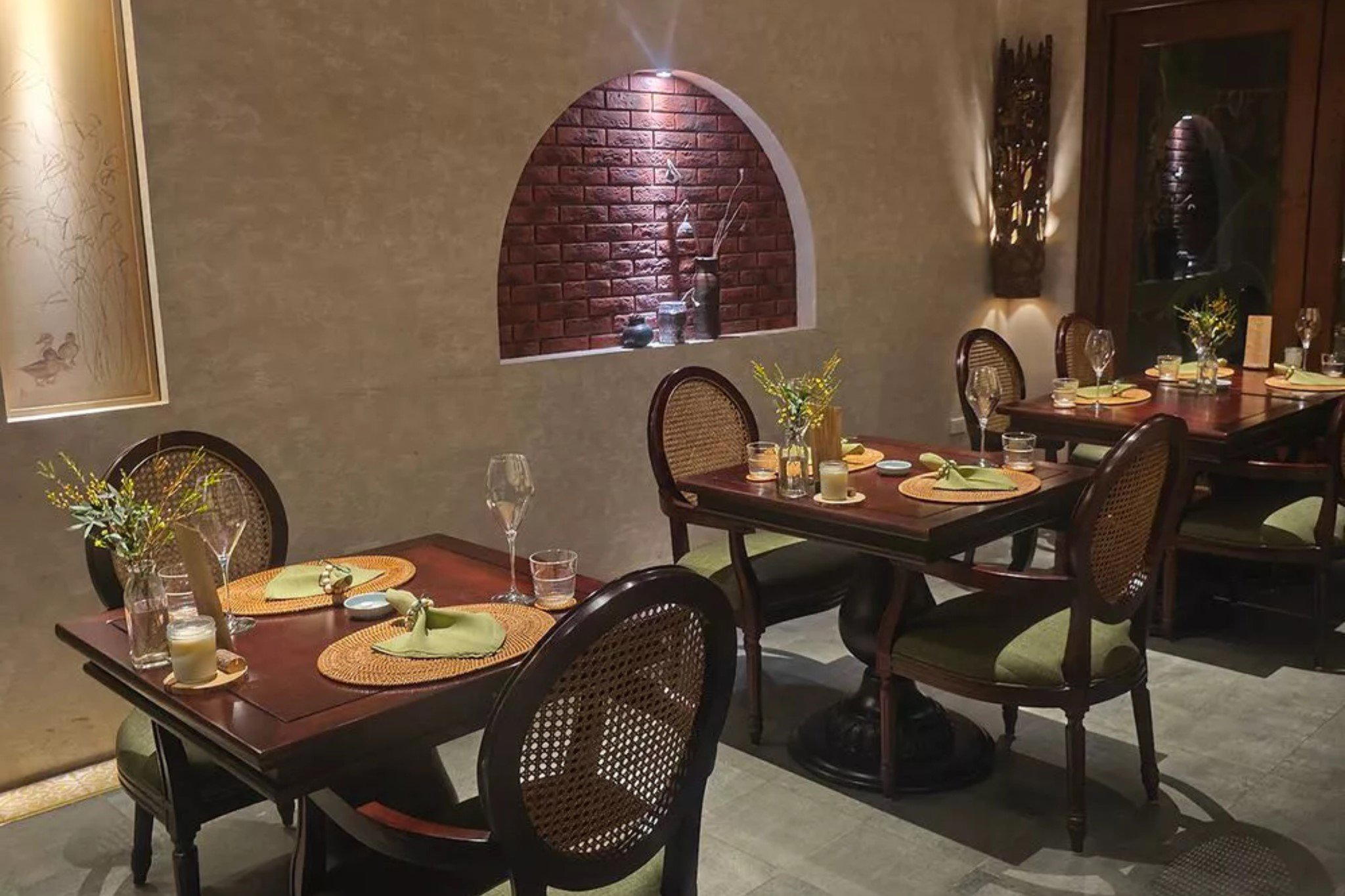
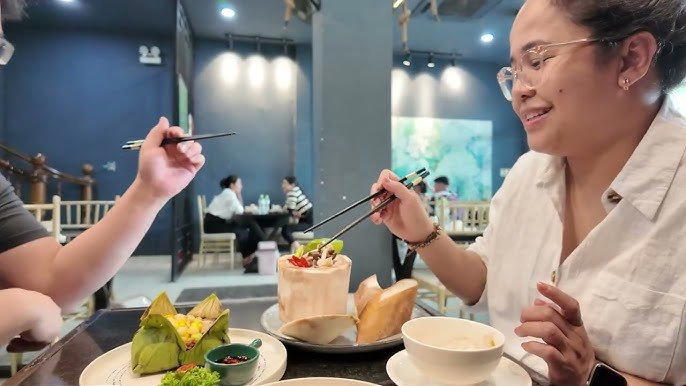
Simple and no-frills with basic tables and bright lighting, this busy local shop has an energetic, canteen-like feel where guests come for freshly made rice cakes rather than décor.
Know Before You Go
- Reservations
- Walk in friendly
- Getting there
- 251 Phan Chau Trinh Street, Hai Chau Ward, Da Nang, Da Nang Region, 550000, VNM