Da Nang's most referenced bánh mì address, Madam Khanh The Bánh Mì Queen has built a reputation among locals and travellers alike as the benchmark for central Vietnamese sandwich craft. The stall operates within the city's street food tradition, drawing queues that signal genuine local authority rather than tourist novelty. For the region's bread-and-filling format, this is the name that comes up first.

Pearl is the En Primeur Club membership app — saves, bookings, and concierge access live there. Same editors, same standards.
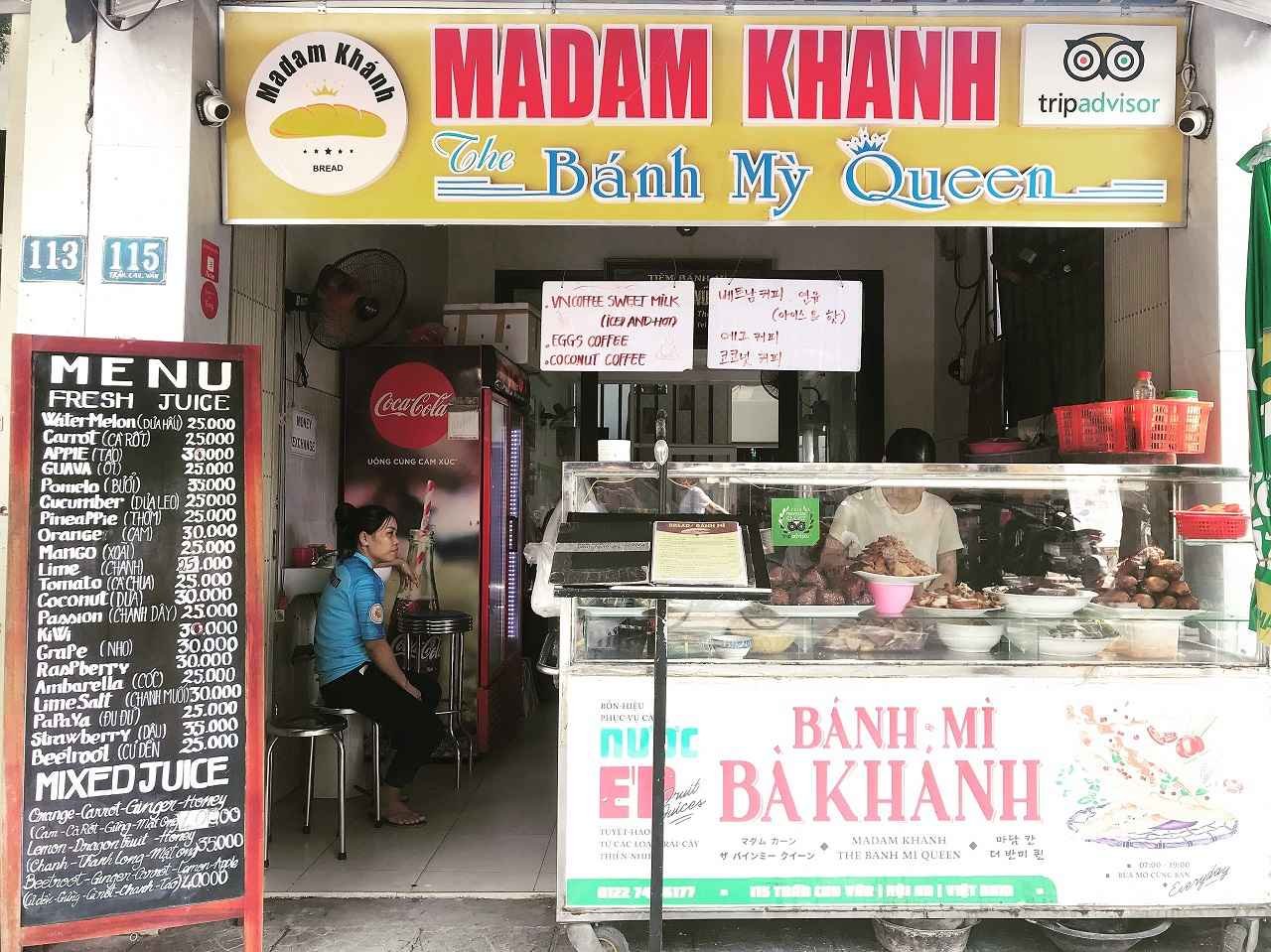
The Street, the Queue, and the Sandwich
The scene here is familiar to anyone who has eaten well at the pavement level in central Vietnam: small stools, paper wrapping, and a production line that moves faster than it appears to. What the queue outside signals is not novelty or trend but accumulated local trust, the kind that gets reinforced when a dish is ordered by the same neighbourhood residents across decades.
Bánh mì as a category sits at among the more interesting intersections in Vietnamese food history. The bread itself is a direct legacy of French colonial infrastructure, the baguette adapted by Vietnamese bakers into something lighter, crispier, and structurally different from its European source. The fillings, however, are entirely Vietnamese in logic: pickled daikon and carrot for acidity, fresh herbs for fragrance, chillies for heat, and a combination of proteins that varies by region and by maker. In central Vietnam, that combination tends toward more assertive seasoning than the Saigon versions that have become internationally familiar. The result is a sandwich that repays attention to its internal balance rather than any single dominant ingredient.
Central Vietnam's Bánh Mì Tradition
The bánh mì culture of central Vietnam, anchored in cities like Da Nang and Hội An, developed along slightly different lines from the south. Where Saigon-style versions often emphasise pâté and cold cuts in a richer, heavier profile, the central style typically runs leaner and sharper, with pickled vegetables carrying more structural weight. Hội An has its own internationally recognised variant, and places like White Rose (Bông Hồng Trắng) in Hoi An demonstrate how central Vietnamese food traditions can achieve both local authority and broader recognition within a short geographic radius.
Da Nang's position as the region's largest city means its street food scene absorbs influences from both north and south while maintaining its own character. The city's bánh mì makers operate within this middle ground, and Madam Khanh's address has become the reference point against which others in the city are measured. That positioning is not simply a matter of fame; it reflects the consistency required to hold a reputation in a food category where the competition is abundant and the barriers to entry are low. When a stall in this category sustains its reputation across years, the product is doing the work.
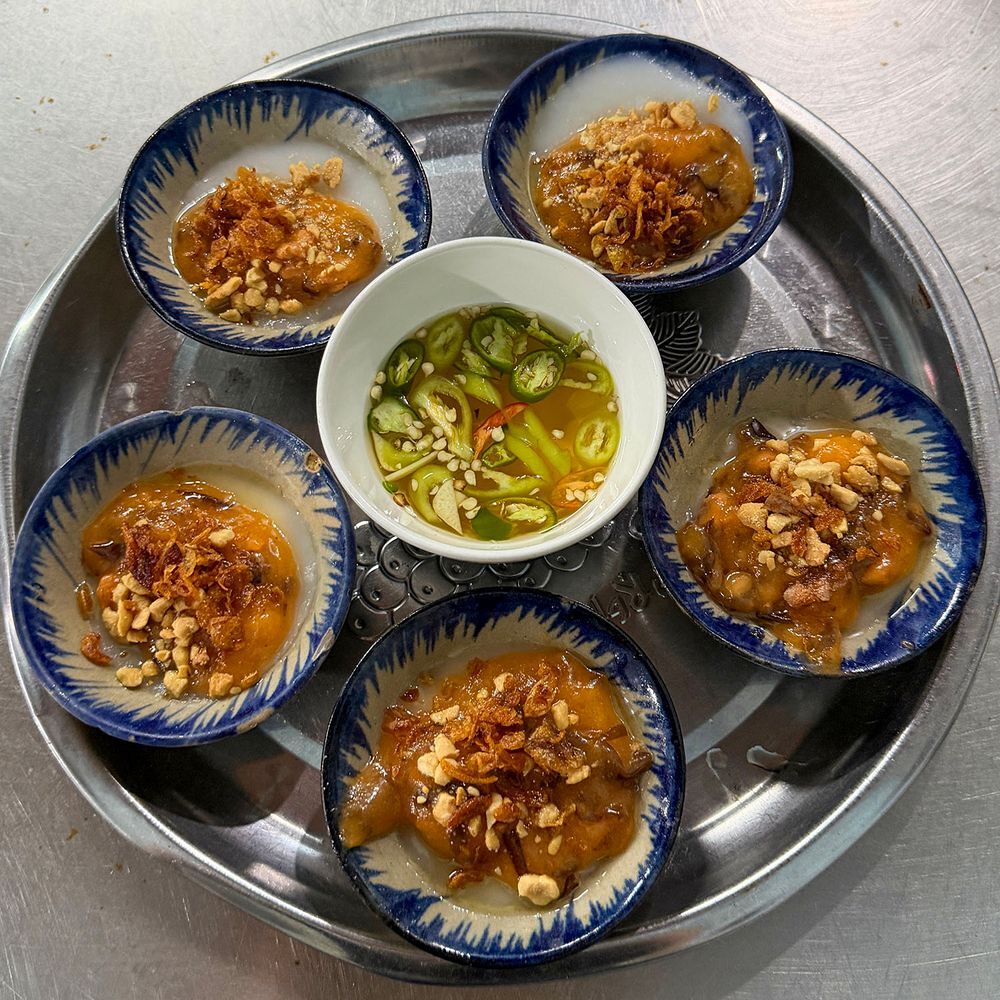
For broader context on Da Nang's street food range, Ba Be covers the steamed rice cake traditions that represent another pillar of central Vietnamese snack culture, while Bà Diệu and Bà Diệu on Tran Tong Street represent the noodle formats that anchor the city's morning eating habits. These categories sit alongside bánh mì as part of a broader street food ecosystem rather than competing with it; they occupy different meals and different registers of the day.
How Madam Khanh Compares Within Da Nang's Range
Da Nang's dining spectrum runs from stalls priced at a few thousand đồng to the formal French Contemporary rooms of La Maison 1888, one of the city's highest-tier restaurant experiences. Madam Khanh operates at the accessible end of that spectrum, in the same price tier as Banh Mi Ba Lan, another of the city's noted bánh mì addresses. The comparison between these two is the kind of local debate that characterises any food city with genuine street food culture: different regulars, different filling ratios, different bread textures, and strong opinions on both sides.
Within Vietnam more broadly, the bánh mì category has attracted international attention. When considering how Da Nang's street food compares to the restaurant ambition visible in other Vietnamese cities, it is worth noting that venues like Gia in Hanoi and Akuna in Ho Chi Minh City represent the fine dining end of Vietnamese cuisine's international moment. Madam Khanh operates in a completely different register, but both ends of the spectrum reflect the same underlying depth of Vietnamese culinary tradition.
Planning Your Visit
Madam Khanh operates as a street food stall, which means the practical logistics differ from a restaurant booking. It is walk-in friendly, and arrival timing matters. Morning and midday are the peak periods for bánh mì consumption in Vietnamese food culture, following the country's habit of eating the largest and most varied meals early in the day. The queue is a reliable indicator of freshness: high turnover means bread and fillings are replenished frequently, which matters more for this category than for most. Arriving outside peak hours reduces the wait but may also mean slightly different bread conditions. For first-time visitors, the queue is part of the experience rather than an obstacle to it.
Da Nang is accessible via Da Nang International Airport, with direct connections from major Southeast Asian hubs and domestic routes from Hanoi and Ho Chi Minh City. The city's street food is geographically distributed, and Madam Khanh draws visitors from across the city and from Hội An, roughly 30 kilometres to the south, where the concentration of international visitors is high enough to generate overflow interest in Da Nang addresses. Our full Da Nang restaurants guide maps the broader eating landscape across neighbourhoods and price points.
Budget Reality Check
Comparable venues nearby, for context on price, style, and recognition.
| Venue | Cuisine | Price | Awards | Notes |
|---|---|---|---|---|
| Madam Khanh The Banh Mi QueenThis venue — the venue you are viewing | Not listed | $ | Not listed | Not listed |
| Bún Bò Bà Rơi | Not listed | $ | Not listed | Hai Chau District, Huế-Style Beef Noodle Soup (Bún Bò) |
| Ka Cong Coffee | Da Nang, Vietnamese Coffee Café | $ | Not listed | Not listed |
| Bà Diệu | Not listed | $ | Not listed | Thanh Khe District, Traditional Vietnamese Bún Bò Huế |
| Bún Riêu Cua 39 | Not listed | $ | Michelin Plate | Hai Chau District, Vietnamese Crab Noodle Soup |
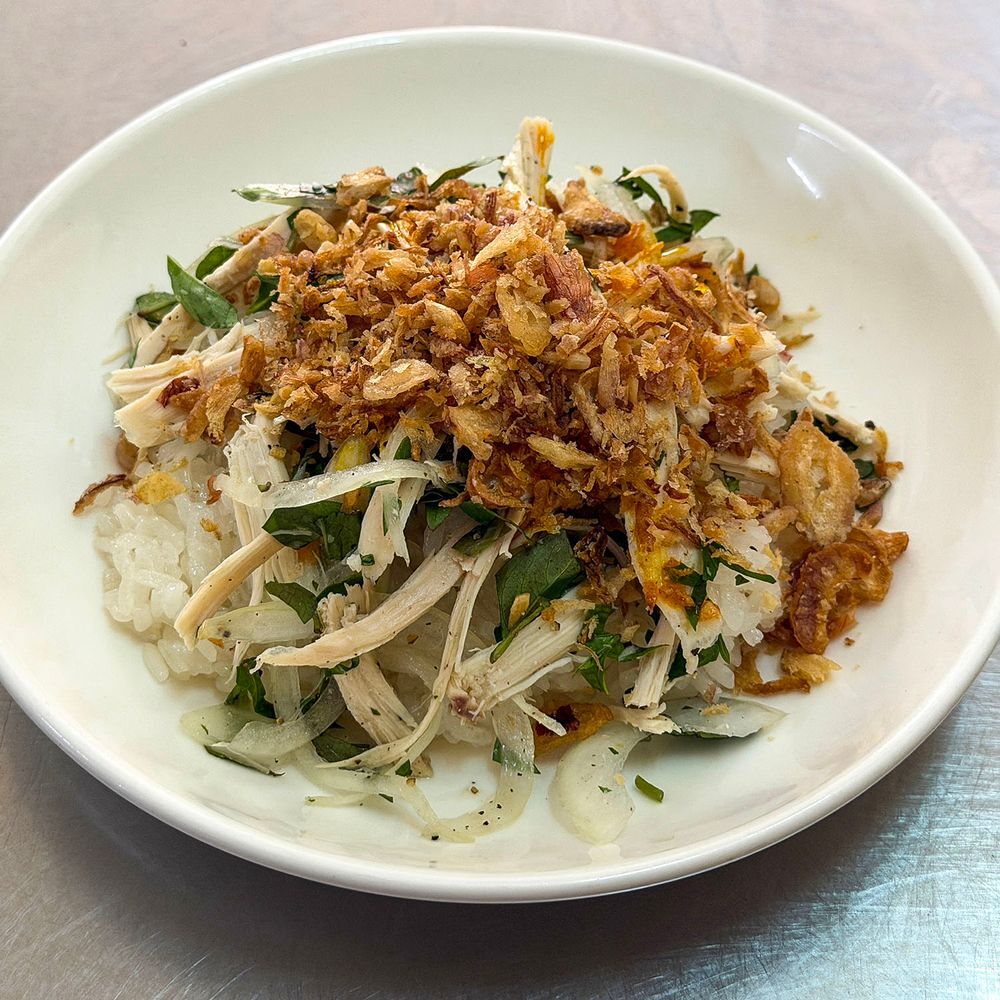
| Cơm Gà Lan | Hai Chau District, Da Nang Chicken Rice | $ | Michelin Plate | Not listed |
Continue exploring
More in Da Nang
Restaurants in Da Nang
Browse all →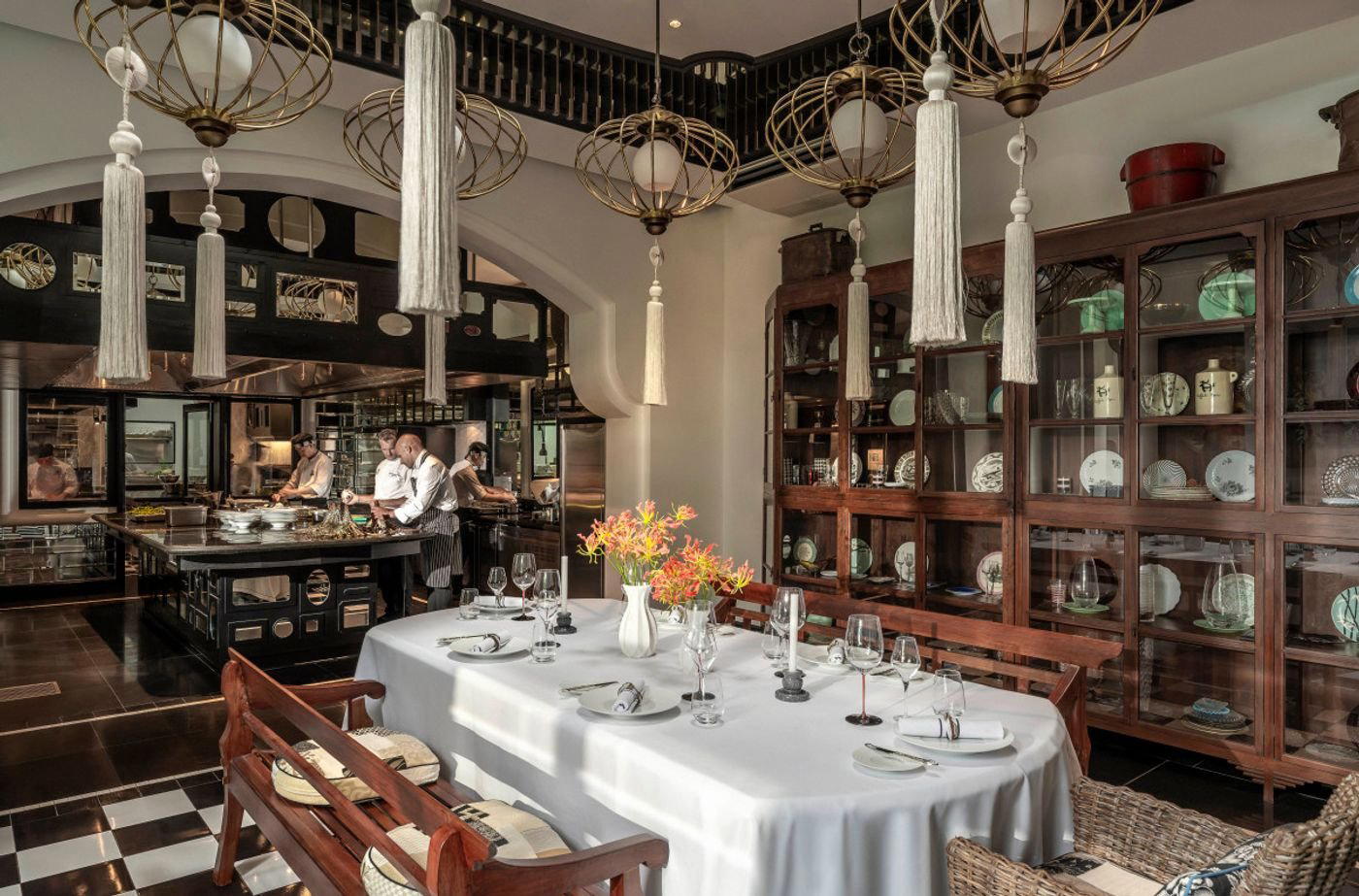
At a Glance
- Well Known
- Rustic
- Casual Hangout
- Solo
- Brunch
- Standalone
Current opening hours
- Monday
- 6:30 AM–9:30 PM
- Tuesday
- 6:30 AM–9:30 PM
- Wednesday
- 6:30 AM–9:30 PM
- Thursday
- 6:30 AM–9:30 PM
- Friday
- 6:30 AM–9:30 PM
- Saturday
- 6:30 AM–9:30 PM
- Sunday
- 6:30 AM–9:30 PM
Hours can change for holidays and private events. Last verified .
Casual street stall with limited indoor seating, bustling takeaway atmosphere, and simple, authentic local vibe.