
Michelin Bib Gourmand
Our verdict
A Michelin Bib Gourmand-recognised bowl of bún bò Huế on Trần Quốc Toản in Da Nang's Hải Châu district, Bà Thương operates at the city's most affordable price point while drawing a queue that tells its own story. The broth is the argument: spiced, fermented, and built on a tradition that Central Vietnam has been refining for centuries. This is where the dish earns its reputation.

Pearl is the En Primeur Club membership app, where members save venues, book tables and use the concierge.
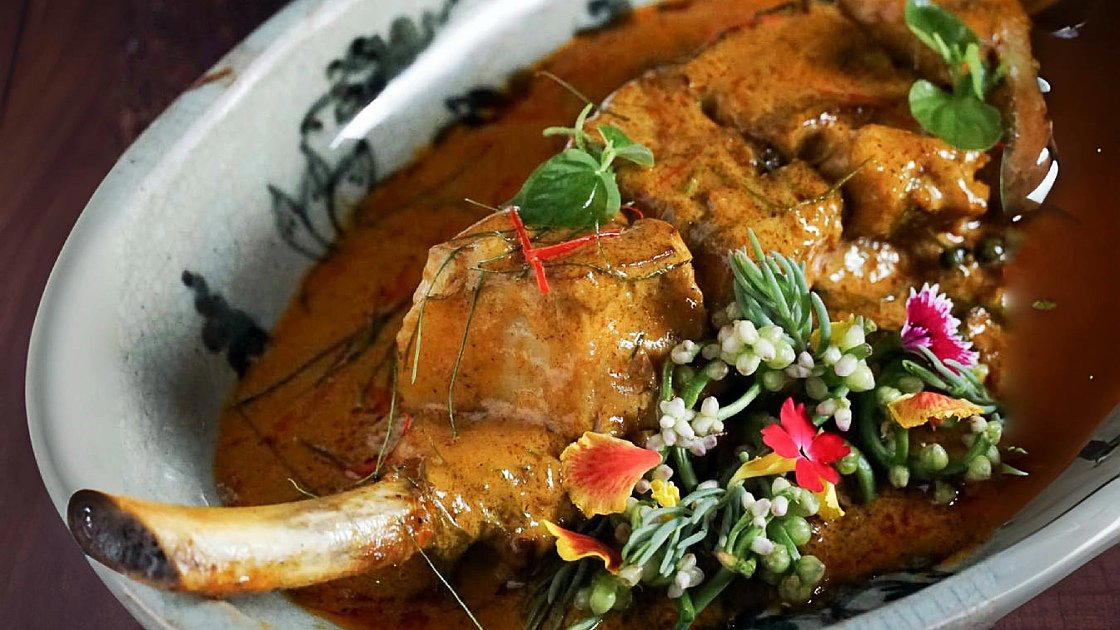
The Bowl That Frames Central Vietnamese Cooking
Trần Quốc Toản is not a street that announces itself. In Da Nang's Hải Châu district, it runs the way most working neighbourhood streets do in Central Vietnam: plastic stools on the pavement, condensation on the iced tea glasses, the sound of broth being ladled before the city has fully woken up. Number 23 is where Bún Bò Huế Bà Thương operates, and the scene there is, in its own way, an argument for everything that makes Central Vietnamese noodle culture worth understanding.
Bún bò Huế as a dish occupies a specific position in Vietnam's noodle hierarchy. It is the fiercer, more complex sibling to phở: the broth built on lemongrass and shrimp paste rather than star anise and ginger, the noodles round and chewy rather than flat and delicate, the heat assertive rather than optional. It originates in Huế, the former imperial capital roughly 100 kilometres north of Da Nang, and it carries that city's culinary character, which tends toward intensity and layered fermentation notes. In Da Nang, the dish is not a novelty import but a deeply familiar morning ritual, served across hundreds of small shops at the lowest price tier the city offers.
How the Bowl Builds, Course by Course
Understanding bún bò Huế properly means following the bowl in sequence rather than eating it as an undifferentiated whole. The broth arrives first as a smell before it arrives as a liquid: the lemongrass registers, then the shrimp paste, then the slow background warmth of dried chilli that has been coaxed into the stock rather than added as a finish. In good versions of this dish, the heat does not spike, it accumulates, and the first spoonfuls read differently from the last.
The noodles at the structural centre of the bowl are bún, thick round rice noodles that absorb broth without dissolving into it. They provide the textural counterpoint to the protein, which in canonical versions includes thin-sliced beef (bò), pork knuckle (giò heo), and cubes of congealed pork blood (huyết) for those who take them. Each protein element behaves differently in the spiced liquid. The beef picks up the lemongrass immediately; the pork knuckle, collagen-rich and slow-braised, releases its fat into the broth gradually; the blood cubes, silky and mild, absorb heat without contributing it.
The table garnish arrives alongside and is meant to be added in stages, not dumped in at once. Banana blossom, thinly sliced, provides a slight astringency that cuts the fat. Fresh herbs, bean sprouts, and lime calibrate the acidity and brightness. A competent bowl of bún bò Huế asks the diner to participate in its own balance, and the garnish plate is that instruction made edible.
Bà Thương's version of this progression earned a Michelin Bib Gourmand recognition in 2025, placing it among the small tier of Da Nang street-level operations that the guide's inspectors identified as delivering quality substantially above the price point. The Bib Gourmand standard, which Michelin defines as good cooking at a moderate price, is the appropriate frame here: this is not a venue competing with La Maison 1888 (Da Nang's Michelin-starred French Contemporary operation at the highest price tier), but rather a shop doing something specific very well and being recognised for it within the category it actually occupies.
Where This Sits in Da Nang's Noodle Scene
Da Nang's noodle culture is structured around multiple formats operating in parallel. Bún bò Huế shops run alongside bún chả cá specialists, the latter a distinctly local fish cake noodle tradition that visitors encounter almost immediately on arrival. For bún chả cá, Bún Chả Cá 109 and Bún Chả Cá Bà Hoa represent the established local reference points. For bún bò, the standard is set by operations like Bà Thương and its close competitor Bún Bò Bà Rơi (Hai Chau), both operating at the ₫ price tier and both in Hải Châu.
The Bib Gourmand recognition distinguishes Bà Thương from the field without repositioning it. It remains a neighbourhood shop operating on the logic of the neighbourhood: low prices, fast service, morning-focused hours, and a menu built around a single dish done with consistency. Bà Đông and Bà Diệu (Tran Tong Street) represent related formats in the city's affordable dining tier, each anchored to a specific dish or style rather than a broad menu.
Across Vietnam's larger cities, the Michelin Bib Gourmand has increasingly appeared at operations exactly like this one: single-dish, family-run, open for limited hours, and entirely unconcerned with the design and hospitality apparatus that defines fine dining recognition. Gia in Hanoi and Akuna in Ho Chi Minh City operate in different registers, but the guide's expanding Vietnamese coverage has made clear that the inspectors are reading the country's food culture on its own terms rather than applying European dining room standards. That shift matters for understanding why a 323-review Google listing at a 4.0 average and a Michelin recognition coexist without contradiction. The review score reflects the full range of visitors, many of whom may be encountering the dish for the first time; the Bib Gourmand reflects a specific technical assessment of the broth, the noodles, and the value equation.
For context beyond Vietnam, the Bib Gourmand model applies across Asia's noodle-specialist category. Operations like A Niang Mian Guan in Shanghai, A Bing Bao Shan Mian in Hangzhou, A Kun Mian in Taichung, Ajisai in Taichung, A Xin Xian Lao on Gongnong Road in Fuzhou, and Baan Chik Pork Noodles in Udon Thani all sit in a recognisable category: high-skill, low-price, single-format noodle shops where the cooking logic is entirely about depth of broth and precision of texture, and where the dining room, if there is one, is incidental.
Planning a Visit
Bà Thương is at 23 Trần Quốc Toản in Hải Châu, central Da Nang, within reach of the city's riverside core. No booking is required or possible at an operation of this type; arrival timing matters more than reservation strategy. Bún bò Huế in Da Nang is a morning dish, and shops at this tier typically see their peak service in the hours before 9am, with quality and stock both declining as the morning progresses. The price point sits at the lowest tier in the city, a bowl costing what it has cost for years in this part of Central Vietnam. For wider context on what else the city offers across formats and price tiers, our full Da Nang restaurants guide covers the full range, and our Da Nang hotels guide, bars guide, wineries guide, and experiences guide provide the surrounding planning infrastructure.
Frequently asked questions
Does Bún Bò Huế Bà Thương have a Michelin star or similar recognition?
Bún Bò Huế Bà Thương has received recognition including: Michelin Bib Gourmand (2025).
What's the signature dish at Bún Bò Huế Bà Thương?
The entire operation is built around a single dish: bún bò Huế, the spiced lemongrass-and-shrimp-paste broth from Central Vietnam served over thick round noodles with beef and pork cuts. That singular focus is precisely what earned the restaurant its Michelin Bib Gourmand in 2025.
How much does it cost to eat at Bún Bò Huế Bà Thương?
Pricing at Bún Bò Huế Bà Thương is listed as ₫.
How do I find Bún Bò Huế Bà Thương?
Bún Bò Huế Bà Thương is located at 23 Trần Quốc Toản, Hải Châu, Đà Nẵng 550000, Vietnam, Da Nang.
What's the best way to book Bún Bò Huế Bà Thương?
No reservation is possible or required. Bà Thương operates as a walk-in street-food counter at 23 Trần Quốc Toản in Hải Châu, Da Nang. Arriving early in the morning is standard practice at this style of noodle shop, as popular spots in Central Vietnam routinely sell out before midday.
What's the defining dish or idea at Bún Bò Huế Bà Thương?
The defining idea is discipline through specialisation. Rather than offering a broad menu, Bà Thương concentrates on bún bò Huế, a format that demands a well-developed broth and precise noodle calibration. The 2025 Michelin Bib Gourmand places it among Da Nang's most consistent value-driven addresses, at price range ₫.
Quick Comparison
Comparable venues nearby, for context on price, style, and recognition.
| Venue | Cuisine | Price | Awards | Notes |
|---|---|---|---|---|
| Bún Bò Huế Bà ThươngThis venue (the venue you are viewing) | Traditional Bún Bò Huế | $1–10 | Michelin Bib Gourmand | Not listed |
| Bánh Canh Yến | Vietnamese Street Food - Banh Canh | $1–10 | Michelin Plate | Hai Chau District |
| Bún Chả Cá Hờn | Da Nang Fish Cake Noodle Soup | $1–10 | Michelin Bib Gourmand | Hai Chau |
| Cô Chủ Nhỏ | Vietnamese Duck Street Food | $1–10 | Michelin Bib Gourmand | My An Ward, Ngu Hanh Son District |
| Thìa Gỗ | Traditional Southern Vietnamese | $1–10 | Michelin Bib Gourmand | My An Ward, Ngu Hanh Son District |
| Quán Nhân | Traditional Vietnamese Duck Porridge | $1–10 | Michelin Bib Gourmand | Ngu Hanh Son District |
Recognition history
Dated appearances from independent guides and award organizations, with the underlying list record or original source where available.
Michelin Bib Gourmand
Michelin
Full recognition history (2 entries)
Michelin Bib Gourmand
Michelin
Continue exploring
More in Da Nang
Restaurants in Da Nang
All restaurants in Da Nang →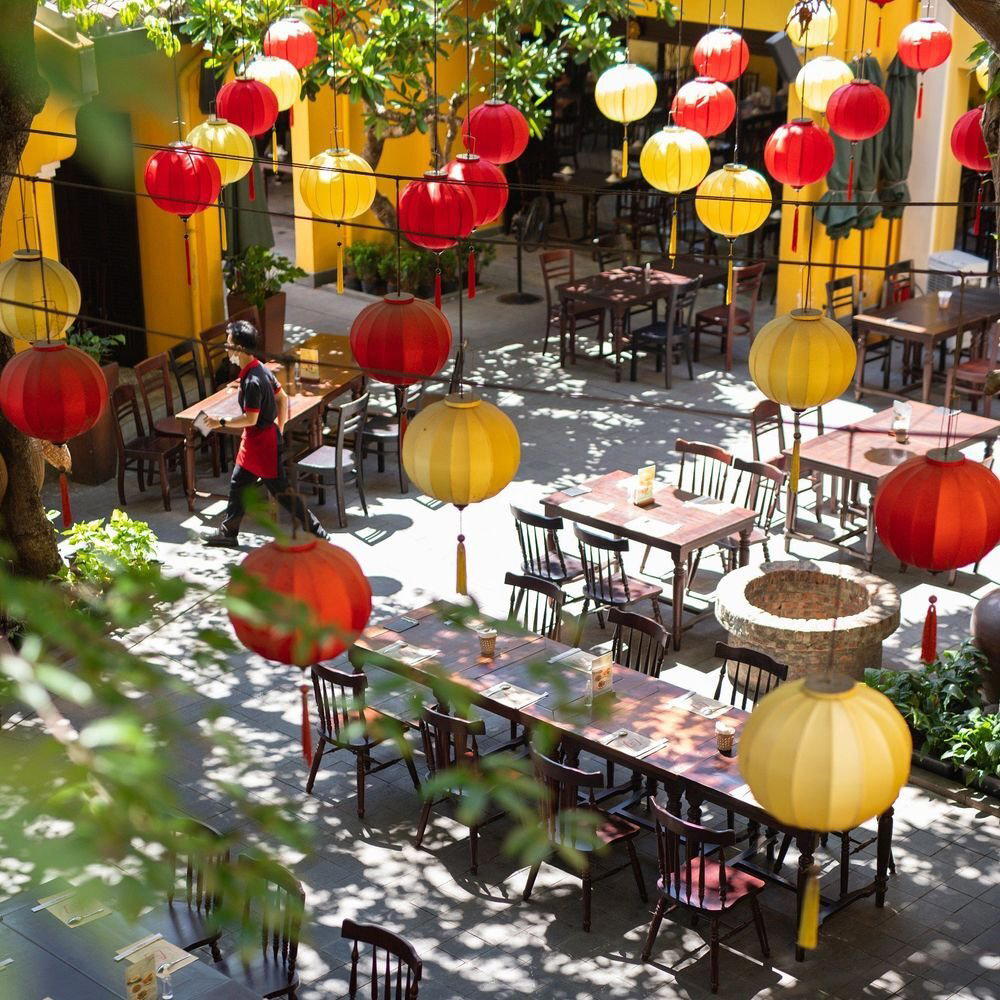
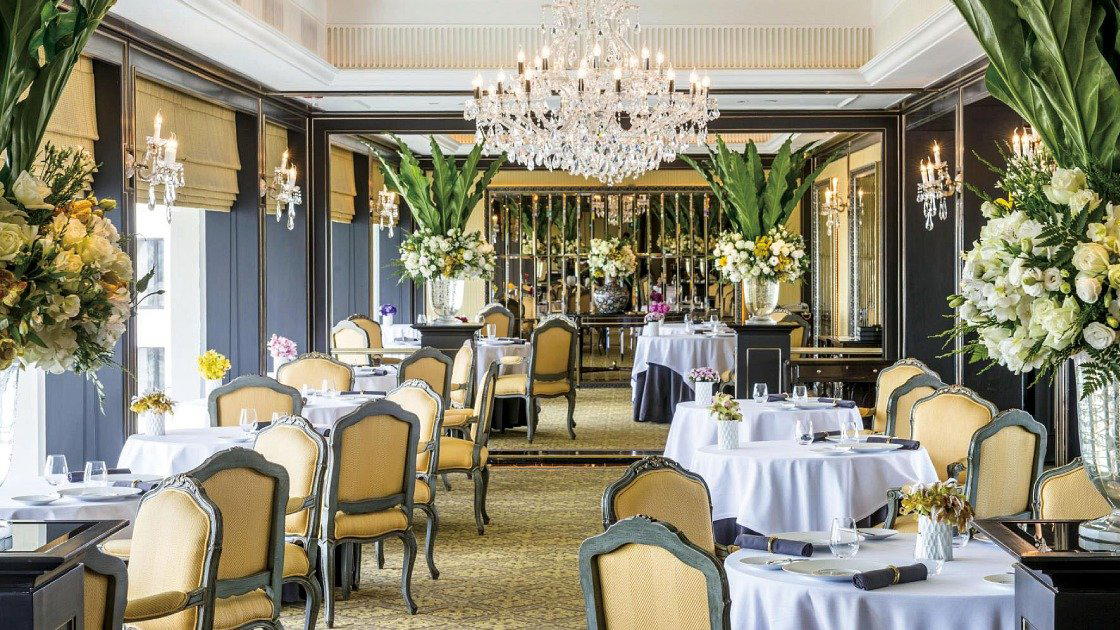
Bars in Da Nang
All bars in Da Nang →
Details
- Rustic
- Well Known
- Casual Hangout
- Historic Building
- Local Sourcing
- A La Carte
Current opening hours
- Monday
- 6–11 AM
- Tuesday
- 6–11 AM
- Wednesday
- 6–11 AM
- Thursday
- 6–11 AM
- Friday
- 6–11 AM
- Saturday
- 6–11 AM
- Sunday
- 6–11 AM
Hours can change for holidays and private events. Hours as of .
Casual street-level noodle shop atmosphere with queues forming during morning peak hours.