Azië
Our verdict
Azië in Weert serves Modern Chinese Fusion at Stationsstraat 20, with peking duck and crushed pepper beef, plus conversational pacing for lunch, dinner, or private dining.

Pearl is the En Primeur Club membership app — saves, bookings, and concierge access live there. Same editors, same standards.
- Address
- Stationsstraat 20, 6001 CK Weert, Netherlands
- Phone
- +31495537074
- Hours
- Mon–Thu 4–10 PMFri–Sun 11:30 AM–10 PM
- Website
- restaurantazie.nl
- Directions
- Get directions
- Booking
- Book on the venue's website
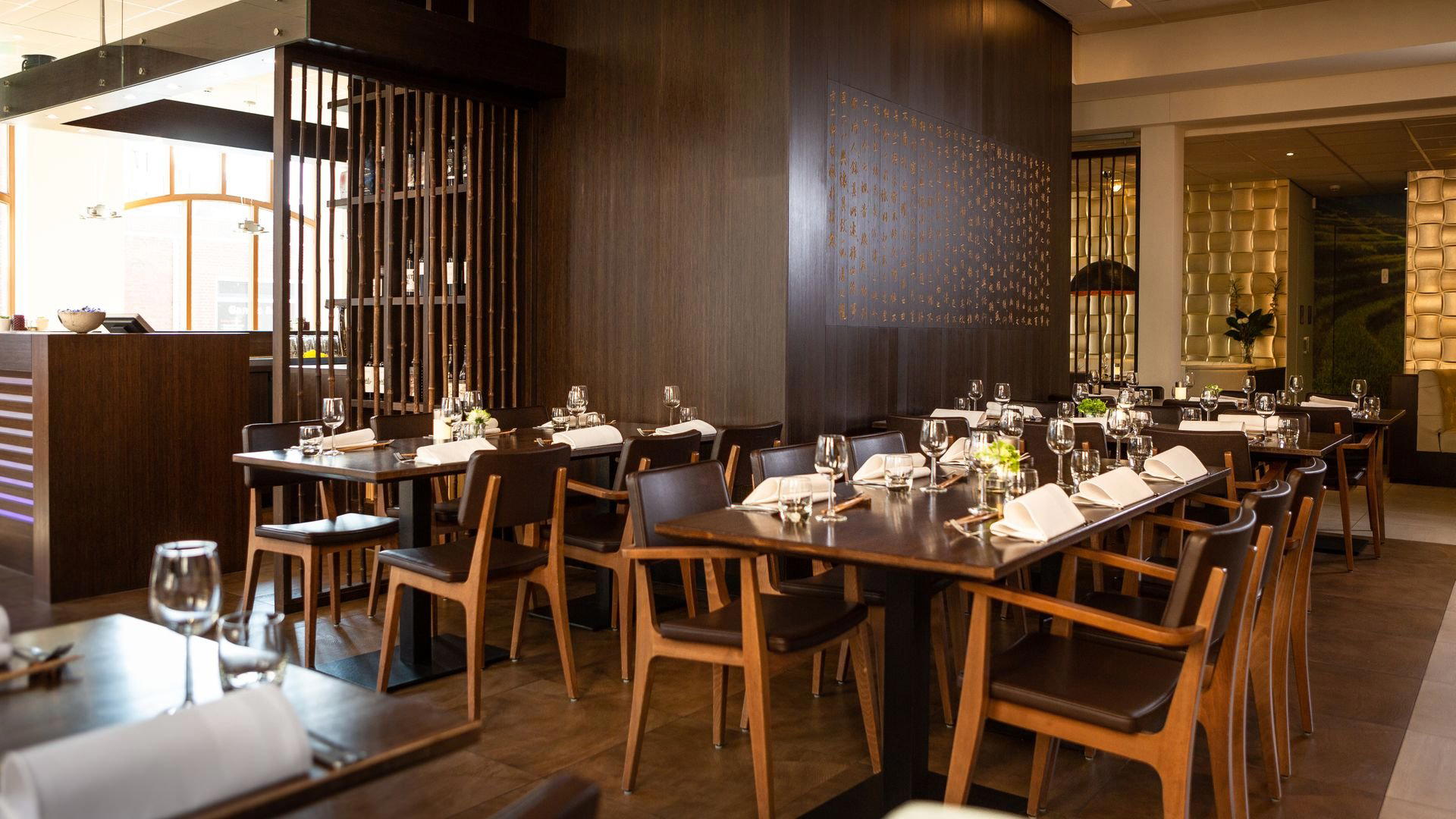
Asian Cooking in the Dutch Provinces: What Weert's Stationsstraat Tells You About Regional Appetite
Stationsstraat 20 sits in the working centre of Weert, a Limburg city of around 50,000 that has never positioned itself as a dining destination on the level of Maastricht or Den Bosch, yet sustains a restaurant scene with more range than its size would predict. The street runs from the railway station into the commercial core, which means Azië occupies a location that is practical before it is atmospheric: commuters, shoppers, and locals on errand-driven evenings pass through here, and the dining room reflects that function. This is not a destination built around theatre or occasion-dining ritual. It is a neighbourhood-anchored Asian restaurant in a mid-sized Dutch provincial city, and that context shapes everything about what it is and is not.
The Ingredient Question in Dutch Asian Kitchens
Asian restaurants operating outside the Netherlands' major cities face a sourcing reality that their urban counterparts rarely discuss openly. The supply chains that reach Rotterdam's Chinatown or Amsterdam's wholesale markets thin out considerably by the time they arrive in Limburg. Restaurants in cities like Weert typically depend on a combination of regional distributors, occasional direct sourcing from specialist importers in the Randstad, and substitutions that gradually reshape dishes over time. The result is a cuisine that can drift from its reference points in ways that a diner familiar with the source traditions will notice immediately: fermented pastes replaced by shelf-stable versions, fresh aromatics substituted with dried, proteins sourced from European commodity markets rather than from breed or age-specific suppliers.
This is not a criticism unique to Azië. It is the structural condition of provincial Asian dining across the Netherlands, and across much of Northern Europe. Understanding it matters because it explains why a dish that reads as pad thai or rendang on a menu in Weert is, technically and experientially, a different object from what bears the same name in Kuala Lumpur, Bangkok, or even in a well-resourced kitchen in Amsterdam. The better Asian restaurants in provincial Dutch cities work within these constraints creatively, sourcing what they can from specialist importers and compensating through technique. The weaker ones simply accept the substitution and hope diners do not know the difference.
Where Azië sits on that spectrum is something a single visit would clarify, but the restaurant's address on Stationsstraat, its position in Weert's mid-market dining tier, and the competitive context of its immediate neighbourhood all suggest a practical, accessible operation rather than an ingredient-obsessive specialist kitchen. Comparison venues in the city, including Flavours, Marrees, and OH30, operate in the modern European register at the €€€ tier. Azië fills a different slot, one where the proposition is familiarity and accessibility over technical ambition.
Weert's Dining Character and Where Asian Cuisine Fits
Weert's restaurant scene, documented more fully in our full Weert restaurants guide, clusters around two broad categories: modern European cooking aimed at the local professional class, and accessible international dining that serves a wider demographic. Asian cuisine in Dutch provincial cities has historically occupied the second category, often in the form of Chinese-Indonesian restaurants that trace back to the post-colonial migration patterns of the 1950s and 1960s. That generation of restaurants gave the Netherlands its distinctive rijsttafel format and a vernacular version of dishes like nasi goreng and babi pangang that has little direct equivalent in Asian source cuisines but is thoroughly embedded in Dutch food culture.
Contemporary Asian restaurants in smaller Dutch cities are navigating between that legacy and a newer appetite for more specific regional cuisines: Japanese, Thai, Vietnamese, Korean. The tension between the two is one of the more interesting dynamics in Dutch provincial dining, because it reflects changing demographics, travel patterns, and media exposure among the domestic dining public. Whether Azië positions itself within the older Chinese-Indonesian tradition or the newer specificity-oriented wave is a question the venue's format and menu would answer directly.
The Provincial Context for a Serious Diner
For readers accustomed to Michelin-level Asian cooking in the Netherlands, the reference points are concentrated in cities well outside Limburg. The Netherlands' most decorated kitchens, including De Librije in Zwolle, Inter Scaldes in Kruiningen, and De Nieuwe Winkel in Nijmegen, operate in the modern European or vegetable-forward registers. Asian fine dining as a category has a thinner footprint in the Dutch Michelin guide than it does in comparable guides for France, the UK, or Belgium. Regionally in the south, kitchens like Tribeca in Heeze and De Treeswijkhoeve in Waalre operate in the fine-dining bracket without an Asian-cuisine focus. Further afield, De Lindehof in Nuenen and Brut172 in Reijmerstok represent the region's serious culinary investment. At the highest tier nationally, Ciel Bleu in Amsterdam and FG in Rotterdam set the standard for what technique and ambition look like at the upper end of Dutch restaurant culture. Internationally, kitchens like Le Bernardin in New York and Lazy Bear in San Francisco illustrate what ingredient sourcing looks like when it becomes the central editorial principle of a restaurant's identity. Azië in Weert is not in conversation with that tier, and framing it that way would mislead the reader.
Other well-regarded operations in smaller Dutch settings, such as De Groene Lantaarn in Staphorst, De Lindenhof in Giethoorn, and De Bokkedoorns in Overveen, demonstrate that serious cooking can exist outside the Randstad, but those kitchens operate in entirely different registers from a neighbourhood Asian restaurant on a provincial high street.
Planning a Visit
Azië is located at Stationsstraat 20, 6001 CK Weert, making it accessible on foot from Weert railway station, which has direct connections to Eindhoven and Roermond. Given the absence of published booking data, contacting the restaurant directly before arriving on a weekend evening is the practical approach, as Asian restaurants in Dutch provincial cities at this address type tend to fill quickly on Friday and Saturday. No website or phone number is currently listed in public records. Current hours, pricing, and booking availability are best confirmed on arrival or through local directory services.
Frequently asked questions
Where is Azië located?
Azië is located at Stationsstraat 20, 6001 CK Weert, Netherlands, Weert.
How hard is it to get a table at Azië?
Without awards recognition or a documented waiting list, Azië is unlikely to present the same booking friction as Weert's more sought-after European kitchens. Stationsstraat 20 is accessible on foot from Weert railway station, which makes walk-in timing a practical option for diners arriving by train.
What is Azië known for?
What can be said is that sustaining an Asian restaurant on Stationsstraat in a Limburg city of around 50,000 people reflects consistent local demand rather than destination-dining pull — a different kind of track record, but a meaningful one.
Side-by-Side Snapshot
Comparable venues nearby, for context on price, style, and recognition.
| Venue | Cuisine | Price | Awards | Notes |
|---|---|---|---|---|
| AziëThis venue — the venue you are viewing | Modern Chinese Fusion | $30–50 | Not listed | Not listed |
| OH30 | Modern Cuisine in Historic Windmill | $50–100 | Michelin Plate | Weert |
| Marrees | Modern French with Mediterranean Influences | $100–150 | 1 Michelin Star · We're Smart World 3 Radishes | city center |
| Flavours | Modern Cuisine | Not listed | 1 Michelin Star | Weert center |
| Tai Soen | Authentic Cantonese Dim Sum | $20–30 | Not listed | Godebaldkwartier |
| China Sichuan Restaurant | Authentic Sichuan Chinese | $20–30 | Not listed | Kop Zeedijk |
Continue exploring
More in Weert
Restaurants in Weert
Browse all →
Bars in Weert
Browse all →
Hotels in Weert
Browse all →
Wineries in Weert
Browse all →
Details
- Modern
- Trendy
- Elegant
- Date Night
- Group Dining
- Family
- Private Dining
- A La Carte
- Tasting Menu
- Vegetarian Friendly
Current opening hours
- Monday
- 4–10 PM
- Tuesday
- 4–10 PM
- Wednesday
- 4–10 PM
- Thursday
- 4–10 PM
- Friday
- 11:30 AM–10 PM
- Saturday
- 11:30 AM–10 PM
- Sunday
- 11:30 AM–10 PM
Hours can change for holidays and private events. Last verified .
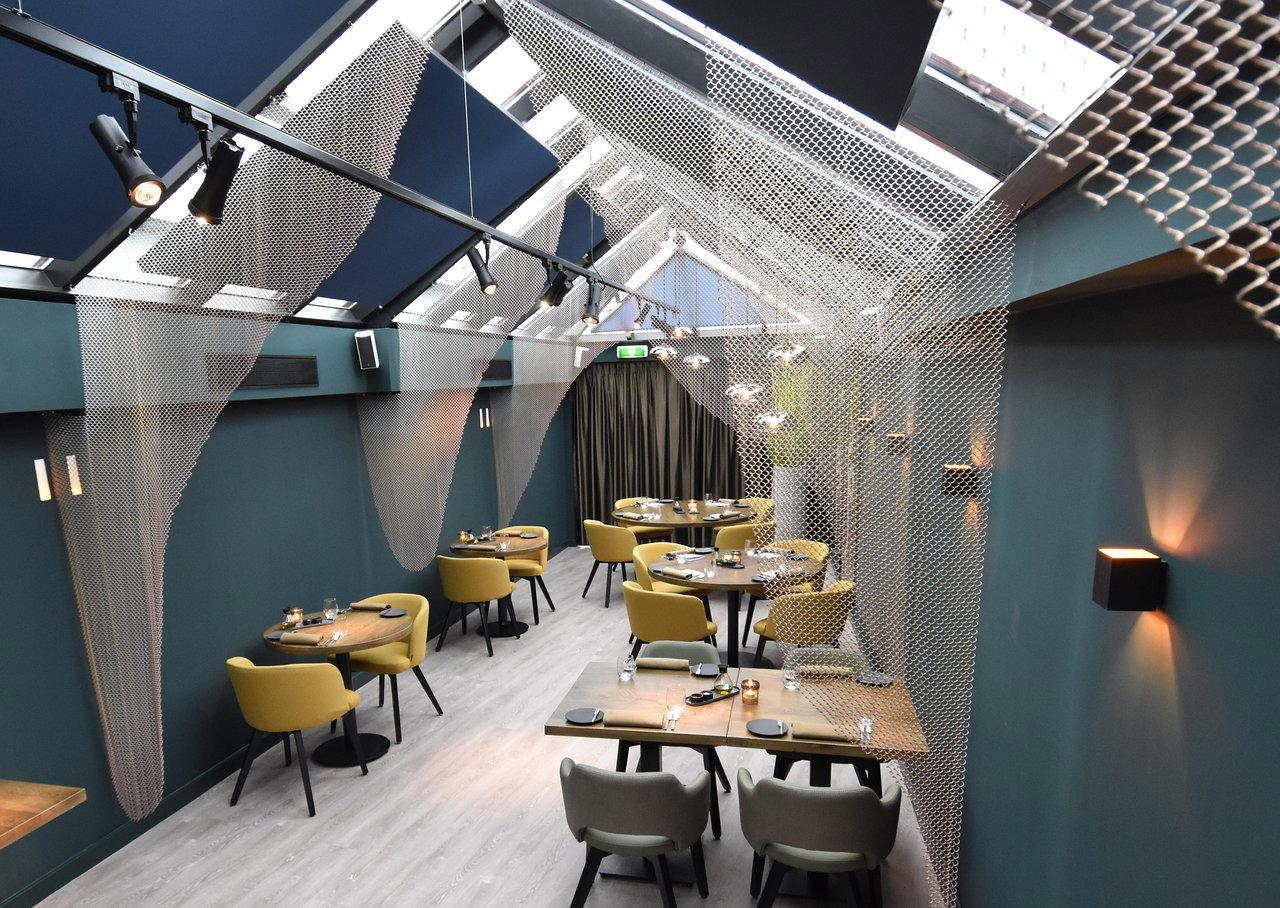
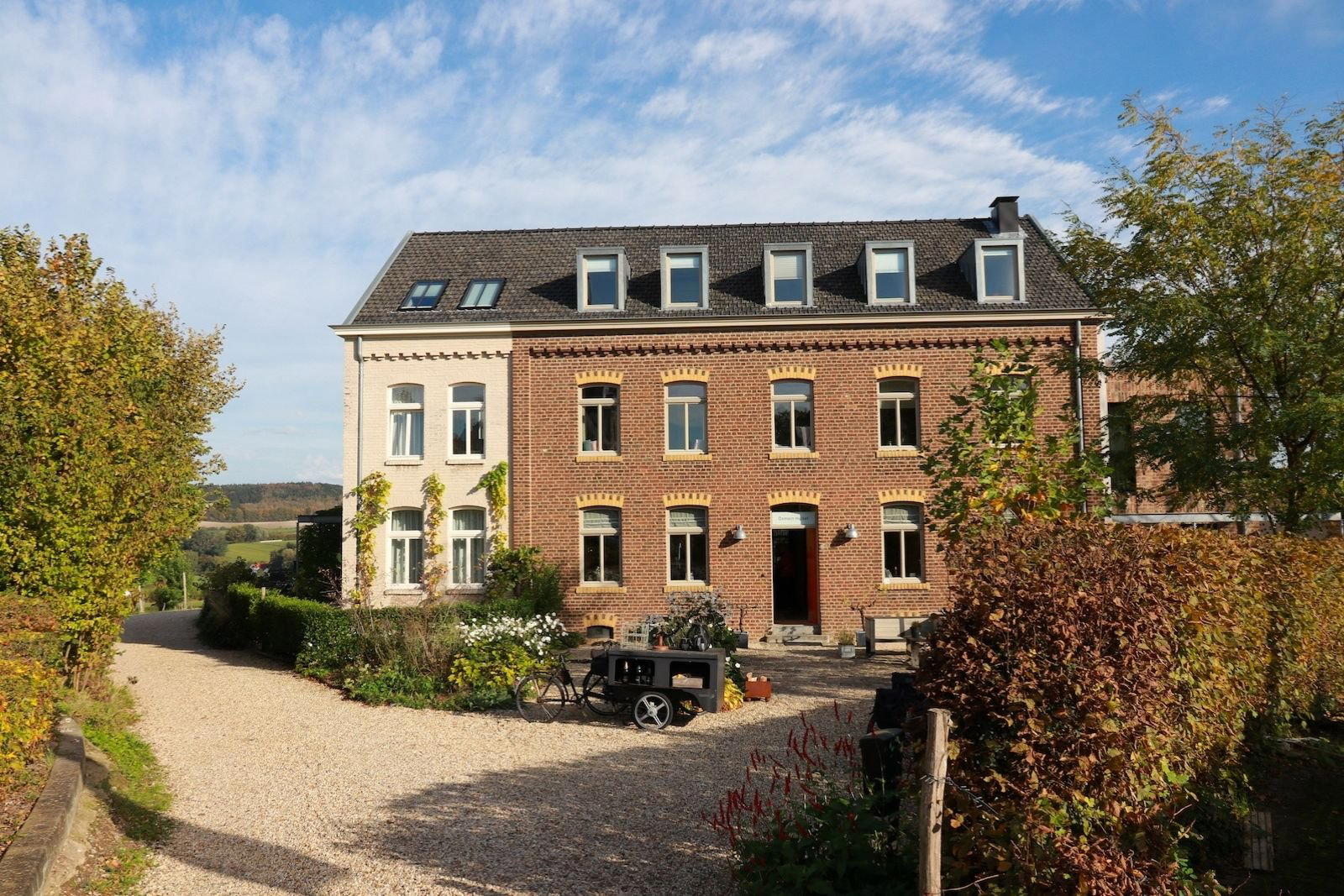
Modern and contemporary ambiance in a trendy setting within a historic monumental pand.