Ayako Sushi
Ayako Sushi sits inside the Centre Commercial Villebon 2 retail complex south of Paris, occupying the niche of Japanese dining that serves the Essonne suburban corridor rather than the capital's destination restaurant circuit. With limited data in the public record, it operates as a neighbourhood-level option where accessibility and format matter more than awards or critical recognition.
Pearl is the En Primeur Club membership app — saves, bookings, and concierge access live there. Same editors, same standards.
- Address
- Centre Commercial Villebon 2, Chemin de Briis, 91140 Villebon-sur-Yvette, France
- Phone
- +33 1 60 14 95 27
- Website
- villebon.ayakosushi.fr
- Directions
- Get directions
 Saves & bookings on Pearl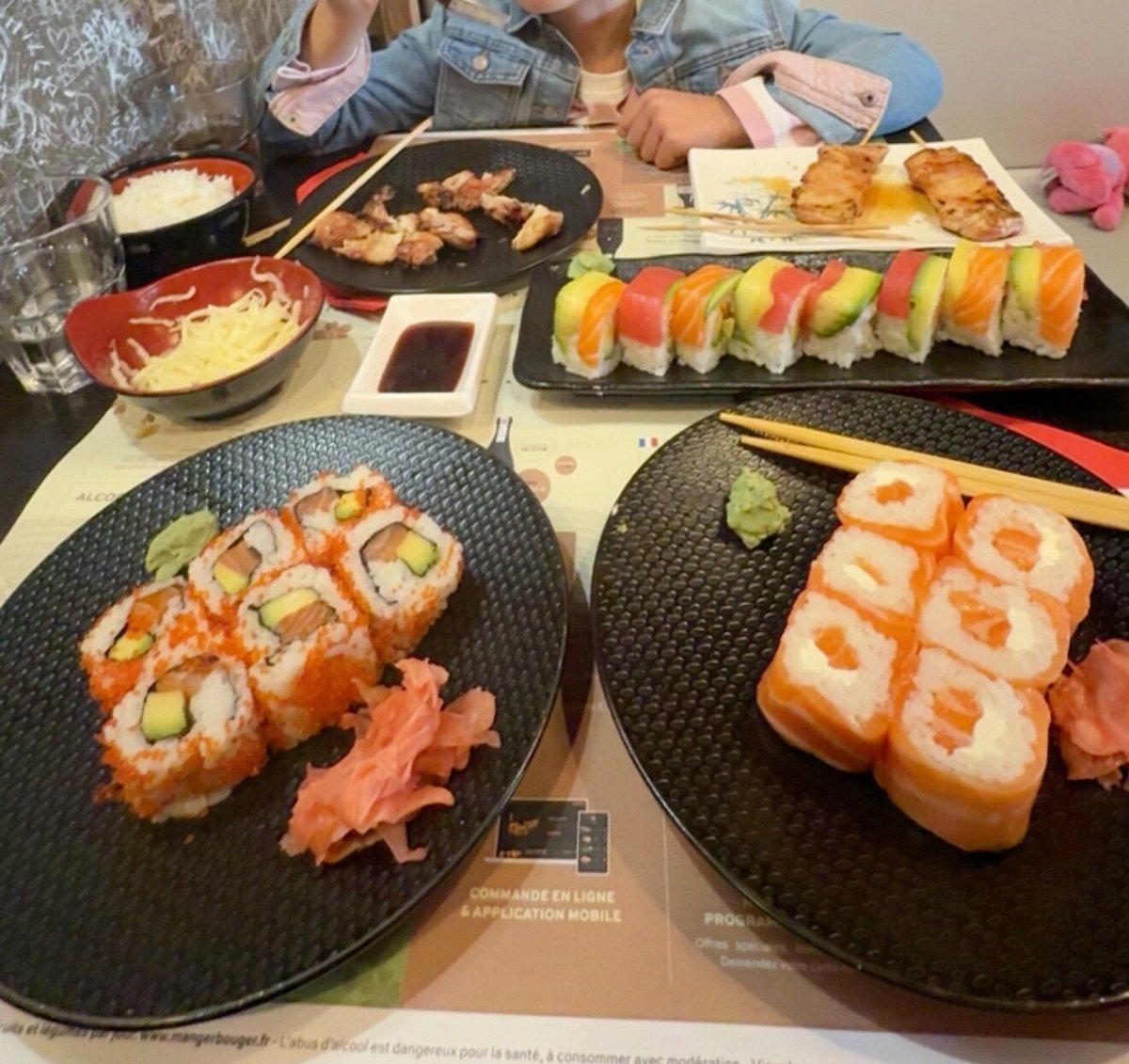
Suburban Paris and the Japanese Table
The southern Île-de-France suburbs have never developed a dining identity on par with Paris's arrondissements, and that gap shapes every restaurant decision in towns like Villebon-sur-Yvette. The retail-anchored food scene here runs on accessibility and reliability: families from the surrounding communes, office workers from the Courtaboeuf business zone, and residents of the Essonne department who want a workable dinner without the RER journey into the capital. Into this context, Japanese cuisine has performed steadily across suburban France since the early 2000s, filling a particular role as a cuisine that translates well into both casual and semi-formal formats, and that draws diners who might otherwise default to pizza or brasserie standards.
Ayako Sushi occupies that functional middle ground, located within the Centre Commercial Villebon 2 on the Chemin de Briis. The address places it squarely inside a retail environment, which sets expectations clearly: this is sushi as neighbourhood dining, not destination dining. That distinction matters when calibrating what you're walking into. The context here is the same as you'd find across dozens of suburban French shopping centres, where Japanese restaurants have become as standard as crêperies once were. For readers accustomed to the level of Mirazur in Menton or Alléno Paris au Pavillon Ledoyen in Paris, the frame of reference here is entirely different. Proximity and convenience, not culinary ambition, define the competitive set.
The Sourcing Question in Suburban Japanese Dining
Any serious discussion of sushi outside Japan returns quickly to the question of supply chains. In Paris proper, a handful of Japanese restaurants have built genuine sourcing relationships: tuna from Rungis arriving multiple times per week, rice sourced from specific Japanese prefectures, wasabi that is actual wasabia japonica rather than horseradish dyed green. The closer you get to destination-level omakase, the more those sourcing choices become part of the menu conversation. Restaurants like Le Bernardin in New York City have built decades of credibility partly through the traceability and quality of raw ingredient procurement.
Suburban sushi operations across France sit at a different point on that spectrum. The supply infrastructure available to a restaurant inside a retail complex in Villebon-sur-Yvette is not the same as what a Paris arrondissement address can access, and the price points typically charged at this tier do not support the cost of premium daily fish deliveries or specialist Japanese ingredient imports. This is not a criticism unique to Ayako Sushi — it describes the structural reality of sushi at this market level across suburban France. The sensible expectation is competent sourcing through standard wholesale channels, with quality that reflects the price tier rather than the aspirations of the higher-end Japanese dining circuit. What suburban sushi does well, when it works, is consistency: familiar cuts executed to a reliable standard for a local audience that returns weekly rather than annually.
For readers making long journeys toward French fine dining with genuine ingredient provenance, the reference points sit elsewhere in the country. Bras in Laguiole built its identity specifically around Aubrac-sourced produce. Auberge de l'Ill in Illhaeusern draws on the Alsatian agricultural corridor that has supplied its kitchen for generations. Les Prés d'Eugénie - Michel Guérard in Eugénie-les-Bains positioned regional sourcing at the heart of its cuisine decades before the concept became fashionable. Those are the conversations where ingredient origin carries genuine editorial weight.
Where Ayako Sushi Sits in the Villebon-sur-Yvette Picture
Villebon-sur-Yvette is not a town that generates destination dining traffic. The Centre Commercial Villebon 2 functions as a regional retail hub drawing from a wide residential catchment, and the restaurants within it compete for the same pool of local diners. In that context, a Japanese restaurant with a name suggesting a personal or family identity behind the counter occupies a slightly warmer register than a franchise chain, even without detailed information about format or menu depth available in the public record.
Practical planning for a visit here is direct on one level and uncertain on another. The Centre Commercial Villebon 2 is accessible by car from the A10 and A86 motorways, and the surrounding area is built for car-based retail access rather than pedestrian arrival. Public transport connections from Paris are workable but indirect, typically requiring a combination of RER B and local bus services. Without confirmed hours, booking method, or current operating status in the public record, anyone planning a visit should verify directly before making the trip. This applies particularly to lunch service hours, which vary considerably among suburban French restaurants and are not always aligned with retail complex opening times.
For our full Villebon Sur Yvette restaurants guide, the local picture is one of functional rather than destination dining. The town does not sit in the same conversation as the starred addresses that define French gastronomy: Flocons de Sel in Megève, Troisgros - Le Bois sans Feuilles in Ouches, Paul Bocuse - L'Auberge du Pont de Collonges in Collonges-au-Mont-dOr, Georges Blanc in Vonnas, Maison Lameloise in Chagny, Auberge du Vieux Puits in Fontjoncouse, Le 1947 à Cheval Blanc in Courchevel, L'Oustau de Baumanière in Les Baux, or La Vague d'Or - Cheval Blanc St-Tropez in Saint-Tropez. Nor does it aim to. Ayako Sushi occupies the local tier, where proximity, price, and a functional menu carry more weight than critical recognition.
Readers visiting the area for reasons other than dining, whether business in the Courtaboeuf zone or family in the surrounding residential communes, will find Ayako Sushi representative of what suburban French Japanese dining offers at this tier. Those specifically building an itinerary around food, including experiences in the same bracket as La Table du Castellet in Le Castellet or Lazy Bear in San Francisco, should calibrate expectations accordingly and look further afield for that level of engagement.
Planning a Visit
The Centre Commercial Villebon 2 address is the clearest fixed point for anyone trying to locate the restaurant. What it offers is local access to Japanese dining in a part of the Essonne department where the alternative would otherwise require a drive into Paris.
How Ayako Sushi Villebon Sur Yvette compares with similar nearby venues.
| Venue | Cuisine | Price |
|---|---|---|
| La Grange des Halles | Modern Cuisine | €€ |
| Maison Avoise | Modern Cuisine | €€€ |
Continue exploring
More in Villebon Sur Yvette
Restaurants in Villebon Sur Yvette
Browse all →
Bars in Villebon Sur Yvette
Browse all →
Hotels in Villebon Sur Yvette
Browse all →
Wineries in Villebon Sur Yvette
Browse all →


At a Glance
- Lively
- Modern
- Elegant
- Casual Hangout
- Group Dining
- Family
- After Work
- Open Kitchen
- Beer Program
- Sake Program
- Sustainable Seafood
- Local Sourcing
Current opening hours
- Monday
- 12–2:45 PM, 7–10:15 PM
- Tuesday
- 12–2:45 PM, 7–10:15 PM
- Wednesday
- 12–2:45 PM, 7–10:15 PM
- Thursday
- 12–2:45 PM, 7–10:15 PM
- Friday
- 12–2:45 PM, 7–10:15 PM
- Saturday
- 12–2:45 PM, 7–10:15 PM
- Sunday
- 12–2:45 PM, 7–10:15 PM
Hours can change for holidays and private events. Last verified .
Modern, spacious restaurant with contemporary décor that evokes a journey to Japan; bright and energetic during peak hours with attentive service.
Know Before You Go
- Getting there
- Centre Commercial Villebon 2, Chemin de Briis, 91140 Villebon-sur-Yvette, France