In Arganzuela, one of Madrid's more residential southern districts, Ay Güey Mexican brings a less-filtered version of Mexican cooking to a city whose relationship with Latin American food is still finding its footing. The address on Calle de José Antonio de Armona places it away from the tourist circuits of Sol and Malasaña, which tells you something about who it is actually cooking for.
Pearl is the En Primeur Club membership app — saves, bookings, and concierge access live there. Same editors, same standards.
- Address
- Cl. de José Antonio de Armona, 9, Arganzuela, 28012 Madrid, Spain
- Phone
- +34617899697
- Website
- opentable.com
- Directions
- Get directions
 Saves & bookings on Pearl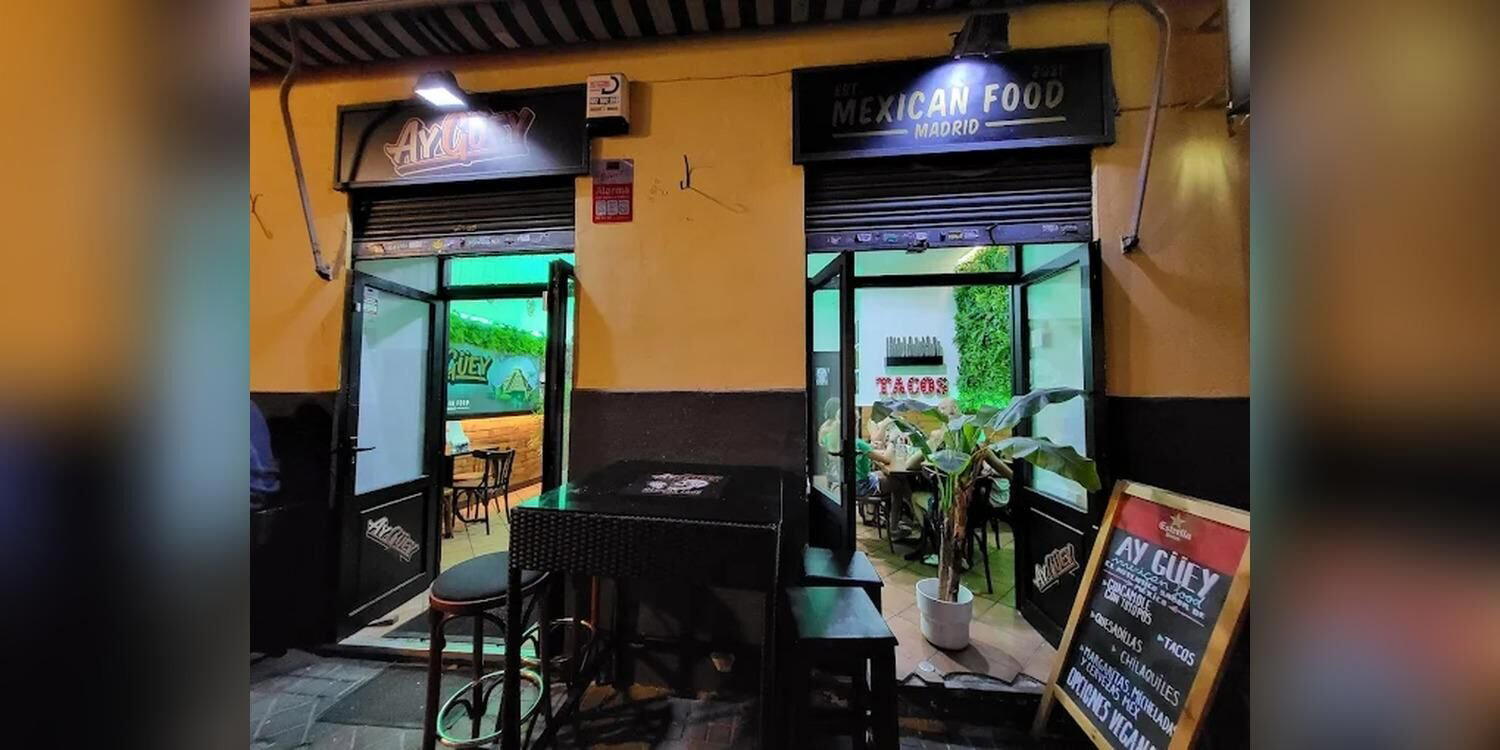
Arganzuela and the Geography of Mexican Food in Madrid
Madrid's Mexican restaurant scene has historically clustered around Lavapiés and the Malasaña fringe, where landlocked rents and international foot traffic made the economics work. Arganzuela sits a few blocks south of that orbit, a district defined more by working-class continuity than by dining destination status. Ay Güey Mexican on Calle de José Antonio de Armona, 9 occupies that southern geography deliberately or accidentally — it is difficult to say which without more data — but the effect is the same: a dining room that draws from the neighbourhood rather than from a tourist map.
That distinction matters more than it might appear. Mexican food in European capitals tends to calibrate toward a perceived international baseline: softened heat levels, decorative tequila lists, and a visual language borrowed from Tex-Mex rather than from Oaxacan or Poblano tradition. Restaurants that operate away from high-traffic zones have less commercial pressure to perform that calibration. Whether Ay Güey holds that line is something the address at least makes possible.
For context on how Madrid positions itself against the broader Spanish dining circuit, the city's fine-dining tier includes houses like DiverXO, Coque, Deessa, DSTAgE, and Paco Roncero, all operating at the €€€€ tier with Michelin credentials. Ay Güey occupies a categorically different register, which is precisely why the neighbourhood framing matters: it is not competing in that arena, and its relationship to place is its primary credential.
Mexican Cooking in a Spanish Context
Spain's culinary identity is unusually coherent at the regional level. The country has produced some of the most technically rigorous kitchens in Europe, El Celler de Can Roca in Girona, Mugaritz in Errenteria, Arzak in San Sebastián, Azurmendi in Larrabetzu, and Martin Berasategui in Lasarte-Oria, all anchored in Spanish ingredient traditions. That national coherence creates an interesting friction for Mexican kitchens operating here: the dining public is sophisticated about Spanish produce and technique, but has less of a reference framework for distinguishing, say, a properly made mole negro from a brown sauce.
That gap can work in a Mexican restaurant's favour. A diner who would immediately flag an imprecise paella may not have the same calibration for a chile relleno, which gives kitchens more room to operate authentically without being second-guessed on every detail. It also, of course, gives less scrupulous operators room to cut corners. The presence of a dedicated Mexican address in a residential district like Arganzuela, rather than a menu addition at a pan-Latin concept in the centre, suggests the former orientation, though that is an inference from geography rather than confirmed kitchen intelligence.
Mexican cuisine's complexity tends to be underestimated in Europe. Regional variation across Oaxaca, Puebla, Veracruz, Yucatán, and the northern states produces as much culinary distance as exists between Galicia and Catalonia in Spain. A kitchen that commits to one of those traditions, rather than blending them into a generic Mexican idiom, is making a meaningful editorial statement about what it is doing. Spain's wider restaurant circuit has seen similar commitments in other immigrant cuisines, with South American and North African kitchens increasingly narrowing their regional focus as the dining public becomes more literate.
The Arganzuela Address
Calle de José Antonio de Armona runs through a part of Arganzuela that most visitors to Madrid never reach. The district borders the Manzanares river corridor to the west and connects southward toward Legazpi and the Matadero cultural complex, which has drawn a younger, design-aware crowd to the area over the past decade. That demographic shift has supported a modest but real expansion of independent food operators in the streets surrounding it, not restaurant rows in the conventional sense, but scattered neighbourhood addresses that serve local regulars more than destination diners.
Arriving on foot from the Legazpi metro station puts the walk at roughly ten to fifteen minutes through streets that are functional rather than picturesque. That approach sets expectations accurately: this is neighbourhood dining, not a set-dressed dining district. For comparison, the journey from the tourist-heavy Sol area takes around twenty minutes by metro and a short walk, which is enough friction to filter out the purely casual passerby. The people eating here are making a deliberate choice.
That kind of friction is, in dining terms, a form of curation. Restaurants that are easy to stumble upon fill with a broader cross-section of diners whose investment in the specific cuisine varies widely. Restaurants that require a modest navigational commitment tend to attract people who already know what they are looking for. It shapes the room in ways that go beyond demographics.
How Ay Güey Sits in Madrid's Broader Map
Madrid's restaurant geography has expanded outward from its historic centre over the past fifteen years, with districts like Chamberí, Chueca, and more recently Tetuán absorbing independent operators pushed out by central rents. Arganzuela represents a further southward extension of that pattern. For visitors mapping a meal against other stops, it is worth noting that the neighbourhood pairs logically with the Matadero Madrid cultural space and the Parque de Madrid Río riverfront, both of which draw foot traffic on weekends.
Elsewhere in Spain, the restaurant circuits worth tracking for serious dining include Quique Dacosta in Dénia, Aponiente in El Puerto de Santa María, Ricard Camarena in València, Atrio in Cáceres, and Cocina Hermanos Torres in Barcelona. Ay Güey is not competing in that circuit, but its existence in a city where those restaurants also operate points to something real about how Madrid's dining ecosystem has diversified: there is now enough of an audience for specifically positioned, neighbourhood-anchored international cooking that it can sustain itself outside the centre. Internationally, the neighbourhood-anchored model has comparable practitioners at places like Lazy Bear in San Francisco, where a deliberate address away from main dining corridors is part of the positioning. At the high-end international level, Le Bernardin in New York City shows what happens when a cuisine-specific commitment is sustained at scale over decades, a different tier entirely, but the same underlying principle of specificity over generalism.
Our full Madrid restaurants guide maps the city's dining options across districts and price tiers for broader planning.
Know Before You Go
- Address: Cl. de José Antonio de Armona, 9, Arganzuela, 28012 Madrid, Spain
- District: Arganzuela, south of the city centre
- Nearest Metro: Legazpi (Line 3 and Line 6), approximately 10-15 minutes on foot
- Price Range: Not confirmed, verify directly before visiting
- Reservations: Booking method not confirmed, check current availability directly
- Hours: Not confirmed, verify before travelling
- Phone / Website: Not listed in current records, search directly for current contact details
How Ay Güey Mexican Madrid compares with similar nearby venues.
| Venue | Cuisine |
|---|---|
| El Boqueron | Tapas Bar |
| La Fisna Vinos | Wine Bar |
Continue exploring
More in Madrid
Restaurants in Madrid
Browse all →
Bars in Madrid
Browse all →
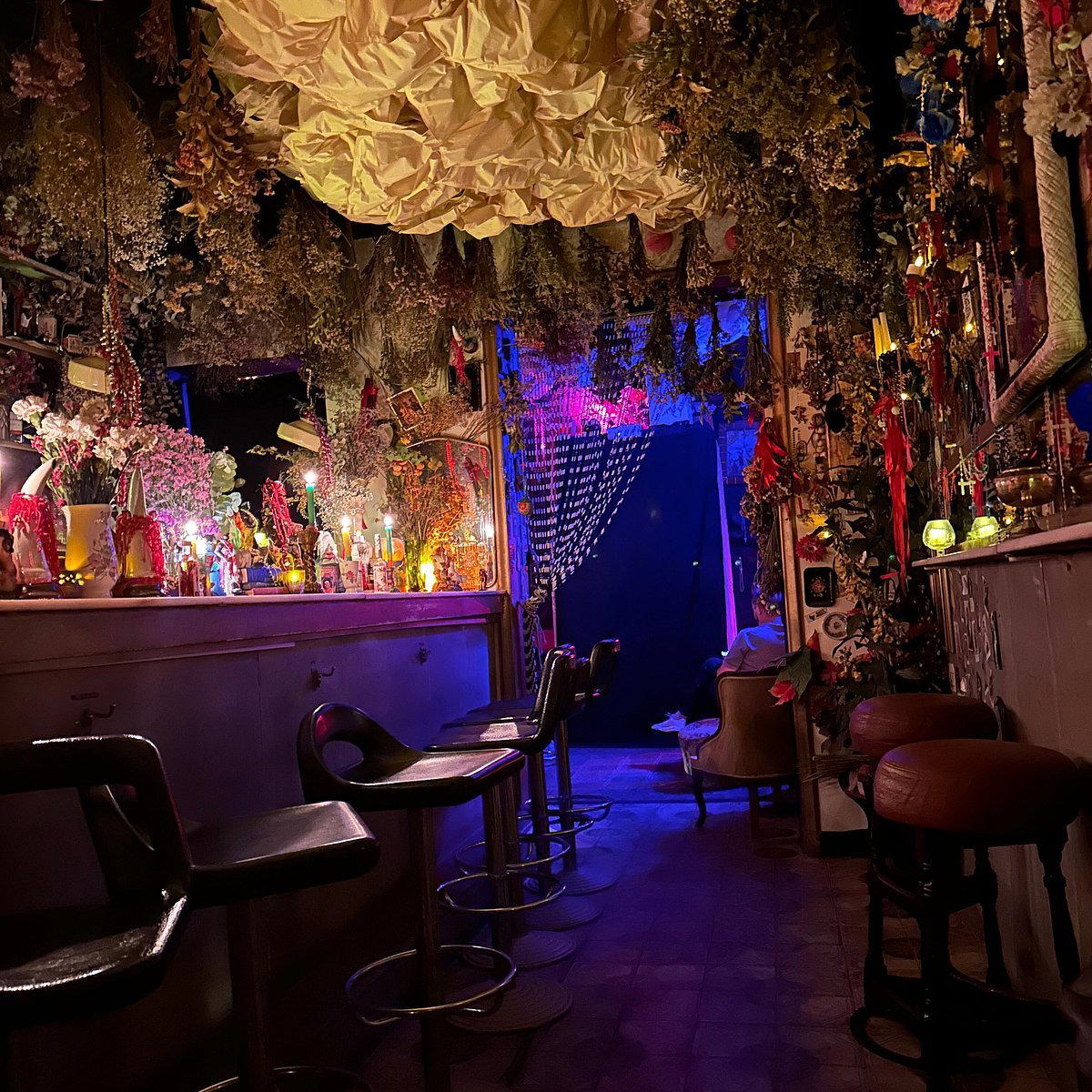
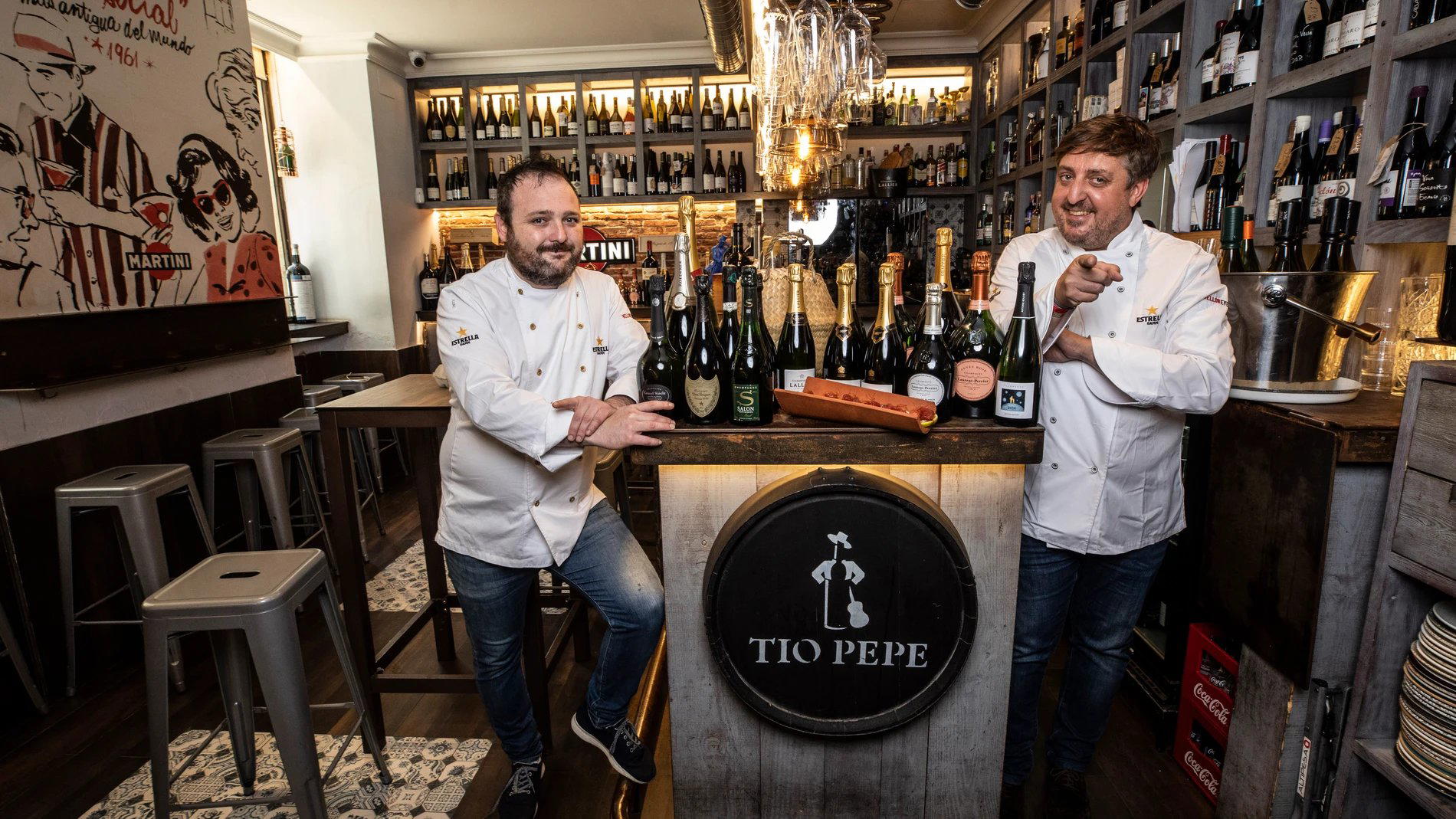
Hotels in Madrid
Browse all →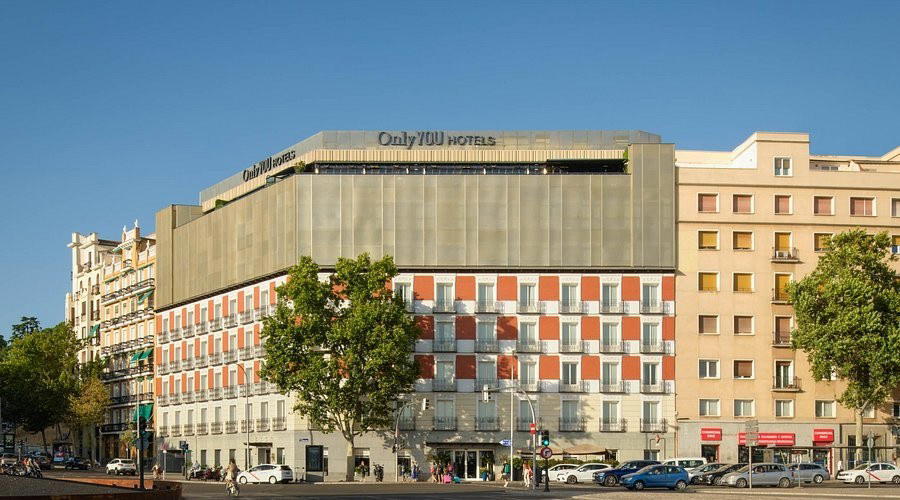
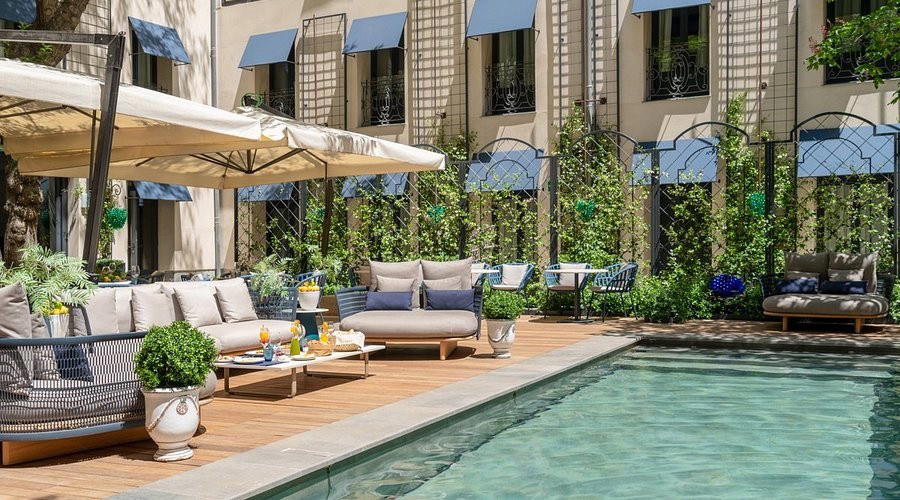


At a Glance
- Lively
- Trendy
- Casual Hangout
- Group Dining
- Open Kitchen
- Craft Cocktails
Current opening hours
- Monday
- Closed
- Tuesday
- Closed
- Wednesday
- 1–5:30 PM, 8–11 PM
- Thursday
- 1–5:30 PM, 8–11 PM
- Friday
- 1–5:30 PM, 8–11:30 PM
- Saturday
- 1:30–11:30 PM
- Sunday
- 1:30–11 PM
Hours can change for holidays and private events. Last verified .
Fun and casual atmosphere with welcoming, attentive service.
Know Before You Go
- Getting there
- Cl. de José Antonio de Armona, 9, Arganzuela, 28012 Madrid, Spain