The Singular Patagonia, Puerto Bories Hotel
Occupying a converted 1915 cold-storage plant on the Última Esperanza fjord, The Singular Patagonia sits in the small tier of design-led heritage properties that define southern Chile's premium accommodation scene. The setting, industrial bones softened by panoramic water views, positions it as a base for Torres del Paine travellers who want architecture and provenance alongside expedition logistics.
Pearl is the En Primeur Club membership app — saves, bookings, and concierge access live there. Same editors, same standards.
- Address
- 5 Norte S/N, 8F48+M9 Km 5, 6160000 Puerto Bories, Natales, Magallanes y la Antártica Chilena, Chile
- Phone
- +56 61 272 2030
- Website
- thesingular.com
- Directions
- Get directions
 Saves & bookings on Pearl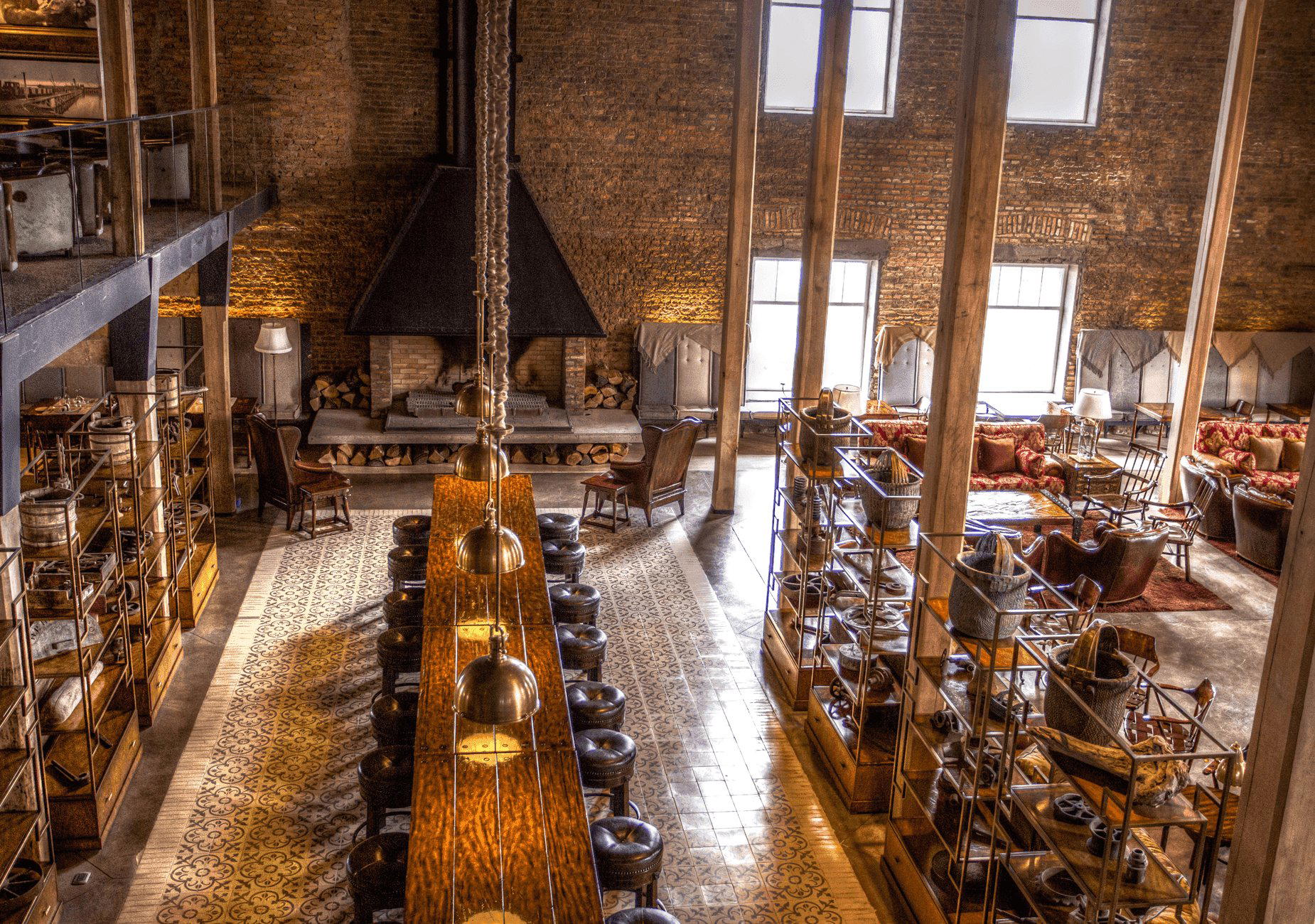
Where Industrial Heritage Meets the Patagonian Fjord
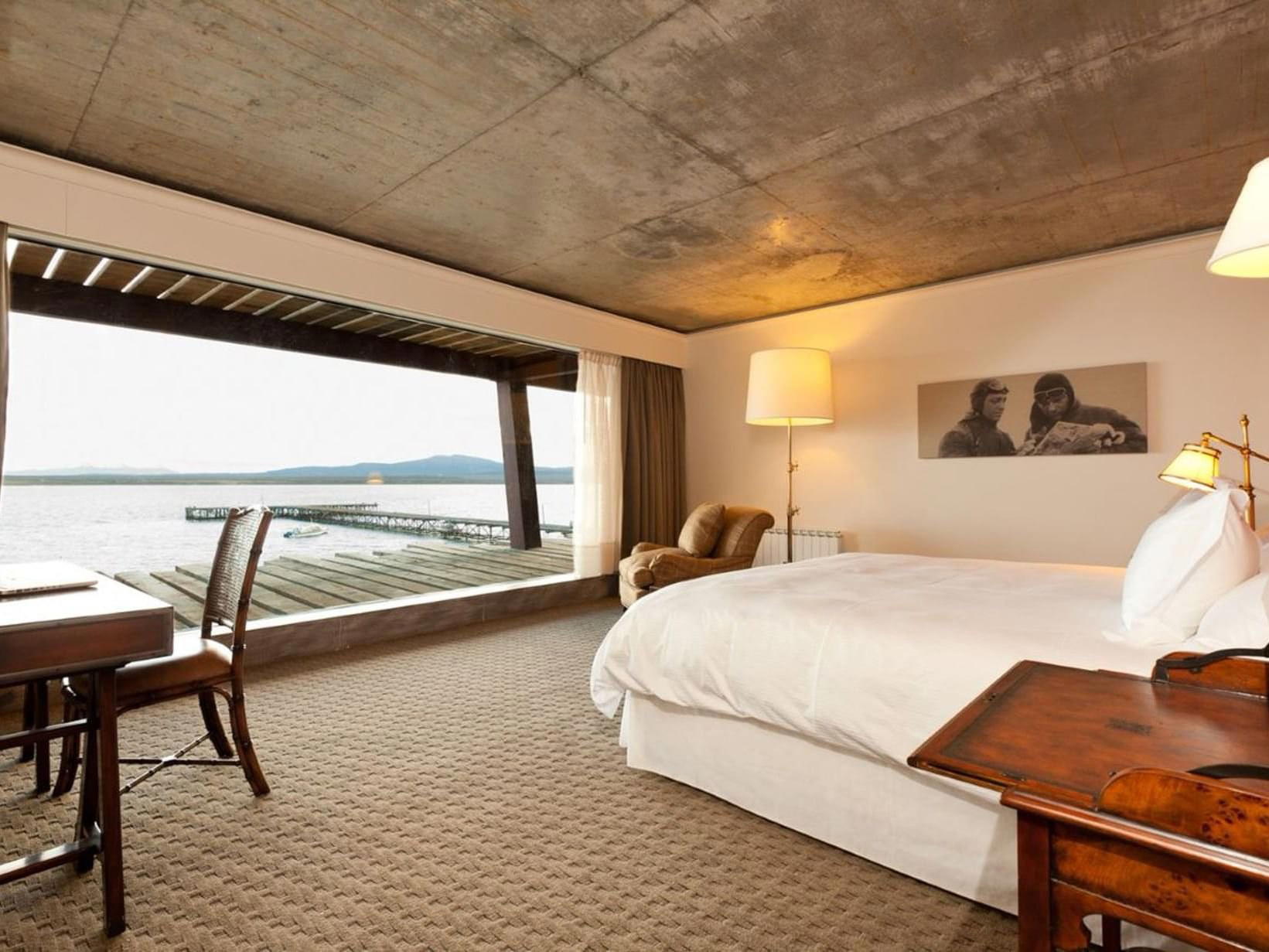
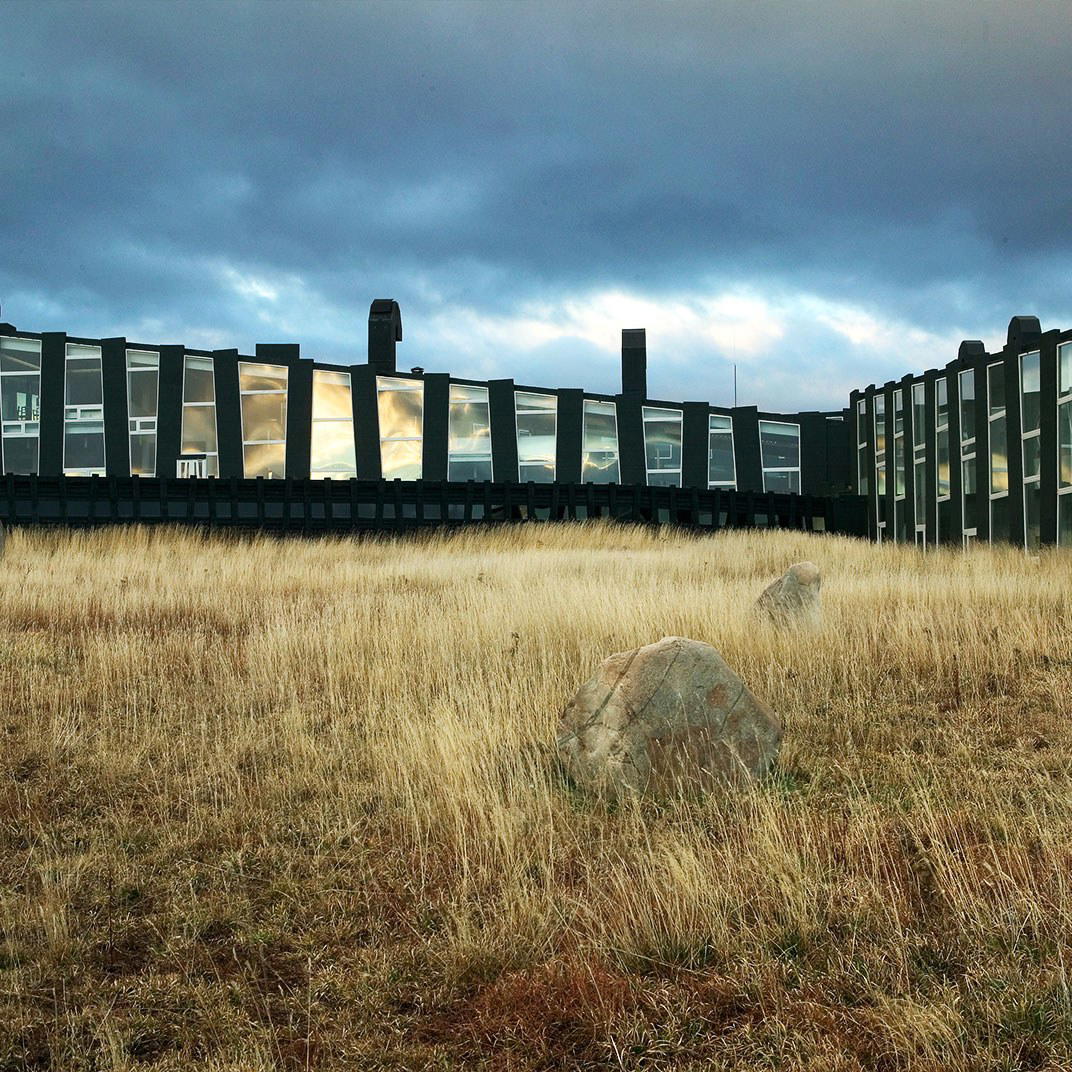
The southern tip of South America has produced a distinct hospitality model over the past two decades: properties that use the landscape's severity as a design element rather than a backdrop. The Singular Patagonia, occupying a restored 1915 cold-storage and meat-processing facility at Puerto Bories on the Última Esperanza fjord, belongs to this category. The building's industrial bones, exposed machinery, riveted steel, and high-ceilinged processing halls, have been preserved and incorporated rather than erased, placing the hotel in a niche comparable set that prizes provenance over polish. It is roughly five kilometres from Puerto Natales, the main gateway town for Torres del Paine National Park, and that proximity shapes everything about how the property functions.
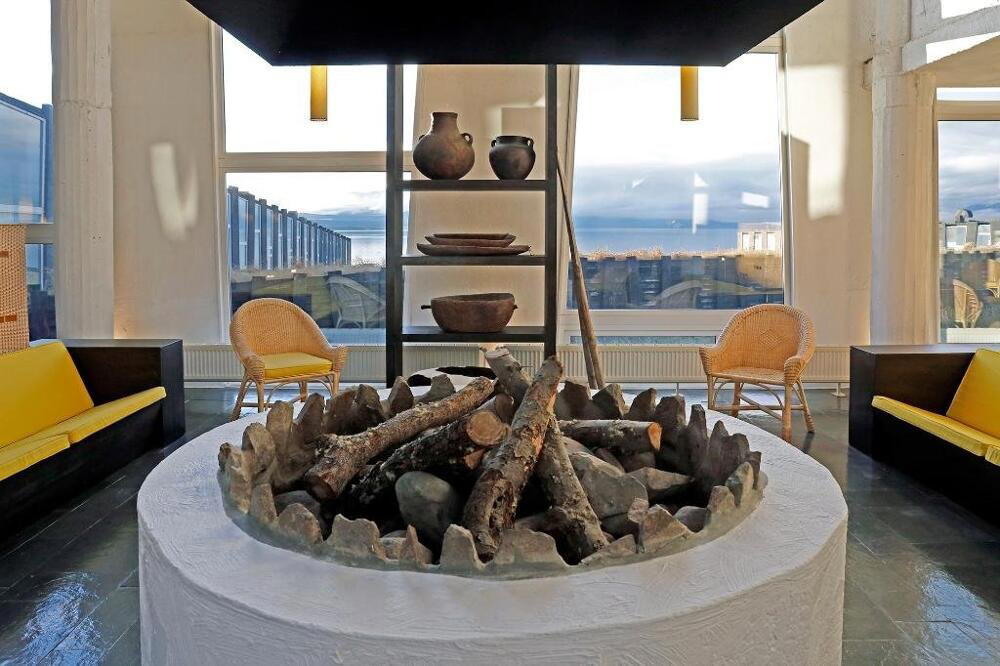
Patagonia's premium accommodation tier has split cleanly between large international-flag hotels that import a global luxury template, and smaller, architecturally specific properties that treat local materiality and history as the product itself. The Singular Patagonia sits firmly in the latter cohort. The fjord-facing position means arriving guests see the property from the water road before they enter it, the long industrial facade framing the grey-green channel behind. That first approach is not incidental; it sets the register for what follows inside.
The Bar Programme in a Wilderness Context
Cocktail culture at the extreme southern end of Chile operates under constraints that sharpen what a bar team can do. Supply chains are long, seasonal produce windows are narrow, and the guest profile, predominantly international expedition travellers and Chilean adventure tourists, tends to arrive cold, often wet, and in need of something that makes a case for the region rather than retreating to the familiar. Particularly interesting bar programmes in remote destination hotels work within these pressures rather than against them, building menus around what the surrounding terrain actually provides.
At The Singular Patagonia, the bar occupies a converted section of the historic plant and looks out toward the fjord. The wider Chilean cocktail scene, which has been developing technical ambition in Santiago over the past decade, is visible in how properties at this tier think about their drink programmes. The approach in Santiago, well represented by venues like Casaluz Restaurant, shows that Chilean bartenders have moved beyond pisco sour orthodoxy into clarified formats, botanical-forward builds, and deliberate terroir sourcing. At a property like The Singular, that same sensibility meets the particular ingredients of Patagonia: calafate berries, native herbs, cold-climate botanicals, and the proximity to Magallanic sheep country that influences the food program and, by extension, what the kitchen provides to the bar.
The global conversation about premium cocktail craft, whether at Bar Leather Apron in Honolulu, Jewel of the South in New Orleans, or 69 Colebrooke Row in London, has moved toward transparency of technique and ingredient provenance. Remote destination hotels that take drinks seriously apply the same principles but with the added weight of place: a cocktail in Puerto Bories should taste like it could only be made here. That is a higher bar than it sounds in practice, and it separates properties that have invested in their bar programmes from those treating the bar as an afterthought between dinner and sleep.
For context on how bartender creative vision translates across different formats, the discipline visible at Kumiko in Chicago, 1806 in Melbourne, and 28 HongKong Street in Singapore illustrates that particularly durable programmes are built on a coherent ingredient philosophy rather than seasonal novelty. The bar at a heritage property in Patagonia has the raw material for exactly that kind of coherence, if the programme is designed to use it.
The Dining Room and Kitchen Logic
Patagonia's food culture is anchored in protein: lamb raised on the pampa, seafood pulled from cold-water channels, and produce that reflects the short southern growing season. Particularly credible restaurant programmes in the region do not try to replicate Santiago or Buenos Aires; they work within the agricultural and maritime reality of Magallanes. The Singular's restaurant operates within the restored plant, where the spatial scale of the original industrial space has been converted into a dining room that references the building's working history. The food at properties in this tier typically reflects the lamb-dominant ranching economy of the surrounding region, supplemented by king crab, centolla, from the Beagle Channel and cold-water fish species native to Patagonian waters.
The dining logic at expedition-adjacent hotels in southern Chile generally aligns meals with the physical rhythms of the day: early breakfasts before park departures, substantial post-trek dinners, and a bar programme that earns its keep in the evening hours when the fjord light turns the water metallic and the temperature drops fast. This structure suits The Singular’s position as a staging point for Torres del Paine.
Planning a Stay: What to Know
Puerto Natales is accessible by road from Punta Arenas (approximately three hours) or by the ferry route through the Patagonian channels, a multi-day crossing that arrives with a different register than flying. For those coordinating Torres del Paine circuits, the park's main entry points are roughly 70 to 110 kilometres north of Puerto Natales depending on the route, and most operators run day transfers from the town. The hotel’s Puerto Bories address places it slightly outside the Puerto Natales centre, which means the property functions more as a self-contained retreat than a hotel embedded in town life. Booking in advance is recommended, especially in the southern hemisphere summer season, November through March.
Those travelling to Patagonia for the first time should account for the fact that weather in the region can change within hours, and itinerary flexibility is a practical necessity rather than a preference. Properties that understand this, with flexible meal timing, drying facilities, and bar programmes designed for impromptu afternoon sessions when the wind closes the park, serve the Patagonian traveller more usefully than those importing a rigid luxury-hotel schedule from elsewhere.
In Context: Similar Options
Comparable venues nearby, for context on price, style, and recognition.
| Venue | Cuisine | Price | Notes |
|---|---|---|---|
| The Singular Patagonia, Puerto Bories HotelThis venue — the venue you are viewing | hotel_bar | $$$$ | Not listed |
| California Cantina | sports_bar | $$ | Providencia |
Continue exploring
More in Puerto Natales
Restaurants in Puerto Natales
Browse all →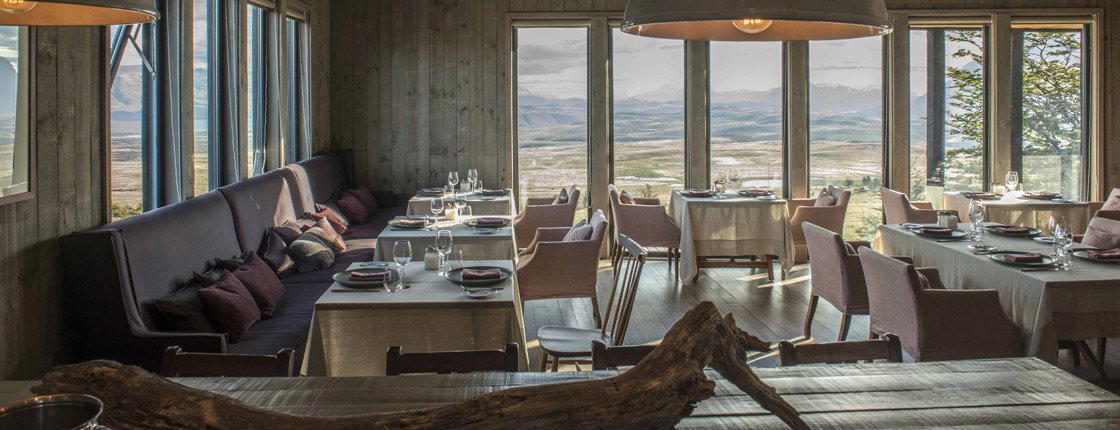
At a Glance
- Rustic
- Elegant
- Scenic
- Historic
- Cozy
- Sophisticated
- Special Occasion
- Date Night
- Waterfront
- Historic Building
- Hotel Bar
- Panoramic View
- Lounge Seating
- Craft Cocktails
- Waterfront
- Mountain
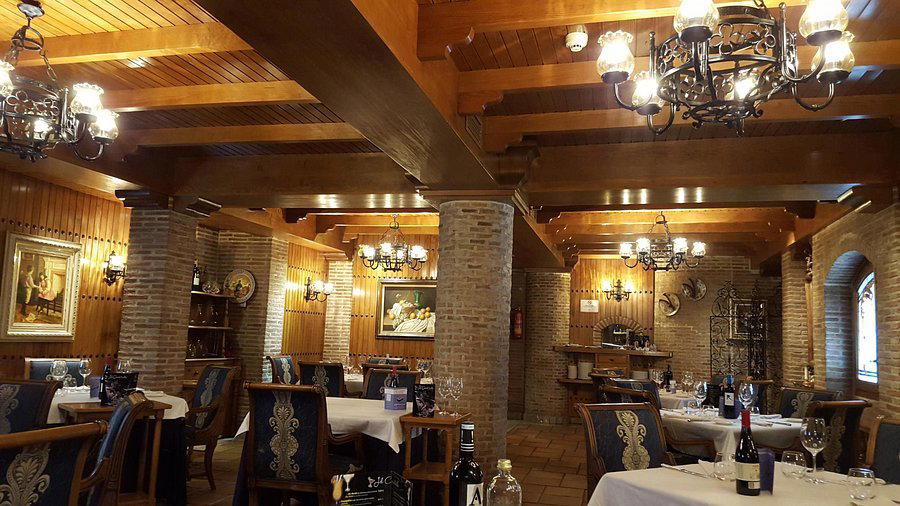
Warm, rustic atmosphere with exposed brick, rich wood furnishings, and dramatic fjord views, blending history and elegance.