Awash
Ethiopian dining on the Upper West Side has a long-established anchor in Awash, located at 947 Amsterdam Avenue. The kitchen draws on the communal traditions of East African cooking, where injera-based sharing plates form the core of the meal. It occupies a different register from the tasting-menu circuit, offering a grounded, ingredient-driven alternative in a neighborhood better known for casual American fare.
Pearl is the En Primeur Club membership app — saves, bookings, and concierge access live there. Same editors, same standards.
- Address
- 947 Amsterdam Ave, New York, NY 10025
- Phone
- +12129611416
- Website
- awashny.com
- Directions
- Get directions
 Saves & bookings on Pearl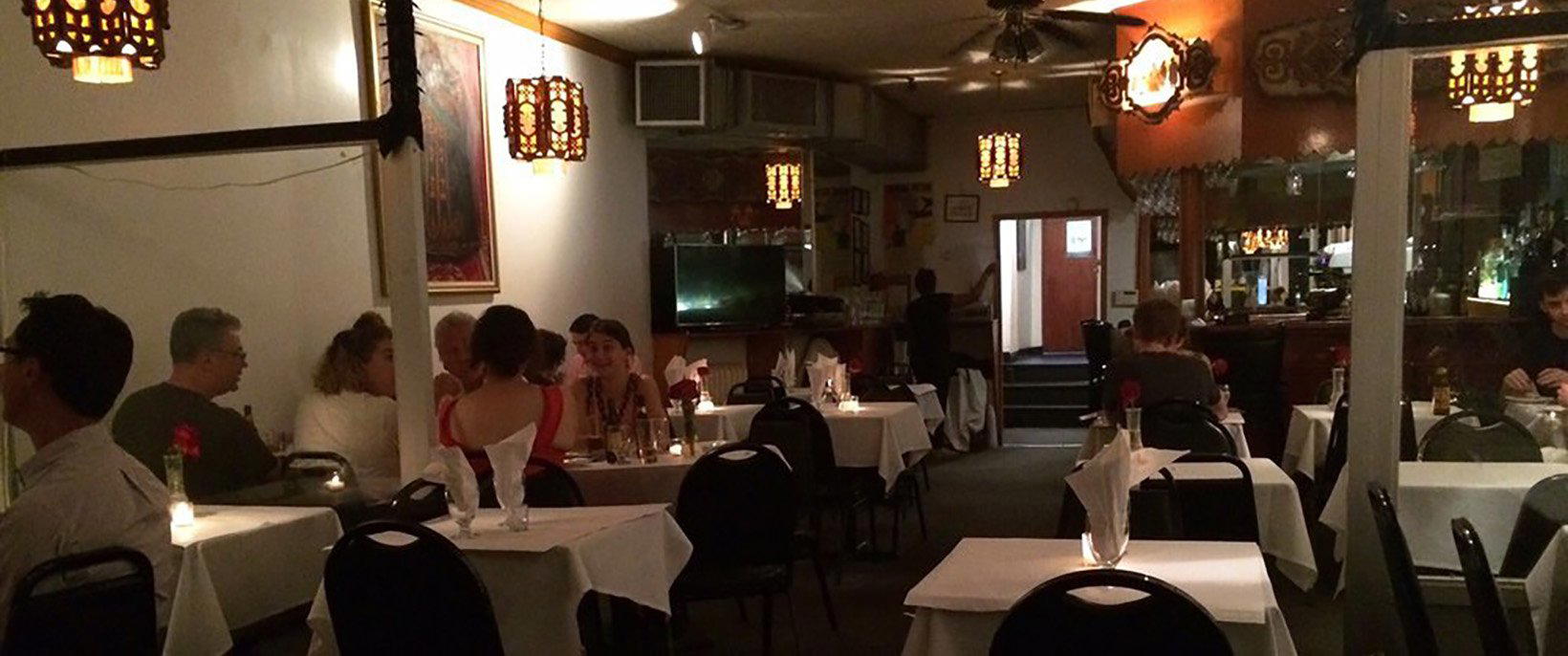
Ethiopian Tradition on the Upper West Side
Awash is an Authentic Ethiopian restaurant at 947 Amsterdam Ave in New York, NY 10025, with a $25 average price per person. The neighborhood runs long on brasseries, pizza counters, and neighborhood staples serving the Columbia University corridor, which makes a kitchen rooted in East African communal cooking a distinct presence rather than one option among many similar ones. Ethiopian food in New York has deepened over decades, moving from curiosity to an established category with a loyal, knowledgeable diner base, and Awash sits within that arc.
The cuisine itself carries a set of conventions that define the experience regardless of where you eat it. Injera, the spongy sourdough flatbread fermented from teff flour, functions simultaneously as plate and utensil. Dishes arrive arranged atop a shared round of injera, and the meal is eaten by hand, tearing off portions of bread to scoop stews, legumes, and braised meats. This format places Awash in a fundamentally different dining grammar from the individual-plate model that dominates most of the restaurants in its zip code. For diners accustomed to the tasting-menu formality of places like Eleven Madison Park or the composed precision of Le Bernardin, the shift to communal, hand-eaten sharing is a genuine recalibration of how a meal is structured.
The Cultural Weight of Injera-Based Cooking
Ethiopian cuisine is among the few culinary traditions where the serving medium is also a fermented ingredient in its own right. Teff, the grain behind injera, is native to the Ethiopian highlands and carries a mild sourness that acts as a counterpoint to the spiced stews it holds. The seasoning logic runs through berbere, a spice blend that typically incorporates chili, fenugreek, coriander, and korarima (Ethiopian cardamom), and niter kibbeh, a clarified butter infused with aromatics. These are not background flavors but structural ones, and the depth of a kitchen's spice work is the primary measure of quality within the category.
The vegetarian range within Ethiopian cooking is broader than most Western diners expect. Fasting traditions within the Ethiopian Orthodox Church historically drove the development of a sophisticated plant-based repertoire: lentils cooked in spiced oil, collard greens with garlic, split peas seasoned with turmeric, and beet and potato combinations that predate the current vogue for vegetable-forward menus by centuries. A restaurant like Awash, operating in this tradition, has access to a culinary vocabulary that requires no adaptation to serve diners with dietary restrictions, because the cuisine already accommodated that plurality by design.
This places Awash in a different conversation from the plant-based innovation happening at the $$$$ tier, where kitchens like Eleven Madison Park have restructured their formats around vegetables as a concept. Ethiopian cooking's vegetarian depth is structural rather than programmatic, built into the cuisine's weekly rhythm rather than imposed as a creative statement.
Where Awash Sits in New York's Broader Dining Map
New York supports a wide range of price points and cultural traditions, and the city's credibility in Ethiopian cooking is well-established, particularly in Harlem and parts of the Bronx where Ethiopian and Eritrean communities have long anchored restaurant corridors. Awash operates at a different longitude, bringing the format to an Upper West Side audience that may not travel regularly to those neighborhoods for this cuisine. That geographic positioning matters: it determines the regular diner base, the walk-in traffic, and the expectations a kitchen has to balance between community familiarity and broader accessibility.
The contrast with the high-end Manhattan dining tier is useful context. Restaurants like Masa, Per Se, and Atomix operate in a heavily credentialed, award-tracked segment where price is a deliberate signal of positioning. Awash occupies a separate register entirely, one where the measure of quality is fidelity to a cuisine's internal logic rather than placement within a Michelin or 50 Best hierarchy. That is not a lesser ambition; it is a different one. The same comparison could be drawn between craft-specific American restaurants elsewhere in the country, from the farm-rooted precision of Blue Hill at Stone Barns in Tarrytown to the ingredient-driven focus of Single Thread Farm in Healdsburg. Each operates according to its own standard of internal coherence.
Comparative context from elsewhere in the American dining scene, including Smyth in Chicago, Providence in Los Angeles, and Lazy Bear in San Francisco, illustrates how city-specific the relationship between neighborhood, cuisine type, and diner expectation tends to be. European reference points like Dal Pescatore in Runate and Atelier Moessmer Norbert Niederkofler in Brunico demonstrate the same principle: cuisine type and location together define the competitive set more precisely than price alone.
Planning Your Visit
Awash is located at 947 Amsterdam Avenue, New York, NY 10025, in the Upper West Side corridor between 106th and 107th Streets, within walking distance of the 110th Street subway stations on the B, C, and 1 lines. Reservations are recommended. Dress: Casual. The dining format is informal by design. Budget: About $25 per person. Leading for: Communal dining groups, diners seeking plant-based depth within a cuisine that treats it as foundational rather than optional, and first-time visitors to Ethiopian food who want an accessible entry point without traveling to the more concentrated Ethiopian corridors in Harlem.
In Context: Similar Options
Comparable venues nearby, for context on price, style, and recognition.
| Venue | Cuisine | Price | Notes |
|---|---|---|---|
| AwashThis venue — the venue you are viewing | Authentic Ethiopian | $$ | Not listed |
| Divine Flavored caterings | Authentic Nigerian & West African | $$ | Crown Heights (North) |
| Chez Jacob | Authentic Senegalese | $$ | Harlem (North) |
| Africa Kine | Senegalese | $$ | Harlem (North) |
| Bicchiere | Northern Italian Wine & Pasta Bar | $$ | Upper East Side |
| Toné Cafe | Traditional Georgian cafe & bakery | $$ | Brighton Beach |
Continue exploring
More in New York City
Restaurants in New York City
Browse all →
Bars in New York City
Browse all →

Hotels in New York City
Browse all →







At a Glance
- Cozy
- Rustic
- Group Dining
- Casual Hangout
Current opening hours
- Monday
- 2–10 PM
- Tuesday
- 2–10 PM
- Wednesday
- 2–10 PM
- Thursday
- 2–10 PM
- Friday
- 2–10 PM
- Saturday
- 1:30–10 PM
- Sunday
- 1:30–10 PM
Hours can change for holidays and private events. Last verified .
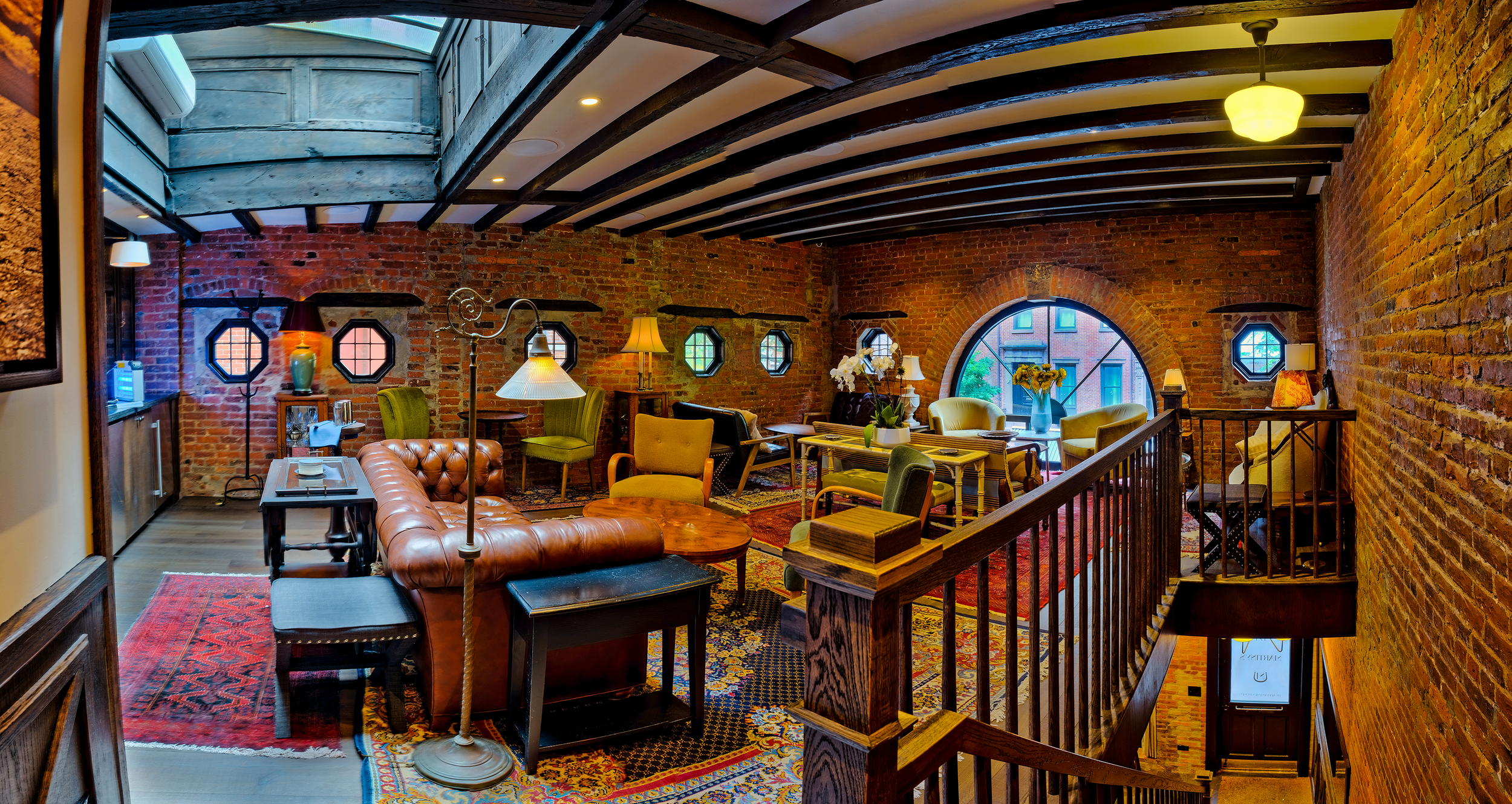
Relaxed environment with contemporary decor, rustic warm color scheme, and Ethiopian art featuring portraits of past emperors.