Africa Kine
Our verdict
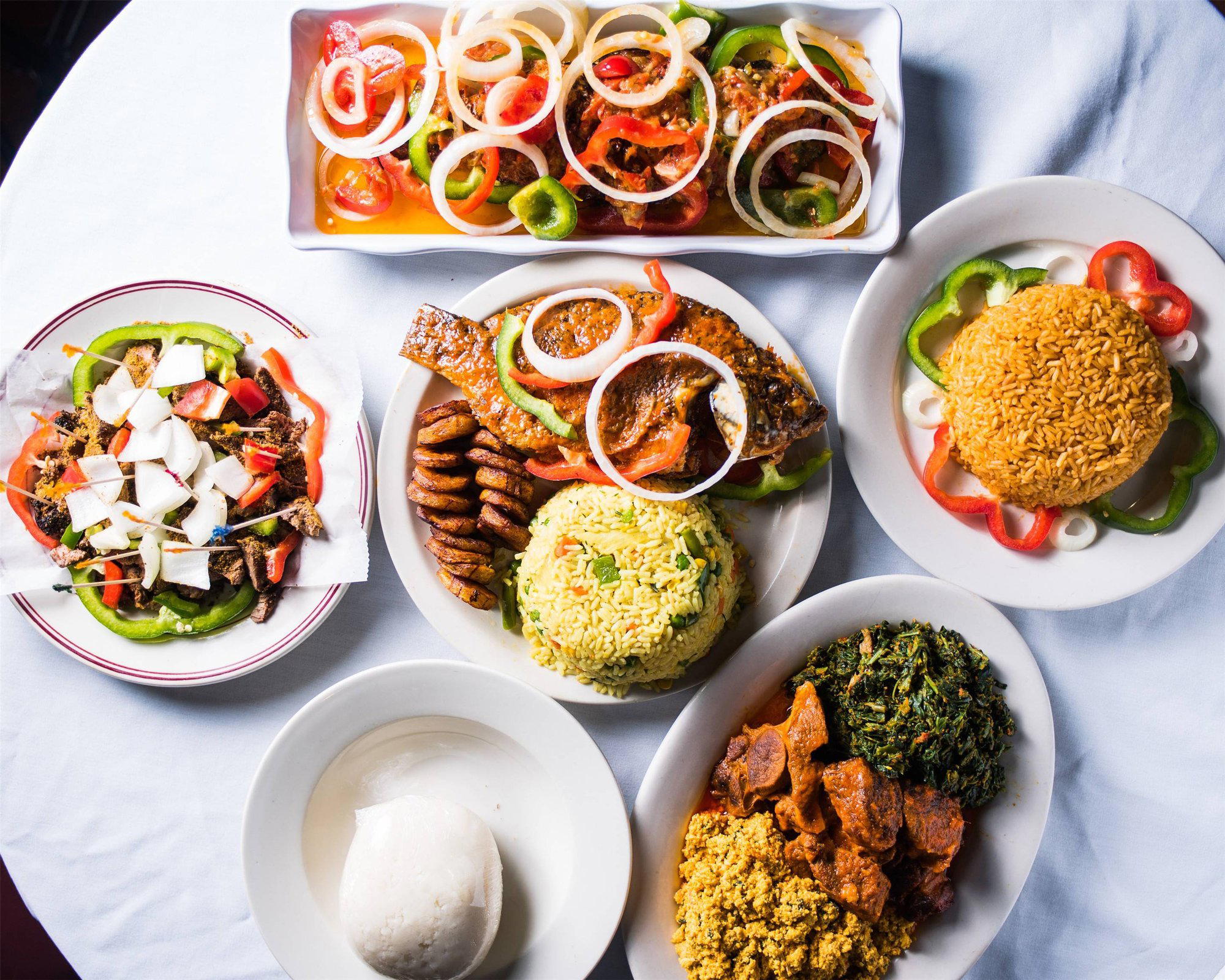
Africa Kine has anchored West Harlem's Senegalese dining scene from its address on Adam Clayton Powell Jr Blvd, operating as one of New York City's most enduring West African restaurants. The room runs at its own tempo, distinct from Manhattan's downtown dining circuits, and the kitchen draws a loyal neighbourhood crowd alongside diners making a deliberate trip uptown for cooking that rarely appears at this scale elsewhere in the city.

Pearl is the En Primeur Club membership app — saves, bookings, and concierge access live there. Same editors, same standards.
West Harlem's Senegalese Anchor
Harlem's dining identity has never been monolithic. The neighbourhood has absorbed wave after wave of culinary influence, from the Southern cooking that defined 125th Street's postwar reputation to the Caribbean and West African kitchens that reshaped its northern blocks through the latter decades of the twentieth century. Africa Kine, situated on Adam Clayton Powell Jr Blvd in West Harlem, belongs to that second wave. It has occupied its stretch of the boulevard long enough to become a reference point for Senegalese cooking in New York City, the kind of address that appears in conversations about where to eat West African food in Manhattan rather than conversations about what's new.
That longevity matters in a city where restaurant turnover is relentless. The stretch of upper Manhattan where Africa Kine operates has remained largely outside the radius of the downtown dining circuits that generate most New York food media attention. That geographic remove has, in practice, functioned as insulation. The restaurant has not needed to reposition itself for successive waves of neighbourhood gentrification in the way that many mid-Manhattan restaurants have. It occupies a specific role in the West Harlem food economy, and it has held that role consistently.
The Physical Space as Context
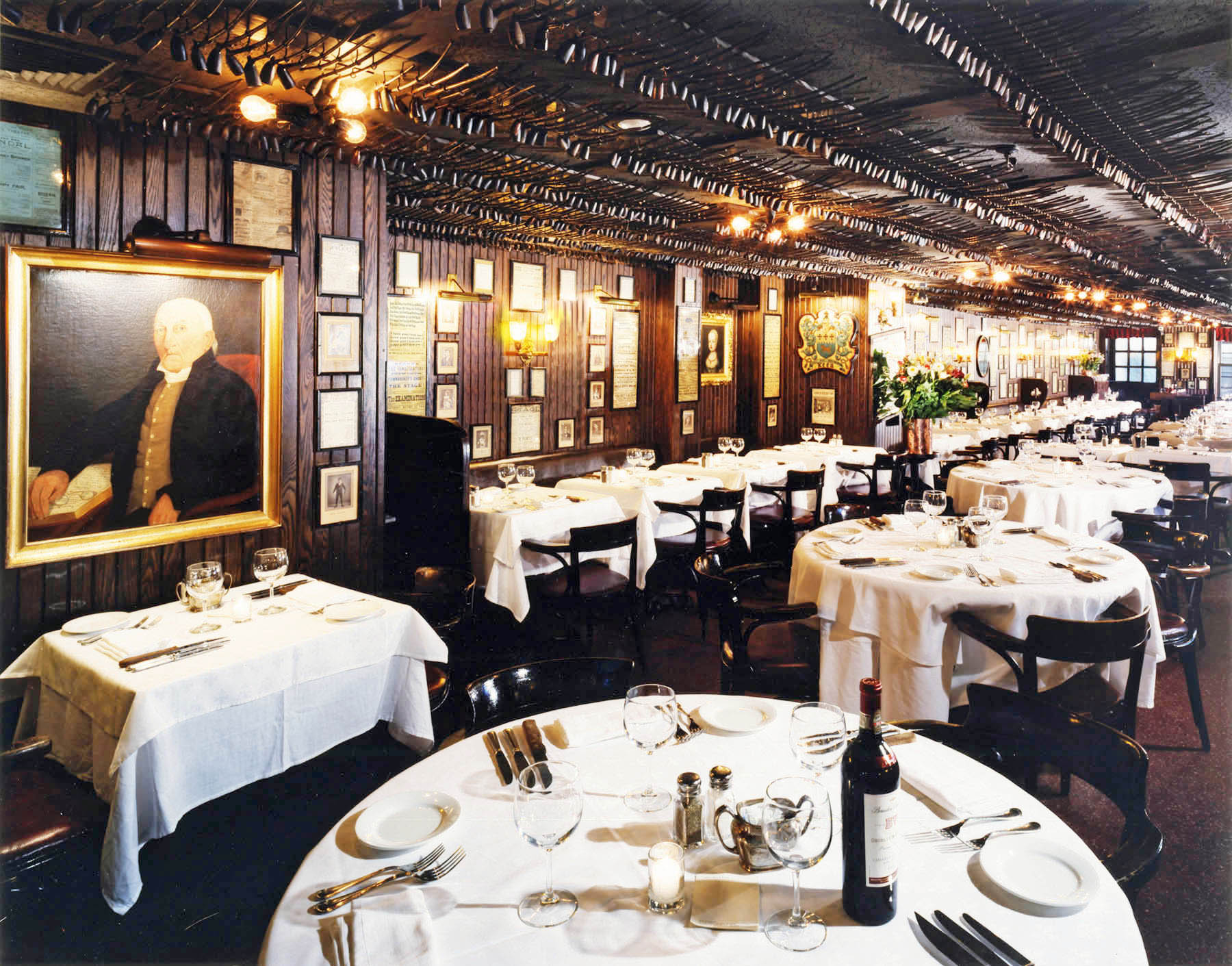
The design logic of West African restaurants in New York tends to diverge sharply from the minimalist interiors that dominate the city's higher-profile dining rooms. Spaces like Atomix or Masa use restraint and material precision as signals of their price tier and conceptual seriousness. Africa Kine operates under an entirely different spatial vocabulary. West African dining rooms in New York typically function as communal spaces first, with seating arrangements built around tables large enough for shared plates, fabric and colour present in the décor rather than suppressed, and an ambient energy that reflects the cooking's orientation toward abundance rather than reduction.
This is the physical container that shapes the experience at Africa Kine. The room is not designed to slow the meal down into a sequence of small, contemplative courses in the manner of the tasting-menu format that defines restaurants like Eleven Madison Park or Per Se. It is designed for a different kind of dining: one where the table is a gathering space, portions are calibrated for sharing, and the room's energy rises rather than quiets as the evening progresses. Understanding that spatial intention is the starting point for understanding what Africa Kine is and what it is not trying to be.
In neighbourhoods like Little Senegal, which runs along 116th Street in West Harlem, the physical design of restaurants reflects a diaspora community's relationship to the cooking of home. The restaurant space functions as a cultural anchor, not merely a commercial one. Africa Kine sits within that tradition, on a boulevard that has carried considerable symbolic weight in Black American cultural history, at an address that places it firmly within a community rather than outside it looking in.
Senegalese Cooking in the New York Context
Senegalese cuisine is among the most structurally complex of West African cooking traditions. Rice-based dishes cooked in a single pot with layered aromatics, fish and lamb preparations that draw on both Saharan and Atlantic coastal influences, and a set of spice combinations that have no direct parallel in any European culinary tradition make it a cuisine that demands familiarity before it becomes fully legible. New York has a sufficiently large Senegalese diaspora community to sustain restaurants that cook for that familiarity, rather than translating the food for an outside audience.
That is a meaningful distinction. Much of the West African food that appears in New York's broader dining conversation has been subject to some degree of editorial adjustment for non-West African audiences, whether in portioning, presentation, or ingredient substitution. Restaurants like Africa Kine, operating primarily within and for their neighbourhood community, have less pressure to make those adjustments. The cooking can remain closer to its reference points. For a diner approaching the restaurant from outside that community, this produces a more demanding but more instructive meal than a version of the cuisine that has been smoothed for broader palatability.
This positions Africa Kine in a different competitive conversation from the midtown and downtown restaurants that dominate most New York dining lists. It is not seeking the kind of recognition that generates Michelin stars or placement on global lists. It occupies a neighbourhood role that is, in its own category, considerably harder to sustain than a single flagship fine-dining destination.
Planning Your Visit
Africa Kine is on Adam Clayton Powell Jr Blvd in West Harlem, a corridor well served by subway. The surrounding blocks reward time before or after a meal: the neighbourhood context adds to rather than subtracts from the experience of eating here. For visitors to New York City making a deliberate trip uptown, the restaurant fits naturally into an afternoon or evening that takes in West Harlem more broadly. Our full New York City restaurants guide maps the broader dining geography across all five boroughs.
How Africa Kine Compares to Nearby Reference Points
| Venue | Cuisine | Price Tier | Format | Booking Lead |
|---|---|---|---|---|
| Africa Kine | Senegalese / West African | $-$$ | Neighbourhood restaurant | Walk-in friendly |
| Le Bernardin | French Seafood | $$$$ | Formal tasting / à la carte | Weeks to months |
| Eleven Madison Park | French / Vegan | $$$$ | Set tasting menu | Months ahead |
| Per Se | French / Contemporary | $$$$ | Set tasting menu | Months ahead |
| Atomix | Modern Korean | $$$$ | Counter omakase | Months ahead |
For readers building a wider picture of neighbourhood-rooted dining across the United States, comparable cases of community-anchored restaurants operating outside the fine-dining spotlight appear in cities including New Orleans (see Emeril's for the formal end of that city's spectrum), San Francisco (see Lazy Bear), Chicago (see Smyth), and Los Angeles (see Providence). International readers tracking farm-rooted and community-integrated dining models may also find reference points at Blue Hill at Stone Barns in Tarrytown, Single Thread Farm in Healdsburg, The French Laundry in Napa, Addison in San Diego, The Inn at Little Washington, Frasca Food and Wine in Boulder, Atelier Moessmer Norbert Niederkofler in Brunico, and Dal Pescatore in Runate.
Frequently asked questions
Does Africa Kine work for a family meal?
West African cooking traditions are built around communal eating, and Senegalese dishes in particular are structured for sharing — large-format rice dishes and stews served at the table make group dining the natural format here. The West Harlem address on Adam Clayton Powell Jr Blvd puts it in a neighbourhood with a long-established African and Caribbean community, where restaurants like this have served multi-generational family tables for decades. It is a practical, unhurried option for groups who want substance over ceremony.
Is Africa Kine better for a quiet night or a lively one?
West African restaurants on the Adam Clayton Powell Jr Blvd corridor tend to run at a rhythm set by the community they serve rather than by any engineered atmosphere. Expect a room that gets louder as it fills, particularly on weekend evenings, without the kind of curated energy found in downtown dining rooms. If a controlled, quiet dinner is the priority, a weekday visit is the more reliable call.
Is Africa Kine one of the only Senegalese restaurants in New York City?
Senegalese restaurants are among the rarer West African cuisines represented in New York City's dining map, which makes addresses like Africa Kine on Adam Clayton Powell Jr Blvd in West Harlem particularly useful reference points for the cuisine. The concentration of West African-owned restaurants along this corridor reflects decades of community settlement in the neighbourhood rather than a recent dining trend. For anyone specifically seeking Senegalese cooking in Manhattan, the options remain limited enough that Africa Kine occupies a specific and practical role.
What's the signature dish at Africa Kine?
Senegalese cooking is anchored by thiéboudienne — rice slow-cooked in a tomato and fish base, considered the national dish of Senegal and one of the most technically layered one-pot preparations in West African cuisine. Any Senegalese restaurant operating seriously in New York City will centre this dish, and Africa Kine's presence in West Harlem places it within a tradition of Senegalese community cooking that predates the neighbourhood's broader dining recognition. Yassa — marinated chicken or fish with caramelised onion and lemon — is the other reference point for first-time visitors to the cuisine.
A Quick Peer Check
Comparable venues nearby, for context on price, style, and recognition.
| Venue | Cuisine | Price | Awards | Notes |
|---|---|---|---|---|
| Africa KineThis venue — the venue you are viewing | Senegalese | $20–30 | Not listed | Not listed |
| Azara Kitchen | West African Fusion | $20–30 | Not listed | Harlem (North) |
| Meskerem | Authentic Ethiopian | $20–30 | Not listed | Greenwich Village |
| Aureole | Dining | Not listed | James Beard Award Outstanding Wine Service | New York City |
| El Paso | Authentic Mexican | $30–50 | Not listed | East Harlem (South) |
| Atlas Kitchen | Modern Chinese (Hunan & Sichuan) | Not listed | Not listed | Morningside Heights |
Continue exploring
More in New York City
Restaurants in New York City
All restaurants in New York City →
Bars in New York City
All bars in New York City →




Details
- Cozy
- Casual Hangout
- Group Dining
- Standalone
- A La Carte
Current opening hours
- Monday
- 1:30 PM–1:30 AM
- Tuesday
- 1:30 PM–1:30 AM
- Wednesday
- 1:30 PM–1:30 AM
- Thursday
- 1:30 PM–1:30 AM
- Friday
- 2 PM–1:30 AM
- Saturday
- 1:30 PM–1:30 AM
- Sunday
- 1:30 PM–1:30 AM
Hours can change for holidays and private events. Last verified .
Casual neighborhood atmosphere in a little dining room with friendly service and authentic West African feel.