Avatara Mumbai brings a Modern Indian vegetarian lens to a city where produce, fasting traditions, regional home cooking, and restaurant ambition often overlap. The useful way to read it is through seasonality: not as a generic vegetarian address, but as part of Mumbai’s broader shift toward plant-led Indian dining with a contemporary frame.
 Discover on Pearl
Pearl is the En Primeur Club membership app — saves, bookings, and concierge access live there. Same editors, same standards.
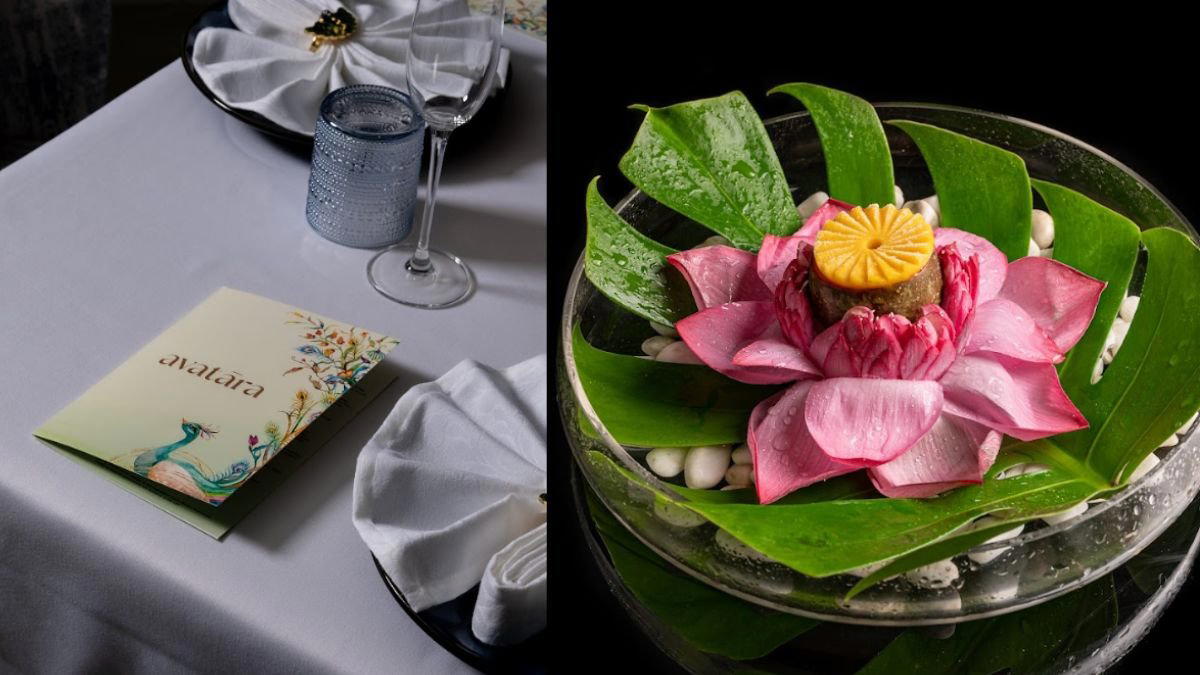
In Mumbai, vegetarian dining is not a side category. It runs through Gujarati thalis, Jain kitchens, Udipi rooms, fasting menus, coastal vegetable cookery, temple food, and the city’s newer tasting-led restaurants. Avatara Mumbai belongs to that later conversation: Modern Indian, vegetarian, and positioned in a city where plant-led cooking already has cultural depth rather than needing to borrow credibility from abstinence or wellness language.
The more interesting question is not whether a vegetarian restaurant can feel ambitious in Mumbai. It can, and the city has proved that for decades. The sharper question is how a contemporary Indian kitchen handles the calendar. Monsoon greens, winter roots, mango-season acidity, summer gourds, fresh coconut, lentils, dairy, grains, pickles, spice pastes, and regional flours give Indian vegetarian cooking a broader technical base than many imported plant-based formats. A restaurant working in this idiom is judged by how clearly it turns that availability into structure, not by how loudly it announces restriction.
Modern Indian vegetarian cooking works differently in Mumbai
Mumbai’s vegetarian tradition is dense because it is plural. A single city table can be shaped by mercantile Gujarati habits, Maharashtrian home cooking, South Indian breakfast culture, Jain constraints, Sindhi snacks, and North Indian festive food. That mix matters for a Modern Indian vegetarian restaurant because the category has less need to imitate European fine dining. The pantry already supplies fermentation, tempering, chutney architecture, textural contrast, and grain diversity.
Avatara Mumbai is useful in this context because its stated cuisine, Modern Indian vegetarian, places it inside a format where the vegetables are not supporting actors. The better versions of this category avoid the old luxury reflex of adding richness for status. Instead, they build momentum through heat, sourness, bitterness, crunch, fat, smoke, and the pacing of starch. In India, that language is native to the cuisine. The contemporary move is in compression and editing: fewer components doing clearer work.
Seasonality gives the kitchen its strongest editorial logic. Indian restaurant menus can flatten the year when supply chains make everything available, but vegetarian cooking loses energy when the calendar disappears. Mumbai’s humid coastal climate, the annual monsoon, and the produce flows from Maharashtra and neighbouring regions all shape what tastes sensible at different points of the year. A summer menu has to handle heat and acidity differently from a winter one; the rains call for another register entirely. That is where modern vegetarian cooking becomes a craft question rather than a dietary label.
The calendar is the real luxury signal
Luxury dining in India has often been read through imported ingredients, hotel polish, or chef-led theatre. Vegetarian Indian cooking offers a more grounded test: does the meal understand timing? Fresh fenugreek, tender beans, gourds, millets, raw mango, jackfruit, coconut, sesame, jaggery, kokum, and seasonal greens each carry their own logic. Some want restraint; others need fat, smoke, or aggressive spice to make sense. A modern kitchen earns authority by choosing when to amplify and when to leave an ingredient close to itself.
That is also why the vegetarian category in Mumbai should not be treated as a single audience. Jain diners, festive family groups, business tables, tasting-menu regulars, and younger guests interested in contemporary Indian cooking all arrive with different expectations. The common ground is precision. Nobody needs another menu that treats paneer as a safety net or turns every vegetable into a vehicle for cream. The city’s stronger plant-led restaurants are judged by how they handle restraint, not abundance.
Within that wider scene, Avatara Mumbai reads as part of a national shift toward Indian restaurants that use vegetarian cooking as a serious format rather than a concession. The evidence available is concise but meaningful: the restaurant identifies itself through Modern Indian vegetarian cuisine in Mumbai, a market where the baseline for vegetarian food is already high. That raises the standard. Novelty is not enough; the cooking has to justify itself against everyday vegetarian literacy.
How to place it in a Mumbai dining itinerary
For visitors building a food-led trip, the restaurant makes the most sense as a counterpoint to Mumbai’s broader eating rhythm. The city rewards range: breakfast rooms, seafood tables, clubby hotel dining, regional thalis, cocktail bars, bakeries, and late-night snacks all carry part of the story. A contemporary vegetarian meal sits better when it is not forced to represent the whole city. It should be one chapter in a schedule that also leaves room for neighbourhood eating and hotel dining culture.
For broader planning, start with Our full Mumbai restaurants guide, then build around drinking, hotels, and cultural pacing through Our full Mumbai bars guide, Our full Mumbai hotels guide, Our full Mumbai wineries guide, and Our full Mumbai experiences guide. Nearby editorial threads include Americano (Indian Fusion), Anglo Indian Cafe, Aquarius, Avartana, and Avatara.
Travellers extending the same Indian dining lens beyond Mumbai can compare regional priorities through 1135 AD in Jaipur, 360° in New Delhi, 5868 Restaurant in Gandhinagar, 6 Ballygunge Place in Kolkata, ಸà³à²µà³à²¨à³à²¤à³ ಹà³à²µà³à²¨à³ à²à³à²à³ ಠà²à²à²¡à²¿ in Chitradurga, and Aaharam in Thanjavur. For a different register outside India, see Jōdo Saké Bar in Los Angeles and Onigiri Time in Pasadena.
The editorial verdict is simple: Avatara Mumbai is worth reading through Mumbai’s confidence with vegetarian food, not through the weaker global language of plant-based substitution. Its category gives it a high bar. In this city, vegetables do not need apology or novelty; they need timing, control, and a kitchen that understands the month as much as the menu.
Peer Set Snapshot
Comparable venues nearby, for context on price, style, and recognition.
| Venue | Cuisine | Price | Awards | Notes |
|---|---|---|---|---|
| Avatara MumbaiThis venue — the venue you are viewing | Modern Indian Vegetarian Fine Dining | $$$$ | , | |
| Ekaa | Modern Interpreted Indian Fusion | $$$$ | Fort Mumbai | |
| Jamavar Mumbai | Authentic Pan-Indian Fine Dining | $$$$ | , | Marol |
| By The Mekong | Pan-Asian Fine Dining: Chinese, Thai & Vietnamese | $$$$ | , | Lower Parel |
| Gajalee | Malvani Seafood | $$ | , | Vile Parle |
| Prasad Food Divine | Vegetarian Multi-Cuisine | $$ | , | Nahur |
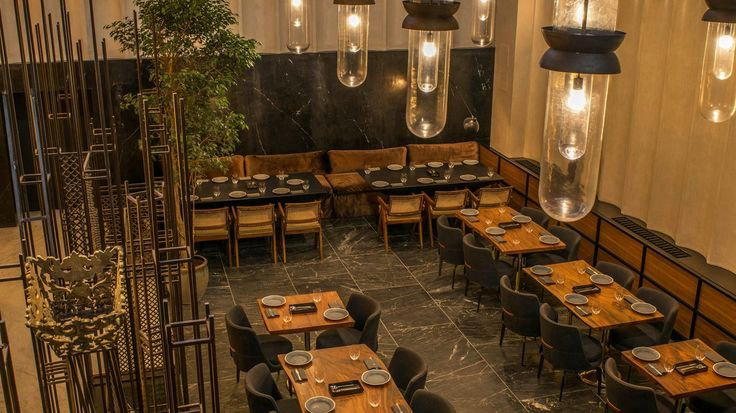
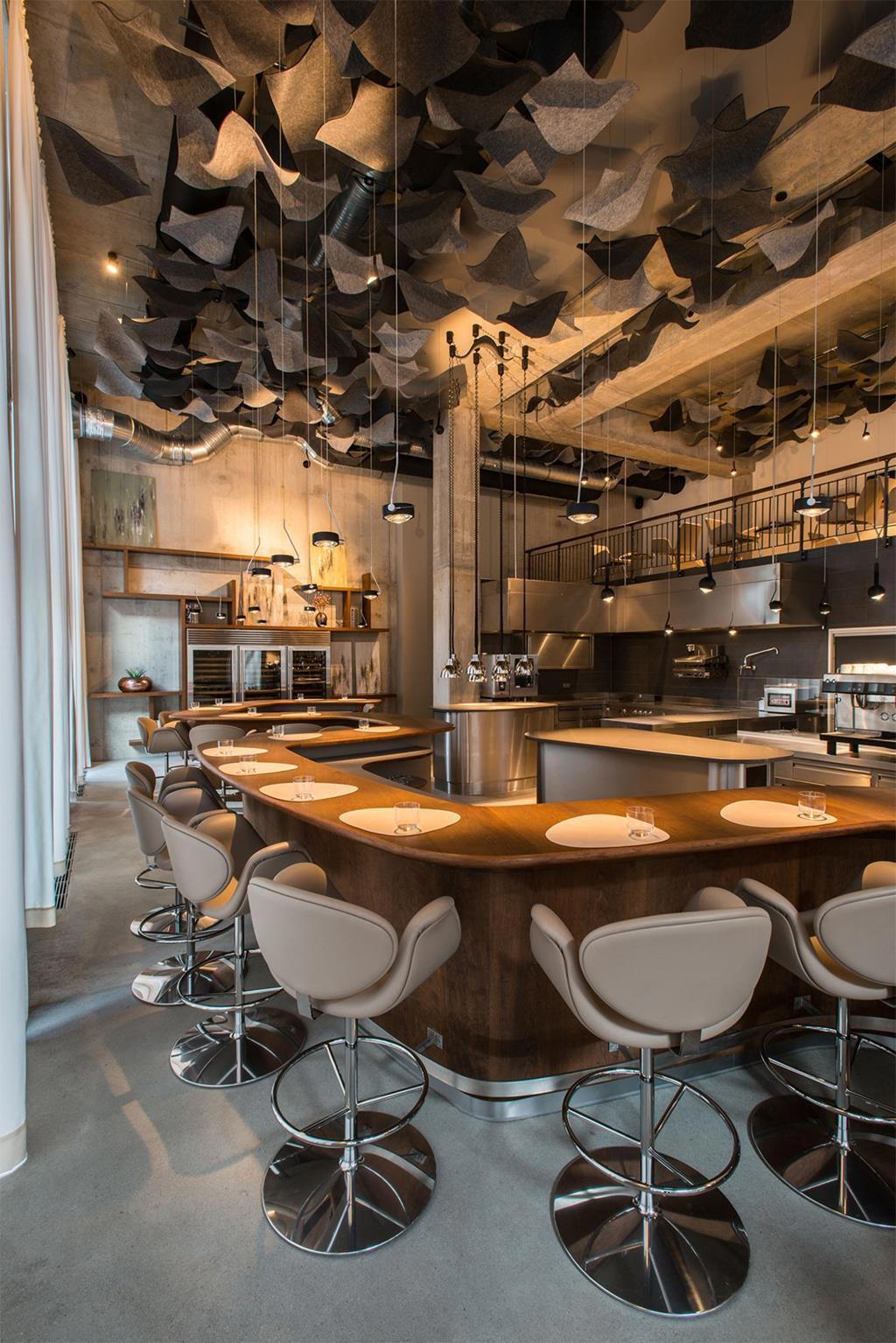
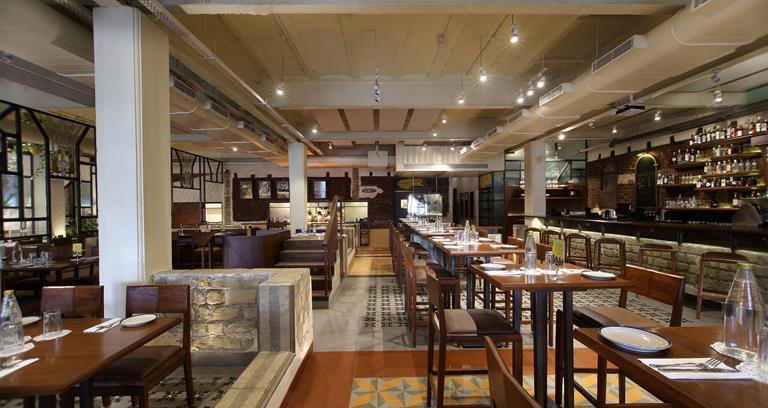


At a Glance
- Elegant
- Sophisticated
- Modern
- Intimate
- Special Occasion
- Date Night
- Celebration
- Business Dinner
- Standalone
- Design Destination
- Craft Cocktails
- Local Sourcing
- Farm To Table
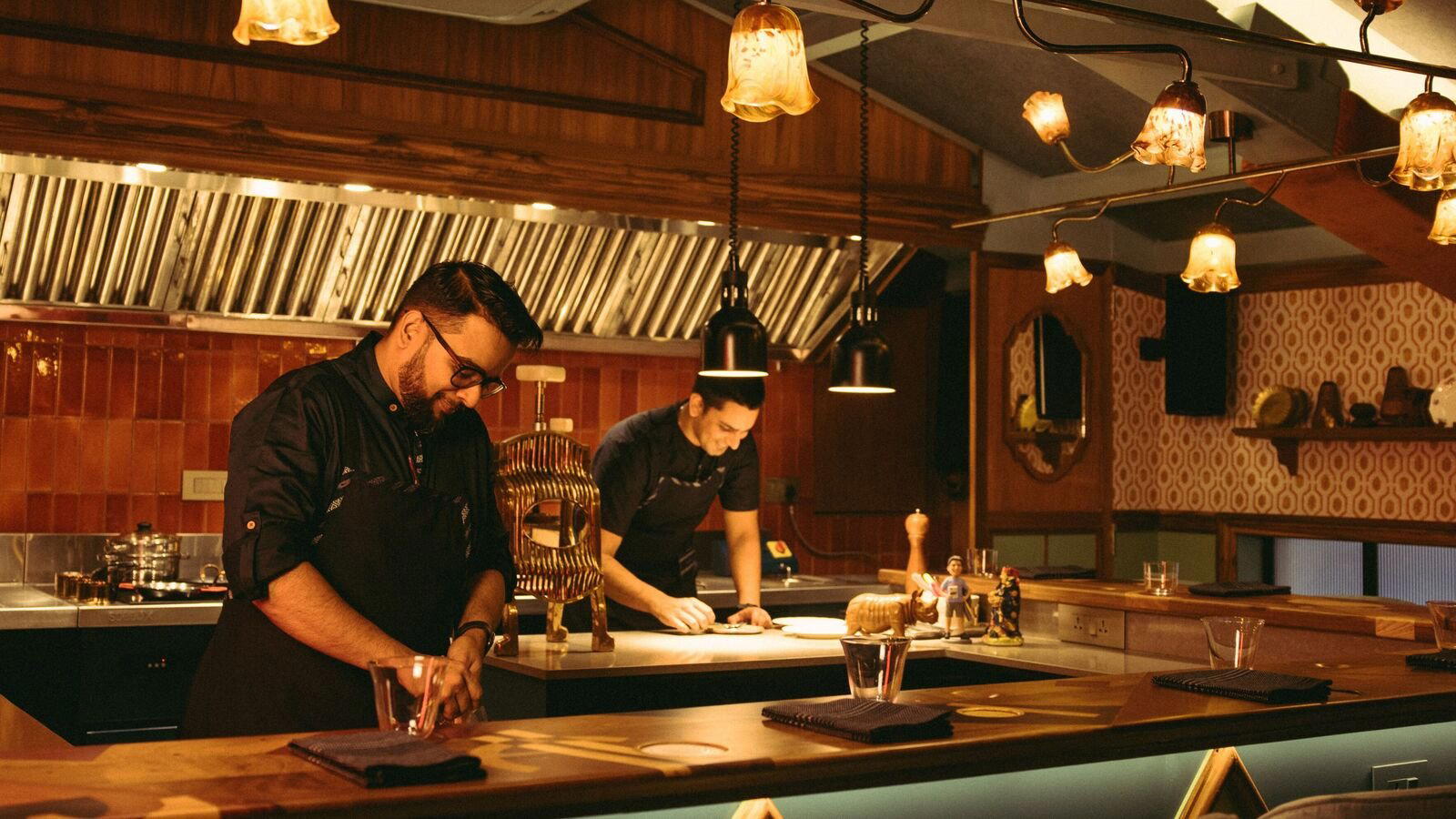
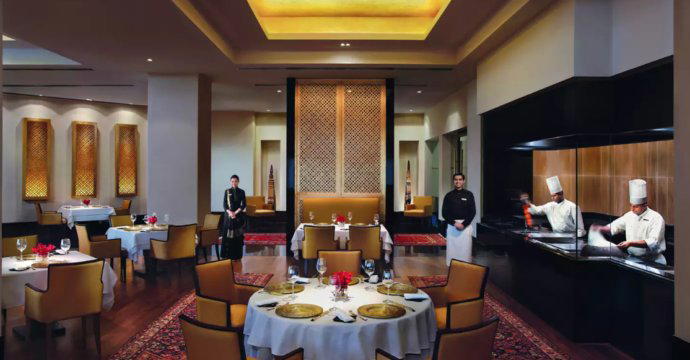
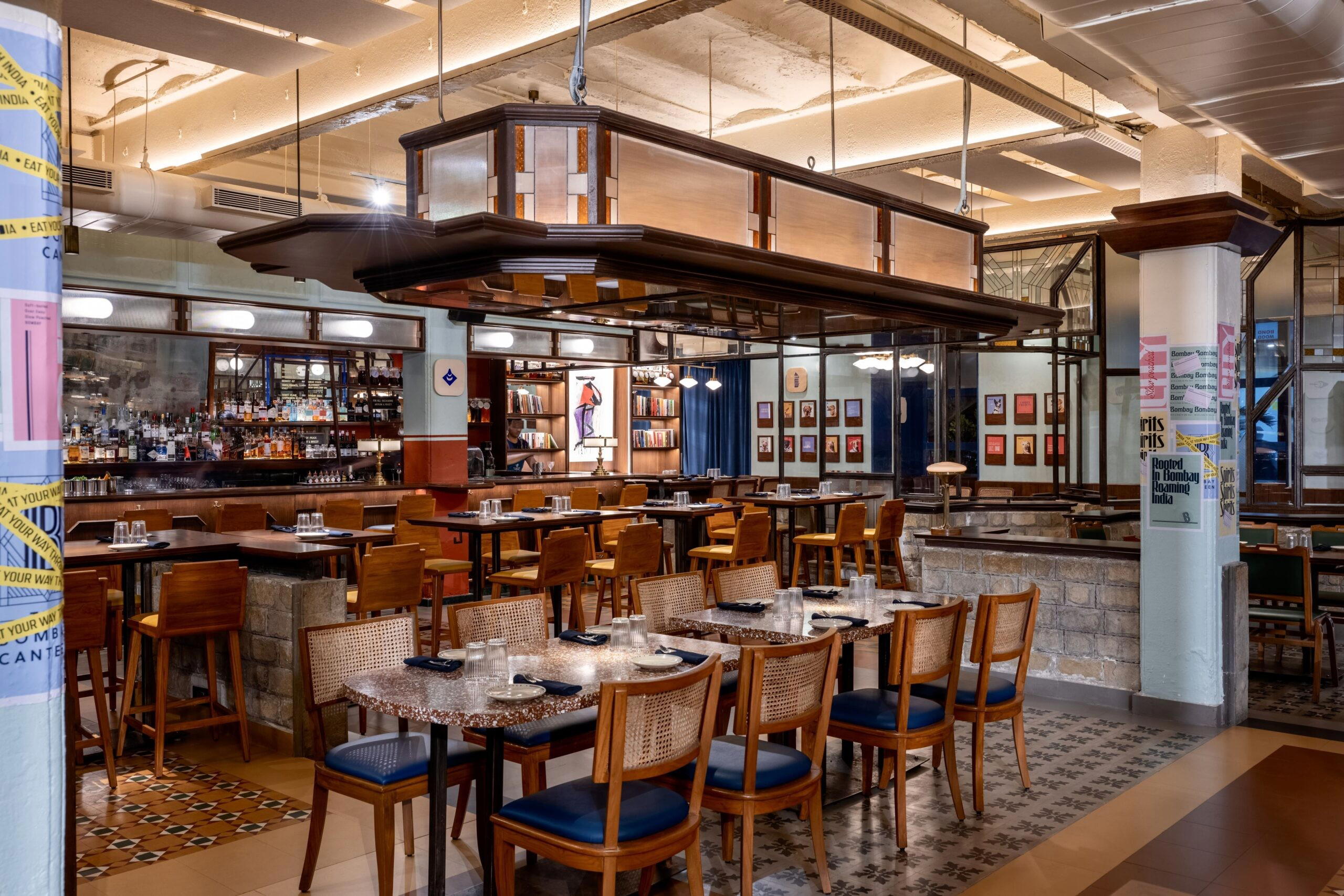
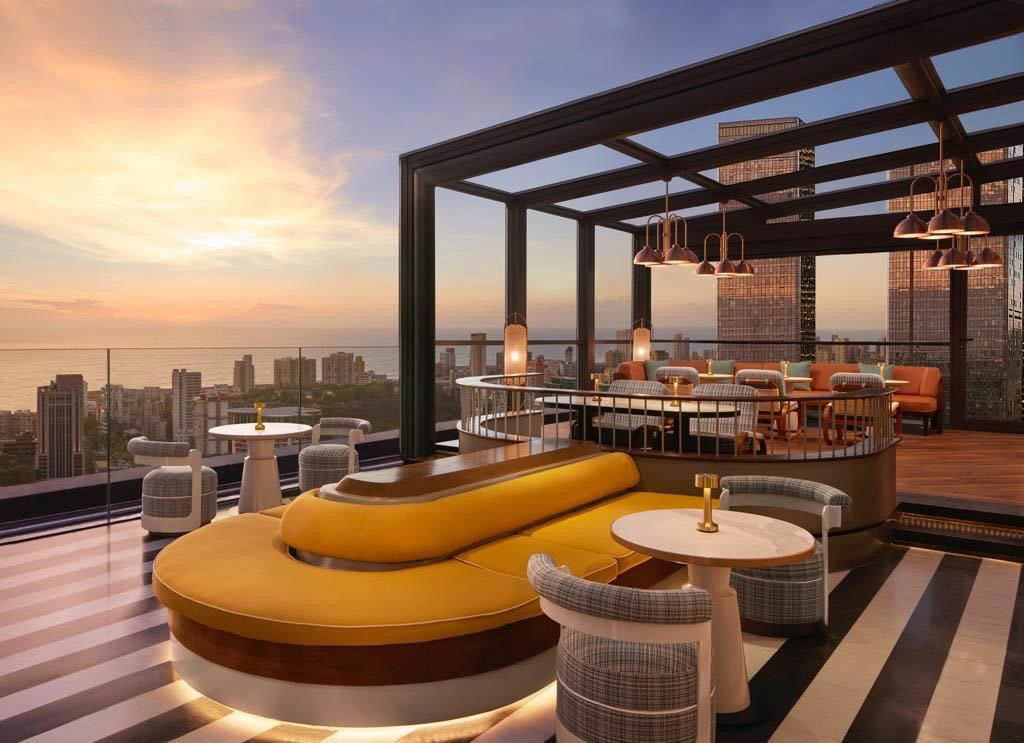
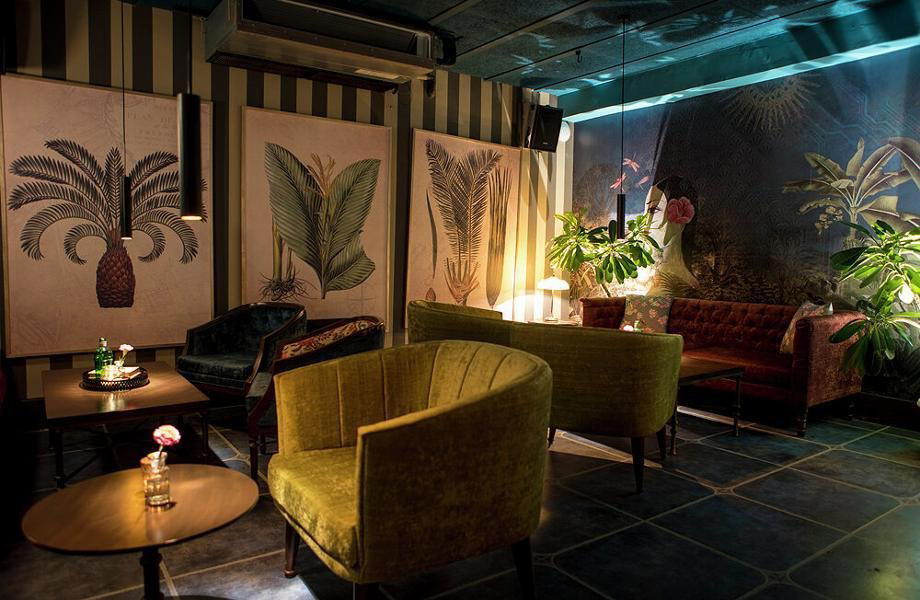
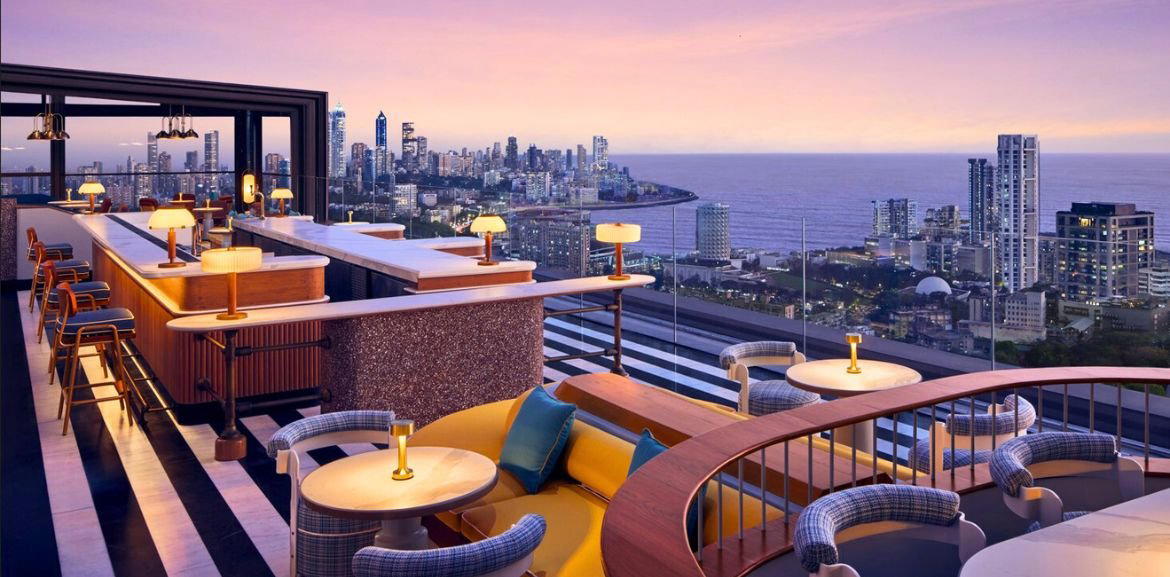
Refined, immersive fine dining with a modern, polished atmosphere designed for a leisurely tasting experience.