Ava Tampa
On South Howard Avenue, Ava Tampa sits within a stretch of Hyde Park dining that has grown more intentional about sourcing over the past several years. The restaurant's approach positions it closer to farm-driven independents than to Tampa's steakhouse-and-Cuban mainstream, making it a reference point for the city's quieter shift toward ingredient-led cooking.
Pearl is the En Primeur Club membership app — saves, bookings, and concierge access live there. Same editors, same standards.
- Address
- 718 S Howard Ave, Tampa, FL 33606
- Phone
- +18135123030
- Website
- avatampa.com
- Directions
- Get directions
 Saves & bookings on Pearl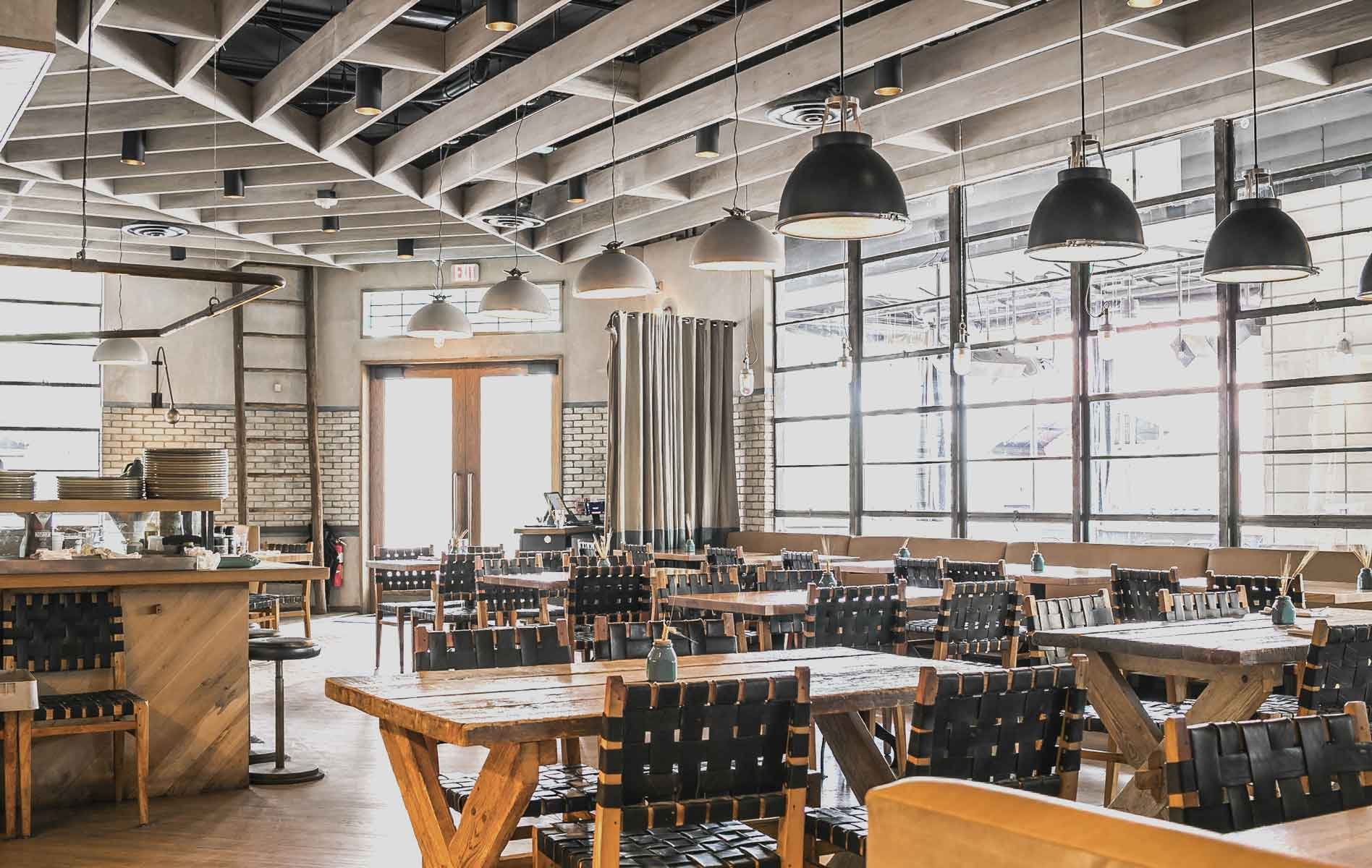
South Howard Avenue and the Shift Toward Ingredient-Led Dining
South Howard Avenue runs through Hyde Park as one of Tampa's more concentrated dining corridors, a stretch where the range spans casual neighbourhood staples to price-tier four destination restaurants. What has changed over the past decade is not the density but the orientation: a growing number of openings here have made sourcing and seasonal constraint central to their identity rather than incidental to it. It belongs to this cohort, occupying a position in Tampa's dining scene that reads less like a conventional restaurant entry and more like a deliberate editorial stance on what Florida produce and responsible supply chains can look like on a plate.
That positioning matters in Tampa more than it might in, say, a coastal California market where farm-to-table infrastructure is decades deep. Here, the infrastructure is younger and more fragile, which means any restaurant that commits meaningfully to ethical sourcing is working harder than the menu lets on. Ava Tampa is not operating at that scale or with that vertical integration, but the directional intent, letting the supply chain shape the menu rather than the reverse, places it in recognisable company.
What Sustainability Looks Like in Practice on the Gulf Coast
Sustainability in restaurant contexts can mean almost anything, from a single compostable straw to a kitchen that has renegotiated its entire protein sourcing. The meaningful version involves three interlocking commitments: reduction of waste at the kitchen level, preference for producers whose land and animal practices are verifiable, and a menu architecture that changes based on what is actually available rather than what photographs well in a press release.
Florida's agricultural calendar is distinct from the national one. The state's growing season runs counter to most of the country: local produce peaks in winter and early spring, and the summer months push kitchens toward stored, preserved, or imported product unless they have relationships with farms that manage year-round crops through shade and irrigation. A restaurant on South Howard that centres seasonal sourcing has to make real decisions about what stays on the menu through July and what disappears. That willingness to limit rather than expand is one of the more honest signals a kitchen can send about its actual commitments.
The tactical approaches differ, but the underlying logic is the same: the kitchen's choices are downstream from the farm's calendar.
Ava in the Context of Tampa's Broader Restaurant Field
Tampa's dining field has diversified considerably over the past several years, but its reference anchors remain Bern's Steak House at the summit of the legacy tier and Columbia in Ybor City as the city's most durable cultural institution. The newer generation of independents has been carving out space in between and around those anchors. Lilac operates at the four-dollar-sign tier with Mediterranean sourcing discipline. Rocca runs a leaner Italian programme at a more accessible price point. Koya and Kōsen occupy the Japanese end of the market with precision-driven formats. Ebbe takes a contemporary approach that sits comfortably alongside Ava in the ingredient-forward category.
What distinguishes Ava within this comparable set is its apparent orientation toward sustainability as a structural feature rather than a branding layer. That is a harder position to maintain in a mid-tier price environment, where the economics of certified or traceable sourcing put pressure on margins in ways that higher-ticket operations can absorb more easily. Restaurants like Addison in San Diego or Providence in Los Angeles operate with award-tier pricing that cushions the cost of responsible sourcing. In a more competitive, mid-market context, the same commitments require a different kind of discipline in kitchen labour and menu engineering.
The National Conversation This Restaurant Enters
Across the United States, a small but growing tier of restaurants has made environmental accountability a first-order consideration rather than a secondary marketing point. Le Bernardin in New York City has long centred sustainable seafood sourcing at a level of rigour that most fine dining operations avoid for cost reasons. Emeril's in New Orleans has publicly aligned with Gulf Coast fishing communities and regional supply chains. In Europe, Atelier Moessmer Norbert Niederkofler in Brunico has built an entire Michelin-recognised philosophy around the Alps ecosystem, refusing ingredients that fall outside its geographic sourcing radius.
Ava Tampa does not operate at those tiers of recognition, but it enters the same conversation at the city level. Tampa does not yet have the density of sustainability-committed restaurants that would make the approach unremarkable. That means a venue that takes sourcing seriously here carries more signal weight than the same restaurant would in Portland or Berkeley, where the model is table stakes.
For readers whose reference point for this category of dining includes The French Laundry in Napa, Lazy Bear in San Francisco, The Inn at Little Washington, or Atomix in New York City, Ava operates at a different scale and price altitude. The relevance is directional rather than comparative: these are the operations that established ingredient traceability and supply chain ethics as credible restaurant categories. Ava is doing that work at the Tampa level, which is where it actually needs to happen for the city's food culture to develop in that direction.
Planning Your Visit
Ava Tampa is located at 718 S Howard Ave in Hyde Park, one of the city's more walkable dining precincts with street parking and rideshare access from downtown Tampa in under ten minutes. Reservations are essential, and the restaurant’s hours are Mon: 5–9 PM; Tue: 5–10 PM; Wed: 5–10 PM; Thu: 5–10 PM; Fri: 5–11 PM; Sat: 10:30 AM–2 PM, 5–11 PM; Sun: 10:30 AM–2:30 PM, 5–9 PM. The Hyde Park corridor rewards arriving at the neighbourhood with a time buffer: the street's concentration of bars and smaller venues makes it a natural pre- or post-dinner environment.
The Essentials
Comparable venues nearby, for context on price, style, and recognition.
| Venue | Cuisine | Price | Notes |
|---|---|---|---|
| Ava TampaThis venue — the venue you are viewing | Courier City-Oscawana, Rustic Italian | $$$ | Not listed |
| Oggi Italian | Not listed | $$$ | Davis Islands, Modern Italian Pasta House |
| MEMO Modern Italian | Westchase, Modern Italian | $$$ | Not listed |
| Fabrica Pizza | Not listed | $$ | Gilchrist's A W Oak Grove, Woodfired Neapolitan Pizza |
| Rome + Fig | Old West Tampa, Global Bistro | $$$ | Not listed |
| Trattoria Pasquale | Not listed | $$ | Bel Mar Shores, Traditional Italian Trattoria |
At a Glance
- Rustic
- Cozy
- Trendy
- Date Night
- Group Dining
- Special Occasion
- Open Kitchen
- Craft Cocktails
- Sustainable Seafood
Current opening hours
- Monday
- 5–9 PM
- Tuesday
- 5–10 PM
- Wednesday
- 5–10 PM
- Thursday
- 5–10 PM
- Friday
- 5–11 PM
- Saturday
- 10:30 AM–2 PM, 5–11 PM
- Sunday
- 10:30 AM–2:30 PM, 5–9 PM
Hours can change for holidays and private events. Last verified .
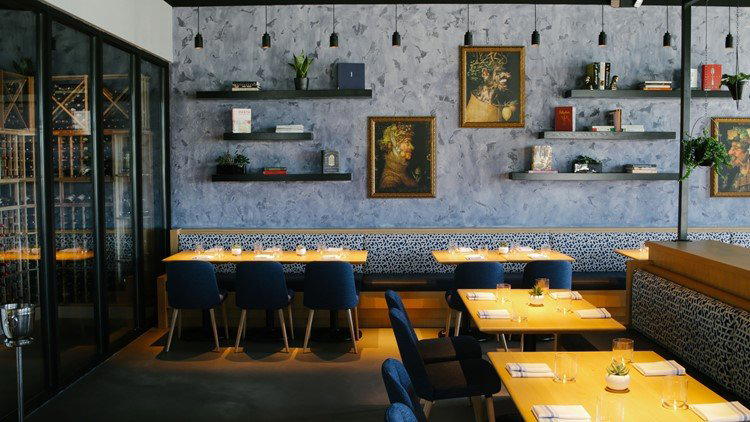
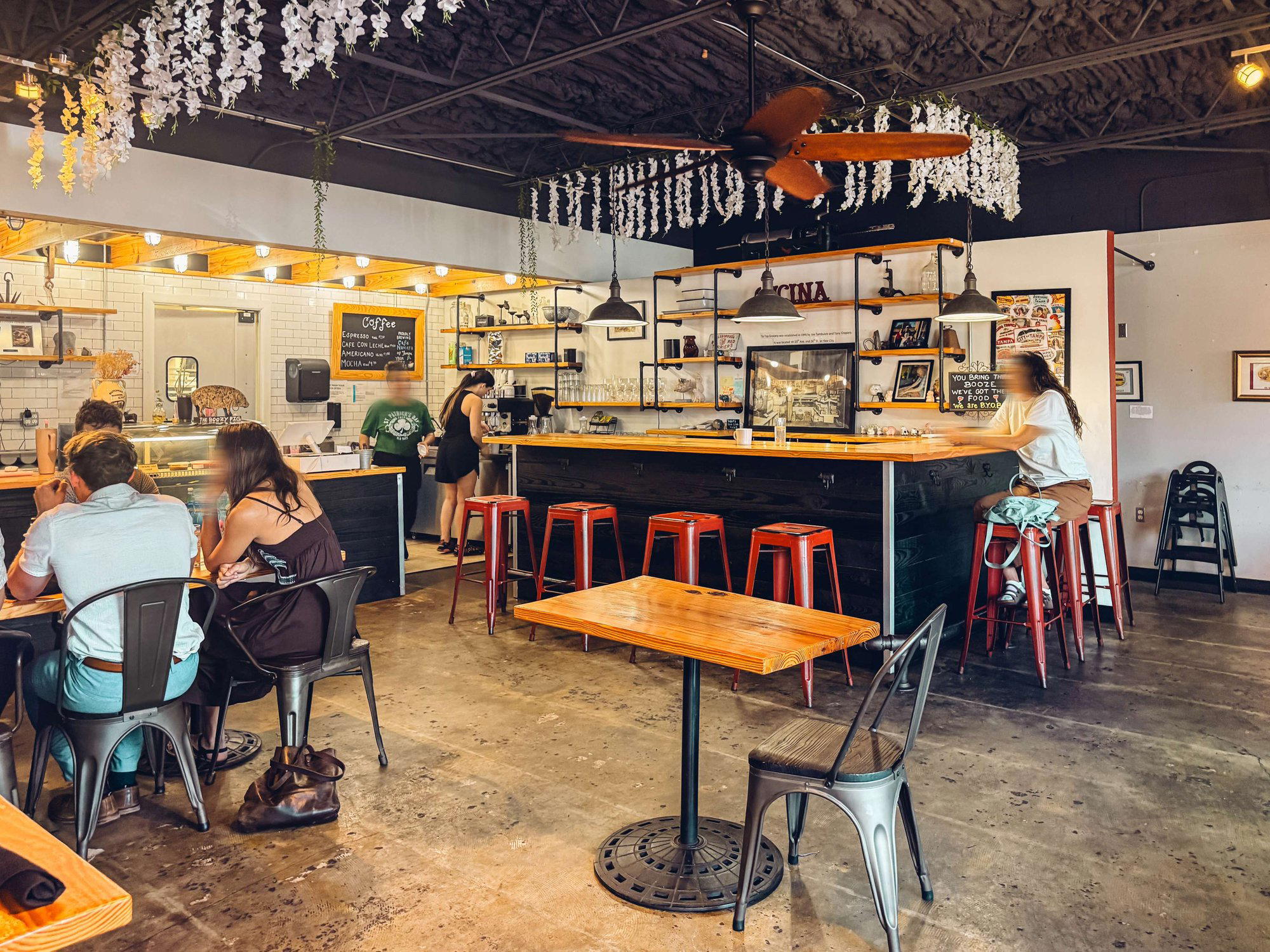
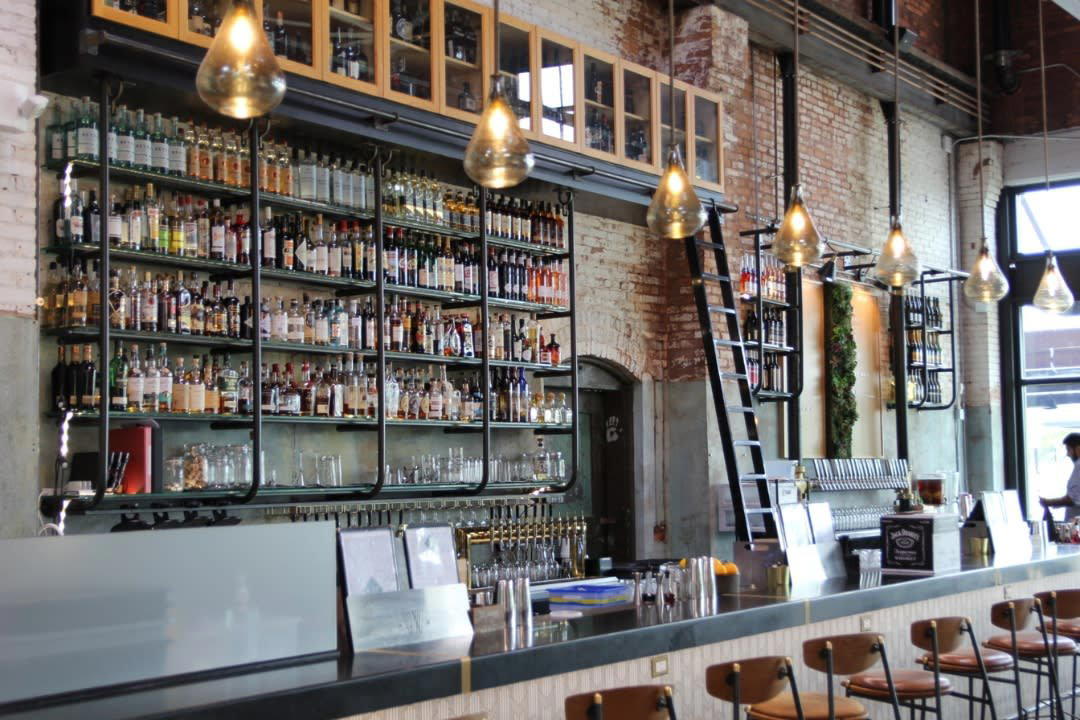
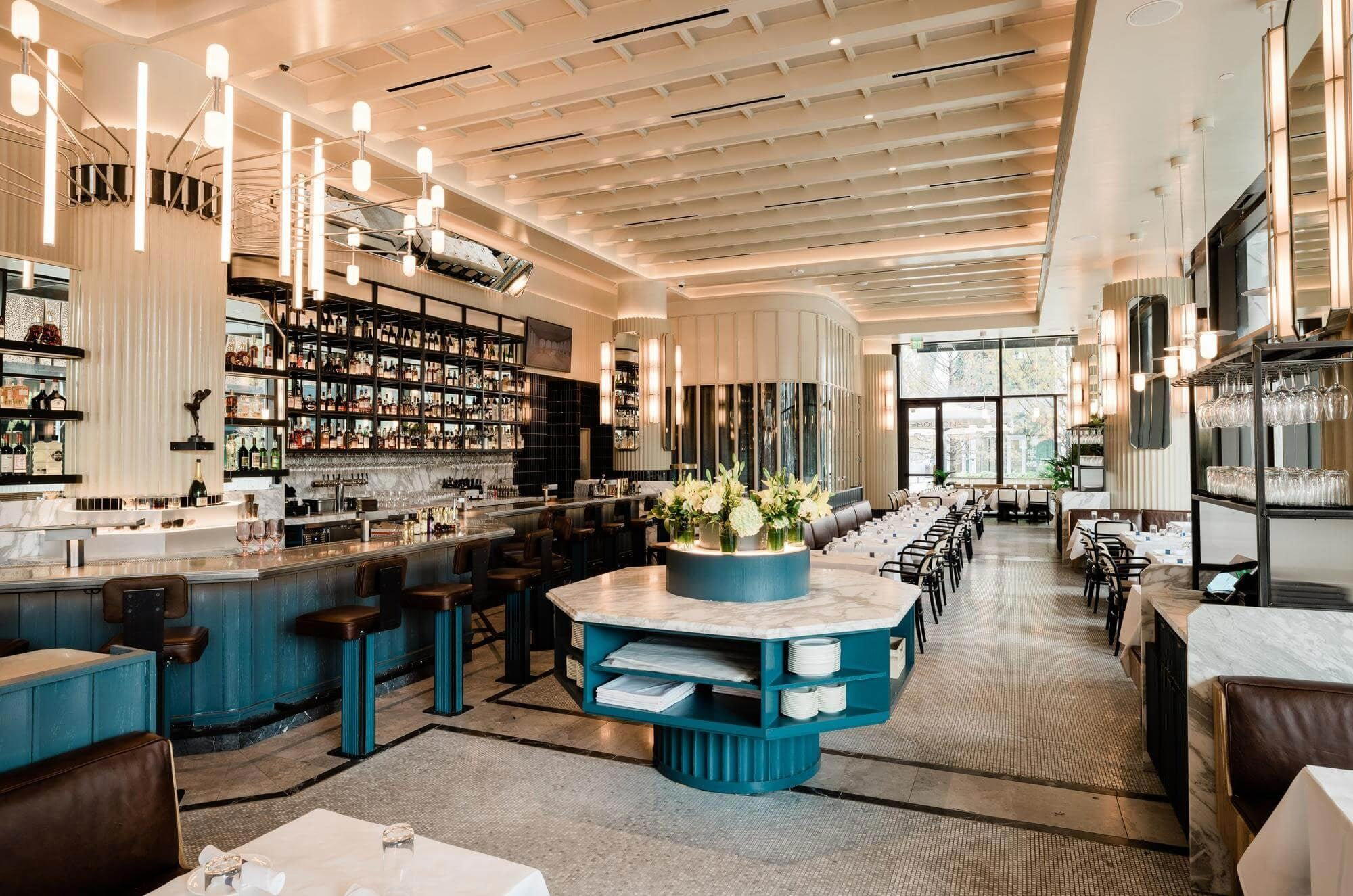
Rustic and casual atmosphere with warm lighting from the imposing pizza oven.