

Star Wine List · Gault & Millau Remarkable Restaurant
Our verdict
At Auberge du Cheval Blanc, classic French savoir-faire meets contemporary finesse in a serene countryside setting that feels both intimate and impossibly polished. Guests are welcomed into softly lit rooms where linen-draped tables, quietly attentive service, and the gentle glow of candlelight set the stage for a culinary journey rooted in seasonality. Each course is composed with painterly precision—silken sauces, orchard-fresh aromatics, and pristine seafood or game—harmonized with rare vintages and thoughtful pairings from a cellar curated for connoisseurs. The experience unfolds at an unhurried cadence, inviting lingering conversation and the quiet joy of discovery. Here, luxury is measured in restraint, impeccable detail, and the enduring pleasure of cuisine that honors its terroir while looking forward. Discreet, elegant, and deeply satisfying, this is a destination for those who collect memories as carefully as they collect wines.

Pearl is the En Primeur Club membership app — saves, bookings, and concierge access live there. Same editors, same standards.
- Address
- 4 Rte de Wissembourg, 67510 Lembach, France
- Phone
- +33 3 88 94 41 86
- Website
- au-cheval-blanc.fr
- Directions
- Get directions
- Booking
- Book on TheFork
The menu
What to order
- Pan-fried foie gras raviole
- Shoulder of lamb
Where Alsace Begins: Arriving at Lembach
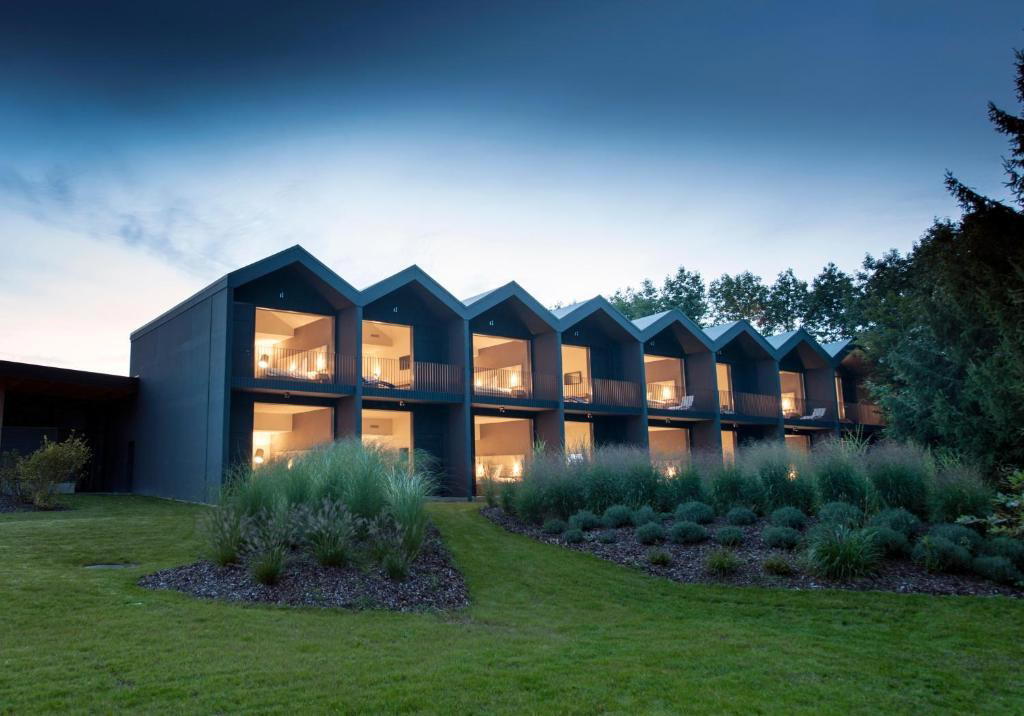
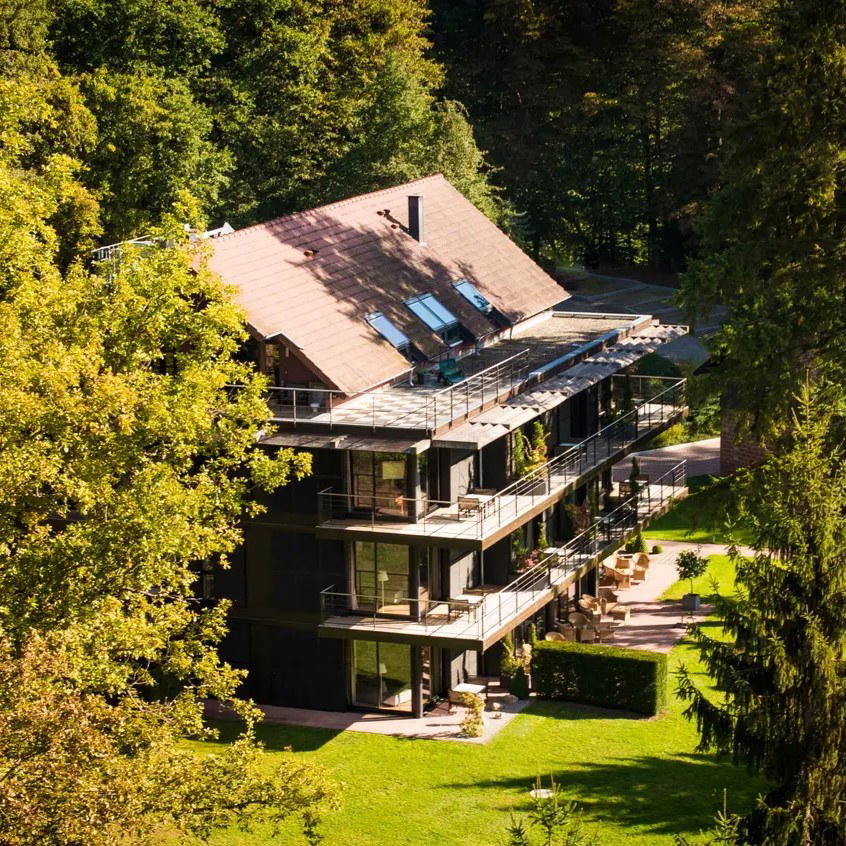
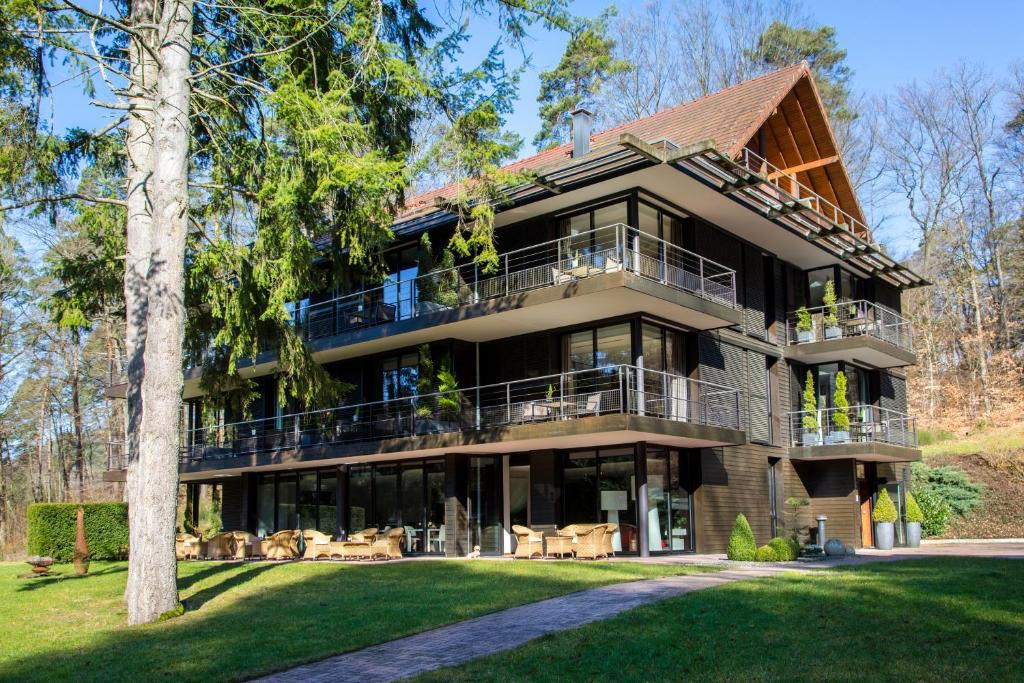
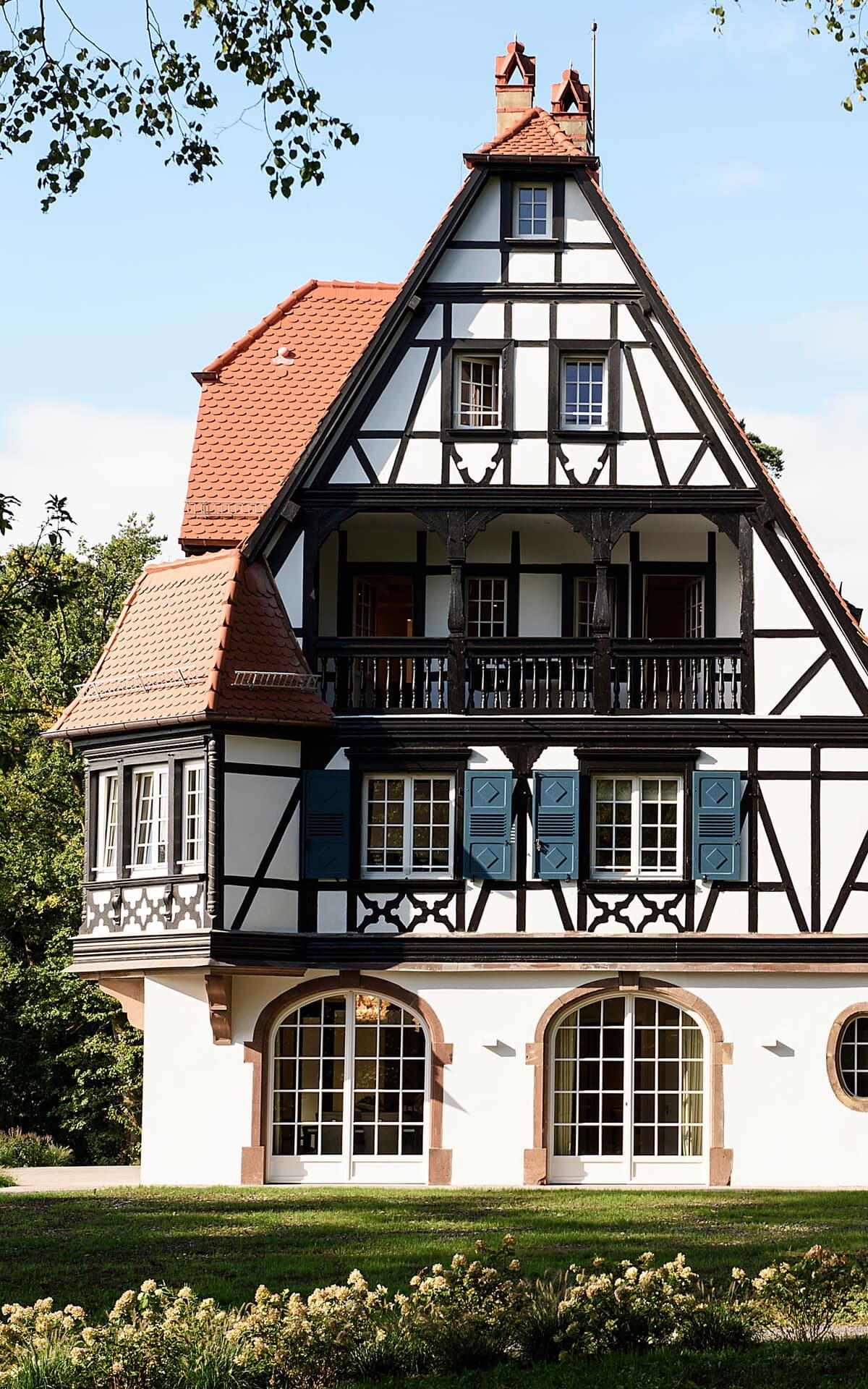
The road north from Strasbourg through the Vosges du Nord narrows as it approaches the German border, passing through forest villages where half-timbered architecture gives way to quieter, more agricultural forms. Lembach sits at this edge, a commune where the density of Alsatian culinary tradition runs deeper than its population count suggests. Arriving at Auberge du Cheval Blanc, the building presents itself as part of that fabric rather than apart from it: the proportions are regional, the setting village-scale, and the atmosphere — even before you step inside — belongs to the category of destination auberges that France has historically produced better than anywhere else.
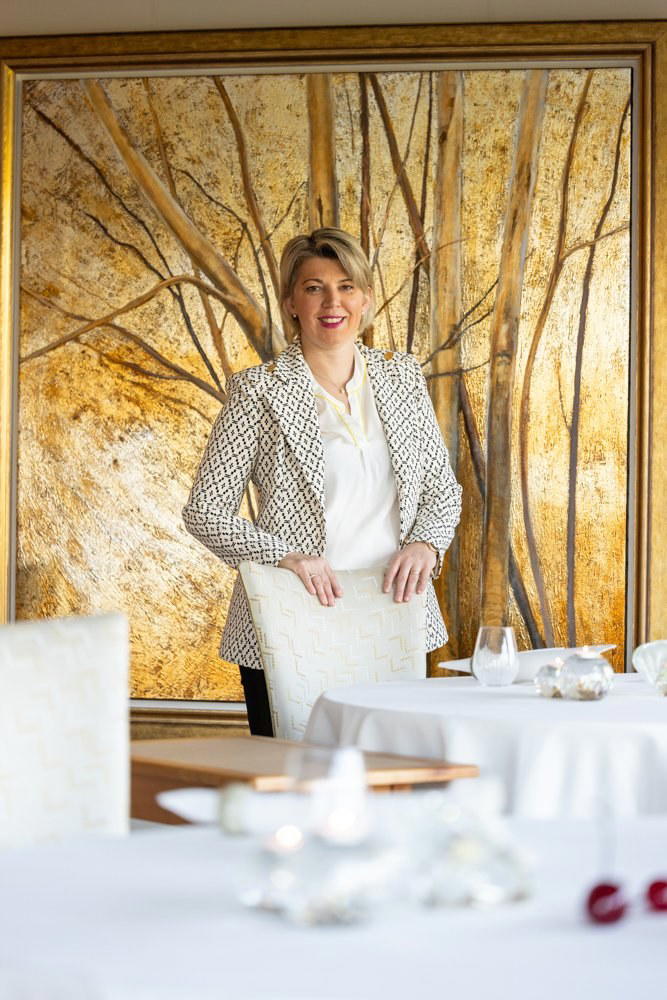
That category matters as context. The French auberge tradition at its most serious is not a rustic fallback; it is a format in which the kitchen carries the weight and the setting provides the frame. Across France, a small number of these establishments have accumulated Michelin recognition precisely because they hold both elements in careful balance. Auberge de l'Ill in Illhaeusern Cheval Blanc in Lembach operates within the same regional lineage, at Michelin one-star level, under chef Hervé Debeer, with Carole and Pascal Bastian running the broader establishment.
Terrain on the Plate: The Alsatian Larder
The classification cuisine d'auteur signals something specific in the French critical vocabulary. It is not fusion, not tradition preserved under glass, but cooking in which the chef's perspective acts as a filter for regional material. In Alsace, that material is among the most distinctive in France. The Vosges forests produce game and foraged ingredients that don't appear on city menus in the same form. The Rhine plain below the massif carries its own agricultural character: white asparagus with the density of the northern Alsace terroir, trout from cold-running streams, choucroute-adjacent fermentation traditions that have influenced how local kitchens approach preservation and acidity.
Cuisine d'auteur applied to this geography means the kitchen works the terroir rather than simply displaying it. The distinction matters. Alsatian cooking at its most conservative can become a repetition of regional signatures; at its most ambitious, it asks what the same ingredients reveal under different pressure. That ambition is what earns Michelin recognition in a village setting, where the dining room cannot rely on urban foot traffic or a hotel group's marketing reach. The credibility has to come from what arrives on the plate.
Alsace's wine tradition reinforces the food culture in ways that differ from Burgundy or Bordeaux. The region's whites, Riesling, Gewurztraminer, Pinot Gris, carry their own terroir specificity, and the northern Alsace sub-region around Lembach and Wissembourg sits at a latitude where the growing season produces wines with particular tension. A kitchen working at this level will draw on that proximity, and the pairings at a destination restaurant in this location reflect a wine geography that visitors from Paris or London rarely encounter in this form. For those exploring the broader regional food and drink picture, our full Climbach wineries guide maps out where to look.
The Dining Room and What It Says
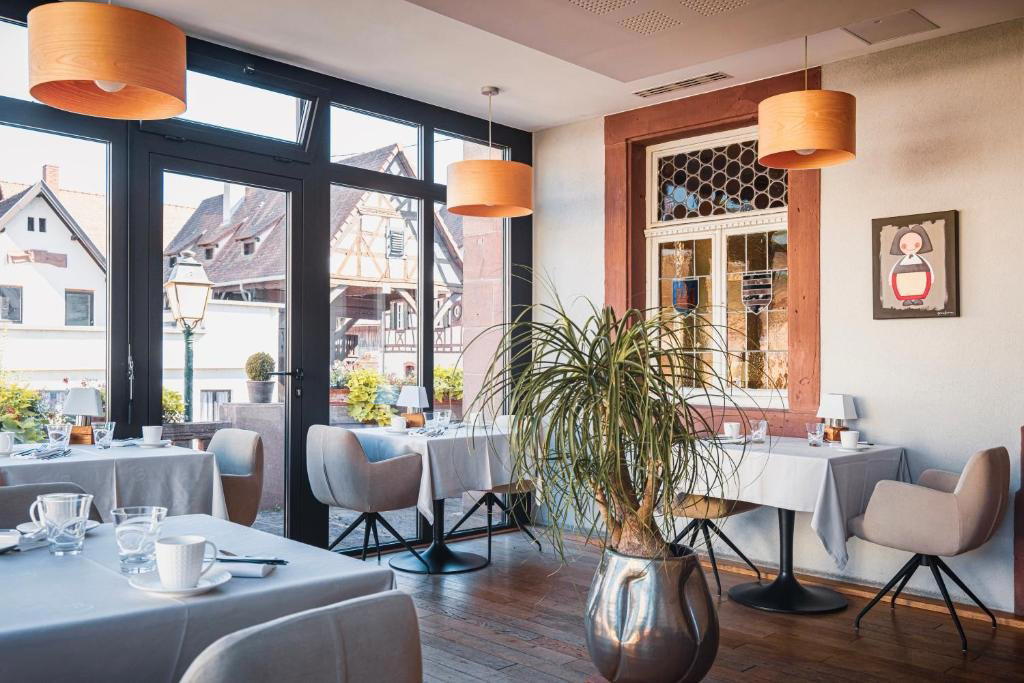
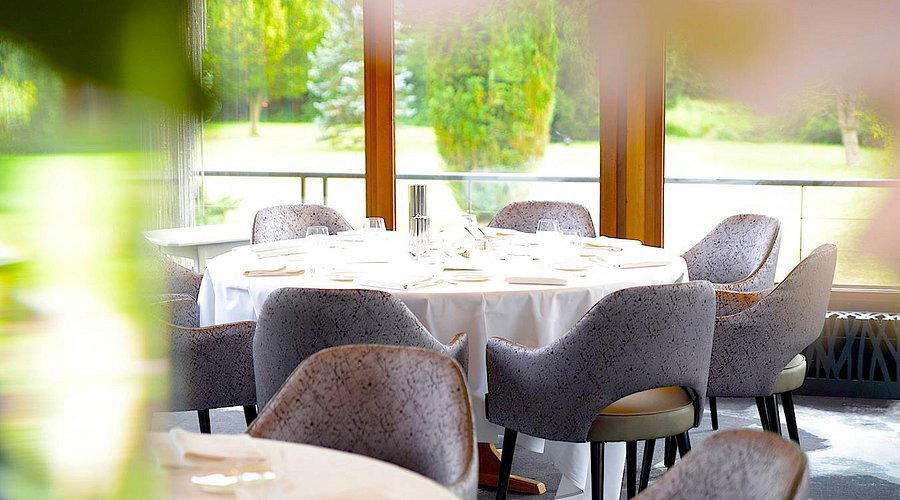
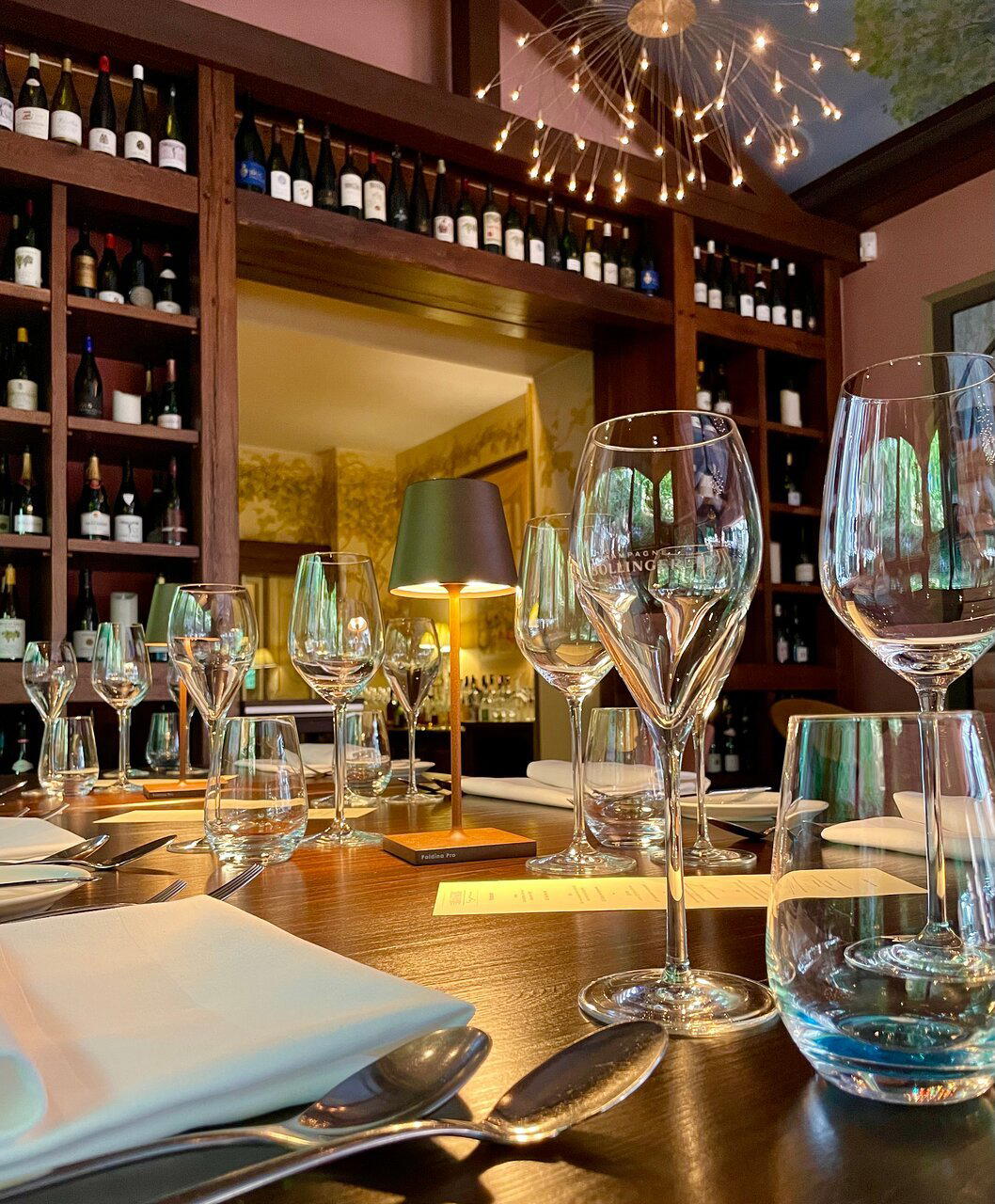
The Michelin description characterises the restaurant as comfortable and modern, with attentive and precise service. In the vocabulary of the Guide, those are meaningful qualifiers. Comfort in this context means the room has been thought through for the experience of eating over two or three hours, not simply arranged to accommodate covers. Modern suggests that the interior has been updated rather than preserved as a period piece, a choice that reflects confidence in the food's ability to carry the experience rather than relying on nostalgic atmosphere.
Precise service at a one-star level in a village auberge indicates a professional brigade that understands pacing, wine service, and the tone required when the audience includes both local regulars and destination diners arriving from further afield. That dual audience is characteristic of the leading regional restaurants in France: they hold a place in the community while also functioning as a reason to make a specific journey. Auberge du Vieux Puits in Fontjoncouse occupies a comparable position in the Languedoc, drawing serious diners to a village that would otherwise appear on no itinerary. The logic is the same: cooking of sufficient quality makes geography irrelevant.
Placing Cheval Blanc in the French Fine Dining Frame
France's fine dining spread runs from the multi-starred urban flagships, Alléno Paris au Pavillon Ledoyen, Mirazur in Menton, Troisgros in Ouches, down through the regional one-star tier that constitutes the actual texture of serious French eating. Cheval Blanc sits in that regional tier, in a price bracket ($$$ in our classification) that positions it below the all-in cost of a Parisian three-star experience while still requiring considered commitment from the diner.
For cuisine d'auteur in France at this level, the relevant comparisons are restaurants that have built reputations through kitchen ambition rather than institutional scale. Restaurant David Toutain in Paris and Apicius both operate in that register in an urban context. Cheval Blanc applies the same category of thinking to a northern Alsatian village, where the sourcing radius and the immediate landscape replace the city's cultural energy as the primary creative pressure on the kitchen.
Strasbourg's own fine dining scene, anchored by Au Crocodile, provides the nearest urban reference point. The drive from Strasbourg to Lembach runs approximately 50 kilometres north, passing through the Parc Naturel Régional des Vosges du Nord. That journey converts Cheval Blanc into a full destination proposition rather than a convenient urban dinner, which shapes the kind of diner it attracts and the expectations the kitchen works against.
Planning the Visit
Reservations at destination restaurants in rural Alsace follow a different rhythm from Paris: lead times are shorter at peak periods but the tables are fewer, so booking ahead, particularly for weekend lunch, which in this format can extend well into the afternoon, is the practical approach. The $$$ price range places this in the territory of a serious occasion without the financial commitment of a multi-star urban evening. For those building a longer stay in northern Alsace, our Climbach hotels guide covers accommodation options in the area, and the bars guide and experiences guide provide context for extending the itinerary. For the full picture of where Cheval Blanc sits among the region's restaurants, see our Climbach restaurants guide.
Autumn and spring represent the most interesting periods in northern Alsace from a sourcing perspective: the Vosges game season and the white asparagus window each create a distinct kitchen register that a cuisine d'auteur approach will reflect directly on the menu. Visiting in those windows, rather than mid-summer when the tourist circuit is at its loudest, tends to produce the cleaner version of what this kind of restaurant is actually trying to do.
Frequently asked questions
What does dinner at Auberge du Cheval Blanc typically cost?
Pricing at Auberge du Cheval Blanc is listed as $$$.
Where exactly is Auberge du Cheval Blanc?
Auberge du Cheval Blanc is located at 4 Rte de Wissembourg, 67510 Lembach, France, Climbach.
| Venue | Cuisine | Awards |
|---|---|---|
| Auberge du Cheval BlancThis venue — the venue you are viewing | Classic French Fine Dining | Star Wine List · Gault & Millau Remarkable Restaurant |
| Alléno Paris au Pavillon Ledoyen | Creative | Michelin 3 Star |
| Kei | Contemporary French, Modern Cuisine | Michelin 3 Star |
| L'Ambroisie | French, Classic Cuisine | Michelin 3 Star |
| Le Cinq - Four Seasons Hôtel George V | French, Modern Cuisine | Michelin 3 Star |
| Plénitude | Contemporary French | Michelin 3 Star |
Recognition history
Dated appearances from independent guides and award organizations, with the underlying list record or original source where available.
Star Wine List
Star Wine List
Gault & Millau Remarkable Restaurant
Gault & Millau
Continue exploring
More in Climbach
Restaurants in Climbach
Browse all →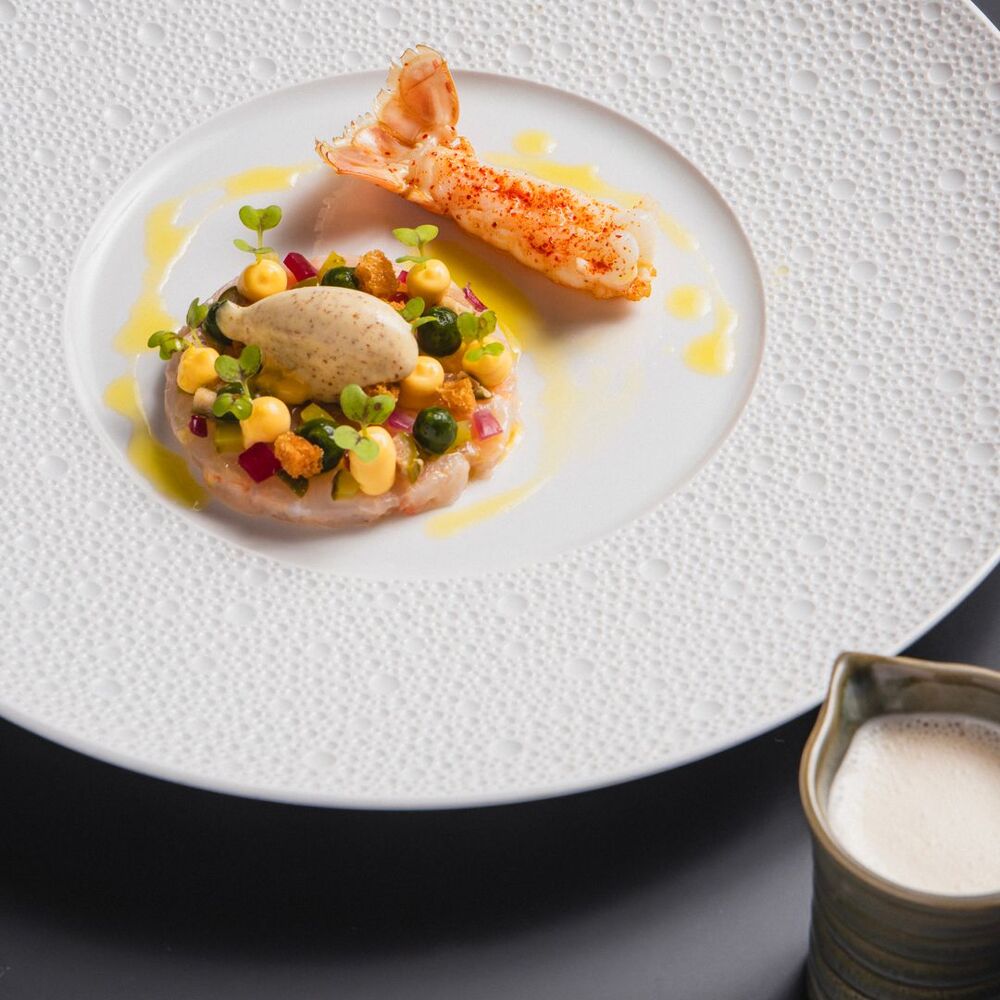
Bars in Climbach
Browse all →
Hotels in Climbach
Browse all →

Details
- Elegant
- Classic
- Cozy
- Romantic
- Sophisticated
- Date Night
- Special Occasion
- Business Dinner
- Hotel Restaurant
- Historic Building
- Wine Cellar
- Extensive Wine List
- Sommelier Led
- Local Sourcing
- A La Carte
Chateau-like dining hall with coffered ceilings, monumental fireplace, stained-glass windows, and an elegant, exclusive atmosphere.