


1 Michelin Star · La Liste Top Restaurants · Gault & Millau Remarkable Restaurant
Our verdict
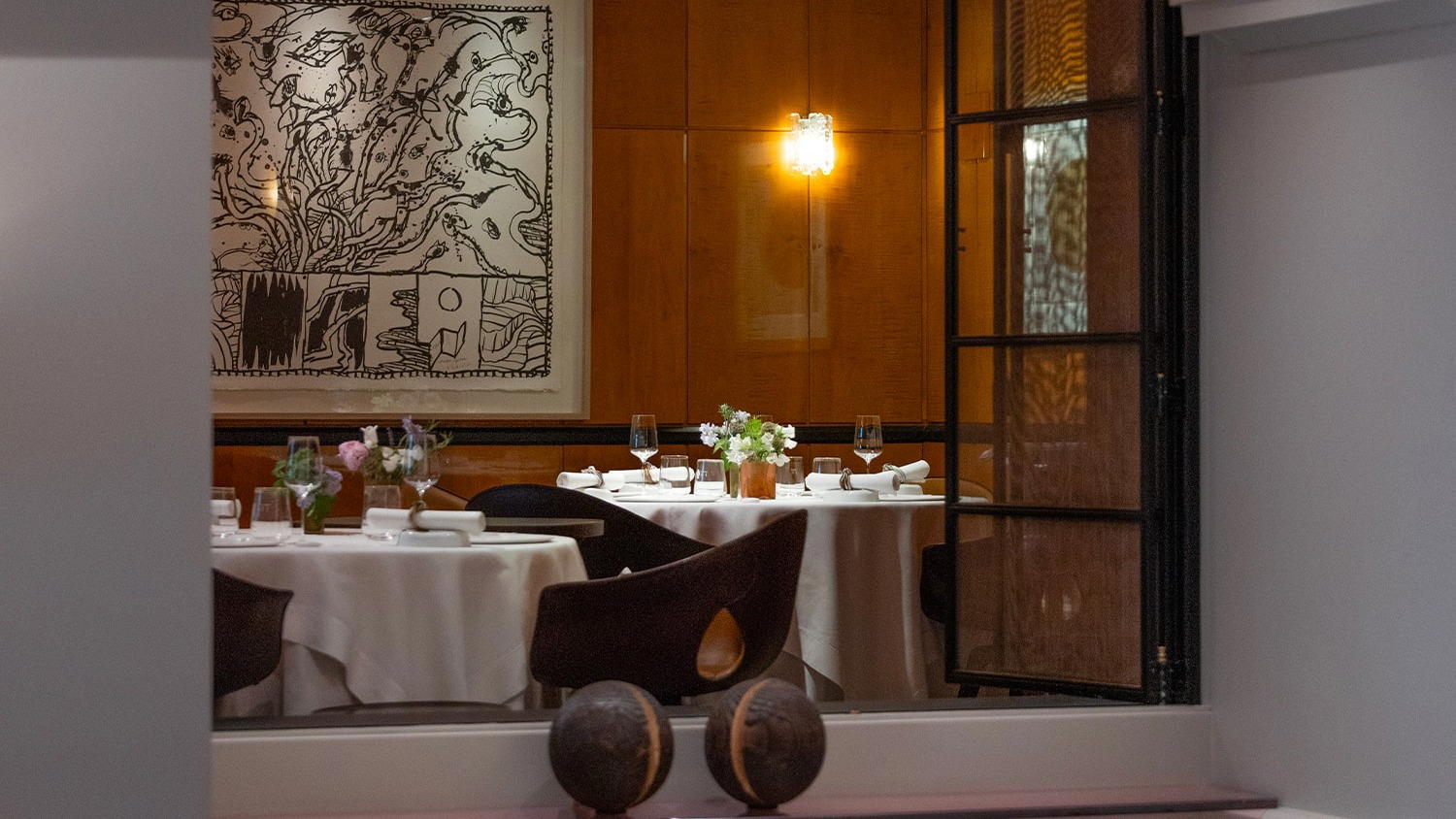
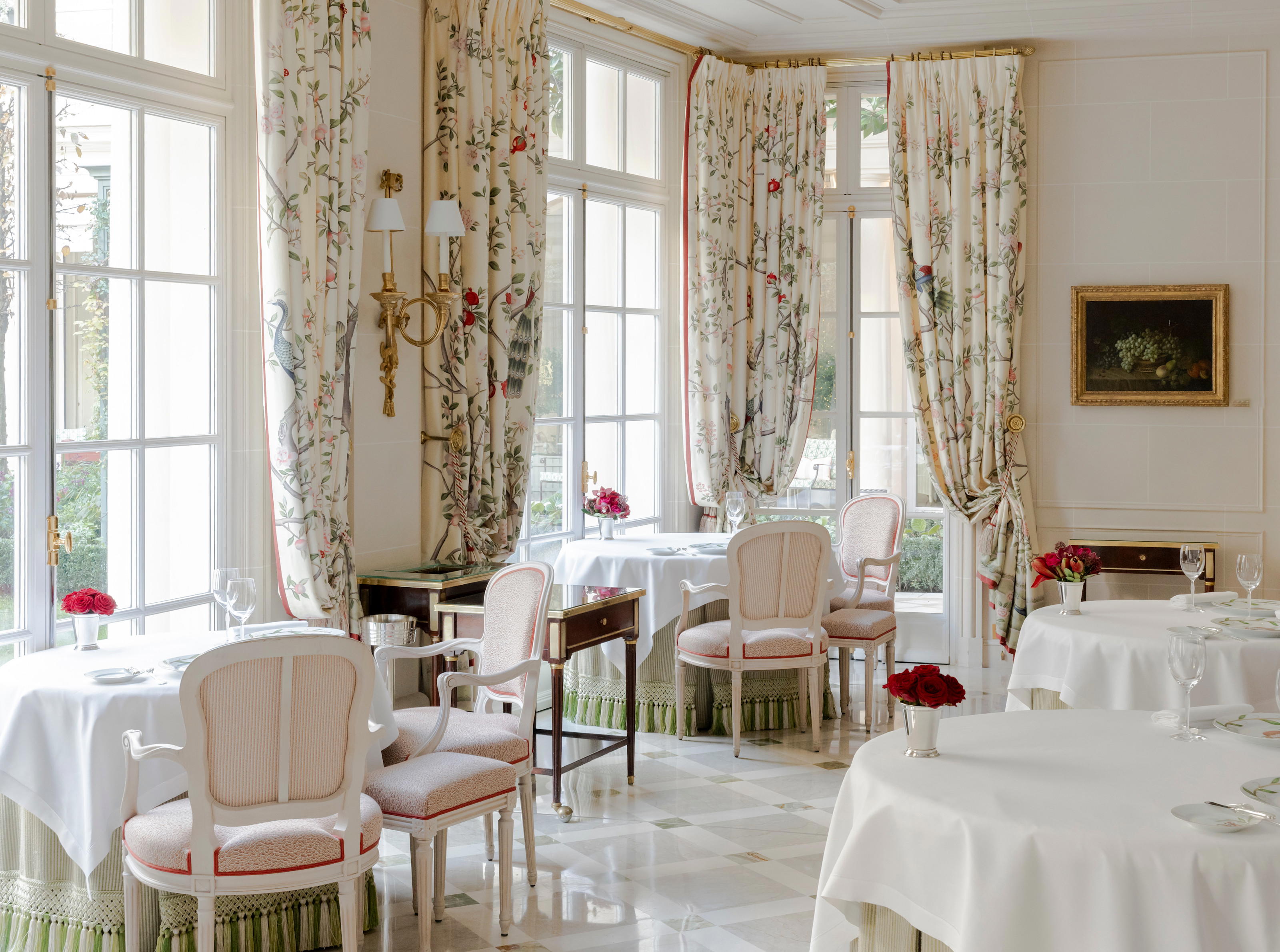
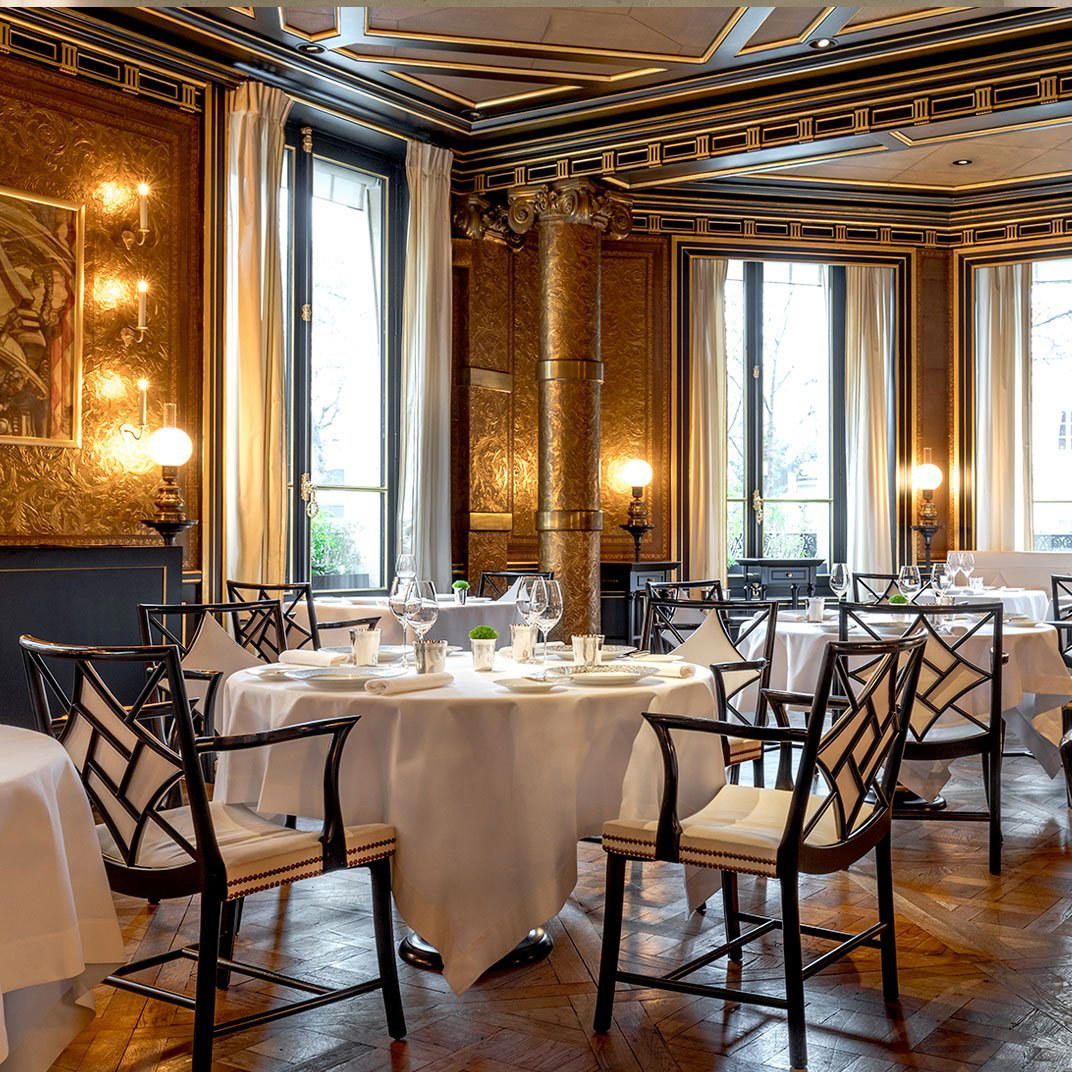
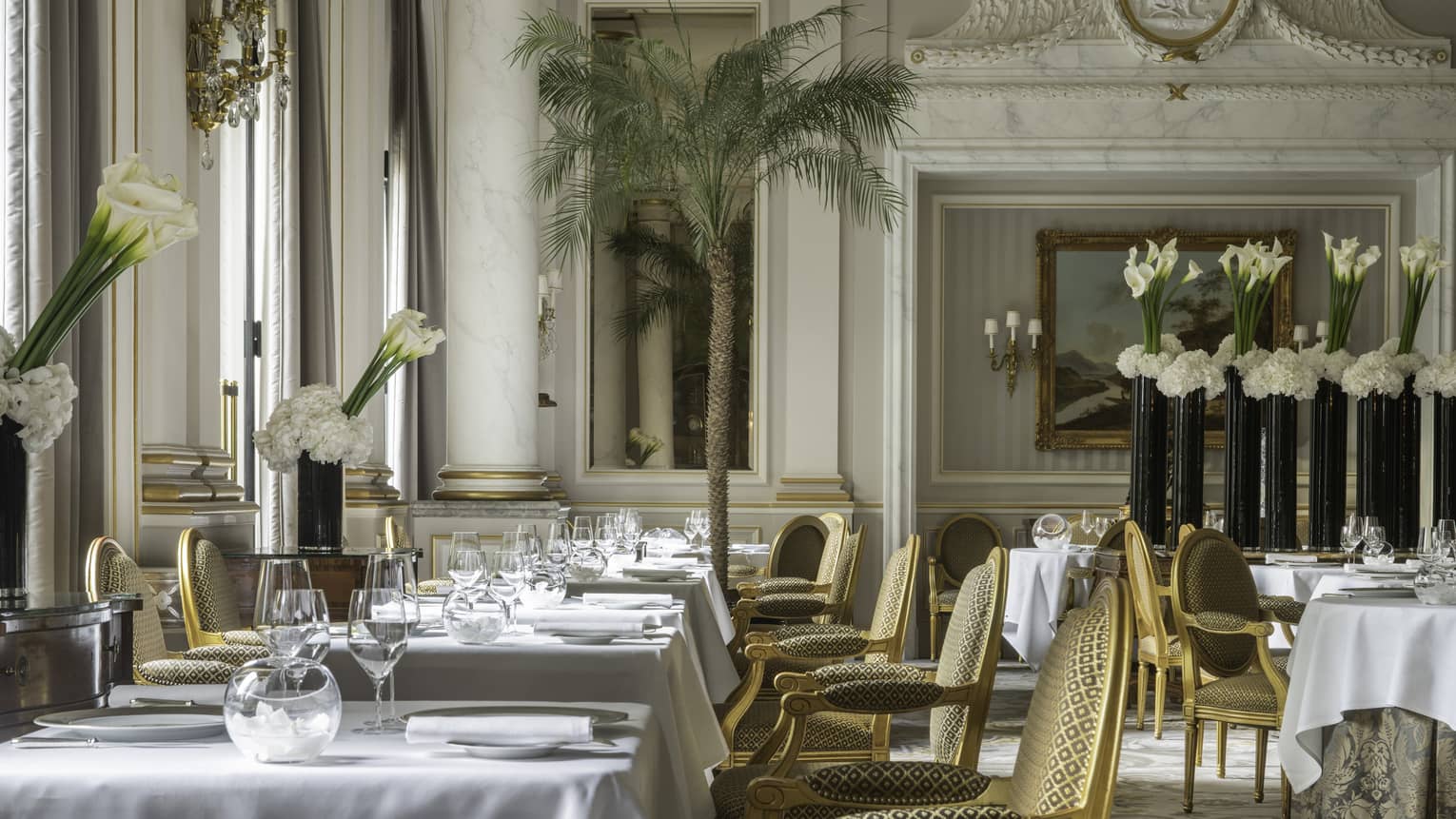
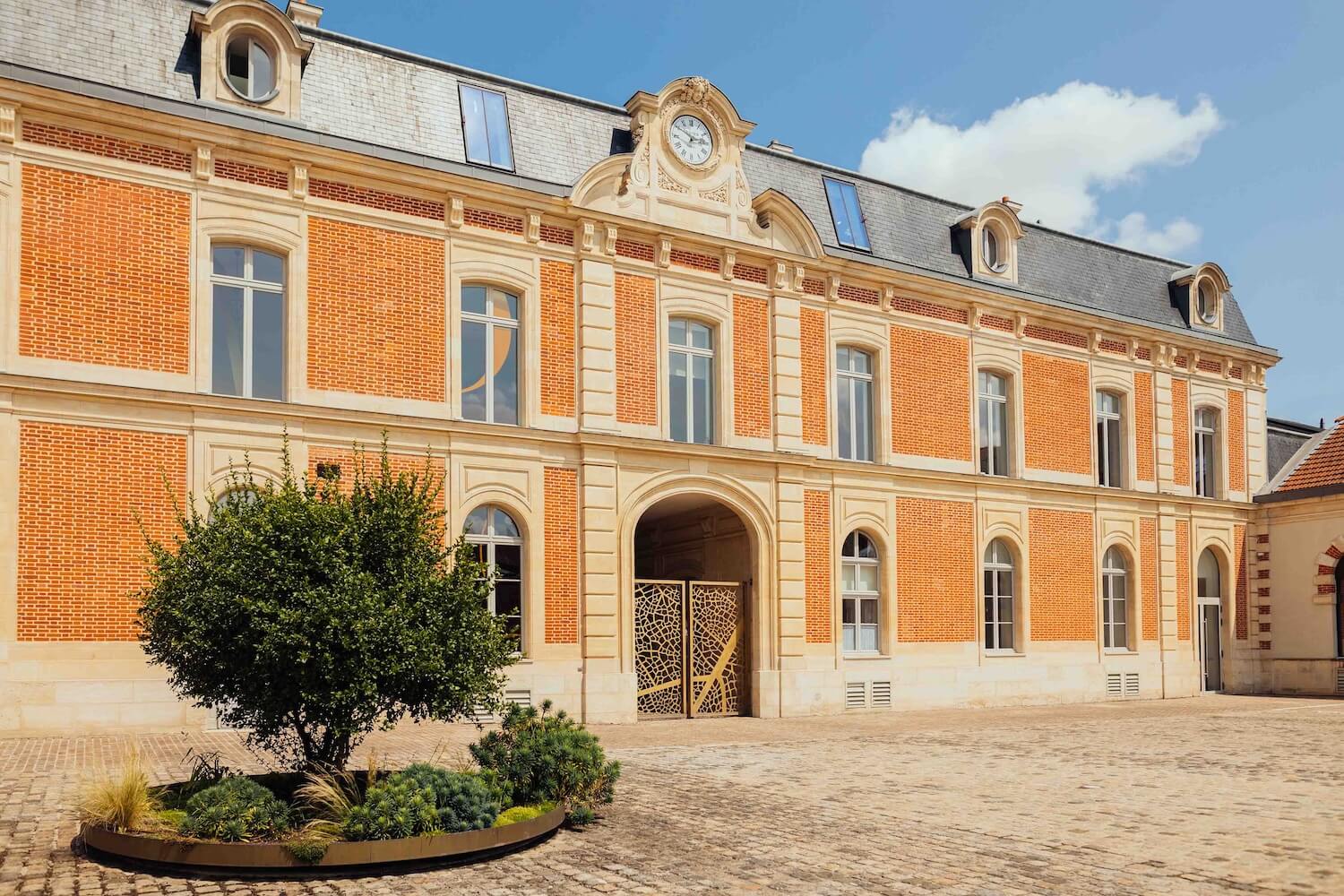
Apicius occupies a grand private mansion in the 8th arrondissement, where Mathieu Pacaud's cuisine d'auteur works a fine balance between classical French tradition and a restrained vegetable-forward direction. Rated 85 points on La Liste 2026 and recognised by the We're Smart Green Guide, it sits firmly in Paris's upper tier of destination dining, with the inner garden and Belle Époque architecture setting the register before a dish arrives.

Pearl is the En Primeur Club membership app — saves, bookings, and concierge access live there. Same editors, same standards.
- Address
- 20 Rue d'Artois, 75008 Paris, France
- Phone
- +33 1 43 80 19 66
- Hours
- Mon–Sat 12:15–1:15 PM, 7:15–9:15 PMSun Closed
- Website
- restaurant-apicius.com
- Directions
- Get directions
- Booking
- Book on SevenRooms
The 8th Arrondissement's Grand Dining Tradition
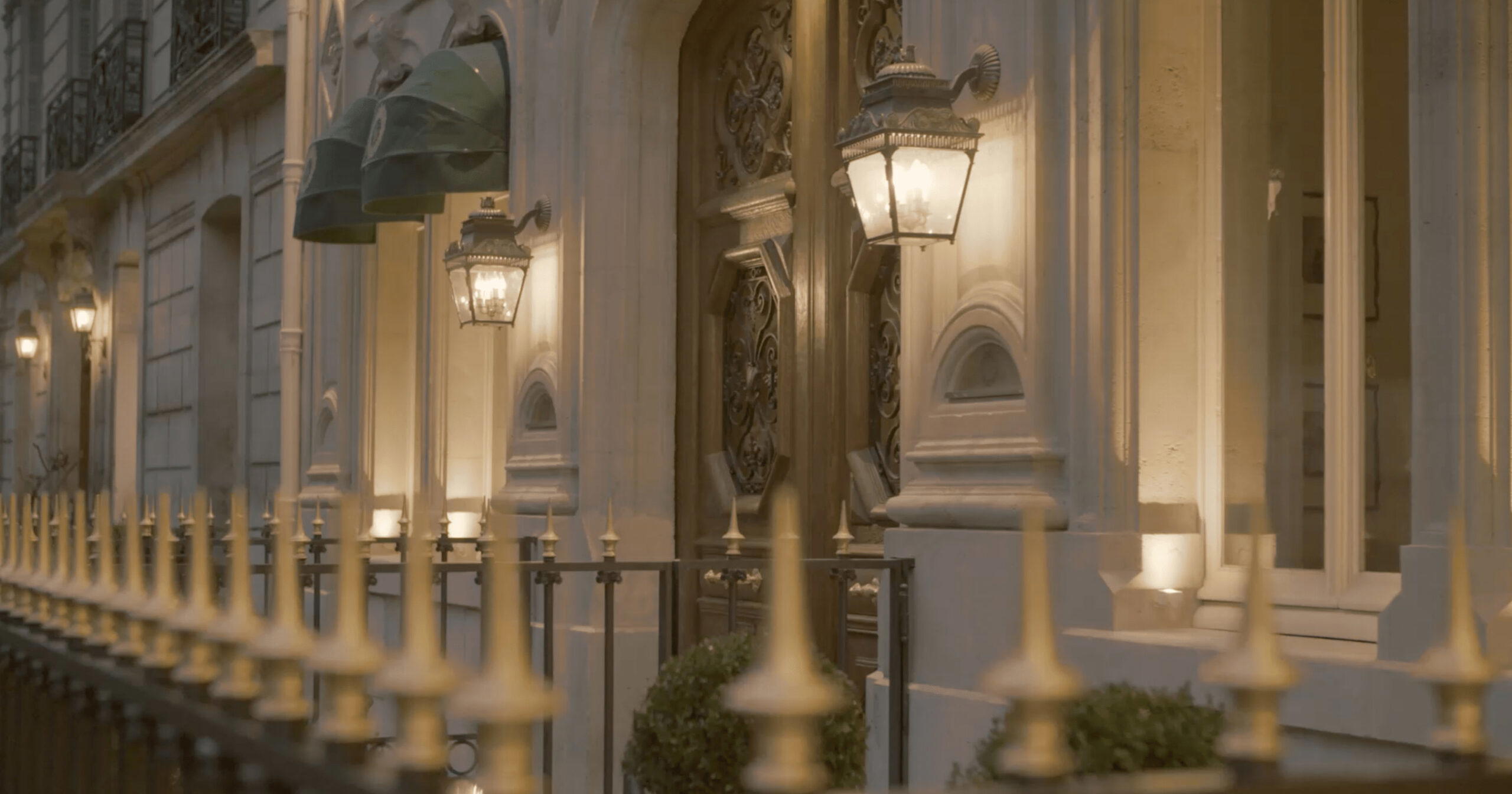
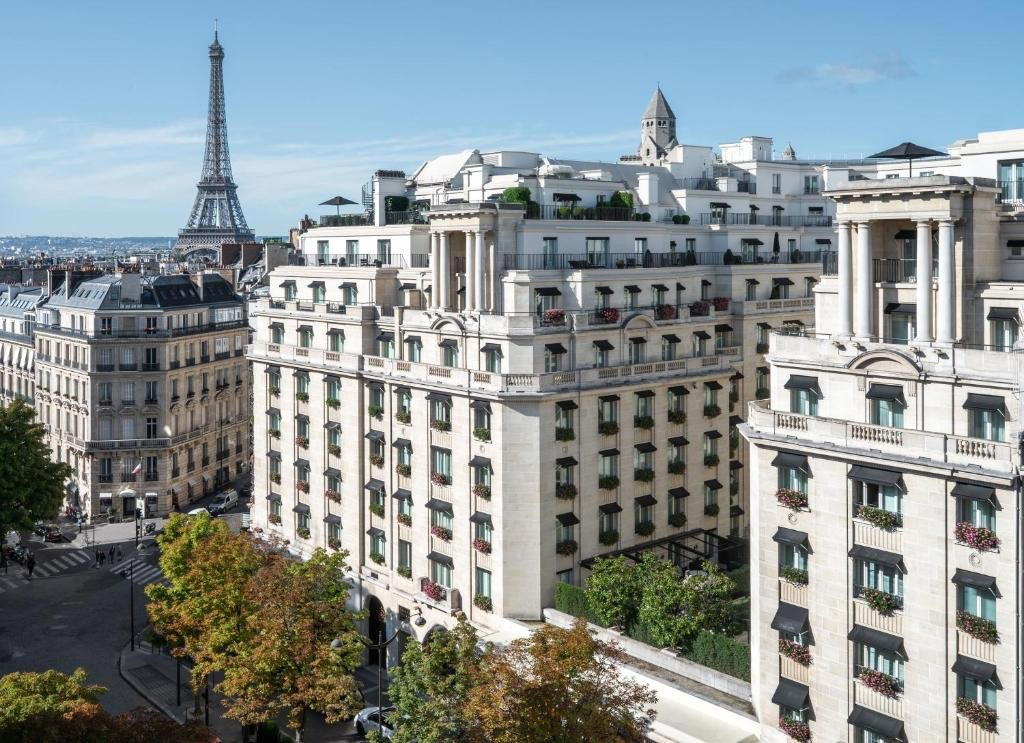
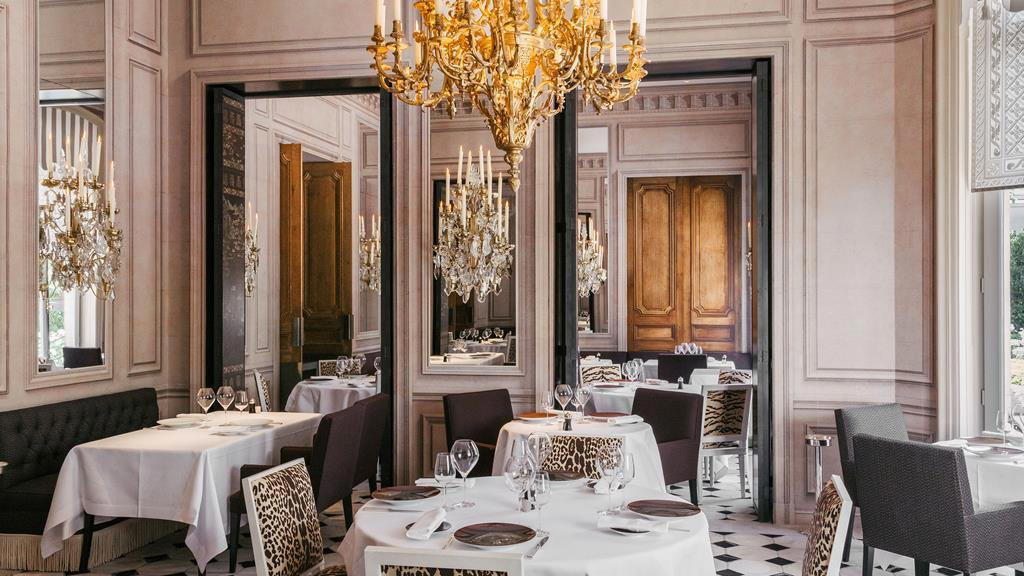
The 8th arrondissement has long been Paris's address for formal haute cuisine. Between the Champs-Élysées and the Triangle d'Or, the neighbourhood contains some of the highest concentration of serious tasting-menu restaurants in the city, a cluster that includes names like Alléno Paris au Pavillon Ledoyen (Creative) and Le Cinq at the Four Seasons George V. These are not neighbourhood restaurants in any casual sense. They operate at a price point and formality level that signals deliberate occasion dining, and they compete less with the surrounding brasseries than with each other and with the handful of comparable addresses scattered across the city's grander arrondissements. Apicius, at 20 Rue d'Artois, belongs to this bracket. The address itself frames the experience: a 19th-century private mansion with an interior garden, the kind of building that in another arrondissement might have become offices or apartments, but that in the 8th has retained its function as a setting for a particular kind of French formal hospitality.
What the Physical Space Signals
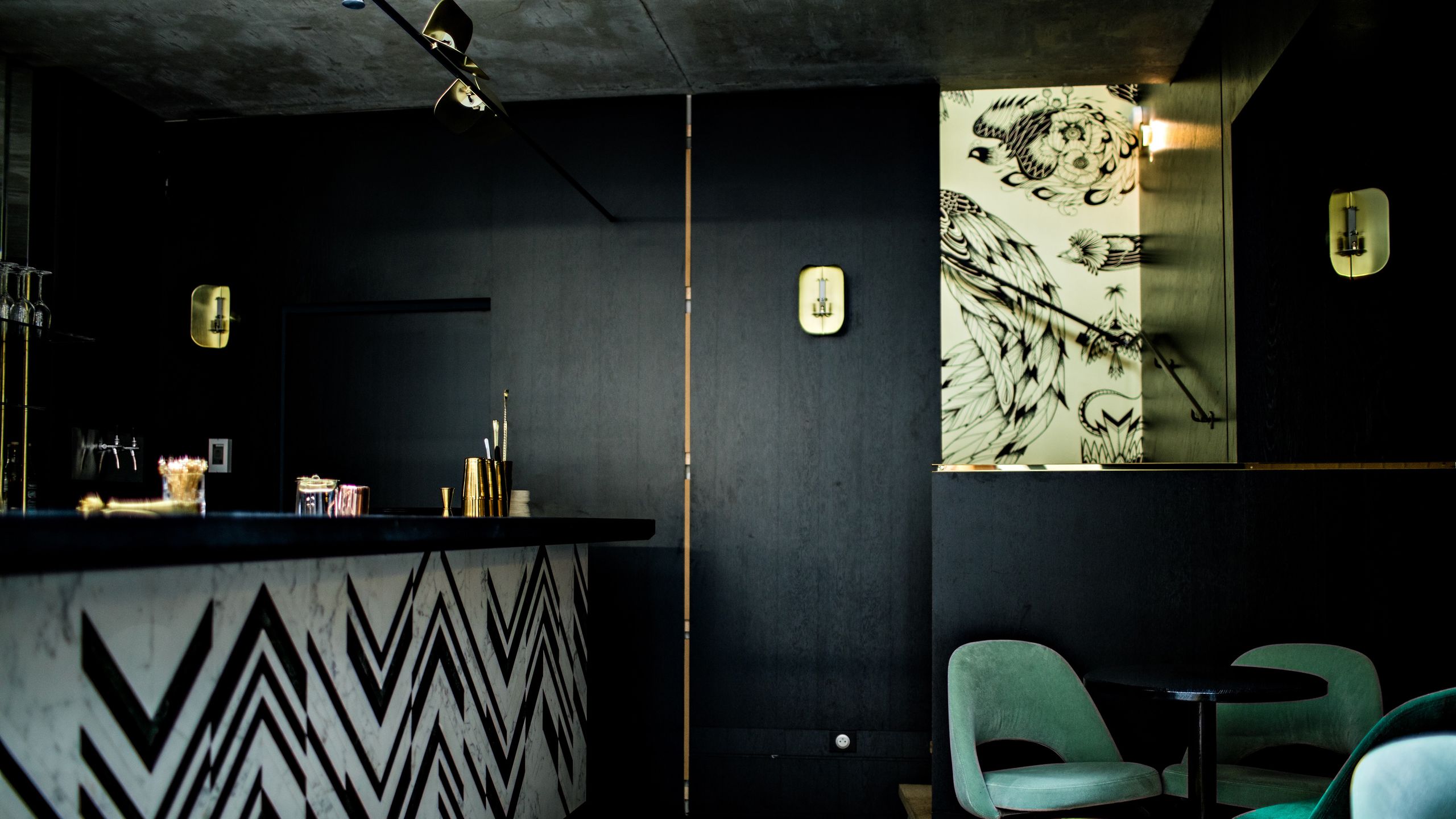
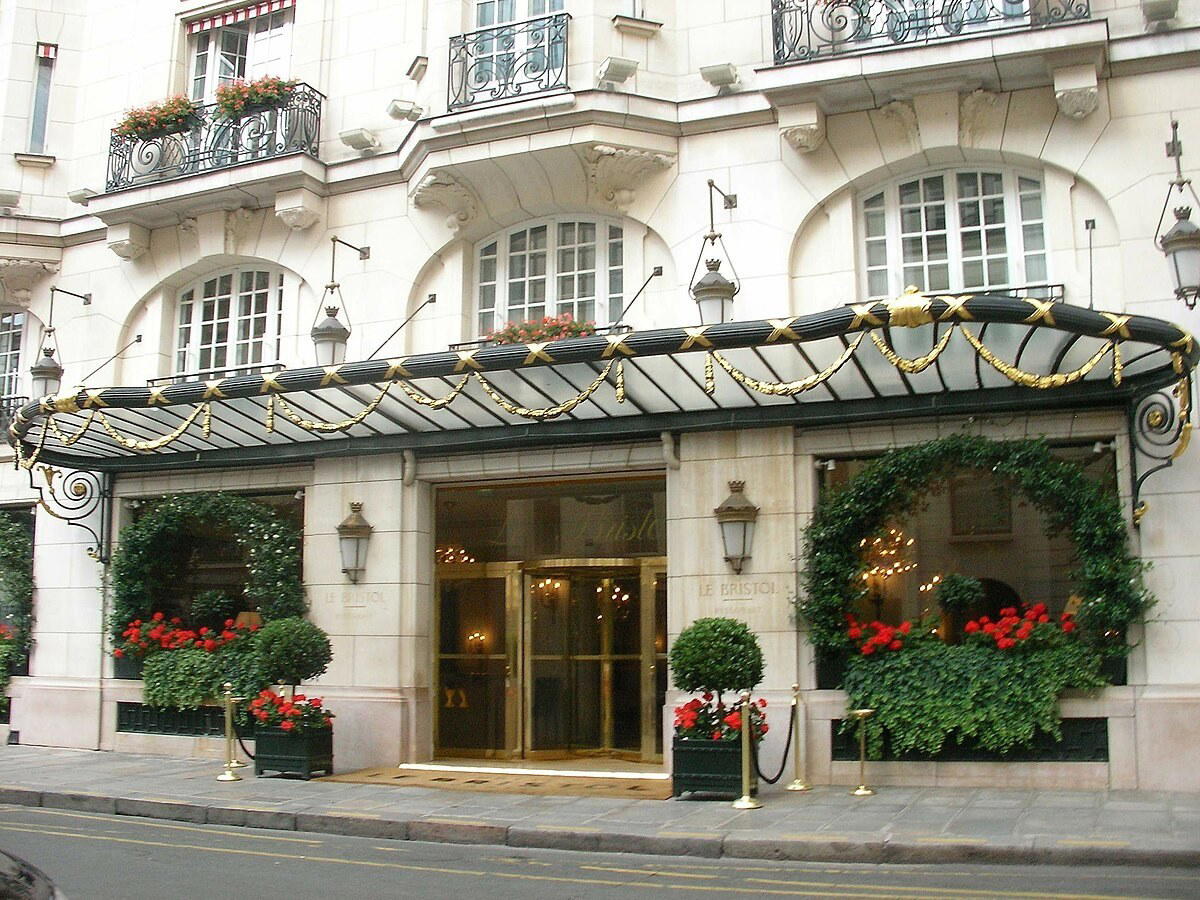
Approaching Apicius, the architecture does significant editorial work before the menu is placed in your hands. The hôtel particulier format, with its enclosed courtyard and Belle Époque proportions, places the restaurant in a tradition of Parisian grand dining that has nothing to do with contemporary minimalism. This is not the stripped-back aesthetic that defines newer tasting-menu destinations like Restaurant David Toutain, where the room recedes so the plate can speak louder. At Apicius, room and plate are meant to reinforce each other: the grandeur of the setting is part of the offer, a deliberate continuation of what the French sometimes call cuisine de palace, even when the kitchen is moving in a direction the palace tradition never anticipated.
The inner garden, accessible in suitable weather, shifts the register considerably. Garden dining in Paris at this price tier is genuinely rare; the density of the city and the premium on interior space mean that most restaurants at this level have no outdoor component at all. The garden at Apicius is not incidental to the experience; it is one of the clearest differentiators from peer addresses in the 8th.
Mathieu Pacaud and the Cuisine d'Auteur Category
The cuisine d'auteur designation that Apicius carries is a meaningful one in the French restaurant taxonomy. It signals a kitchen with a defined creative identity, distinct from the classical French category occupied by an address like L'Ambroisie (French, Classic Cuisine) on the Place des Vosges, and also distinct from the more hybridised approaches found at Kei (Contemporary French, Modern Cuisine). The auteur frame positions the chef's creative vision as the organising principle of the menu, with the kitchen's choices reflecting a coherent point of view rather than a genre or a tradition being faithfully served.
Mathieu Pacaud is the figure at the centre of that frame at Apicius. His lineage in French haute cuisine is well-documented: he is the son of Bernard Pacaud of L'Ambroisie, which means his training took place inside one of the most classically rigorous kitchens in Paris, a restaurant with three Michelin stars and a reputation built over decades on discipline and precision. The generational dynamic is directly relevant to how Apicius reads as a project. A chef with that formation who then establishes a cuisine d'auteur address is making a specific argument: that the classical vocabulary learned in one kitchen can be reconfigured into something with its own internal logic. Whether Apicius fully resolves that argument is, as La Liste's 2026 commentary notes, still an open question.
The Vegetable Question
La Liste's 2026 assessment, which places Apicius at 85 points in the Remarkable category, is worth reading carefully because of what it observes rather than simply what it scores. The commentary acknowledges the restaurant's inclusion in the We're Smart Green Guide with two radishes, which is a meaningful credential in the vegetable-forward dining space, but it also draws a clear distinction: Apicius is not a vegetable restaurant. Two radishes in the We're Smart Green Guide signals a serious and deliberate engagement with plant-based cooking as a component of the menu, not a wholesale repositioning of the kitchen's identity. That middle ground is increasingly where the most interesting creative work in French haute cuisine is happening. Chefs trained in the classical tradition, where the protein anchors the plate and vegetables play supporting roles, are now rebalancing without abandoning the structure entirely. Arpège (Creative) under Alain Passard represents one end of that spectrum, having committed fully to a vegetable-centred identity decades ago. Apicius occupies a different position: vegetables are present, they are significant, but the kitchen is not defined by them in the way Arpège is.
The La Liste commentary also raises a question about what comes next, referring to the possibility of an Apicius 0.2: a hint that the restaurant's creative direction may not yet have fully crystallised. That is not a criticism so much as an observation that the kitchen appears to be in a developmental phase, which for a diner willing to engage with where a restaurant is going rather than where it has already arrived, can be among the more interesting times to visit.
Where Apicius Sits in the Paris Hierarchy
The 85-point La Liste score places it in the Remarkable category, which in La Liste's framework means restaurants operating at a high level without yet sitting in the tier reserved for the most globally recognised names. For comparison, the French restaurants that appear in La Liste's leading global tier tend to carry multiple Michelin stars and decades of accumulated reputation; addresses like Troisgros - Le Bois sans Feuilles in Ouches, Mirazur in Menton, or Bras in Laguiole represent that upper echelon. Apicius is operating below that tier at present, but within the Paris context, an 85-point La Liste score is a credible position for a restaurant with a developing creative identity.
The cuisine d'auteur category also connects Apicius to peers outside Paris. Restaurants like Arborescence in Croix and Auberge du Cheval Blanc in Climbach operate under the same classification, which speaks to a broader regional current in French dining where chefs are asserting individual creative authority rather than aligning with named schools or classic genre conventions. The tradition that feeds into this includes addresses like Flocons de Sel in Megève and the long history of chef-driven destination restaurants that runs from Paul Bocuse - L'Auberge du Pont de Collonges through to Auberge de l'Ill in Illhaeusern. Apicius is a Paris iteration of that lineage, adapted for an urban context and a contemporary creative moment.
Planning a Visit
Apicius is a $$$$-tier restaurant at 20 Rue d'Artois in the 8th arrondissement, a short walk from the Saint-Philippe-du-Roule metro station. The 8th arrondissement is well-served by taxis and the metro, and the address is accessible from most central Paris hotels within fifteen minutes. For those building a wider Paris itinerary, EP Club's guides to restaurants, hotels, bars, wineries, and experiences cover the full picture.
Frequently asked questions
Is there a head chef associated with Apicius?
The chef associated with Apicius is Wolfgang Rappl.
What should I budget for a meal at Apicius?
Pricing at Apicius is listed as $$$$.
What should I eat at Apicius?
Apicius operates in the cuisine d'auteur register, meaning the menu reflects a defined creative position rather than a fixed canon of signature dishes. La Liste's 2026 assessment at 85 points specifically flags vegetables as a meaningful thread through the cooking — enough to earn inclusion in the We're Smart Green Guide with 2 Radishes, without the kitchen being a vegetable-only operation. At $$$$-tier pricing, the standard approach is to trust the full menu format and order around whatever seasonal direction the kitchen is currently exploring.
What's the cuisine at Apicius?
What's the address for Apicius?
Apicius is located at 20 Rue d'Artois, 75008 Paris, France, Paris.
What awards or recognition does Apicius have?
Apicius has received recognition including: La Liste Top Restaurants (2026): 85pts; "A la Parisienne", rich and impressive! Vegetables, certainly. Vegetable restaurant, not quite yet, but enough for inclusion in the We're Smart Green Guide with 2 Radishes. Mathieu Pacaud is there lik….
Do they take walk-ins at Apicius?
At $$$$-tier restaurants of this calibre in Paris's 8th arrondissement, walk-in availability is structurally unlikely — the format, space, and price point all operate on advance reservations. Apicius is located at 20 Rue d'Artois, 75008 Paris; contacting the restaurant directly to book ahead is the practical route, particularly given that La Liste's 2026 Remarkable classification keeps it in active circulation among Paris's formal dining crowd.
Cuisine-First Comparison
Comparable options at a glance, pulled from our tracked venues.
| Venue | Cuisine | Price | Awards | Notes |
|---|---|---|---|---|
| ApiciusThis venue — the venue you are viewing | Modern French Fine Dining | $200–300 | 1 Michelin Star · La Liste Top Restaurants | Not listed |
| Alléno Paris au Pavillon Ledoyen | Modern French Fine Dining | $150–200 | 3 Michelin Stars · World's 50 Best #79 | Creative |
| Kei | Modern French with Japanese Influences | $300–500 | 3 Michelin Stars · World's 50 Best #93 | Contemporary French, Modern Cuisine |
| L'Ambroisie | Classic French Haute Cuisine | $300–500 | 2 Michelin Stars · World's 50 Best #23 | French, Classic Cuisine |
| Le Cinq - Four Seasons Hôtel George V | French, Modern Cuisine | Not listed | Michelin 3 Star | Not listed |
| Plénitude | Modern French Sauce-Led Fine Dining | $300–500 | 3 Michelin Stars · World's 50 Best #14 | Contemporary French |
Recognition history
Dated appearances from independent guides and award organizations, with the underlying list record or original source where available.
Michelin 1 Star
Michelin
La Liste Top Restaurants
La Liste
Opinionated About Dining Classical in Europe Ranked #127
Opinionated About Dining
Gault & Millau Remarkable Restaurant
Gault & Millau
We're Smart World 2 Radishes
We're Smart World
Full recognition history (6 entries)
Opinionated About Dining Top Restaurants in Japan Recommended
Opinionated About Dining