Our verdict
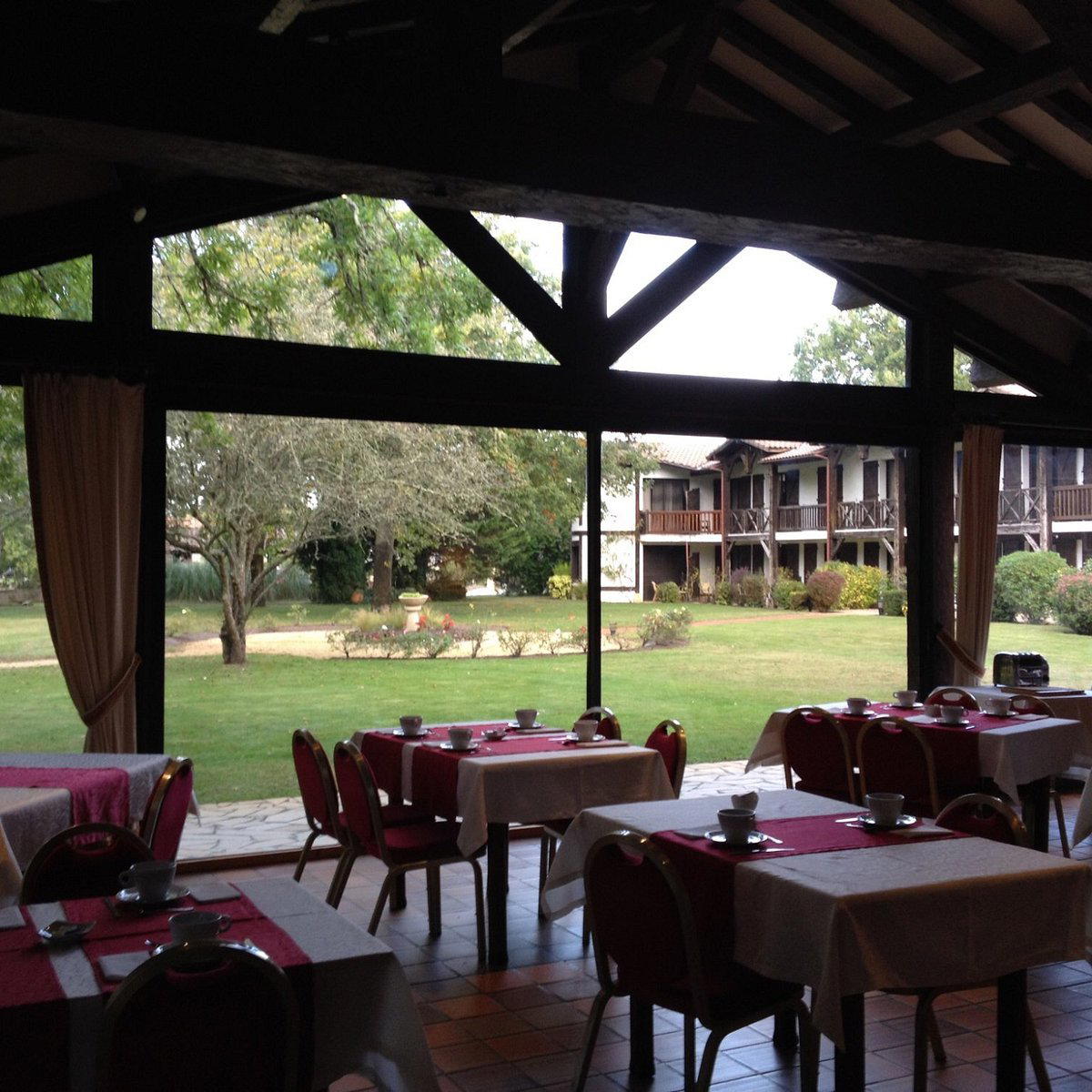
Auberge Des Pins sits in the Landes forest village of Sabres, where the raw materials of Gascony's interior, pine resin air, river-fed produce, and the region's landrace livestock, define the table rather than decorate it. This is the kind of address that rewards the traveller willing to leave the Atlantic coast behind and move inland, where French auberge tradition operates at its least performative.

Pearl is the En Primeur Club membership app, where members save venues, book tables and use the concierge.
The menu
What to order
- Ravioles de langoustines aux cèpes
- Dos de bar grillé
- Pigeonneau farci
- Tourtière à l’armagnac
Where the Landes Forest Sets the Table
Approach Sabres from any direction and the landscape does most of the talking before the village does. The Landes pine forest, one of the largest planted forests in Europe, stretching across more than a million hectares of southwestern France, presses close to the road, filtering light and dampening sound in a way that few inland French settings manage. By the time you reach the Route de la Piscine address of Auberge Des Pins, the environment has already established what kind of meal this will be: rooted, unhurried, and shaped by a geography that has fed Gascon tables for centuries.
That framing matters because the French auberge tradition, especially in regions like the Landes and greater Gascony, has always drawn its identity from proximity to primary ingredients rather than from urban ambition. Where restaurants in Paris or Lyon, think the grand rooms of Alléno Paris au Pavillon Ledoyen or the historical weight of Paul Bocuse - L'Auberge du Pont de Collonges, carry the weight of culinary monument, a Landes auberge carries something more functional: it is a conduit between the land and the plate, with the forest, the river corridors, and the local farms doing the substantive creative work.
Ingredient Sourcing as the Defining Logic
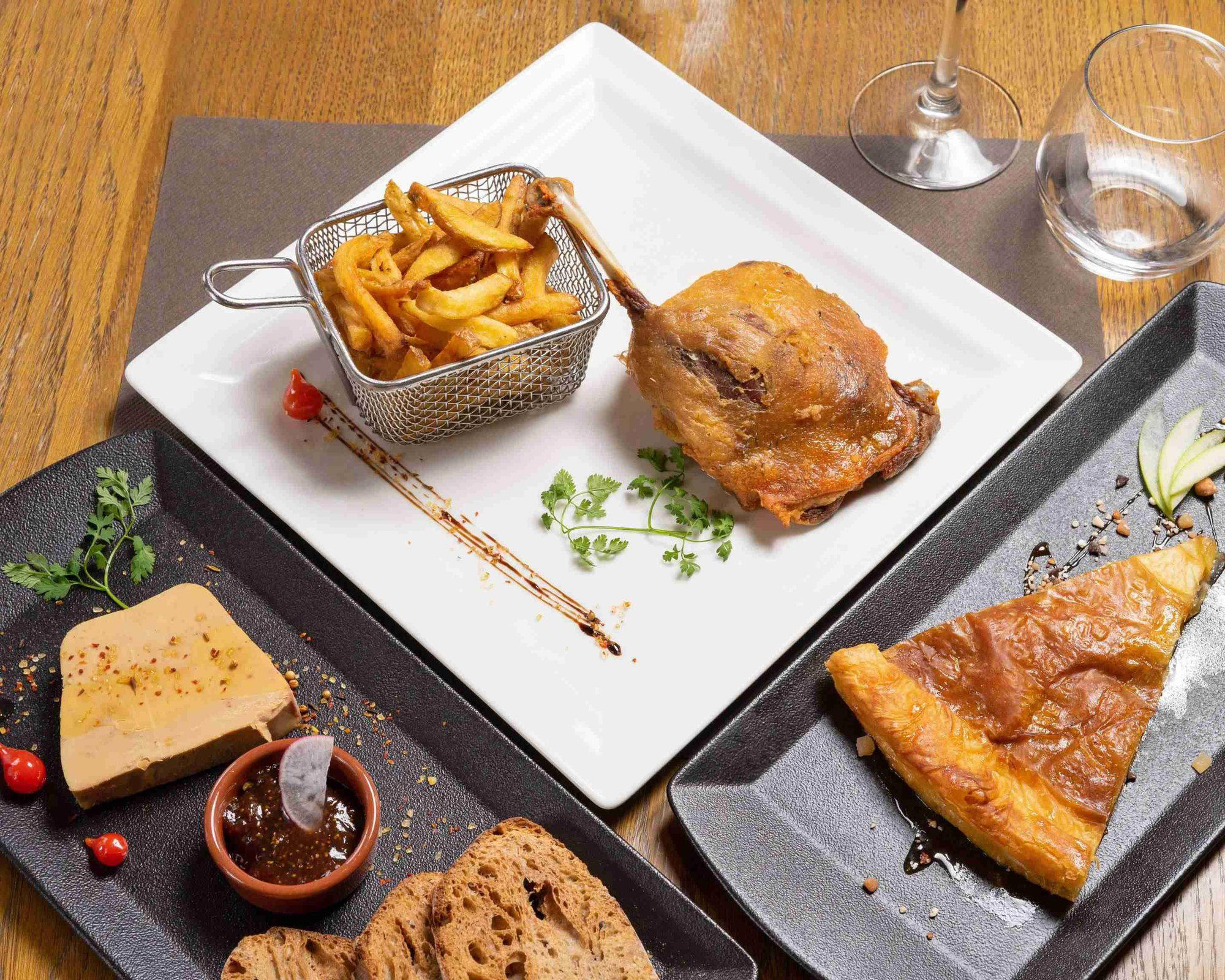
The Landes is not a neutral larder. It produces some of the most geographically specific ingredients in French cooking: free-range Landes chickens raised under the forest canopy, foie gras from farms that have operated under appellation rules for decades, and game that moves through the pines seasonally. The department's AOC-designated poultry alone carries a production discipline closer to wine appellation logic than to standard poultry farming, birds must spend a minimum number of days outdoors, at defined stocking densities, on diets that reflect the terroir. That level of specificity in raw material is the starting point for any serious kitchen in this area, and it is what separates Gascon auberge cooking from French provincial cooking in a more general sense.
This sourcing-first logic places Auberge Des Pins within a broader tradition of French destination restaurants where geography does the heavy lifting. Bras in Laguiole has made that argument most explicitly on the Aubrac plateau; Les Prés d'Eugénie - Michel Guérard in Eugénie-les-Bains, less than 60 kilometres southwest, built an entire cuisine around the thermal landscape and local produce of the Landes-Gers border. Auberge Des Pins operates in that same conceptual territory, though at a scale and register that keeps it closer to a working village inn than to a gastronomic institution.
The Auberge Format in Context
France's auberge format has an underappreciated precision to it. The word itself signals something about expectation management: a place to sleep and eat, usually in a village, usually connected to the land around it, and usually without the formal architecture of a grande maison. That informality is not a deficit. It is the genre. Some of the country's most sustained cooking traditions survive inside this format precisely because it removes the pressure of metropolitan performance and replaces it with the pressure of seasonal availability and local loyalty.
The comparison with other regionally embedded French addresses is instructive. Auberge de l'Ill in Illhaeusern represents what happens when a family-run auberge accumulates Michelin recognition over generations without leaving its village. Maison Lameloise in Chagny shows a similar arc in Burgundy. Both demonstrate that the auberge format, when connected to a sufficiently distinctive terroir, can sustain serious cooking across decades. In the Landes, the terroir argument is if anything more dramatic: the forest itself is a managed ecosystem with a documented history stretching back to the nineteenth century, and the ingredients it shapes, game, mushrooms, pine-fed air, are not replicable elsewhere.
Sabres as a Destination Decision
Choosing Sabres as a dining destination requires a specific kind of commitment. The village sits at the edge of the Parc Naturel Régional des Landes de Gascogne, connected to the regional steam railway (the Train des Landes) that runs through the forest and draws visitors in summer. It is not a stop on the way to somewhere else. The Atlantic coast resorts of Arcachon and Biscarrosse lie to the west, Bordeaux to the north, and the Basque Country to the south, Sabres occupies the interior, which most tourists pass through rather than stop in.
That positioning is precisely the point. Dining culture in locations like Sabres operates on a different social contract than it does in resort towns or city centres. The clientele is more likely to be local or specifically purposive, visitors who have driven into the forest with the explicit intention of eating here, rather than guests who stumbled in from a nearby hotel strip. That changes the room's atmosphere in ways that are difficult to manufacture: there is a quietness to it, a sense that the meal itself is the occasion rather than a complement to some other leisure activity.
For travellers building a southwestern France itinerary that extends beyond Bordeaux's wine circuit or the Basque coast, the Landes interior represents a significant gap in most itineraries. Auberge du Vieux Puits in Fontjoncouse in the Aude and La Table du Castellet in Le Castellet in Provence offer comparable arguments for leaving the obvious circuit, smaller villages, specific terroirs, and kitchens that are legible only in context. See also our full Sabres restaurants guide for further context on the village's dining options.
Planning a Visit
Sabres is accessible by car from Bordeaux in under 90 minutes via the A63 and N10, making it a feasible lunch destination for travellers already in the Bordeaux or Arcachon area. The village itself is small enough that Auberge Des Pins on Route de la Piscine is direct to locate. Summer brings visitors drawn to the Landes forest leisure infrastructure, so tables during July and August will fill earlier in the week; the shoulder seasons of spring and autumn align better with the game and foie gras calendar that defines the regional kitchen. Booking in advance is advisable for weekend visits regardless of season, given the limited dining options in the immediate area.
Frequently asked questions
Is Auberge Des Pins a family-friendly restaurant?
The auberge format in France has historically served travellers of all kinds, and Sabres itself is a village-scale destination within the Parc Naturel Régional des Landes de Gascogne, where the pace is unhurried and the setting is relaxed. That context points toward a dining room comfortable for families rather than one calibrated to a narrow adult audience. For specific seating arrangements or children's menu options, check the venue's official channels before visiting.
What should I expect atmosphere-wise at Auberge Des Pins?
Auberge Des Pins sits on the Route de la Piscine in Sabres, a village framed by the Landes pine forest, one of the largest planted forests in Europe. The auberge category in French hospitality signals something specific: a place rooted in locality rather than theatre, where the room tends to serve the food rather than compete with it. Expect a setting that reflects the quieter rhythms of the Landes rather than the production values of a destination restaurant in a major city.
Is Auberge Des Pins in Sabres worth a detour from Bordeaux for lunch?
Sabres sits roughly 80 kilometres south of Bordeaux via the A63 and N10, making it a feasible lunch run for travellers already based in the Gironde. The case for the detour rests on the Landes region's ingredient specificity: the forest, the free-range poultry production, and the broader Gascony food tradition are not replicated closer to the city. Whether the kitchen at Auberge Des Pins is currently operating at full capacity is worth confirming before making the drive.
What should I order at Auberge Des Pins?
The Landes region is the source of some of the most geographically distinct ingredients in French cooking: free-range Landes chickens raised under protected designation, foie gras from the broader Gascony belt, and wild mushrooms from the surrounding pine forest floor. Any visit is best oriented around whatever the kitchen is drawing from that local supply.
What's Auberge Des Pins's location?
Auberge Des Pins is located at RTE DE LA PISCINE, 40630 Sabres, France, Sabres.
How hard is it to get a table at Auberge Des Pins?
Sabres requires a deliberate journey, under 90 minutes from Bordeaux by car, but not a stop you make by accident, which means the dining room draws visitors who have planned ahead rather than walk-in trade. Contacting the venue directly, particularly for weekend lunches or summer travel periods, is the practical approach.
Quick Comparison
Comparable venues nearby, for context on price, style, and recognition.
| Venue | Cuisine | Price | Notes |
|---|---|---|---|
| Auberge Des PinsThis venue (the venue you are viewing) | French / Regional Landais | $30–50 | Not listed |
| Maison Blanche | Modern French Fine Dining | Not listed | 8th arrondissement |
| L'Entrecôte | Classic French Steak Frites | $30–50 | Centre ville |
| port of the Moon | Contemporary French with Global Wine Pairings | Not listed | Bordeaux Sud |
| Mina | Modern French-Mediterranean | Not listed | Centre ville |
| L'Auberge de la Pointe | Regional French Bistro | $30–50 | Soustons |
Continue exploring
More in Sabres
Restaurants in Sabres
All restaurants in Sabres →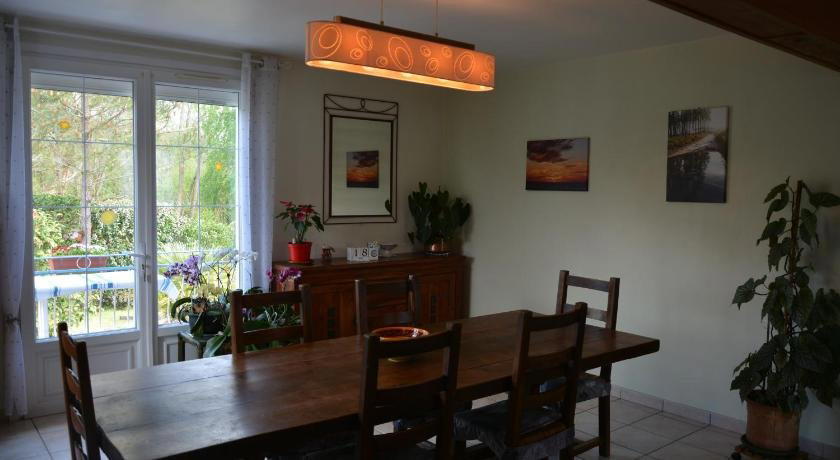
Hotels in Sabres
Browse all →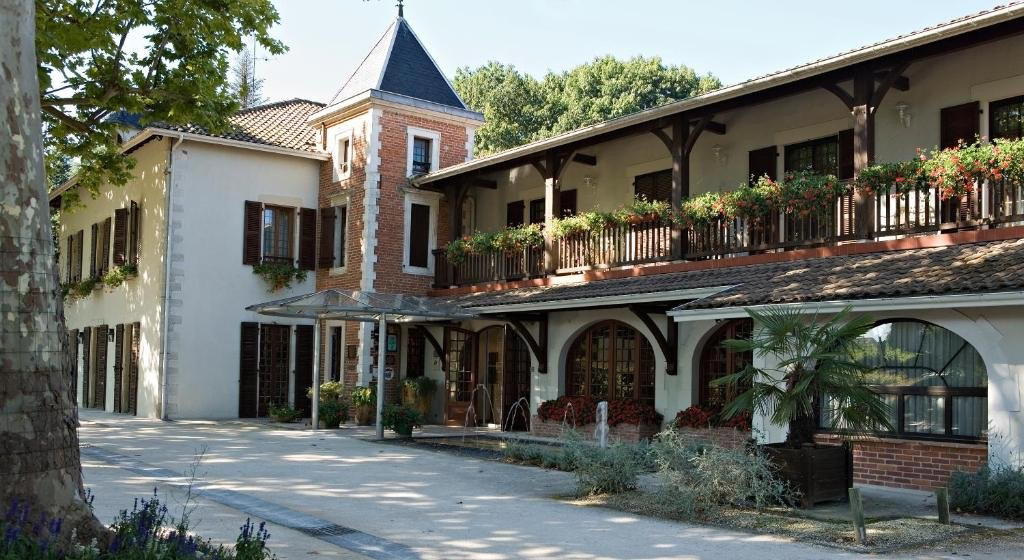

Details
- Quiet
- Scenic
- Cozy
- Classic
- Rustic
- Family
- Group Dining
- Celebration
- Private Event
- Business Dinner
- Hotel Restaurant
- Garden
- Private Dining
- Beer Program
- Local Sourcing
- Garden
- A La Carte
- Set Menu
- Wine
- Beer
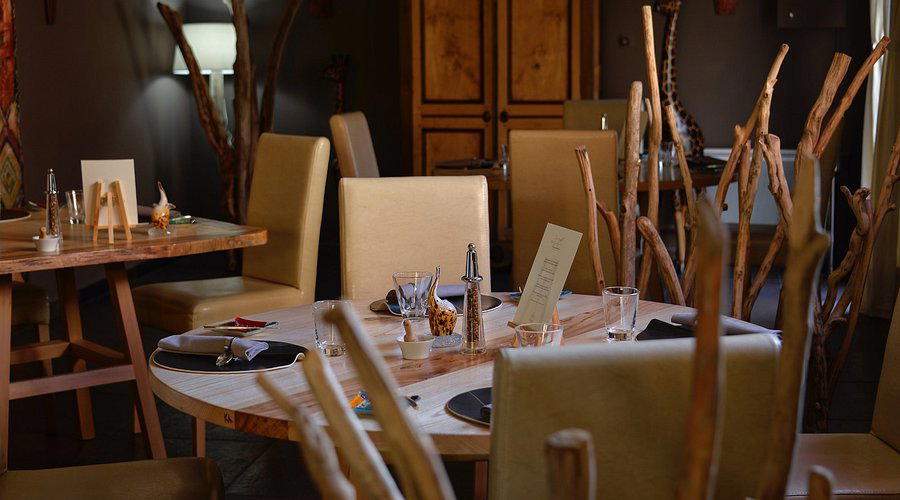
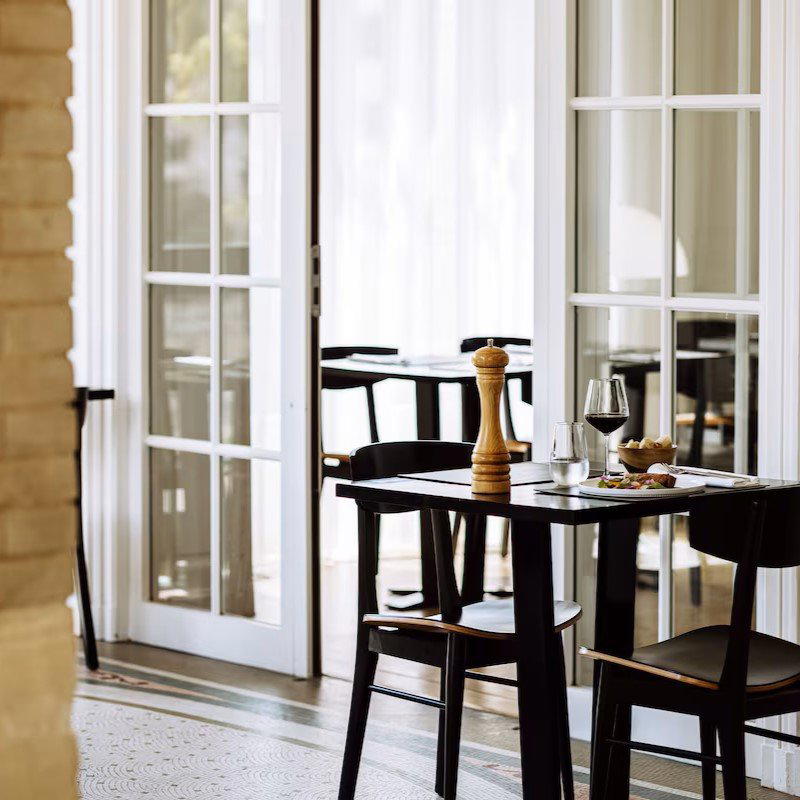
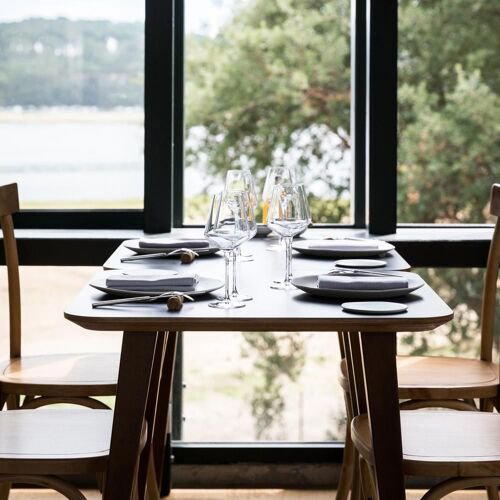
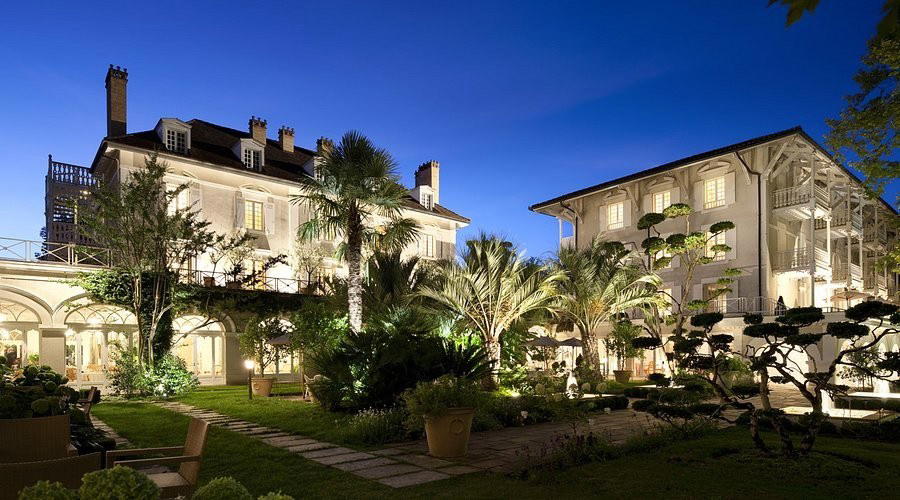
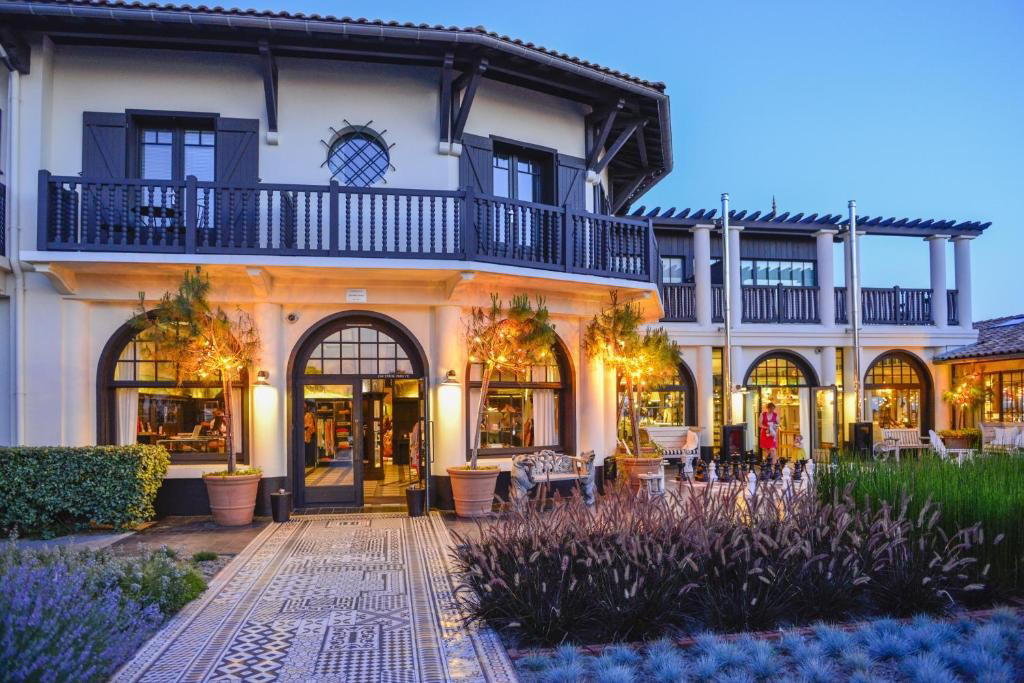
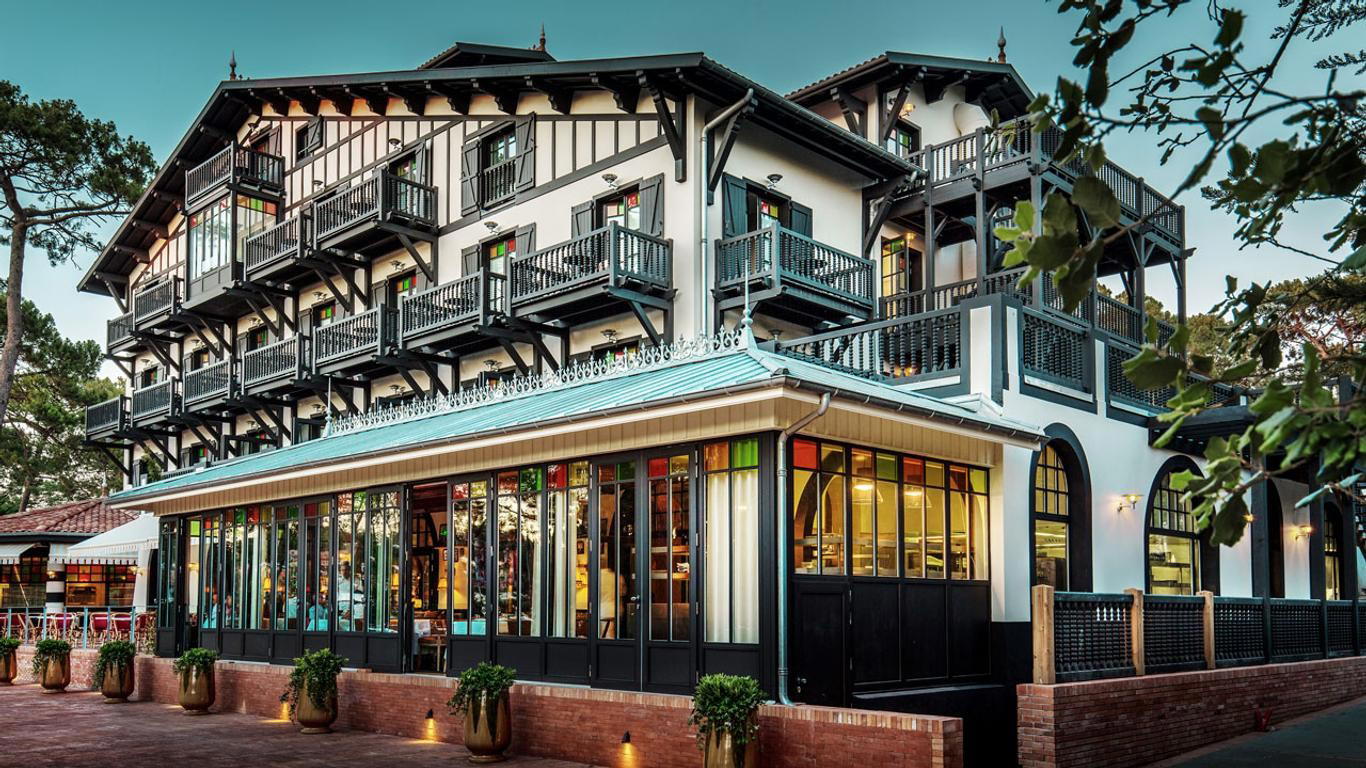
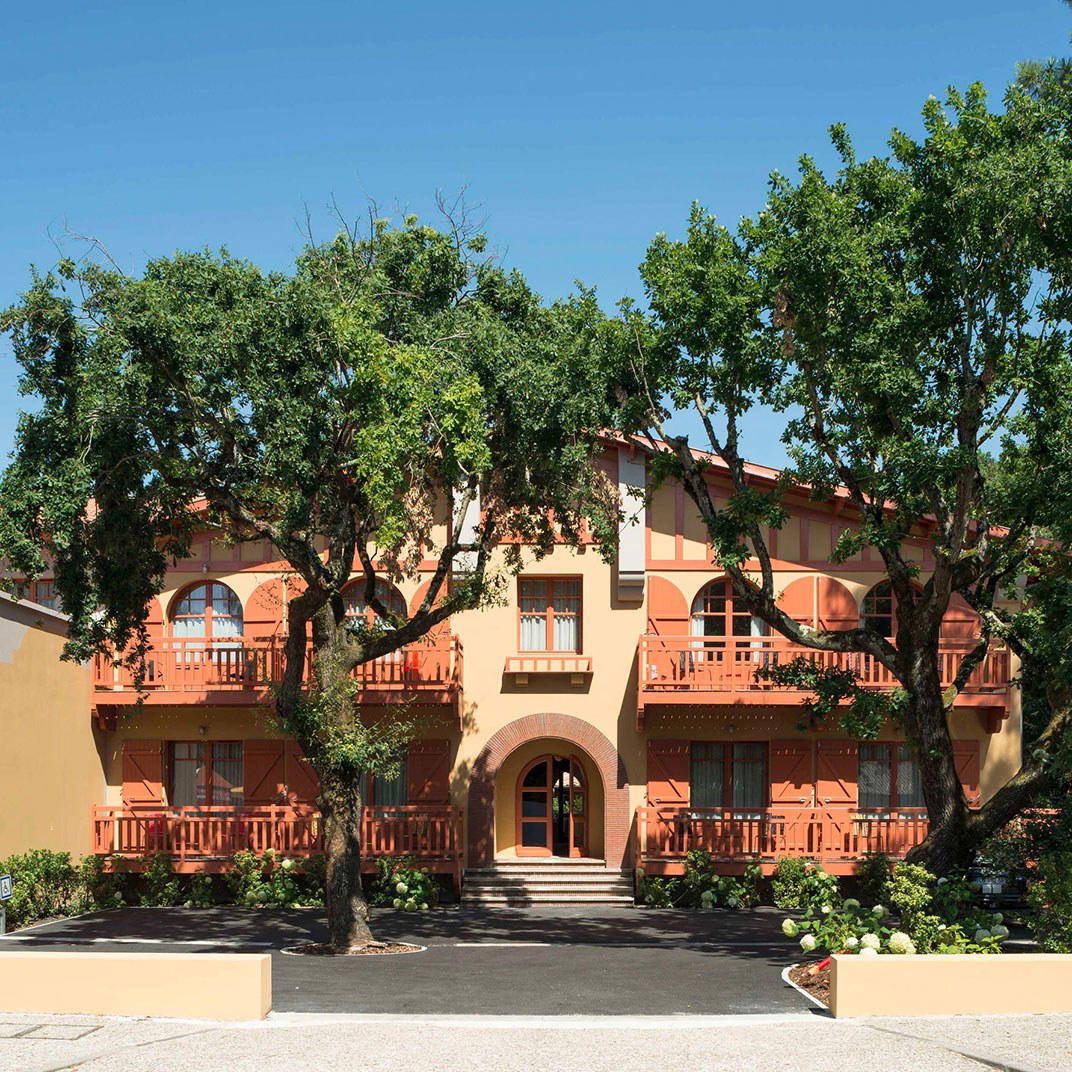
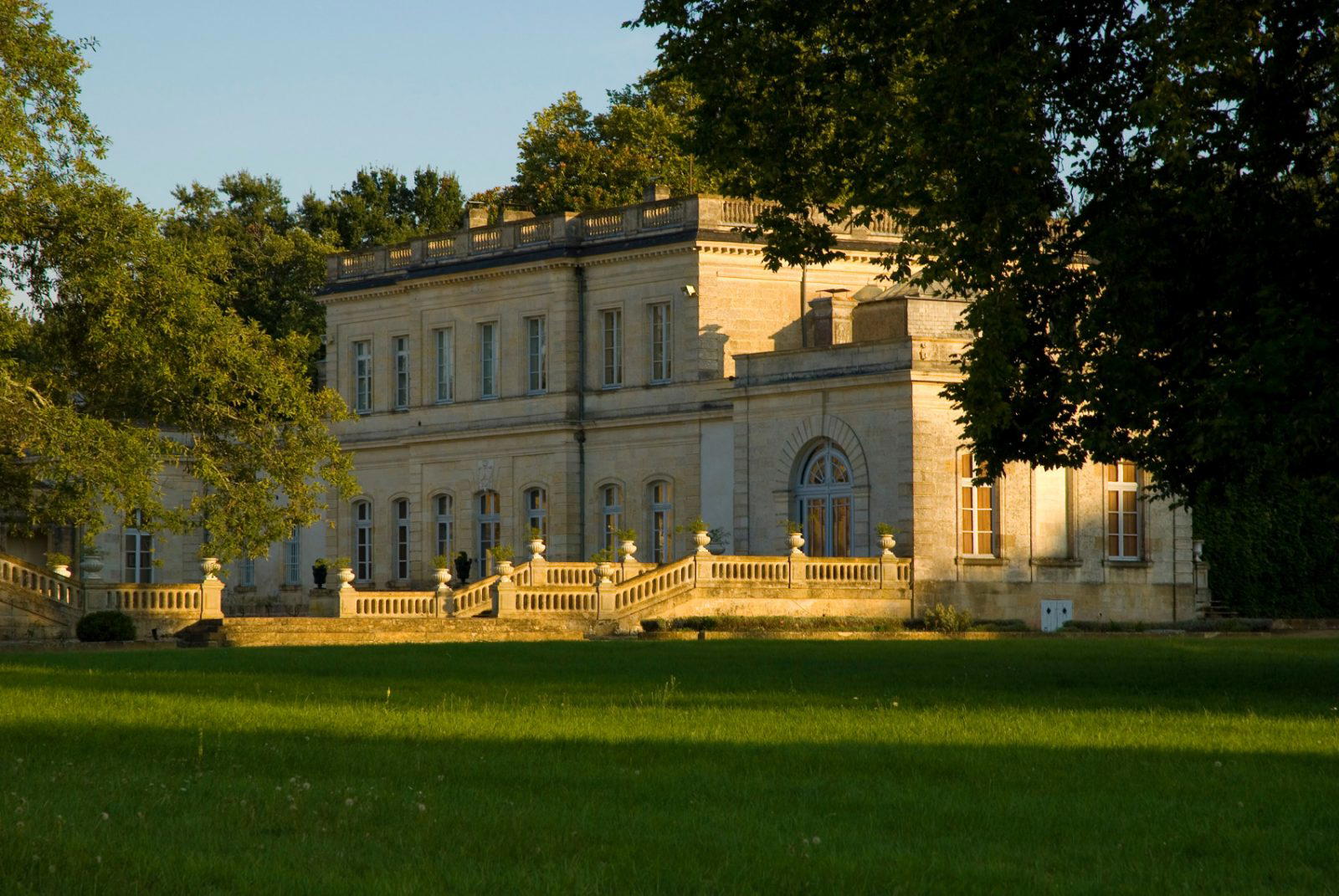
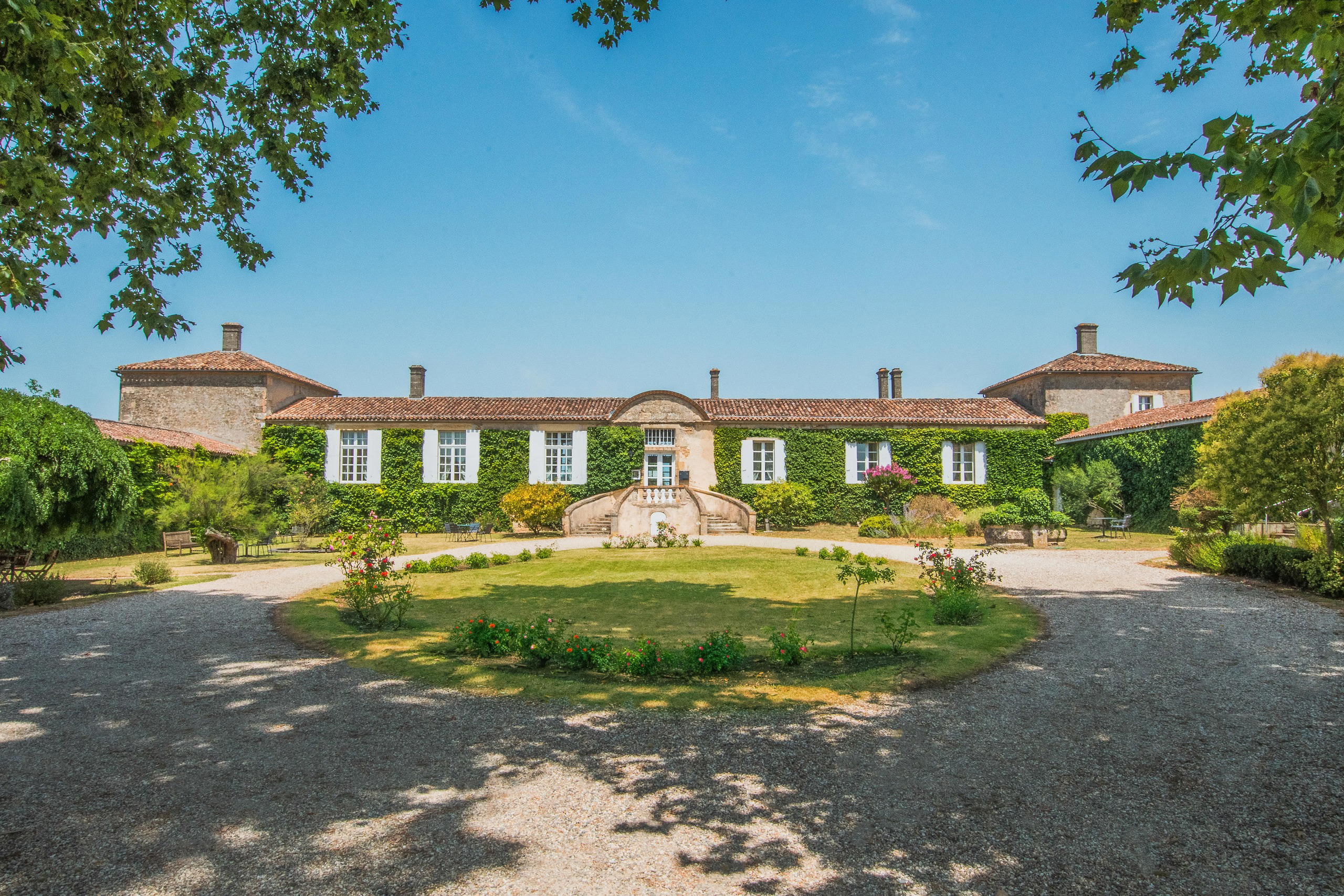
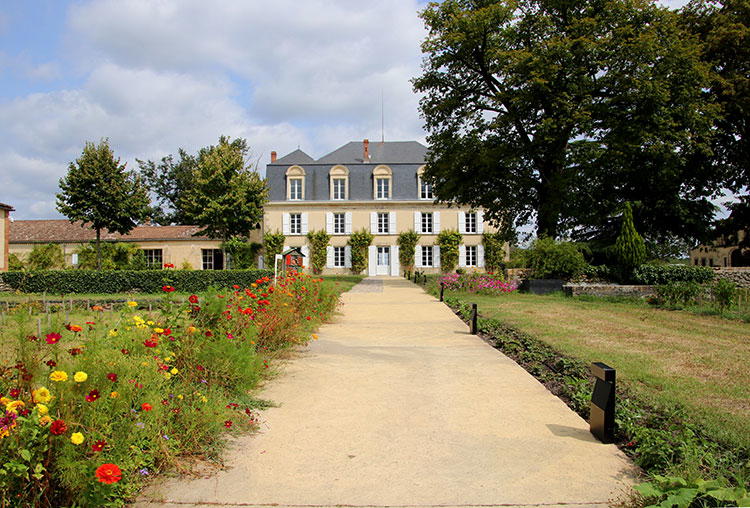
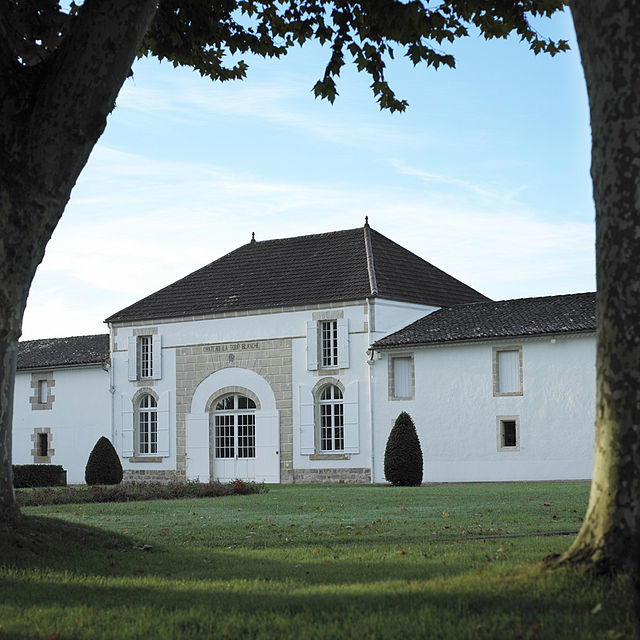
Warm, calm, and nature-facing, with a classic family-auberge feel, a pleasant park setting, and a refined but relaxed dining room atmosphere.