La Table Mirasol

1 Michelin Star
Our verdict
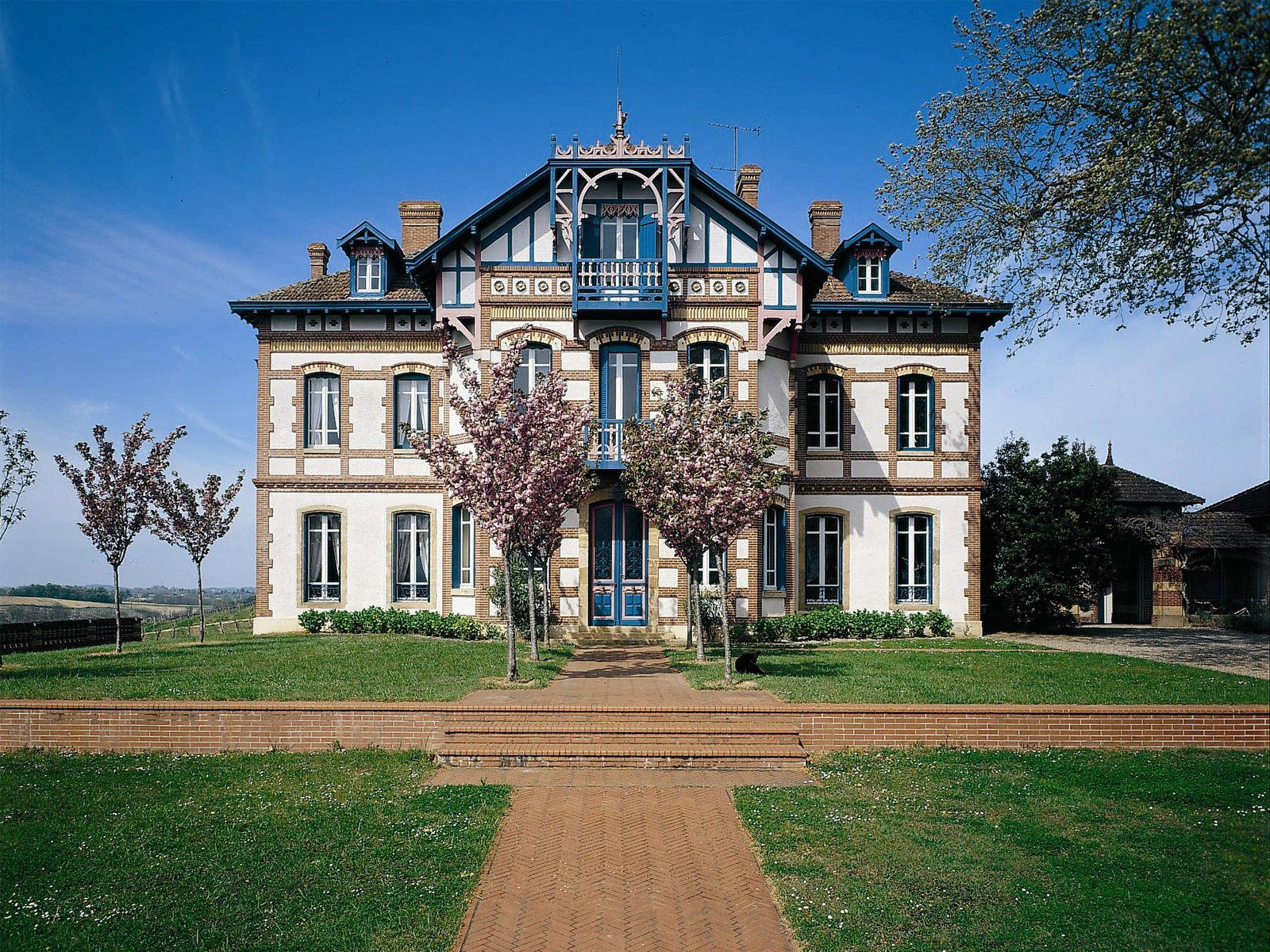
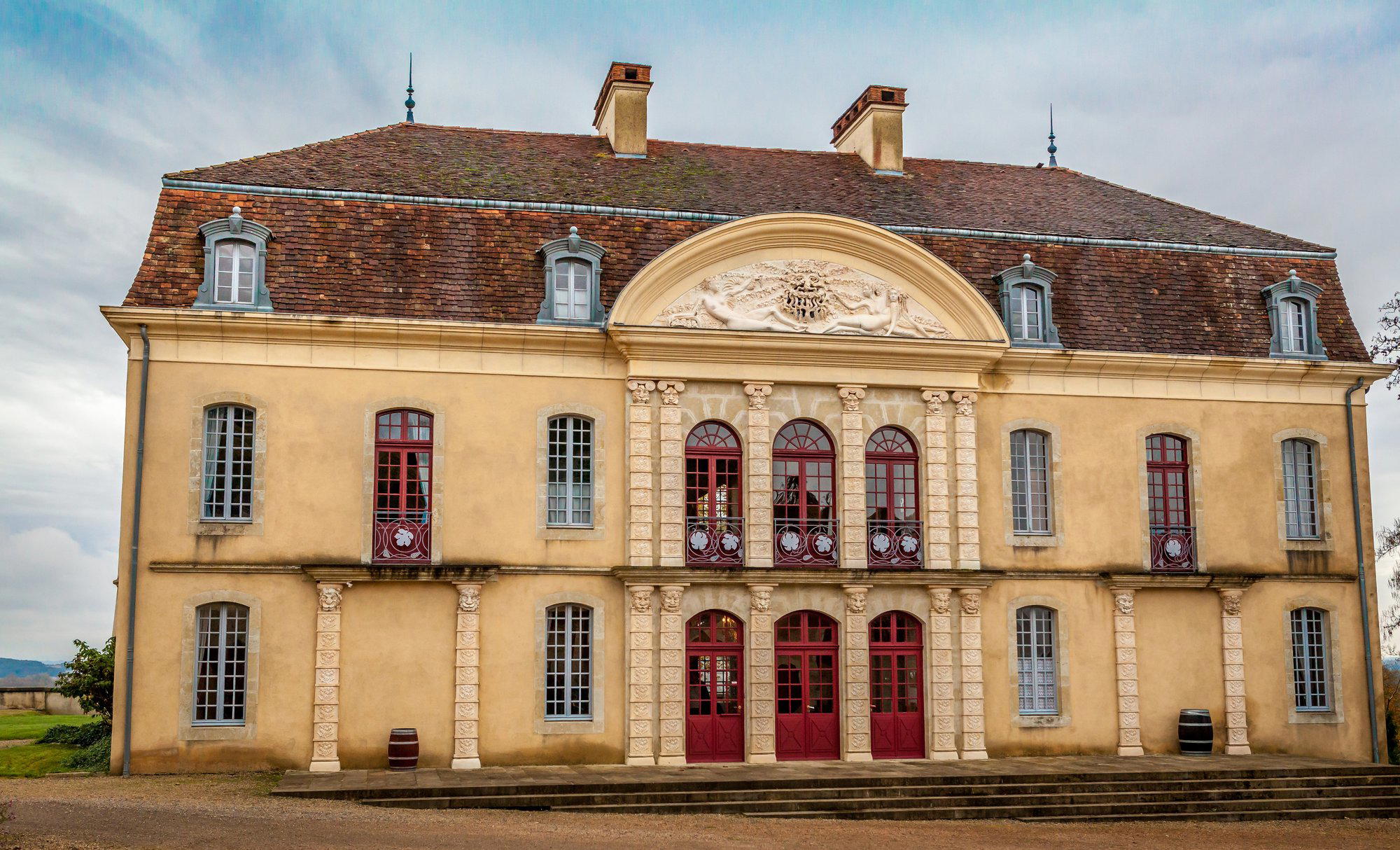
Set inside a 1912 Belle Époque villa in Mont-de-Marsan, La Table Mirasol holds a Michelin star under chef Philippe Lagraula, whose cooking draws from the Landes larder and Peruvian tradition in equal measure. Squid with ceps, squab with Armagnac and Peruvian chocolate, Aquitaine caviar, the tasting menu is a serious statement of regional identity pushed into unexpected territory.

Pearl is the En Primeur Club membership app, where members save venues, book tables and use the concierge.
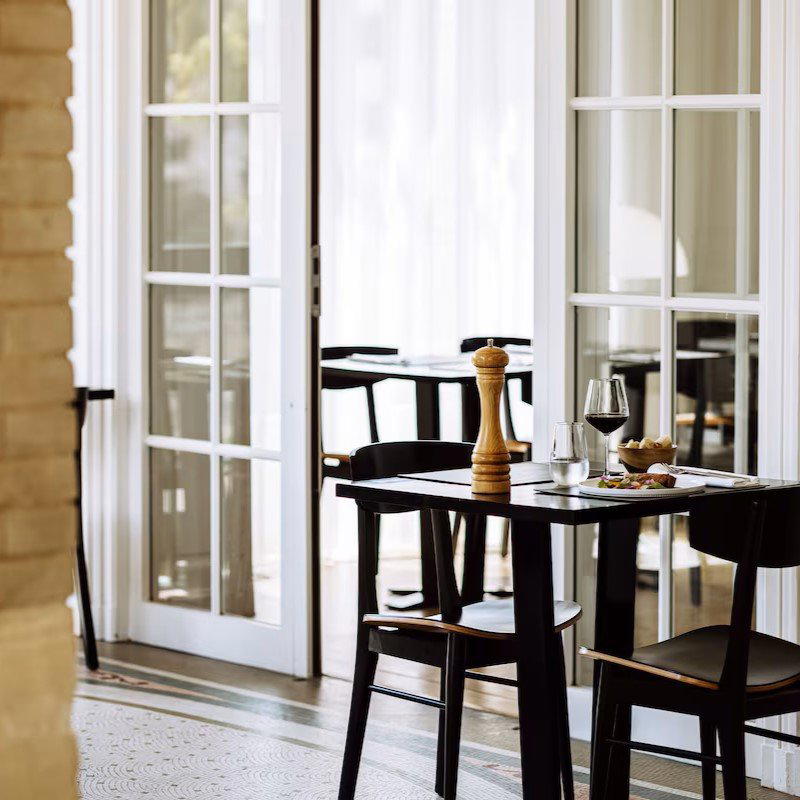
The menu
What to order
- Squid stuffed with ceps
- Squab in Armagnac with Peruvian chocolate and caviar
A Belle Époque Frame for a Genuinely Cross-Continental Kitchen
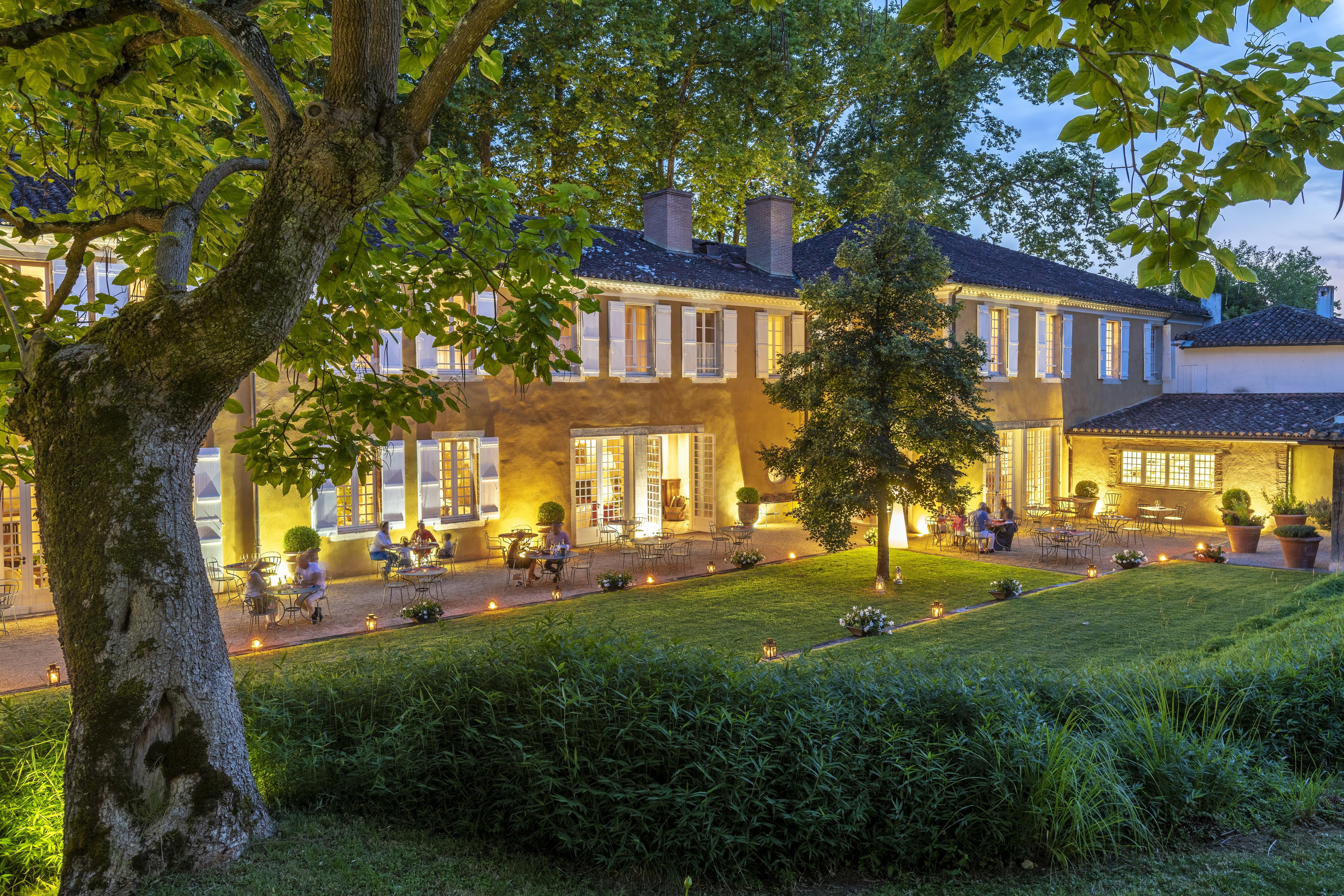
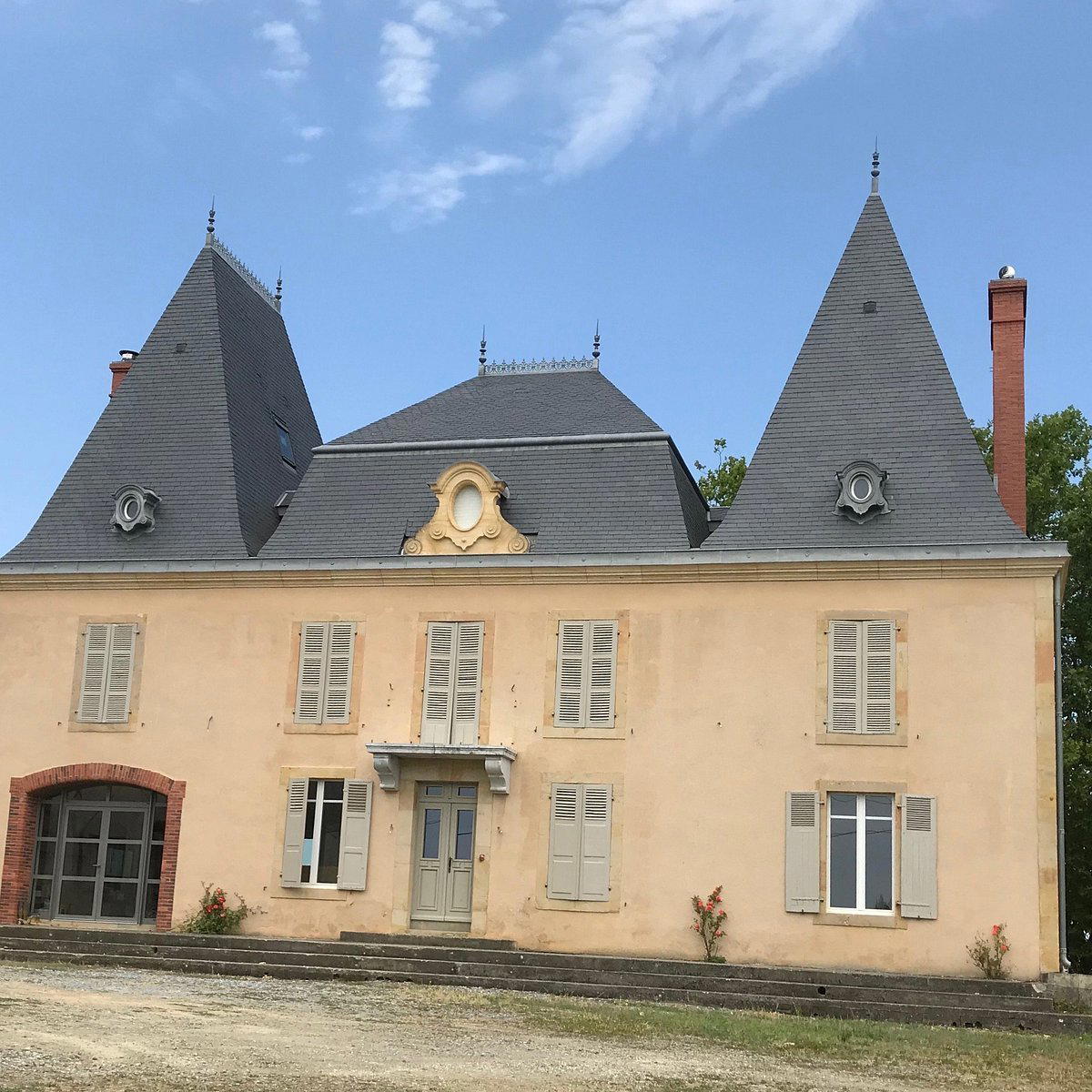
The building announces its ambitions before you sit down. The villa on Boulevard Ferdinand de Candau dates to 1912, and its Belle Époque architecture, high ceilings, period detailing, the proportions of a house designed for unhurried meals, sets a register that the kitchen then has to live up to. In Mont-de-Marsan, a small prefecture in the heart of the Landes department, this kind of dining room is not routine. The southwest of France has no shortage of excellent tables anchored in regional tradition, but the address is not where you would expect to encounter a tasting menu that moves between the pine forests of Gascony and the Pacific coast of South America within a single course.
That tension, between deep regional rootedness and genuinely foreign influence, is what gives La Table Mirasol its editorial position in the French fine-dining conversation. Michelin awarded the restaurant one star in 2024, placing it in a small group of single-star kitchens outside France's major metropolitan centres that have found a way to make provincial specificity feel contemporary rather than conservative. The award matters less as a prestige signal than as a verification: the cooking here is operating at a level of technical and conceptual precision that reads clearly to a reference audience trained on Paris, Lyon, and the grandes maisons.
The Landes Larder and Its Peruvian Counterpart
The southwest of France produces some of the country's most particular ingredients. Armagnac, the brandy distilled here for centuries before Cognac occupied the international spotlight, is the region's most recognisable export. Foie gras, duck confit, ceps from the forest floor in autumn, the fat-marbled poultry of the Landes plains, these are not decorative regional gestures but the foundation of a serious local food culture. Restaurants across Gascony treat them as the default vocabulary. What chef Philippe Lagraula does differently is introduce a second vocabulary alongside the first.
His wife's Peruvian heritage gives the kitchen access to a culinary tradition that operates on entirely different sensory principles: ají amarillo heat, cacao depth, acidity structures that have nothing to do with the wine-and-butter logic of classical French technique. The tasting menu documented by Michelin's inspectors includes squid stuffed with the first ceps of the season, a dish that places a maritime ingredient against an autumnal forest one, both drawn from French tradition, and squab in Armagnac with Peruvian chocolate and Aquitaine caviar. That last combination is worth sitting with for a moment. Armagnac and squab is Gascon common sense. Peruvian chocolate adds bitterness and a South American cacao character. Aquitaine caviar introduces salinity at a register that pulls the whole dish toward the Atlantic. Three traditions, one plate, no obvious seams. This is the kind of cooking that Michelin's inspectors summarise as consummate, striking, and creative, language they use carefully.
The parallels with AM par Alexandre Mazzia in Marseille are instructive. Mazzia's cooking similarly imports non-European sensory frameworks into a French fine-dining structure, producing a signature that could not be confused with any other kitchen in the country. At the single-star level, the analogous approach at La Table Mirasol achieves something similar on a smaller stage: a tasting menu that reads as distinctly regional and unmistakably personal in the same breath.
Where This Kitchen Sits in the Broader French Fine-Dining Map
France's starred restaurant geography has a well-established hierarchy. At the summit, addresses like Alléno Paris au Pavillon Ledoyen in Paris and Mirazur in Menton operate in a three-star tier with international clienteles and infrastructure to match. The mid-tier, two stars, often regional, often the product of a chef who has chosen depth of place over metropolitan visibility, includes restaurants like Flocons de Sel in Megève and Bras in Laguiole, both of which have made provincial specificity the argument rather than the limitation. Below that, the single-star tier is the most contested and, arguably, the most interesting: it is where kitchens are most clearly in dialogue with their immediate geography, operating without the buffer of international reputation.
In that single-star context, La Table Mirasol's 2024 award places it alongside a cohort of kitchens across provincial France that are doing serious work without the audience density of Paris or the gastronomic tourism infrastructure of Alsace or Burgundy. Auberge de l'Ill in Illhaeusern and Troisgros - Le Bois sans Feuilles in Ouches represent different vintages of the provincial fine-dining model, both of which drew destination audiences by making the case that the cooking justified the journey. That argument is still the one being made in Mont-de-Marsan, and the Michelin documentation suggests it is a convincing one.
The €€€ price positioning also tells a story. At the three-star level, tables like Assiette Champenoise in Reims or, at the global scale, Frantzén in Stockholm, tasting menu pricing reflects both the ingredient cost and the demand premium that multi-star recognition generates. La Table Mirasol's €€€ bracket signals serious fine dining without that upper-tier pricing architecture, which matters for a kitchen in a small French city drawing a regional audience rather than a destination clientele.
The Armagnac Dimension
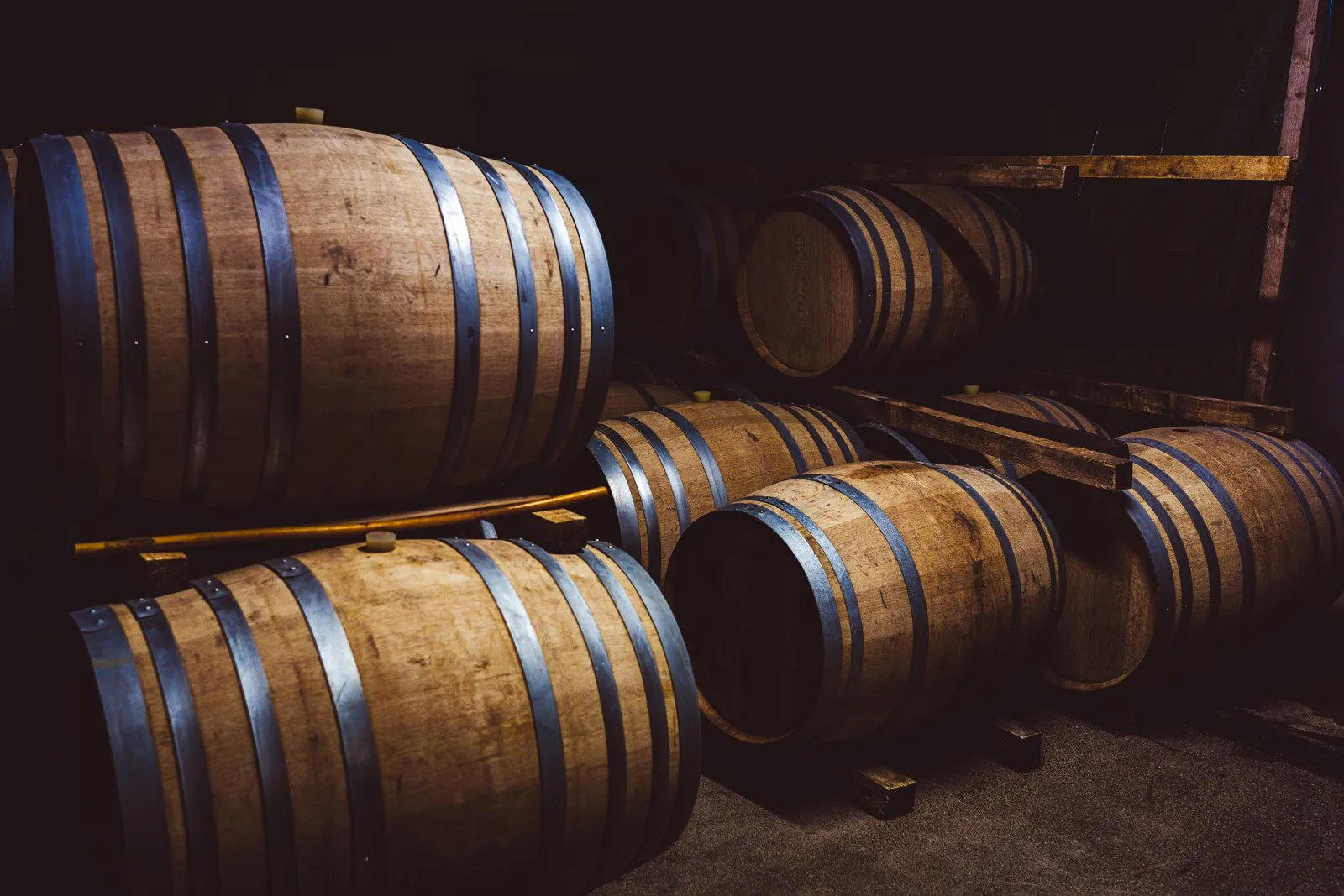
One detail in the Michelin notes that deserves separate attention: the Armagnac selection. This is not a throwaway mention. The Landes and adjacent Gers produce Armagnac in a tradition that predates Cognac by at least two centuries, with a range of single-vintage expressions, small-producer blends, and aged assemblages that constitute a serious connoisseur category in their own right. A wine and spirits list in this region that does justice to the local brandy tradition is doing something that even careful restaurant buyers in Paris often do not manage. The inspectors' note, that the selection lived up to expectations, is, in context, a substantive credential. For anyone arriving with an interest in Gascon drinking culture alongside the food, the list appears to be a serious asset.
Mont-de-Marsan as a Dining Destination
Mont-de-Marsan sits at the confluence of the Midou and Douze rivers, roughly equidistant between Bordeaux to the north and the Pyrenees to the south, with the Atlantic coast less than an hour west. It is a prefecture of around 30,000 people, large enough to sustain a range of serious restaurants, small enough that a kitchen at this level of ambition has no competition on its own terms within the city. The broader Landes dining culture runs toward tradition: duck in its many forms, foie gras, the pine-forest mushrooms, the Atlantic fish. La Table Mirasol inherits that tradition and extends it in a specific direction.
For visitors building a Gascon itinerary around the table, the supporting infrastructure in Mont-de-Marsan is covered in our full Mont-de-Marsan restaurants guide, our full Mont-de-Marsan hotels guide, our full Mont-de-Marsan bars guide, and our full Mont-de-Marsan wineries guide. For activity context beyond the table, our full Mont-de-Marsan experiences guide covers the broader options.
Planning Your Visit
La Table Mirasol operates Tuesday through Saturday from 11 AM to 9:30 PM, with the kitchen closed on Sundays and Mondays. The address is 2 Boulevard Ferdinand de Candau, 40000 Mont-de-Marsan. The €€€ pricing tier places the tasting menu at a level appropriate to the format: serious enough to warrant planning, accessible enough to avoid the financial calculus of three-star dining.
Frequently asked questions
Is La Table Mirasol expensive?
Pricing at La Table Mirasol is listed as €€€.
What are La Table Mirasol's hours?
Hours at La Table Mirasol: Monday closed Tuesday 11 AM-9:30 PM Wednesday 11 AM-9:30 PM Thursday 11 AM-9:30 PM Friday 11 AM-9:30 PM Saturday 11 AM-9:30 PM Sunday closed.
Quick Comparison
| Venue | Cuisine | Price | Awards | Notes |
|---|---|---|---|---|
| La Table MirasolThis venue (the venue you are viewing) | Modern French Fine Dining with Peruvian Influences | $100–150 | 1 Michelin Star | Not listed |
| Alléno Paris au Pavillon Ledoyen | Modern French Fine Dining | $150–200 | 3 Michelin Stars · World's 50 Best #79 | Creative |
| Kei | Contemporary French, Modern Cuisine | Not listed | Michelin 3 Star | Not listed |
| L'Ambroisie | Classic French Haute Cuisine | $300–500 | 2 Michelin Stars · World's 50 Best #23 | French, Classic Cuisine |
| Le Cinq - Four Seasons Hôtel George V | Modern French Fine Dining | $300–500 | 3 Michelin Stars · World's 50 Best #24 | French, Modern Cuisine |
| Plénitude | Modern French Sauce-Led Fine Dining | $300–500 | 3 Michelin Stars · World's 50 Best #14 | Contemporary French |
Recognition history
Dated appearances from independent guides and award organizations, with the underlying list record or original source where available.
Michelin 1 Star
Michelin
Full recognition history (3 entries)
Michelin 1 Star
Michelin
Michelin 1 Star
Michelin
Continue exploring
More in Mont-de-Marsan
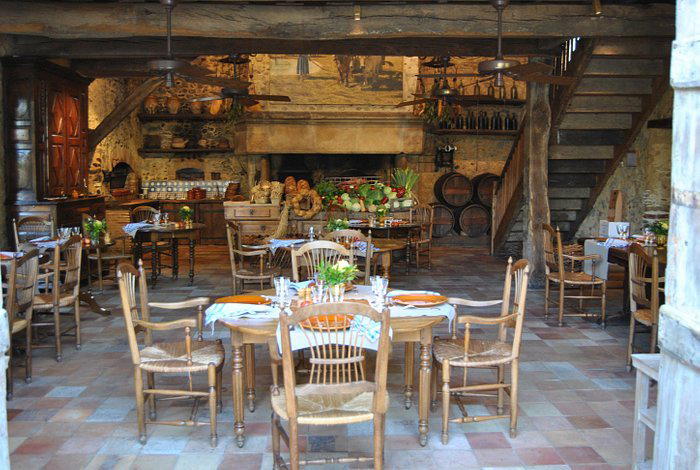
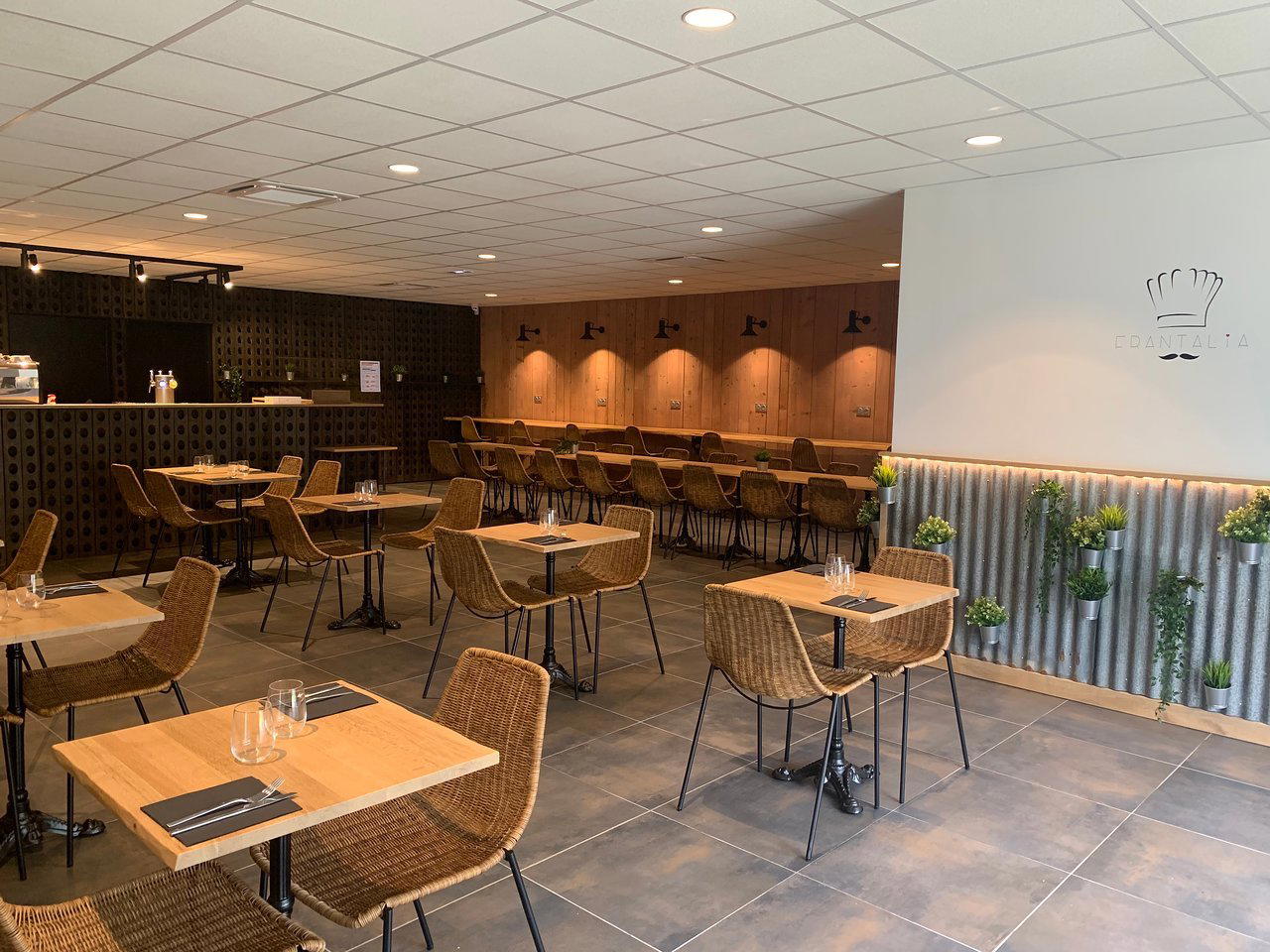
Restaurants in Mont-de-Marsan
All restaurants in Mont-de-Marsan →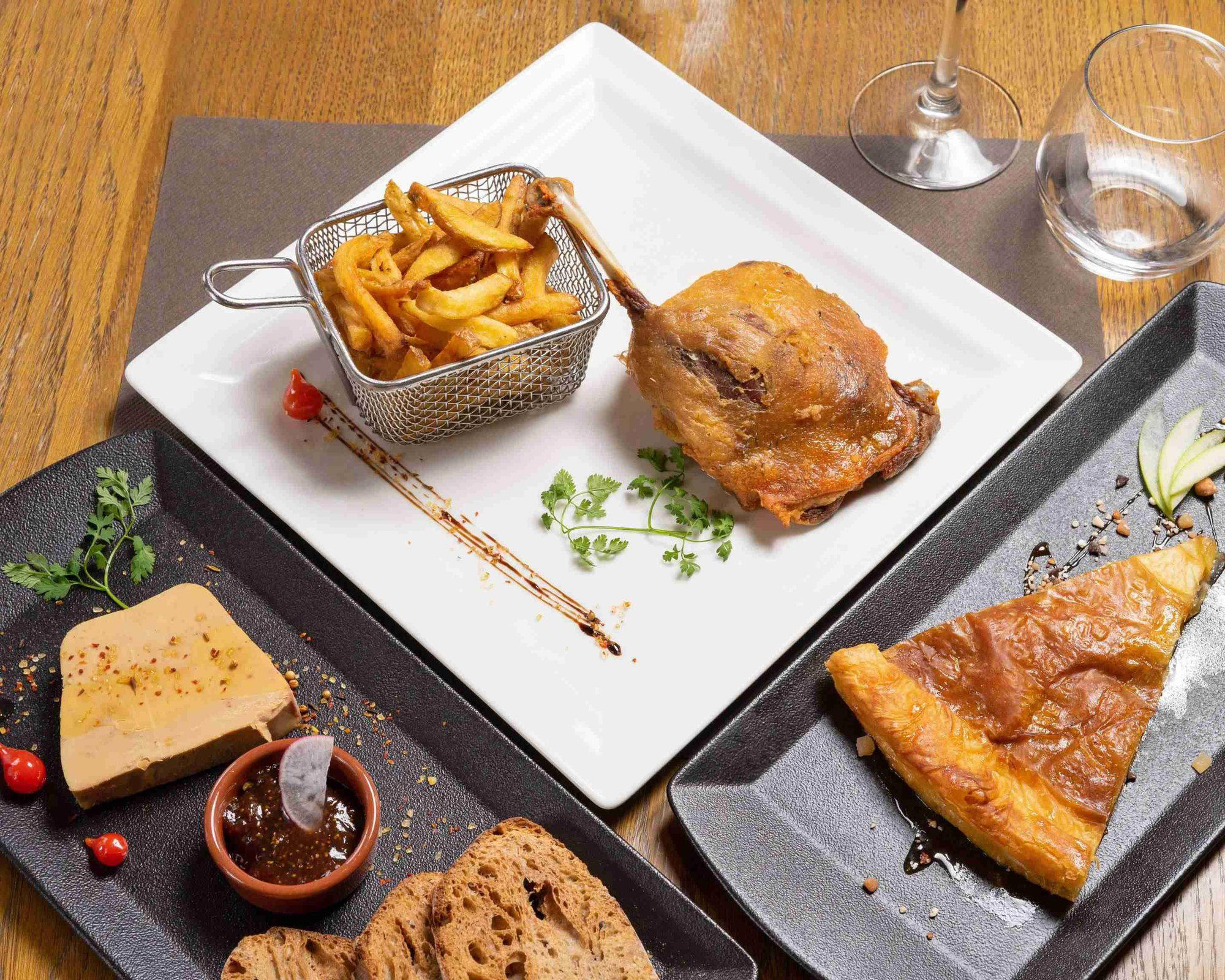
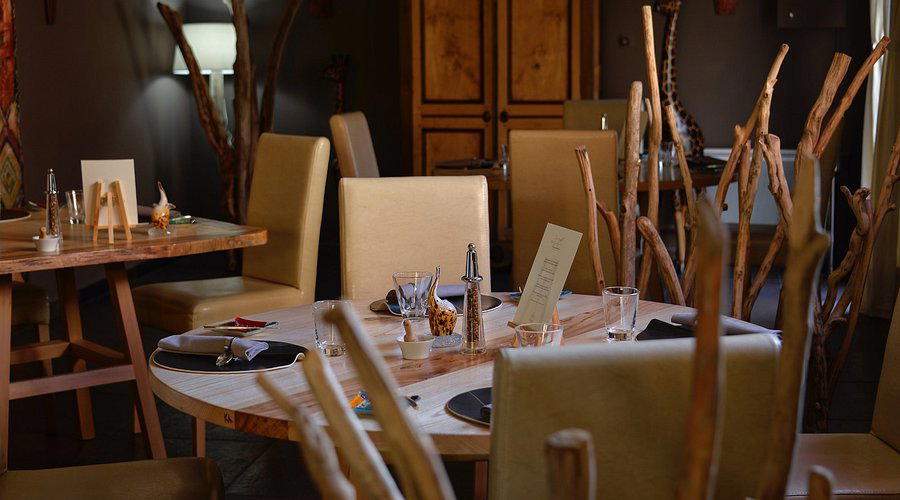
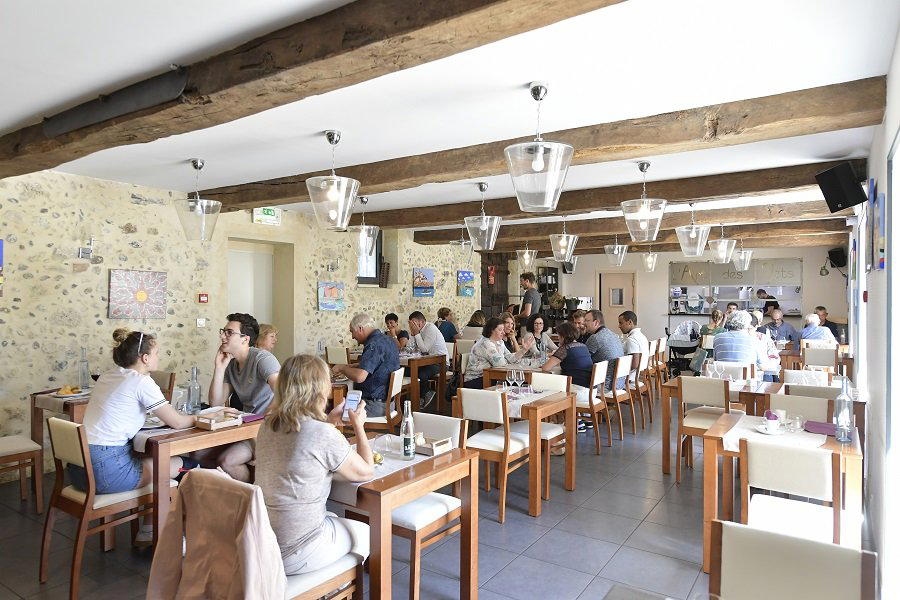
Hotels in Mont-de-Marsan
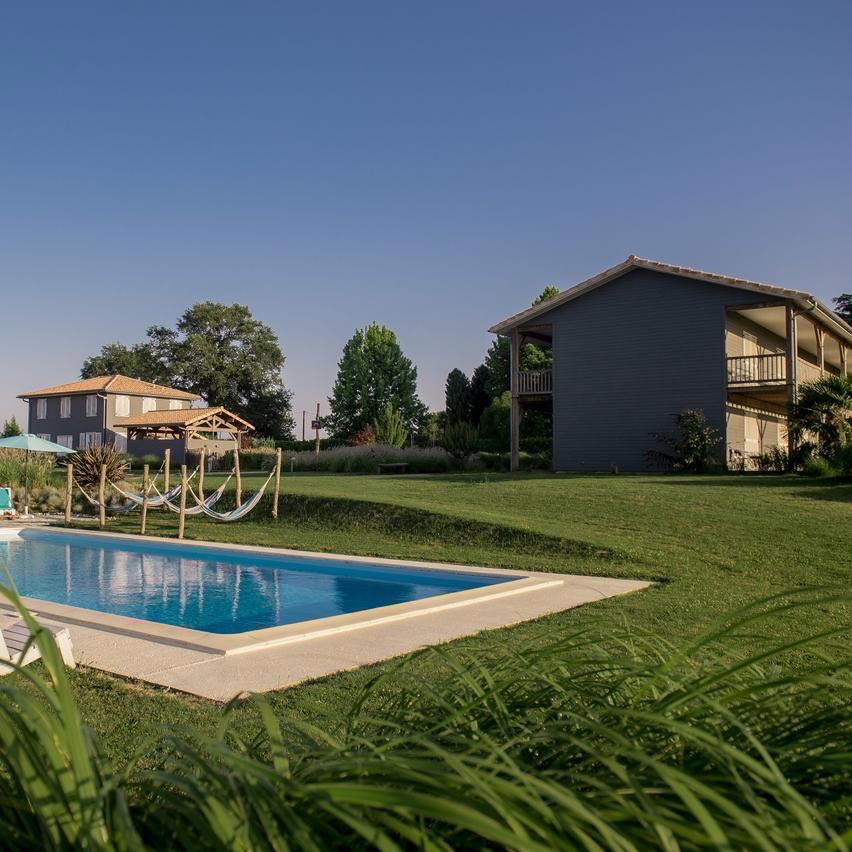
All hotels in Mont-de-Marsan →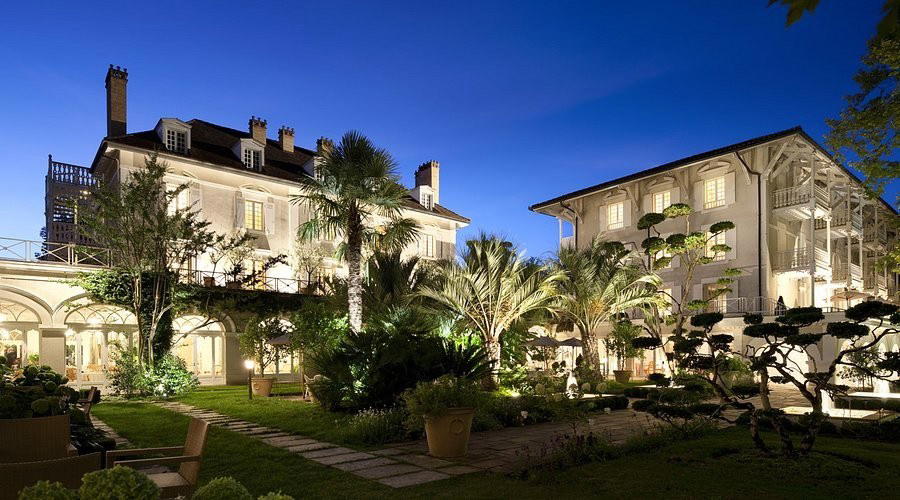

Details
- Elegant
- Romantic
- Intimate
- Sophisticated
- Classic
- Date Night
- Special Occasion
- Historic Building
- Hotel Restaurant
- Extensive Wine List
- Local Sourcing
- Street Scene
- Tasting Menu
- Armagnac
- Vegetarian Friendly
Serene and elegant with soft lighting through tall windows, hushed conversations, and a feutrée intimate atmosphere in historic salons.