Auberge de Montfleury
Auberge de Montfleury sits in the Ardèche countryside outside Aubenas, where hillside vineyards and the route des Cépages frame the region's culinary identity. The kitchen centres on ingredient sourcing from local farms and producers, a strategy shared by France's farm-to-table auberges but expressed here through the lens of Auvergne-Rhône-Alpes seasonality. The setting and menu reflect a broader rural dining tradition in which provenance defines the offer as much as technique.
Pearl is the En Primeur Club membership app — saves, bookings, and concierge access live there. Same editors, same standards.
- Address
- 200 route des Cépages, Saint-Germain, Auvergne-Rhône-Alpes, 07170, FRA
- Phone
- +33 4 75 94 74 13
- Website
- guide.michelin.com
- Directions
- Get directions
 Saves & bookings on Pearl
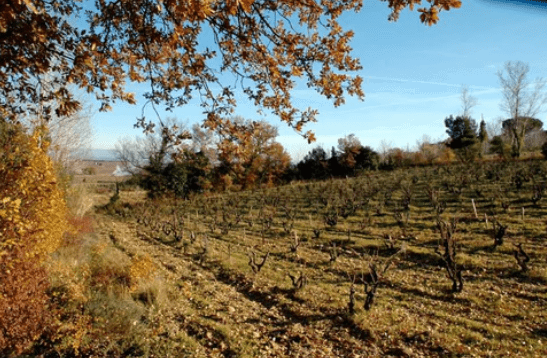
The approach to Auberge de Montfleury follows the route des Cépages, a ribbon of road named for the vineyards that climb the hillsides around Saint-Germain. The Ardèche countryside at this altitude is quieter than the Rhône Valley floor, and the region's dining infrastructure leans toward auberges that anchor menus to what grows, grazes, and ripens within a tight radius. The farmhouse sits at 200 route des Cépages, a geographic marker that signals proximity to both vineyard plots and the kind of smallholder producers that supply France's ingredient-led kitchens. This model, terroir expressed through supply chain rather than imported luxury goods, remains a defining feature of rural dining in Auvergne-Rhône-Alpes, and Auberge de Montfleury operates squarely within that tradition.
France's farm-to-table sector has expanded unevenly. Cities like Nantes and Strasbourg host hyperlocal bistros that brand provenance loudly, while rural addresses tend to treat it as structural rather than conceptual. Auberge de Montfleury's pricing and format, multi-course menus built around what farmers deliver that week, align it with regional peers like La Table de Léa and Maison Ailhon, both of which run tight supplier networks and seasonal menus in smaller markets. The competitive set here is not Paris-adjacent neo-bistros but countryside tables where the chef knows the name of the goat farmer and the harvest schedule for wild herbs. That proximity to source material shapes the kitchen's repertoire and limits its ability to pivot when a crop fails or a supplier changes hands.
The Ardèche Ingredient Network
The Ardèche's agricultural economy revolves around chestnuts, goat cheese, free-range poultry, and the wild plants that grow in the garrigue. The restaurant draws from that ecosystem, with the menu reflecting what local farms and foragers bring in on a given week. The kitchen's reliance on hyper-local sourcing means seasonal shifts are pronounced: spring sees wild asparagus and morels, summer brings stone fruit and tomatoes from valley plots, autumn introduces game and forest mushrooms, winter leans on preserved goods and root vegetables. This is not a novel strategy, auberges across the Massif Central have operated this way for decades, but it remains a more volatile and ingredient-constrained format than urban kitchens with access to national distribution networks.
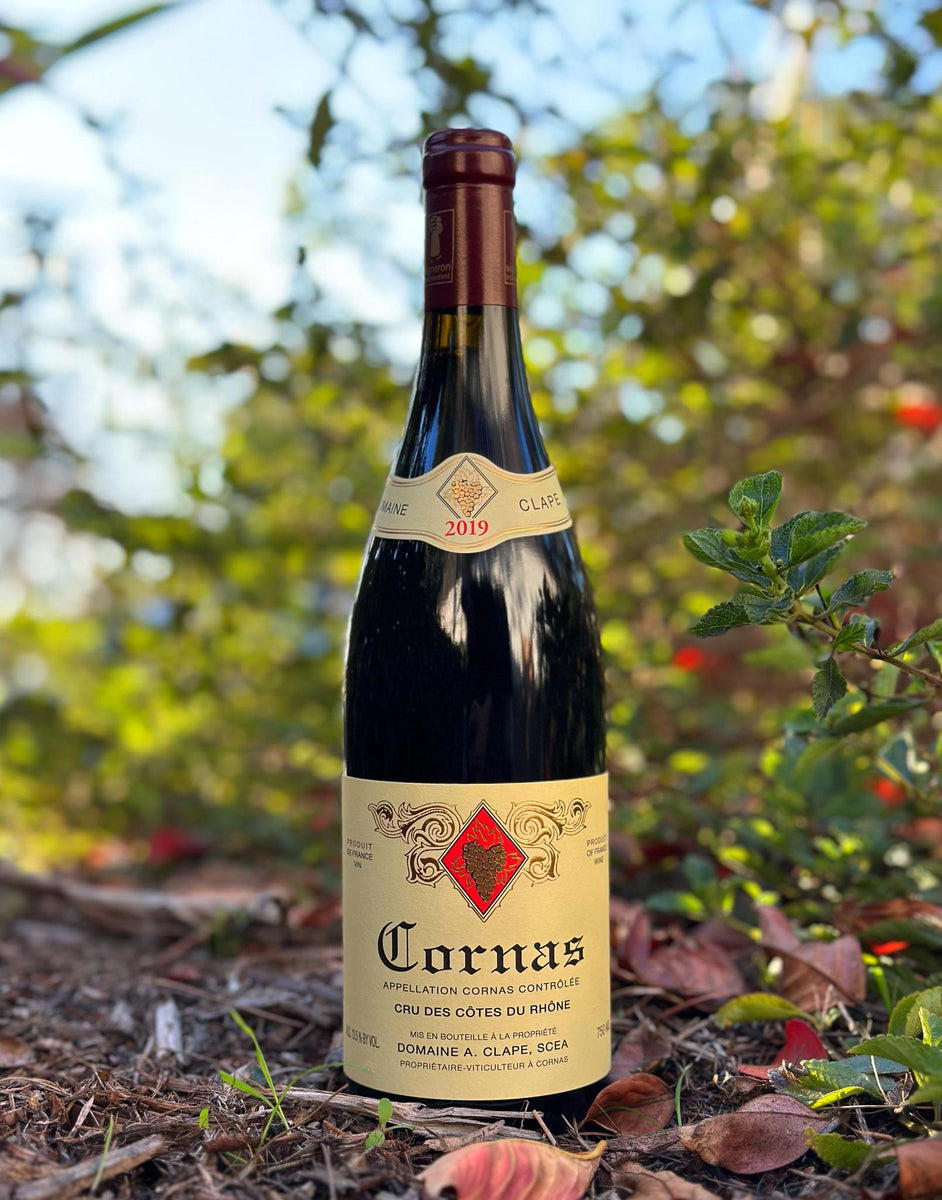
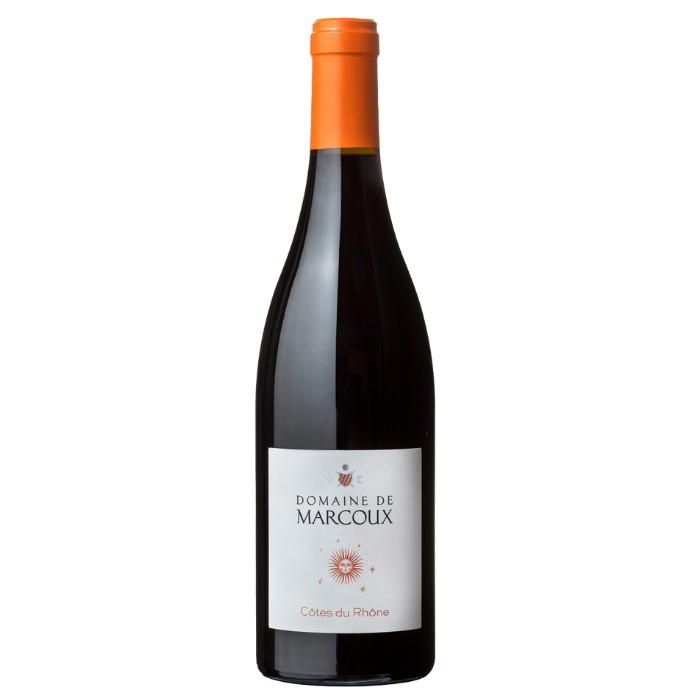
The wine list, predictably, skews toward the northern Rhône and lesser-known Ardèche appellations. The route des Cépages runs past small growers who produce Syrah, Viognier, and Gamay at yields and prices that reflect the region's marginal status relative to Côte-Rôtie or Hermitage. A cellar built around these producers aligns with the kitchen's sourcing philosophy and offers a price-to-quality advantage over imported bottles. For diners accustomed to the three-figure Burgundies common at Paris addresses or Courchevel spots, the Ardèche selection reads as both refreshing and limited, with fewer prestige labels but more stylistic coherence.
Setting and Service Format
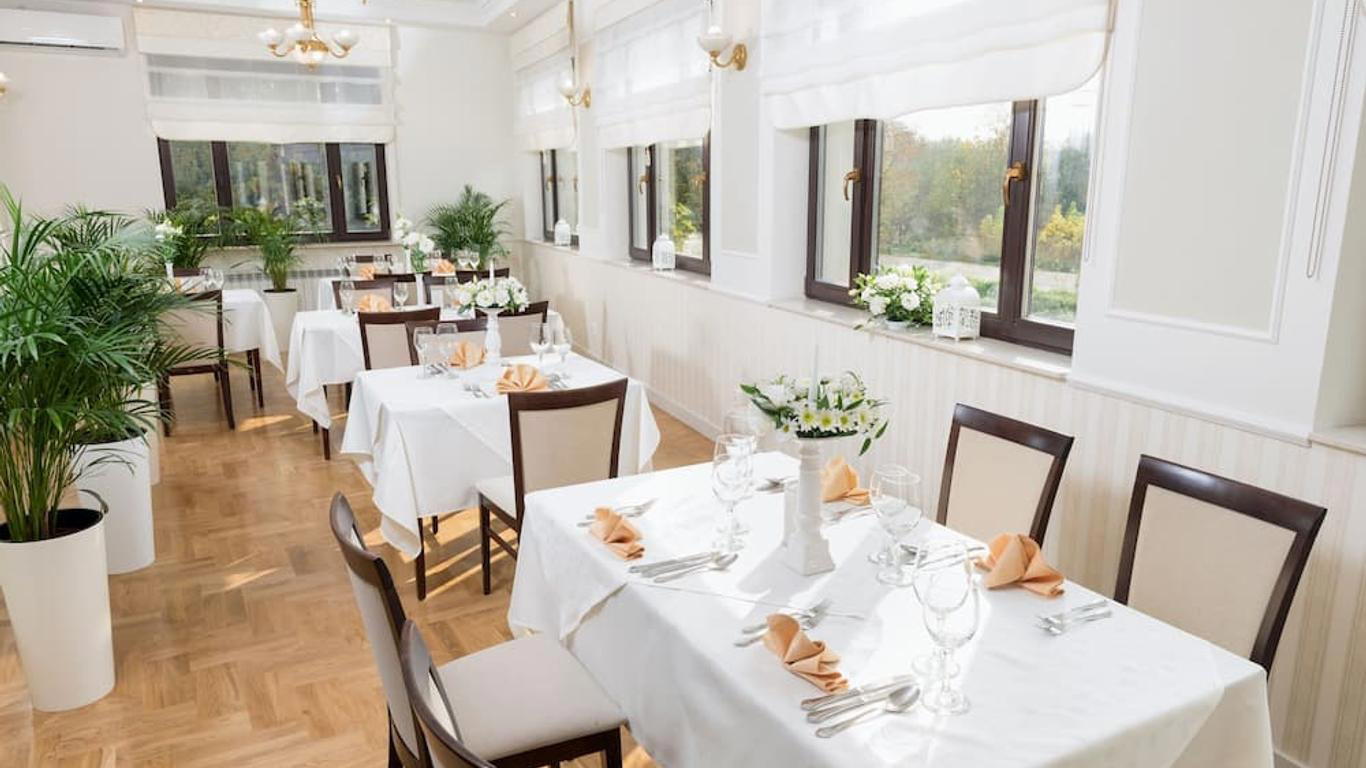
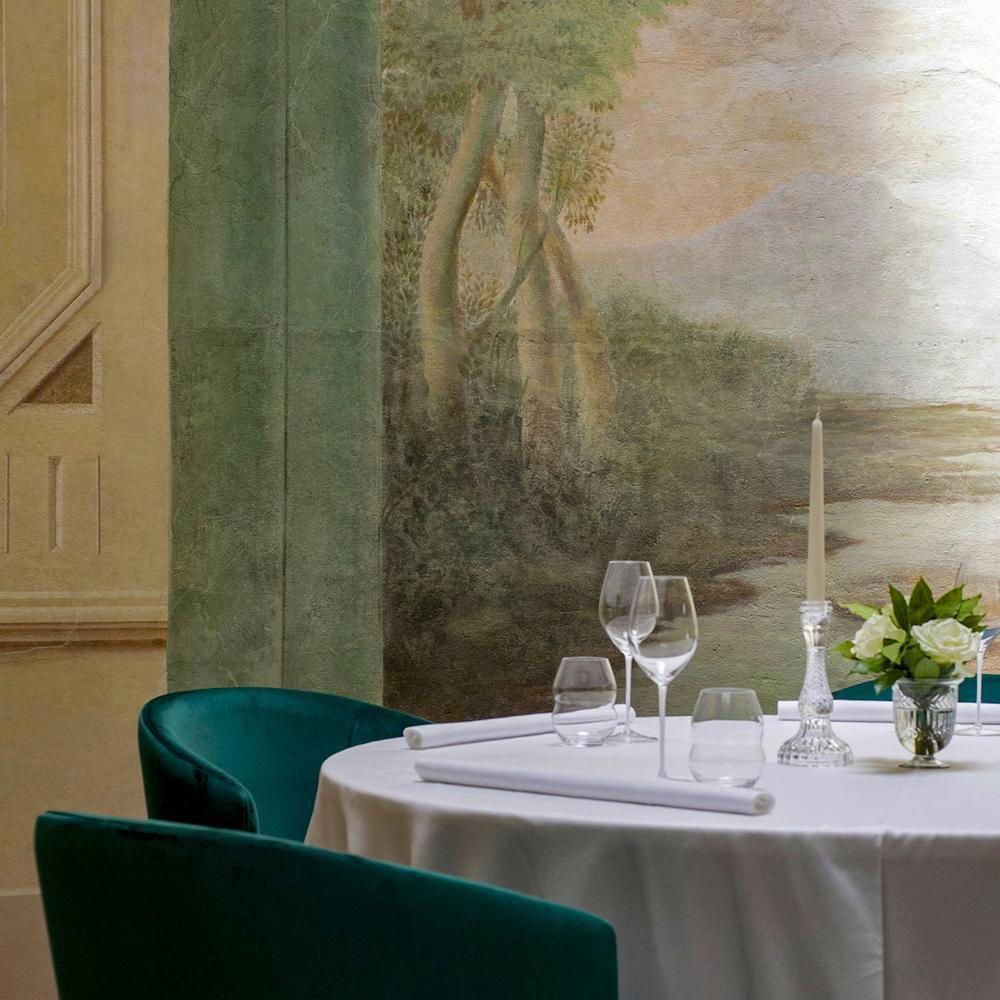
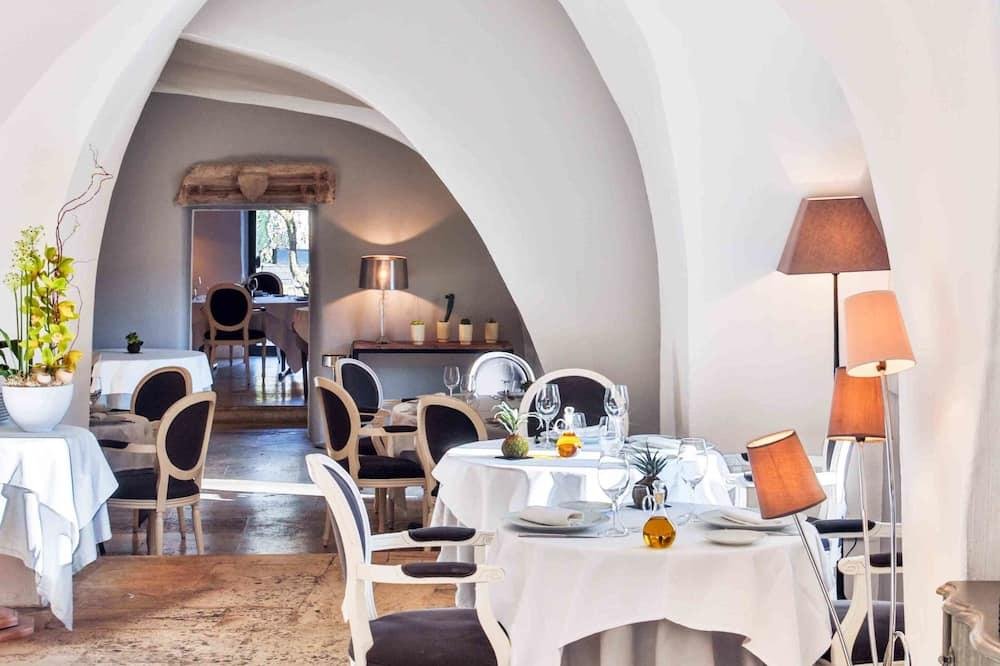
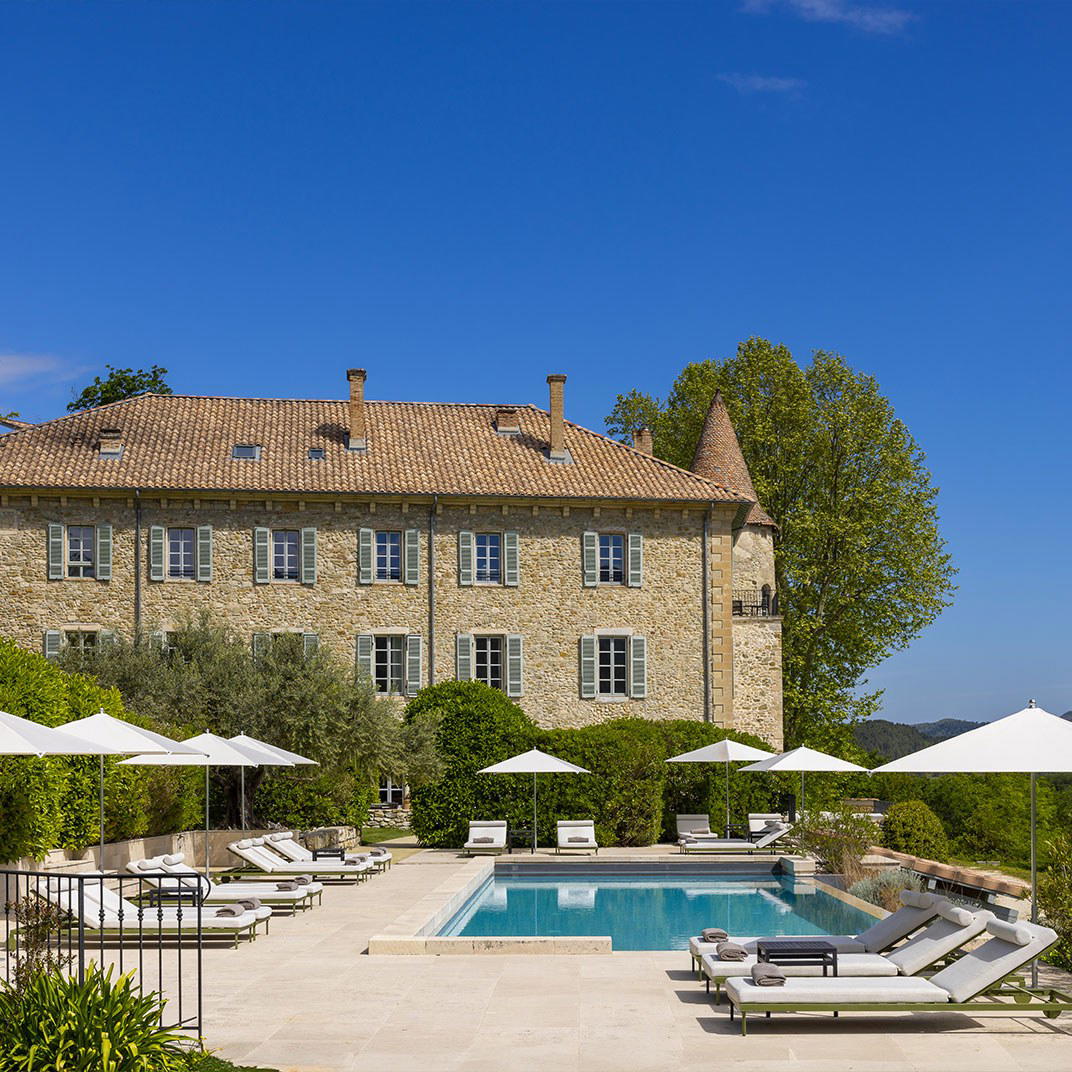
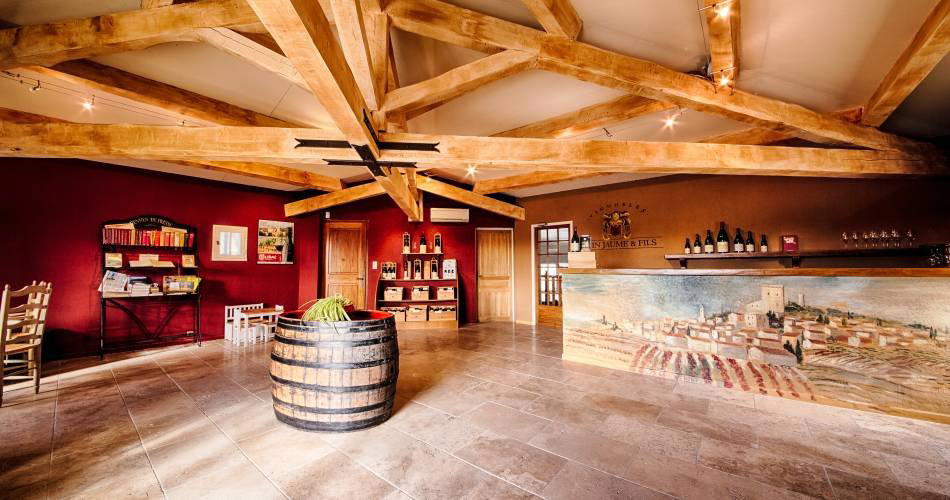
Dining room occupies a renovated farmhouse structure, with stone walls, exposed beams, and windows that open onto vineyard rows and the valley below. The aesthetic is rustic without pastiche: wooden tables, simple linens, minimal decoration. This is a countryside format where the view and the sense of removal from urban density function as part of the experience, and the service model reflects it. Expect a set menu with limited choice, courses timed to the kitchen's rhythm rather than the diner's schedule, and a staff that speaks knowledgeably about suppliers but may not match the choreographed precision of Michelin-starred city tables. The pace is slower, the environment quieter, and the expectation is that you arrive prepared to spend two to three hours at the table.
France's countryside auberge sector has seen renewed interest from urban diners seeking the kind of ingredient transparency and environmental proximity that cities cannot easily deliver. The restaurant benefits from that trend, attracting visitors who drive from Lyon, Valence, or Aubenas for a weekend meal. The kitchen a walk-in service, and advance contact is standard practice for this tier of rural dining.
The broader Saint-Germain area offers limited culinary infrastructure beyond a handful of small-scale addresses, so the restaurant functions as a destination rather than one stop on a multi-venue itinerary. For those assembling a wider Ardèche trip, the region's vineyard properties and outdoor experiences provide adjacent activities, but the dining scene itself remains thin. This is not a city where you can pivot to another table if the first reservation falls through; the auberge model assumes commitment to the format and the location.
The restaurant sits comfortably within the French countryside dining tradition, where ingredient sourcing, seasonal volatility, and proximity to agricultural systems define the offer. The kitchen's reliance on local farms and foragers delivers a menu that reflects the Ardèche's larder with clarity and seasonal honesty, but it also limits the repertoire and introduces variability that urban kitchens avoid. For diners seeking ingredient transparency and a rural setting, the format works. For those accustomed to the technical depth and polish of city tables like Megève's 1920 or Marseille's 1860 Le Palais, the experience may read as simpler and less ambitious. The address rewards those who value provenance over performance, and who are willing to drive an hour for a meal that tastes unmistakably of its place.
How It Stacks Up
Comparable venues by cuisine and price in the same metro.
| Venue | Cuisine | Price | Awards |
|---|---|---|---|
| Auberge de Montfleury | À proximité d'Aubenas, cette... | This venue | Not listed |
| Auberge de Montfleury | Modern Cuisine | €€€ | Modern Cuisine, €€€ |
| La Table de Léa | Farm to table | €€ | Farm to table, €€ |
| Les Coloquintes | Modern Cuisine | € | Modern Cuisine, € |
| Maison Ailhon | Creative | €€ | Creative, €€ |
Continue exploring
More in Saint Germain
Restaurants in Saint Germain
Browse all →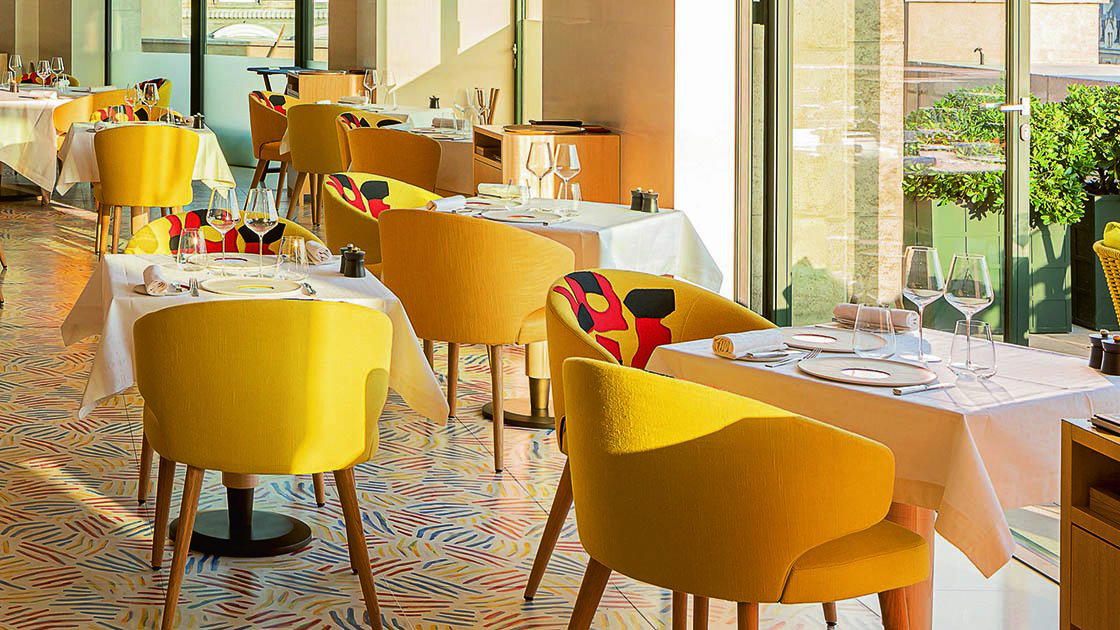
Hotels in Saint Germain
Browse all →
At a Glance
- Elegant
- Romantic
- Cozy
- Rustic
- Sophisticated
- Date Night
- Special Occasion
- Celebration
- Business Dinner
- Group Dining
- Terrace
- Standalone
- Private Dining
- Garden
- Extensive Wine List
- Farm To Table
- Local Sourcing
- Sustainable Seafood
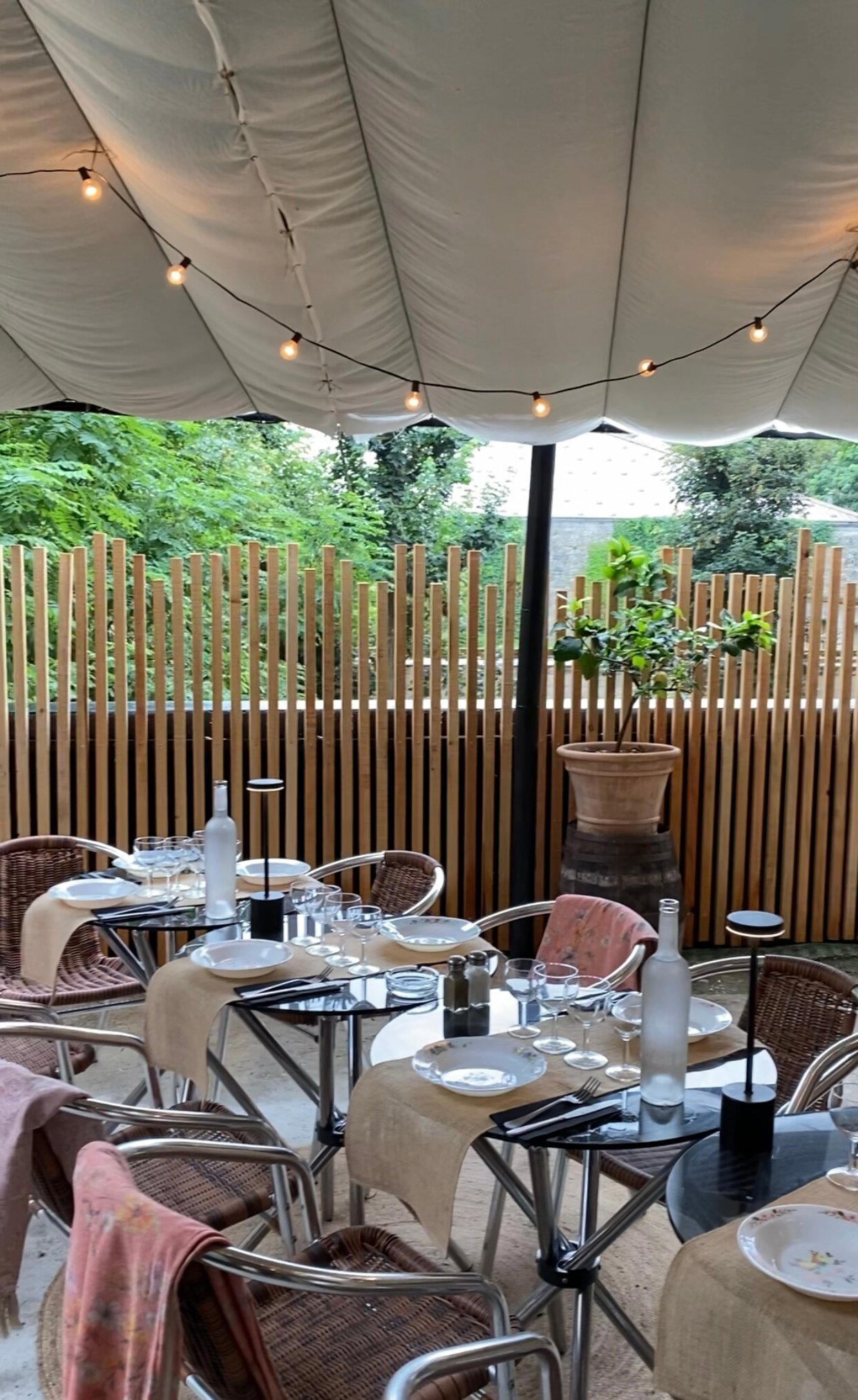
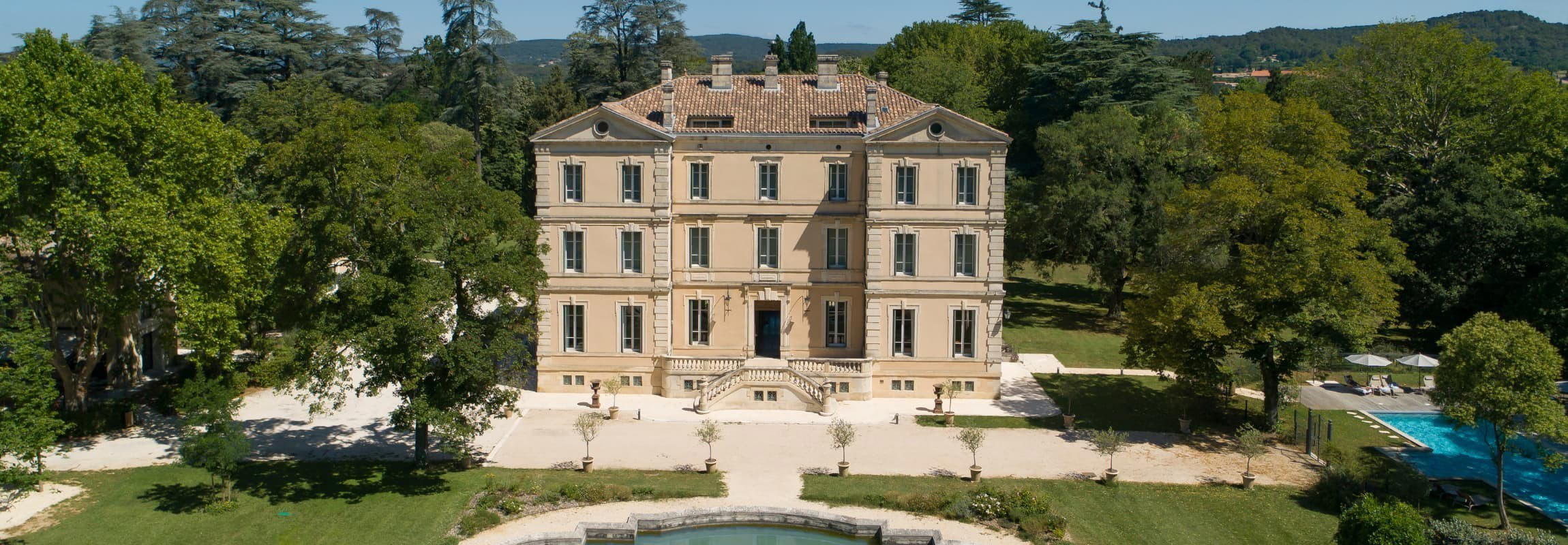
Refined but relaxed gastronomic inn atmosphere with an elegant dining room, soft lighting, and a warm rustic setting complemented by a large shaded terrace and garden-style outdoor seating.