Au Comte de Mercy occupies a quiet address on Rue du Tilleul in Oupeye, a small municipality in the Liège province where Belgian fine dining operates at a remove from the capital's better-documented restaurant circuit. The kitchen's positioning within this underreported corner of Wallonia places it alongside a regional tradition that prizes local sourcing and classical French-Belgian technique over metropolitan visibility.
 Discover on Pearl
Pearl is the En Primeur Club membership app — saves, bookings, and concierge access live there. Same editors, same standards.
- Address
- Rue du Tilleul 6, 4681 Oupeye, Belgium
- Phone
- +3243793079
- Website
- aucomtedemercy.be
Oupeye and the Liège Province Dining Tradition
Belgium's fine dining conversation tends to concentrate on Ghent, Antwerp, and Brussels, where Michelin inspectors and international food press have built a reliable map. The Liège province operates differently. Restaurants here draw from a distinct agricultural belt, the Hesbaye plateau to the west and the Meuse valley running through it, and they serve a clientele that treats serious cooking as a local entitlement rather than a destination occasion. Au Comte de Mercy, on Rue du Tilleul in Oupeye, sits inside that tradition: a formal address in a small municipality where the surrounding region, not urban spectacle, shapes what arrives on the plate.
This is not a restaurant corridor defined by tourism. Oupeye sits north of Liège city, closer to the Dutch and German borders than to Brussels, and the dining culture reflects that geography. Produce cycles from the Meuse valley, local farms, and the market infrastructure of Liège itself feed kitchens throughout the province. The finest of those kitchens treat ingredient provenance as the foundation of the menu, not an afterthought on the marketing copy. That orientation places Au Comte de Mercy in a specific comparable set: regionally rooted, classically inflected, and largely unknown outside Belgium's own well-travelled dining public.
Ingredient Sourcing as the Structural Argument
In Belgian fine dining, the sourcing question divides kitchens more sharply than style or format. At one end sit restaurants built around imported luxury ingredients, truffles from Périgord, langoustines from Scotland, beef from Japan, assembled with technical precision but anchored nowhere particular. At the other end are kitchens where the Meuse valley's white asparagus in spring, the Ardennes' game in autumn, or the coastal catch landed at Ostend defines the menu's seasonal rhythm. Wallonian restaurants in the Liège orbit have historically leaned toward the latter, and that sourcing philosophy carries real weight in how they're evaluated by the Belgian dining public.
What distinguishes this approach is not purity for its own sake. It is a discipline that forces the kitchen to cook seasonally and honestly, without the option of papering over a weak season with imported substitutes. Kitchens that commit to regional sourcing tend to produce menus that read differently month to month, and that variability is part of what draws repeat visitors. For a restaurant in a small municipality like Oupeye, building a loyal local following across multiple visits is a more durable model than chasing single-occasion destination diners. That logic runs through the most serious provincial Belgian kitchens, from Ralf Berendsen in Neerharen in Limburg to d'Eugénie à Emilie in Baudour in Hainaut.
Where Au Comte de Mercy Sits in the Belgian Fine Dining Map
Belgium's provincial fine dining tier is more coherent than it appears from the outside. While flagship restaurants like Boury in Roeselare, Zilte in Antwerp, and Hof van Cleve - Floris Van Der Veken in Kruishoutem attract international attention, a second tier of serious provincial kitchens serves an equally demanding domestic audience. Vrijmoed in Gent, La Durée in Izegem, and Cuchara in Lommel all operate in this register, places where the cooking competes credibly with the country's top tier but the address is not itself a draw for international press.
Au Comte de Mercy occupies a comparable position in the Walloon context, with the added specificity of Oupeye's location in a region where French-Belgian classical technique has deep roots. The Liège area's culinary tradition carries a distinctly French inflection, shaped by the province's historical proximity to the French-speaking fine dining canon, and restaurants here tend to work within that grammar even when they're updating or interrogating it. That positions Au Comte de Mercy closer to Brussels addresses like Bozar Restaurant and Le Chalet de la Forêt in Uccle in temperament than to the more experimental Flemish kitchens of the north.
For travellers already tracking Wallonian fine dining, La Table de Maxime in Our offers a useful comparison point in the Ardennes, while GIOCO provides the most direct local reference in Oupeye itself. The province is not oversupplied with this level of cooking, which means each address that sustains it carries disproportionate significance for the region's dining identity. See our full Oupeye restaurants guide for a broader map of what the municipality currently offers.
The Setting on Rue du Tilleul
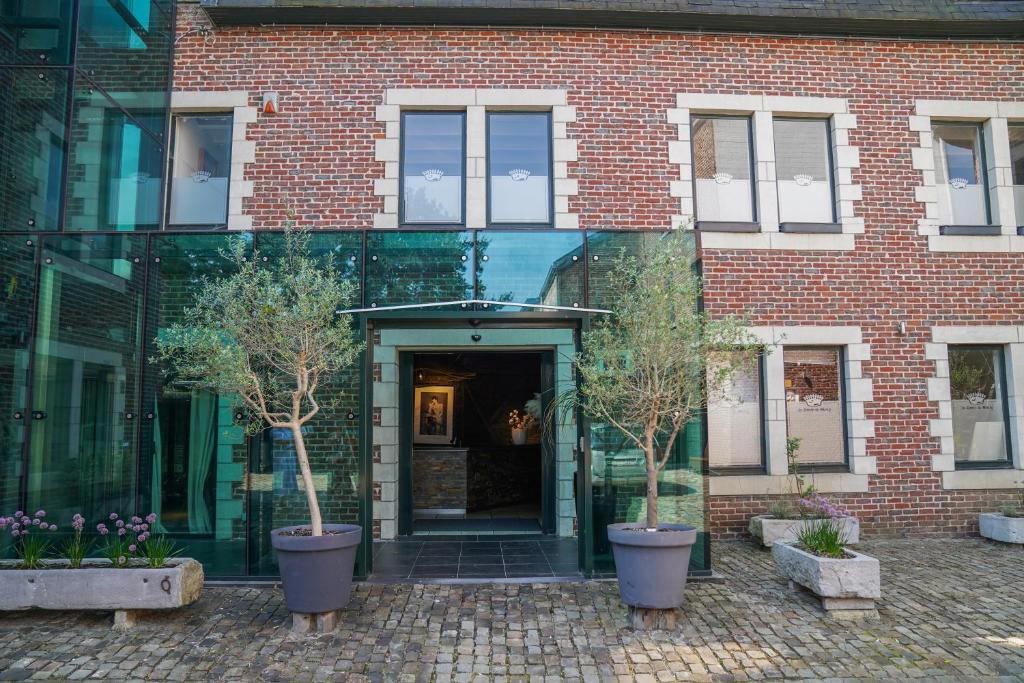
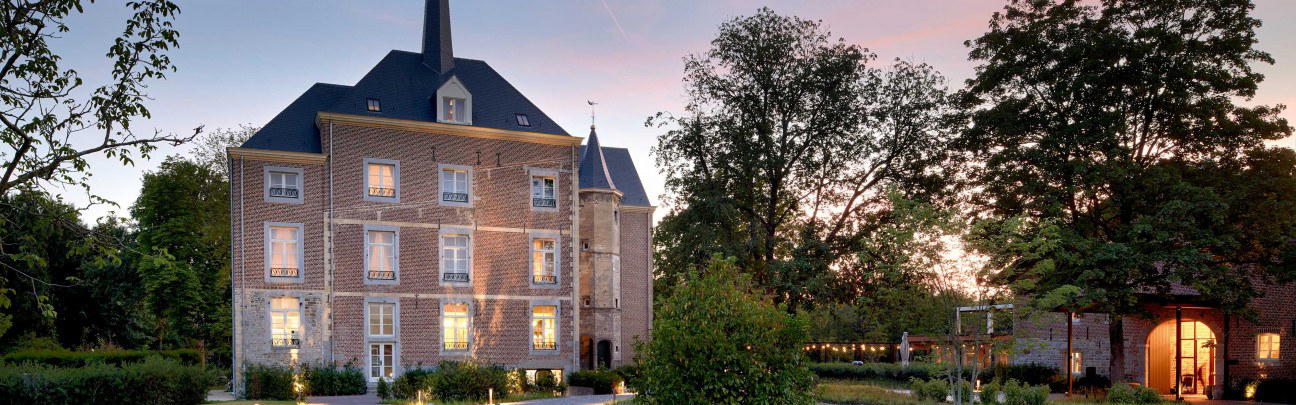
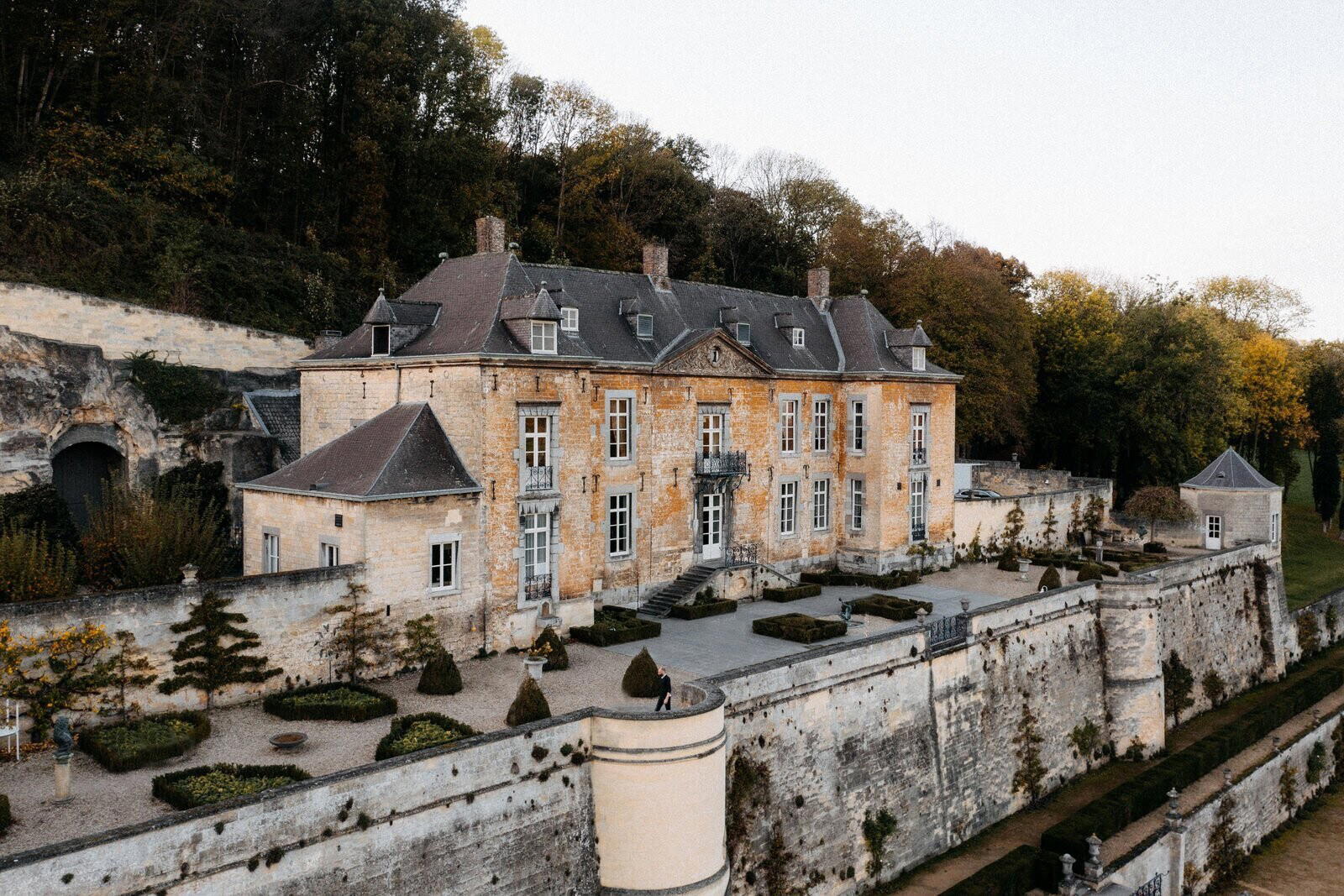
Oupeye is a commune of modest scale, and Rue du Tilleul is a residential address rather than a dining street. Approaching a formal restaurant in this kind of setting is a specifically Belgian experience: the building often announces itself through architectural detail rather than commercial signage, and the transition from a quiet neighbourhood exterior to a serious dining room carries its own form of understatement. This is a register that recurs throughout provincial Belgian fine dining, where restaurants have historically operated as local institutions serving communities that already know where they are.
The practical implication for visitors is that Au Comte de Mercy is not set up for walk-in discovery. Arriving without a reservation would be ill-advised, and planning in advance is the appropriate approach for any restaurant at this level in a small Belgian municipality. Oupeye sits within comfortable driving distance of Liège city, accessible via the E40 and E313 motorways, and the Liège-Guillemins station connects to the Belgian high-speed rail network for those travelling from Brussels or beyond. The Meuse valley drives along this stretch are among the more scenic in the province, which makes the journey itself part of the occasion's texture for visitors coming from a distance.
For restaurants of comparable seriousness in more international contexts, Le Bernardin in New York City and Lazy Bear in San Francisco illustrate how destination fine dining operates when the address is itself a signal. In Oupeye, the logic runs differently: the address is quiet, the clientele is local, and the cooking is the argument. That is a model Belgian provincial dining has refined across decades, and Au Comte de Mercy operates within it.
A Quick Peer Check
Comparable venues nearby, for context on price, style, and recognition.
| Venue | Cuisine | Price | Awards | Notes |
|---|---|---|---|---|
| Au Comte de MercyThis venue — the venue you are viewing | Modern French Bistro | $$$ | , | |
| GIOCO | Dining | , | , | Oupeye |
| La Bonne Vie | French Fine Dining | $$$ | , | Stevoort |
| Brasserie François | Traditional French-Belgian Brasserie | $$$ | , | Vieux Namur |
| Bruur | French Gastro-Bistro | $$$ | , | Zuivelmarkt |
| Roosendaelhof | French Bistro | $$$ | , | city center |
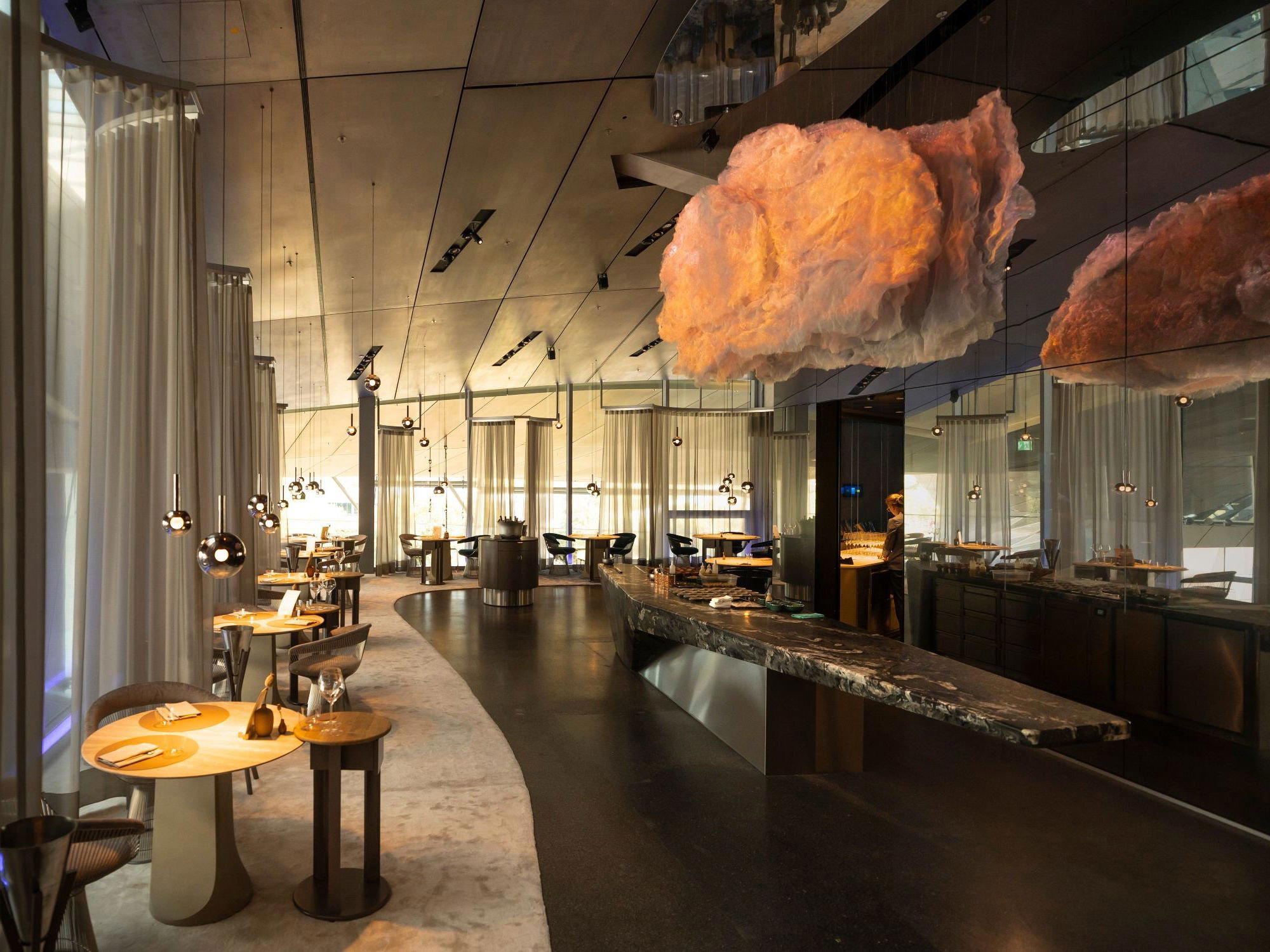
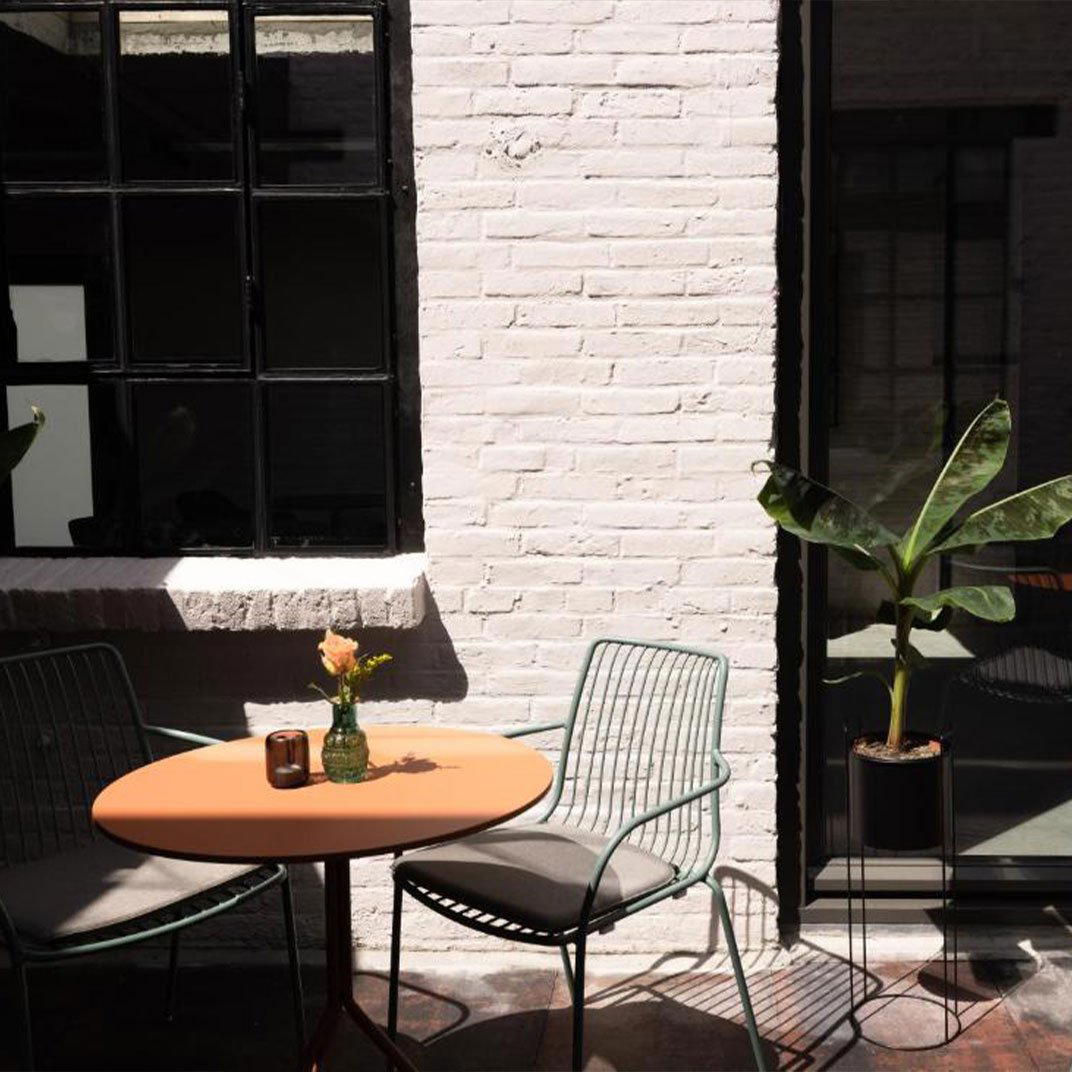
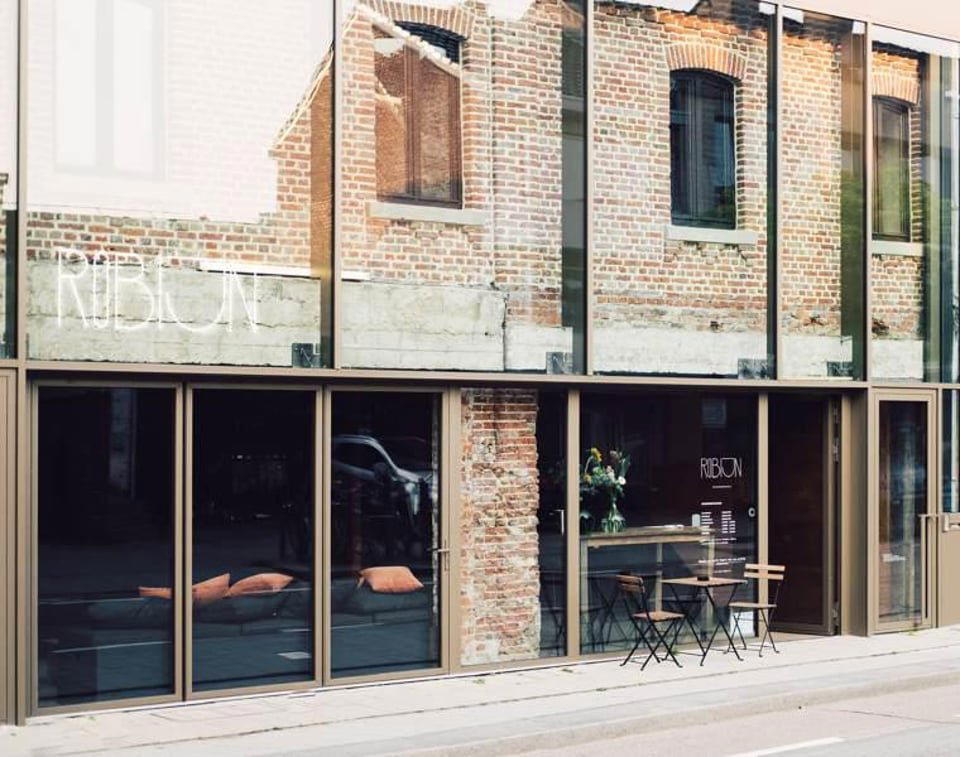
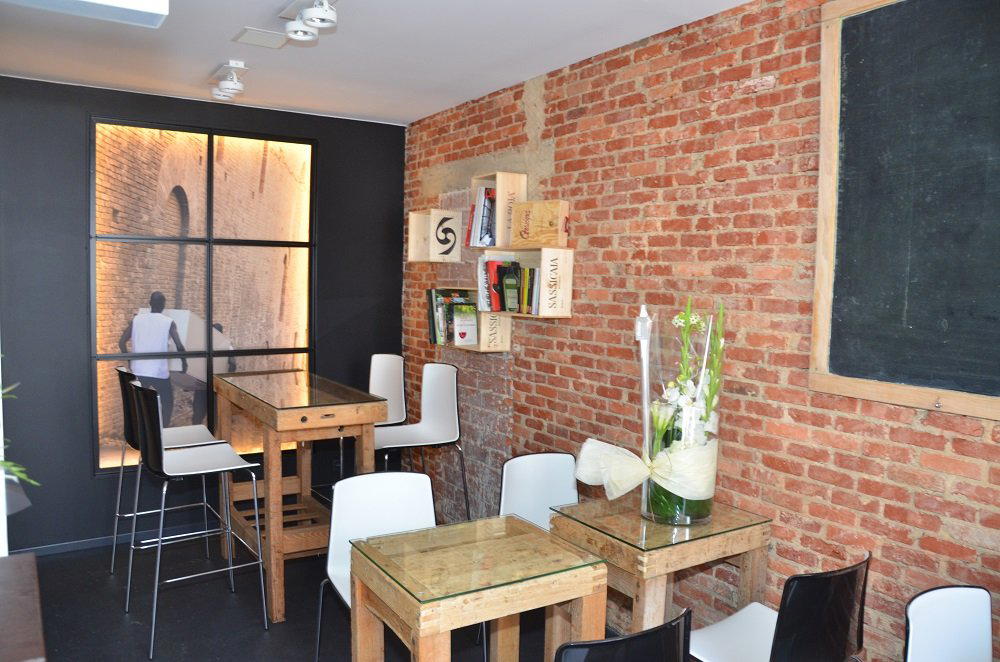
At a Glance
- Romantic
- Cozy
- Elegant
- Scenic
- Date Night
- Special Occasion
- Garden
- Terrace
- Waterfront
- Extensive Wine List
- Waterfront
- Garden
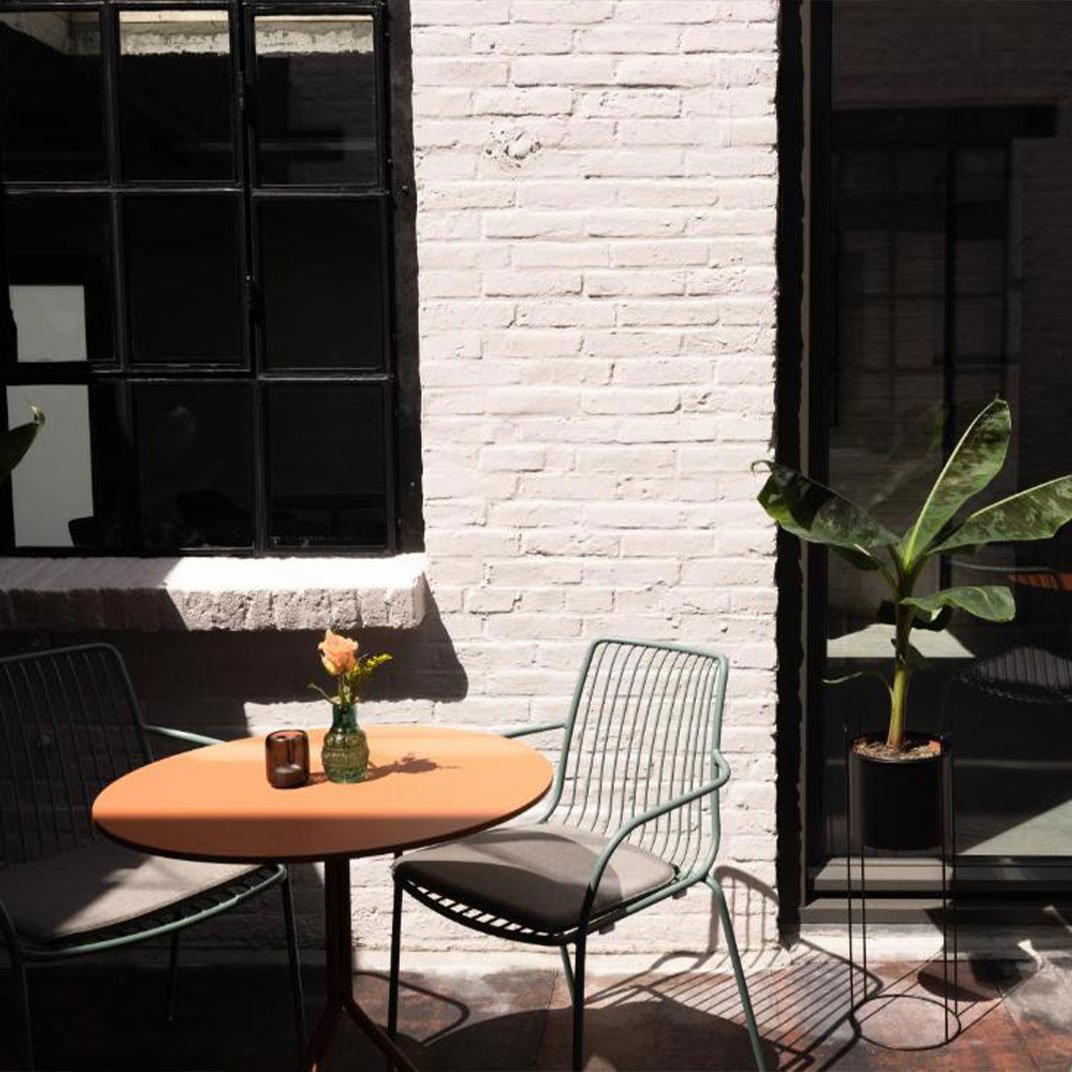
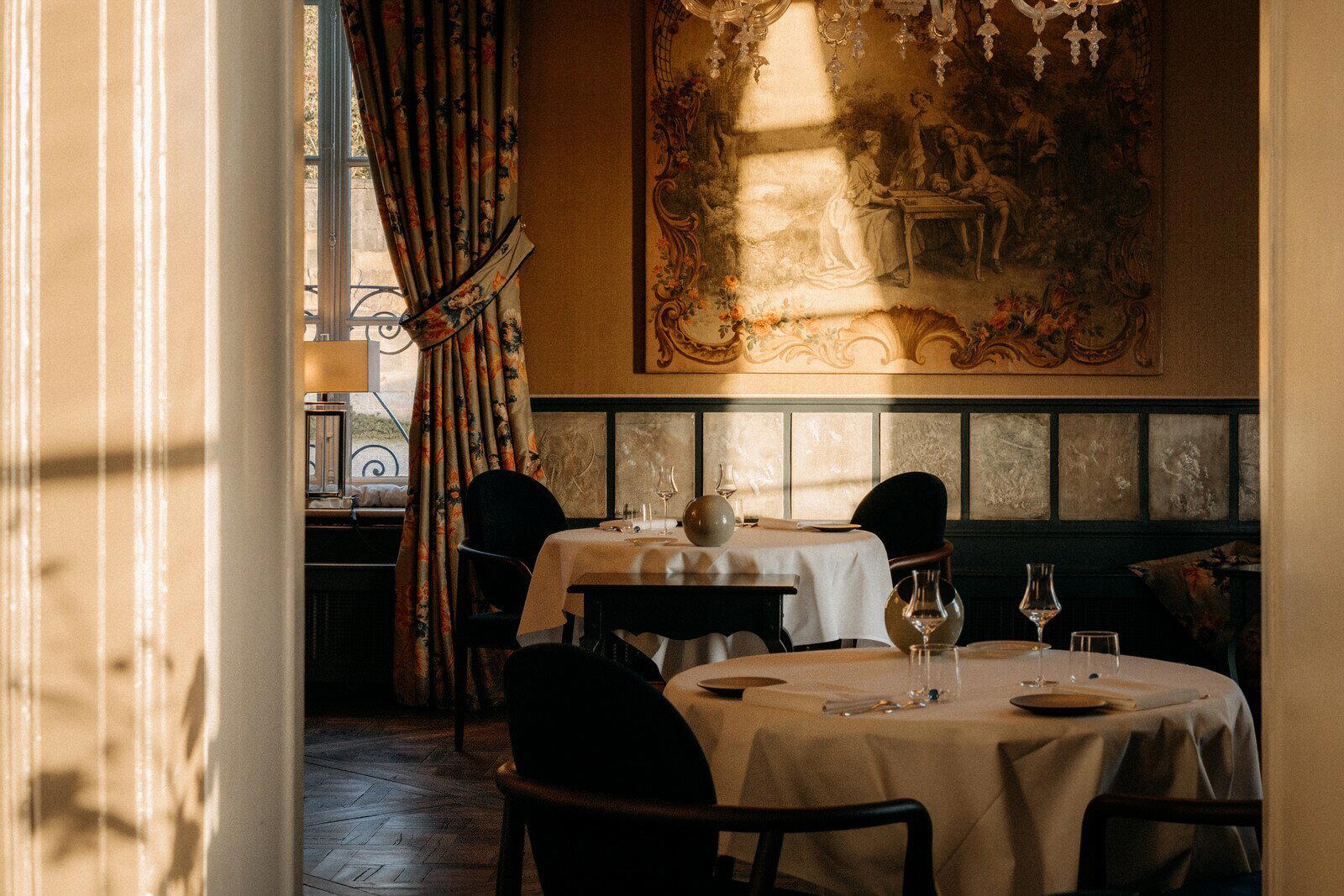
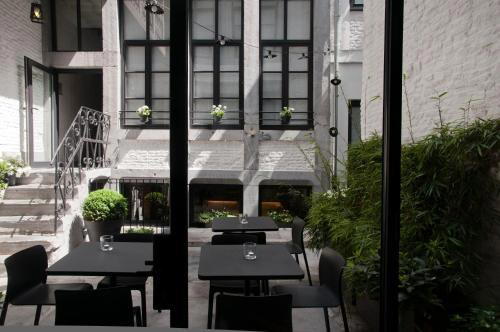
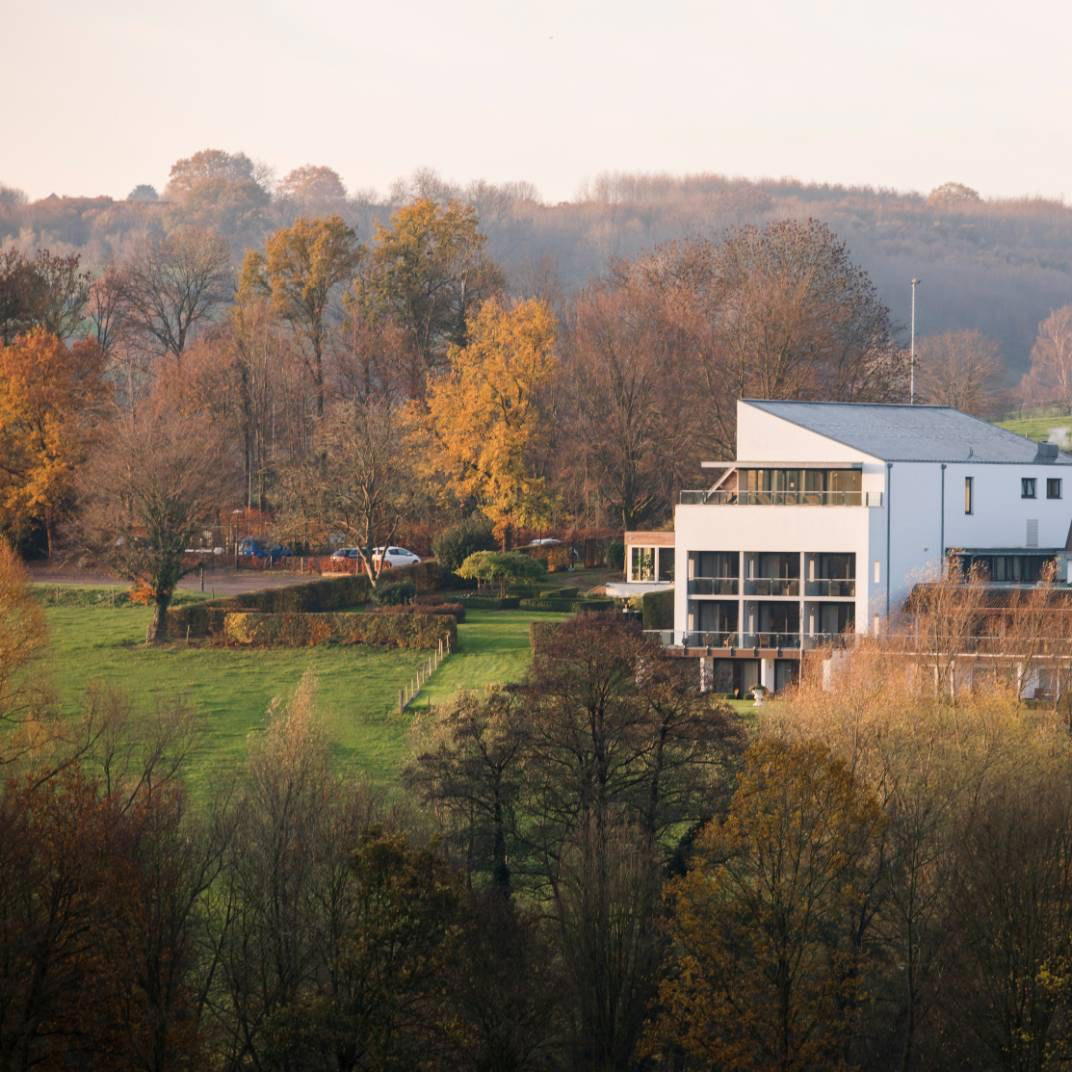
Serene countryside atmosphere with garden terrace dining and a touch of elegance, though the restaurant can be somewhat noisy.