A Yaletown stalwart on Hamilton Street, Flying Pig sits in Vancouver's mid-tier casual-dining bracket, where the emphasis falls on approachable cooking, neighbourhood energy, and a sourcing ethos rooted in British Columbia's agricultural and coastal supply chains. The room draws a cross-section of the neighbourhood — post-work professionals, weekend brunchers, and locals who return on habit rather than occasion.
Pearl is the En Primeur Club membership app — saves, bookings, and concierge access live there. Same editors, same standards.
- Address
- 1168 Hamilton St, Vancouver, BC V6B 2S2, Canada
- Phone
- +16045681344
- Website
- theflyingpigvan.com
- Directions
- Get directions
 Saves & bookings on Pearl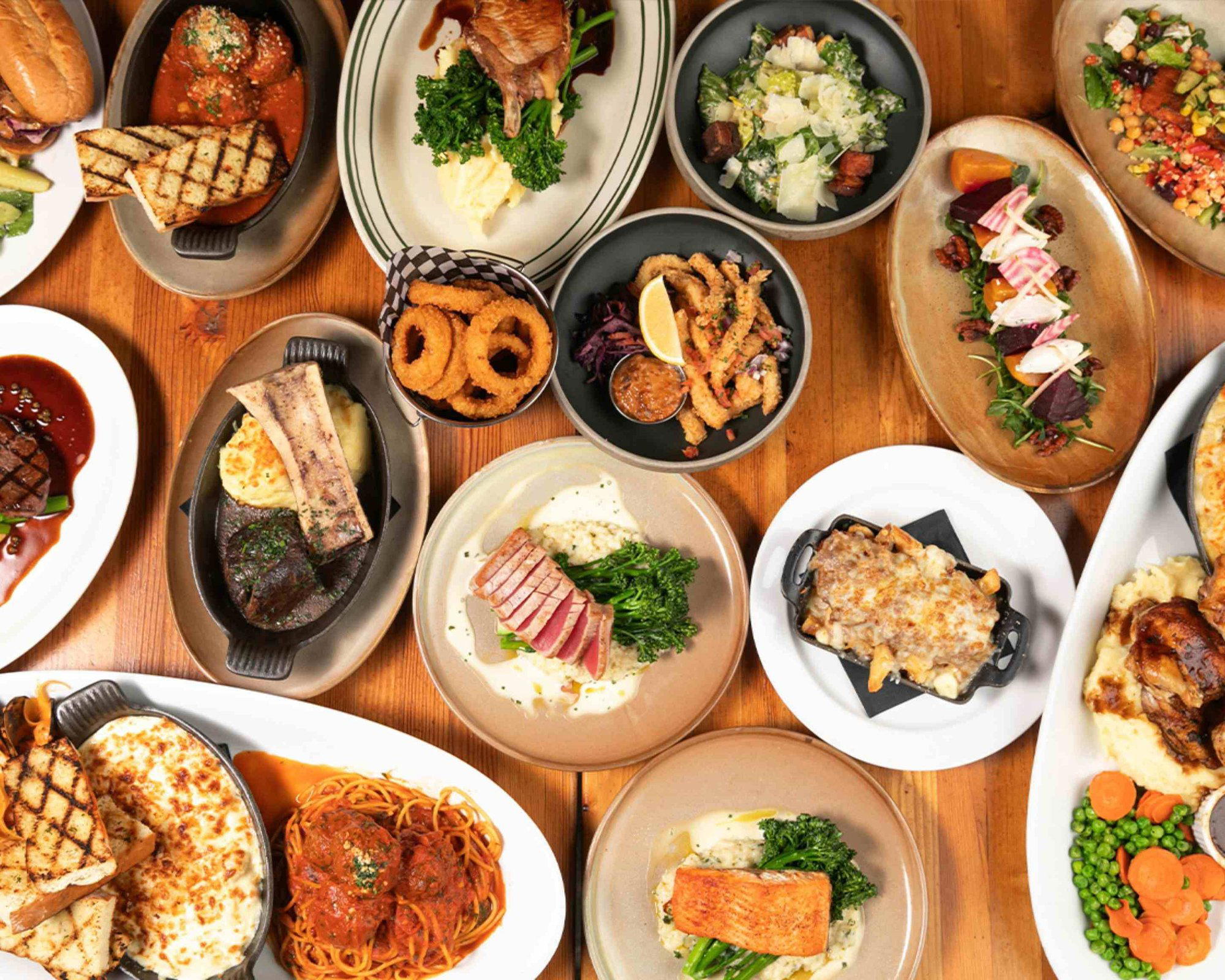
Yaletown's Casual Counter to the Fine-Dining Circuit
Vancouver's Yaletown has spent two decades sorting itself into tiers. The upper bracket — counters like Masayoshi, omakase-format rooms and prix-fixe-only addresses like Kissa Tanto — operates on reservation lead times measured in weeks and price points that push into four-figure territory for two. Below that sits a stratum of neighbourhood restaurants where the value proposition is different: accessible pricing, walk-in availability, and cooking that answers to regulars rather than critics. Flying Pig Yaletown, at 1168 Hamilton Street, occupies that second tier deliberately. It is not competing with the prix-fixe rooms a few blocks away; it is doing something structurally different.
That distinction matters in a city where the mid-tier has historically been squeezed. Vancouver's dining conversation tends to polarise around destination-level ambition, the kind of tasting-menu programming you see at AnnaLena or Barbara, and fast-casual volume. The restaurants that hold ground in between tend to do so through consistency and a clear identity. Flying Pig's identity is rooted in British Columbia sourcing and a format that keeps the barrier to entry low.
The Room and the Rhythm of a Hamilton Street Evening
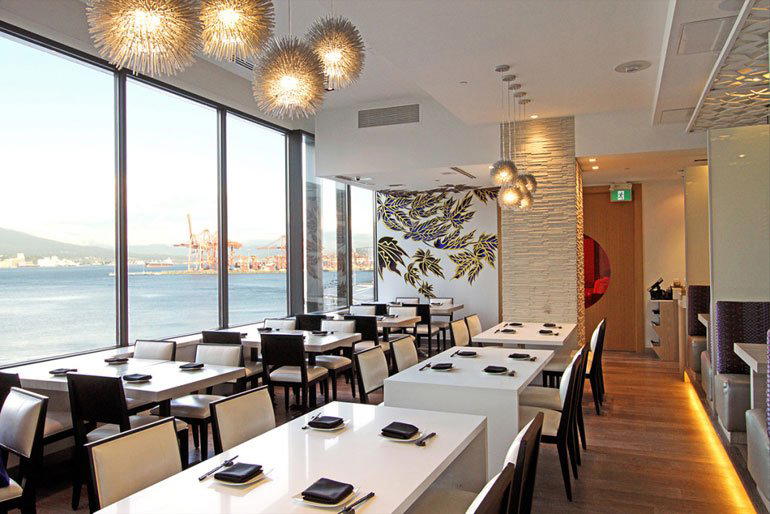
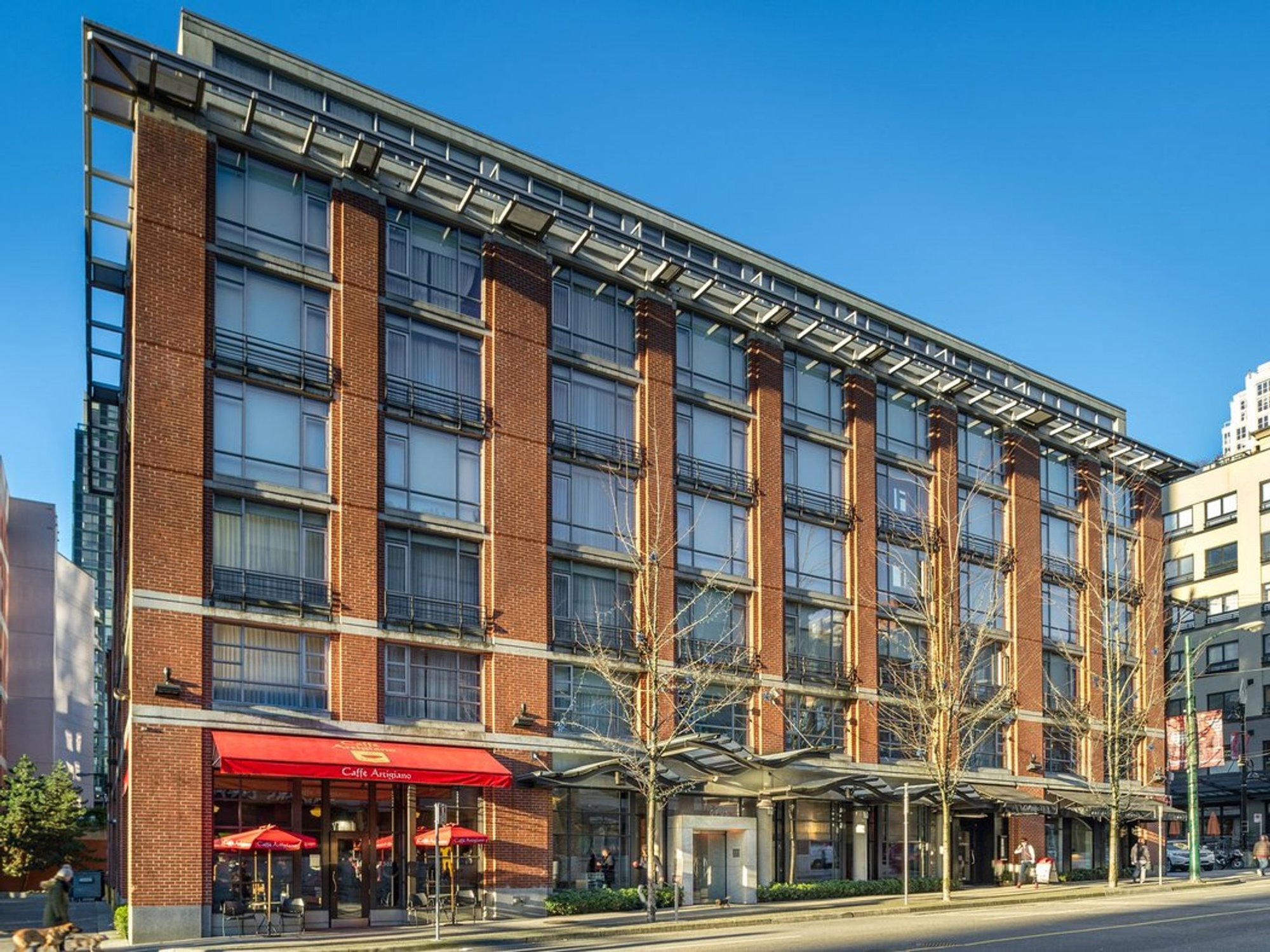
Hamilton Street in Yaletown runs through a former warehouse district that was rezoned and redeveloped through the 1990s. The architecture still shows its industrial bones, brick, exposed structural elements, the particular ceiling heights that come from converting loading-dock buildings into loft-level retail and dining. Flying Pig works with that grain rather than against it. The room reads as relaxed without being indifferent: the kind of space where a table of four can hold a conversation at normal volume and where the noise level reflects energy rather than chaos.
The rhythm on a weekday evening skews toward post-work neighbourhood traffic, the Yaletown residential density means the restaurant draws from within walking distance rather than from across the city. On weekends, the composition shifts toward brunch formats and longer tables. Neither mode requires the formality that defines the reservation-only rooms in Vancouver's upper tier. This is by design, and it reflects a broader shift in how mid-tier Vancouver dining operates: the front-of-house model prioritises throughput and accessibility over the scripted service cadence you'd find at comparable price points in, say, the tasting-menu format of Tanière³ in Quebec City or Alo in Toronto.
Sourcing as Structure: The BC Supply Chain Story
The more substantive editorial point about Flying Pig sits in its sourcing framework. British Columbia's agricultural and coastal output is among the most varied in Canada, the Fraser Valley produces dairy and poultry at a scale that supports direct restaurant relationships, the Pacific coast delivers seafood that rarely needs to travel far before it reaches a kitchen, and the province's interior fruit and vegetable growing regions mean seasonal menus can reflect genuine local availability rather than marketing copy. The restaurants that treat this supply chain as operational infrastructure rather than branding exercise tend to produce cooking that's more coherent and less wasteful.
Sustainability argument for locally sourced British Columbia ingredients is, at its core, a logistics argument: shorter cold chains mean less energy expenditure and fresher product. Across Canada, the restaurants most seriously engaged with this model tend to be outside the obvious urban fine-dining tier. Places like Eigensinn Farm in Singhampton, Restaurant Pearl Morissette in Lincoln, or Fogo Island Inn's dining room in Joe Batt's Arm have built entire identities around proximity to their ingredient sources. In an urban mid-tier context like Yaletown, the execution of that principle looks different, it operates as a sourcing filter rather than a farm-to-table narrative, but the supply-chain discipline can be the same.
Waste reduction, in this context, is less about composting theatrics and more about menu construction: dishes designed around whole-animal or whole-catch utilisation, vegetable-forward sections that use the parts of BC produce that higher-waste kitchens discard, and a portion-sizing approach that reflects ingredient cost rather than volume-for-its-own-sake. Whether Flying Pig executes this at the granular level that defines the most ethically rigorous kitchens in Canada, the kind of nose-to-tail discipline you might find at Cafe Brio in Victoria or the sourcing specificity of Narval in Rimouski, is a question the menu itself answers better than any descriptor can.
Where Flying Pig Sits in the Vancouver Mid-Tier
Vancouver's mid-tier casual dining segment is more competitive now than it was a decade ago. The city's population growth, particularly in the Yaletown and False Creek corridor, has produced a density of restaurants that makes survival a genuine editorial story. The restaurants that last in this environment tend to do so because they serve a neighbourhood function that higher-priced alternatives don't fill. Flying Pig's Hamilton Street address puts it within the Yaletown residential core, and its format, accessible pricing relative to the $$$$ rooms nearby, walk-in friendly operation, makes it structurally useful to a different diner than those who book iDen and QuanJuDe Beijing Duck House or the omakase counters in the neighbourhood's upper tier.
For a broader map of where Vancouver's dining sits across price tiers and cuisine types, our full Vancouver restaurants guide provides comparative context. The Canadian dining scene more broadly rewards the traveller who looks past the obvious tasting-menu destinations: Jérôme Ferrer's Europea in Montreal, Busters Barbeque in Kenora, and The Pine in Creemore each represent a different answer to the question of what serious Canadian cooking looks like outside the major urban fine-dining tier. Internationally, the contrast is instructive too: the rigour of Le Bernardin in New York City or the communal-format ambition of Lazy Bear in San Francisco illustrates how differently cities in the same price conversation can approach the same dining occasion.
Know Before You Go
Address: 1168 Hamilton St, Vancouver, BC V6B 2S2
Neighbourhood: Yaletown, Vancouver
Price tier: Mid-range relative to Yaletown's $$$$ fine-dining addresses
Leading for: Neighbourhood dining, post-work tables, BC-sourced casual cooking
Getting there: Yaletown-Roundhouse Canada Line station is within walking distance of Hamilton Street
How Flying Pig Yaletown compares with similar nearby venues.
| Venue | Cuisine | Price |
|---|---|---|
| Elisa | Steakhouse | $$$$ |
| Cioppino’s Mediterranean Grill | Mediterranean | Not listed |
| Blue Water Cafe & Raw Bar | Seafood | Not listed |
Continue exploring
More in Vancouver
Restaurants in Vancouver
Browse all →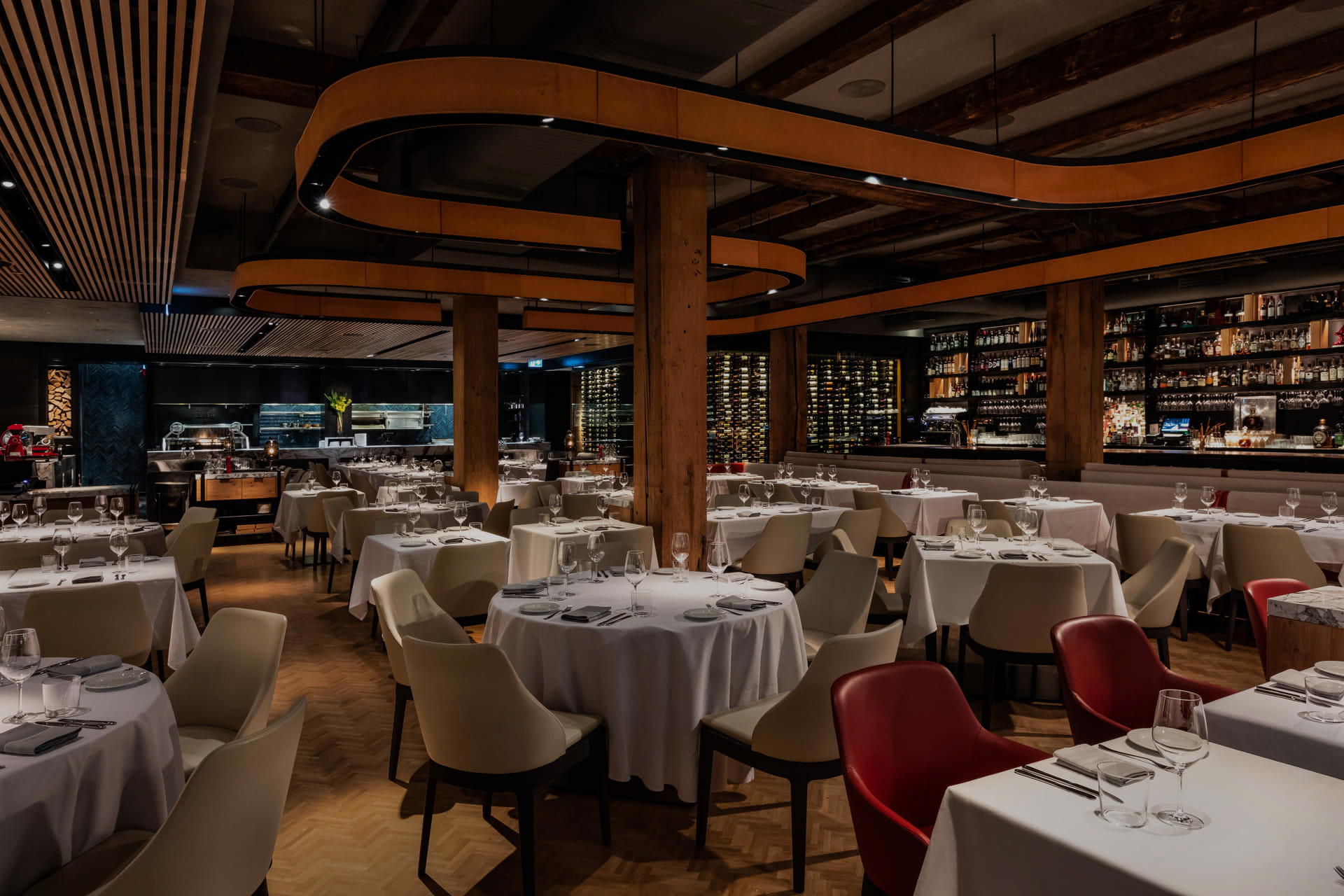
Bars in Vancouver
Browse all →
At a Glance
- Cozy
- Lively
- Modern
- Casual Hangout
- Group Dining
- Brunch
- Open Kitchen
- Terrace
- Local Sourcing
- Farm To Table
Current opening hours
- Monday
- 3–11 PM
- Tuesday
- 3–11 PM
- Wednesday
- 3–11 PM
- Thursday
- 3–11 PM
- Friday
- 11:30 AM–12 AM
- Saturday
- 11:30 AM–12 AM
- Sunday
- 11:30 AM–10 PM
Hours can change for holidays and private events. Last verified .
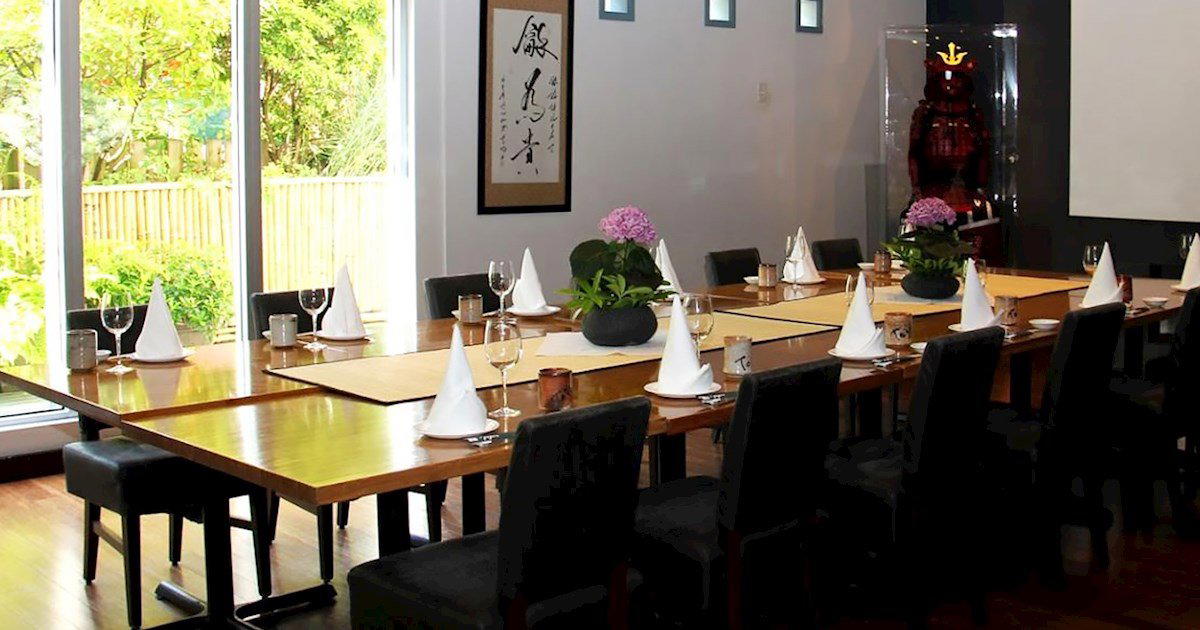
Cozy main dining room with warm lighting, bar seating, high-top tables, and an outdoor patio, creating a welcoming and lively atmosphere.
Know Before You Go
- Getting there
- 1168 Hamilton St, Vancouver, BC V6B 2S2, Canada