On Davie Street in Vancouver's West End, Gurkha Himalayan Kitchen brings the cooking traditions of Nepal and the surrounding Himalayan region to one of the city's most culturally layered neighbourhoods. The kitchen draws on a culinary lineage that remains genuinely underrepresented in Canadian cities, offering spice-forward dishes rooted in Nepali home cooking rather than its better-known subcontinental neighbours. For a city with Vancouver's depth of South and Southeast Asian dining, this is a distinct address.
Pearl is the En Primeur Club membership app — saves, bookings, and concierge access live there. Same editors, same standards.
- Address
- 1141 Davie St, Vancouver, BC V6E 1N2, Canada
- Phone
- +16045657965
- Website
- gurkha.ca
- Directions
- Get directions
 Saves & bookings on Pearl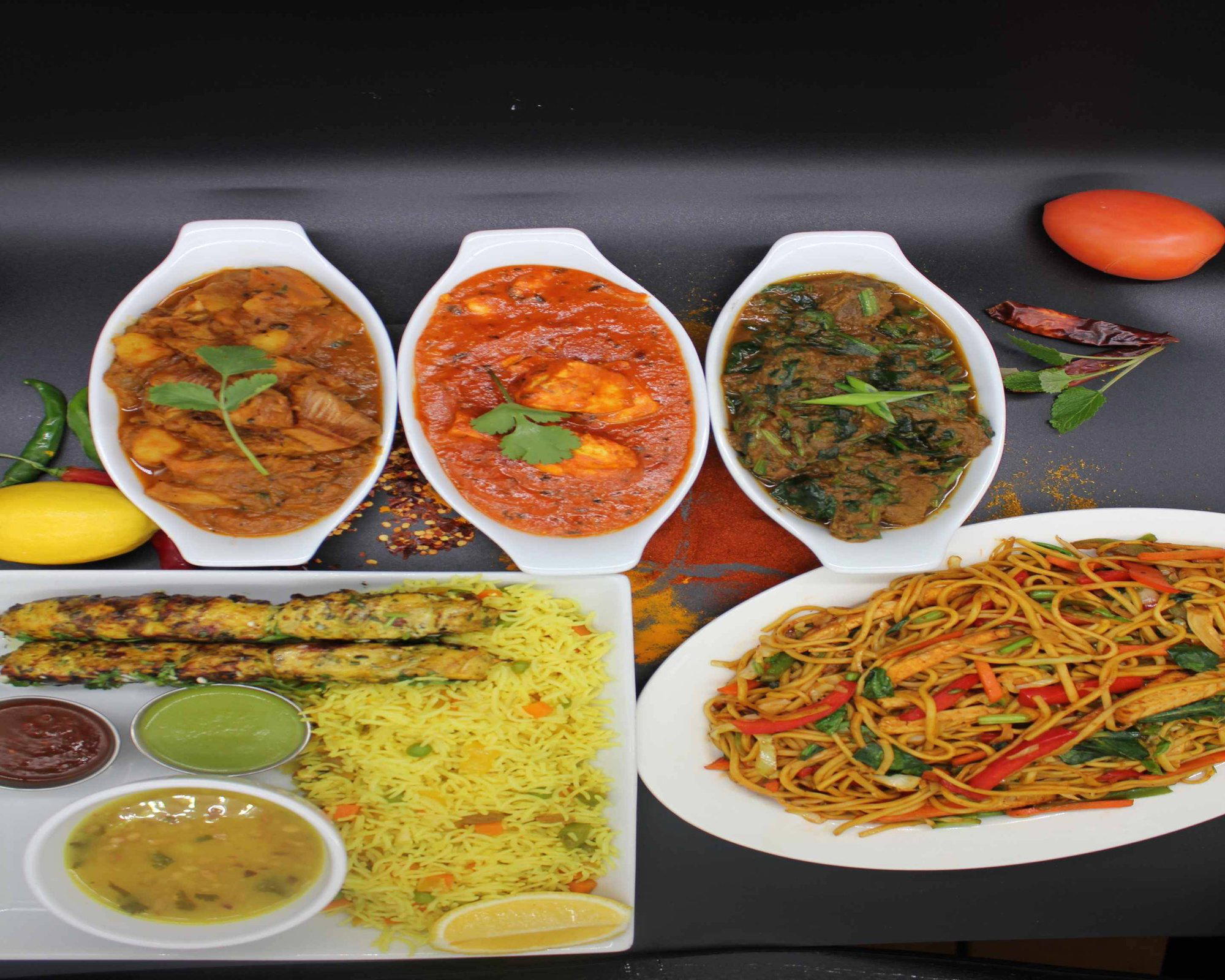
Where Himalayan Cooking Finds Ground in Vancouver's West End
Davie Street runs through a neighbourhood that has long absorbed distinct communities and cuisines without losing its residential character. The West End's dining strip skews toward the everyday and the specific, which makes it a sensible home for a kitchen focused on Nepali and Himalayan cooking, a tradition that has found far less commercial traction in Canadian cities than the Indian or Thai kitchens it sometimes gets shelved beside. Walking toward 1141 Davie, the neighbourhood feels unhurried in a way that Vancouver's busier corridors do not, and the scale of Gurkha Himalayan Kitchen matches that register: this is not a destination restaurant built around spectacle, but a room that rewards the kind of attention you bring to it.
Nepali cooking occupies a specific position within the broader South Asian culinary tradition. It shares pantry DNA with northern Indian and Tibetan cuisines while carrying its own structural logic, one built around lentils, fermented pickles, slow-cooked meat preparations, and a spice grammar that runs warmer and earthier than the sharper heat profiles common in many Indian regional styles. In Vancouver, a city whose South Asian dining offer is increasingly refined at the upper end, with rooms like Masayoshi and Kissa Tanto setting precision-focused benchmarks in their own categories, Himalayan cooking operates in a different register entirely: community-scaled, ingredient-driven, and built for repetition rather than occasion.
Lunch and Dinner: Two Rhythms, One Kitchen
The lunch-versus-dinner divide in restaurants like Gurkha Himalayan Kitchen tends to be sharper than it first appears. Daytime service in neighbourhood rooms of this type typically draws a local crowd looking for speed and value, with set-meal formats or single-plate dishes that communicate the kitchen's core competencies efficiently. Dinner shifts the dynamic: tables are held longer, the room fills with a different mix of regulars and curious newcomers, and the kitchen has scope to move through a wider range of the menu. For a cuisine built around communal eating, the evening format usually lands better. Sharing dishes across a table allows the layering of flavours that defines Himalayan cooking to accumulate properly, rather than arriving as a single compact plate.
In practical terms, lunch at a Himalayan kitchen in Vancouver is often the better entry point for first-timers. The price point is typically lower, the pace is faster, and the dal-and-rice format that anchors midday menus in this tradition is among the most instructive dishes a kitchen can put forward. It tells you immediately how the kitchen handles spice balance, fat, and acidity. Dinner, by contrast, is where the fuller range of meat preparations, sekuwa-style grilled dishes, and appetiser spreads come into their own. The West End's evening foot traffic supports both modes, though the neighbourhood skews toward casual dinners rather than the special-occasion set that gravitates to rooms like AnnaLena or Barbara elsewhere in the city.
The Cuisine in Context: Himalayan Cooking in Canada
Nepali and Himalayan restaurants remain a distinct minority in Canada's major cities. Toronto has a small but visible cluster; Montreal's representation is thinner still. Vancouver's South Asian dining scene, while deep in Indian and Sri Lankan registers, has historically had limited Himalayan presence. That scarcity matters editorially: it means a kitchen like Gurkha Himalayan Kitchen is not operating within a competitive local category the way, say, a Cantonese kitchen competes against the breadth of Richmond's offer, or a contemporary room like Kissa Tanto competes within a dense pool of Japanese-inflected tasting menus.
Across Canada, the most formally recognised dining destinations tend to cluster in specific culinary traditions: the French-inflected haute cuisine of rooms like Tanière³ in Quebec City or Jérôme Ferrer - Europea in Montreal, and the farm-to-table contemporary wave represented by places like Restaurant Pearl Morissette in Lincoln or Eigensinn Farm in Singhampton. Himalayan cooking sits outside all of those award structures, not because the cuisine lacks complexity, but because the criteria that govern formal recognition in North America continue to weight European-derived culinary frameworks more heavily than community-rooted South Asian traditions. That context is worth holding onto when assessing what a room like Gurkha Himalayan Kitchen actually represents within Vancouver's dining offer.
For reference, Vancouver's higher-end dining tier, represented by addresses like iDen & QuanJuDe Beijing Duck House for Chinese cooking or Masayoshi for Japanese, shows that the city is capable of supporting serious, award-adjacent expressions of non-European culinary traditions. The question, for Himalayan cooking, is whether the critical and commercial infrastructure exists to support a similar trajectory. At present, the category functions primarily at the neighbourhood and community level across Canadian cities, and Davie Street is a reasonable home base for that mode.
Planning Your Visit
Vancouver's West End is walkable from downtown and accessible by transit along Davie and Burrard. The neighbourhood's density and foot traffic mean that weekend evenings in particular can fill smaller rooms quickly, even without formal reservation systems. For a broader read on where Gurkha Himalayan Kitchen sits within the city's full dining picture, the EP Club Vancouver restaurants guide covers the range from neighbourhood staples to the city's most formally recognised rooms. For those exploring Canadian dining beyond Vancouver, Alo in Toronto represents the upper tier of the country's tasting menu circuit, while Narval in Rimouski and Aux Anciens Canadiens in Quebec anchor specific regional traditions worth knowing.
Know Before You Go
- Address: 1141 Davie St, Vancouver, BC V6E 1N2
- Neighbourhood: West End, walkable from downtown Vancouver
- Cuisine: Nepali and Himalayan
- Booking: Contact details not confirmed; walk-in availability typically higher at lunch than dinner
- Leading for: Shared table dinners; daytime solo or two-person meals
- Dress code: Casual; the West End dining strip does not skew formal
- Sherpa Chicken
- Pokhara Lamb
- Momos
- Lhasa Chow Mein
- Dudhbari
- Kheer
Continue exploring
More in Vancouver
Restaurants in Vancouver
Browse all →
Bars in Vancouver
Browse all →
At a Glance
- Cozy
- Rustic
- Classic
- Casual Hangout
- Group Dining
- Family
- Standalone
- Beer Program
Current opening hours
- Monday
- 11 AM–11 PM
- Tuesday
- 11 AM–11 PM
- Wednesday
- 11 AM–11 PM
- Thursday
- 11 AM–11 PM
- Friday
- 11 AM–12 AM
- Saturday
- 11 AM–12 AM
- Sunday
- 11 AM–11 PM
Hours can change for holidays and private events. Last verified .
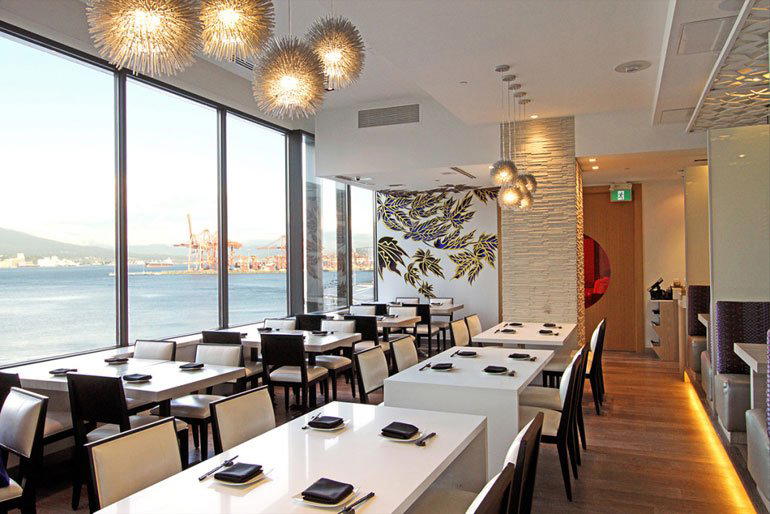
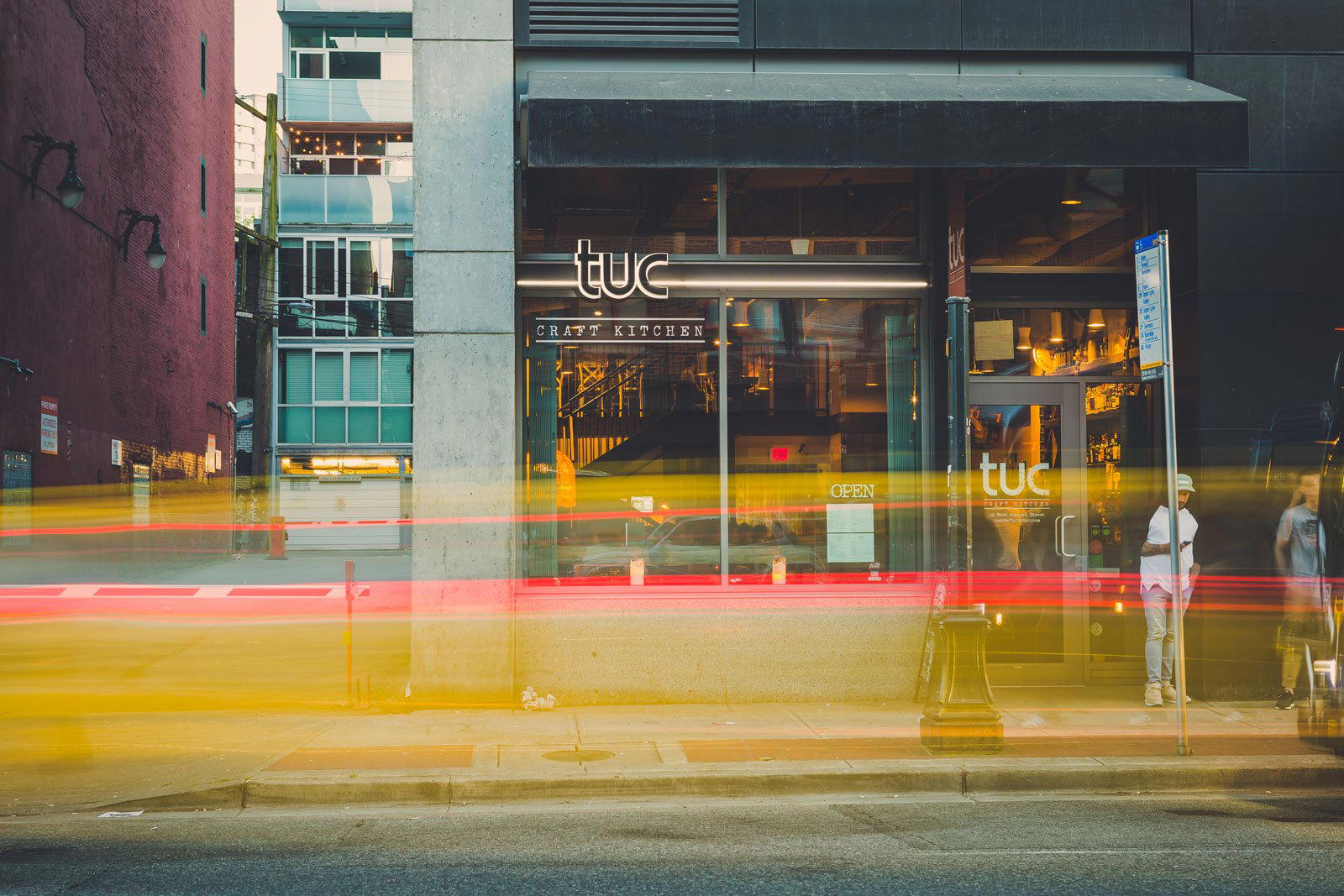
Warm and welcoming atmosphere celebrating Himalayan culinary traditions with fresh herbs and spices creating an authentic, intimate dining environment.
Know Before You Go
- Getting there
- 1141 Davie St, Vancouver, BC V6E 1N2, Canada