Michelin Plate · Star Wine List
Our verdict
Freisinger Hof holds consecutive Michelin Plate recognition in 2024 and 2025, alongside a White Star from Star Wine List, situating it among Munich's more serious traditional dining addresses. Located in Oberföhring, the restaurant pairs classical German cooking with a wine program that earned independent editorial notice.

Pearl is the En Primeur Club membership app, where members save venues, book tables and use the concierge.
The menu
What to order
- Tafelspitz
- Wiener Schnitzel
- Kaiserschmarr'n
Where Oberföhring Keeps Its Standards
Munich's restaurant scene has long been divided between the high-concept fine dining corridor, where venues like Tohru in der Schreiberei and Tantris operate at the €€€€ tier with Michelin star counts to match, and a quieter register of traditional restaurants that earn recognition not through innovation but through discipline. Freisinger Hof belongs firmly to the second category. Positioned on Oberföhringer Strasse in the residential northeast of Munich, it occupies the kind of address that visitors rarely seek out by accident and regulars rarely share freely.
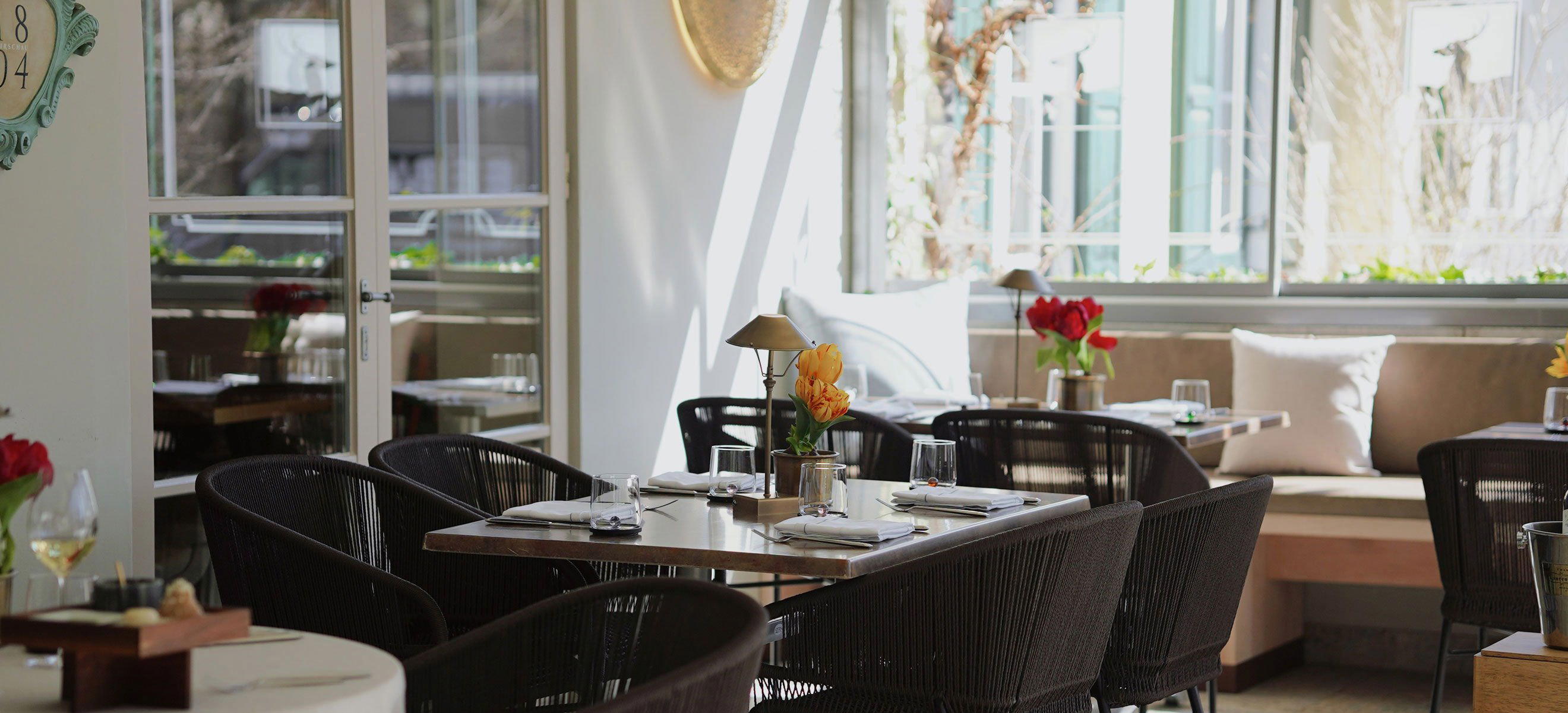
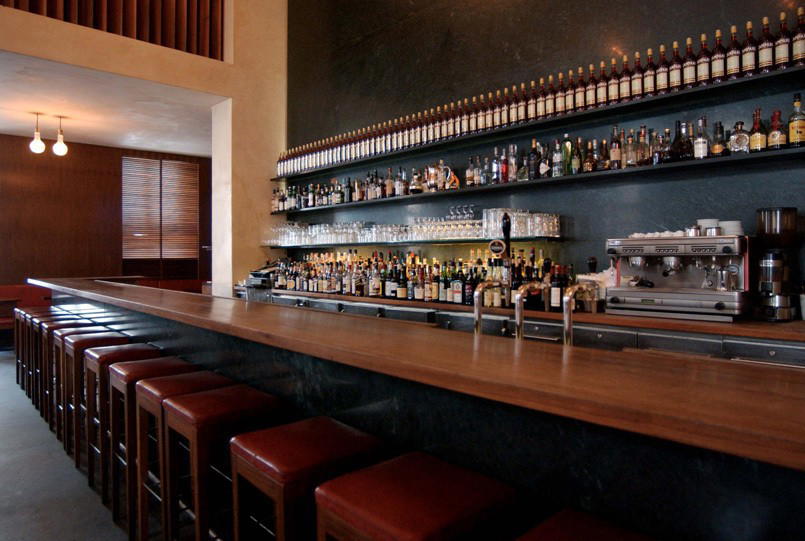
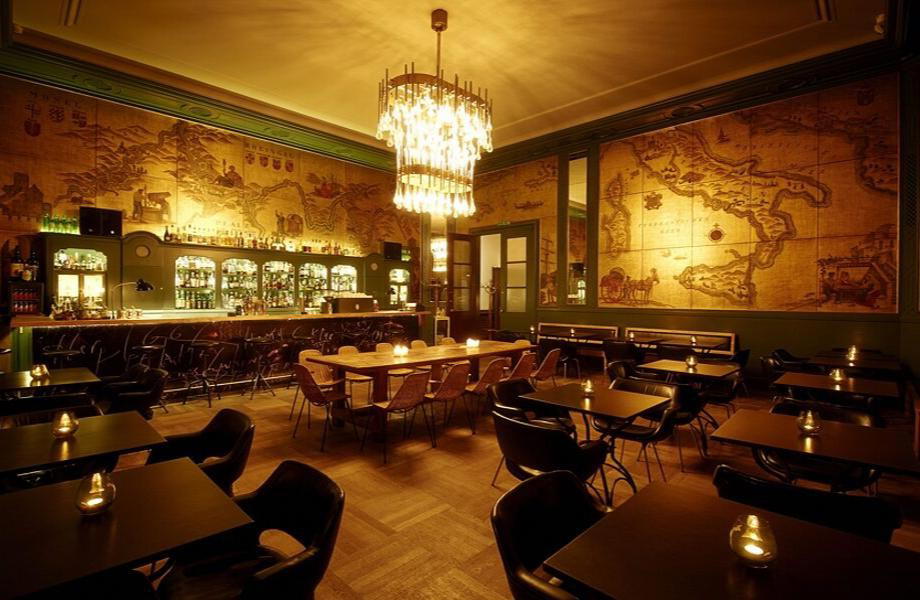
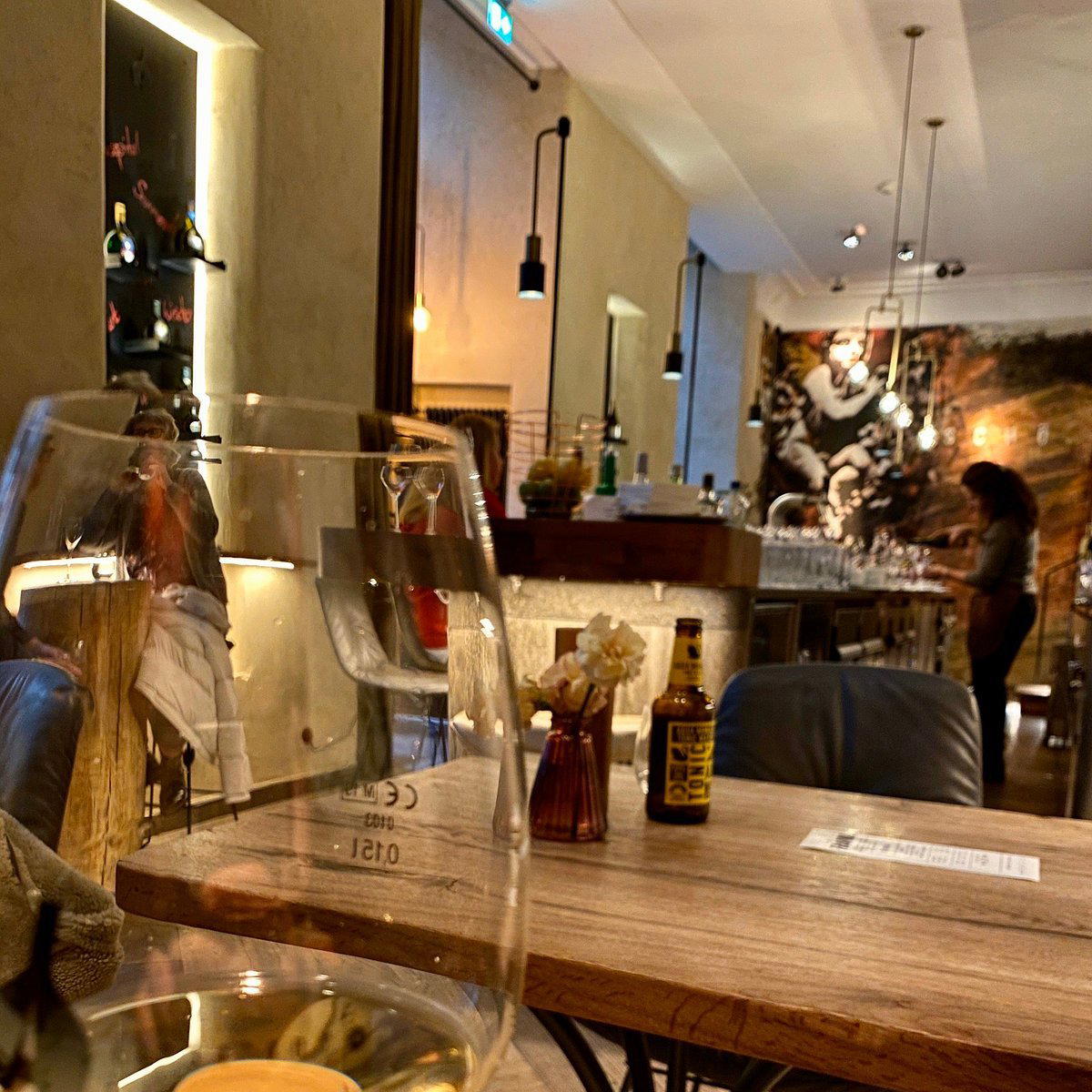
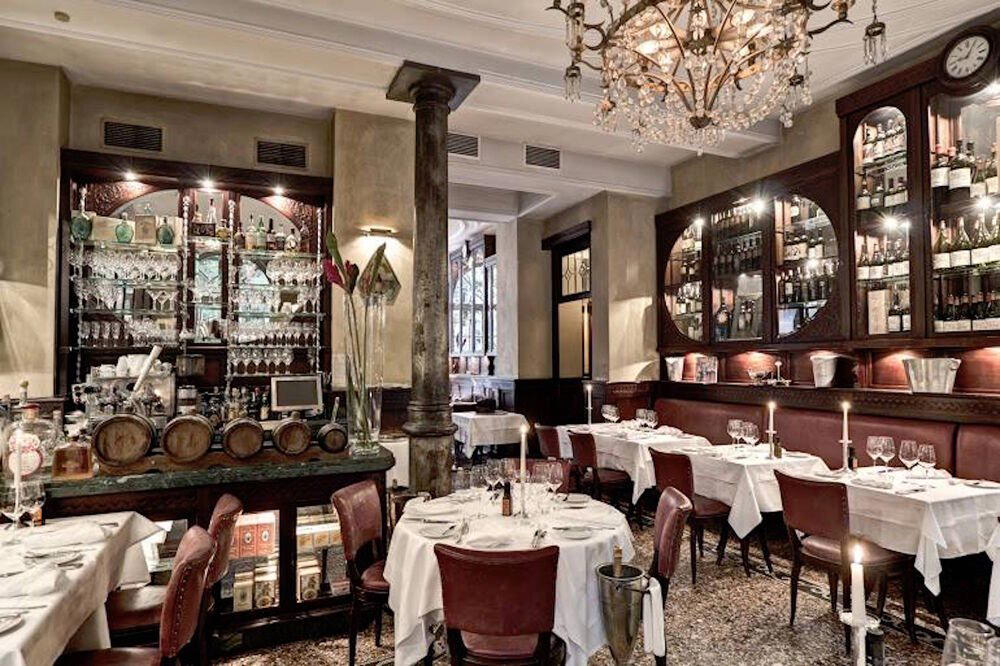
The setting reads as a classic Bavarian gasthaus in its bones: solid, unhurried, the sort of room where the weight of the furniture matches the seriousness of what arrives at the table. Approaching from the street, the building carries none of the architectural signalling of destination dining. That restraint is part of the point. Traditional cuisine venues in Munich's outer districts have historically drawn their authority from consistency rather than spectacle, and Freisinger Hof fits that pattern with apparent intent.
Traditional Cooking in a City That Has Moved On, and Hasn't
Bavaria has an unusually strong cultural attachment to its own food traditions, which creates an interesting tension in Munich's dining culture. The city supports some of Germany's most technically ambitious restaurants, including Alois - Dallmayr Fine Dining and JAN, while simultaneously sustaining a tier of traditional houses that have little interest in reframing regional cooking through a contemporary lens. Freisinger Hof occupies that traditional tier without apology.
Traditional cuisine at this level is not a compromise position. It is a specific discipline: sourcing ingredients that match the expectations of a clientele who know what these dishes should taste like, maintaining kitchen consistency across service after service, and calibrating the front-of-house to match the pace and register of the food. The fact that Freisinger Hof has carried a Michelin Plate in both 2024 and 2025 suggests the kitchen and dining room are meeting those standards with enough reliability to satisfy Michelin's inspectors twice over. Peers in the traditional German category across Germany, such as Auberge Grand'Maison in France and Auga in Spain, demonstrate that committed traditional cooking earns critical attention wherever it is practised with rigour.
The Wine Program as a Separate Signal
The White Star awarded by Star Wine List, published in September 2024, marks Freisinger Hof as a wine address that functions beyond the expected house-wine-and-beer territory of a traditional Bavarian restaurant. Star Wine List's White Star designation is given to venues whose wine lists show depth, curation, and value relative to format. For a €€-tier traditional restaurant in a residential Munich neighbourhood, this is a specific distinction: it places the wine program in a separate conversation from the food recognition, and it implies that the front-of-house team is managing a list with genuine editorial intention.
This is where the team dynamic at Freisinger Hof becomes legible from the outside. A traditional kitchen producing consistent classical German food is one kind of operation. A traditional kitchen that also maintains a wine list serious enough to earn independent recognition from a specialist publication is a tighter, more coordinated team. For a comparable framing of how a wine program can reposition a traditional restaurant's reputation, the approach taken at Weinhaus Neuner in Munich's centre offers instructive context.
What the Numbers Say
At that volume, the score is no longer a product of a loyal inner circle or a lucky run of reviews; it reflects aggregate satisfaction across a broad and varied audience over time. For context, the restaurants operating at the €€€€ tier with multiple Michelin stars, including comparable German venues such as Schwarzwaldstube in Baiersbronn and Vendôme in Bergisch Gladbach, operate in a different price band and draw a different kind of diner. Freisinger Hof's 4.8 at the €€ tier, across a large sample, points to a consistent relationship between expectation and delivery that is harder to sustain than it looks.
The €€ price range also matters structurally. At Munich's premium end, Aqua in Wolfsburg, CODA Dessert Dining in Berlin, and ES:SENZ in Grassau operate at price points that reflect their Michelin positioning. Freisinger Hof sits several tiers below that, which makes its level of critical recognition proportionally more significant. Earning Michelin attention and specialist wine-list recognition at a moderate price point requires a different kind of kitchen and floor discipline than simply spending more per cover to achieve better outcomes. Similarly, Restaurant Haerlin in Hamburg shows how formal recognition and value propositions can co-exist in German dining, albeit at a different price tier.
Planning a Visit
Freisinger Hof is located at Oberföhringer Strasse 189 in the 81925 postcode, a residential area in Munich's northeast that sits outside the central tourist circuit. Getting there without a car requires a combination of U-Bahn and surface transport, so building in extra travel time is advisable. For a complete picture of Munich's dining, drinking, and accommodation options, our full Munich restaurants guide, hotels guide, bars guide, wineries guide, and experiences guide cover the broader field.
Frequently asked questions
What cuisine category does Freisinger Hof fall under?
Is Freisinger Hof more mid-range or high-end?
Pricing at Freisinger Hof is listed as €€.
What's Freisinger Hof known for in terms of accolades?
Freisinger Hof has received recognition including: Freisinger Hof is a restaurant venue.without_translation_and hotel in Munich, Germany. It was published on Star Wine List on September 13, 2024 and is a White Star.; Michelin Plate (2025); Michelin Plate (2024).
What's the best thing to order at Freisinger Hof?
Freisinger Hof operates in the traditional Bavarian cuisine category, which in Munich typically means dishes rooted in regional technique rather than seasonal experimentation. The Michelin Plate recognition in both 2024 and 2025 signals cooking that meets a consistent standard of quality.
Where is Freisinger Hof located?
Freisinger Hof is located at Oberföhringer Str. 189, 81925 München, Germany, Munich.
Can I walk in to Freisinger Hof?
For a restaurant of this profile in a residential Munich neighbourhood, calling ahead is the sensible move, particularly at weekends. The venue is located at Oberföhringer Strasse 189, in the 81925 postcode on Munich's northeast edge.
Accolades, Compared
A small set of peers for context, based on recorded venue fields.
| Venue | Cuisine | Price | Awards | Notes |
|---|---|---|---|---|
| Freisinger HofThis venue (the venue you are viewing) | Bavarian-Austrian Classics | $50–100 | Michelin Plate · Star Wine List | Not listed |
| Tantris | Modern French Fine Dining | $300–500 | 2 Michelin Stars · World's 50 Best #73 | Modern French, French Contemporary |
| Tohru in der Schreiberei | Modern Japanese-European Fusion Fine Dining | $300–500 | Michelin Plate · La Liste Top Restaurants | Modern German - Japanese, Modern Cuisine |
| Alois - Dallmayr Fine Dining | Modern Bavarian Fine Dining with French and Nordic Influences | $300–500 | 2 Michelin Stars · La Liste Top Restaurants | Creative |
| Atelier | Charcoal-Grilled French Tasting Menu with Oita Wagyu | $100–150 | Tabelog 100 #51 | Creative French |
| Acquarello | Modern Italian Fine Dining | $100–150 | 1 Michelin Star | Italian - Mediterranean, Italian |
Recognition history
Dated appearances from independent guides and award organizations, with the underlying list record or original source where available.
Michelin Plate
Michelin · 2026 Michelin Plate
Star Wine List
Star Wine List
Full recognition history (4 entries)
Michelin Plate
Michelin
Michelin Plate
Michelin