Asperges
In the agricultural heart of Hokkaido's Biei plateau, Asperges occupies a category of Japanese dining where the farm is the kitchen's first collaborator. The restaurant draws its identity from the land immediately surrounding it, placing Biei's seasonal produce at the centre of a menu that reads as a direct argument for terroir-driven cooking far outside the major city circuits.
 Request Booking on Pearl
Pearl is the En Primeur Club membership app — saves, bookings, and concierge access live there. Same editors, same standards.
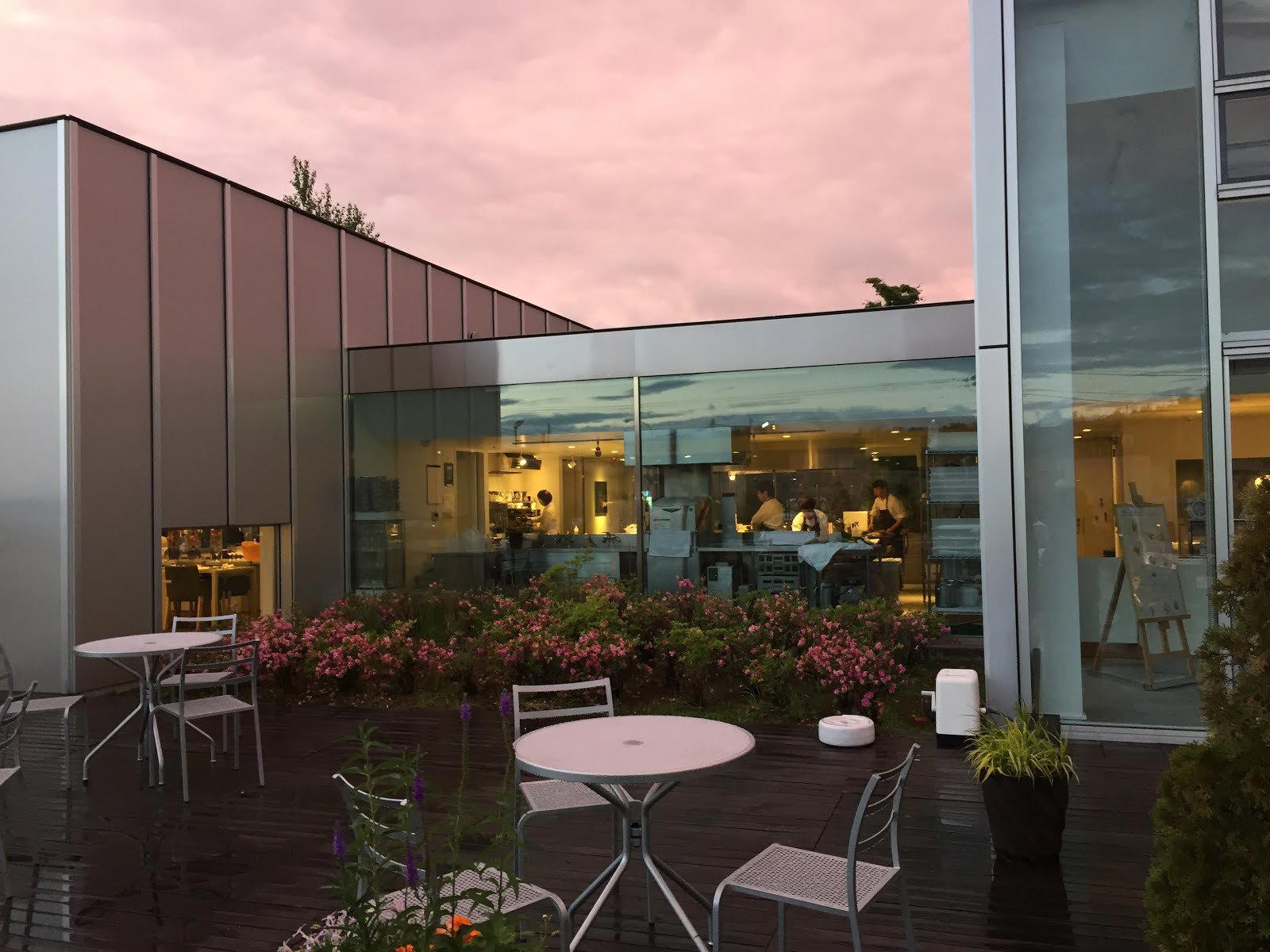
Farming Country as the Kitchen's Foundation
Biei sits on a broad plateau in central Hokkaido, about 150 kilometres east of Sapporo, where the fields roll into low hills in a pattern of lavender, wheat, potato, and asparagus. The town is known primarily as a photography destination, its patchwork geometry appearing regularly in Japanese calendars and tourism campaigns. What brings a different kind of traveller here is the concentration of serious agricultural production and, built directly on top of that production, a small cluster of restaurants that take the sourcing argument further than most urban operations ever could.
Asperges sits inside that cluster. Its name references the asparagus that Hokkaido's cooler climate produces with particular intensity, and the framing is deliberate: this is a restaurant whose identity is inseparable from the growing conditions of the plateau around it. The editorial case for visiting Biei specifically to eat is partly about individual kitchens, but more fundamentally about what happens when fine dining abandons the city supply chain entirely and builds its calendar around what the surrounding fields are actually doing. That model is well established in France's Basque country and in pockets of Scandinavia, but in Japan it remains rare enough outside Kyoto's immediate hinterland to constitute a distinct category.
Where Hokkaido's Produce Argument Gets Specific
Hokkaido supplies roughly a third of Japan's agricultural output by volume, and Biei's micro-region accounts for a disproportionate share of the premium end of that production. The plateau's volcanic soil, long cold winters, and short but intense growing season create conditions that concentrate flavour in root vegetables, brassicas, and alliums in ways that warmer regions cannot replicate. White asparagus from Biei specifically has become a reference-point product in Japanese fine dining circles, appearing on tasting menus in Tokyo and Osaka as a premium imported ingredient from within the country's own borders.
For a kitchen operating in Biei rather than importing from it, that geography is a structural advantage rather than a seasonal luxury. The gap between harvest and plate collapses, and the menu's rhythm follows the field's rhythm rather than a fixed programme developed months in advance. This is the meaningful difference between ingredient-forward cooking in a capital city, even one with strong producer relationships, and ingredient-forward cooking at the source. The former is a supply relationship; the latter is a shared seasonal reality.
That distinction matters when thinking about how Asperges positions against the broader tier of Japanese restaurants committed to local sourcing. Kitchens like HAJIME in Osaka and Goh in Fukuoka build menus around seasonal Japanese produce but operate in urban contexts where sourcing is mediated through distributors and market relationships. A restaurant in Biei's position can negotiate that relationship entirely differently.
The Terrain Japanese Fine Dining Rarely Occupies
Japan's restaurant recognition infrastructure concentrates heavily in Tokyo, Osaka, and Kyoto. Michelin coverage in Hokkaido exists but is limited compared to those three cities, and the secondary tier of guide attention, including international editorial recognition in outlets that cover Japanese dining, follows the same geography. This means that restaurants in rural Hokkaido operating at high technical levels often function below the radar of travellers whose itineraries are shaped by award lists. Harutaka in Tokyo and Gion Sasaki in Kyoto represent the kind of destination restaurants that shape most fine-dining itineraries in Japan; Biei asks travellers to make a different kind of trip calculation entirely.
The comparison is worth making explicitly. A counter like Atomix in New York City or a kitchen like Le Bernardin holds its position partly through urban density, the concentration of press, critics, and the dining public in a single place. Rural fine dining operates on a different logic: the journey itself becomes part of the value proposition, and the restaurant's connection to its immediate geography has to justify the additional planning effort. When that connection is genuine and the cooking delivers, the argument for making the trip is strong.
Dining options in Sapporo represent the metropolitan anchor for Hokkaido food itineraries, but Biei functions as a worthwhile extension rather than an alternative.
Japan's regional dining scene beyond the three major cities has been developing steadily. akordu in Nara and operations like restaurants in Nanao reflect a broader pattern of serious kitchens establishing themselves in secondary cities and rural prefectures, drawing from local producers in ways that the capital cities cannot. Biei sits on the northern edge of that pattern, geographically remote but logistically accessible from Sapporo in under two hours by road.
Planning a Visit to Biei's Restaurant Tier
Biei's dining scene is small, which means advance planning matters more here than in a city with fifty restaurants operating at the same level. The asparagus season runs roughly from late April through June, which represents the period when the plateau's signature produce is at its most intense and when menus built around it are operating at their most coherent. Summer brings a second wave of produce, and autumn root vegetables extend the high-interest window through October. Midwinter is quieter, though the landscape itself draws visitors year-round.
Because the restaurant operates in a rural town rather than a city, accommodation logistics require separate attention. Biei has a small number of guesthouses and farm stays that suit the pace of a plateau visit; Asahikawa, thirty minutes by rail, provides a wider range of hotel options for those preferring an urban base. Between The Bread in Biei offers a point of reference for the town's wider food offering, rounding out the picture of what the plateau supports across different dining registers.
Travellers assembling Japan itineraries that extend beyond the standard Tokyo-Kyoto-Osaka circuit will find the Biei plateau a worthwhile addition rather than a detour. The ingredient sourcing case is made by the land itself; the kitchen at Asperges builds on it.
Quick Comparison
Comparable venues nearby, for context on price, style, and recognition.
| Venue | Cuisine | Price | Awards | Notes |
|---|---|---|---|---|
| AspergesThis venue — the venue you are viewing | Seasonal French with Biei Vegetables | $$$ | , | |
| Between The Bread | Local Biei Burgers | $$ | , | Shirogane |
| ル・ボークープ | Seasonal French Bistro | $$$ | , | Shibuya |
| ビストロ ダイア | Neo French Bistro | $$$ | , | Shinei |
| à nu Shohei Shimano | French Fine Dining | $$$ | , | Hiroo |
| A New Trulve V | French Fine Dining | $$$ | , | Shibuya |
Continue exploring
More in Hokkaido (Biei)
Restaurants in Hokkaido (Biei)
Browse all →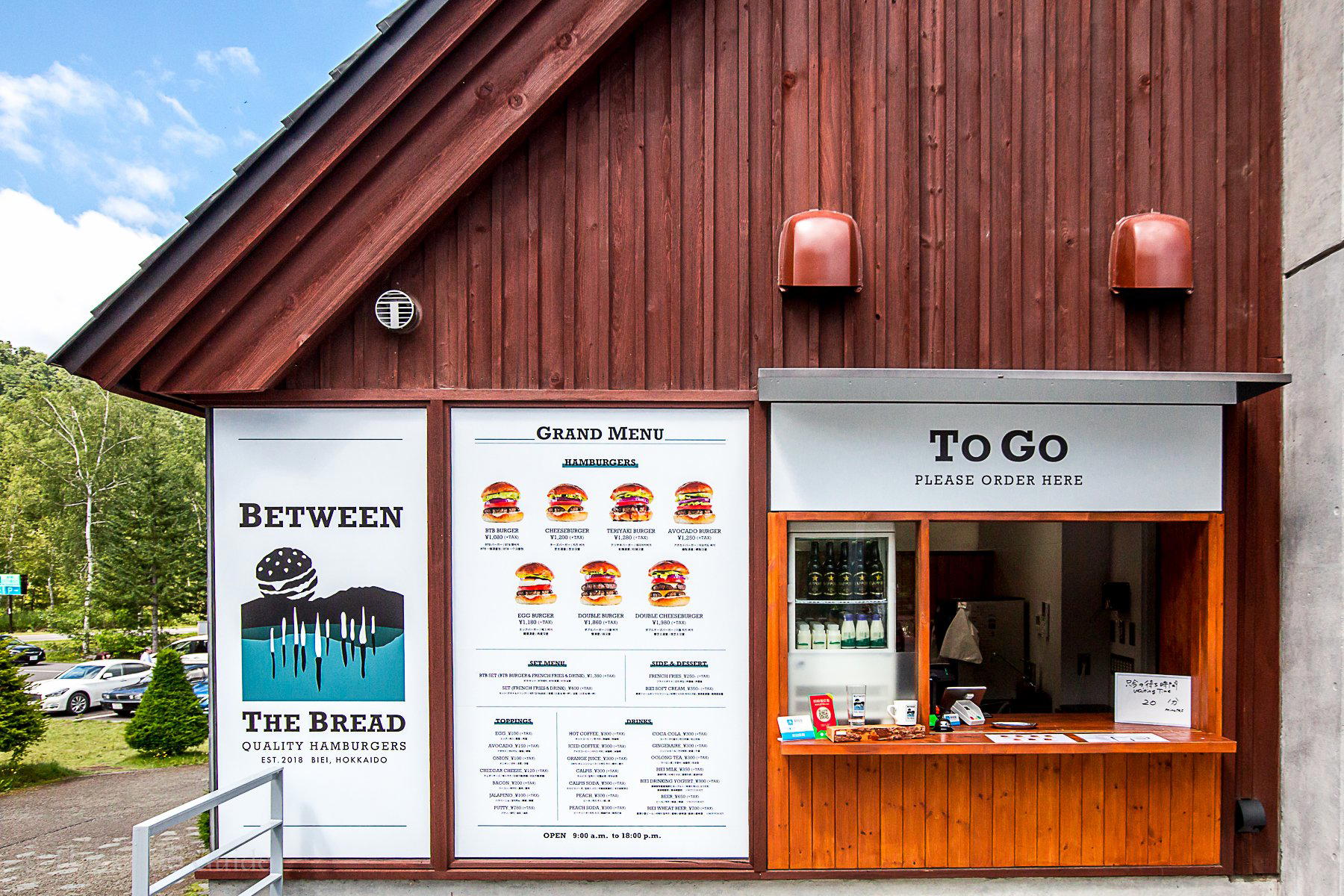
At a Glance
- Cozy
- Elegant
- Scenic
- Rustic
- Special Occasion
- Date Night
- Open Kitchen
- Sake Program
- Local Sourcing
- Farm To Table
Simple, comfortable, and relaxing with large windows offering airy space and natural light, fitting the laid-back countryside setting.