Between The Bread
Between The Bread sits in Biei, the agricultural heart of Hokkaido, where Japan's northern farming traditions shape what ends up on the plate. Operating in one of Japan's most ingredient-rich prefectures, the restaurant draws on the same landscape of dairy farms, wheat fields, and lavender that defines the Furano-Biei corridor. Practical details, booking information, and current hours are best confirmed directly before visiting.
 Request Booking on Pearl
Pearl is the En Primeur Club membership app — saves, bookings, and concierge access live there. Same editors, same standards.
Biei and the Culture of Ingredient-Led Dining in Hokkaido
Biei sits roughly in the geographic centre of Hokkaido, Japan's northernmost main island and the prefecture that supplies a disproportionate share of the country's dairy, wheat, potato, and livestock production. That agricultural identity is not incidental to dining here, it is structural. Restaurants operating in the Furano-Biei corridor have access to ingredients that chefs in Tokyo or Osaka would source at significant cost and time delay, and the short supply chain between farm and kitchen tends to show directly in what arrives at the table. For visitors arriving from major Japanese cities, the contrast in ingredient provenance is one of the more concrete differences in the dining experience, not merely a talking point.
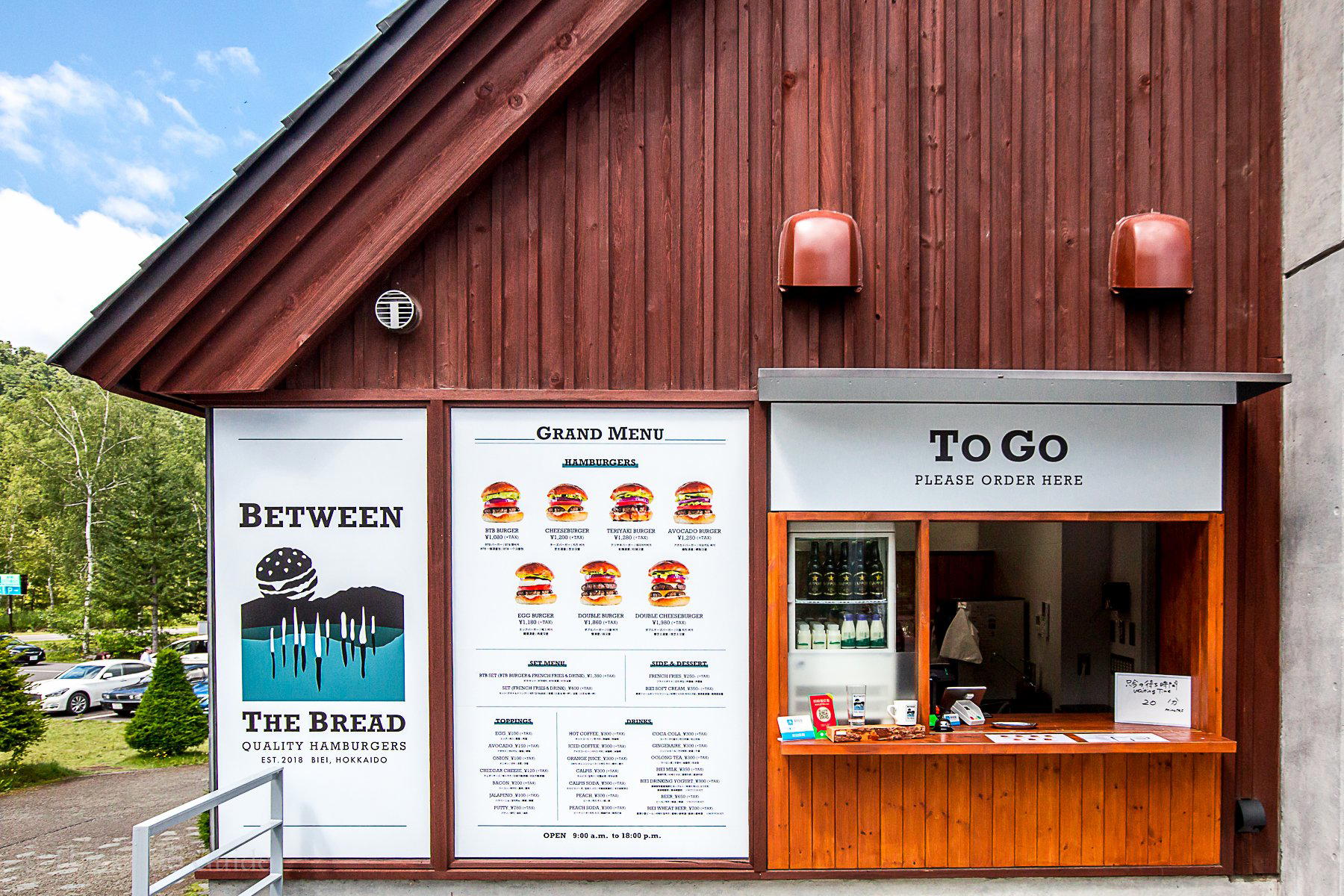
Between The Bread is a restaurant in Biei, Hokkaido, known for Local Biei Burgers and priced at about $15 per person. The name itself gestures toward the bread-making tradition anchored in Hokkaido's wheat production, a crop that accounts for a substantial portion of Japan's domestic harvest and that carries a regional specificity rarely explored with the same seriousness as, say, Kyoto's kaiseki repertoire or Tokyo's sushi counter culture. Understanding the venue requires understanding the broader story of Hokkaido as a food-producing region that has, in recent decades, developed a parallel identity as a destination for ingredient-conscious dining.
Hokkaido's Position in Japan's Dining Hierarchy
Japan's restaurant culture tends to concentrate prestige in three cities: Tokyo, Osaka, and Kyoto. The country's Michelin coverage has historically reflected that gravity, venues like HAJIME in Osaka, Harutaka in Tokyo, and Gion Sasaki in Kyoto sit at the upper tier of their respective cities and command the kind of advance booking and pricing that signals full integration into Japan's formal dining ecosystem. Hokkaido occupies a different position: it has starred restaurants in Sapporo, but dining in smaller towns like Biei tends to operate outside the formal award infrastructure while drawing on ingredient advantages that urban venues cannot easily replicate.
That positioning is not a deficit. Venues in Sapporo, including 夕仙山乃, demonstrate that Hokkaido's culinary scene has depth beyond its agricultural reputation. Further afield, places like akordu in Nara and Goh in Fukuoka show how serious dining has spread beyond the three traditional capitals across Japan. Biei, in that national context, represents a different bet: proximity to the source rather than proximity to the audience.
The Cultural Roots of Bread and Wheat in Northern Japan
Hokkaido's wheat cultivation has a relatively recent history by Japanese standards, large-scale farming accelerated through Meiji-era land development policies in the late nineteenth century, transforming what had been Ainu territory into one of Japan's primary agricultural zones. The island's cooler climate and open terrain proved well-suited to wheat varieties that produce flour with characteristics valued in both bread-making and noodle production. Today, Hokkaido wheat underlies a significant portion of Japan's artisan bread movement, which has grown substantially since the early 2000s and now occupies a distinct cultural space between French baking tradition and Japanese precision technique.
A venue named Between The Bread in Biei is, at minimum, making a statement about that tradition. The bread culture that has developed in Japan over the past two decades draws on French and European technique but adapts it to local grain characteristics and Japanese aesthetic sensibilities around texture, crust weight, and fermentation depth. That conversation between imported method and local ingredient is one of the more intellectually interesting threads in contemporary Japanese food culture, comparable in some respects to the way Atomix in New York City translates Korean culinary logic into a fine-dining format that neither domesticates nor dilutes its source material.
Biei as a Dining Destination: What the Setting Means Practically
Biei is a town of roughly ten thousand residents, accessible by train from Asahikawa, the nearest city of significant size, in under thirty minutes. The town draws visitors primarily through its agricultural scenery: the patchwork fields of the Biei hills have become a visual shorthand for rural Hokkaido in Japanese tourism marketing. That visitor base creates an unusual dining audience: people who arrive for landscape and find food culture as a secondary discovery, which tends to support smaller, specialist operators rather than high-volume restaurant formats.
The closest peer in the immediate area is Asperges, also in Biei, which anchors the town's position as a location where ingredient-led dining has developed genuine traction. For the broader Hokkaido region,
The Furano-Biei area peaks in visitor volume between late June and August, when the lavender fields and sunflower farms draw domestic and international tourists. Dining demand compresses into that window, and securing a table during peak summer season at any of Biei's more established venues requires advance planning. The shoulder seasons, May and September to October, offer cooler conditions and, typically, shorter waits, with autumn bringing its own produce cycle that shifts what's available from local farms.
Where Between The Bread Fits in the Broader Scene
Without confirmed data on format, seating capacity, or price tier, precise peer comparisons are difficult to draw. What is available is the contextual framework: a venue operating under the name Between The Bread in Biei most naturally occupies the space where Hokkaido ingredient culture meets the Japanese artisan bread movement, a niche that has attracted serious practitioners across the island. At the upper end of Japan's dining spectrum, French-inflected technique applied to northern ingredients is a template that has produced some of the country's more interesting contemporary work, comparable in ambition if not format to what Le Bernardin in New York City represents within French seafood tradition: clarity of focus applied with technical discipline.
Other regional comparisons worth holding in mind include 一本木 石川製 in Nanao and 湖畔荘 in Takashima, venues that demonstrate how Japan's smaller cities and rural towns have developed dining identities rooted in hyper-local ingredient access. The pattern is consistent: where the ingredient story is strong enough, the format can be modest and the result still compelling. Between The Bread sits within that tradition, in a town that has earned its place on the map of ingredient-serious dining in northern Japan.
Planning Your Visit
Visitors coming specifically for Between The Bread should treat the trip as part of a wider Biei itinerary rather than a standalone dining destination journey. The town is compact, the scenery significant, and the dining scene concentrated enough that a well-planned two-day visit can cover the key addresses. Asahikawa functions as the practical base for those arriving by air, with the Furano-Biei area served by the JR Furano Line.
Budget Reality Check
Comparable venues nearby, for context on price, style, and recognition.
| Venue | Cuisine | Price | Awards | Notes |
|---|---|---|---|---|
| Between The BreadThis venue — the venue you are viewing | Shirogane, Local Biei Burgers | $$ | , | |
| Asperges | $$$ | , | Biei, Seasonal French with Biei Vegetables | |
| Chillmatic Hamburger & Bistro | Shibuya, Burger bistro | $$ | , | |
| SHOGUN BURGER Shinjuku ten | Shinjuku, Wagyu smash burgers & fries | $$ | , | |
| Sasebo Burger BigMan Kyomachi honten | $$ | , | Kamikyomachi, Sasebo‑style burger shop | |
| baga tokidoki youshokutei | $$ | , | Shin-Yahashira / Yabashira, Hamburgers & Japanese-style Western cuisine in a Japanese tatami setting |
Continue exploring
More in Hokkaido (Biei)
Restaurants in Hokkaido (Biei)
Browse all →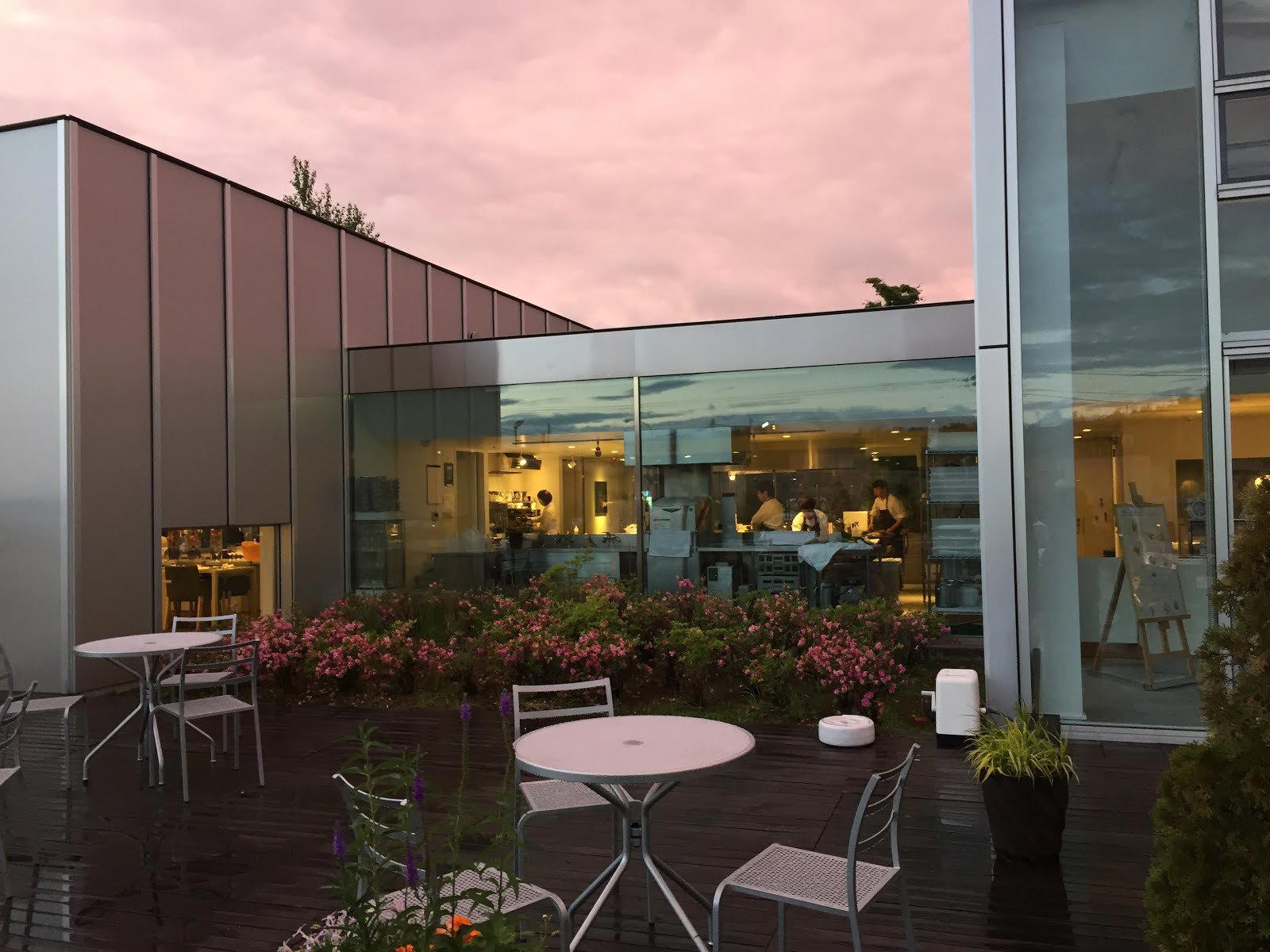
At a Glance
- Rustic
- Scenic
- Cozy
- Casual Hangout
- Family
- Garden
- Beer Program
- Local Sourcing
- Mountain
- Garden
Relaxed roadside station atmosphere with indoor seating and open terrace surrounded by woods and mountains, non-smoking with free WiFi.