ASIN brings Singapore’s Progressive Asian conversation into focus: a category shaped by hawker memory, regional technique, and the city’s appetite for contemporary dining formats. With no public award or pricing signal attached, it reads less as trophy dining and more as a useful lens on how modern Asian restaurants in Singapore translate familiar flavours into a composed restaurant setting.

Pearl is the En Primeur Club membership app — saves, bookings, and concierge access live there. Same editors, same standards.
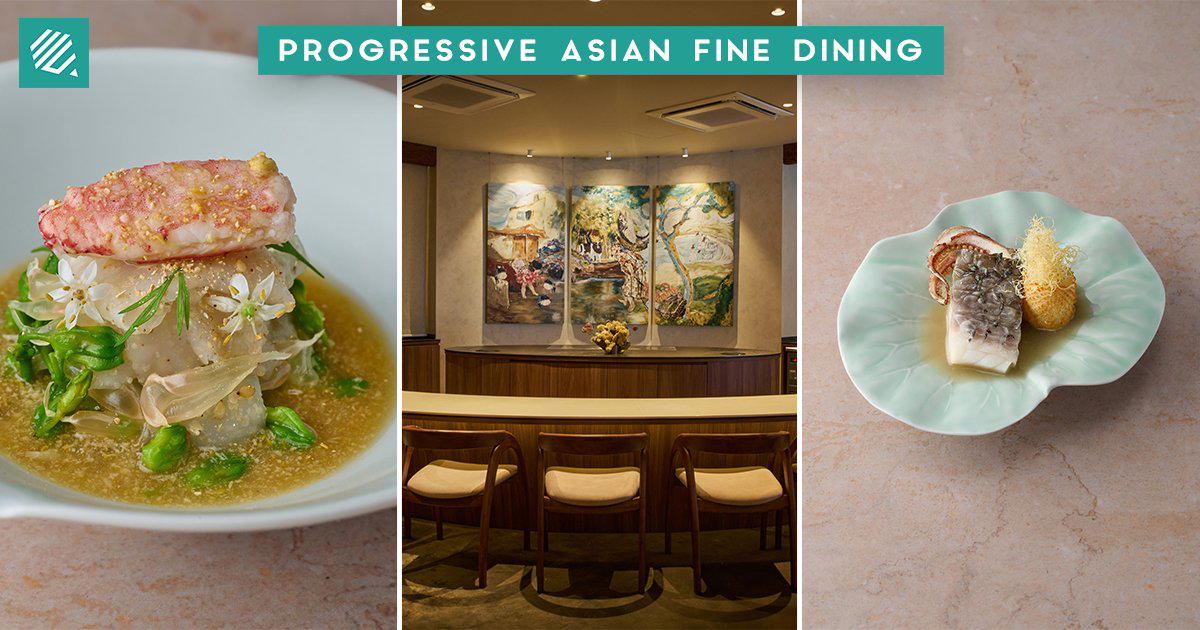
Approaching a contemporary Asian table in Singapore means passing through a city where food memory is unusually precise. Laksa, fishball noodles, popiah, banana-leaf meals, hotel dining rooms, dessert counters and tasting-menu formats all sit within the same compact island. ASIN belongs to the Progressive Asian side of that conversation, where the point is not to preserve a dish in museum glass, but to ask how regional flavours can survive a more composed restaurant frame.
Progressive Asian cooking in a city that knows its references
Singapore is a demanding place for this category because diners already carry strong benchmarks. A bowl of prawn noodles, a Peranakan laksa, or a plate of chicken rice is not an abstract inspiration here; it is daily muscle memory. That makes Progressive Asian cooking harder than fusion shorthand. It has to show control without sanding away the source material.
ASIN’s stated cuisine, Progressive Asian, places it in a broad but increasingly serious lane. The category can include modern plating, cross-border technique, fermentation, reworked sauces, or tasting-menu pacing, but in Singapore it is judged against the clarity of the original flavours. The city’s casual canon remains essential context: 328 Katong Laksa (Peranakan), 545 Whampoa Prawn Noodle, Ah Ter Teochew Fishball Noodles in Downtown Core, and Ann Chin Popiah in Outram show how much technique can live inside food that looks plain at first glance.
That context matters because Singapore’s modern restaurants cannot rely on novelty alone. Diners here know when sambal has lost its bite, when broth lacks depth, when texture has been sacrificed for presentation. Progressive Asian rooms earn attention when they understand that refinement is not the same as dilution.
Where ASIN fits in Singapore's dining grammar
ASIN is better read as part of Singapore’s wider restaurant grammar than as an isolated address. The city has long allowed high and low formats to sit close together: hawker centres, hotel restaurants, dessert specialists, Japanese-influenced counters, and chef-led dining rooms all compete for the same evening. That proximity makes the scene unusually unsentimental. A polished room has to justify itself with structure, not just atmosphere.
For travellers mapping the city through meals, the useful move is to pair contemporary Asian cooking with older reference points rather than treating it as a separate lane. A day might move from Banana Leaf Apolo in Rochor to a modern restaurant, or from Bugis Street Ah Huat Hainanese Chicken Rice in Changi Airport to a more composed dinner. That contrast explains Singapore better than a single luxury booking can.
The city’s contemporary range is broad. 15 Stamford Restaurant sits within the hotel-dining tradition, 1887 by André speaks to chef-led modernity, 2am:dessertbar (Dessert Bar) shows how specialist formats can carry serious ambition, and Béni in Orchard reflects the city’s appetite for precision-led dining. ASIN’s Progressive Asian label belongs within that ecosystem, where Asian memory and restaurant technique keep testing each other.
How to build a Singapore itinerary around the table
ASIN makes the greatest sense for diners who want modern Asian cooking as part of a wider Singapore itinerary, not as a single proof point. The city rewards eating across formats: street-level stalls for calibration, specialist counters for technique, and contemporary dining rooms for interpretation. That is also why Singapore’s restaurant conversation travels well beyond the dinner plate into bars, hotels, and cultural planning.
Use Our full Singapore restaurants guide as the main dining map, then widen the trip through Our full Singapore hotels guide, Our full Singapore bars guide, Our full Singapore wineries guide, and Our full Singapore experiences guide. Visitors continuing through the region or across the Pacific can also use nearby editorial references such as Asian Twist by 365 Food in Queenstown, Jōdo Saké Bar in Los Angeles, and Onigiri Time in Pasadena to compare how Asian formats change when they leave their original setting.
The editorial read is simple: ASIN is for diners interested in Singapore’s modern Asian register, especially those who understand that the city’s contemporary cooking is strongest when it keeps faith with hawker precision, regional seasoning, and disciplined restaurant pacing. Treat it as one stop in a larger study of how Singapore eats now.
How It Compares
Comparable venues nearby, for context on price, style, and recognition.
| Venue | Cuisine | Price | Awards | Notes |
|---|---|---|---|---|
| ASINThis venue — the venue you are viewing | Progressive Asian Fine Dining | $$$$ | Not listed | Not listed |
| SUSHISAMBA Singapore | Japanese-Peruvian-Brazilian Fusion | $$$$ | Not listed | CECIL |
| Mustard Seed | Modern Singaporean (Mod-Sin) | $$$$ | Michelin Plate | SERANGOON GARDEN |
| 67 pall mall | Modern Fusion with Asian-Inspired Classics | $$$$ | Not listed | CENTRAL WATER CATCHMENT |
| Shatōburian | Premium Japanese Yakiniku | $$$$ | Not listed | BOULEVARD |
| Art di Daniele Sperindio (Temp. closed) | Neo-Italian Michelin-starred fine dining | $$$$ | Not listed | .null |
Continue exploring
More in Singapore
Restaurants in Singapore
Browse all →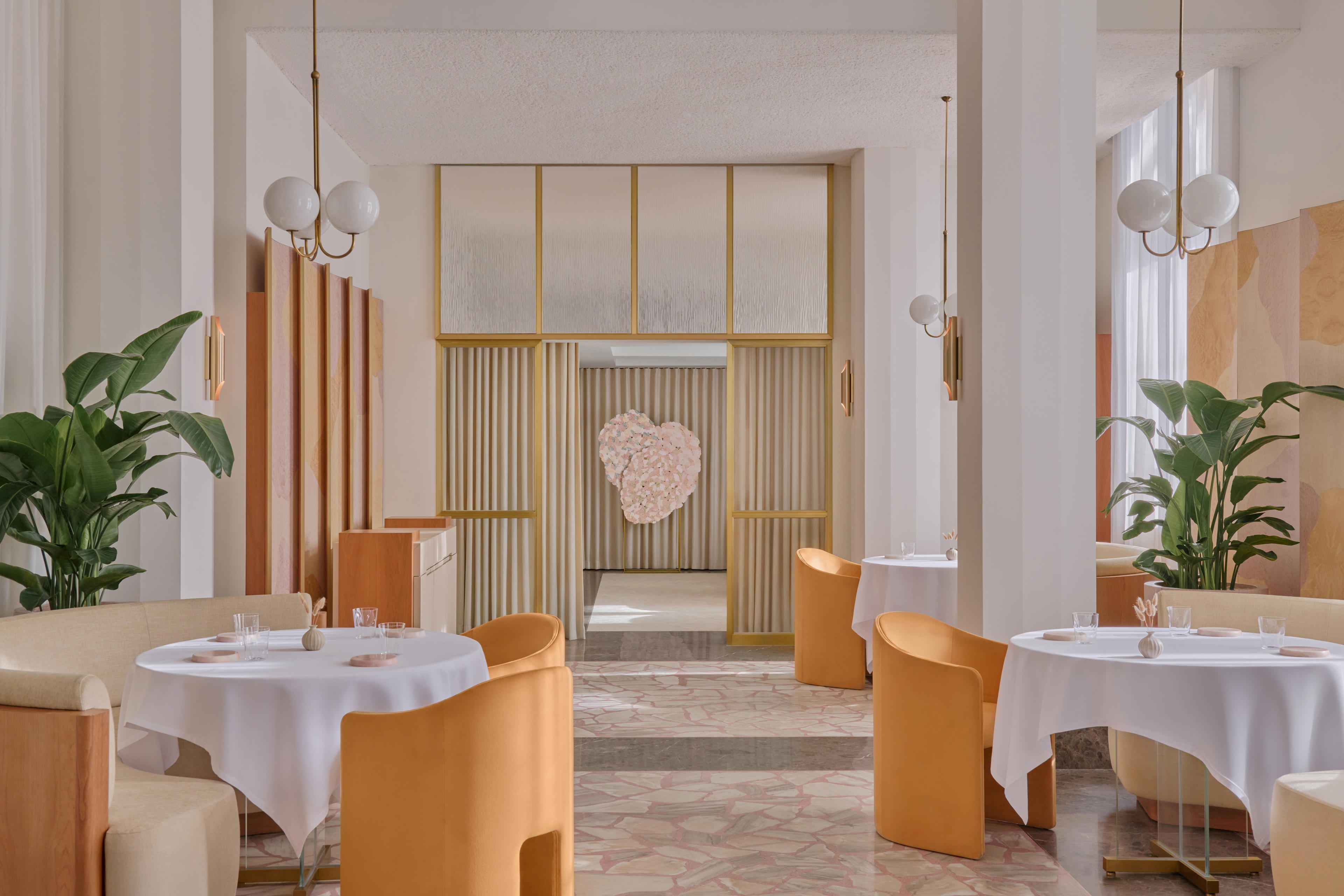
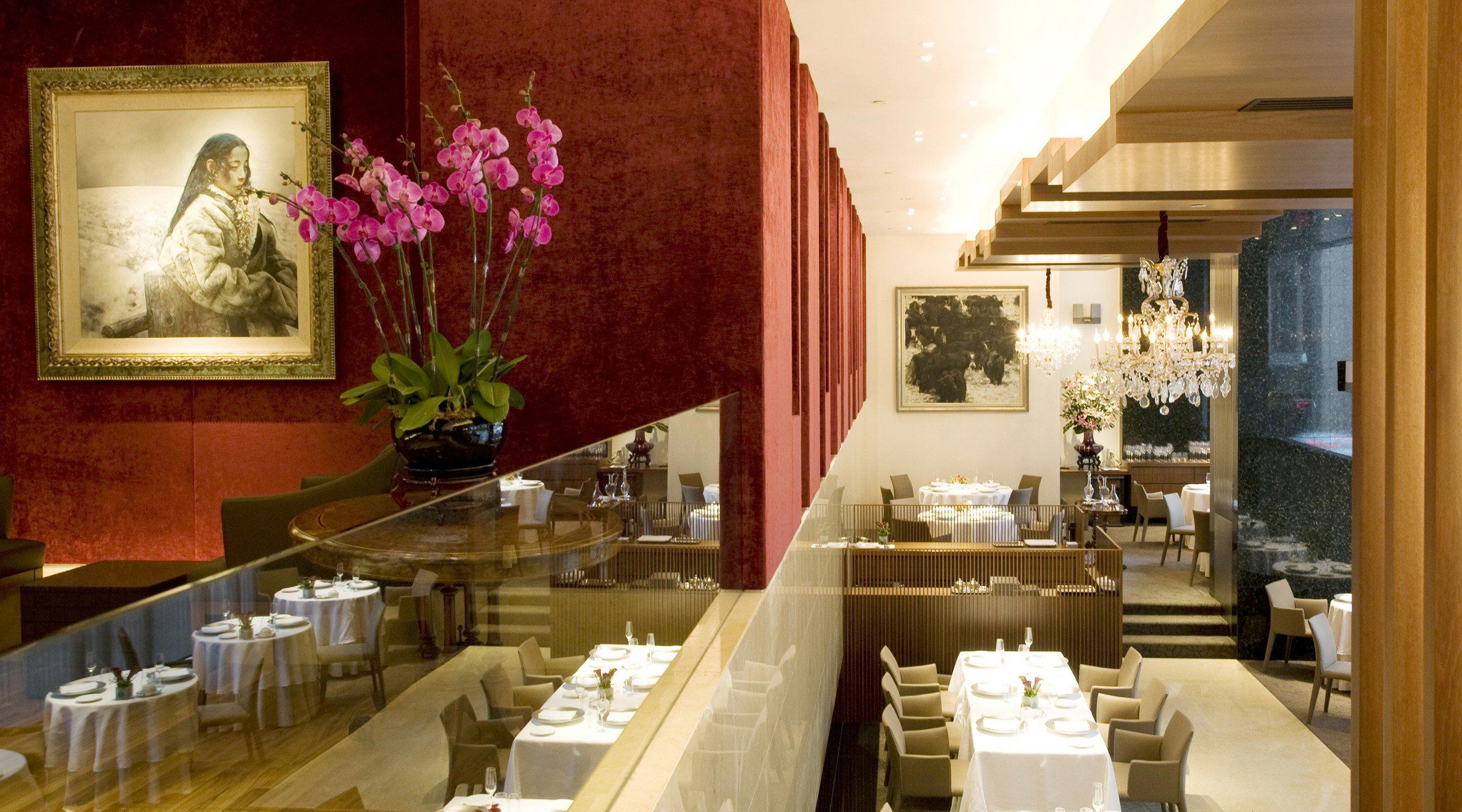
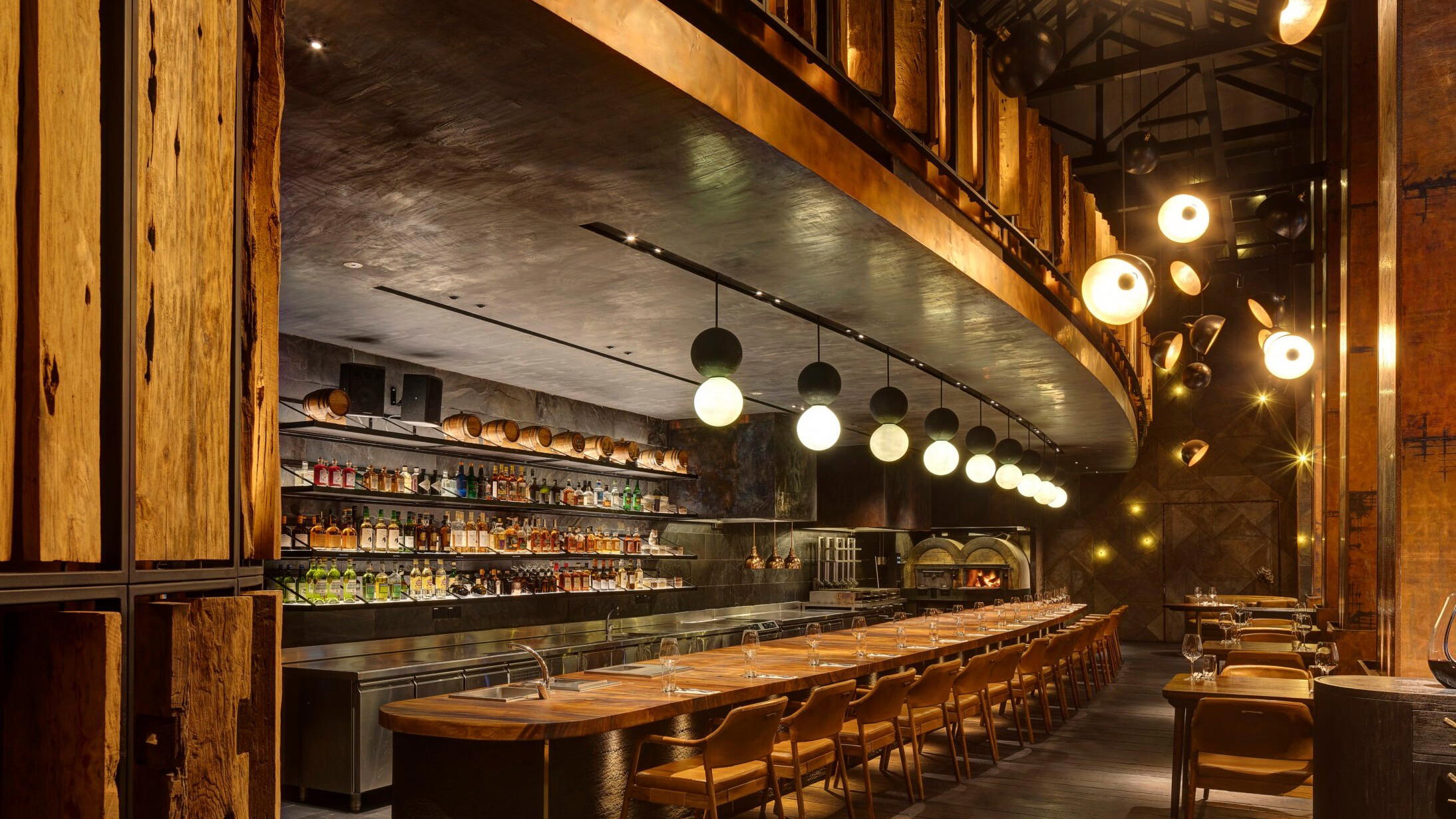
Bars in Singapore
Browse all →
At a Glance
- Elegant
- Intimate
- Modern
- Sophisticated
- Trendy
- Special Occasion
- Date Night
- Business Dinner
- Group Dining
- Chefs Counter
- Private Dining
- Design Destination
- Standalone
- Craft Cocktails
- Extensive Wine List
- Local Sourcing
- Sustainable Seafood
- Farm To Table
Current opening hours
- Monday
- Closed
- Tuesday
- Closed
- Wednesday
- 6–10:30 PM
- Thursday
- 6–10:30 PM
- Friday
- 6–10:30 PM
- Saturday
- 6–10:30 PM
- Sunday
- 6–10:30 PM
Hours can change for holidays and private events. Last verified .
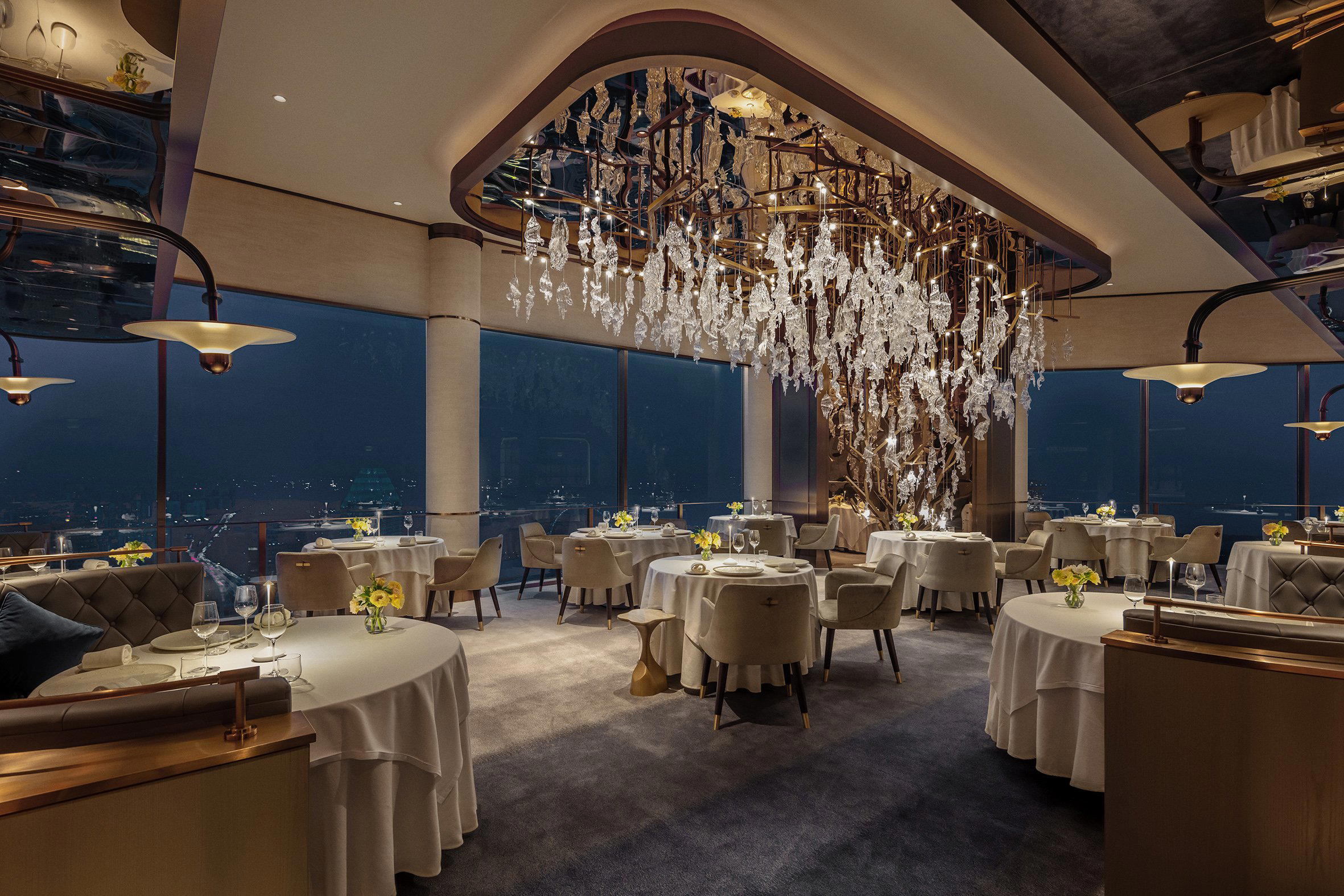
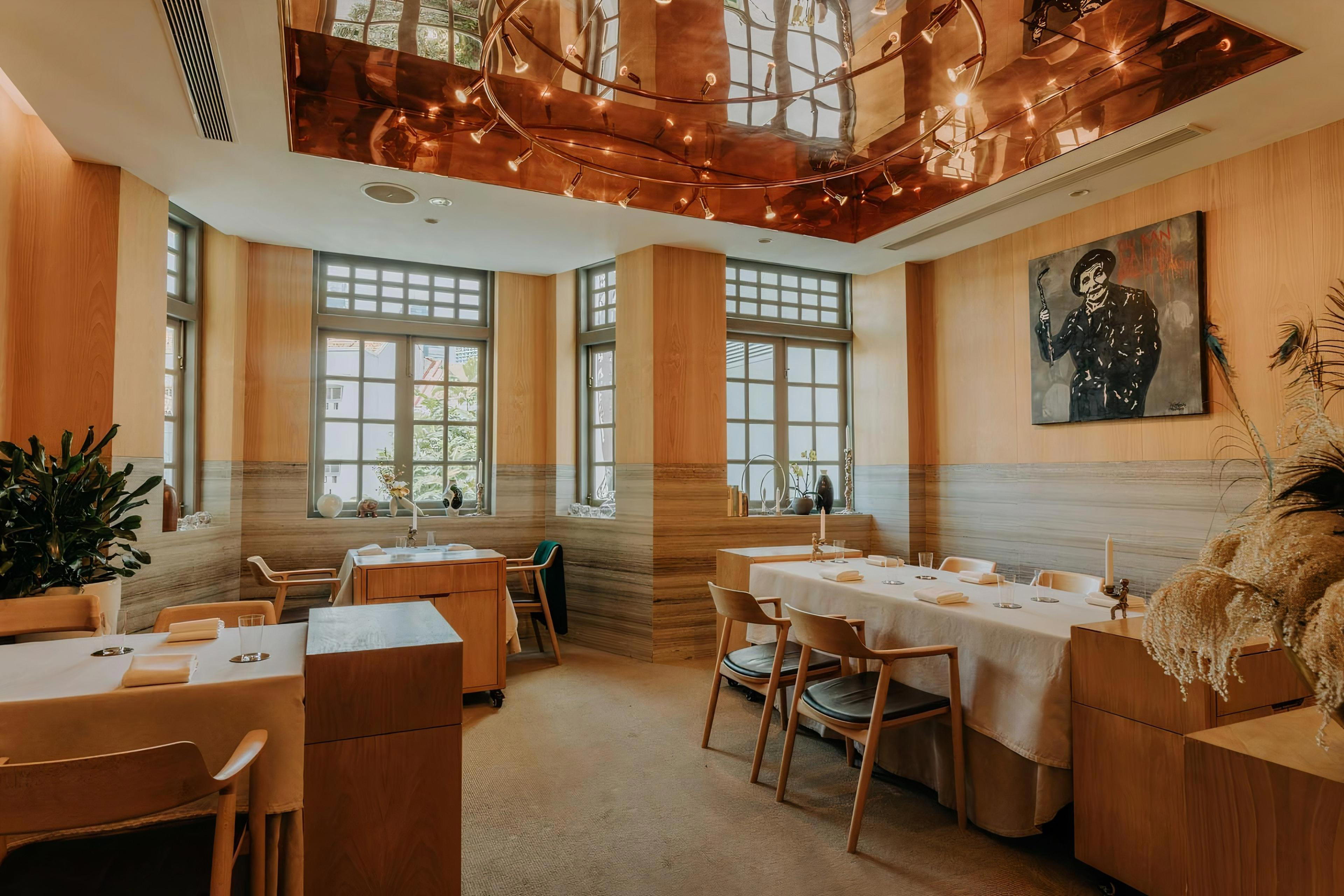
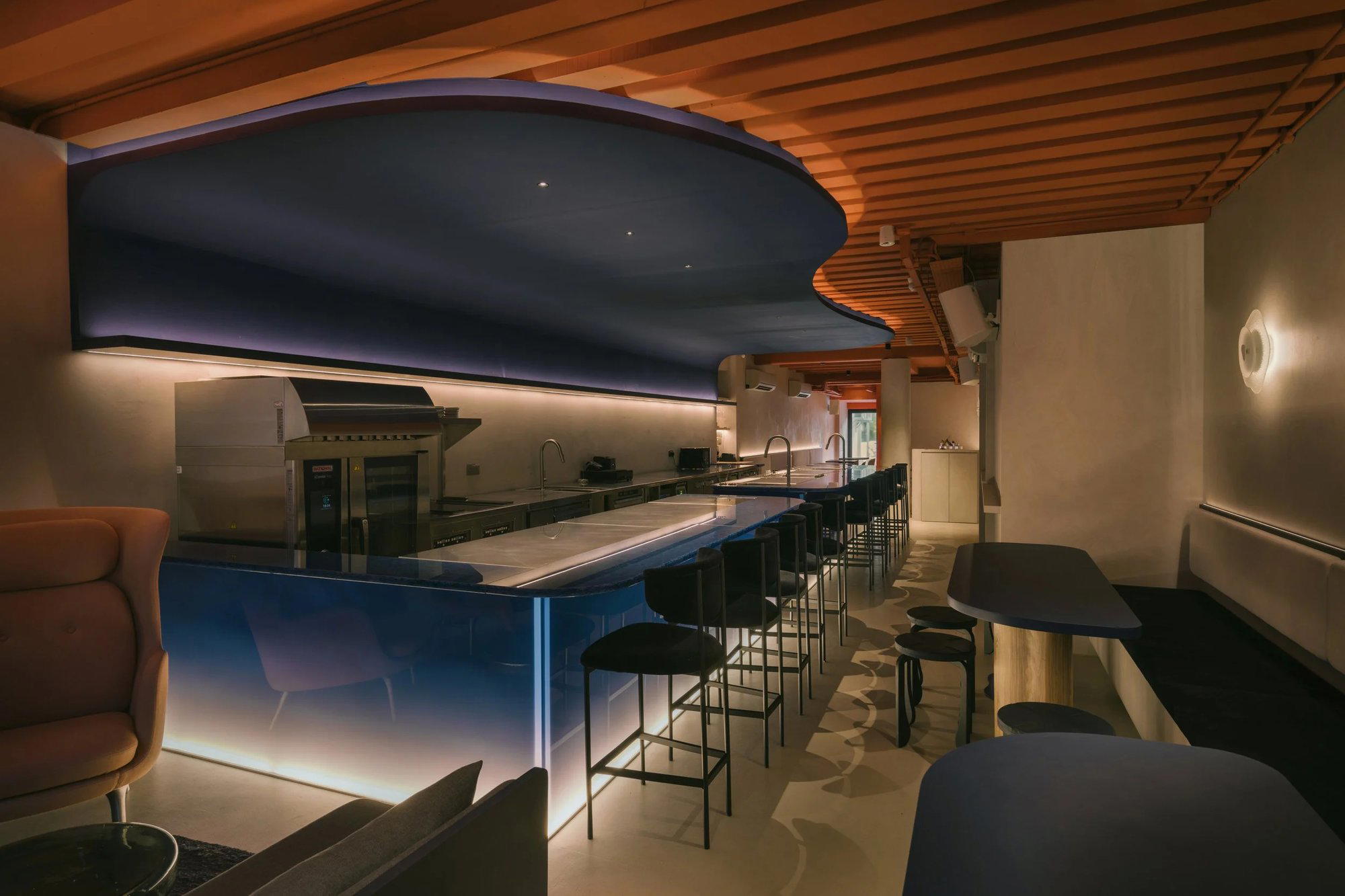
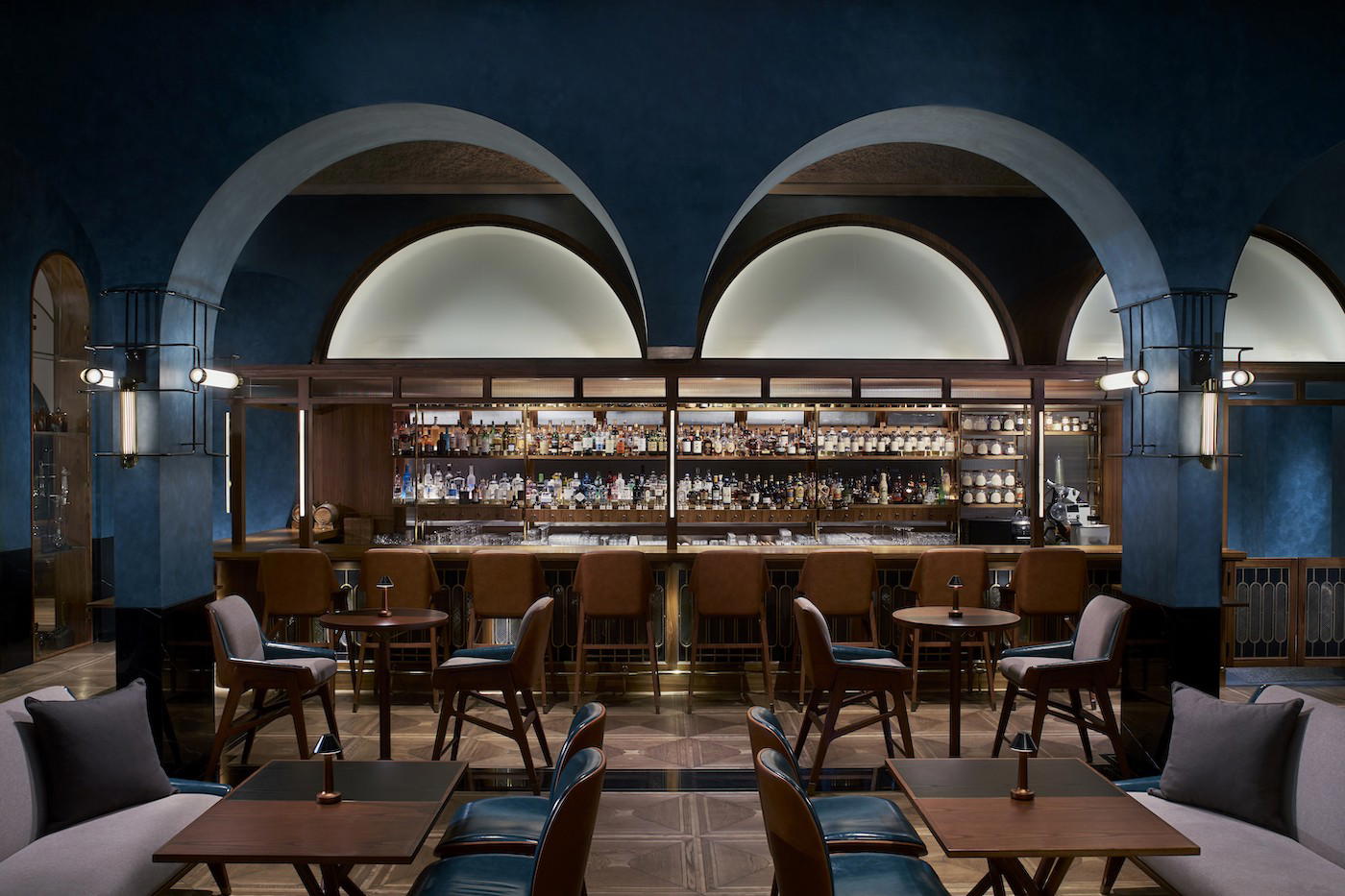
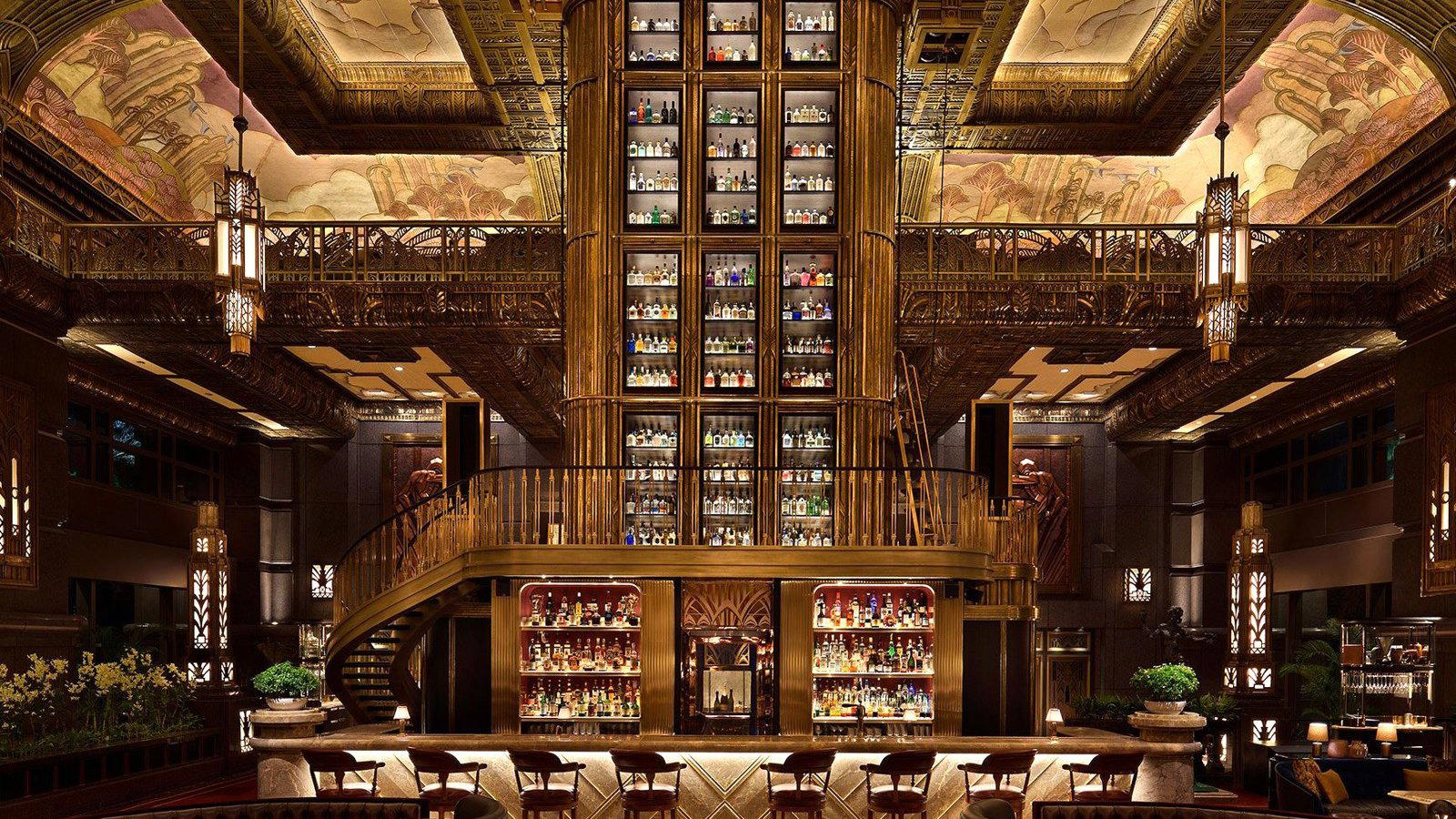
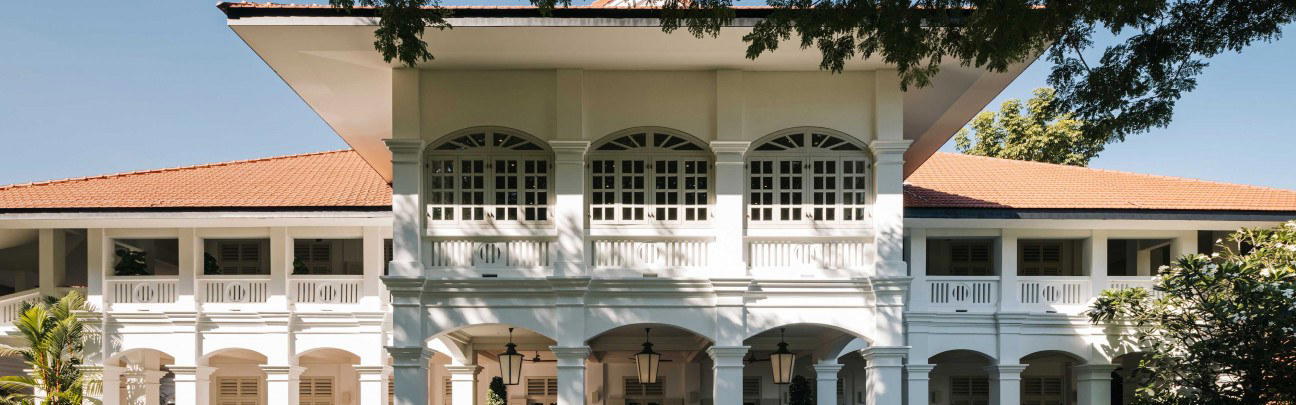
Refined and contemporary fine-dining atmosphere in a small 22-seat space with a counter, main dining room and private room, accented by artist Chloe Woon’s artworks for a modern, thoughtful Asian-inspired setting.