
Shatōburian in Singapore’s Palais Renaissance presents Modern Japanese yakiniku centred on A5 wagyu. Must-try plates include the Shato-Sando (chateaubriand wagyu, glazed foie gras, freshly grated truffle), the Premium Wagyu Don (steak-cut wagyu, unagi, foie gras, sea urchin, ikura, onsen egg, shaved truffles) and misuji grilled tableside. The kitchen imports wet-aged Hida wagyu from authorised Japanese auction houses and serves each cut with Himalayan salt or tare for focused seasoning. Tableside grills deliver controlled searing and a buttery mouthfeel, while a nose-to-tail philosophy and attentive service create a precise, intimate dining experience on Orchard Road.
Pearl is the En Primeur Club membership app — saves, bookings, and concierge access live there. Same editors, same standards.
- Address
- 390 Orchard Rd, #02 - 08, Singapore 238871
- Phone
- +65 6904 3308
- Website
- shatoburian.com.sg
- Directions
- Get directions
 Saves & bookings on Pearl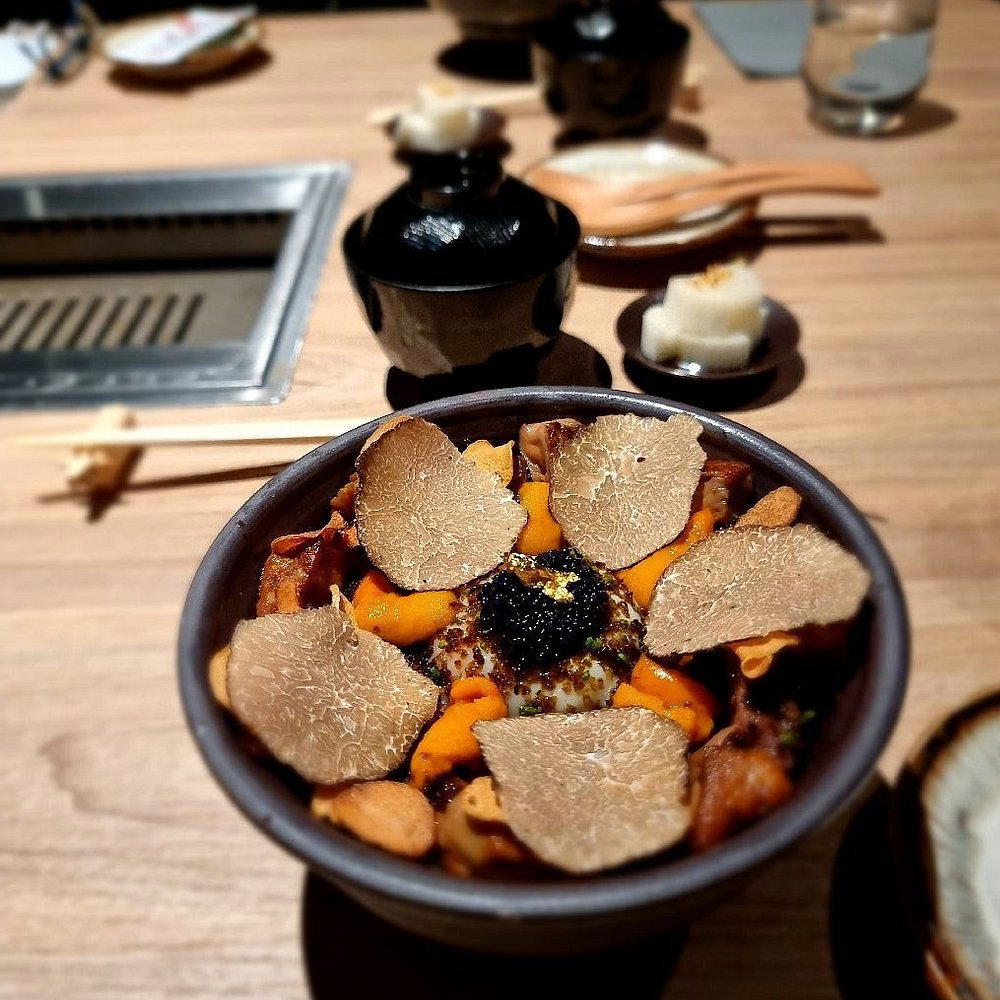
A5 on Orchard Road: Where Singapore's Wagyu Obsession Gets Serious
The second floor of Palais Renaissance sits at an unhurried remove from the Orchard Road foot traffic below. Up here, the pace changes. The lighting drops, the room narrows, and the attention shifts to what arrives at the table. This is the register that Shatōburian occupies: a focused, format-driven counter for premium Japanese wagyu, where the sourcing logic and the cooking approach are inseparable from the experience of being there.
Singapore's appetite for A5 wagyu has grown considerably over the past decade, tracking a broader regional shift toward Japan's most tightly controlled beef designations. Where that interest once clustered around teppanyaki chains and hotel steakhouses, the city now supports a smaller, more specialist tier of dedicated wagyu rooms. Shatōburian sits in that tier, positioned not as a steakhouse in the Western sense but as a setting where the procurement and presentation of the beef is the whole point.
The Logic of the Sourcing
What separates the specialist end of Singapore's wagyu scene from the wider market is procurement discipline. Shatōburian sources exclusively from authorised Japanese auction houses, a supply-chain detail that matters more than it might initially appear. Japanese A5 wagyu operates under a designation system verified at the prefectural level, and auction-house sourcing is one of the mechanisms through which that chain of verification is maintained outside Japan. The wet-ageing method applied here, listed as Japan-origin wet ageing, preserves the cut's inherent marbling character without the drying effects that would alter the fat distribution in the beef.
The cut range at Shatōburian covers ground from the well-known to the less familiar. The chateaubriand, the restaurant's namesake cut, represents the tenderloin's centre section: lower in fat than the ribeye, with a cleaner, more muscular sweetness. The misuji, a cut taken from the shoulder blade area, carries denser marbling and a more complex chew, a specialist choice that signals the kitchen's confidence in offering cuts that require explanation rather than defaulting to particularly recognisable options.
The Tableside Dimension
Tableside grills define the format here, and they change the sensory character of the meal in specific ways. The room carries the low, consistent smell of high-grade beef fat rendering at controlled heat. The sound is modest, a quiet sizzle rather than the dramatic flare of a teppan kitchen. Cooking at the table shifts the diner from passive recipient to active participant, which in the context of A5 wagyu is a deliberate choice: the fat profile of this grade of beef is sensitive to time and temperature, and tableside preparation makes that precision visible rather than concealing it in the kitchen.
Chef Simon Lam oversees the kitchen's approach, which is calibrated to let the beef carry the meal rather than surrounding it with technique for its own sake. That restraint is a coherent editorial position in a city where many high-end menus default to accumulation.
The Menu in Context
Two signature compositions illustrate how Shatōburian frames the wagyu against other premium ingredients. The Shato-Sando pairs chateaubriand wagyu with glazed foie gras and freshly grated truffle, a combination that stacks three fat-dominant luxury ingredients into a single, deliberately rich preparation. The Premium Wagyu Don works differently: steak-cut wagyu over rice, with unagi, foie gras, sea urchin, ikura, and onsen egg, finished with shaved truffles. The bowl format is a reference to Japanese donburi tradition, applied here to ingredients that collectively represent a cross-section of the region's premium supply lines. These are not subtle dishes. They are compositions that declare their intent clearly and deliver on it at full volume.
This positions Shatōburian in a specific slice of Singapore's dining market, distinct from the austere, produce-led minimalism of European contemporary rooms like Zén or the vegetable-forward precision of Odette, and operating in a different register from the refined French lineage at Les Amis. Where those rooms ask you to read between the lines of a dish, Shatōburian presents its intentions at full legibility. The comparison point is closer to the luxury ingredient-stacking approach one finds at the upper end of Japanese-influenced dining across Asia, from the truffled and marbled counters of Hong Kong's 8½ Otto e Mezzo Bombana to the premium-cut focus visible at wagyu-specialist formats across Tokyo and Osaka.
For readers comparing across Singapore's higher-end rooms, including the creative precision of Meta or the tasting-menu discipline at Jaan by Kirk Westaway, Shatōburian operates as a specialist rather than a generalist. The menu is built around one primary ingredient and its closest luxury companions. That focus is a feature, not a limitation.
Planning Your Visit
Shatōburian is located at 390 Orchard Road, #02-08, within Palais Renaissance, Singapore 238871. The Orchard MRT station is the nearest transit point, a short walk from the mall entrance. Given the price tier and the occasion-led nature of the menu, advance reservations are advisable.
For a broader orientation to Singapore's dining options across categories and price points, the full Singapore restaurants guide is a practical starting reference. The Singapore hotels guide, bars guide, wineries guide, and experiences guide cover the full city picture. For international comparison at the premium end of dedicated single-ingredient or protein-focused dining, the approaches at Le Bernardin in New York City, Atomix in New York City, Alain Ducasse Louis XV in Monte Carlo, and Alléno Paris au Pavillon Ledoyen provide useful reference points for how ingredient-led luxury dining structures itself at the global level. For fire-and-protein formats in different idioms, Lazy Bear in San Francisco, Emeril's in New Orleans, and Aponiente in El Puerto de Santa María each show how specialist commitment to a product category builds a coherent dining format.
Quick reference: Shatōburian, 390 Orchard Road #02-08, Palais Renaissance, Singapore 238871. Wagyu specialist. Tableside grills. Advance reservations recommended.
A Pricing-First Comparison
Comparable venues nearby, for context on price, style, and recognition.
| Venue | Cuisine | Price | Awards | Notes |
|---|---|---|---|---|
| ShatōburianThis venue — the venue you are viewing | BOULEVARD, Premium Japanese Yakiniku | $$$$ | Not listed | Not listed |
| Sushi Yuki | SELEGIE, Edomae-style Omakase | $$$$ | Michelin Plate | Not listed |
| Sushi Ashino | CHINATOWN, Edomae Jukusei Sushi Omakase | $$$ | Not listed | Not listed |
| Sushi Aoki | Not listed | $$$$ | Not listed | MARINA CENTRE, Traditional Japanese Sushi Omakase |
| Sushi Oono | Not listed | $$$$ | Not listed | INSTITUTION HILL, Traditional Edomae Omakase |
| Sushi Ryujiro | BOULEVARD, Edomae Omakase | $$$$ | Michelin Plate | Not listed |
Recognition history
Dated appearances from independent guides and award organizations, with the underlying list record or original source where available.
World's Best Steaks 101 Best Steak Restaurants #83
World's Best Steaks
World's Best Steaks 101 Best Steak Restaurants #66
World's Best Steaks
Continue exploring
More in Singapore
Restaurants in Singapore
Browse all →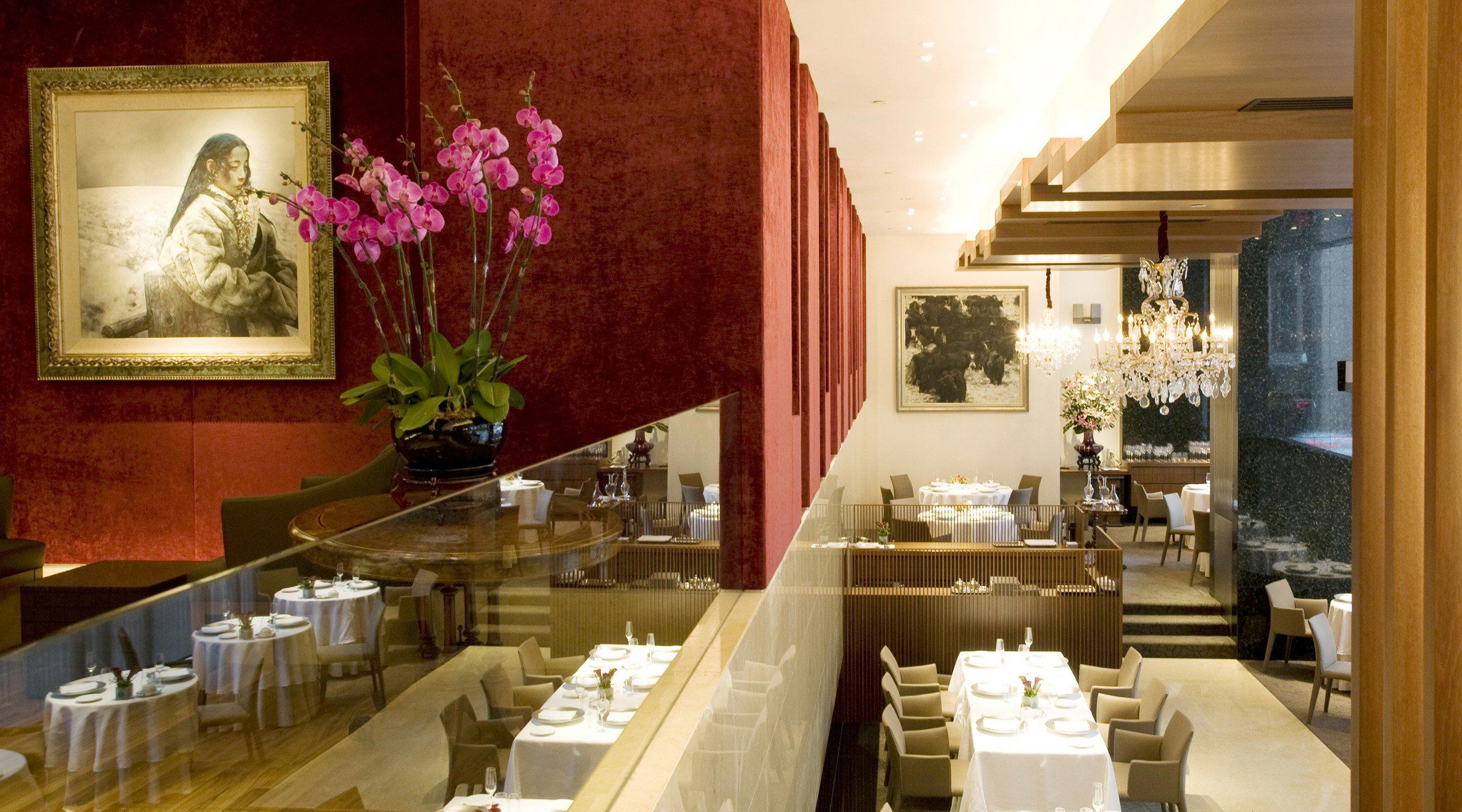
Bars in Singapore
Browse all →
At a Glance
- Intimate
- Elegant
- Sophisticated
- Date Night
- Business Dinner
- Special Occasion
- Open Kitchen
- Sake Program
- Sustainable Seafood
Current opening hours
- Monday
- 12–2 PM, 6–9 PM
- Tuesday
- 12–2 PM, 6–9 PM
- Wednesday
- 12–2 PM, 6–9 PM
- Thursday
- 12–2 PM, 6–9 PM
- Friday
- 12–2 PM, 6–9 PM
- Saturday
- 12–2 PM, 6–9 PM
- Sunday
- Closed
Hours can change for holidays and private events. Last verified .
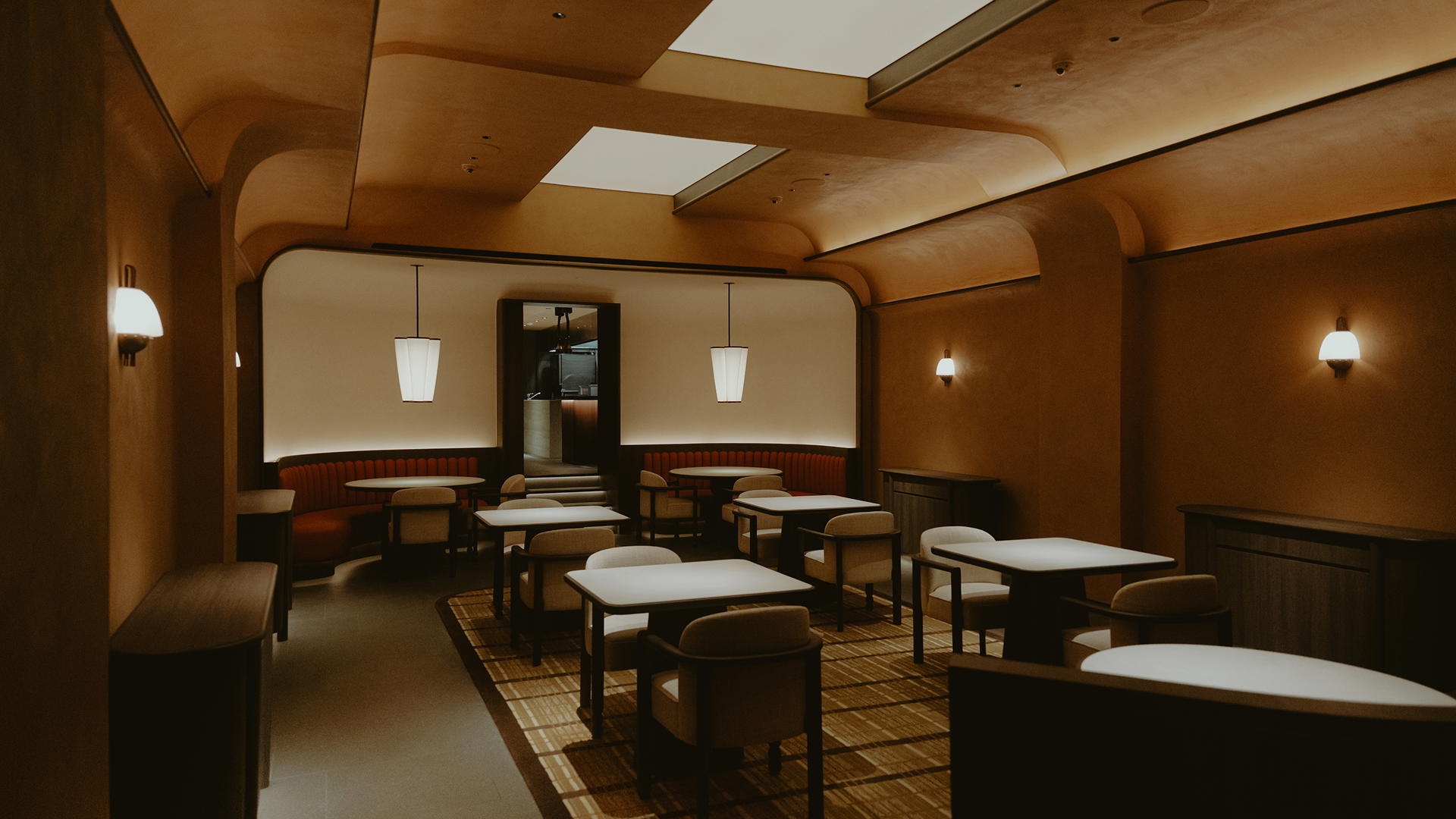
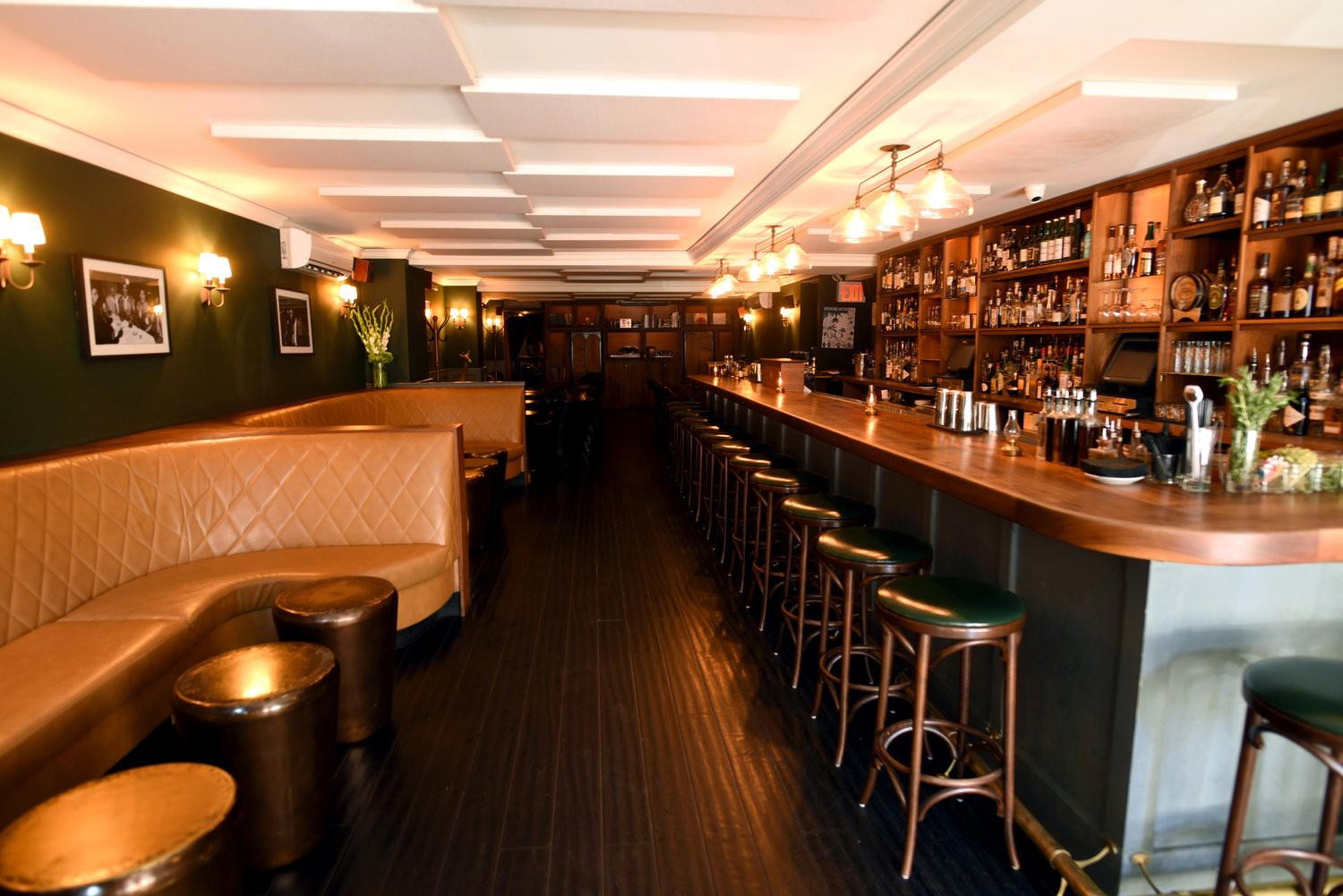
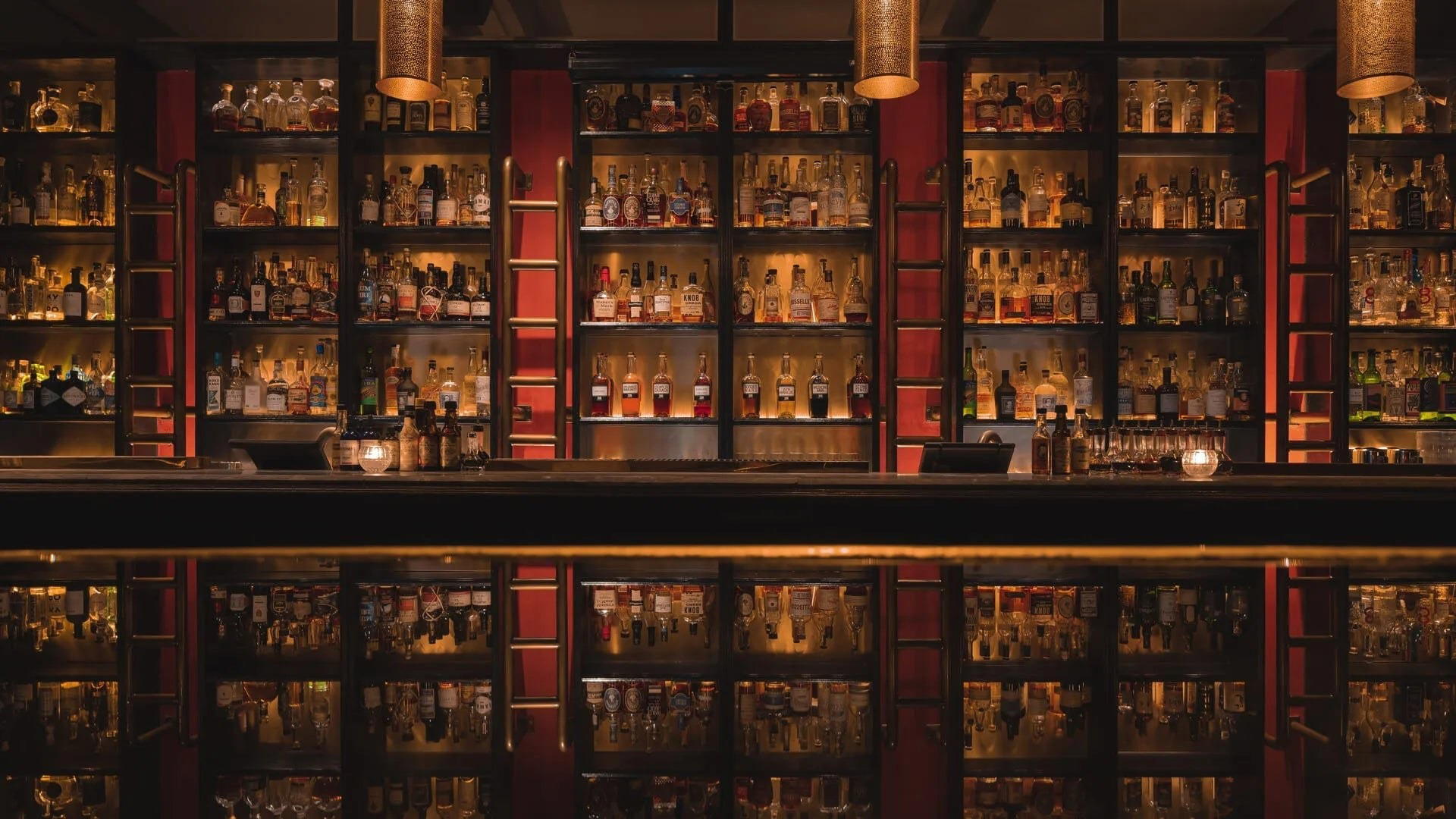
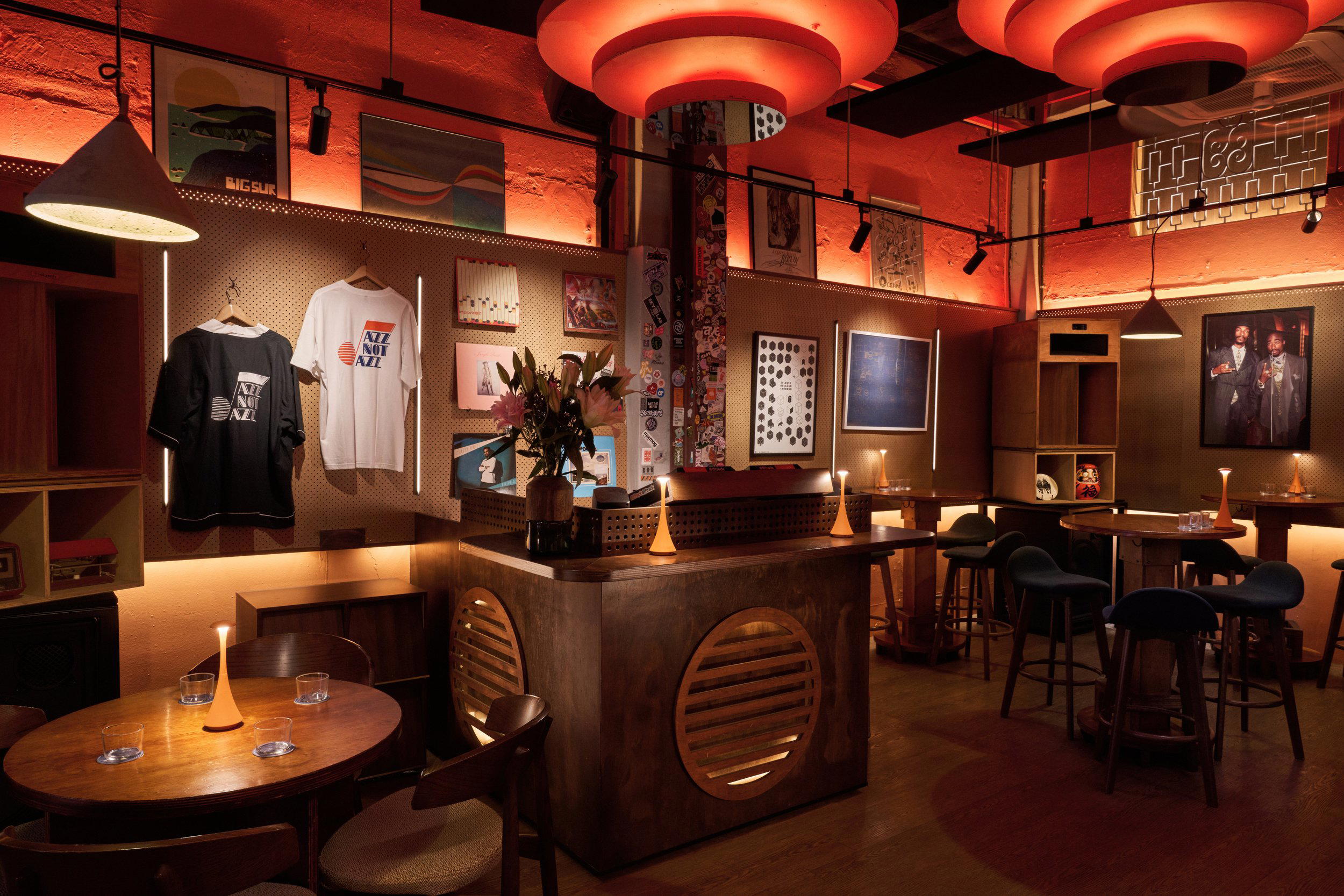
Dark-toned zen setting with low lighting, private tables, and a calm, intimate atmosphere focused on the grilling ritual.