
A Michelin Plate-recognised Singaporean restaurant on Brighton Crescent, Mustard Seed sits apart from the city's central dining corridor, drawing a loyal neighbourhood crowd with cooking that foregrounds local ingredients and traditional technique. It occupies a thoughtful mid-tier price point in a city where Singaporean cuisine is increasingly reclaimed by serious kitchens.
Pearl is the En Primeur Club membership app — saves, bookings, and concierge access live there. Same editors, same standards.
- Address
- 75 Brighton Cres, Singapore 559216
- Phone
- +65 9772 4553
- Website
- mustardseed.sg
- Directions
- Get directions
 Saves & bookings on Pearl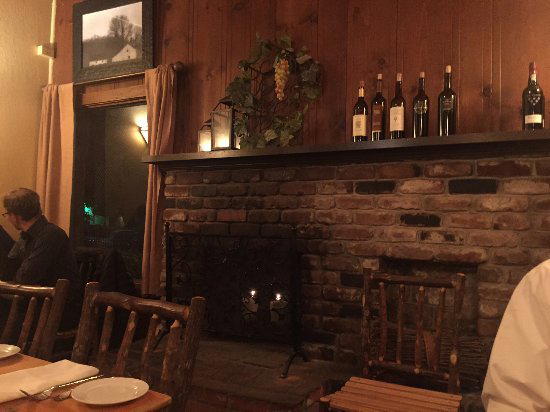
Cooking at the Edges of the City
Singapore's most talked-about restaurants tend to cluster in the CBD, Chinatown, or along the Orchard corridor. Brighton Crescent sits outside all of that, in the quieter residential stretch of Macpherson, where the dining proposition depends on conviction rather than foot traffic. The restaurants that survive and earn recognition in neighbourhoods like this tend to do so because the cooking itself is the draw — not the postcode, not the design budget, and not the celebrity association.
That context matters when reading the recognition. A Michelin Plate is not a star, but it signals that inspectors found cooking worth noting — food prepared with care and skill, sitting at a threshold where further elevation is plausible. For a neighbourhood Singaporean restaurant priced at the $$$ tier, that credential positions Mustard Seed in a distinct competitive bracket: more considered than the hawker-adjacent casual dining that dominates the category, but grounded in local cuisine rather than the European Contemporary registers of peers like Zén or the innovative frameworks of Born.
What Singaporean Cooking Looks Like When It Takes Itself Seriously
The broader question animating Singapore's dining conversation for the past decade is whether local cuisine, Peranakan, Hokkien, Teochew, Hainanese, can hold its own in the same price tier and critical register as imported formats. The answer, increasingly, is yes. Restaurants like Rempapa have demonstrated that heritage Singaporean cooking, treated with the same rigour applied to French or Japanese cuisine, can generate sustained critical attention. Kok Sen has held Michelin recognition while maintaining its Bib Gourmand identity. The trajectory across the category points toward technique-forward kitchens that treat local ingredients as primary, not secondary.
Mustard Seed fits within that shift. The $$$ price point places it above the hawker centre and the casual kopitiam but below the full fine-dining tier occupied by venues like Atomix in New York or Le Bernardin internationally. It is, in other words, the kind of restaurant where the premium over a plate of chicken rice at Boon Tong Kee or Chatterbox needs to be justified through the quality and intentionality of the plate, and where that justification appears to be landing, given the sustained positive reception.
The Sustainability Lens: Local Sourcing as Structure, Not Signage
Across Singapore's higher-end dining tiers, the sustainability conversation has matured past its earlier phase of broad declarations. The kitchens generating the most interesting food in this register tend to treat ethical sourcing and waste reduction as structural decisions that shape menus, rather than marketing points appended to them. That shift is visible in how locally sourced ingredients have moved from garnish to centrepiece in Singaporean cuisine restaurants, and in how seasonal and market-driven menus have started to replace static ones even in the mid-tier bracket.
For a Singaporean restaurant operating at Mustard Seed's price point and recognition level, the logic of local sourcing is particularly coherent. Singaporean cuisine is, at its root, a cuisine built from proximity, the produce of the region, the spice routes of Southeast Asia, the fishing grounds of the Straits. Cooking that respects that geography, prioritises ingredient provenance, and minimises waste is not imposing an external ethical framework onto the food; it is cooking in alignment with the tradition. The restaurants within this category that are earning sustained critical attention tend to be the ones treating that alignment as craft, not concept.
Internationally, this approach has defined some of the most durable kitchen reputations, from the farm-to-table discipline underpinning programmes at Lazy Bear in San Francisco to the ingredient-forward commitments that shape menus at Emeril's in New Orleans. In Singapore's own Singaporean cuisine tier, the parallel runs from hawker-level sourcing discipline, the prawn suppliers behind Da Shi Jia Big Prawn Mee, the produce relationships that define Rempapa's kitchen, upward into more formal dining expressions.
Placing Mustard Seed in the Singapore Scene
Singapore's restaurant scene now has multiple coherent tiers for Singaporean cuisine specifically. At one end, hawker centres and casual restaurants handle volume and value; at the other, a small cohort of fine-dining kitchens have built international reputations. The middle tier, Michelin-recognised, mid-range in price, operating in neighbourhood rather than central locations, is arguably the most interesting stratum right now, because it is where the cooking has to do the most work without the support of high-design rooms or globally recognised names.
Mustard Seed's position on Brighton Crescent is a data point in itself. Restaurants in residential Singapore that earn Michelin recognition at the $$$ tier tend to generate the kind of repeat custom that sustains them through the city's relentlessly competitive dining churn. For comparison, Singaporean restaurants with similar profiles in other cities, Old Bazaar Kitchen in Hong Kong, FT Bak Kut Teh in Guangzhou, illustrate how Singaporean cuisine travels and where the points of differentiation tend to concentrate: in the quality of the broth, the provenance of the protein, and the fidelity of technique.
The full picture of Singapore's dining, drinking, and hospitality options is broader than any single neighbourhood or cuisine tier. For context on how Mustard Seed fits within the wider city, see our full Singapore restaurants guide, and for the city's bar, hotel, winery, and experience programming, the relevant guides cover bars, hotels, wineries, and experiences.
Planning Your Visit
Address: 75 Brighton Crescent, Singapore 559216. Cuisine: Singaporean. Price range: $$$ (mid-range to upper-mid, above casual dining). Awards: Michelin Plate (2024). Ratings:Reservations: Booking ahead is advisable given the neighbourhood draw and recognition level; specific booking channels were not confirmed at time of publication. Getting there: Brighton Crescent is in the Macpherson area, accessible by MRT (Macpherson station on the Circle and Downtown lines) with a short walk or ride from the station.
How Mustard Seed Singapore compares with similar nearby venues.
| Venue | Cuisine | Price | Awards |
|---|---|---|---|
| Mustard Seed | Singaporean | $$$ | Michelin Plate (2024) |
| Khiri | Thai contemporary | $$$ | Not listed |
| Buona Terra | Italian Contemporary | $$$ | Not listed |
| Sin Heng Claypot Bak Koot Teh | Singaporean | $$ | Not listed |
| Rempapa | Singaporean | $$ | Not listed |
| Kok Sen | Singaporean | $$ | Not listed |
Recognition history
Dated appearances from independent guides and award organizations, with the underlying list record or original source where available.
Michelin Guide Plate
Michelin Guide
Michelin Plate
Michelin
Continue exploring
More in Singapore
Restaurants in Singapore
Browse all →
Bars in Singapore
Browse all →
At a Glance
- Intimate
- Cozy
- Elegant
- Modern
- Date Night
- Special Occasion
- Chefs Counter
- Open Kitchen
- Local Sourcing
Current opening hours
- Monday
- Closed
- Tuesday
- 6:30–10:30 PM
- Wednesday
- 6:30–10:30 PM
- Thursday
- 6:30–10:30 PM
- Friday
- 12–3 PM, 6:30–10:30 PM
- Saturday
- 12–3 PM, 6:30–10:30 PM
- Sunday
- Closed
Hours can change for holidays and private events. Last verified .
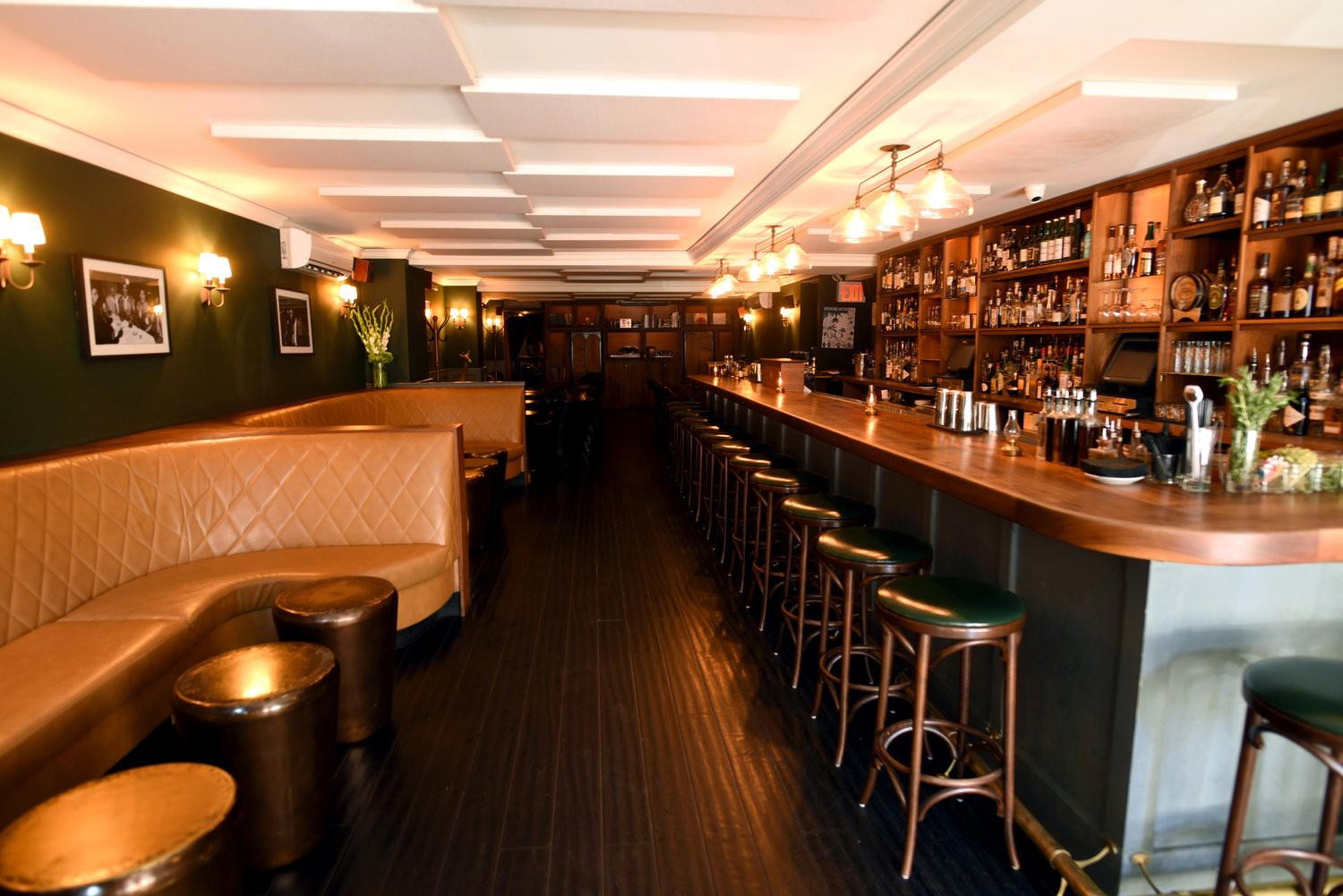
Calm, cosy atmosphere with white-painted walls, blonde-wooden bar, and open kitchen view in a modest, elegantly designed space.
Know Before You Go
- Getting there
- 75 Brighton Cres, Singapore 559216