
Gault & Millau Türkiye 1 Toque
Our verdict
Asil Antalya sits on Atatürk Caddesi in the Kadriye quarter of Serik District, placing Turkish and Lebanese cooking side by side in a part of coastal Antalya better known for resort tourism than for serious regional cuisine. The pairing is less unusual than it sounds: both traditions share a grammar of mezze, slow-cooked meats, and spice-forward sauces that rewards comparison. A useful starting point for the area's cross-cultural dining conversation.

Pearl is the En Primeur Club membership app, where members save venues, book tables and use the concierge.
The menu
What to order
- Asil Grill Platter
- Adana Kebap
- Kadayif Seabass
- Prawns Casserole
Where Two Kitchens Meet the Turkish Coast
Atatürk Caddesi in Kadriye is a working street rather than a destination dining strip, which is precisely what makes a restaurant pairing Turkish and Lebanese cooking here worth paying attention to. The Serik District sits in the broader Antalya province, a coastal zone that receives heavy international traffic through Antalya Airport, yet its inland and suburban pockets have developed a quieter, more locally inflected restaurant culture than the beach-resort belt would suggest. Asil Antalya occupies that secondary register: an address on a recognisable boulevard in a neighbourhood that is not trying to perform for tourists.
The decision to hold Turkish and Lebanese cuisine under one roof is less an act of fusion ambition than a recognition of shared culinary grammar. Both traditions organise the table around mezze, deploy olive oil as a structural ingredient rather than a finishing flourish, and treat the slow preparation of meat, whether on a grill or in a braise, as a form of hospitality in itself. In Lebanon, that logic produces dishes like kibbeh nayyeh and fattoush alongside whole roasted lamb; in Turkey, the same instincts generate meze spreads of haydari, acılı ezme, and long-cooked kuzu. A restaurant that holds both in conversation is making an implicit argument about the eastern Mediterranean as a connected culinary zone, not a collection of separate national cuisines.
The Eastern Mediterranean Table: Context Before Plate
Understanding why this combination reads as coherent requires a short geography lesson. The Anatolian and Levantine kitchens share centuries of Ottoman influence, a common reliance on semolina, bulgur, and flatbread as carbohydrate anchors, and a broadly similar spice register built around cumin, sumac, Aleppo pepper, and allspice. Where they diverge is in technique and texture: Lebanese cooking tends toward brighter acidity and more aggressive use of lemon and pomegranate molasses, while Turkish cuisine more frequently moves into deeper, slower-cooked territory with a heavier hand on dried chilli and yoghurt-based sauces.
In the broader Turkish restaurant scene, that Levantine influence is not new territory. Hatay, the southernmost Turkish province, has long operated as a bridge kitchen, producing dishes that would sit comfortably on a Beirut table. What Asil Antalya does is bring that conversation to the Antalya coast, a region where Arabic-speaking Gulf tourists have become a significant visitor segment over the past decade. The Lebanese component of the menu carries a practical logic in that context: it addresses a diner who may be more fluent in Levantine flavours than in Anatolian ones, while the Turkish side grounds the restaurant in its actual geography.
For broader reference points across Turkey's serious restaurant tier, Turk Fatih Tutak in Istanbul represents the high end of contemporary Anatolian cooking with Michelin recognition behind it, while Maçakızı in Bodrum shows how coastal settings can support serious food credentials. In Izmir, Narımor operates in a similarly regional register. Asil Antalya sits well below that recognition tier, but the culinary tradition it draws from is well-documented at those higher levels.
The Serik District Dining Context
Serik District has a more developed local restaurant culture than its resort reputation implies. The area around Kadriye and Belek has attracted investment tied to golf tourism and luxury hotel development, which has in turn created demand for restaurants that sit between the all-inclusive buffet and the fine-dining hotel restaurant. Asil Antalya occupies a middle position in that local market, where neighbourhood regulars and visiting guests from nearby resorts can share the same room without either group feeling misaddressed.
The Greek-leaning Mykorini Antalya completes a picture of a district that has developed an appetite for cuisine that goes beyond standard Turkish grill formats. For a fuller picture of what the area offers, our full Serik District restaurants guide maps the range.
Further along the Turkish coast and interior, comparable scenes are developing in different registers. Mezegi in Fethiye and Ahãma in Göcek show how Aegean coastal towns are building credible restaurant cultures, while Nahita Cappadocia and Aravan Evi in Ürgüp demonstrate that inland Anatolia has its own distinct dining ambitions. For context outside Turkey, Le Bernardin in New York City and Lazy Bear in San Francisco represent the kind of international reference points against which serious regional cooking is increasingly measured.
Other Turkish addresses worth knowing in this context include Kokorecci Asim Usta in Bornova, Agora Pansiyon in Milas, Poyraz Sahil Balık Restaurant in Beykoz, Divia by Maksut Aşkar in Marmaris, and Happena in Nevşehir.
Planning a Visit
Asil Antalya is located at Kadriye, Atatürk Cd. 515-1, 07500 Serik/Antalya. The address places it in the Kadriye quarter of Serik District, accessible from the main Antalya coastal road and a reasonable drive from the resort zones of Belek. The Serik District dining scene operates on a mix of walk-in and informal reservation culture, particularly at mid-market neighbourhood restaurants, so an on-the-day approach is generally viable outside of peak summer weekends.
Frequently asked questions
Would Asil Antalya – Turkish & Lebanese Restaurant be comfortable with kids?
Asil Antalya sits on Atatürk Caddesi in the Kadriye quarter of Serik District, a working local street rather than a polished tourist strip, which typically signals a relaxed, informal setting without the noise management concerns of resort restaurants. Turkish and Lebanese menus tend to be well-suited to families, with mezze-style sharing dishes that give younger diners plenty to try.
What's the overall feel of Asil Antalya – Turkish & Lebanese Restaurant?
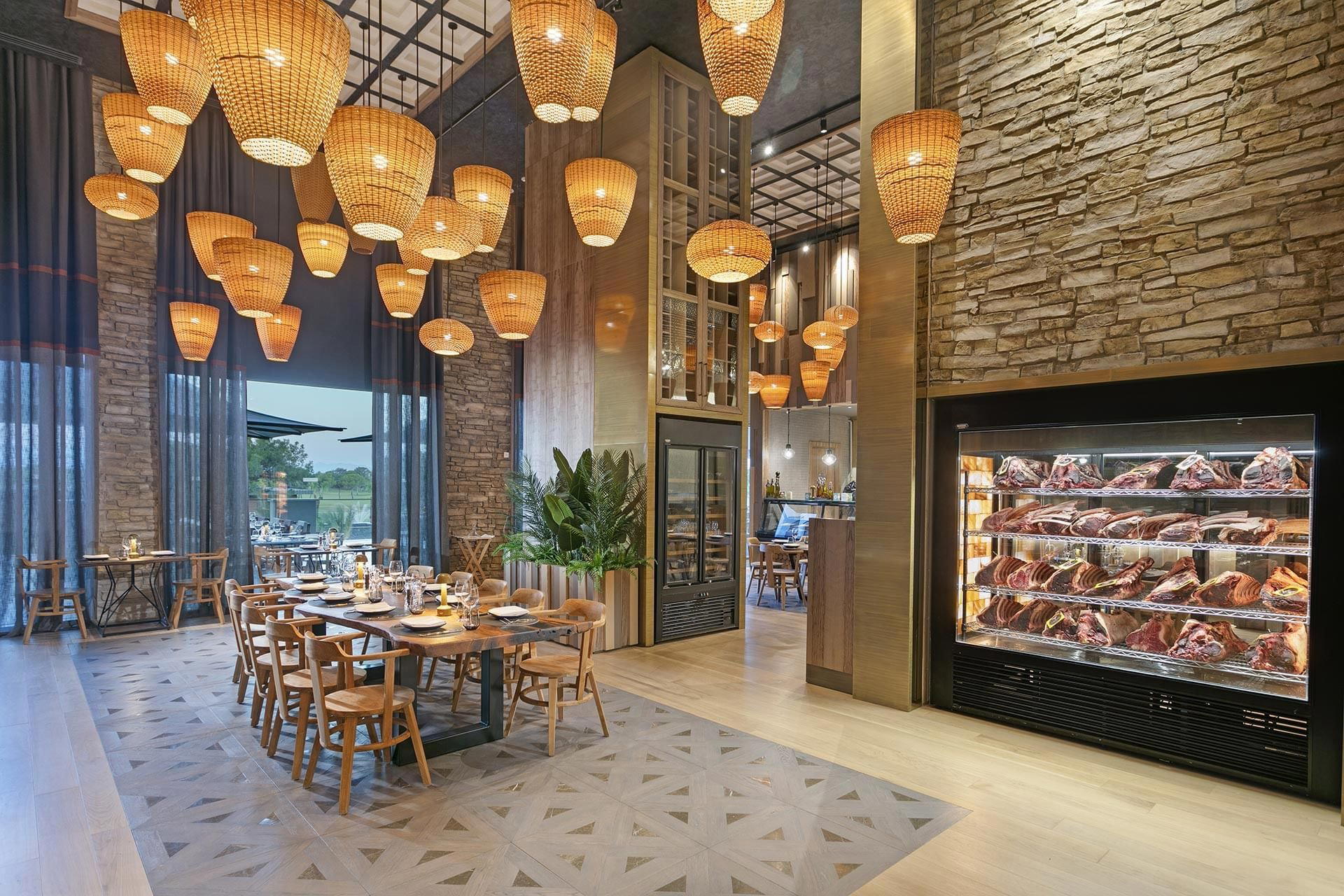
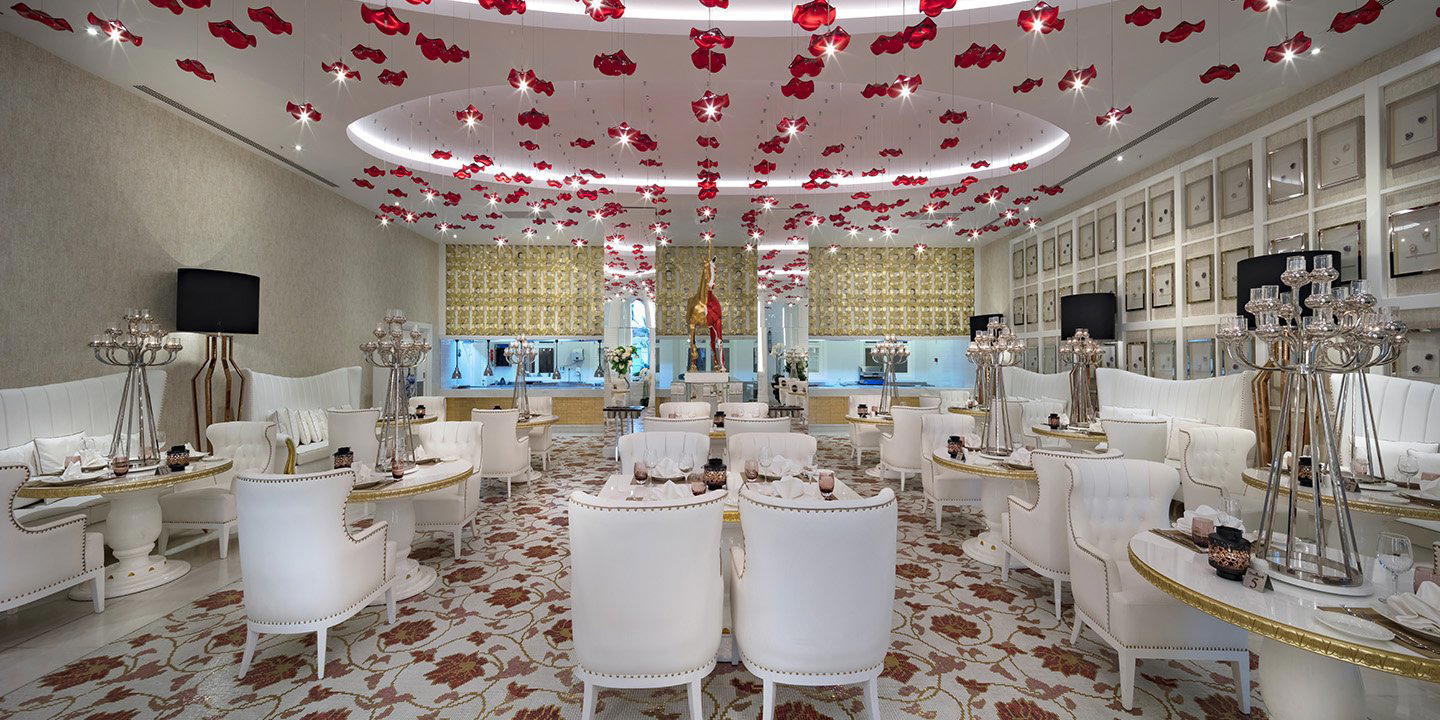
The address on Atatürk Caddesi in Kadriye, Serik District places this restaurant firmly in a local neighbourhood context rather than the resort corridor that dominates the Belek coastline nearby. That positioning tends to produce a more grounded, everyday atmosphere: the kind of place where the kitchen's focus is on the food rather than the setting. The dual Turkish-Lebanese format suggests a kitchen with a broader Levantine and Anatolian frame of reference than a single-cuisine operation.
How does Asil Antalya differ from the resort restaurants around Belek and Serik District?
Most dining options in the Belek-Serik corridor are attached to all-inclusive hotels and oriented around international buffet formats. Asil Antalya occupies a street address in the Kadriye quarter of Serik District, making it an independent operation with a specific dual-cuisine focus: Turkish and Lebanese cooking on a single menu. That combination draws on centuries of shared Ottoman culinary heritage between Anatolian and Levantine kitchens, giving the menu a coherence that a generic resort offering rarely matches.
What do people recommend at Asil Antalya – Turkish & Lebanese Restaurant?
For the most current picture of what the kitchen is highlighting, checking recent visitor reviews or contacting the restaurant at Kadriye, Atatürk Cd. 515-1 directly is the most reliable approach.
Where do I go for Asil Antalya – Turkish & Lebanese Restaurant?
Asil Antalya – Turkish & Lebanese Restaurant is located at Kadriye, Atatürk Cd. 515-1, 07500 Serik/Antalya, Türkiye, Serik District.
Cost and Credentials
Comparable venues nearby, for context on price, style, and recognition.
| Venue | Cuisine | Price | Awards | Notes |
|---|---|---|---|---|
| Asil Antalya – Turkish & Lebanese RestaurantThis venue (the venue you are viewing) | Turkish, Lebanese & Moroccan Fusion | Not listed | Gault & Millau Türkiye 1 Toque | Not listed |
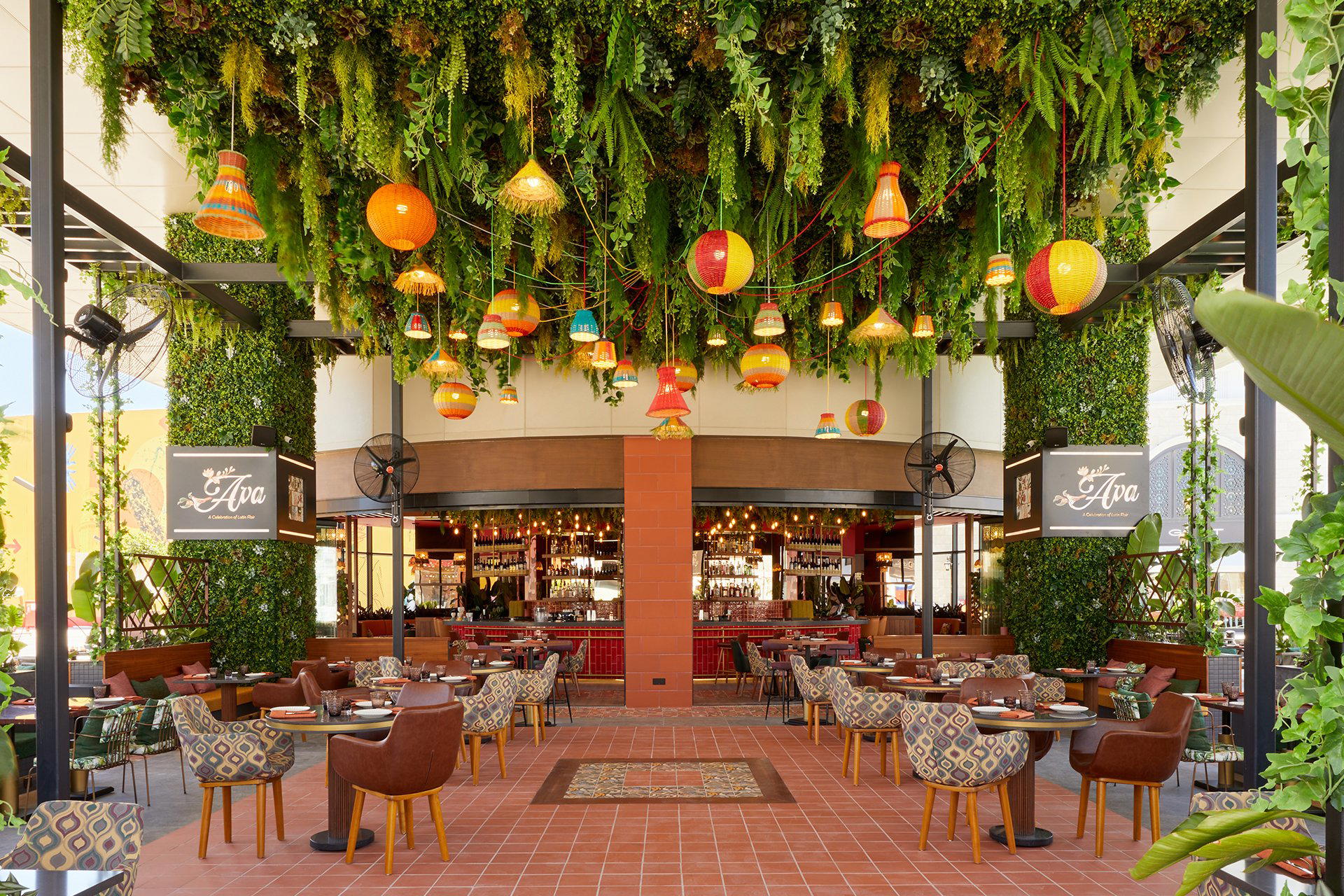
| Ava Antalya – Latin American Restaurant | Exotic Latin American | $30–50 | Not listed | Kadriye, Exotic Latin American |
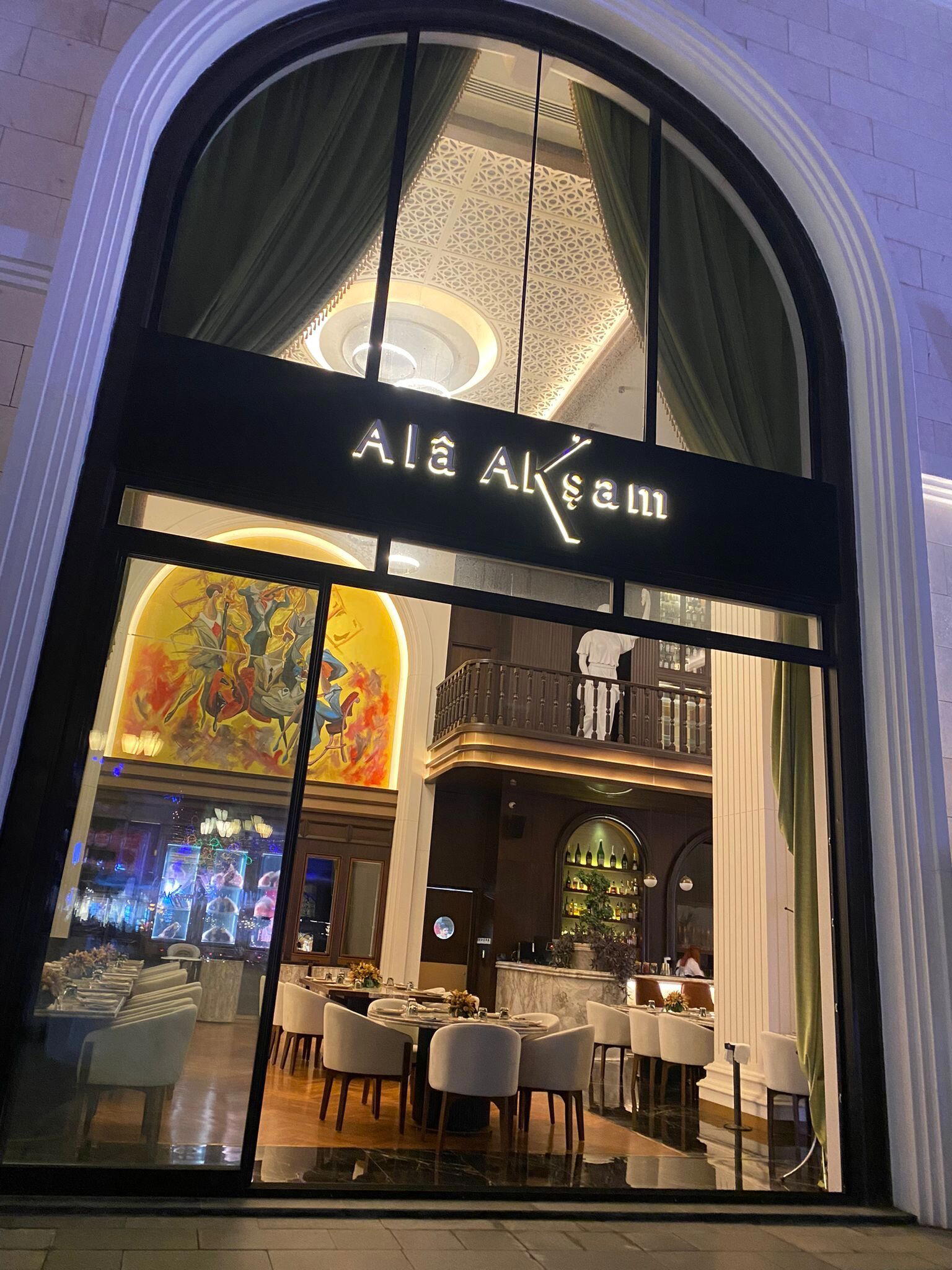
| Ala Aksam Restaurant | Turkish Steakhouse | Not listed | Not listed | Belek, Turkish Steakhouse |
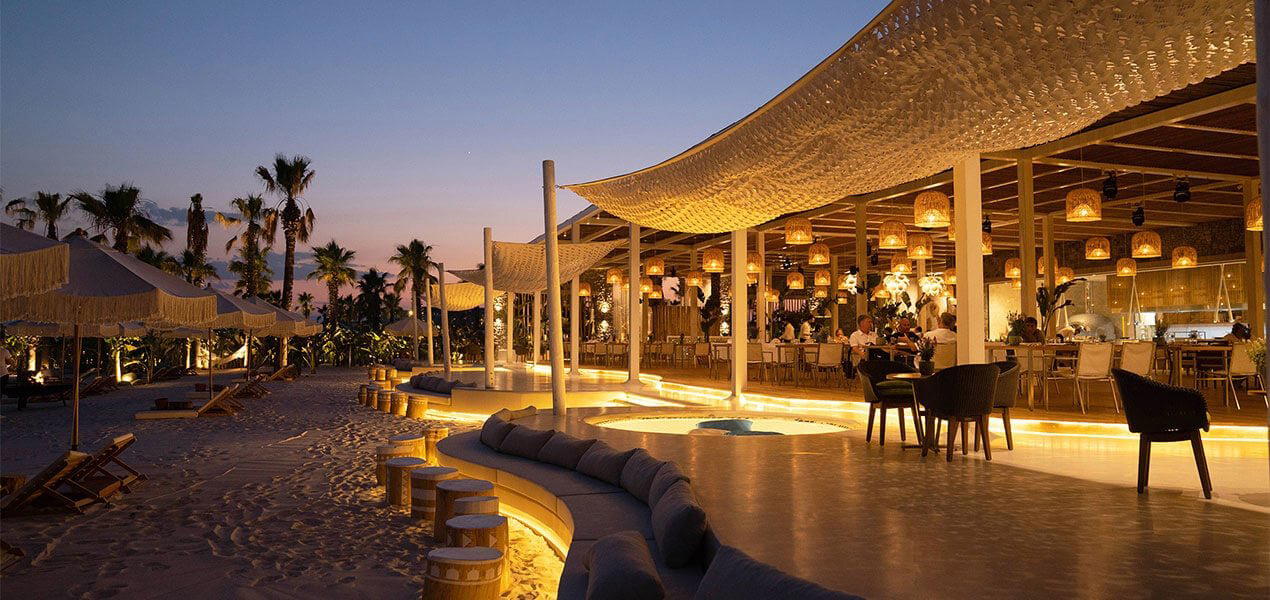
| Mykorini Antalya – Greek Restaurant | Modern Greek Island Cuisine | $50–100 | Not listed | Serik District, Kadriye, Modern Greek Island Cuisine |
| Metanet Katmer | Traditional Gaziantep Katmer | $1–10 | Not listed | Suyabatmaz, Traditional Gaziantep Katmer |
| Zoka Restaurant Yeni nesil eğlence, Yeni nesil meyhane | Modern Turkish Meyhane | $20–30 | Not listed | Foça mah., Modern Turkish Meyhane |
Recognition history
Dated appearances from independent guides and award organizations, with the underlying list record or original source where available.
Gault & Millau Türkiye 1 Toque
Gault & Millau · Gault & Millau Türkiye 2026 - 1 Toque
Continue exploring
More in Serik
Details
- Elegant
- Sophisticated
- Group Dining
- Special Occasion
- Small Plates
- A La Carte
- Vegetarian Friendly
- Vegan Options
- Gluten Free Options
- Halal
Current opening hours
- Monday
- 2 PM–12 AM
- Tuesday
- 2 PM–12 AM
- Wednesday
- 2 PM–12 AM
- Thursday
- 2 PM–12 AM
- Friday
- 2 PM–12 AM
- Saturday
- 2 PM–12 AM
- Sunday
- 2 PM–12 AM
Hours can change for holidays and private events. Hours as of .
Elegant and sophisticated with a balance of innovation, tradition, and occasional lively music.