Our verdict
On Serik's main boulevard, Ala Aksam Restaurant takes its name from the aksam yemeği tradition, the unhurried Turkish evening meal that provincial towns have centred their social lives around for generations. Positioned for a local clientele rather than the resort corridor between Belek and Side, it operates within a culinary logic shaped by the Antalya region's short agricultural supply chains and seasonal ingredient discipline.

Pearl is the En Primeur Club membership app, where members save venues, book tables and use the concierge.
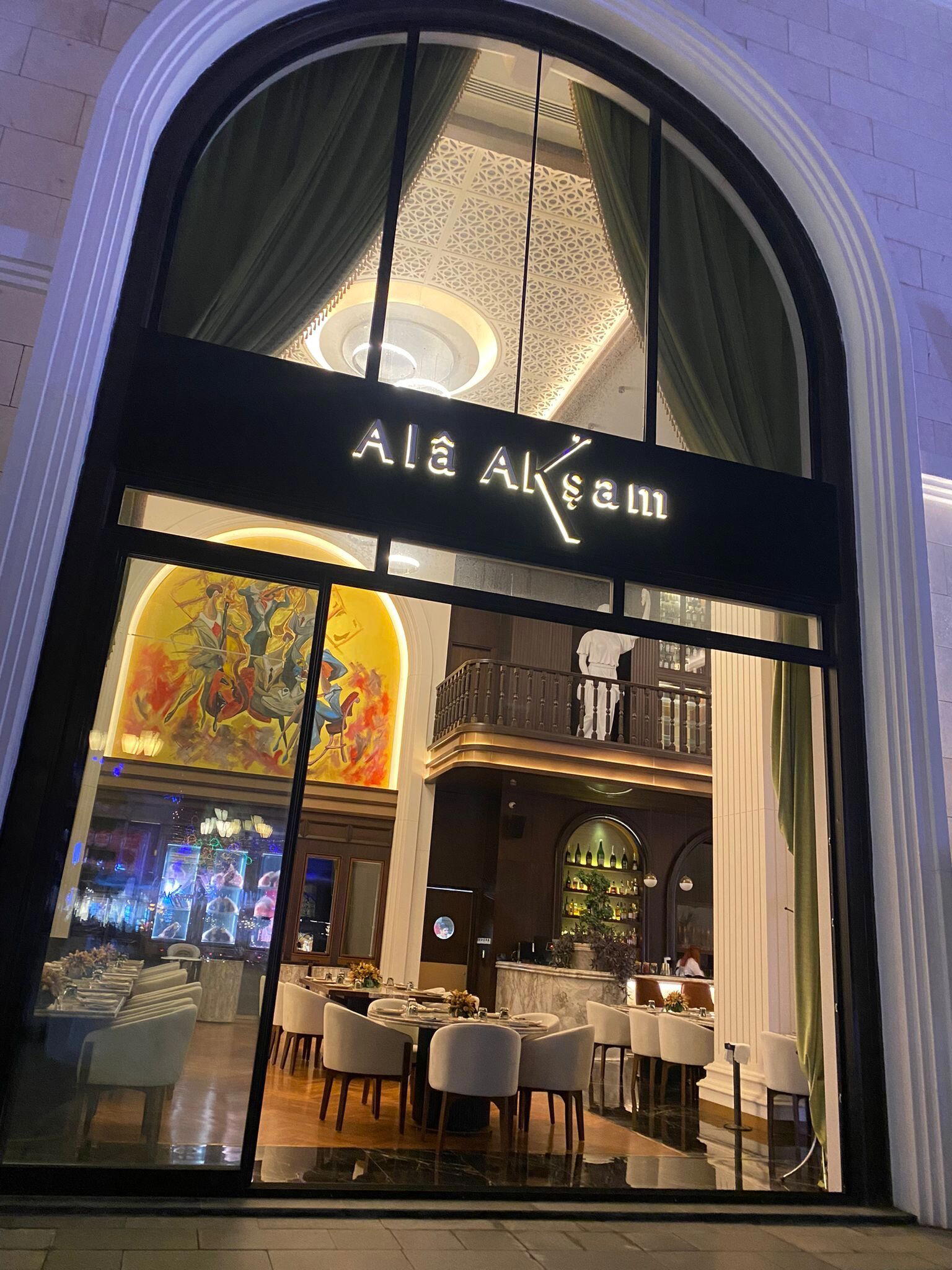
Atatürk Caddesi After Dark: What the Evening Dining Tradition Means in Serik
Along the main arteries of Serik District, the hour before sunset carries a particular rhythm. Traders begin closing shutters, the heat of the Anatolian afternoon relents, and the restaurants that have stayed quiet since lunch fill with a low, steady noise. This is the pattern that defines aksam yemeği, the evening meal, in provincial Turkish towns, and Ala Aksam Restaurant takes its name directly from that tradition. The phrase translates roughly as "the finest evening," and it signals something about how this dining format positions itself: not as a tourist destination, not as a resort annexe, but as a place oriented toward the local practice of gathering after work, eating deliberately, and taking time over the table.
Serik sits roughly midway between Antalya and Side, a working town whose restaurant scene divides cleanly between establishments feeding the coastal tourism corridor and those serving the district's own population. Ala Aksam occupies Atatürk Caddesi, the main boulevard, the address that in Turkish towns of this scale functions as both commercial spine and social promenade. That placement matters. Restaurants on Atatürk Caddesi answer to a local clientele with strong expectations about portion honesty, ingredient freshness, and value, which tends to produce a more consistent kitchen than the resort-adjacent alternatives.
The Sourcing Logic Behind Anatolian Provincial Cooking
The Antalya region sits within one of Turkey's most productive agricultural belts. The Taurus Mountains to the north and the Mediterranean coast to the south create a microclimate that supports year-round citrus, greenhouse tomatoes, stone fruits, and field greens at volumes that reach Istanbul's wholesale markets in refrigerated trucks by dawn. What that means for a restaurant operating in Serik, close to these supply chains, is structural: the distance from field to kitchen is short, and the seasonal logic of the menu is dictated by what is actually available rather than by what a printed menu decided months in advance.
Provincial Anatolian cooking has always worked this way. Meze culture in this part of Turkey is less a stylised parade of small plates, as it sometimes becomes in Istanbul's higher-end venues, and more a practical expression of what the week's market produced. Roasted peppers when peppers are in season, yogurt-dressed greens when the highland herbs come down, slow-cooked legumes when the weather turns. The discipline is in not fighting the calendar. Restaurants in the Antalya province that hold to this logic tend to produce food that reads as more coherent than kitchens attempting a fixed, all-seasons menu. For context on how this sourcing ethos plays out at a higher production level, the approach at Narımor in Izmir and Nahita Cappadocia in Nevsehir offers useful reference points for how Anatolian ingredient logic scales across different formats and price tiers.
Where Ala Aksam Sits in Serik's Dining Picture
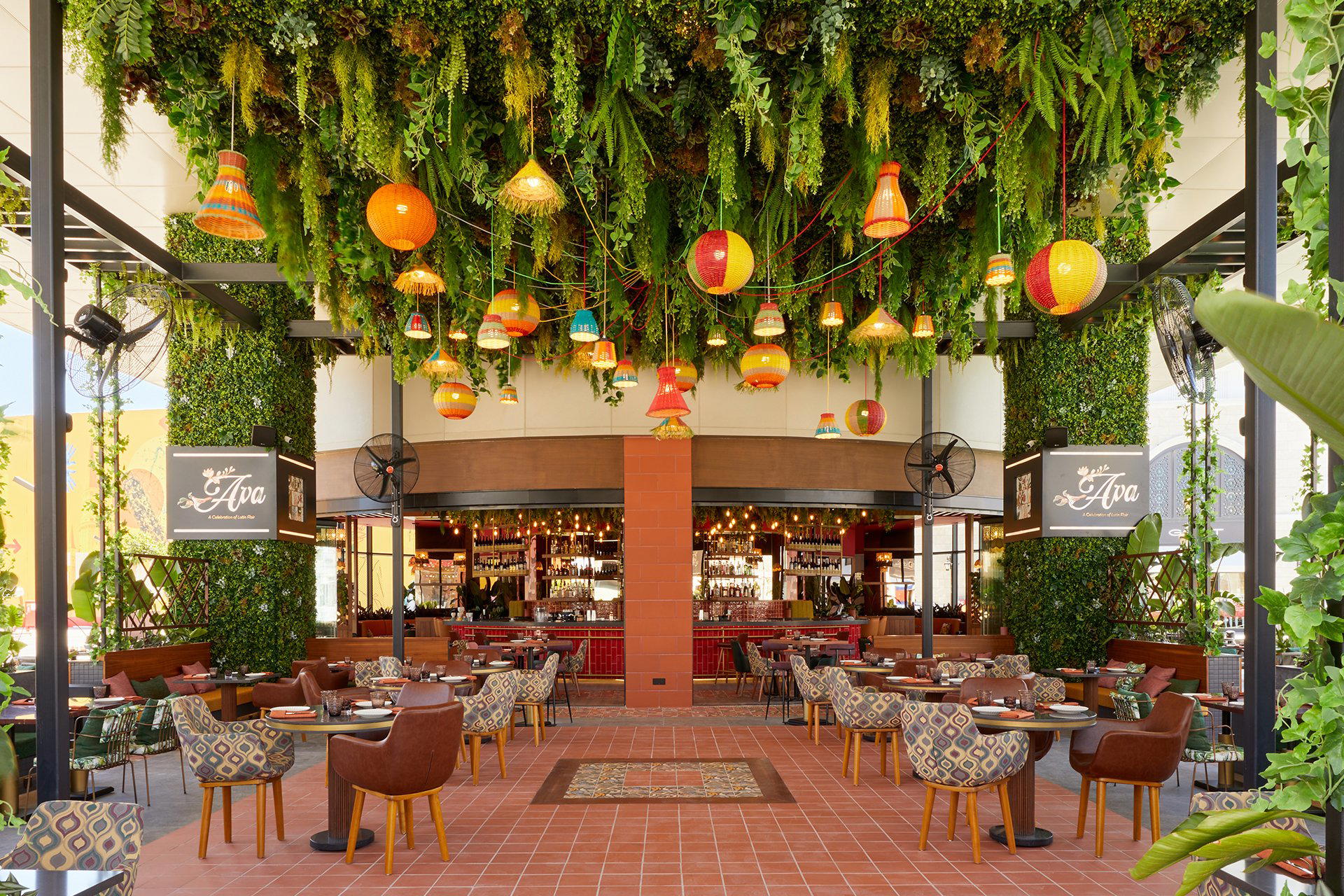
The Serik District restaurant scene is narrow by the standards of Antalya's coastal strip, but not without variation. Asil Antalya covers the Turkish-Lebanese overlap, drawing from a Levantine pantry that the Serik market supports through its large agricultural trade with neighbouring provinces. Mykorini Antalya operates in the Aegean-Greek register, where olive oil, seafood, and legumes dominate. Ava Antalya sits further outside the local tradition, bringing a Latin American angle to a market that is still primarily oriented toward Turkish and Mediterranean cooking. Ala Aksam positions itself within the Turkish mainstream of that local picture, making it the default reference point for visitors who want to understand the district's own food culture rather than its international adjacencies. For a broader map of where to eat across the region, our full Serik District restaurants guide covers the range in more detail.
The comparison to coastal resort dining is worth making directly. Properties along the Belek strip and the Side corridor operate in a different economic logic: buffet formats, fixed-price half-board arrangements, and menus engineered for international palatability. A restaurant on Atatürk Caddesi in Serik is under no such pressure. It answers to repeat local customers who will not return if the tomatoes are mediocre or the bread is bought-in. That accountability tends to produce better sourcing decisions than the volume-driven procurement that resort F&B requires.
The Turkish Evening Meal as Format
Aksam yemeği in provincial Turkey is not a quick transaction. The meal is structured to extend over time: meze first, hot dishes arriving in sequence, bread throughout, tea at the end. This pacing is cultural rather than theatrical, it reflects a genuine social practice of extended table time that restaurants in this tradition accommodate rather than compress. The format has no equivalent in quick-service Mediterranean dining and represents a distinct discipline for the kitchen, which must manage long table turnover times while keeping dishes at the right temperature and sequence across a two-hour sitting.
This structure also means that the sourcing of individual ingredients is legible in a way that fast-paced or complex tasting menus can obscure. When a simply dressed green salad arrives as the first course, its quality, the oil, the greens, the seasoning, is immediately apparent. There is nowhere to hide behind technique. The same logic applies to grilled proteins and slow-cooked stews: the raw material speaks directly, which is why sourcing discipline matters so acutely in this format. For a sense of how the same Anatolian ingredient logic operates in more formally structured environments, Turk Fatih Tutak in Istanbul and Maçakızı in Bodrum show how the raw-material discipline of Turkish provincial cooking translates into a fine-dining register. Elsewhere along the coast, Mezegi in Fethiye, Ahãma in Göcek, and Poyraz Sahil Balık Restaurant in Beykoz each operate in their own coastal idiom while drawing from the same Mediterranean supply chains that define the region's ingredient character.
Planning a Visit
Serik District is accessible from Antalya Airport, approximately 40 kilometres to the west along the D400 coastal road, making it a practical stop for travellers transiting between the airport and the Side or Alanya corridor. The town centre, where Atatürk Caddesi runs, is compact and walkable. As with most provincial Turkish restaurants operating in the aksam yemeği tradition, evenings are the primary service window, with the kitchen at its most active from early evening through to late night. For context on how other regional venues in Turkey structure their booking and access, Aravan Evi in Ürgüp, Happena in Nevşehir, and Agora Pansiyon in Milas offer useful comparison points across different scales and formats of Anatolian hospitality. Further afield, the offal-specialist tradition at Kokorecci Asim Usta in Bornova and the high-production formats at Le Bernardin in New York City and Lazy Bear in San Francisco illustrate how differently kitchens can be organised around ingredient sourcing at opposite ends of the formality spectrum. And for those considering a venue with a cross-Mediterranean angle in the Marmaris corridor, Divia by Maksut Aşkar in Marmaris occupies a more structured position within that comparison set.
Frequently asked questions
How do I find Ala Aksam Restaurant?
Ala Aksam Restaurant is located at Merkez, Atatürk Cd. No, Serik District.
Is Ala Aksam Restaurant a practical dinner stop when transiting through Antalya toward Serik?
Serik District sits approximately 40 kilometres east of Antalya Airport along the D400 coastal road, placing Ala Aksam Restaurant on a logical route for travellers heading further into the eastern Antalya province. The restaurant's position on Atatürk Caddesi, Serik's main thoroughfare, makes it straightforward to locate without local knowledge. Evening arrival aligns with the town's natural dining rhythm, when the main street transitions from market hours into aksam yemegi service.
What dish is Ala Aksam Restaurant famous for?
The broader context of Serik District dining points toward Anatolian provincial cooking: meze-led spreads drawing on Antalya region produce, with hot dishes arriving in sequence after cold starters. The Taurus Mountain foothills and Mediterranean coast supply much of the region's ingredients, which shapes the style of cooking found along Atatürk Caddesi.
What's the best way to book Ala Aksam Restaurant?
Visitors travelling from Antalya along the D400 coastal road, roughly 40 kilometres, are advised to call ahead or arrive during early evening hours when provincial restaurants in Serik typically begin service. Local hotel concierges in Antalya or Serik can often assist with direct contact.
What makes Ala Aksam Restaurant worth seeking out?
Ala Aksam sits on Atatürk Caddesi in Serik District, a town that operates outside the heavily touristed coastal strip of Antalya, meaning the dining room reflects local habit rather than visitor expectation. The Turkish aksam yemegi format, meze first, hot dishes in sequence, unhurried pacing, is practised here as a daily ritual, not a performance. For travellers making the 40-kilometre drive from Antalya Airport along the D400, it represents a direct entry into Anatolian provincial dining on its own terms.
What if I have allergies at Ala Aksam Restaurant?
No menu or allergen documentation is publicly recorded for Ala Aksam Restaurant in Serik District. Anatolian provincial cooking typically incorporates wheat, nuts, dairy, and sesame across meze dishes, so guests with dietary restrictions should communicate requirements directly with staff on arrival. Given the address on Atatürk Caddesi, a visit during off-peak hours allows more time for kitchen consultation.
Fast Comparison
Comparable venues nearby, for context on price, style, and recognition.
| Venue | Cuisine | Price | Awards | Notes |
|---|---|---|---|---|
| Ala Aksam RestaurantThis venue (the venue you are viewing) | Turkish Steakhouse | Not listed | Not listed | Not listed |
| Mykorini Antalya – Greek Restaurant | Modern Greek Island Cuisine | $50–100 | Not listed | Serik District, Kadriye |
| Ava Antalya – Latin American Restaurant | Exotic Latin American | $30–50 | Not listed | Kadriye |
| Asil Antalya – Turkish & Lebanese Restaurant | Turkish, Lebanese & Moroccan Fusion | Not listed | Gault & Millau Türkiye 1 Toque | Kadriye |
| Amanruya Foursquare Restaurant | Modern Turkish Fine Dining | $150–200 | Not listed | Mandarin Oriental Bodrum |
| Konya Kebap Evi | Traditional Konya Kebap and Turkish Grill | $30–50 | Not listed | Selcuklu |
Continue exploring
More in Serik
Details
- Elegant
- Scenic
- Family
- Special Occasion
- Hotel Restaurant
- Garden
- A La Carte
- Vegetarian Friendly
- Vegan Options
- Gluten Free Options
Current opening hours
- Monday
- 1–11:30 PM
- Tuesday
- 1–11:30 PM
- Wednesday
- 1–11:30 PM
- Thursday
- 1–11:30 PM
- Friday
- 1–11:30 PM
- Saturday
- 1–11:30 PM
- Sunday
- 1–11:30 PM
Hours can change for holidays and private events. Hours as of .
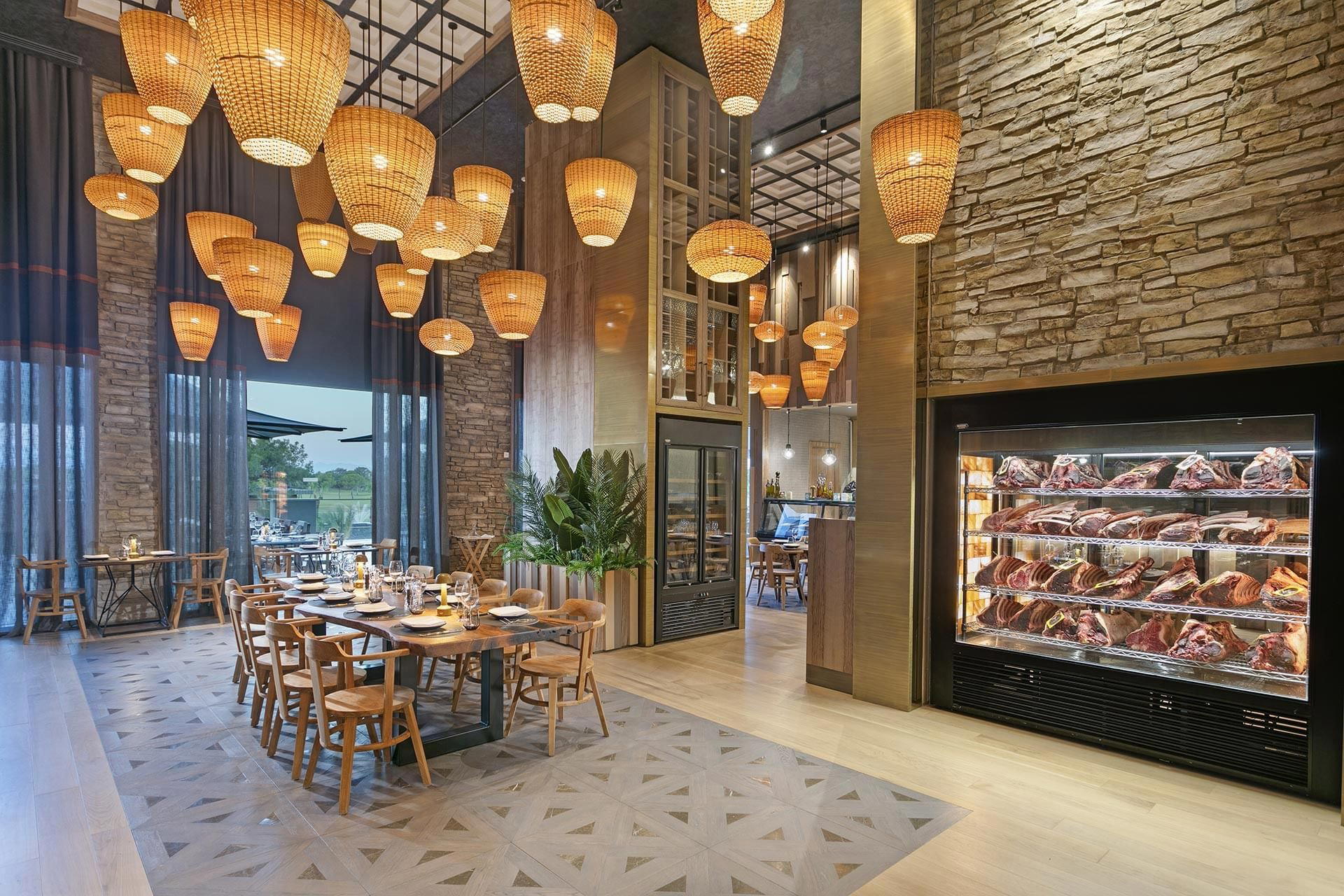
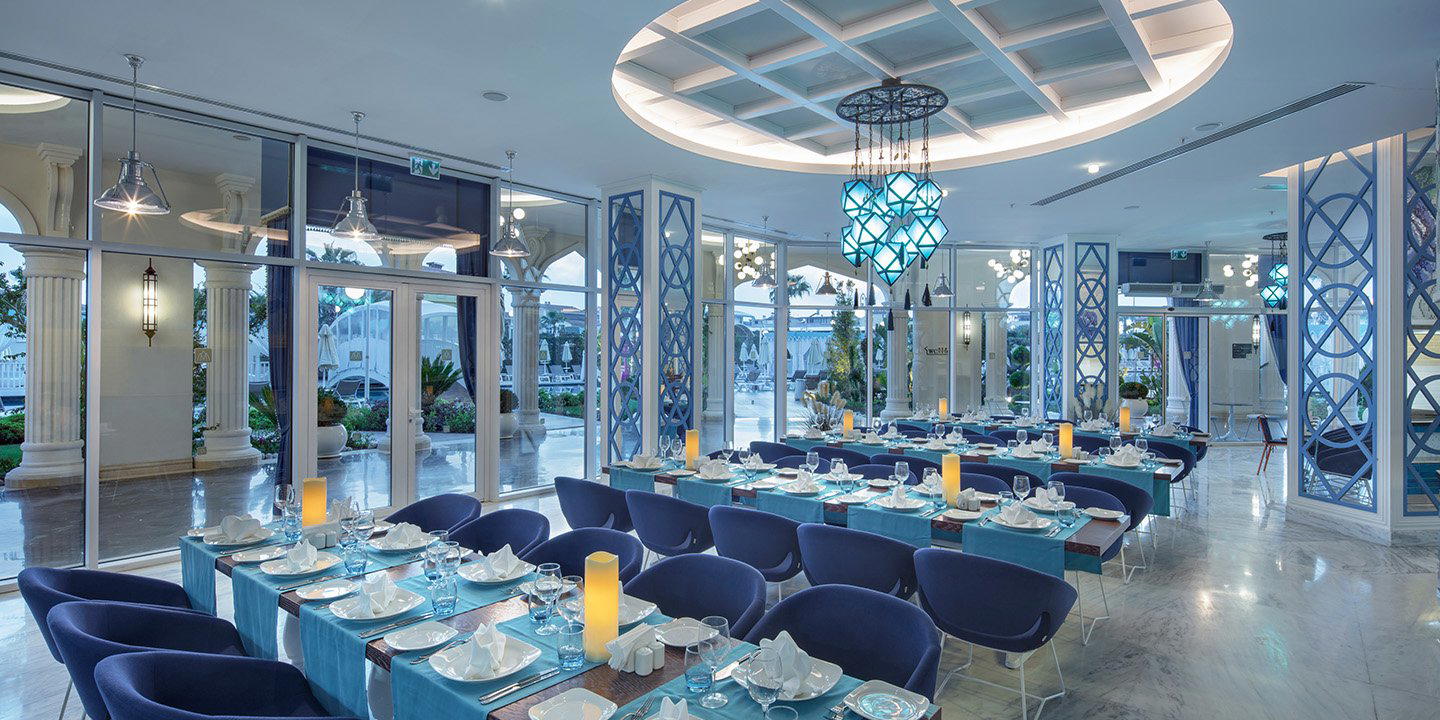
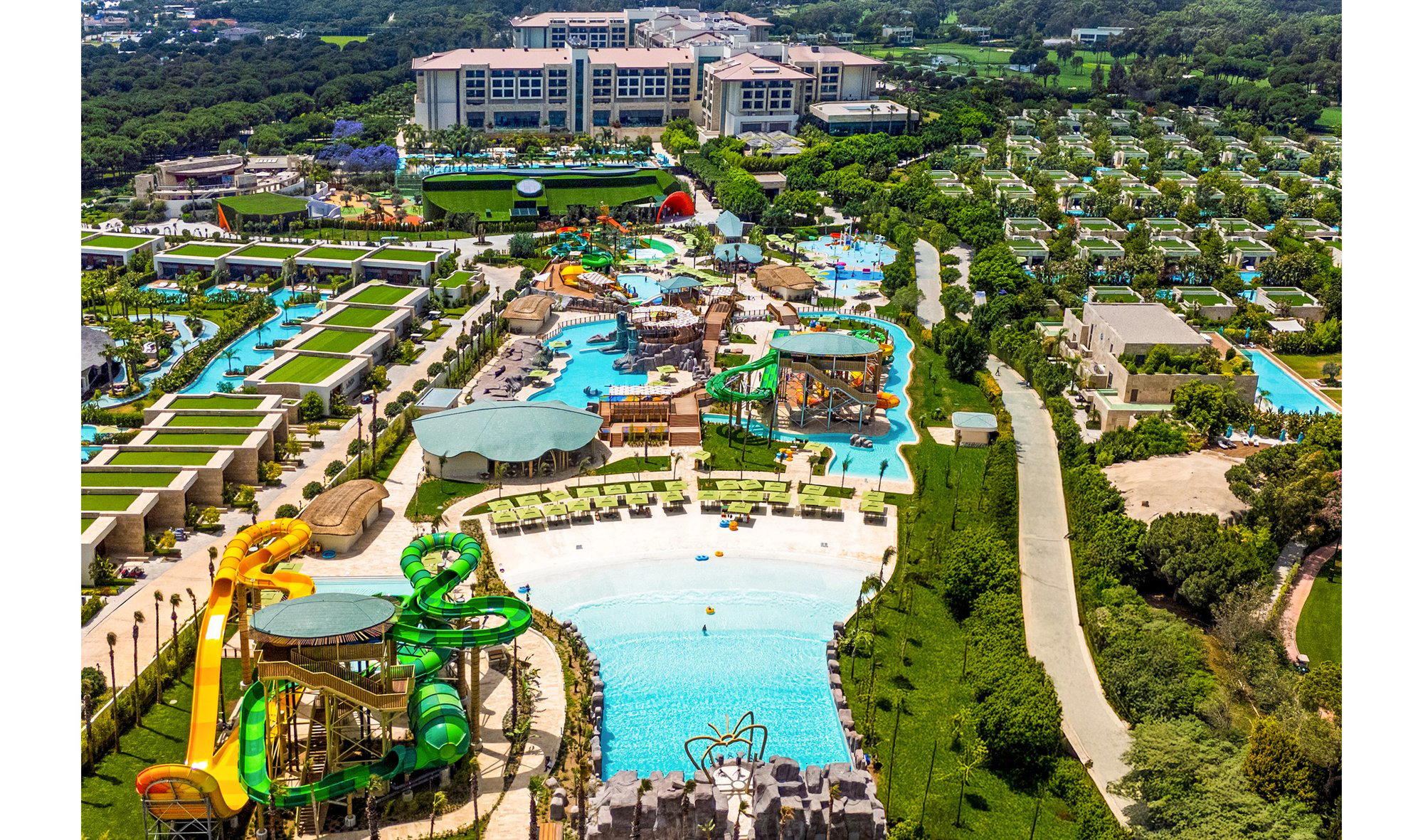
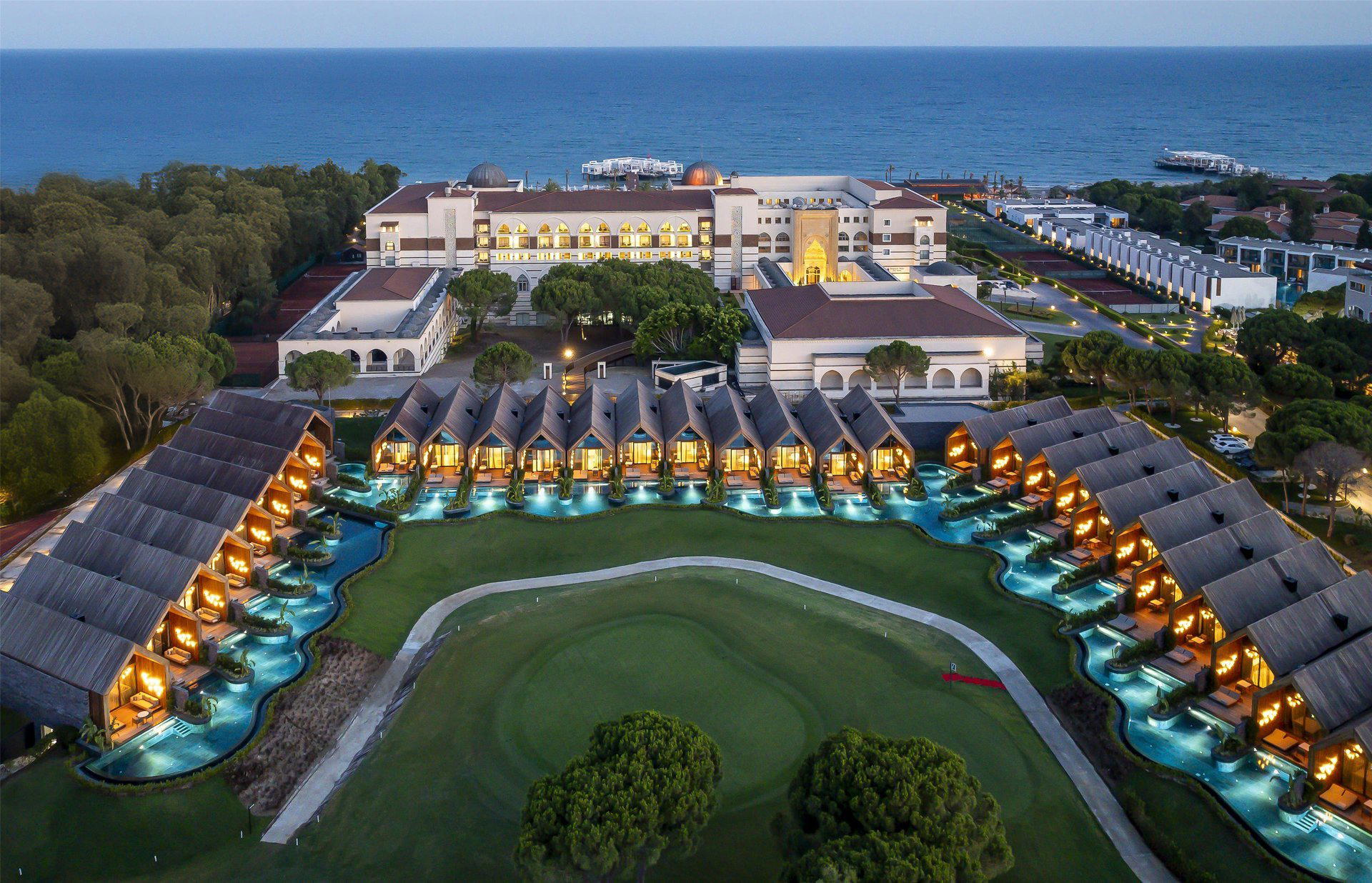
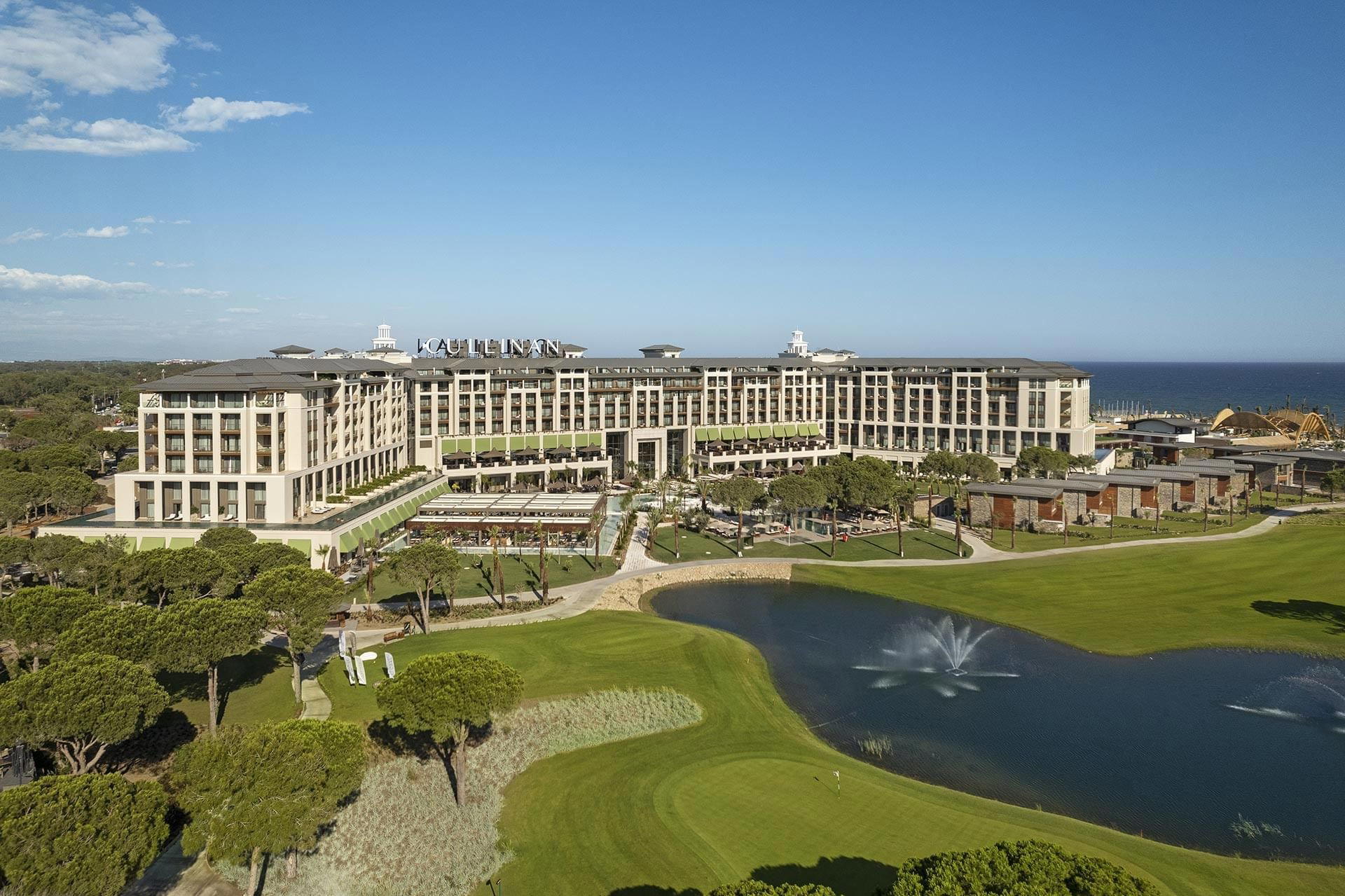
Welcoming atmosphere with beautiful scenery among pine trees, featuring attentive table service in an elegant resort setting.