Our verdict
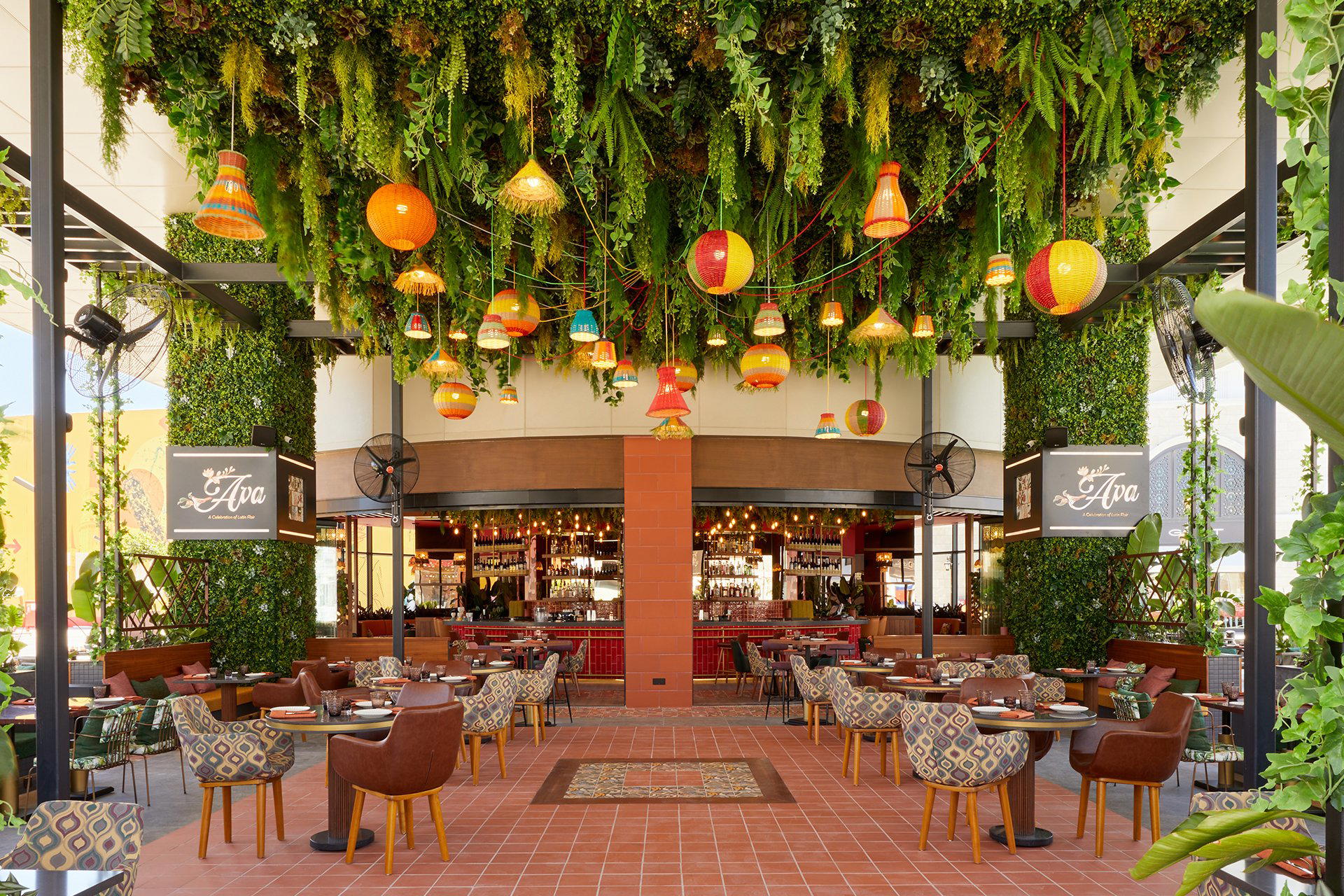
Latin American cooking arrives in the Serik District of Antalya at Ava Antalya, a restaurant on Atatürk Caddesi bringing a cuisine rarely encountered in this part of Turkey. In a region where the dining conversation defaults to Aegean seafood and Ottoman-inflected menus, Ava positions itself as a deliberate outlier. For travellers moving through the Antalya corridor, it represents a different kind of table.

Pearl is the En Primeur Club membership app, where members save venues, book tables and use the concierge.
The menu
What to order
- Short rib tacos
- Chicken la brasa
- Peruvian chicken
A Different Kind of Table in the Antalya Corridor
The Serik District sits in the broad stretch of coast east of Antalya city, a zone better known for large resort complexes than for restaurants making genuinely unexpected culinary choices. Along Atatürk Caddesi, the dining options tend toward the familiar: grilled fish, köfte, Turkish breakfast spreads, the occasional international hotel buffet. Ava Antalya occupies a different position in that lineup. A Latin American restaurant in this particular corridor is not a refinement of what already exists here, it is a category that barely exists at all, which makes the dining ritual that plays out inside it worth examining on its own terms.
Latin American cuisine, as a restaurant category, has expanded unevenly across Europe and the Middle East. Istanbul has seen a handful of serious attempts, and a few resort cities have absorbed watered-down versions through international hotel programming. What makes a venue like Ava Antalya notable is less its individual menu and more what its presence signals about the appetite, in a literal and commercial sense, for culinary diversity in a part of Turkey that has historically served a very specific kind of international traveller. The resort belt between Antalya and Side draws millions of visitors annually, predominantly from Northern and Eastern Europe, and the dining infrastructure has long reflected that demographic. A Latin American address on a central street represents a recalibration, however modest, of that equation.
The Logic of the Latin American Dining Format
Latin American cuisine, at its finest, is structured around generosity and sequence rather than precision and restraint. The meal moves differently from a Turkish or Mediterranean one: the early courses tend to be shareable, built around acidic and fresh preparations, ceviches, tiraditos, anticuchos, before giving way to larger, more intensely seasoned proteins. That pacing creates a particular rhythm at the table, one that encourages lingering and repeated ordering rather than a single composed progression. In a region where dining culture already skews toward long, communal meals, the format translates reasonably well.
The traditions that underpin Latin American restaurant cooking draw from a wide geography. Peruvian technique has dominated the category internationally for more than a decade, with its Japanese-influenced Nikkei strand and its acidic, citrus-heavy preparations setting a standard that has propagated across London, Madrid, and the Gulf. Brazilian churrasco culture occupies a separate lane, focused on wood fire and protein volume. Mexican and broader Mesoamerican cooking has gained traction in fine dining contexts, particularly since the recognition that CDMX restaurants have received on global lists. A restaurant describing itself as Latin American, without more specific regional anchoring in its available data, likely draws from several of these traditions simultaneously, which is itself a common format in markets where the cuisine is still establishing its audience.
Dining in Serik: Positioning Within the Local Scene
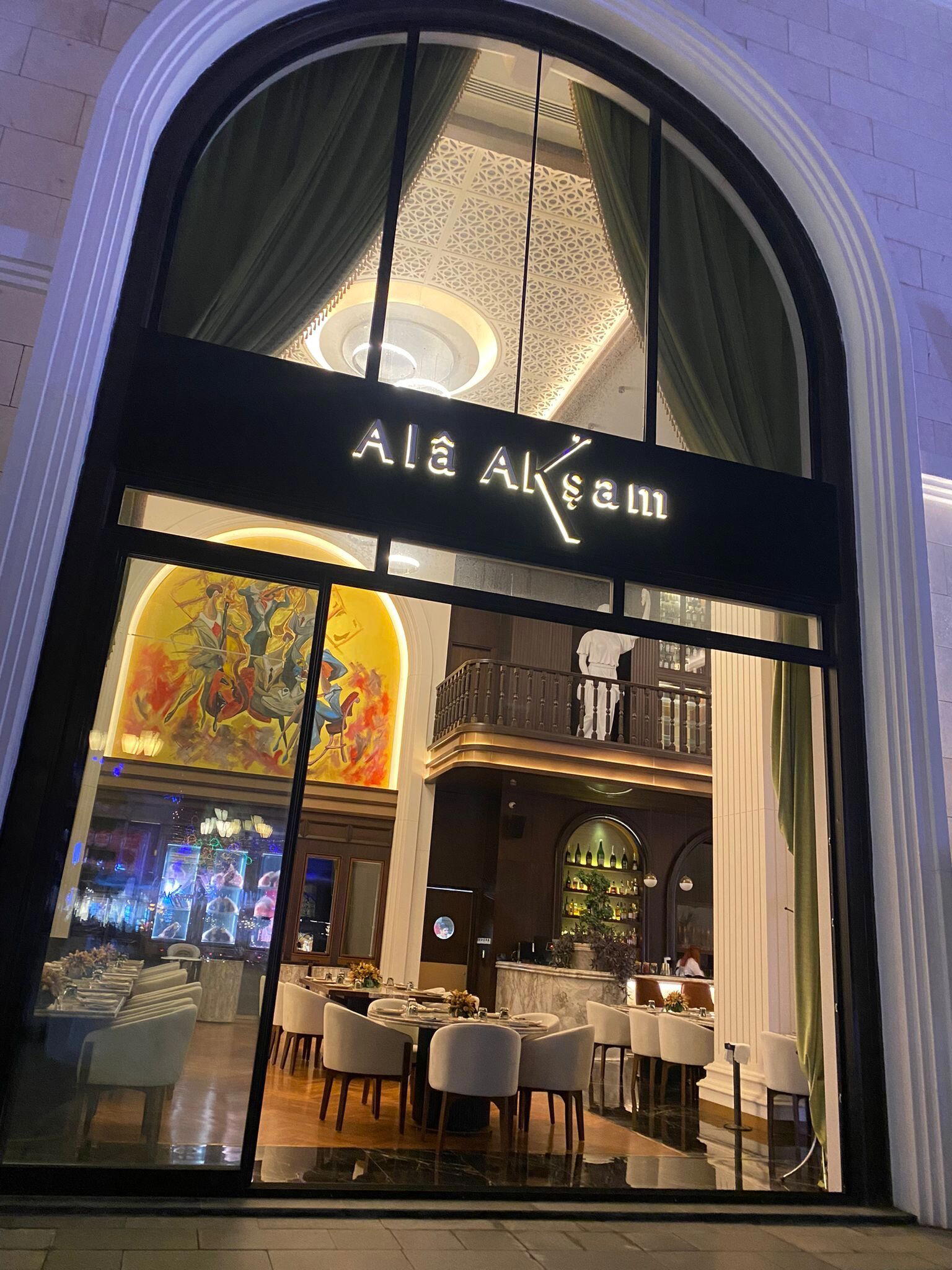
To understand where Ava Antalya sits, it helps to look at what else is operating in the Serik District at a comparable level of ambition. Ala Aksam Restaurant represents the kind of Turkish evening dining that anchors this district. Asil Antalya, with its Turkish and Lebanese menu, gestures toward the broader Eastern Mediterranean tradition. Mykorini Antalya pulls from the Greek side of that same Aegean inheritance. All three operate within a culinary tradition that, however varied in execution, shares a common regional vocabulary of olive oil, mezze, and grilled protein. Ava Antalya does not share that vocabulary.
That distinction matters for the traveller choosing between them. If the goal is to read the region through its food, to understand the Anatolian coast through its olives and its herbs and its fishing culture, then Ava is not the obvious choice. But if the goal is a meal that operates outside the regional logic, that brings a different set of acids, spices, and structural rhythms to the evening, then the absence of local anchoring is precisely the point. The full Serik District restaurants guide maps the broader picture for anyone planning across multiple meals.
At the national level, Turkey's most ambitious restaurants have been consolidating around creative reinterpretation of Anatolian traditions. Turk Fatih Tutak in Istanbul has drawn international attention for exactly that kind of deep-referencing Turkish cuisine. Elsewhere in the country, restaurants like Maçakızı in Bodrum, Narımor in Izmir, and Nahita Cappadocia in Nevsehir have each built their identities around regional specificity and local sourcing. Ava Antalya operates against that current, deliberately so. It is the kind of address that makes more sense the longer you stay in a destination, when the regional cooking has become familiar and the appetite turns toward contrast.
What to Expect from the Experience
The physical address on Atatürk Caddesi places Ava on one of the district's main commercial arteries, which in Turkish provincial cities tends to mean a mix of retail, café culture, and restaurants at varying price points. That street context is worth keeping in mind when arriving: this is not a destination tucked into a quiet lane or set behind resort gates. It is a street-facing restaurant operating within an everyday urban fabric, which shapes both the atmosphere and the clientele mix.
The dining ritual in a Latin American context typically rewards patience with the menu. The most instructive approach in restaurants of this category, particularly those operating in markets still building familiarity with the cuisine, is to move through the menu in the order it is structured: lighter, acid-led preparations first, then more substantial courses. Sharing across the table extends the range of what you can try and reflects the communal logic most Latin American formats are designed around.
For travellers building a broader Turkish itinerary, restaurants across the country's coast and interior offer useful points of comparison for what regional specificity looks like at different levels of ambition: Mezegi in Fethiye, Ahãma in Göcek, and Divia by Maksut Aşkar in Marmaris each occupy distinct positions in the Aegean dining conversation. Further inland, Aravan Evi in Ürgüp and Happena in Nevşehir ground their menus in Cappadocian tradition. On the Bosphorus side, Poyraz Sahil Balık in Beykoz and Kokorecci Asim Usta in Bornova show how single-ingredient specialisation becomes its own form of authority. Agora Pansiyon in Milas adds a guesthouse dimension to that map. For reference points outside Turkey entirely, the structured progression of a Latin American tasting format shares structural DNA with how venues like Lazy Bear in San Francisco approach communal, course-driven dining, while the technical discipline of European fine dining reference points such as Le Bernardin in New York City illustrates how seriously the category is treated at its upper register internationally.
Planning Your Visit
Ava Antalya is located on Atatürk Caddesi in the Merkez area of the Serik District, accessible from the main resort zones along the coast. Given the lack of publicly confirmed booking data, arriving with some flexibility in timing is advisable, particularly during the summer peak when the district's visitor numbers are at their highest. The restaurant's position on a central commercial street means walk-in access is plausible outside peak dinner hours, though confirming availability in advance is always the more reliable approach during high season.
Frequently asked questions
What's the address for Ava Antalya – Latin American Restaurant?
Ava Antalya – Latin American Restaurant is located at Merkez, Atatürk Cd. No, Serik District.
Is Ava Antalya worth visiting if I'm staying in a resort between Antalya city and Side?
Ava Antalya sits on Atatürk Caddesi in Serik's Merkez, geographically central to the resort belt that stretches along this stretch of coast. For guests based at properties east of Antalya city, it offers a Latin American dining format with no direct competition in the district.
What's the signature dish at Ava Antalya – Latin American Restaurant?
Latin American restaurants at this level of positioning in resort corridors typically build around slow-cooked proteins, ceviches, and shareable formats that carry the meal through multiple courses. The cuisine type itself is the category marker here, Latin American cooking in Serik District is a near-absent offer, which makes the format the story rather than any single dish.
Do they take walk-ins at Ava Antalya – Latin American Restaurant?
No booking policy is confirmed for Ava Antalya. The restaurant sits on Atatürk Caddesi in Serik's Merkez area, a main commercial artery that sees consistent foot traffic during the Turkish Riviera's summer peak. During high season, contacting the venue directly before arriving is the practical approach, particularly for larger groups.
What's the standout thing about Ava Antalya – Latin American Restaurant?
The category itself sets Ava apart: Latin American cuisine is effectively absent from the Serik District's dining circuit, a corridor where international menus rarely extend beyond Mediterranean and Turkish staples. For visitors based between Antalya and Side, Ava Antalya on Atatürk Caddesi represents a genuine departure from the resort-hotel dining loop that dominates the zone.
Cuisine Context
Comparable venues nearby, for context on price, style, and recognition.
| Venue | Cuisine | Price | Awards | Notes |
|---|---|---|---|---|
| Ava Antalya – Latin American RestaurantThis venue (the venue you are viewing) | Exotic Latin American | $30–50 | Not listed | Not listed |
| Mykorini Antalya – Greek Restaurant | Modern Greek Island Cuisine | $50–100 | Not listed | Serik District, Kadriye |
| Asil Antalya – Turkish & Lebanese Restaurant | Turkish, Lebanese & Moroccan Fusion | Not listed | Gault & Millau Türkiye 1 Toque | Kadriye |
| Ala Aksam Restaurant | Turkish Steakhouse | Not listed | Not listed | Belek |
| Araf | Modern Turkish Chef’s Table | Not listed | Not listed | Not listed |
| SushiCo | Japanese Sushi with Pan-Asian Fusion | $20–30 | Not listed | Alsancak |
Continue exploring
More in Serik
Details
- Lively
- Trendy
- Elegant
- Date Night
- Group Dining
- Family
- Celebration
- Live Music
- Terrace
- Craft Cocktails
- Waterfront
- Street Scene
- A La Carte
- Vegetarian Friendly
- Vegan Options
Current opening hours
- Monday
- 3:30 PM–12 AM
- Tuesday
- 3:30 PM–12 AM
- Wednesday
- 3:30 PM–12 AM
- Thursday
- 3:30 PM–12 AM
- Friday
- 3:30 PM–12 AM
- Saturday
- 3:30 PM–12 AM
- Sunday
- 3:30 PM–12 AM
Hours can change for holidays and private events. Hours as of .
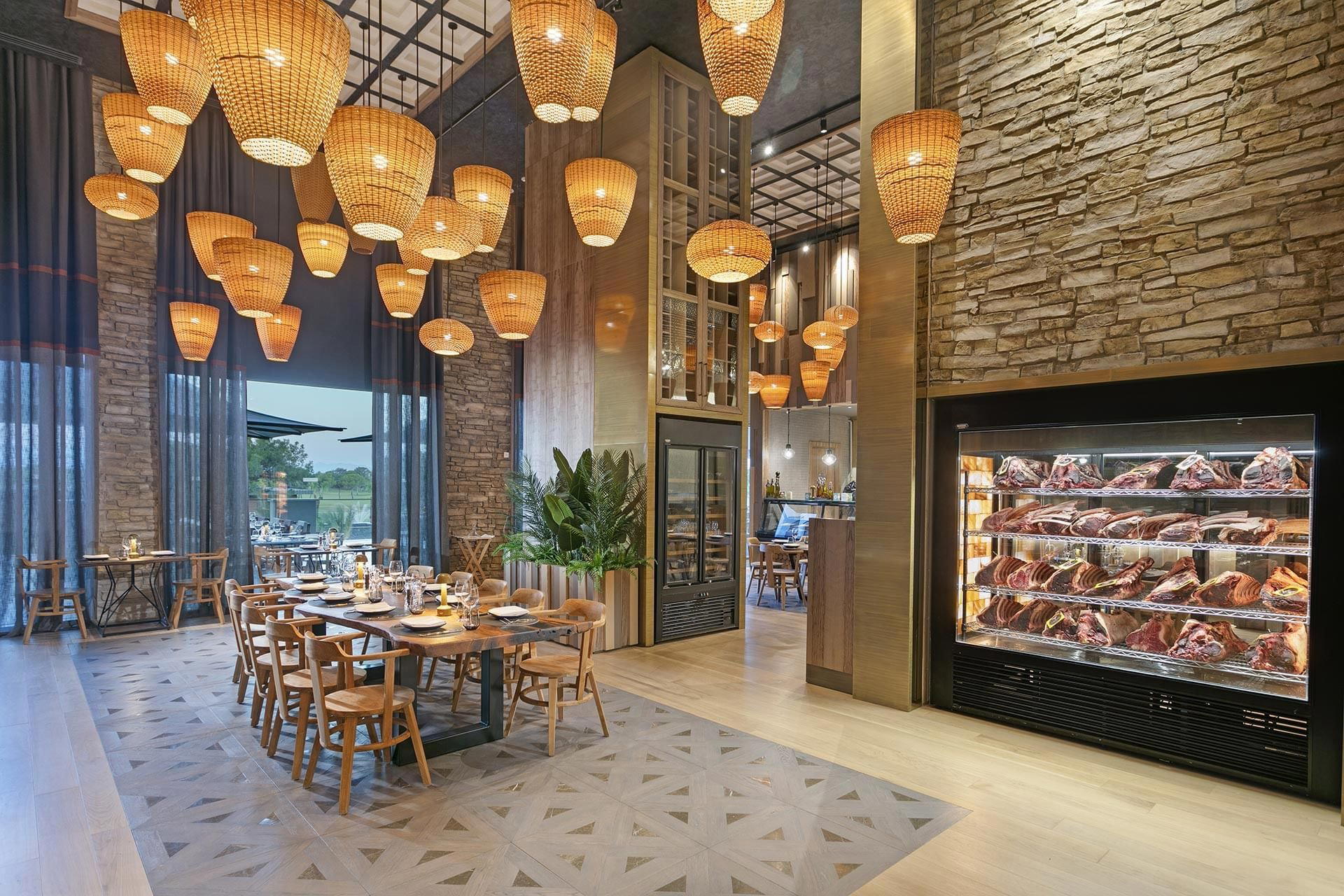
Cozy atmosphere with natural decor elements, soft lighting, pleasant music, and lively entertainment.