
ASIA CURRY HOUSE belongs to Tokyo’s small-format South Asian curry tier, where counter seats, low pricing, and repeat Tabelog 100 recognition matter more than polish. In Kinshicho, its five-seat counter and Friday biryani rhythm make the planning as important as the meal.
Pearl is the En Primeur Club membership app — saves, bookings, and concierge access live there. Same editors, same standards.
- Address
- 東京都墨田区江東橋3-9-24
- Website
- tabelog.com
 Saves & bookings on Pearl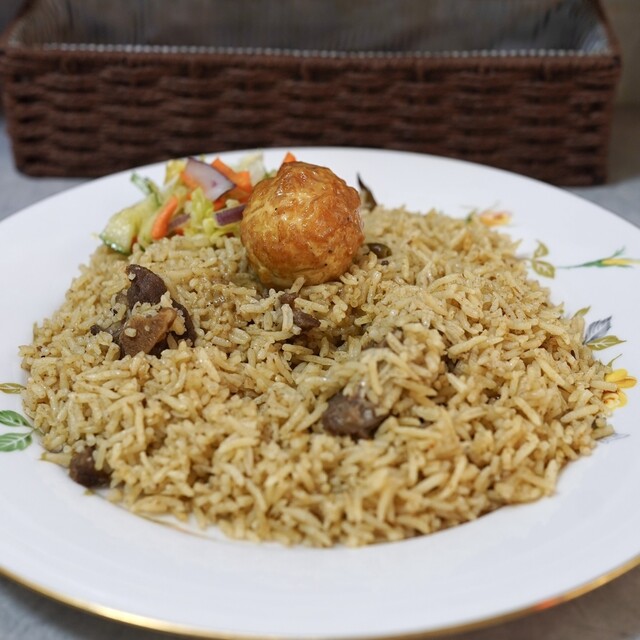
Kinshicho’s south side has the useful roughness of a working Tokyo food district: department-store edges, late trains, narrow ground-floor rooms, and meals that do not ask for ceremony. ASIA CURRY HOUSE fits that pattern tightly. The room is counter-led, the category is South Asian curry, and the appeal sits in a Tokyo habit that serious eaters understand well: small spaces with narrow menus can carry more authority than larger dining rooms with broader ambition.
Tokyo’s curry culture is not one category. It runs from Japanese-style curry rice to spice-curry shops, South Asian kitchens, late-night counters, and regional specialists with loyal regulars. In that spread, a five-seat counter in Sumida reads differently from a polished central Tokyo dining room. The signal is not comfort; it is concentration. Selection for Tabelog’s Asian and Ethnic Tokyo 100 in 2022, 2023, and 2024, plus earlier Curry 100 selections in 2018, 2019, and 2020, places the restaurant in a group where repeat recognition is more persuasive than a single-year mention.
A five-seat curry counter in Kinshicho's practical dining belt
The Kinshicho context matters. This is east Tokyo, not the hotel-heavy west-side circuit or Ginza’s reservation economy. Around the station, eating is often direct, quick, and price-sensitive, with small specialists sitting beside chain restaurants and drinking rooms. Compared with nearby low-cost neighborhood options such as Kameido Gyoza Kinshichou ten or Jun Teuchi Sanuki Udon Goro, the draw here is not breadth or group dining. It is the compression of a South Asian curry specialist into a counter format that suits solo diners and decisive eaters.
That format also changes expectations. Five seats means the meal belongs to the same Tokyo micro-genre as ramen counters and tiny tempura or yakitori rooms, where the guest’s timing and flexibility shape the experience. It is not a place to build a long itinerary around a large party. It is a place to understand how Tokyo treats serious everyday food: low price, limited space, strong repeat signals, and little insulation from the mechanics of the room.
The Tabelog score of 3.49 is useful only in context. For Tokyo, where scores cluster tightly and genre expectations vary sharply, the more telling fact is repeated inclusion in category-specific Tabelog 100 lists. That places ASIA CURRY HOUSE inside a competitive Asian and ethnic dining field rather than merely among casual curry counters. In practical terms, the award history says that the audience is not only local office workers or station-area regulars; it includes diners who actively follow Tokyo’s specialist food rankings.
Friday biryani gives the week a clear anchor
South Asian curry restaurants in Tokyo often divide attention between daily curry sets, rice-led plates, and biryani days. The confirmed rhythm here is simple: biryani is served on Fridays. That single weekly detail gives the restaurant a planning logic that many Tokyo specialists share. The city rewards diners who match the day to the kitchen’s narrower focus, rather than arriving with a general expectation and asking the restaurant to flex.
The defining idea is not a named chef narrative or a signature plate invented for attention. It is a category position: South Asian curry at a tiny counter, with Friday biryani as the fixed marker. That matters because Tokyo’s curry field is crowded with strong specialists, including Japanese curry rooms such as 3 Chome no Curry Ya San and regional or spice-focused counters across the city. ASIA CURRY HOUSE sits on the South Asian side of that conversation, where rice, spice structure, and turnover define the meal more than table service.
The price band, JPY 1,000 to JPY 1,999 for both lunch and dinner, also keeps the restaurant in Tokyo’s rare sweet spot: recognized by a major local dining platform, yet priced like an everyday meal. That combination explains the pressure on a room with so few seats. The calculation is not whether the meal is formal enough for a special occasion. It is whether the diner is willing to trade certainty and comfort for access to a small, award-recognized counter.
How to think about the visit
Planning should be sober. Reservations are unavailable, seats are few, and payments are cash-led because credit cards, electronic money, and QR code payments are not accepted. The restaurant is listed as solo-dining friendly, which aligns with the counter format. Take-out and an English multilingual menu are listed, useful details for visitors who want the food without turning a tiny room into a prolonged sit-down meal.
There are also practical constraints that shape the decision. Private rooms and private use are unavailable, parking is unavailable, and smoking is allowed. Families can make the price point work, but the physical setup is counter-based rather than child-oriented. For a visitor staying elsewhere in the city, this is not a universal Tokyo curry recommendation; it is a precise stop for travelers already interested in small specialist rooms, category awards, and the eastern side of Tokyo’s dining map.
Readers building a broader Tokyo food day can place this beside other sharp-format addresses rather than luxury dining rooms: . 鮪と炭火焼き うお炭 秋葉原店 for seafood and charcoal cooking, 12/10 Shinjuku ten for a Shinjuku stop, 124. KAGURAZAKA (Yakitori) for skewers, or 2D Cafe for a different kind of Tokyo room. For wider planning, use Our full Tokyo restaurants guide, plus Our full Tokyo hotels guide, Our full Tokyo bars guide, Our full Tokyo wineries guide, and Our full Tokyo experiences guide.
For comparison beyond Tokyo, EP Club’s Japan file ranges from -Grilled beef Sukiyaki- KAMAKURA TANUKIAN 鎌倉 たぬき庵 in Kamakura to.cafe in Osaka.know in Kumamoto, (Shoku) Vietnam in Kawasaki, [Curry Senmon Ten] Maruyama Kyoju. in Sapporo, and [ki:] in Kyoto. Cross-Pacific readers may also note Jōdo Saké Bar in Los Angeles and Onigiri Time in Pasadena, useful reminders that focused Japanese and Asian casual formats travel well when the format stays disciplined.
Peers You’d Cross-Shop
Comparable venues by category and price.
| Venue | Cuisine | Price | Notes |
|---|---|---|---|
| ASIA CURRY HOUSEThis venue — the venue you are viewing | Bangladeshi Curry & Biryani Counter | $ | Not listed |
| Tokyo Bombay Ebisu honten | Indian Curry House | $ | Shibuya |
| Pork Vindaloo Taberu Fukudaitoryo | Pork vindaloo curry shop | $ | Shibuya |
| VEG KITCHEN | Vegetarian Indian (South & North Indian, Indo-Chinese) | $ | Taitō |
| Ethiopia Curry Kitchen Takadanobaba ten | Japanese Curry | $ | Shinjuku |
| Gin Cock | Indian-style curry house | $ | Chiyoda |
Recognition history
Dated appearances from independent guides and award organizations, with the underlying list record or original source where available.
Tabelog 100 #43 · No. 43
Tabelog · Tabelog 100 - Asian cuisine / Ethnic cuisine - TOKYO - 2024



At a Glance
- Intimate
- Cozy
- Solo
- After Work
- Late Night
- Casual Hangout
- Standalone
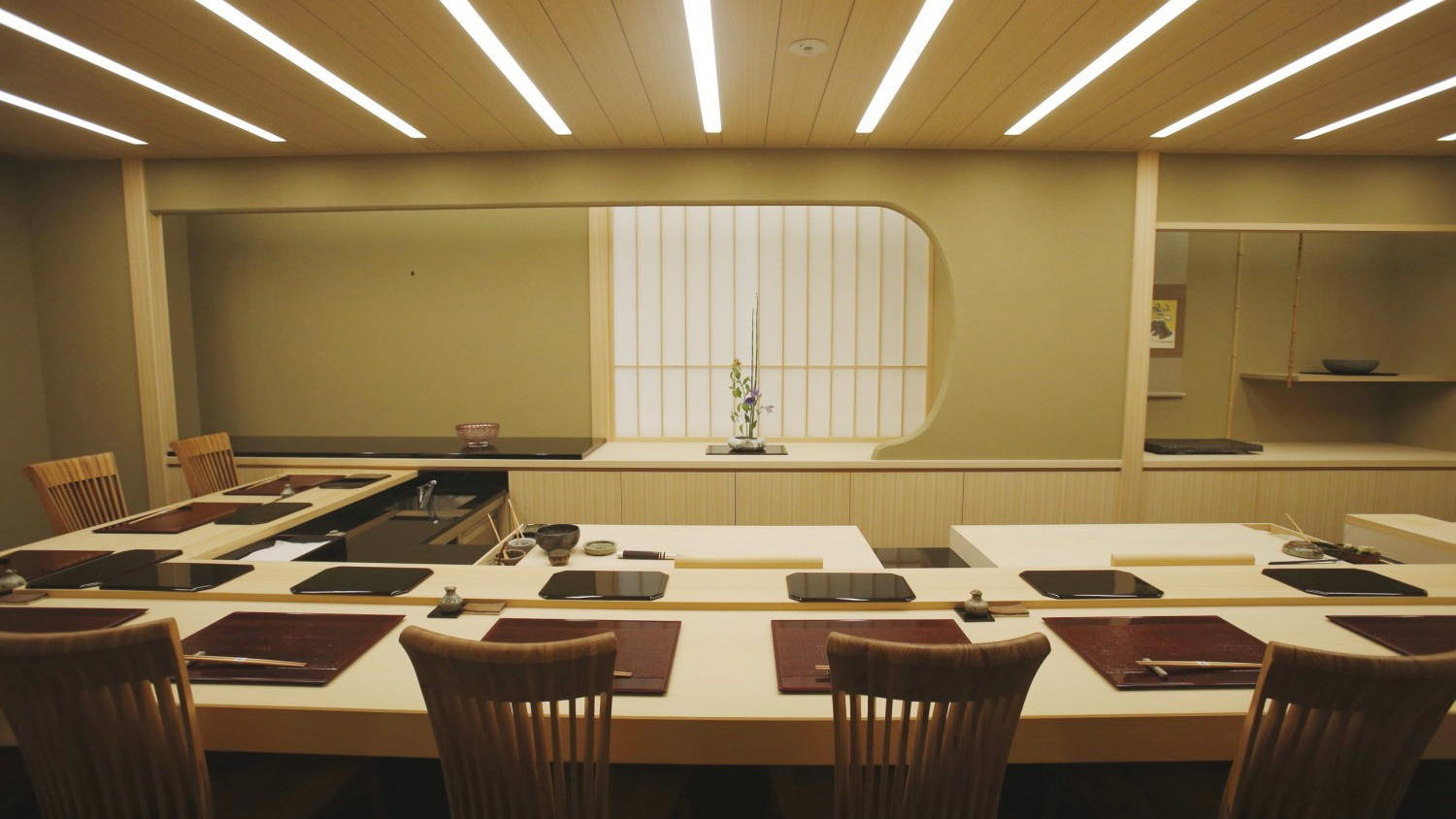
A small counter-only spot with just a handful of seats, a simple no-frills interior and a casual, lively atmosphere that feels like a local Bangladeshi curry stand open deep into the night.