Ascolana
Our verdict
Ascolana sits on Piazza Fausto Simonetti in Ascoli Piceno, the Marche city that gave its name to one of Italy's most closely guarded fried preparations. In a town where the olive ascolana is both civic pride and culinary benchmark, this address plants itself at the intersection of ingredient provenance and local tradition. For anyone tracing the dish back to its source, this is where the geography and the food finally meet.

Pearl is the En Primeur Club membership app — saves, bookings, and concierge access live there. Same editors, same standards.
- Address
- Piazza Fausto Simonetti, 77, 63100 Ascoli Piceno AP, Italy
- Phone
- +39736259824
- Hours
- Mon–Sat 9 AM–1:30 PM, 4:30–8:30 PMSun Closed
- Website
- pizzeriaascolana.it
- Directions
- Get directions
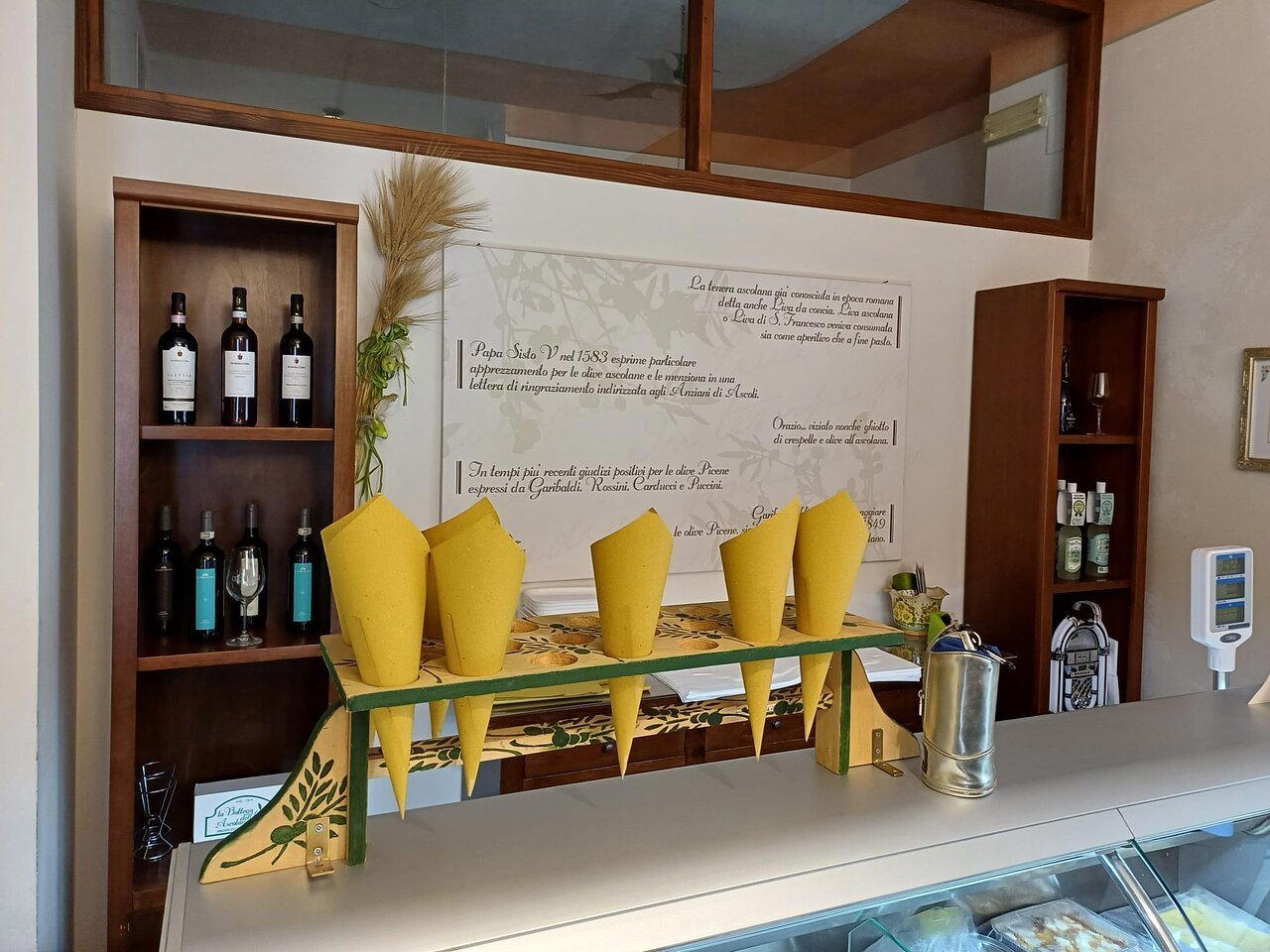
The menu
What to order
- Olive all'ascolana
- Fritto misto all'ascolana
Where the Dish and the City Are the Same Thing
Ascoli Piceno is one of those central Italian cities that has managed to attach its name permanently to a single preparation: the olive all'ascolana, a stuffed and fried olive that has travelled far enough from home to be misunderstood almost everywhere it lands. The version found across Italy, and in most Italian restaurants abroad, tends toward the pallid, the oversalted, or the aggressively crumbed. The version made in Ascoli Piceno itself is calibrated differently, because the olive used here, the Ascolana Tenera, is a designated DOP variety grown in the Tronto River valley and almost nowhere else commercially viable. That designation is not incidental; it shapes the entire preparation. The olive is large, thin-skinned, and mild enough in flavour that it can hold a meat filling without either element overwhelming the other. Start with a different olive and you have a different dish, whatever you call it.
Piazza Fausto Simonetti is a quieter address than the more visited Piazza del Popolo, Ascoli's grand travertine showpiece a few minutes' walk to the north. That adjacency matters. Visitors who come to the city for the architecture and the piazza tend to drift through the surrounding streets, and a restaurant positioned between the monumental centre and the residential fabric of the old town occupies a particular kind of space: neither tourist-facing nor aggressively local, but accessible to both without performing for either. That calibration is characteristic of how the better dining addresses in smaller Italian cities operate.
The Sourcing Logic Behind the Marche Table
The Marche region operates under a kind of productive obscurity. Unlike Emilia-Romagna to the north, which has built an effective global identity around its exports, or Tuscany, which long ago won the argument about branding, the Marche tends to produce serious ingredients that travel under other names or not at all. Verdicchio dei Castelli di Jesi, one of Italy's more age-worthy whites, is still underpriced relative to its quality. The region's sheep-milk pecorino, cured meats from Fabriano, lentils from Castelluccio just over the Apennine border: these are products with strong local identities that rarely survive the trip to export markets intact.
This means that eating seriously in the Marche is largely an exercise in proximity. Ingredients that lose too much in transit, or that have no commercial incentive to leave at all, are available here in a form unavailable elsewhere. For anyone tracing Italian regional cooking through its ingredient logic rather than through Michelin maps, cities like Ascoli Piceno make a compelling case. The starred circuit in this region includes Uliassi in Senigallia, which has built a three-star program around Adriatic seafood treated with the same discipline that peer kitchens apply to luxury proteins. The argument that the Marche deserves more culinary attention is one that the region's own produce makes more convincingly than any critic.
Ascolana, positioned in the city that defines one of the region's most legible food traditions, sits within this broader sourcing logic. A restaurant in Ascoli Piceno is working with the Ascolana Tenera DOP, with local sheep and pork from the Apennine foothills, and with a wine culture that includes Rosso Piceno and Falerio from the surrounding hills. Whether the kitchen pursues a traditional or more contemporary interpretation, the ingredient base is specific enough to make the food of this city read differently from generalist Italian cooking.
Ascoli Piceno in the Context of Italy's Smaller Dining Cities
Italy's fine dining conversation concentrates heavily on a small number of cities and a handful of high-profile rural addresses. The €€€€ programs at Osteria Francescana in Modena, Enoteca Pinchiorri in Florence, and Enrico Bartolini in Milan attract international attention and set price expectations for what serious Italian cooking costs. Further down the scale, destination restaurants in smaller cities, such as Reale in Castel di Sangro or Atelier Moessmer Norbert Niederkofler in Brunico, have built programs that justify travel on their own terms.
Ascoli Piceno doesn't occupy that tier, but that's not the relevant comparison. The city's dining value sits in the density of tradition relative to price, and in the fact that the visitor population remains low enough that kitchens are cooking primarily for people who live there. For reference, the broader category of central Italian small-city dining includes addresses like Quattro Passi in Marina del Cantone and Dal Pescatore in Runate, where place-specificity and long institutional memory are the main attractions. Ascoli Piceno operates on a similar logic, without the destination-restaurant infrastructure.
Other addresses in the city worth tracking include Caffè Meletti, the historic café on Piazza del Popolo that has served as the social anchor of the city for over a century, and È bona furia, a more recent address that reflects the younger generation of Marchigiano cooking. For a fuller picture of how the city's dining is structured, the EP Club Ascoli Piceno restaurants guide maps the full range.
Planning a Visit
Ascoli Piceno sits in the southern Marche, roughly two hours by car from Ancona and accessible by train via San Benedetto del Tronto, though the final stretch into the city requires a connecting service or a taxi. The city's centro storico is compact and walkable, and Piazza Fausto Simonetti is within easy reach of the main monuments. As with most restaurants in smaller Italian cities, reservations made in advance, particularly for weekend evenings, reduce the risk of finding a full room on arrival. Contact details for Ascolana are best confirmed through current local listings, as phone and booking information can change.
For readers building an itinerary around the Marche's broader dining circuit, international comparisons for ingredient-driven small-city programs include Lazy Bear in San Francisco and Le Bernardin in New York City, though the register here is considerably more modest. Closer Italian points of reference include Piazza Duomo in Alba, Le Calandre in Rubano, Casa Perbellini 12 Apostoli in Verona, Da Vittorio in Brusaporto, and Villa Crespi in Orta San Giulio, all of which demonstrate how Italy's smaller cities sustain serious dining programs rooted in regional specificity.
Frequently asked questions
Is Ascolana a family-friendly restaurant?
Ascoli Piceno's dining culture runs inclusive by default, and the city's price point sits well below the major Italian food destinations, making it accessible across age groups. The square setting on Piazza Fausto Simonetti is removed from the main tourist axis, which tends to keep the pace more relaxed than comparable spots in Rome or Florence. The olive all'ascolana — the dish the restaurant is named for — is a format that travels well across generations.
What is the atmosphere like at Ascolana?
Piazza Fausto Simonetti sits slightly off Ascoli Piceno's primary tourist circuit, which gives addresses here a tempo calibrated more to local habits than to visitor turnover. The city itself is built in travertine and has one of the more coherent historic centres in central Italy, which sets a particular register for eating there. Expect a room that reads as neighbourhood rather than destination-restaurant formal.
Why does the olive all'ascolana taste different in Ascoli Piceno than versions served elsewhere in Italy?
The olive all'ascolana carries a DOP designation tied specifically to the Ascolana Tenera variety, a cultivar grown commercially only in the Tronto River valley around Ascoli Piceno. Outside this zone, producers substitute different olive varieties, which changes the flesh-to-pit ratio, texture, and the characteristic mild bitterness that the preparation depends on. Ascolana, named directly for the city and its signature dish, draws on this local sourcing chain in a way that restaurants operating outside the Marche cannot replicate.
What should I order at Ascolana?
The olive all'ascolana is the obvious starting point: a DOP-protected preparation tied specifically to the Ascolana Tenera variety, cultivated in the Tronto River valley. The DOP designation means the olive itself cannot be authentically sourced outside this zone, which is the core argument for ordering it here rather than at an imitation elsewhere. Beyond that, the Marche table draws on the region's dual access to Apennine interior ingredients and Adriatic seafood.
Where is Ascolana in Ascoli Piceno?
Ascolana is located at Piazza Fausto Simonetti, 77, 63100 Ascoli Piceno AP, Italy, Ascoli Piceno.
Side-by-Side Snapshot
| Venue | Cuisine | Price | Awards | Notes |
|---|---|---|---|---|
| AscolanaThis venue — the venue you are viewing | Traditional Ascolana Stuffed Olives | $1–10 | Not listed | Not listed |
| Atelier Moessmer Norbert Niederkofler | Modern Alpine Fine Dining | $300–500 | 3 Michelin Stars · World's 50 Best #20 | Italian, Creative |
| Dal Pescatore | Classic Italian Fine Dining | $200–300 | 3 Michelin Stars · World's 50 Best #38 | Italian, Italian Contemporary |
| Quattro Passi | Modern Mediterranean Fine Dining | $300–500 | 3 Michelin Stars · World's 50 Best #38 | Italian, Mediterranean Cuisine |
| Reale | Modern Italian Fine Dining | $200–300 | 3 Michelin Stars · World's 50 Best #18 | Progressive Italian, Modern Cuisine |
| Uliassi | Modern Adriatic Italian Fine Dining | $300–500 | 3 Michelin Stars · World's 50 Best #43 | Italian Seafood - Marche, Creative |
Continue exploring
More in Ascoli Piceno
Restaurants in Ascoli Piceno
Browse all →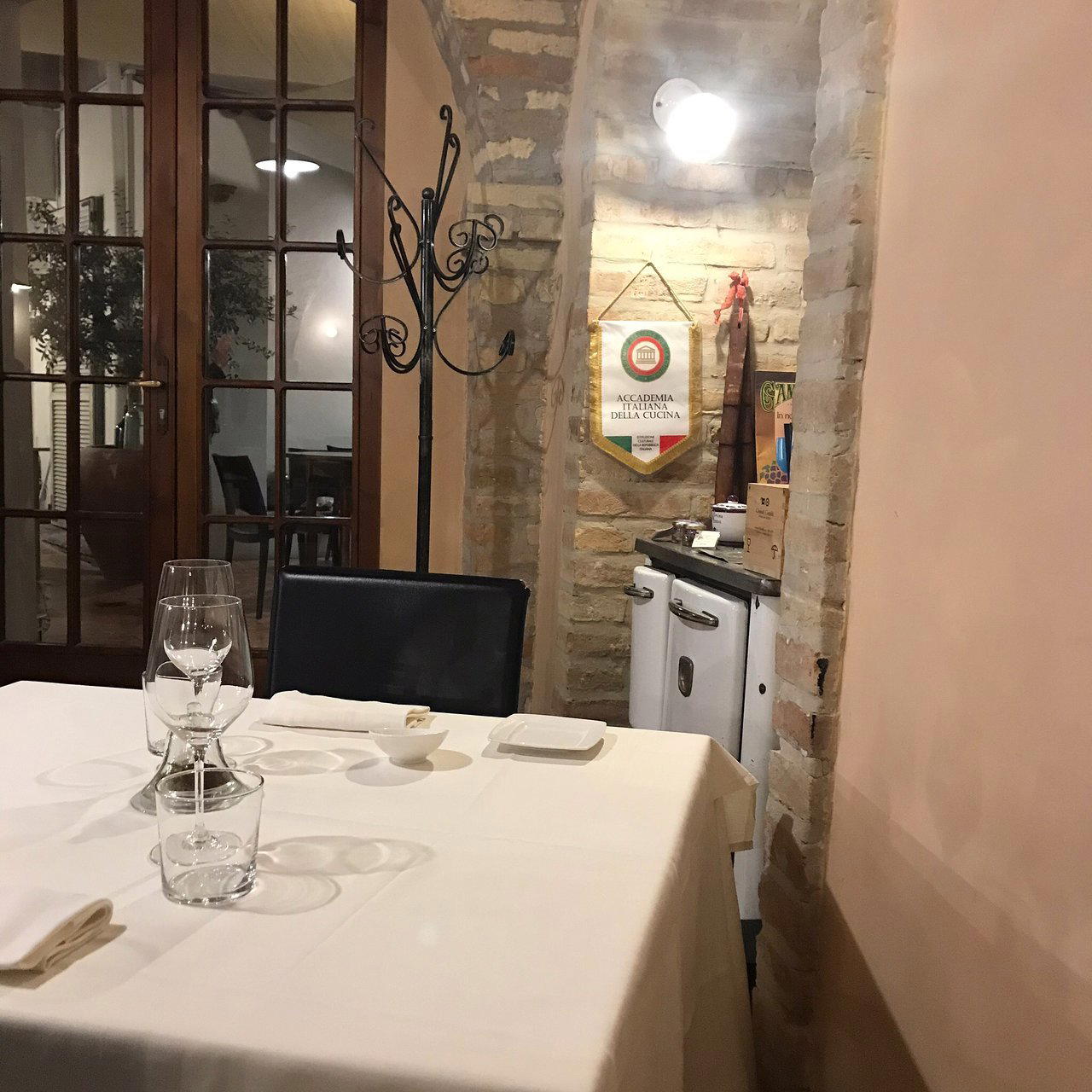
Bars in Ascoli Piceno
Browse all →
Hotels in Ascoli Piceno
Browse all →

Details
- Classic
- Rustic
- Casual Hangout
- Special Occasion
- Historic Building
- Local Sourcing
- Street Scene
- A La Carte
- Small Plates
Current opening hours
- Monday
- 9 AM–1:30 PM, 4:30–8:30 PM
- Tuesday
- 9 AM–1:30 PM, 4:30–8:30 PM
- Wednesday
- 9 AM–1:30 PM, 4:30–8:30 PM
- Thursday
- 9 AM–1:30 PM, 4:30–8:30 PM
- Friday
- 9 AM–1:30 PM, 4:30–8:30 PM
- Saturday
- 9 AM–1:30 PM, 4:30–8:30 PM
- Sunday
- Closed
Hours can change for holidays and private events. Last verified .
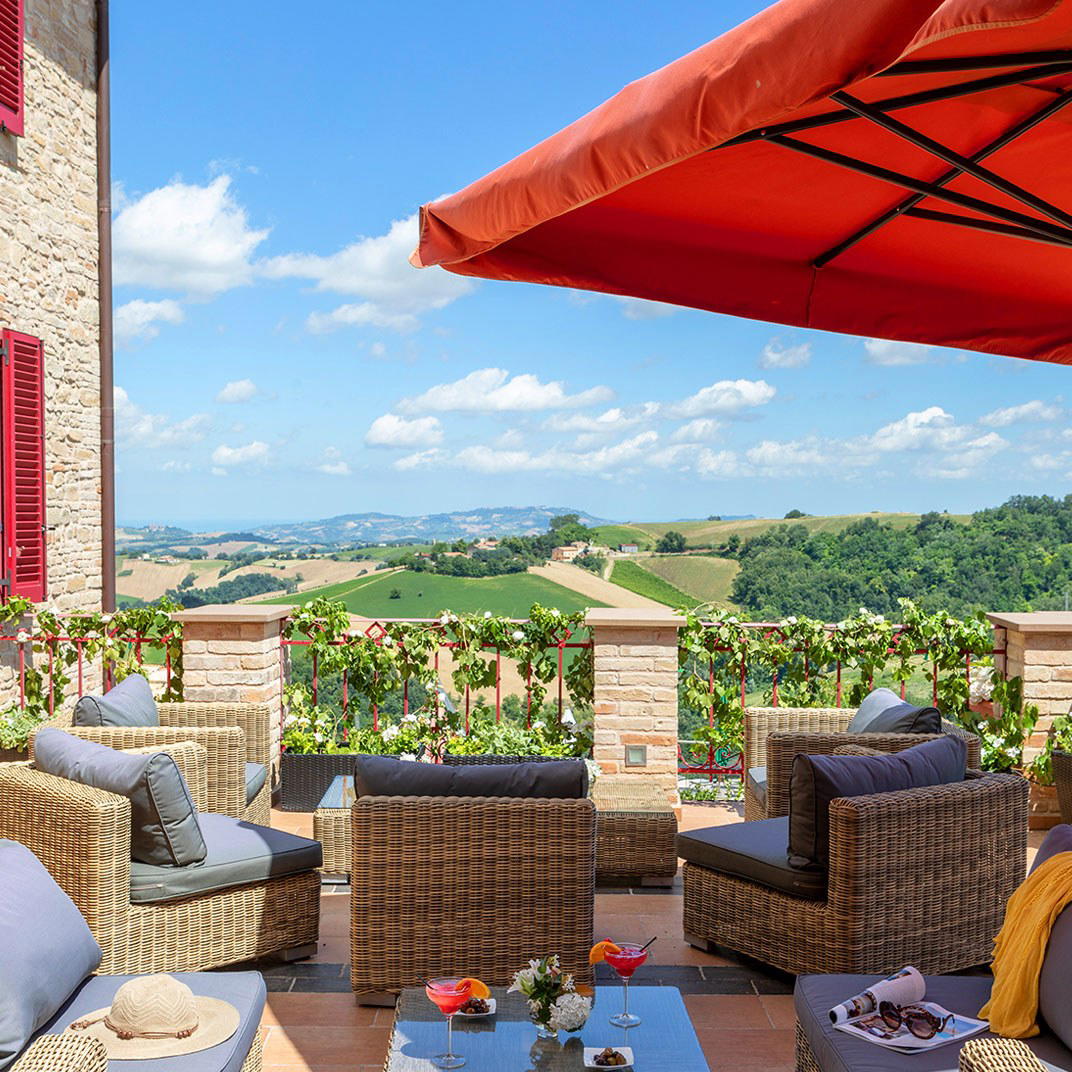
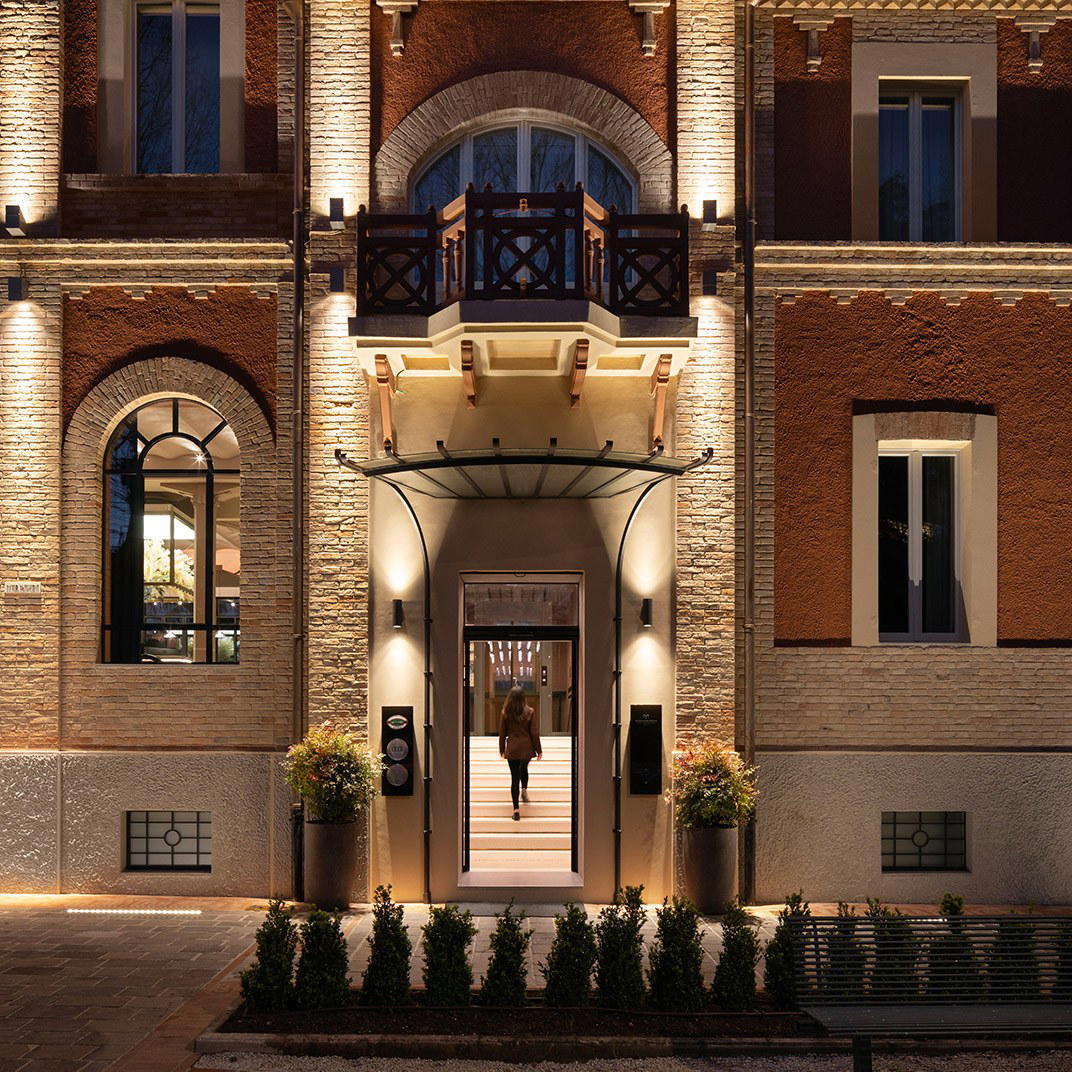
Grounded and traditional atmosphere in a historic city setting on a central piazza.