È bona furia
Our verdict
È bona furia sits on Via Dino Angelini in the heart of Ascoli Piceno, a city whose food culture runs deeper than most casual visitors realise. The name itself, local dialect for 'it's a good thing,' signals a kitchen rooted in Marchigiana tradition rather than modernist ambition. For anyone tracing authentic central Italian cooking away from the well-trodden Emilia-Romagna circuit, this address is worth the detour.

Pearl is the En Primeur Club membership app — saves, bookings, and concierge access live there. Same editors, same standards.
- Address
- Via Dino Angelini, 63100 Ascoli Piceno AP, Italy
- Phone
- +39736262734
- Hours
- Mon ClosedTue–Sun 5–10:30 PM
- Directions
- Get directions
The menu
What to order
- Pizza della Marca Picena
- Pizza Hero
- La Vegana Vittoriosa
Ascoli Piceno and the Food Culture That Shaped It
Central Italy's culinary map is easy to sketch at its edges: Rome to the south, Bologna to the north, Florence anchoring the west. The Marche sits between these reference points and has long operated in their shadow, which is one reason its food culture has remained largely intact. Ascoli Piceno, the region's southernmost major city, carries some of the most specific culinary identity in the country. The full Ascoli Piceno restaurants guide covers the range, but the city's eating culture tends to reward those who engage with it at street level before moving into seated dining.
The streets around Piazza del Popolo, one of Italy's grandest civic squares, function as a living demonstration of what Marchigiana cooking actually means in practice. Olive all'ascolana, the stuffed and fried olives that carry the city's name, are produced here from a specific cultivar — the tenera ascolana — grown only in this valley. Cremini, discs of fried custard, appear alongside them in most friggitorie as part of a fritto misto that predates contemporary small-plate dining by several centuries. This is food with geography embedded in it, and È bona furia operates within that tradition.
What the Name Signals
The name is local dialect: 'è bona furia' translates loosely as 'it's a good thing,' or idiomatically, 'it's worth it.' That kind of vernacular naming tends to mark a specific type of Italian restaurant: one that addresses a local audience first, positions itself by quality of product rather than conceptual ambition, and treats the regional archive of recipes as the point of departure rather than something to be deconstructed. Comparable postures appear in kitchens across Italy's mid-tier cities, places that lack the international profile of Osteria Francescana in Modena or Enoteca Pinchiorri in Florence but sustain the actual culinary traditions those celebrated rooms draw on for raw material.
Address on Via Dino Angelini places the restaurant inside Ascoli Piceno's historic centre, within reach of the medieval travertine architecture that defines the city's core. Arriving on foot from Piazza del Popolo takes less than ten minutes along streets that are largely car-free in the evening. The physical environment of central Ascoli, limestone underfoot, arcaded walkways, the low ambient noise of a mid-sized Italian provincial city rather than a tourist hub, sets a particular register before you reach the door.
The Marchigiana Table in Context
Marche's food identity splits broadly between the coast and the interior. Along the Adriatic, Uliassi in Senigallia has built one of Italy's most decorated seafood programs, working with Marchigiana catch under a creative framework that places it alongside Quattro Passi in Marina del Cantone and Le Bernardin in New York City as a reference point for serious fish cooking. The interior, by contrast, runs toward lamb, pork, lentils from the Sibillini highlands, and pasta formats, vincigrassi, vincisgrassi, or the broader category of egg pasta baked with offal-rich ragù, that have no coastal equivalent.
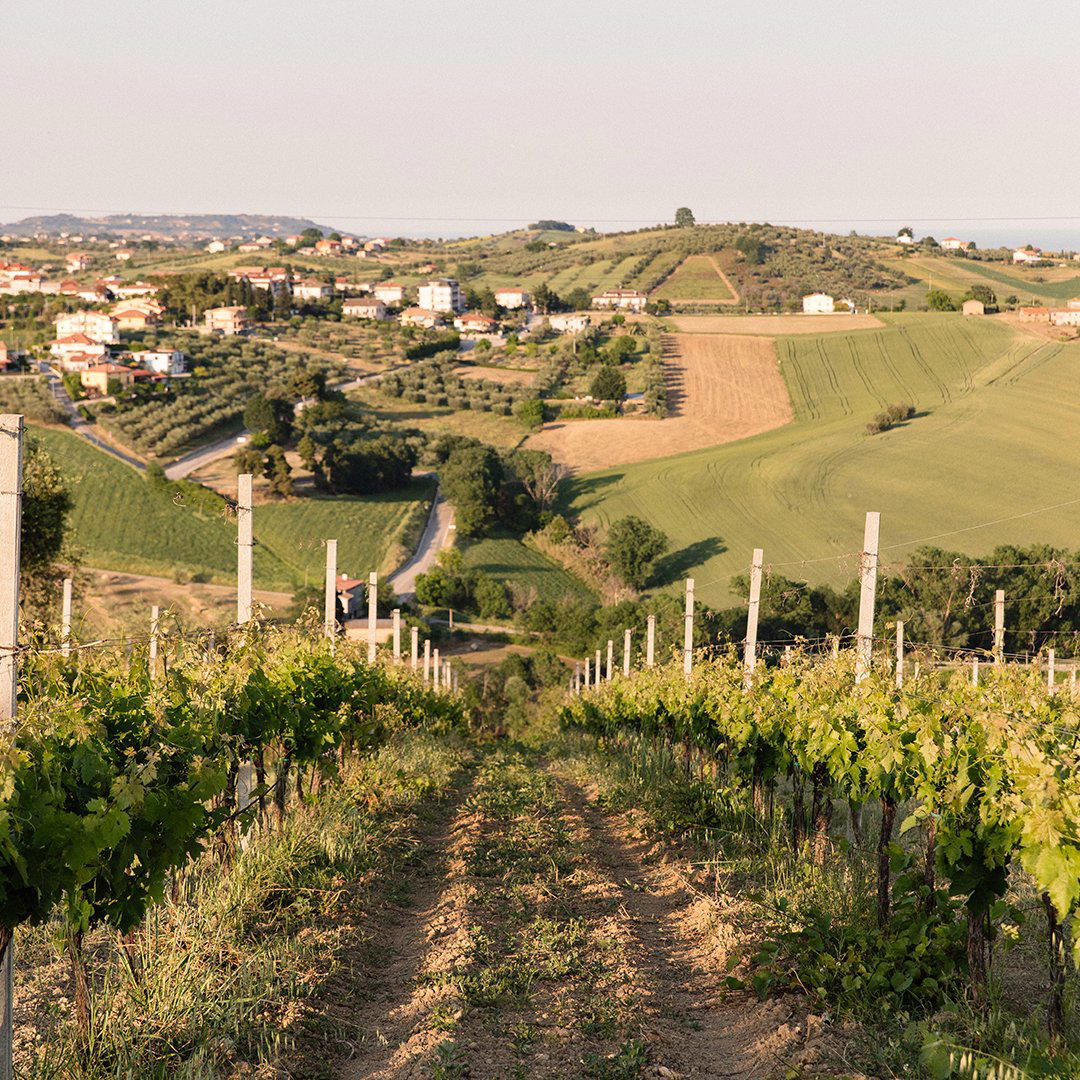
Ascoli Piceno sits at the hinge between these two registers, with the Tronto river valley providing agricultural variety and the Apennines close enough that altitude-grown ingredients appear on local tables. Restaurants here don't face the same competitive pressure or international scrutiny as those in Bologna or Rome, which creates both an opportunity and a challenge: the cooking can remain genuinely local, but the lack of external benchmarking means quality varies significantly between addresses. È bona furia's positioning, its name, its location, its apparent alignment with the civic food culture, places it in the category of restaurants that take that local specificity as a point of pride rather than a limitation.
Where It Sits in the Regional Dining Tier
Italian fine dining has a clear upper register, occupied by rooms such as Reale in Castel di Sangro, Dal Pescatore in Runate, Piazza Duomo in Alba, and Atelier Moessmer Norbert Niederkofler in Brunico, where tasting menus, long booking windows, and international critical attention define the format. Below that tier, Italy operates a much larger middle category: trattorias and osterie where the cooking is serious, the wine list regionally focused, and the clientele predominantly local. This is the category that sustains Italian food culture at the ground level, and it's the category where È bona furia most plausibly sits.
For comparison, Caffè Meletti, another Ascoli address with deep roots in Marchigiana food and drink culture, illustrates how a city of this size can support multiple serious operators without any single room dominating in the way that, say, Enrico Bartolini dominates Milan or Villa Crespi dominates Orta San Giulio. Ascoli's size keeps the dining ecosystem distributed. The Ascolana represents another point on the local spectrum, anchoring a different register of the same food tradition.
Planning a Visit
Ascoli Piceno is reached by train from Rome in roughly three hours via the Adriatic coast line through San Benedetto del Tronto, or by road from the A24 motorway. The city functions well as a standalone stop rather than a day trip, the historic centre rewards time on foot, and the surrounding Sibillini foothills extend the visit for those interested in the landscape that produces much of the food. Restaurants in cities of this scale rarely require the booking lead times of a Lazy Bear in San Francisco or Le Calandre in Rubano, though weekend evenings during summer and the autumn harvest period attract more visitors and reward earlier contact. Direct booking by phone or in person is the local norm for restaurants at this level; online reservation systems are less consistently used in smaller Italian cities. Arriving without a reservation on a Thursday lunch is a reasonable risk; a Saturday dinner in August is not.
Frequently asked questions
Where is È bona furia in Ascoli Piceno?
È bona furia is located at Via Dino Angelini, 63100 Ascoli Piceno AP, Italy, Ascoli Piceno.
Is È bona furia a good base for understanding Ascoli Piceno's food culture beyond olive all'ascolana?
Ascoli Piceno's food identity runs deeper than its most exported dish: the interior Marche table includes cured meats from Norcia's sphere of influence, Pecorino di Fossa aged in underground pits, and freshwater fish from the Tronto valley. A restaurant named in local dialect on Via Dino Angelini in the city centre is positioned to work across that range rather than anchor to a single showpiece. For a visitor new to the region, that breadth makes it a practical entry point into Marchigiana cooking as it actually exists in the interior.
What dish is È bona furia famous for?
The restaurant sits squarely in Ascoli Piceno, the city that gave olive all'ascolana its name and its template — stuffed, breaded, fried olives that no other Italian city replicates in quite the same way. A kitchen on Via Dino Angelini operating under this name signals alignment with that local specificity. Vincigrassi, the region's layered pasta, and lamb preparations from the Sibillini foothills also belong to the Marchigiana interior canon that a restaurant here would logically draw from.
How far ahead should I plan for È bona furia?
Ascoli Piceno draws far less tourist traffic than Florence, Rome, or Bologna, so booking timelines at local restaurants rarely stretch beyond a week or two for most evenings. Weekend dinner, particularly in summer when the town fills with Italian visitors from the coast, is the exception worth planning a few days earlier. Arriving without a reservation on a quiet Tuesday is a reasonable gamble; arriving on a Saturday in August without one is not.
What's È bona furia best at?
The name itself is a signal: 'è bona furia' is local dialect for 'it's worth it,' which points toward a kitchen making its case through regional conviction rather than cross-regional or modernist reach. Restaurants anchored in this kind of vernacular identity in the Marche interior tend to focus on ingredient sourcing from the surrounding province and on preparations tied to Ascoli Piceno's own food history. That is a different proposition from, say, the Adriatic-facing ambition of Uliassi in Senigallia, and one worth understanding before you book.
Price and Recognition
Comparable venues nearby, for context on price, style, and recognition.
| Venue | Cuisine | Price | Awards | Notes |
|---|---|---|---|---|
| È bona furiaThis venue — the venue you are viewing | Marchigiana Pizza | $20–30 | Not listed | Not listed |
| Ascolana | Traditional Ascolana Stuffed Olives | $1–10 | Not listed | Piazza Fausto Simonetti, Traditional Ascolana Stuffed Olives |
| Caffè Meletti | Historic Italian Café with Regional Cuisine | $20–30 | Michelin Plate | Piazza del Popolo, Historic Italian Café with Regional Cuisine |
| Monzù Vladì | Creative Regional Italian | Not listed | Not listed | Trastevere, Creative Regional Italian |
| Gelateria La Romana | Sallustiano, Artisanal Italian Gelato | Not listed | Not listed | Not listed |
| Arso Trattoria Moderna | Traditional Roman Trattoria | $20–30 | Not listed | .null, Traditional Roman Trattoria |
Continue exploring
More in Ascoli Piceno
Restaurants in Ascoli Piceno
Browse all →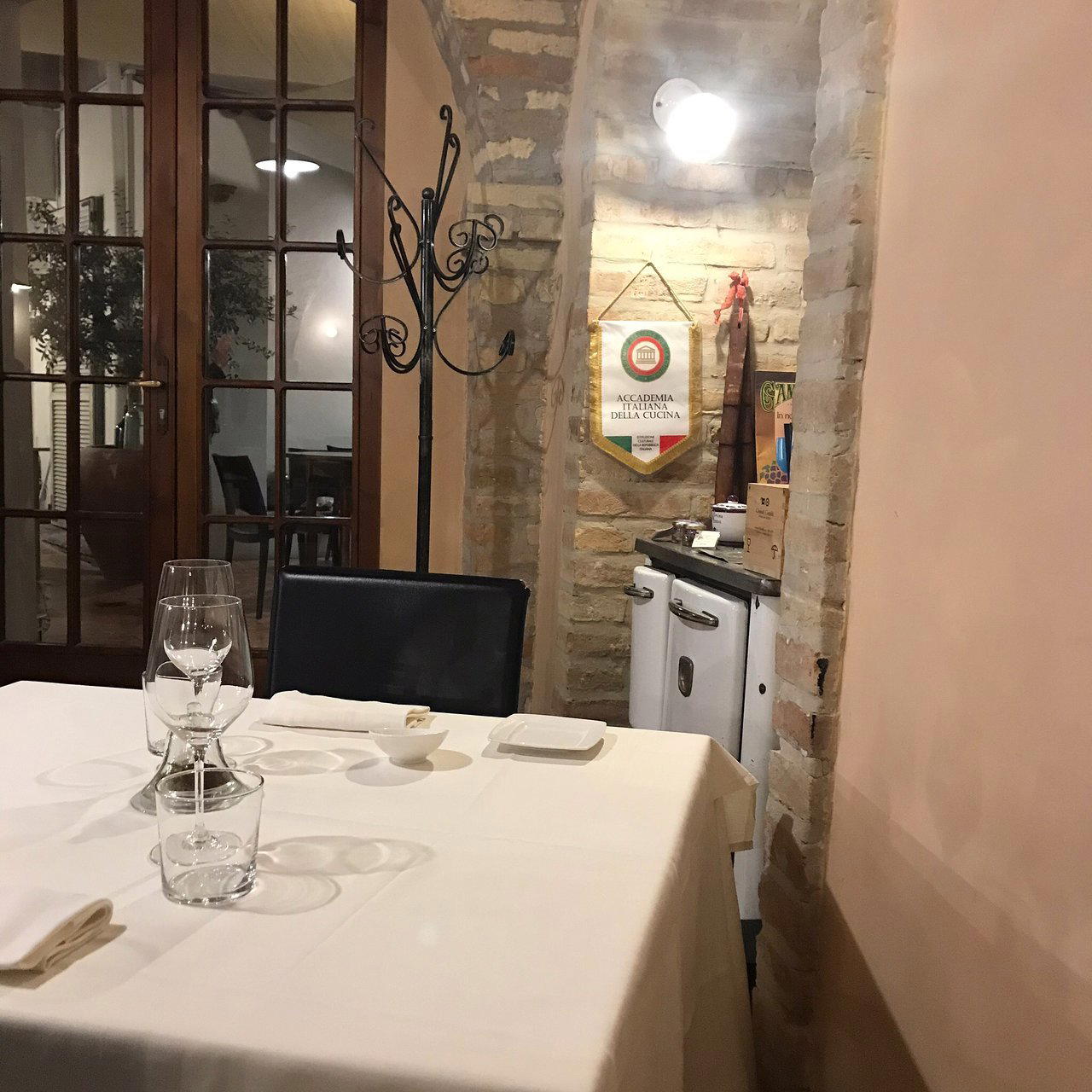
Bars in Ascoli Piceno
Browse all →
Hotels in Ascoli Piceno
Browse all →

Details
- Rustic
- Cozy
- Casual Hangout
- Family
- Open Kitchen
- Local Sourcing
- A La Carte
- Vegetarian Friendly
Current opening hours
- Monday
- Closed
- Tuesday
- 5–10:30 PM
- Wednesday
- 5–10:30 PM
- Thursday
- 5–10:30 PM
- Friday
- 5–10:30 PM
- Saturday
- 5–10:30 PM
- Sunday
- 5–10:30 PM
Hours can change for holidays and private events. Last verified .
Casual and welcoming atmosphere in Ascoli Piceno's historic center, focused on quality regional pizza traditions.