Ascension Coffee
Ascension Coffee at 200 Crescent Court sits inside one of Dallas's most architecturally deliberate mixed-use addresses, where the coffee program operates at a remove from both fast-casual chains and the city's more performative third-wave roasters. The Uptown location makes it a natural stop between the Arts District and the Katy Trail corridor, drawing a crowd that spans laptop workers, post-gallery visitors, and hotel guests from the adjacent Rosewood property.
 Discover on Pearl
Pearl is the En Primeur Club membership app — saves, bookings, and concierge access live there. Same editors, same standards.
- Address
- 200 Crescent Ct #40, Dallas, TX 75201
- Phone
- +14699414542
- Website
- ascension.coffee
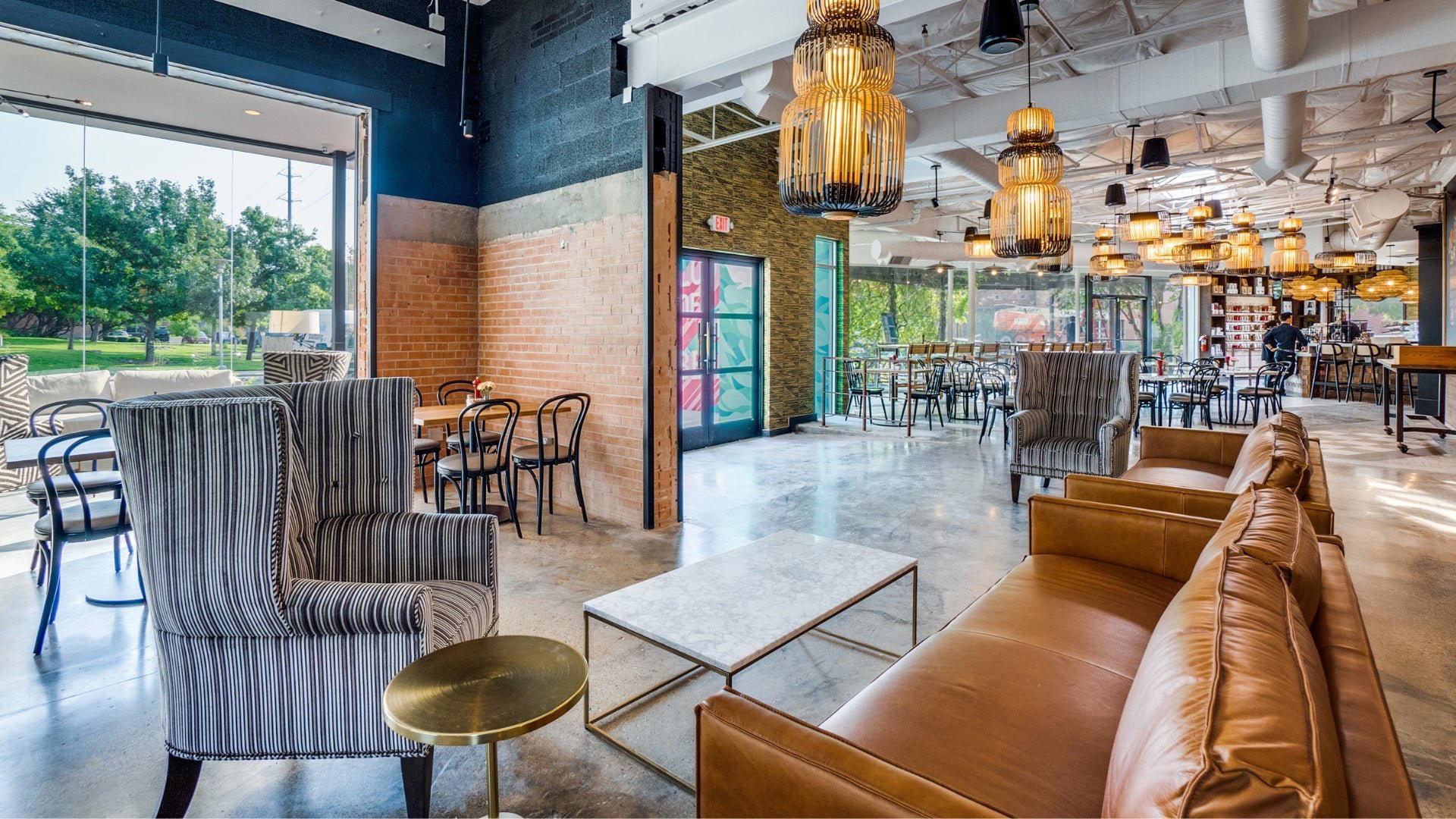
Coffee Culture at the Crescent: Where Uptown Dallas Slows Down
Dallas has never had a shortage of coffee ambition. In the past decade, the city has cycled through pour-over purists, espresso-forward Italian imports, and cold-brew specialists, each staking out a corner of a market that takes its caffeine seriously. Within that spread, the Crescent Court address at 200 Crescent Ct #40 has become one of the more interesting anchors in Uptown: a Specialty Coffee & Brunch Cafe that serves a straightforward, casual stop at a walk-in-friendly price point of about $15 per person. Ascension Coffee operates here as a serious coffee program inside one of Dallas's most architecturally considered addresses, and the combination produces a specific kind of experience that is harder to replicate than it looks.
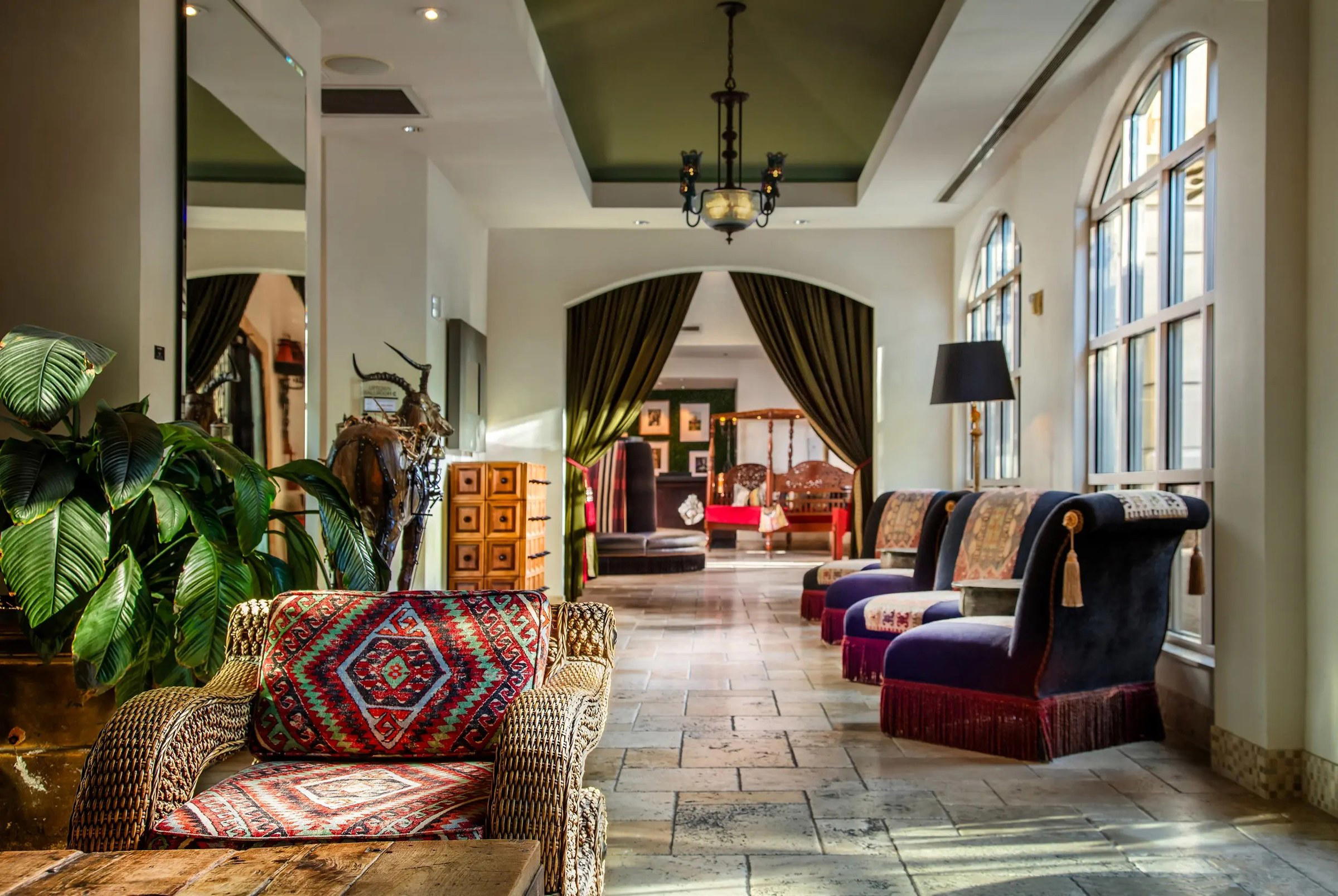
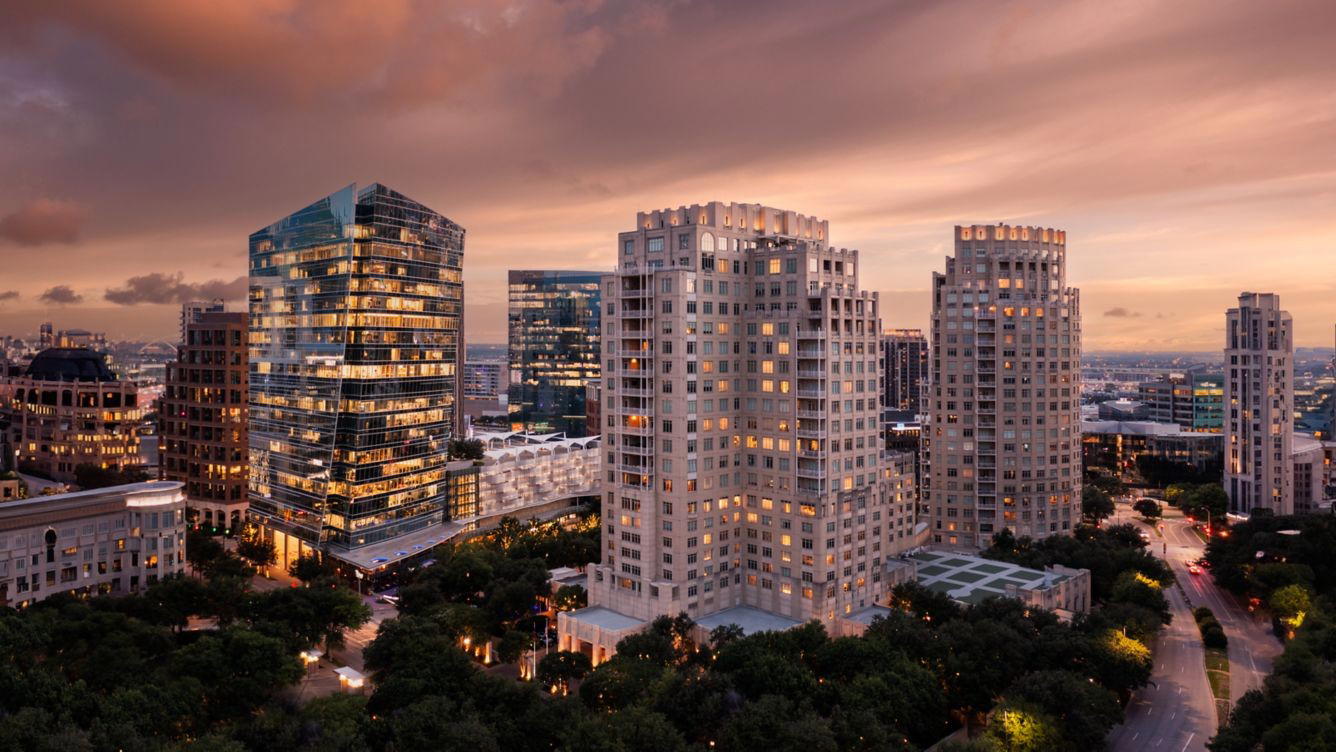
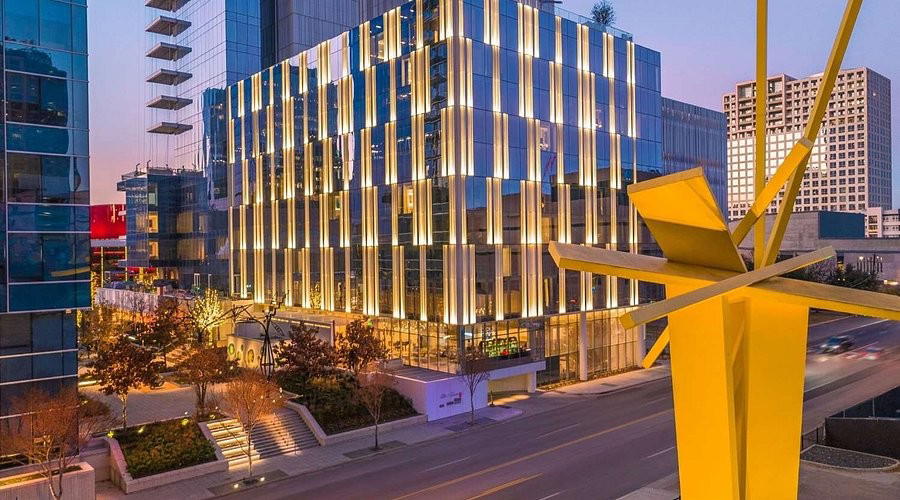
The Crescent Court complex gives Ascension Coffee a physical context that few Dallas cafes can claim. The limestone-clad Postmodern architecture and open courtyard create a setting where the act of ordering a coffee carries a certain formal weight without tipping into pretension. Guests arriving from the adjacent Rosewood Crescent Hotel or from the nearby Katy Trail find the same calibrated atmosphere regardless of the hour, which is rarer in a city where coffee spaces tend toward either aggressively casual or self-consciously designed.
The Room and What It Asks of You
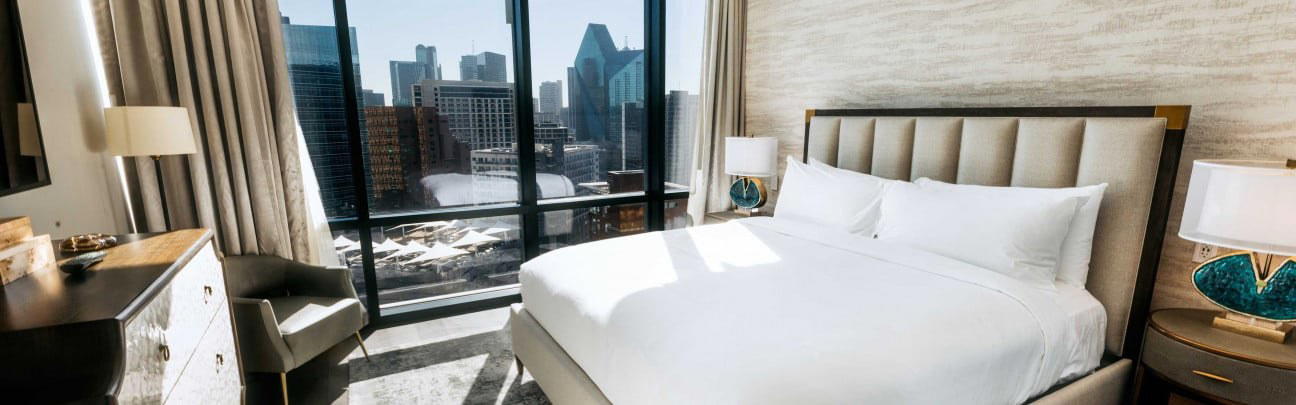
The physical experience of a coffee space shapes what the service team can deliver, and Ascension Coffee benefits from a room that does some of the work. The Crescent Court location carries natural light through much of the day, and the proximity to the hotel means the front-of-house operates under a hospitality standard that most standalone cafes don't face. That pressure tends to sharpen service: staff at hotel-adjacent positions learn quickly that the guest arriving for a flat white at 8am may have flown in from London the night before, and a single misstep reads differently here than at a neighborhood spot. The team dynamic in spaces like this is defined less by barista craft in isolation and more by the coordination between the bar, the floor, and the broader guest flow of the complex.
In American coffee culture, that kind of coordination is associated with specialty programs where the coffee knowledge at the bar is matched by floor literacy about pacing and guest management. Venues like Smyth in Chicago or Single Thread Farm in Healdsburg have built reputations partly on that alignment between kitchen output and front-of-house attunement. At the coffee level, the same principle applies: the shot pulled correctly is only half the transaction.
Uptown Dallas and the Case for a Deliberate Detour
Ascension Coffee's Uptown location places it in a dense dining and drinking corridor that includes some of Dallas's most-discussed restaurants. Mamani and Tatsu Dallas represent the area's appetite for serious food with precise execution. 3Eleven Kitchen and Cocktails and 360 Brunch House speak to the neighborhood's range across day and evening formats. 12 Cuts Brazilian Steakhouse adds a high-energy protein-forward option that fills a different slot entirely. Within this dining corridor, Ascension Coffee occupies the morning and midday anchor position, the place where Uptown residents and visitors orient their day before the dinner-focused options come online.
That position in the daily rhythm of the neighborhood is worth acknowledging. In cities like New York and San Francisco, the leading coffee programs, operating near the same zip codes as places like Le Bernardin or Lazy Bear, have learned that their guest base expects consistency at a higher register than the average cafe. Dallas is catching up to that expectation, and Ascension Coffee at the Crescent is one of the addresses making the case that the city can sustain it.
For context on how Dallas's dining culture sits nationally, venues in other cities can be useful reference points for precision hospitality. Dallas has its own version of that ambition, and its leading coffee programs are part of the same conversation. The cafe that operates at the same standard as the city's high-end restaurants, consistent, attentive, unflashy, serves a function that is easy to undervalue until you're in a city where that option doesn't exist.
How Ascension Fits the Broader American Coffee Shift
American specialty coffee has matured enough that the distinction between first-wave commodity coffee and third-wave single-origin programs is no longer the main argument. The current question is about integration: how a coffee program lives inside a broader hospitality context, how it handles volume without losing quality, and how it trains a floor team to match the standard set at the bar. These are the same questions that fine dining addresses, scaled down to a 12-ounce cortado. Venues like The French Laundry in Napa, Providence in Los Angeles, and Blue Hill at Stone Barns in Tarrytown have built reputations on exactly that kind of integration across every station. A coffee program operating inside a luxury mixed-use address faces a compressed version of the same challenge.
Ascension Coffee at the Crescent Court answers that challenge with an environment and a service model shaped by its address. Execution on any given morning depends on staffing, seasonality, and the small variables that define the gap between a good cafe and a reliable one. What the address provides is the framework; what the team delivers is the argument. Fine dining shows how the gap between setting and execution is where reputation is built or lost.
Know Before You Go
- Address: 200 Crescent Ct #40, Dallas, TX 75201
- Neighbourhood: Uptown Dallas, adjacent to the Rosewood Crescent Hotel
- Parking: Crescent Court complex parking available; valet via the hotel is an option
- Phone: walk-ins are the standard format
- Booking: No reservation required for coffee service
- Good for: Morning meetings, post-Katy Trail stops, hotel guests, Arts District visitors
Where the Accolades Land
Comparable venues nearby, for context on price, style, and recognition.
| Venue | Cuisine | Price | Awards | Notes |
|---|---|---|---|---|
| Ascension CoffeeThis venue — the venue you are viewing | Specialty Coffee & Brunch Cafe | $$ | , | |
| City Cafe | American Comfort Food | $$ | , | Devonshire |
| Republic Texas Tavern | Texas Tavern American | $$ | , | Preston Hollow |
| Maple Landing | Texas BBQ & Gourmet Burgers | $$ | , | Stemmons Corridor |
| Roots Southern Table | Modern Southern | $$ | 1 recognition | Branch Crossing |
| MUTTS Canine Cantina® - Dallas | American Dog-Friendly Cantina | $ | , | Uptown |
Continue exploring
More in Dallas
Restaurants in Dallas
Browse all →
Bars in Dallas
Browse all →
Hotels in Dallas
Browse all →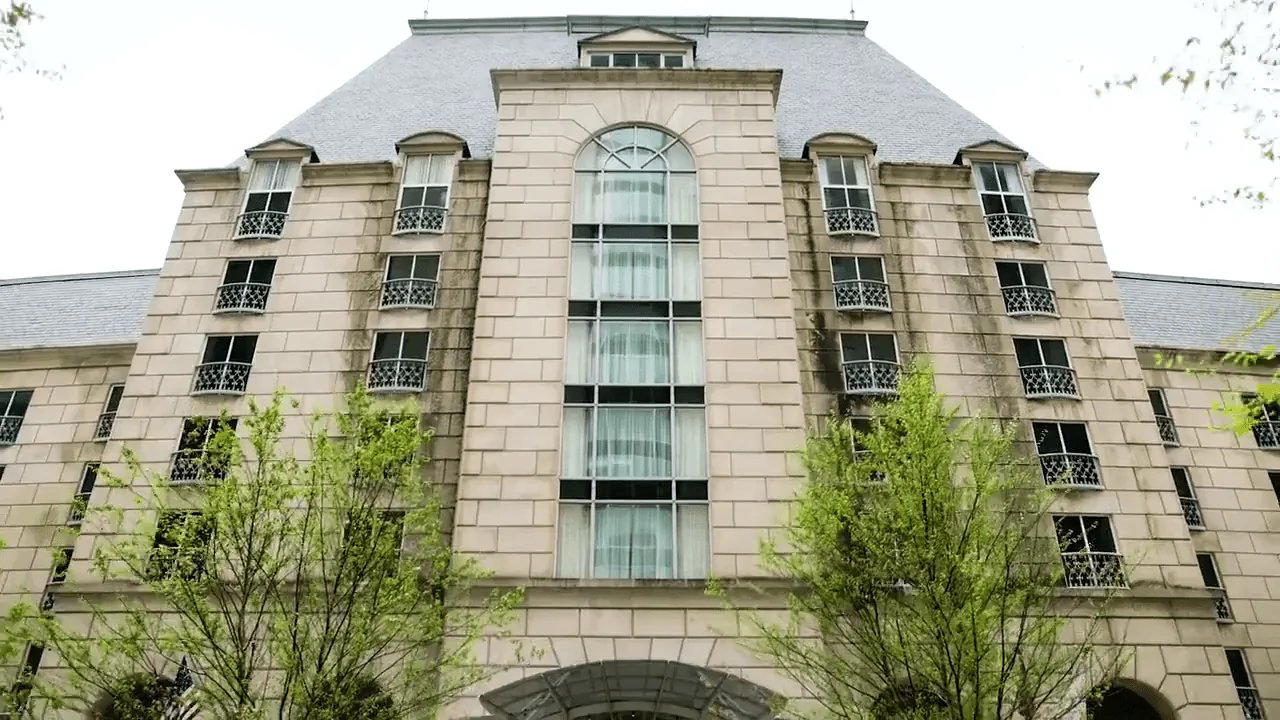
At a Glance
- Cozy
- Modern
- Trendy
- Brunch
- Casual Hangout
- Open Kitchen
- Craft Cocktails
Warm, relaxed, and conversation-filled atmosphere with a stress-free inviting vibe.