Art de l'Eau
Art de l'Eau serves Gastronomic French dinner in Bray-Dunes with a quiet, leisurely pace and an extensive wine list.
Pearl is the En Primeur Club membership app — saves, bookings, and concierge access live there. Same editors, same standards.
- Address
- 989 Av. du Général de Gaulle, 59123 Bray-Dunes, France
- Phone
- +33328277405
- Website
- lartdeleau.fr
- Directions
- Get directions
 Saves & bookings on Pearl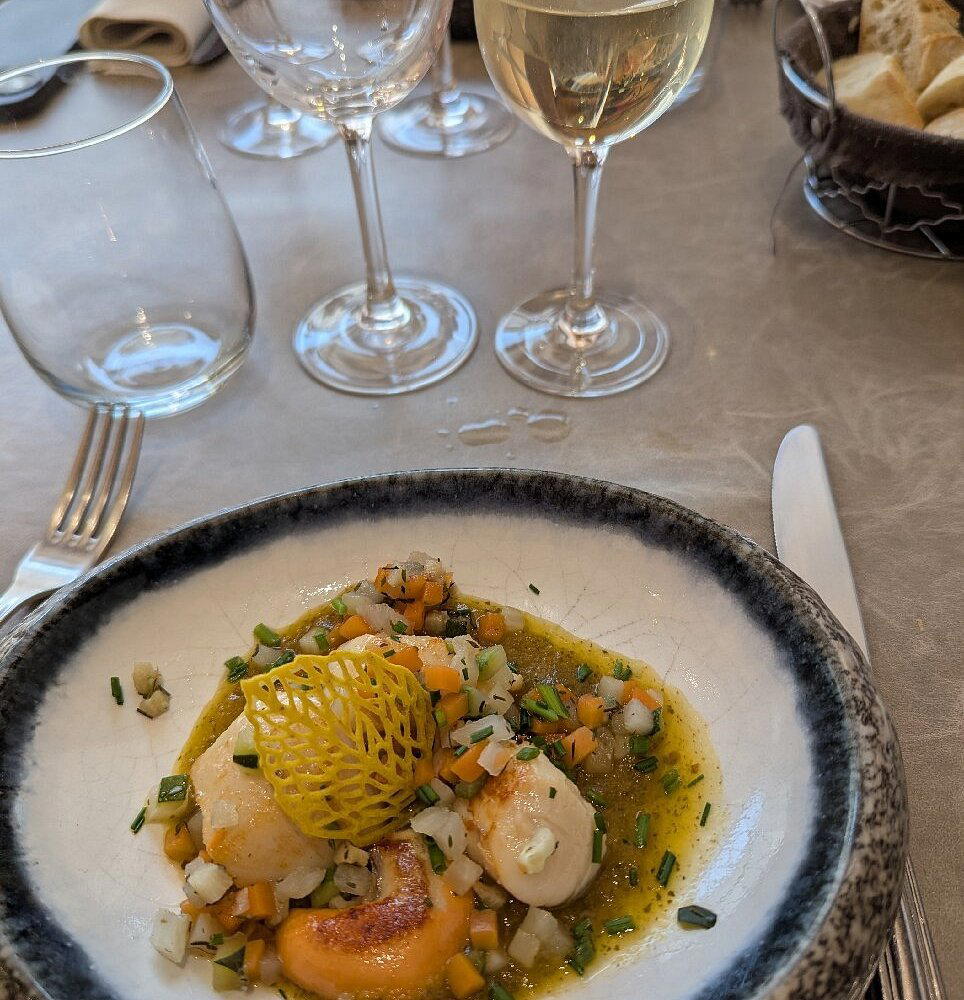
Where the Dunes Meet the Table
Art de l'Eau is a restaurant in Bray-Dunes, France, serving gastronomic French cuisine and recommended for reservations, with meals typically around $50 per person. The town sits at the easternmost point of the French Dunkirk coastline, a place shaped more by tidal wind and wartime memory than by any gastronomic reputation. That context matters, because Art de l’Eau on Avenue du Général de Gaulle does not exist in spite of that setting; it exists because of it. The coastal address announces the kitchen’s logic before you reach the door: in this part of the Nord department, what arrives from the water is the point.
Coastal Sourcing as the Defining Frame
Northern France’s coastal cooking tradition is distinct from the butter-and-cream registers of Normandy and the Mediterranean-lit abundance of, say, Mirazur in Menton. The Channel and the southern North Sea produce a colder, leaner catch: sole, turbot, grey shrimp, razor clams, and seasonal mackerel runs that move quickly through local fish markets before any refrigerated truck gets to them. Kitchens that work within this geography either embrace the brevity of that supply chain or ignore it in favour of imports. The ones that embrace it tend to produce food that reads as an argument for the region, not merely a meal served within it.
That sourcing logic is the editorial frame through which Art de l’Eau is best understood. Restaurants in coastal towns of this scale, removed from the prestige circuits that run through Paris or Lyon, often function more as community anchors than as destinations. But proximity to the shoreline in Bray-Dunes means access to the kind of daily-variable ingredient supply that larger urban kitchens pay significant logistics costs to replicate. What arrives locally and seasonally here is not a marketing proposition; it is simply how the kitchen has to operate.
For comparison, the multi-starred restaurants of France’s interior, from Bras in Laguiole to Maison Lameloise in Chagny, have built their ingredient philosophies around terroir-specific land produce: highland herbs, Charolais beef, Burgundy fungi. The northern coastal equivalent substitutes the seabed and tidal estuary for the field and forest, demanding its own form of technical fluency and seasonal attentiveness from the kitchen.
The Setting and How It Shapes the Experience
Bray-Dunes operates at a quieter register than France’s resort-profile coastal towns. It draws summer visitors from Lille, Ghent, and Brussels, drawn by the long flat beach and the relative absence of the crowds that move through Deauville or Biarritz. Outside July and August, the town settles into a pace that is closer to a small Flemish border community than a conventional French seaside resort. A restaurant in this context is not competing for the same covers or the same diner profile as addresses in Saint-Tropez, where La Vague d’Or works within a luxury-hotel ecosystem, or in Courchevel, where Le 1947 à Cheval Blanc operates against a backdrop of seasonal alpine affluence. The audience here is different, and so is the proposition.
The address on Avenue du Général de Gaulle places Art de l’Eau on one of the town’s main arteries, accessible from the beachfront and walkable from the central parking areas that serve the seafront. For visitors arriving from across the Belgian border, Bray-Dunes is roughly 20 kilometres northeast of Dunkirk and reachable by road in under 30 minutes from De Panne on the Flemish coast. Cross-border dining is a genuine pattern in this part of Europe, where Belgian and French food cultures have historically traded influence, and a restaurant on this frontier sits in an interesting culinary overlap zone.
Northern France in a Wider Dining Context
France’s three-star geography has always skewed south and toward the Rhône corridor: Paul Bocuse in Collonges-au-Mont-d’Or, Troisgros in Ouches, Auberge de l’Ill in Illhaeusern, Les Prés d’Eugénie in Eugénie-les-Bains, and the concentrated Parisian addresses such as Alléno Paris au Pavillon Ledoyen. The Nord-Pas-de-Calais region has historically sat outside that prestige corridor, its cooking shaped more by Flemish and industrial heritage than by the gastronomic nationalism that put Lyon and Burgundy on the international map. That makes any serious kitchen operating here an outlier by geography alone, which is either a disadvantage or an opportunity depending on the kitchen’s confidence in what the region actually offers.
Internationally, the model of coastal fine dining built on hyperlocal sourcing has proven durable. Le Bernardin in New York City built its entire identity around the primacy of fish as ingredient, treating it with a seriousness that land-based kitchens typically reserve for aged beef or heritage grain. Closer in spirit to the northern French coastal context, that argument translates into a different register: less luxury protein, more tide-dependent catch, and a kitchen calendar dictated by the North Sea rather than by any supplier catalogue.
Planning Your Visit
Bray-Dunes is most accessible by car; from Lille, the A25 motorway runs directly to Dunkirk and the D601 coastal road continues east to the town centre in a total journey of around 75 kilometres. Belgian visitors from the West Flanders coast face a shorter drive still, making this a viable cross-border lunch or dinner proposition. Summer weekends from late June through August represent the highest-demand period, when the town’s beach population swells substantially. Visiting outside that window, particularly in late spring or early autumn, gives a clearer sense of how the kitchen operates when the coastal supply chain is running at its most consistent and the dining room is less pressured. Reservations are recommended. Other comparable coastal and regionally grounded French restaurants include Auberge du Vieux Puits in Fontjoncouse, Georges Blanc in Vonnas, Flocons de Sel in Megève, L’Oustau de Baumanière in Les Baux, and La Table du Castellet in Le Castellet. For an American parallel in the seafood-as-primary-discipline tradition, Lazy Bear in San Francisco offers a useful reference point for how a clear sourcing philosophy shapes format and expectation.
In Context: Similar Options
Comparable venues nearby, for context on price, style, and recognition.
| Venue | Cuisine | Price | Notes |
|---|---|---|---|
| Art de l'EauThis venue — the venue you are viewing | Gastronomic French | $$$ | Not listed |
| Hostellerie Saint-Louis | Traditional French Bistronomic | $$$ | Bollezeele |
| Bienheureux | Modern French seasonal tasting menu | $$$ | Wasquehal |
| Les Tuileries | Refined French Bistro | $$$ | Beuvry-la-Foret |
| Maison Blanche | Modern French Fine Dining | $$$ | 8th arrondissement |
| Le Petit Canard | Traditional French Duck Bistro | $$$ | 9th arrondissement |
Continue exploring
More in Bray Dunes
Restaurants in Bray Dunes
Browse all →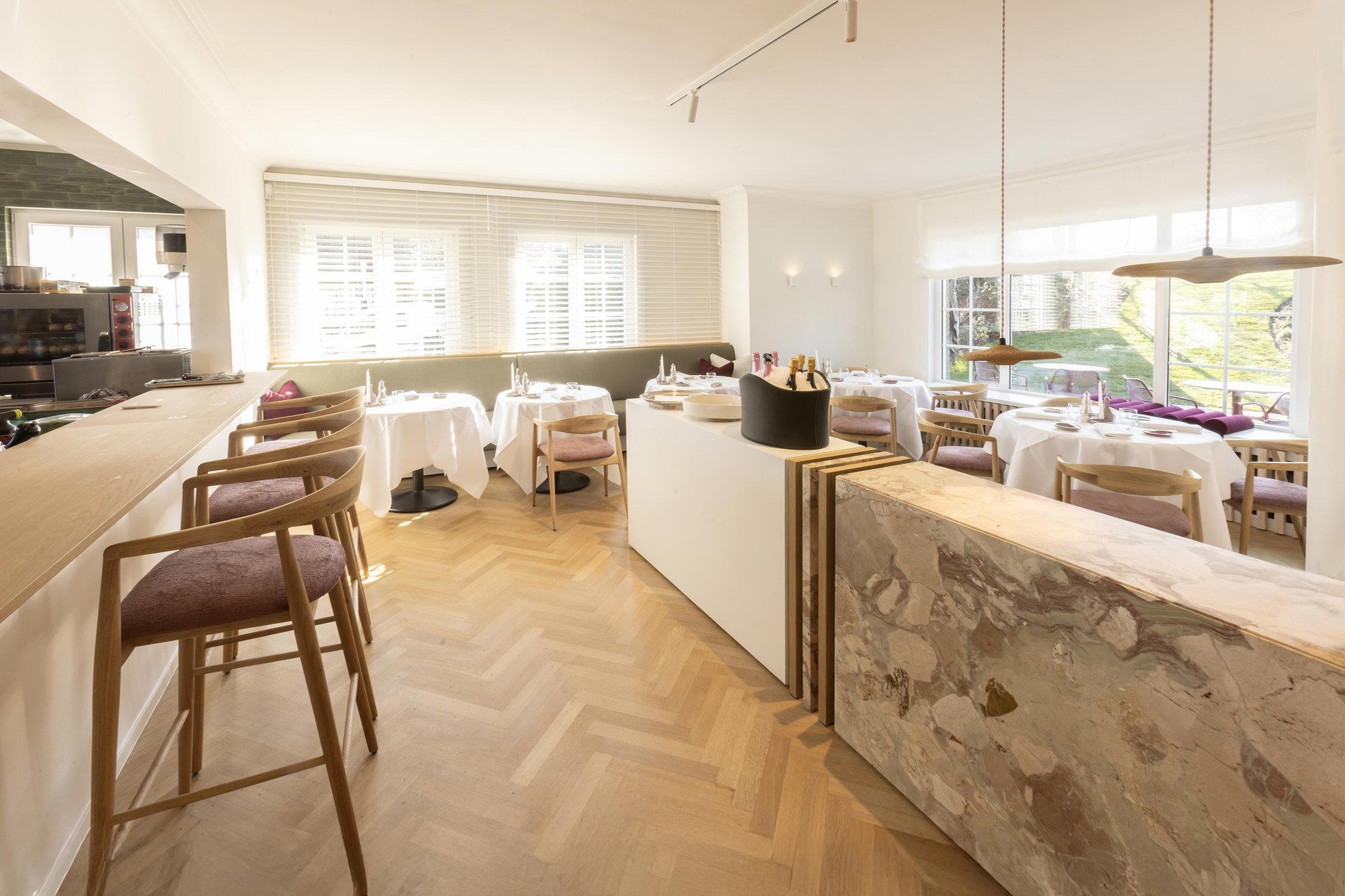
Bars in Bray Dunes
Browse all →
Hotels in Bray Dunes
Browse all →
Wineries in Bray Dunes
Browse all →
At a Glance
- Elegant
- Cozy
- Sophisticated
- Date Night
- Special Occasion
- Standalone
- Extensive Wine List
- Local Sourcing
Current opening hours
- Monday
- 12–1:30 PM
- Tuesday
- 12–1:30 PM
- Wednesday
- Closed
- Thursday
- 12–1:30 PM
- Friday
- 12–1:30 PM, 7–8:30 PM
- Saturday
- 12–1:30 PM, 7–8:30 PM
- Sunday
- 12–1:30 PM
Hours can change for holidays and private events. Last verified .
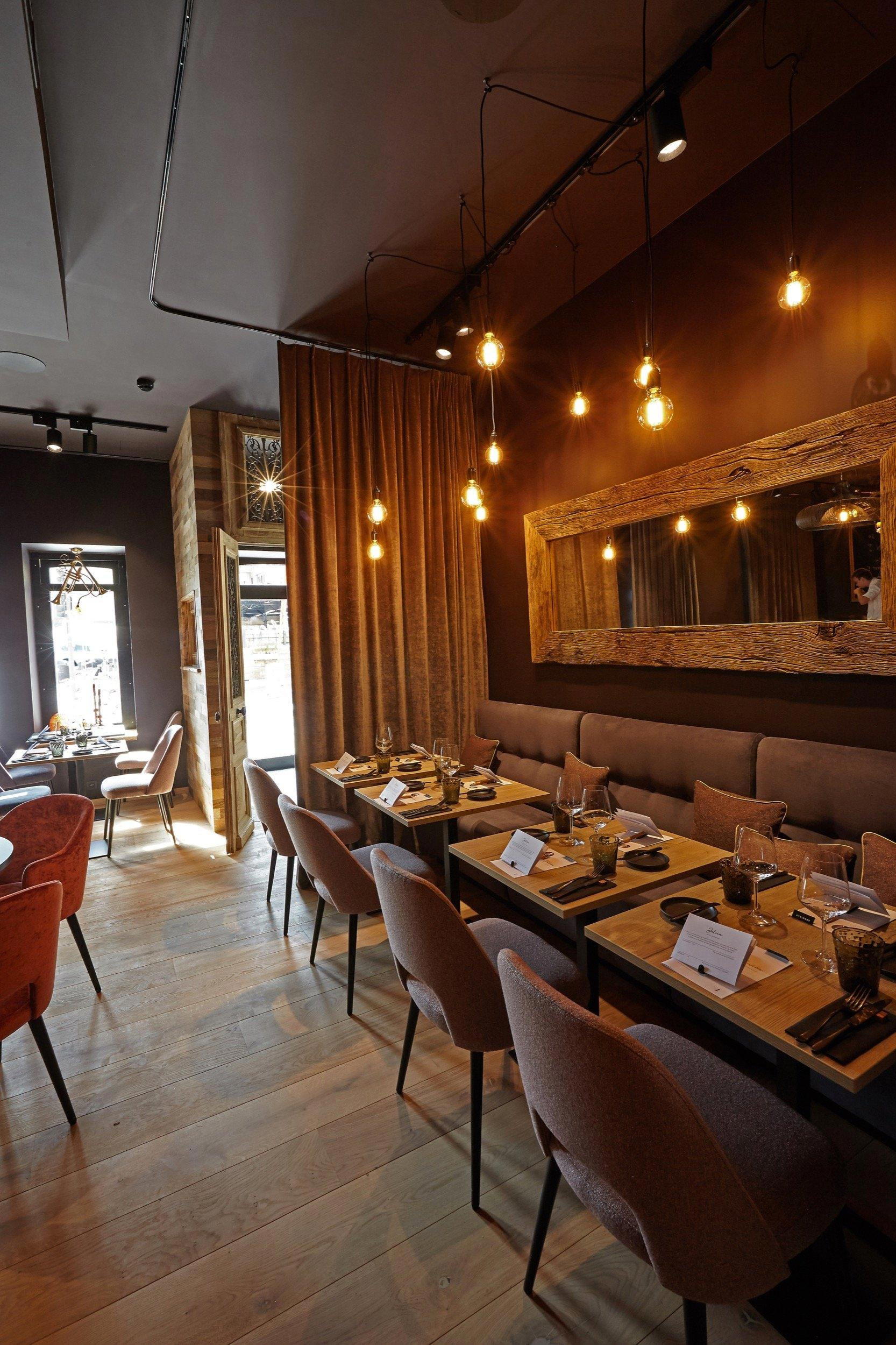
Warm, refined atmosphere with a quiet, pleasant, and modern decor.